In November 2013, I was living what I thought was my best life—as a photographer, a wife, and a mom to two wonderful boys, ages 23 and 11. Life was comfortable, predictable, and full of love. Then, one ordinary day, a phone call from Lee County Social Services changed everything. During that call, I learned that my niece’s six-week-old baby boy had been placed in foster care.
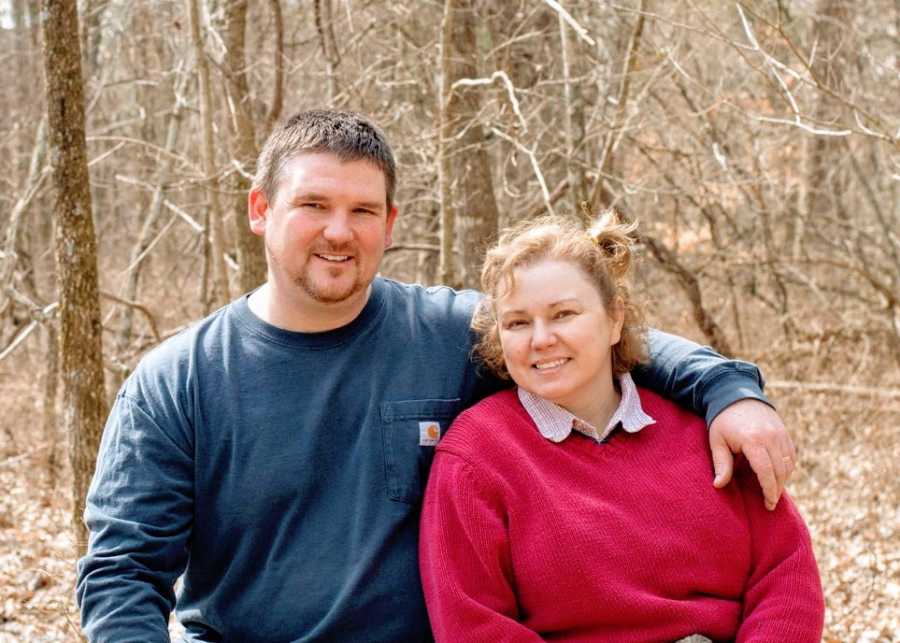
The social worker explained that I was basically the only blood relative who could take him. Her words hit me hard: the baby, named Grayson, had been born addicted and had spent his first month in the hospital being carefully weaned off drugs. My heart ached for this tiny boy I’d never met.
Bringing Grayson into our home, however, was not simple. My husband, Tony, and I would need to complete foster parent training. Our oldest son, who was over 18, also had to complete training. On top of that, a home study was required. And because Grayson was in the custody of the State of Virginia while we lived in Kentucky, the situation became even more complicated—it was an ICPC case, an Interstate Compact for the Placement of a Child.
I couldn’t make a decision without consulting my family. This would change all of our lives. I told the social worker I’d pray and think carefully before responding. The responsibility felt enormous. I was drawn to do the right thing, yet aware of the work and commitment it would demand. My family, thankfully, promised to support whatever decision I made. After much reflection and discussion, we decided together that we would do whatever it took to bring Grayson home.
Before Grayson ever arrived, we had social workers in both Virginia and Kentucky overseeing the case. Becoming a foster parent was, without exaggeration, the most invasive and challenging process I’ve ever experienced. Tony and I had to share intimate details about our childhoods, previous family experiences, and our current lives. We explained our daily routines, medical histories, and even our cultural backgrounds—questions like, “Describe the culture of your family of origin,” are burned into my memory. We were interviewed separately, asked about our love story, provided written references, and filled out stacks of paperwork. The bureaucracy felt endless, and at times, we weren’t sure anyone was being entirely honest with us.
From the start, we knew Grayson would need a medical card, given the circumstances of his birth. It wasn’t about money; it was about ensuring he had access to care. Over time, we learned that all children adopted from foster care in America qualify for medical coverage, which was a small relief amid the chaos.
A Guardian Ad Litem named Julie Hensley was appointed to Grayson’s case. She called me to schedule a home visit, confirming she would travel the four-to-five hours from Virginia to Kentucky. When she arrived, I felt a wave of relief—finally, someone was candid with me. Julie asked if we were “in it for the long haul.” I was momentarily confused. I had assumed Grayson’s goal was to eventually return home, as his social worker had suggested. But Julie’s words made it clear: if we took him, he would be staying. This sparked an honest, prayerful conversation with Tony and our sons. We decided to stay the course, trusting that this was the right path.
On June 22, 2014, we made one of many trips to the Lee County Courthouse, but this time, we left with a baby in our arms. Grayson was eight months old. Keep in mind—we had never met him, never held him, never really interacted with him. His birth mother, my niece, had not agreed to our placement. Yet, despite the uncertainty, love began to grow immediately.
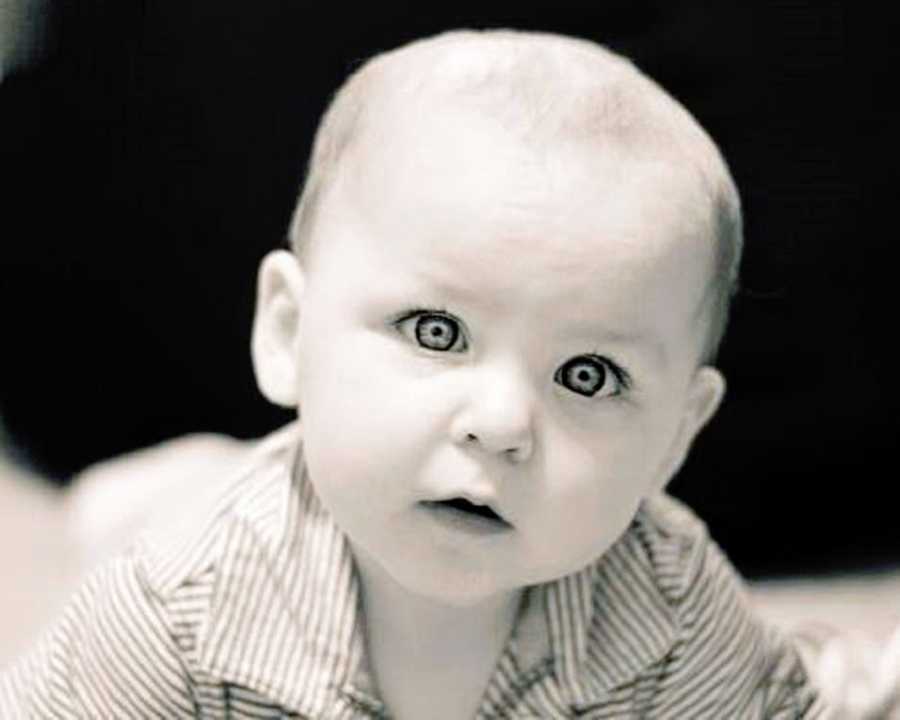
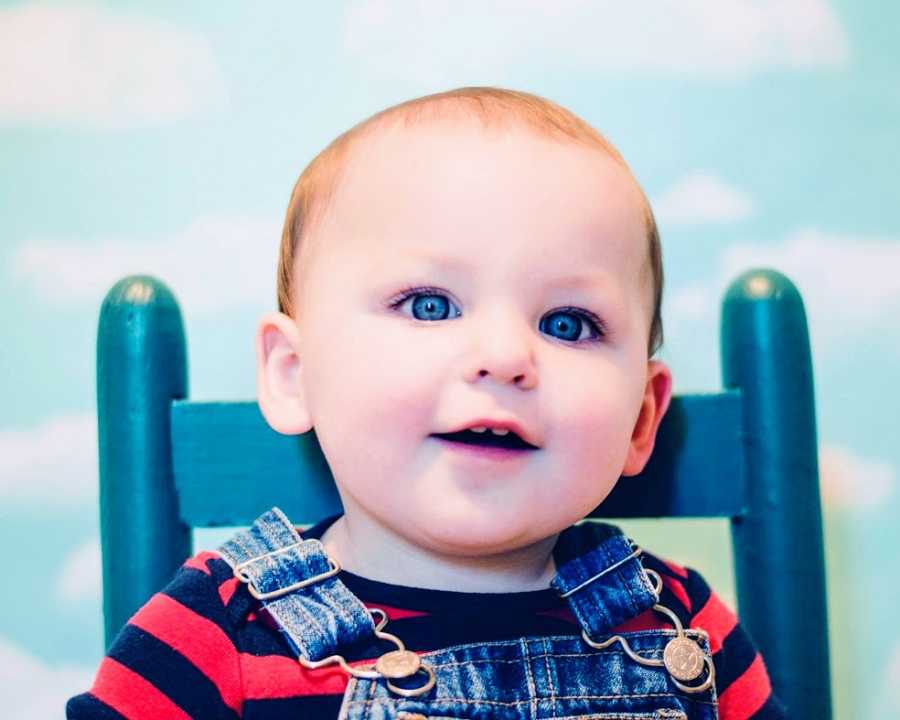
The learning curve was steep. We had never cared for a baby with Neonatal Abstinence Syndrome (NAS). I had experience with special needs children in public schools, but never infants. Grayson wouldn’t eat, didn’t sleep consistently, and had a mischievous streak that tested our patience daily. But I knew early intervention was critical, and I committed to doing everything possible to support his growth.

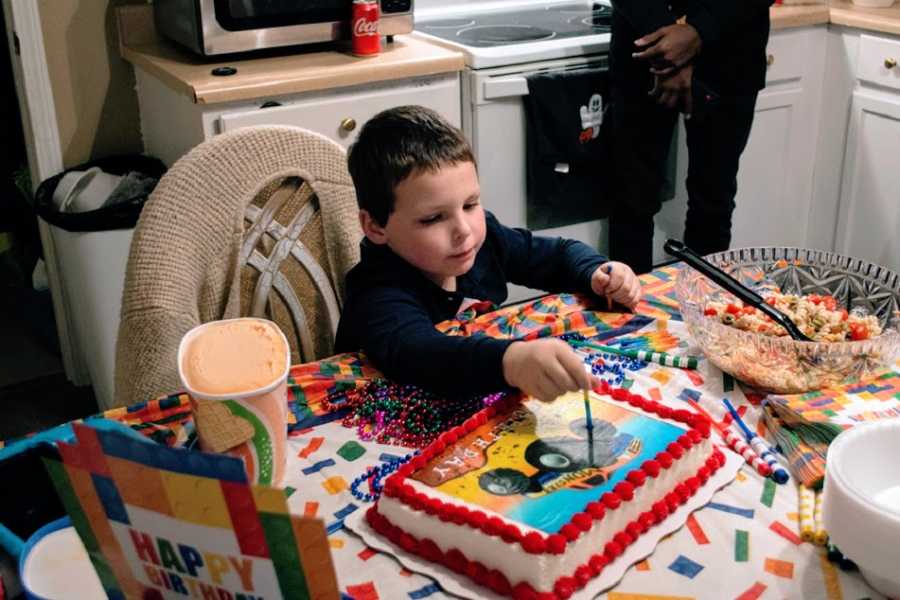
Through early intervention, preschool, and up to first grade, Grayson made incredible progress. We were blessed with extraordinary doctors, nurses, therapists, and teachers, along with supportive neighbors, friends, and family.
In March 2017, a moment of quiet triumph arrived—we received the Order of Adoption from the court. Earlier that week, I had been told there was no movement, but three days later, the official paperwork arrived. There were no ceremonial photos or fanfare, but the relief and joy we felt were overwhelming.
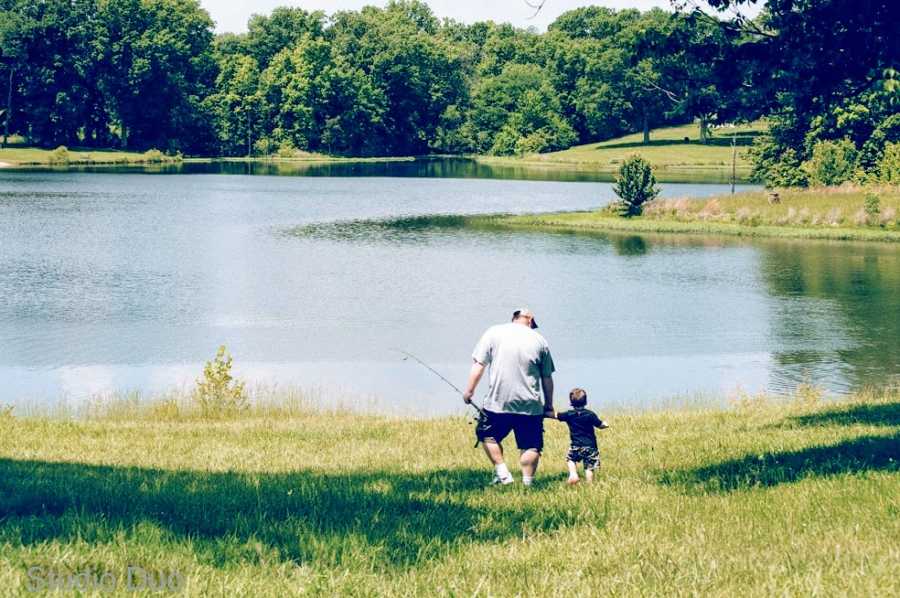
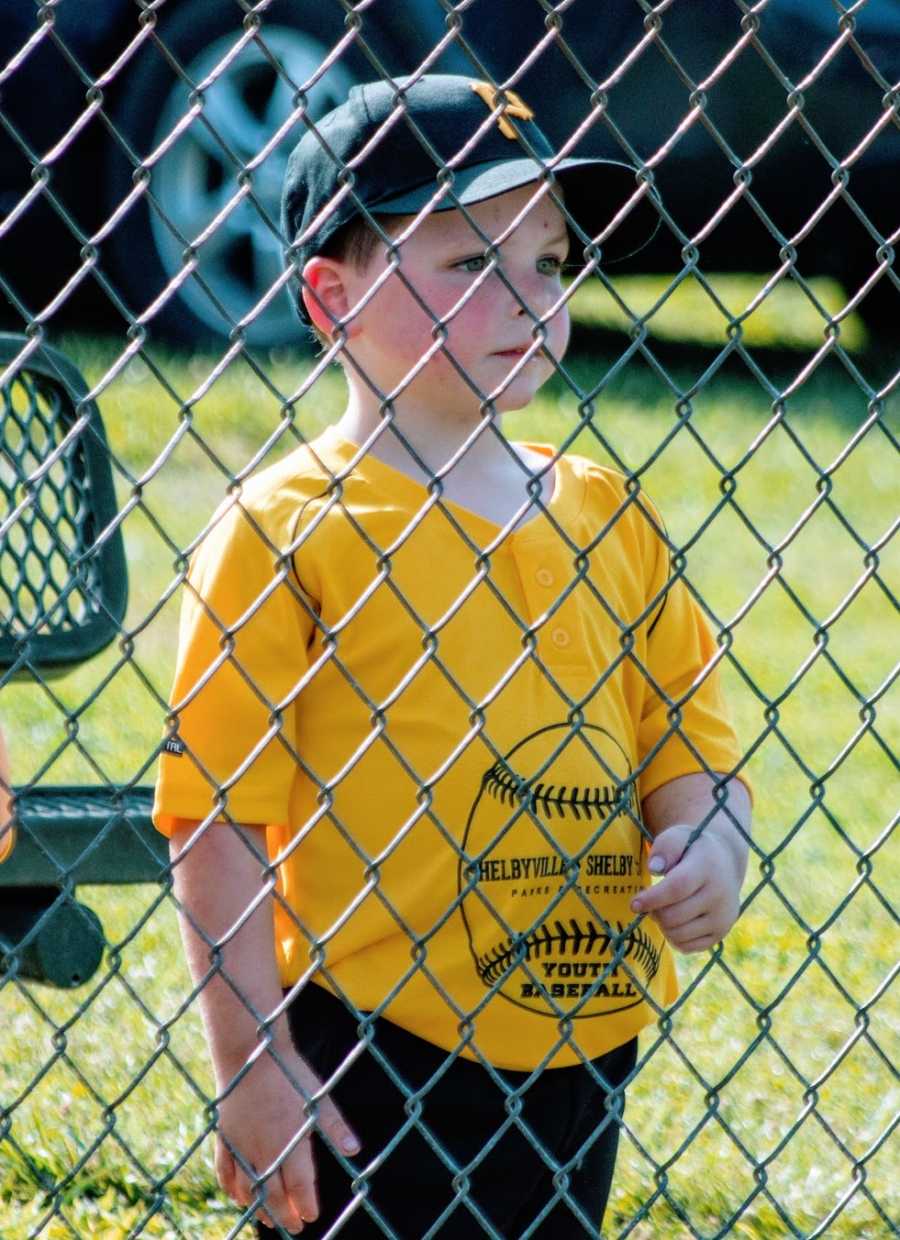
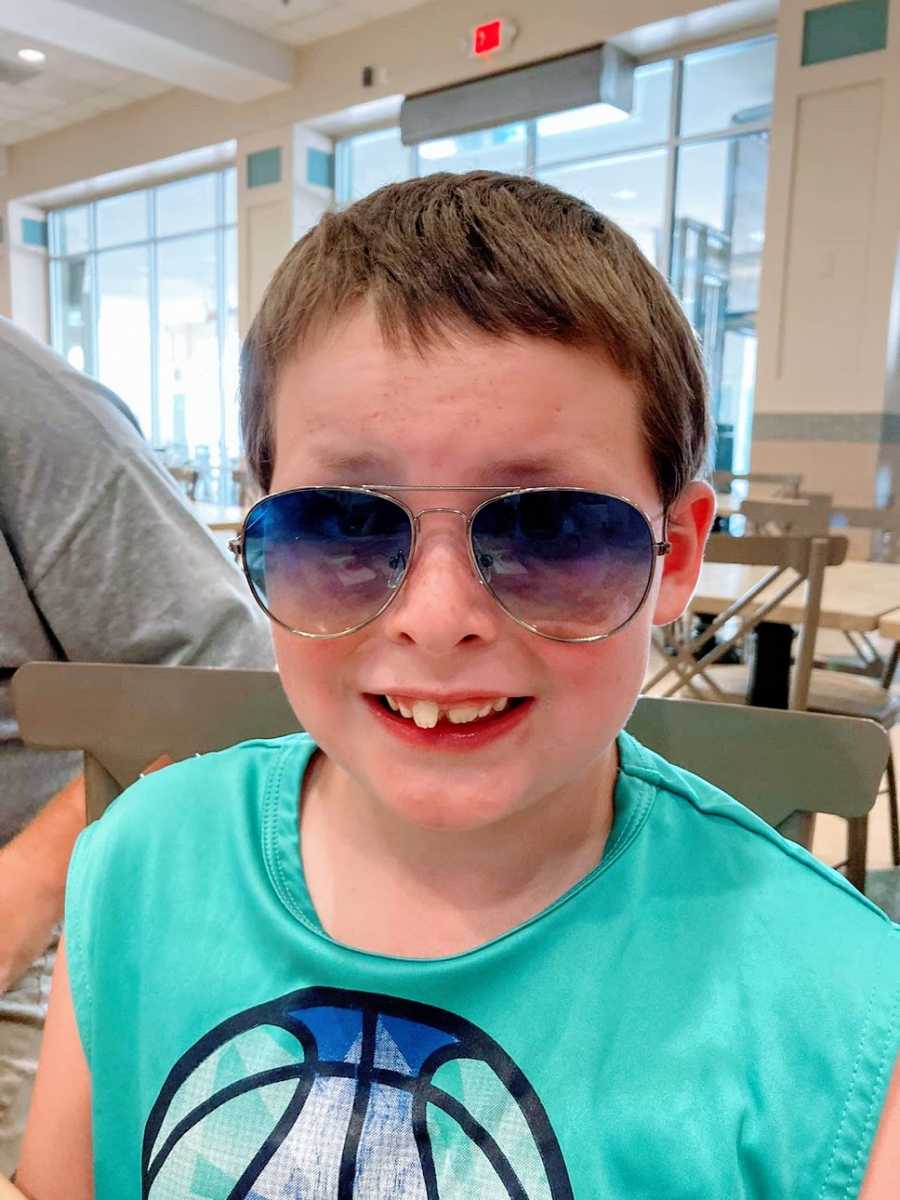
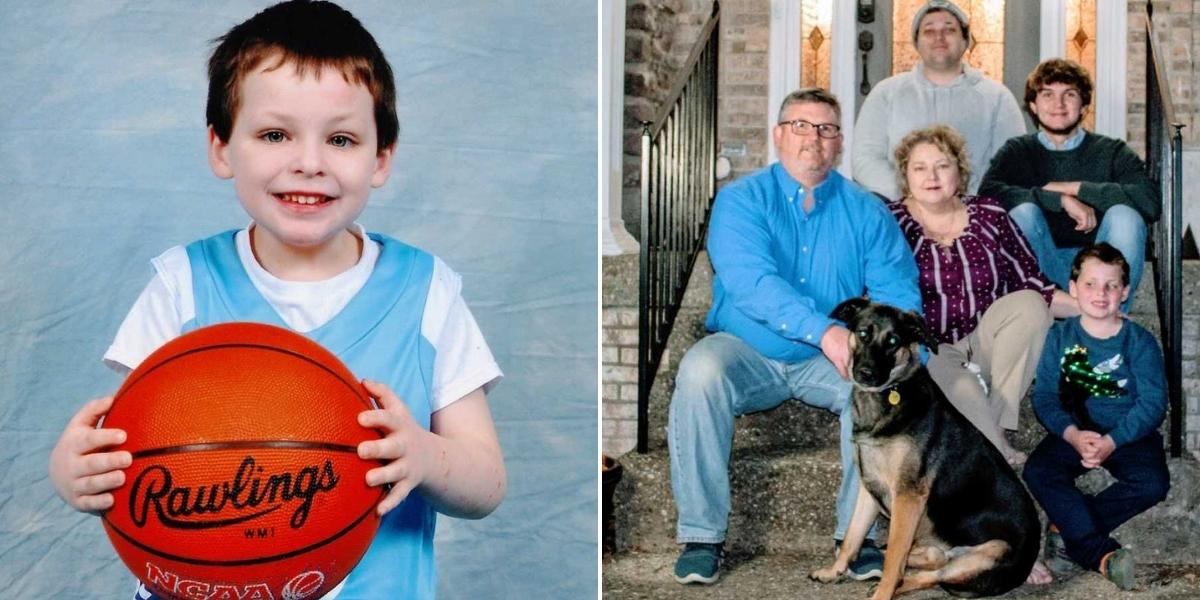
Seven years later, Grayson is fully integrated into our family. He is happy, kind, and fearless around strangers. He knows he is adopted and understands that he grew in another mother’s belly, yet he also knows that family ties connect us deeply. The details of his past remain private, preserved for a time when he can understand them fully.
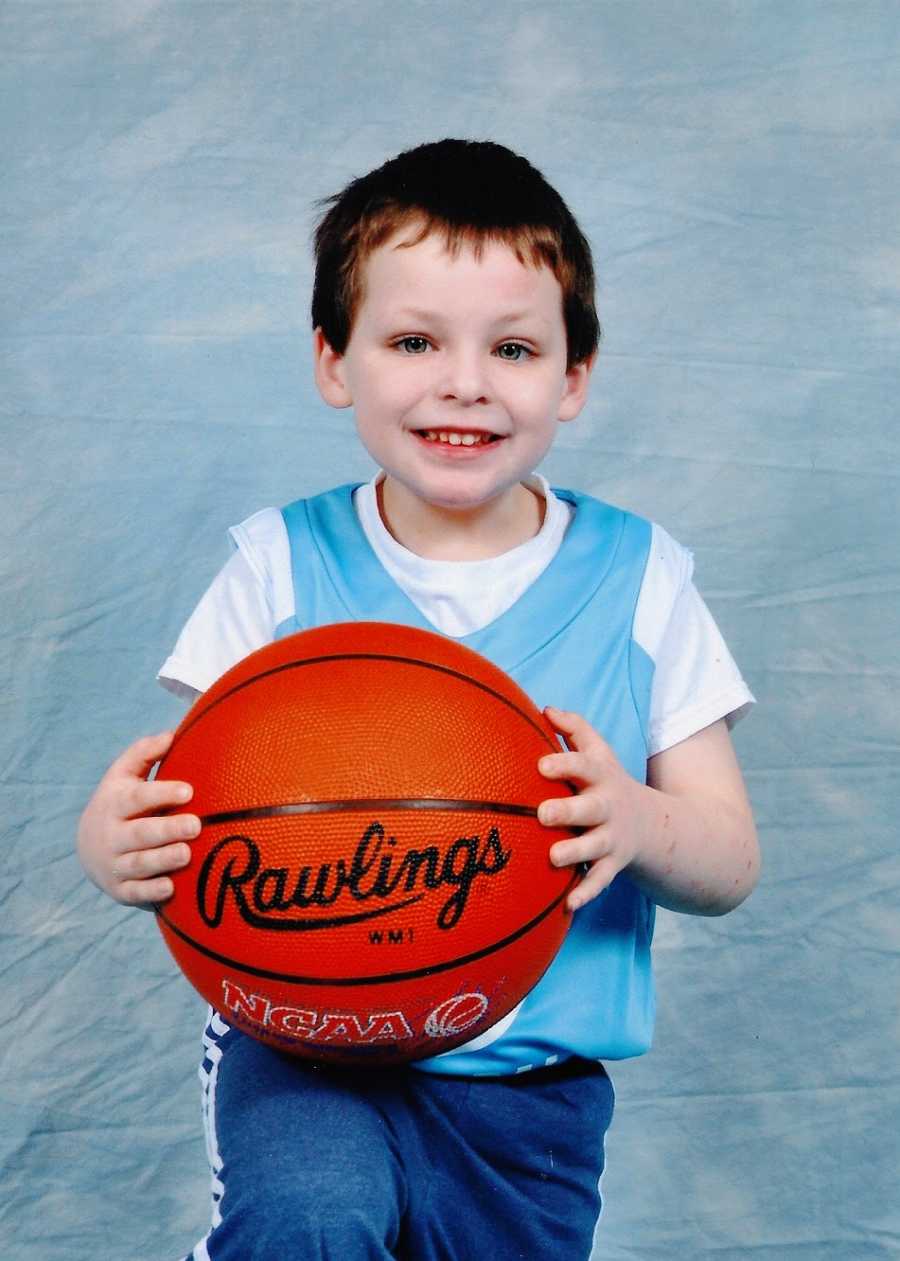
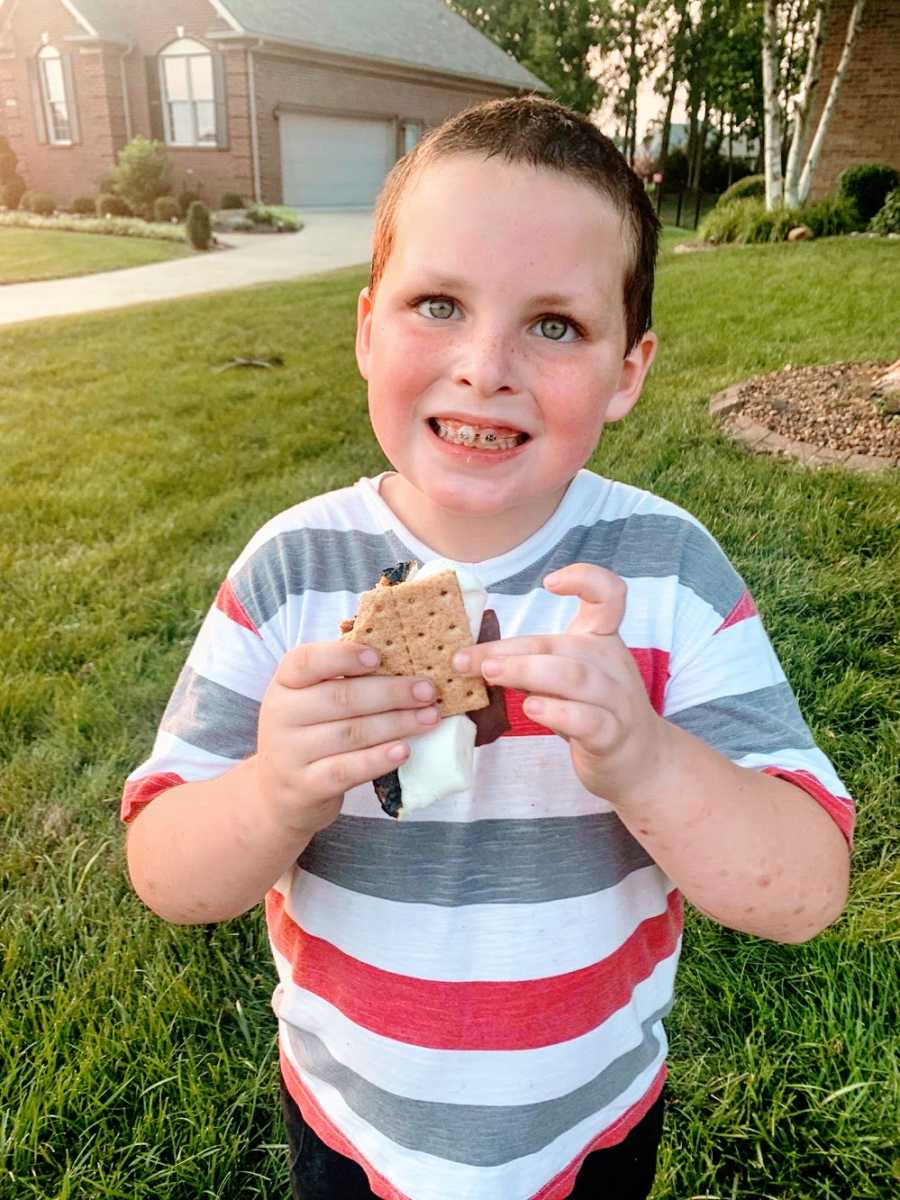
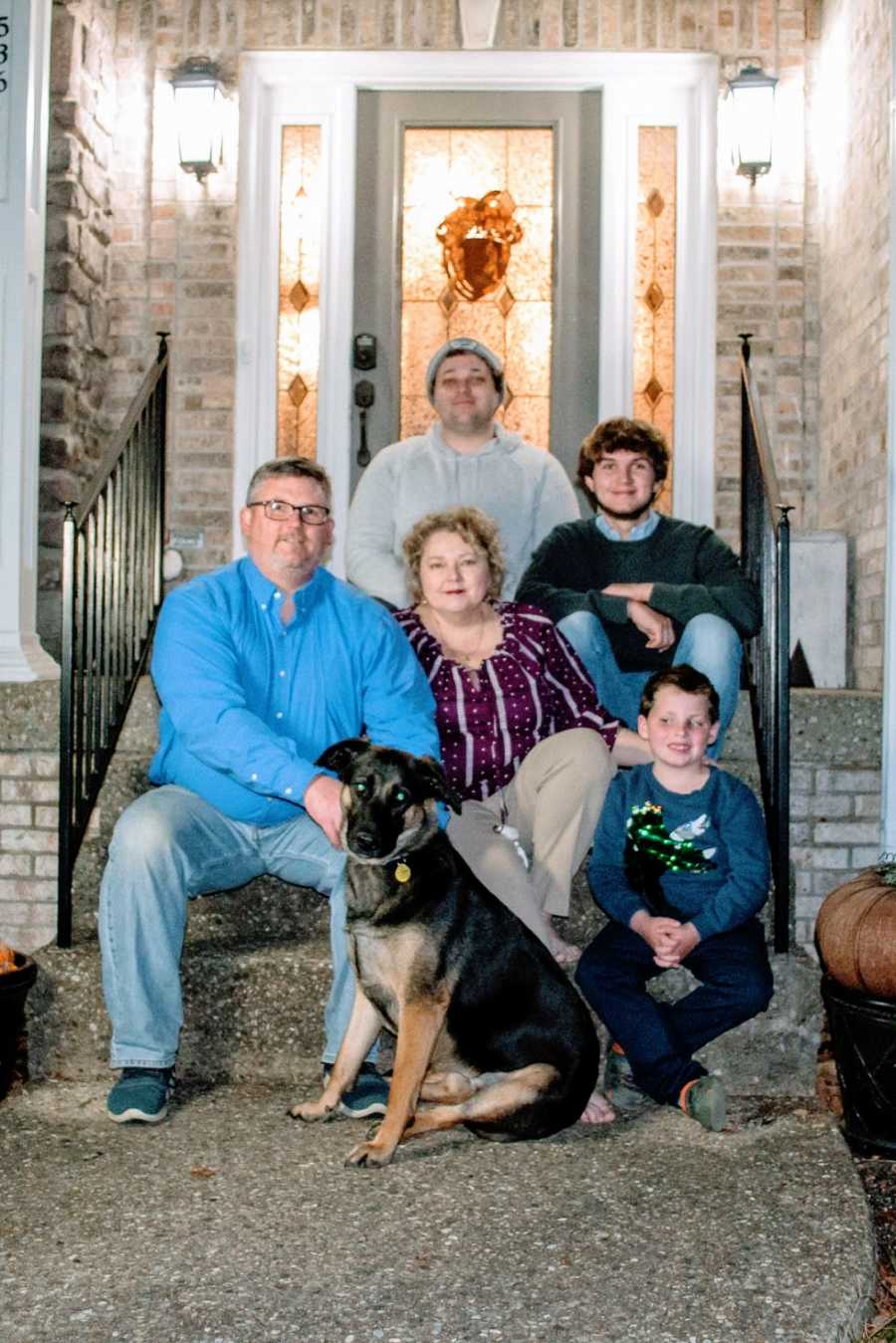
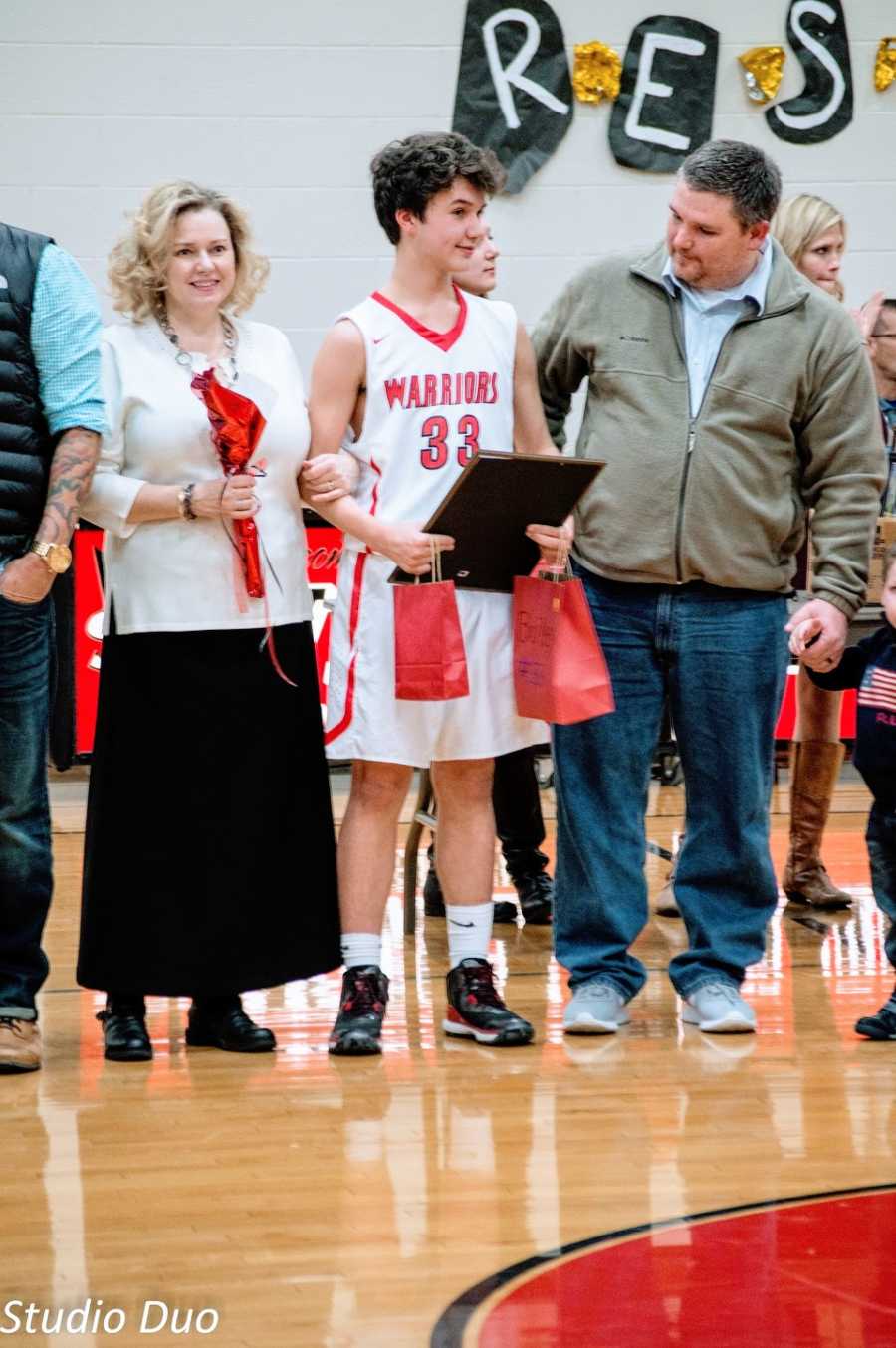
Today, our family includes three sons, ages 30, 18, and 7. Life is a mix of struggles and laughter, chaos and calm—but every moment is ours. We are grateful, beyond words, to be Grayson’s parents.

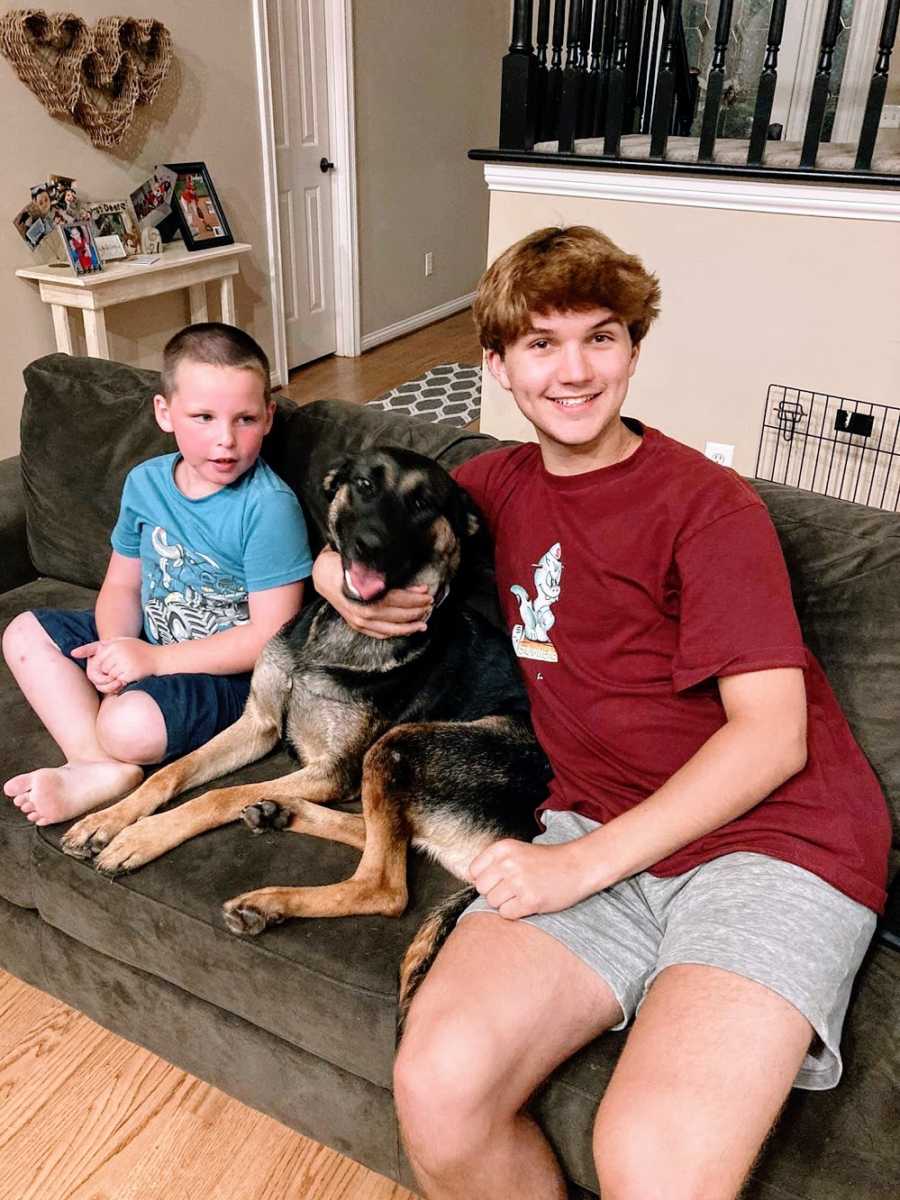
Shortly after his adoption, we closed our foster home. While we might have considered adopting again if circumstances were different, our focus remains on providing Grayson with all the love and attention he needs.
I wholeheartedly recommend adopting from foster care. There are countless children waiting for loving homes, and the system guides you through every step. Many states even cover the adoption costs, and the training you receive prepares you in ways you never imagined. Taking that leap may just change your life—and the life of a child—forever.