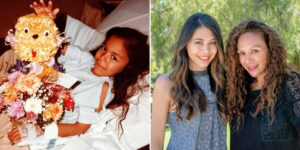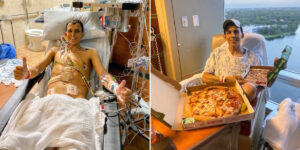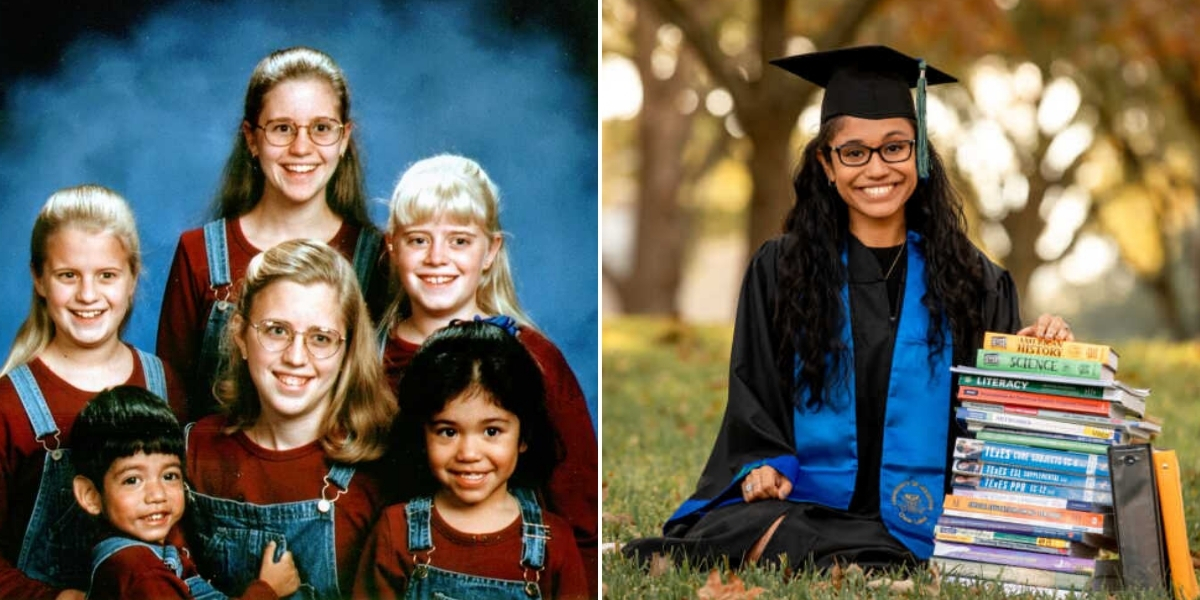
When I was born, my birth mom was very young. Due to difficult family circumstances, I ended up moving in and out of kinship care. The experiences I went through in those first months of life were far from what any infant should endure. Just over a year later—1 year and 10 days—my brother was born. Sadly, he never came home from the hospital to our birth mother’s care. Soon after, we were placed together in kinship care with a relative, and eventually transitioned into state-funded foster care. We entered a therapeutic foster home for children with special needs, a place that was supposed to be safe—but instead, it became a deeply damaging chapter in our lives.
If you’ve never been in foster care, it’s important to understand that entering the system is traumatic. One day, life seems familiar and predictable, and the next, you are living with strangers, unsure of what tomorrow will bring. Those cheerful social media posts about “We’re fostering!” can mask the painful truth: children only enter foster care because something has already gone terribly wrong.
During my time in foster care, my foster mom did not like me. I was a stubborn child, carrying the weight of severe pre-verbal trauma. The sadness of being separated from my birth mom made me act out, behaviors she labeled as “bad.” Her responses were far from nurturing—she physically, emotionally, and mentally abused me.
I was left to cry alone for hours in my crib, deprived of the affection every child needs. I remember being locked outside and given inadequate food, while my brother faced similar neglect. We were incredibly vulnerable, and the adults entrusted with our care were the ones causing us harm. These experiences instilled in me shame, self-doubt, and an overwhelming sense of responsibility for the abuse I endured. I vividly recall crying in the car one day, only to be slapped on my legs to make me stop. For years afterward, I flinched at touch and struggled to let myself cry.
Despite everything, there was one bright spot: my brother. We stayed together in foster care for four to five years. I later learned that only about 25% of siblings who enter foster care together remain together. I consider it a miracle that we were kept side by side—my life without him is unimaginable.
The early years of instability had a profound impact on me. Without the bonding and nurturing most children experience, my development suffered. I was diagnosed with developmental delays, reactive attachment disorder, and failure to thrive. Early assessments even projected I would be “mentally retarded,” using the terminology of the early 2000s. The odds were stacked against me, given the trauma I had endured.
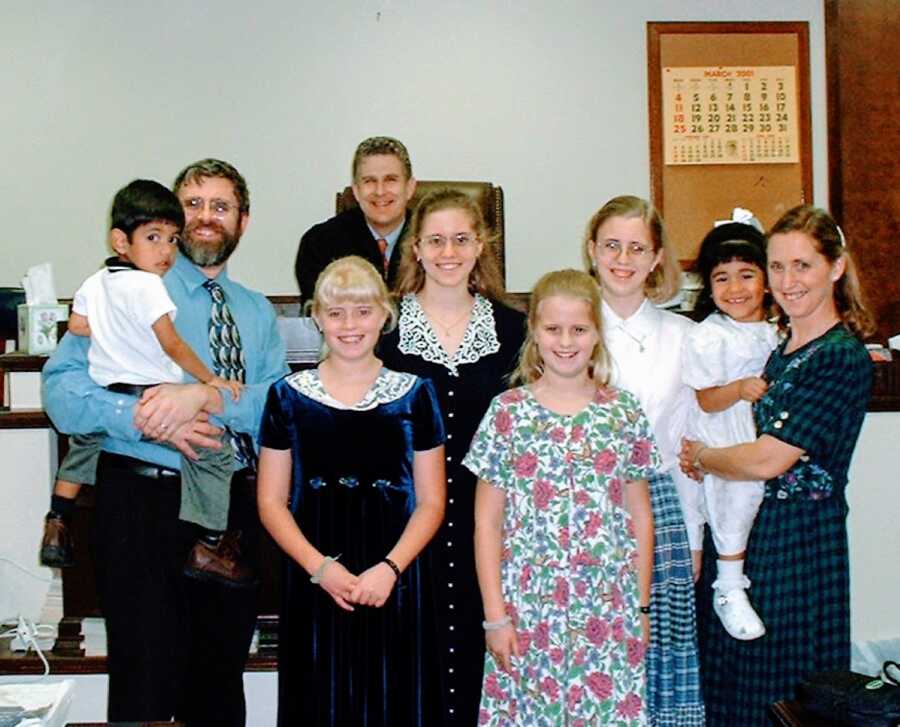
I was adopted at age four. My adoptive family had read our adoption papers and knew the challenges we faced. They were ready to commit to us once they met us, understanding we needed a permanent family. Six months after meeting us, they adopted my brother and me. I remember the courtroom vividly—excitement mixed with fear. After so many people had come into and out of my life, trusting them felt almost impossible.
Adoption transformed our lives. Most importantly, it gave my brother and me permanency. Before adoption, even being related was no guarantee we would stay together. Now, we were officially a family, and the commitment was unwavering.
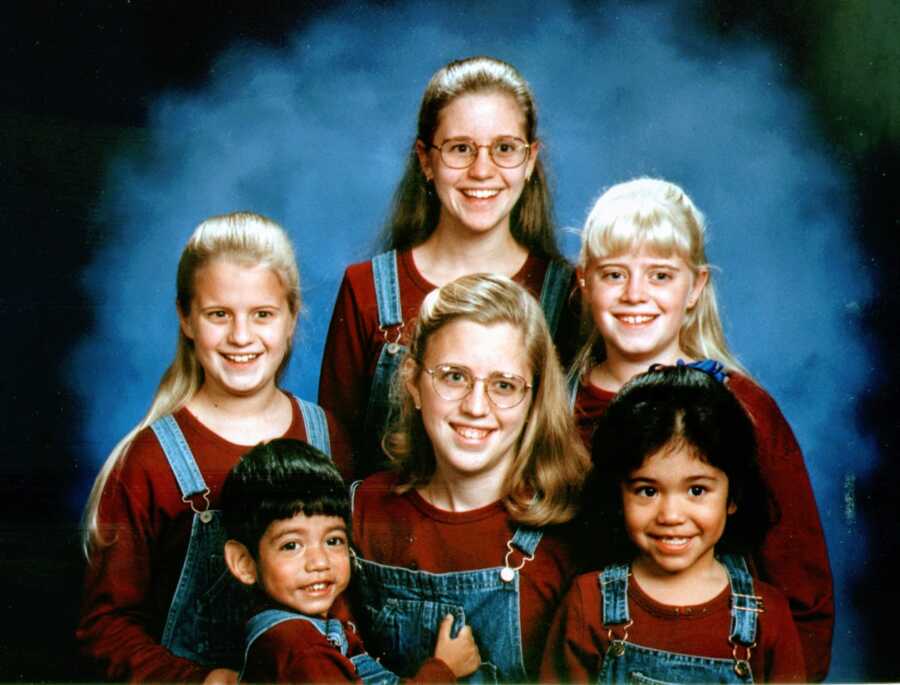
Life with my adoptive family wasn’t without challenges. Even with their love and support, I struggled to feel I belonged. I resisted accepting my adoptive mother and pushed away anyone who tried to care for me. Trust did not come easily, and I carried a heavy burden of guilt, feeling as though my very existence had caused pain. Learning was difficult—I cried over reading and math—but I persevered, determined to succeed.
Through adoption, I finally experienced stability, safety, and consistent love. My family never left me, no matter how much I resisted. They worked tirelessly to undo the damage of my foster home, holding me through screams and tantrums, showing up for me again and again. Their relentless commitment gradually healed my fear of abandonment and gave me the foundation to move forward.

With a safe home and support, I could focus on growth. I graduated high school and college, achievements that are rare among former foster youth. Less than 3% graduate college, and I am convinced my success is entirely because of the community and family support I received. Through therapy, I learned that “normal” doesn’t mean perfection—it means safety and health. For years, I had not known either, but now I can say my life embodies those qualities.

In April 2020, I began attending therapy regularly. By fall 2021, I was diagnosed with three mental illnesses and started treatment with two medications. Through therapy, faith, family, friendships, and my marriage, I have worked to overcome the lingering trauma from my early years.
I met my husband when we were six, shortly after my adoption. We didn’t start as friends—in fact, we were more like enemies—but over time, he saw my brokenness and my need for lifelong love. Our marriage is not typical, and my mental health challenges mean he often carries much of the household responsibilities, from cooking to errands. Yet he does this with patience, care, and understanding, creating an environment of “felt safety” that allows me to function and heal. He supports therapy, medications, and even training our golden retriever, Maverick, as a service animal.
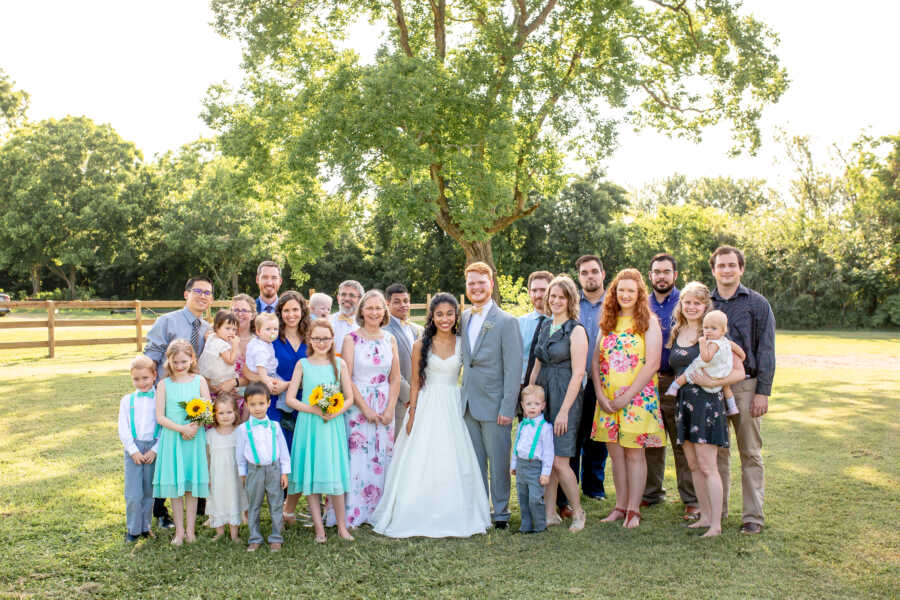
Today, I live in a home my husband and I bought last year, a milestone that still feels miraculous considering my past. By day, I am a third-grade writing teacher. My life may seem ordinary to others, but for me, it represents a hard-won sense of safety, stability, and love that I never thought I’d experience.
To anyone who has experienced childhood trauma, especially former foster youth: you are not alone. Your trauma is not your identity, and you are not responsible for what happened to you. Healing takes courage, therapy, medication, community, and time—and that does not make you weak.

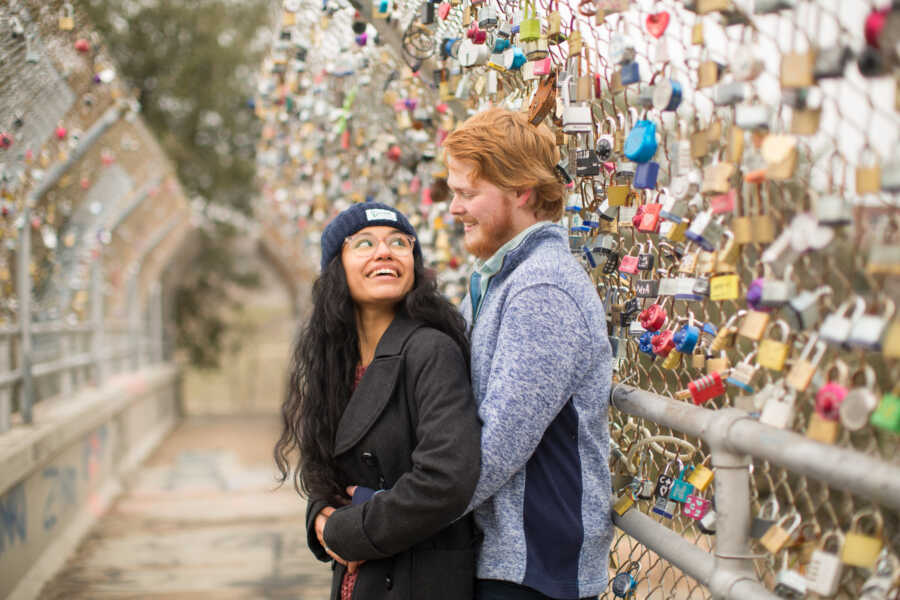
It breaks my heart that my birth mother, brother, and I were not recognized as a family. If you are considering fostering, I challenge you to think about supporting teenage mothers and their children—you can help prevent the cycle of foster care from continuing. Healing does not end at 18. Adult survivors of trauma need guidance, community, and support as they navigate relationships, careers, and parenthood.
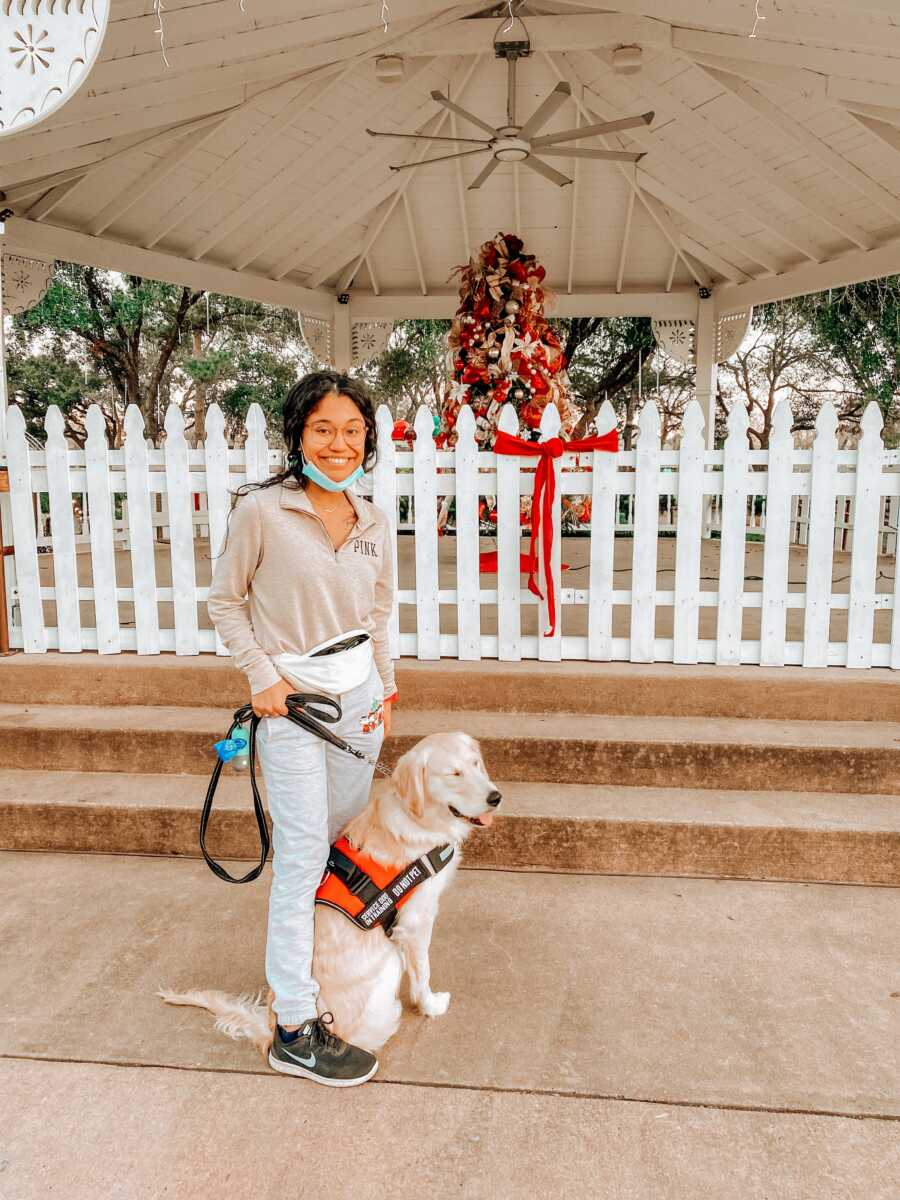

If you are parenting a child who has experienced trauma, help them build an identity beyond their pain. Let them play, explore hobbies, and be children—even into adulthood. Healing the inner child is vital, and sometimes we need the patience and care to rediscover what childhood should have been, even at 25.