Hi, my name is Cassie, and I was recently diagnosed with four mental health illnesses related to the birth of my first child. I am now in recovery, and I am here to say—out loud and without shame—that I am proud of my journey and everything I have overcome to get where I am today. My life is far from perfect, and it took a long time to reach this place of healing. But I’m here, standing on the other side, and I want to share how we got here.
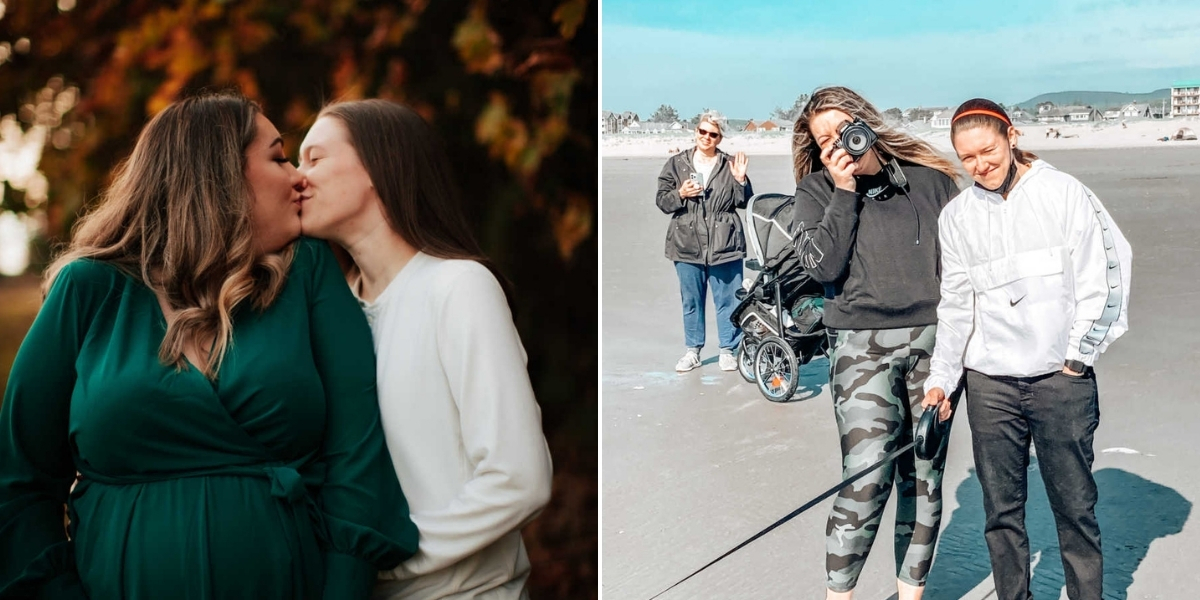
My wife, Kenzie, and I met online, as many 21st-century lesbians do. Our whirlwind romance happened almost entirely virtually during the first six months. Neither of us was ever really into dating apps—we met on Tumblr, and from there, everything moved fast. Within about a week, we were talking all day, every day. I worked full-time, so there was usually an eight-hour stretch where we couldn’t talk, but otherwise, we were inseparable. We had 15-hour FaceTime calls that ended with us falling asleep together and waking up still connected. We even wrote letters to each other, something I still cherish deeply.
There was just one problem: I lived in Kentucky, and she lived in Oregon. After about six months and a short visit to Oregon, I did the wildest thing I’d ever done. I packed everything I could fit into my car, loaded up my dog, and moved across the country. Kenzie flew down to drive with me, and that road trip became the longest stretch of time we’d spent together in person. I was in my early twenties, had almost no savings, and only a vague plan—but none of that mattered. I loved Kenzie, and I knew she was my person. (Spoiler alert: I was right.)
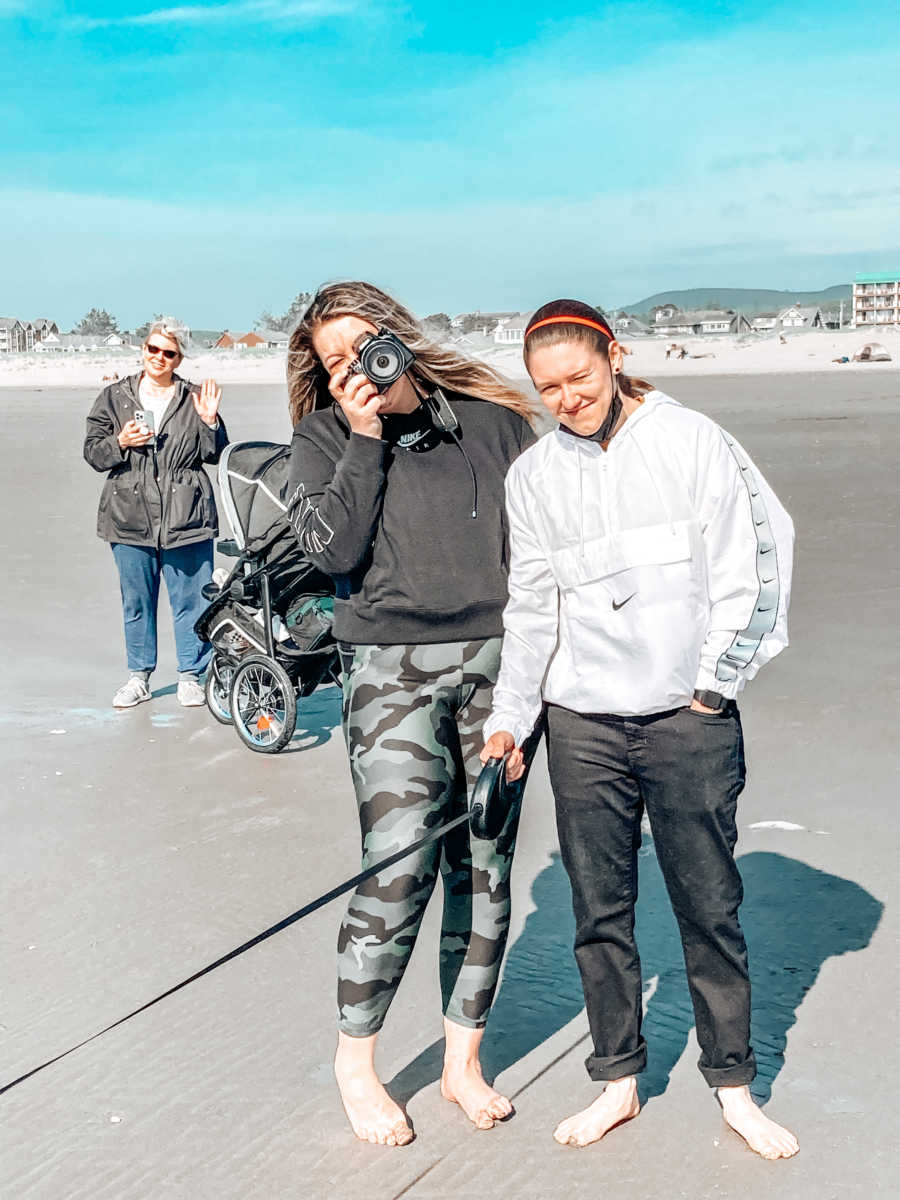
Fast forward about five years, and we were finally ready to talk seriously about having a baby. I had just finished my psychology degree, and Kenzie was halfway through her double engineering major. I never felt like I fit the traditional idea of a “mom.” I’m loud, funny, I over-share, and I curse a lot. Still, I always knew I wanted to be a parent. Kenzie felt the same, and we talked about building a family early in our relationship. We were ready—but for a lesbian couple, having a baby isn’t as simple as deciding to try.
We chose to use donor sperm with an IUI procedure. For those unfamiliar, it involves using a long syringe to place thawed sperm directly into the uterus. It’s often the first step for same-sex couples without known fertility issues. It was during the donor selection process that I first realized just how emotional this journey would be. Even then, I was completely unprepared for how the next year and a half would unfold—or how dramatically my mental health would change.
Our first donor felt like a dream. He was tall, smart, and described as conventionally attractive—an engineer, just like Kenzie. We photo-matched him so he shared many of Kenzie’s features, which meant a lot to us. We were thrilled when we called our genetics team—until the conversation took a turn. As part of routine testing, I had been screened for carrier genes. Like many women, I carried a disease I didn’t have. Normally, that’s not an issue. But in an almost impossible coincidence, our donor carried the same gene. The genetics team told us there was a one-in-30,000 chance our child could inherit this life-ending disease.
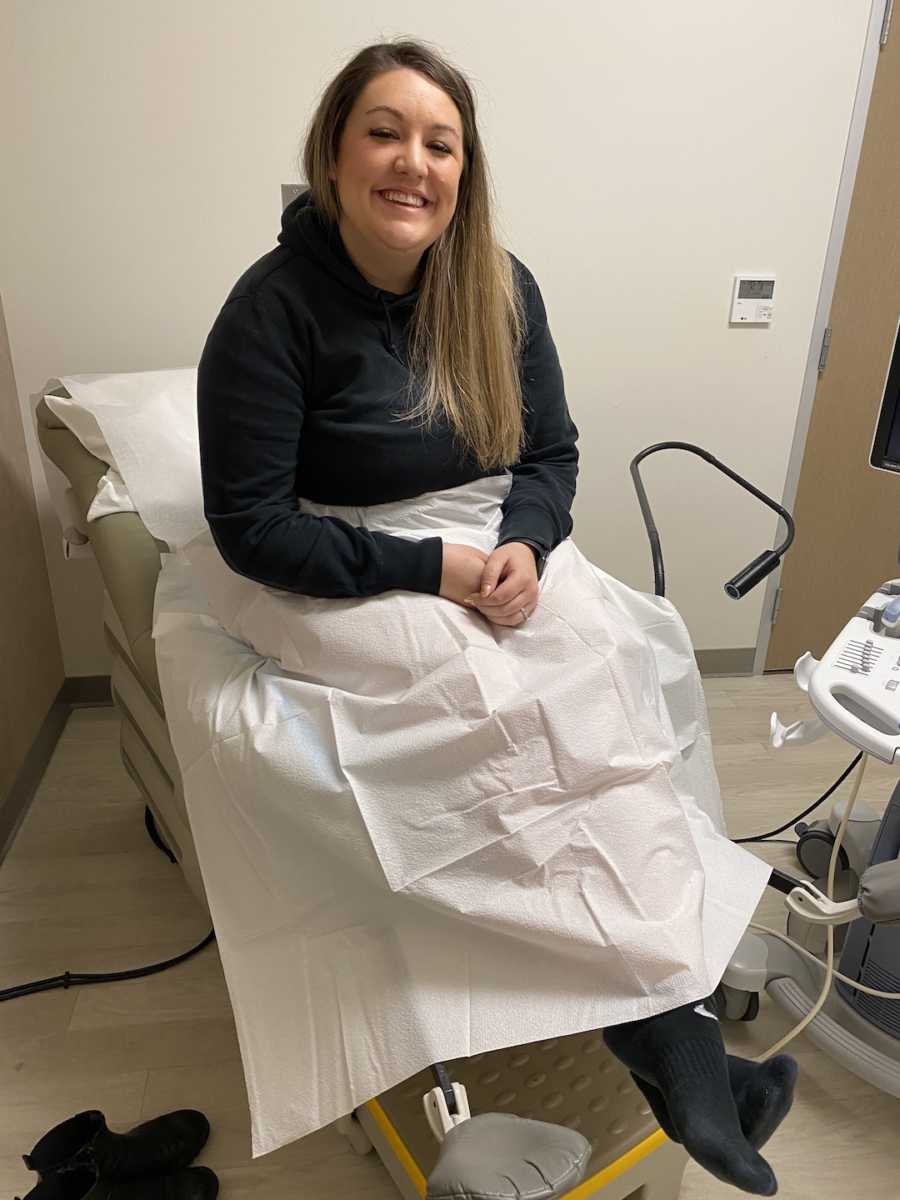
I had never been a worst-case-scenario person before. I was logical, level-headed. But suddenly, one in 30,000 felt like 100%. I became consumed by fear, convinced the odds were stacked against us. Looking back, I believe this was the beginning of the anxiety that would follow me through pregnancy and beyond. We ultimately chose a new donor—one who somehow felt even more perfect. He still resembled Kenzie, his handwritten letter moved us to tears, and best of all, he carried no genetic diseases. We finally felt safe moving forward.
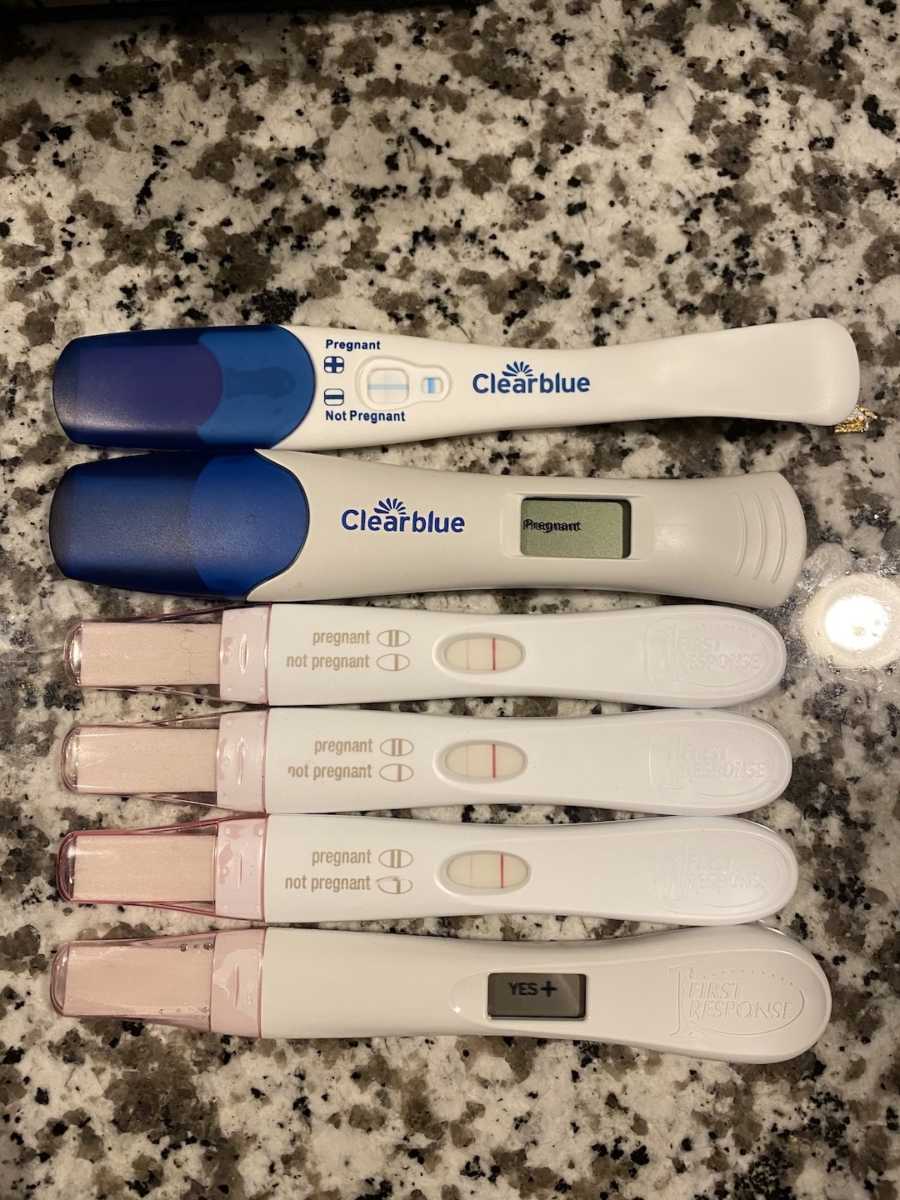
Our first IUI came with the dreaded two-week wait. It was excruciating. I didn’t make it two weeks—barely made it one. I tested constantly, and when my period came right on schedule, I was devastated. I knew it was possible, but the grief hit me hard. Kenzie was incredible—supportive, reassuring, endlessly patient—but nothing seemed to help. I cried for days, blamed myself, and carried so much shame. Looking back, my reaction was intense for a first attempt, but at the time, it felt unbearable.
The next month, we tried again. The waiting was just as brutal. I scrutinized every test, sent photos to friends, searching for faint lines. This time, it wasn’t imagined—I was pregnant. All my fear melted away, replaced by pure joy. Our family was finally growing.
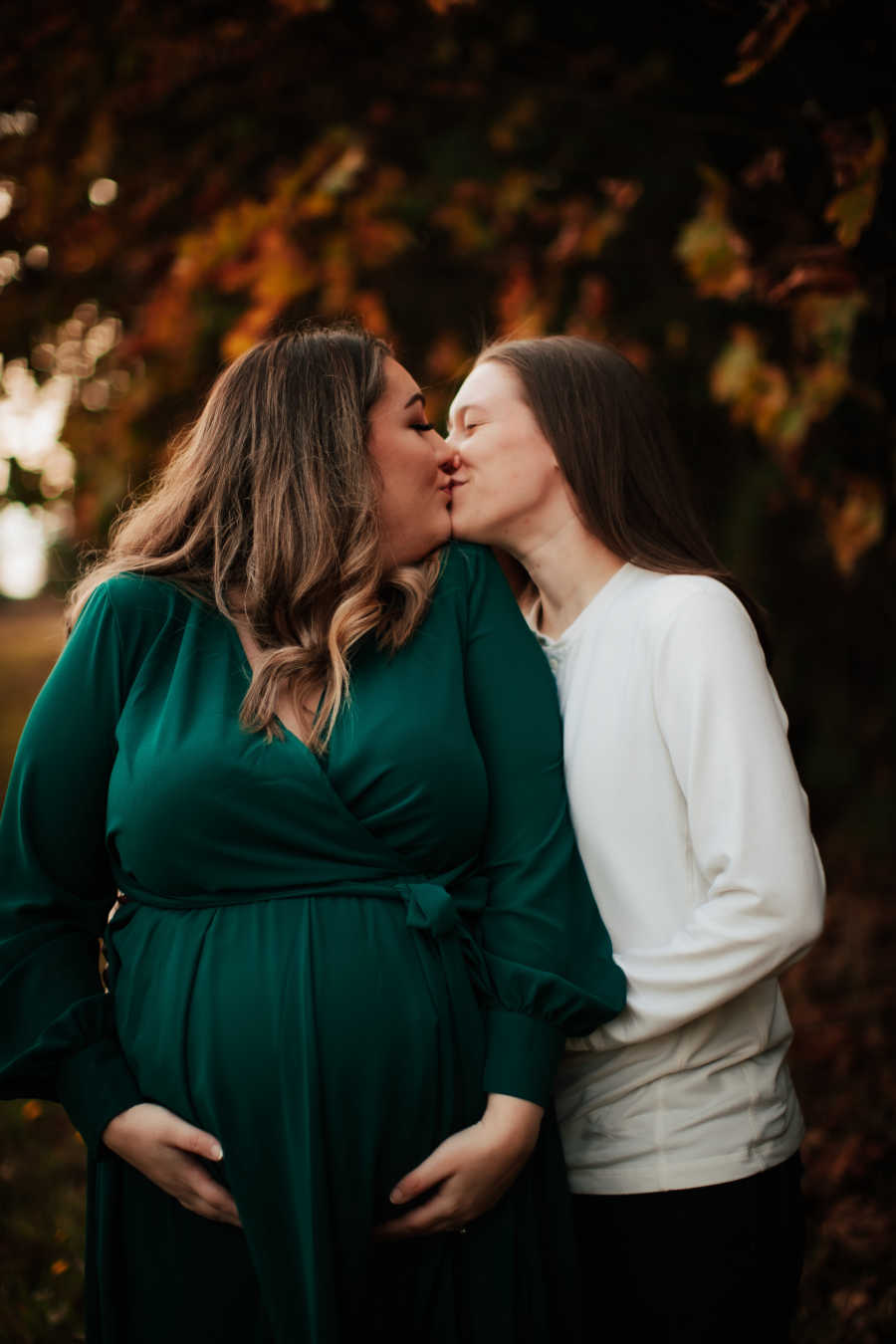
Pregnancy, though, was complicated. My first ultrasound was at six weeks, just days after COVID lockdown began. Kenzie couldn’t come with me, and my anxiety returned full force. The entire pregnancy felt like a blur. I was diagnosed with gestational diabetes, attended every appointment alone, and was labeled high-risk. Doctors recommended I work from home, which isolated me further. I felt lonely, ashamed, and broken. I questioned everything—was this my fault? Was I already failing my baby? I was in a dark place, even as I felt moments of excitement and love.
Despite everything, I managed my gestational diabetes extremely well, and my baby thrived. I was induced due to his size, and labor started slowly. When my water was broken, everything changed. The pain was immediate and overwhelming. My epidural came too late and only worked on one side. After hours of pushing, Asher became stuck. Doctors discussed a C-section as time ran out. With Kenzie’s encouragement, I found the strength to keep going and delivered our 9-pound son. He was perfect, though he had a large blood bruise from birth trauma, and we stayed in the hospital a few extra days.
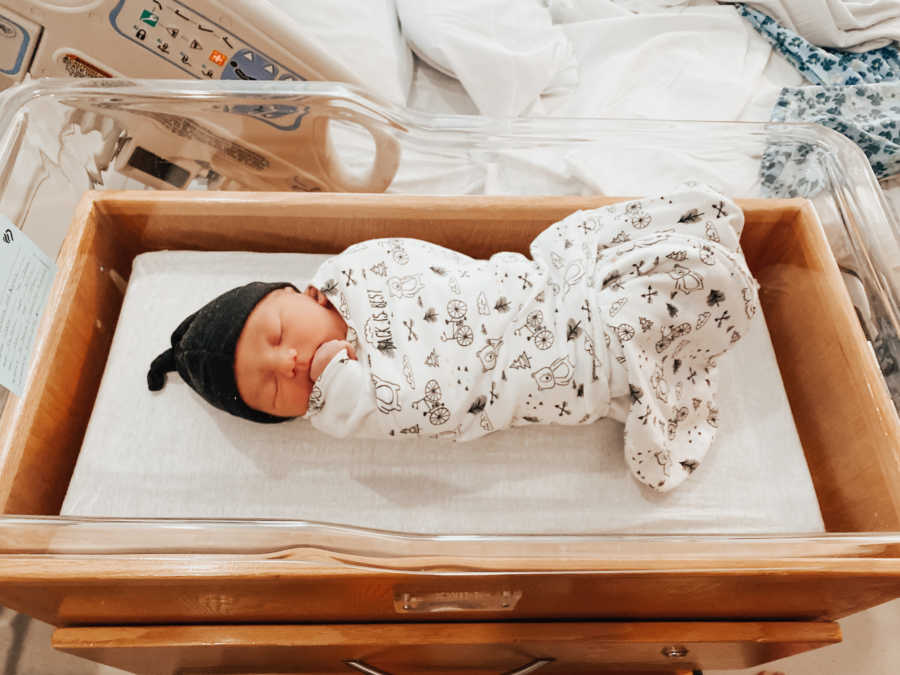
Once home, the baby blues crept in. At first, I cried mostly from happiness. But the sadness lingered. Motherhood was hard—sleep deprivation, breastfeeding, overwhelming emotions. Kenzie carried me through those weeks with grace and love. Still, my mental health continued to decline.
What started as overthinking turned into relentless fear. I couldn’t attend Asher’s circumcision appointment. I worried constantly about cancer, kidnappings, intruders. I stopped sleeping. I lashed out. Panic attacks became frequent. I felt disconnected from myself and my joy. Even with love and support, I was drowning.
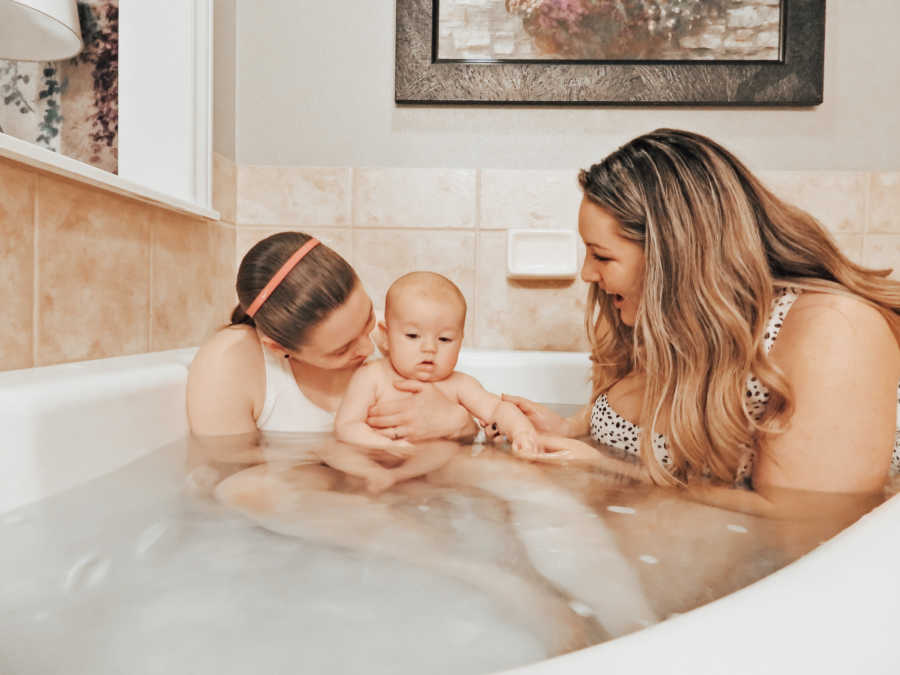
After six months, I asked for help. Due to COVID, it took weeks to be seen. I was diagnosed with postpartum depression, postpartum OCD, severe anxiety, and PTSD from my traumatic labor. I started Zoloft and therapy. For the first time, I had answers—and a plan. That alone changed everything.
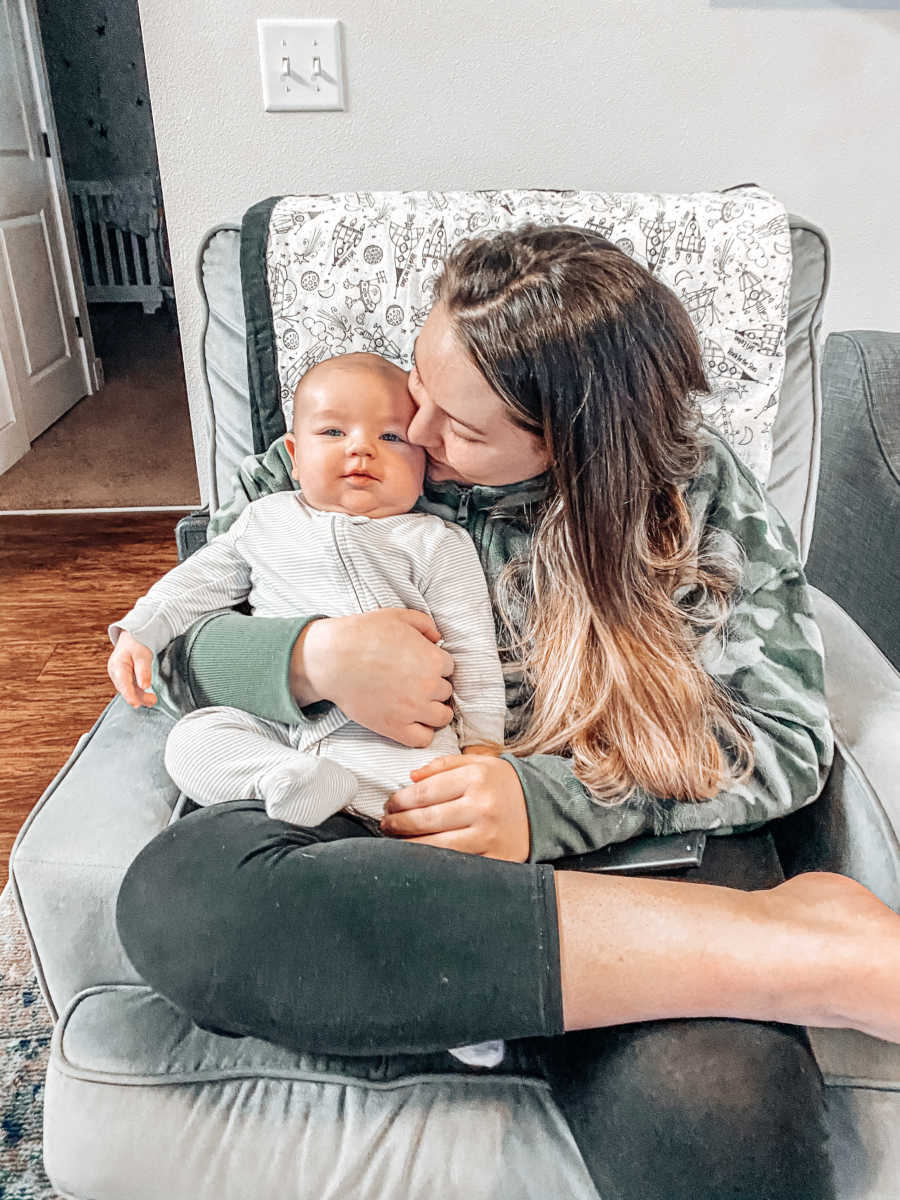
As a lesbian mom, I struggled with fear of judgment. Would people blame my mental health on my sexuality? My psychiatrist helped me understand how stigma adds pressure for same-sex parents to be “perfect.” That pressure matters.
To any parent—especially gay parents—struggling: find help. Find allies. You are not broken. You are not alone. Motherhood is messy, painful, beautiful, and overwhelming all at once. You are allowed to feel every part of it.
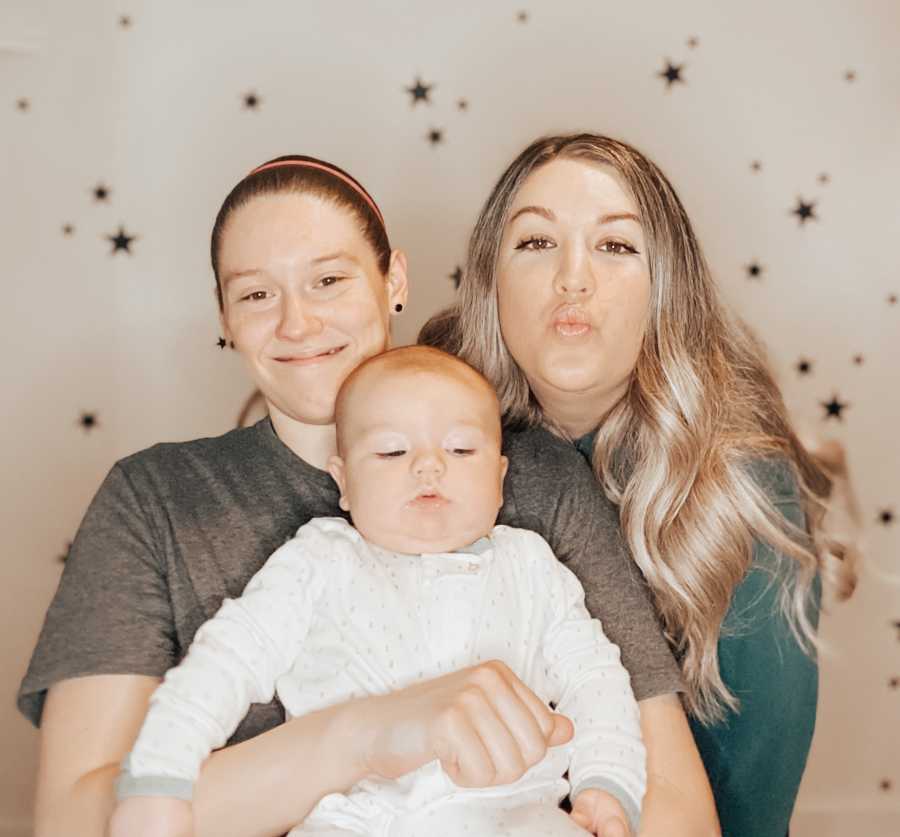
You are strong. You are resilient. And you don’t have to do it alone.