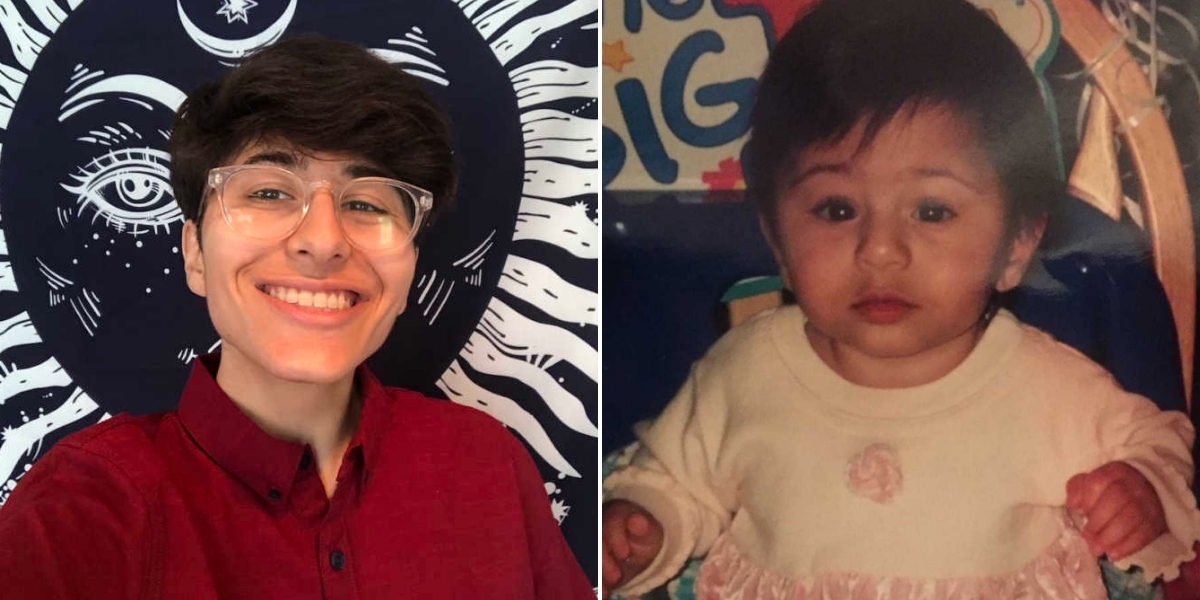
Hi there! My name is Noah Sanatkar (they/them), and I am a 23-year-old queer, trans, American-Iranian. My story reflects my journey navigating cultural expectations, identity, and mental health. I hope to highlight my hardships while emphasizing the importance of authenticity and resilience. If sharing my experiences even helps one person feel less alone, then I’ve accomplished what I set out to do. I write to share my story in full—the highs, lows, uncertainties, and in-betweens—so others can feel seen and reminded that they are not alone.
I was born prematurely at just 1 pound, 8 ounces, and from the very start, life was a struggle. Despite the odds, I was called a ‘miracle.’ My parents were told I would have to fight to survive—but little did they know, their little fighter would prove them right.
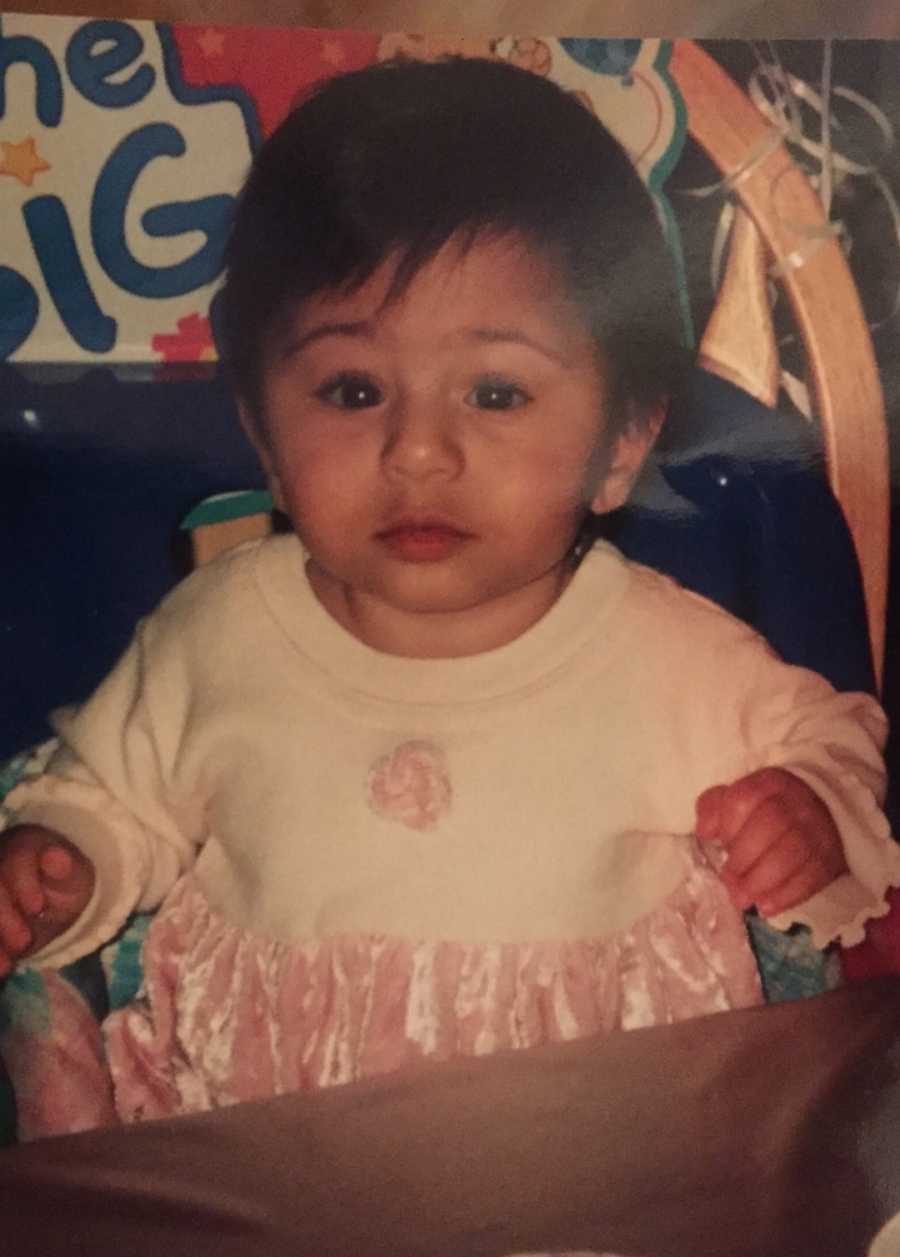
baby photo of young girl
From a young age, I felt outcasted and different. Part of this came from a learning disability and my ADHD diagnosis at age 5, but the deeper reason was my early attempts to understand my sexuality and gender without having the words for it. It wasn’t until my mid-teens that I began to truly discover myself and find comfort in my identities. Even then, my mental health was deteriorating because I hadn’t yet learned to live my truth.
In sophomore year of high school, I fell into a deep depression, experiencing anxiety attacks and coping through self-harm. I remember running to my mentor’s classroom almost every day, crying hysterically, feeling like an imposter in my own life. That classroom became my sanctuary. With great effort, I eventually found the courage to tell him, “I’m not straight—I like girls.” A wave of anxiety hit me at first, but quickly it transformed into relief, a sense that I could finally breathe.
He hugged me and said he accepted me. He reminded me to proceed with caution, especially around family, but encouraged me to continue living my truth.
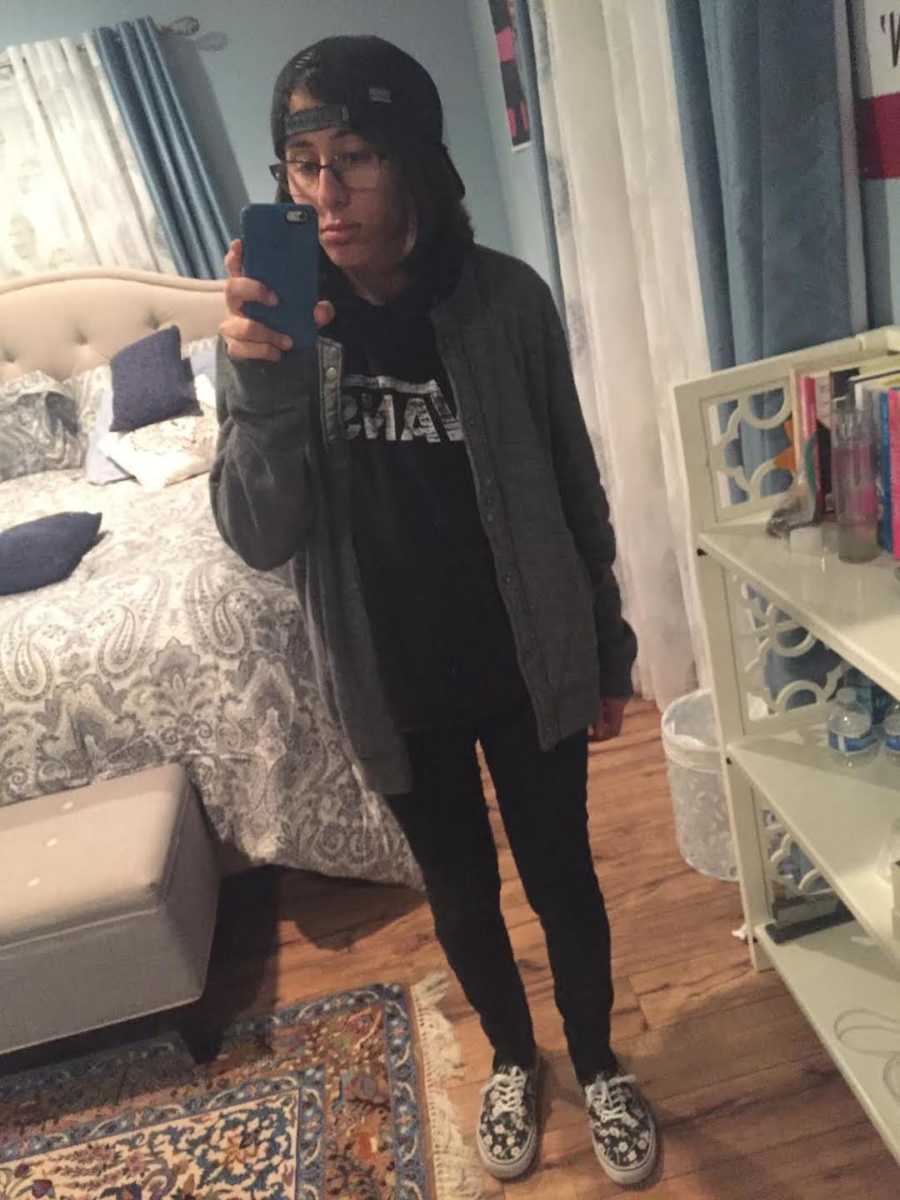
Coming from an Iranian background, being “different” carried a heavy weight. Conforming to cultural expectations—such as gender presentation, long hair, or straight relationships—was ingrained in me from birth. Any deviation from these norms, especially regarding sexuality or gender identity, is often swept under the rug. I feared I would never find acceptance from my family while being true to myself.
teenage girl mirror selfie
Coming out to my parents brought denial, restrictions, and subtle yet sharp microaggressions. As a teenager, these experiences weighed heavily on me, even as I tried to follow my mentor’s advice to “live my truth.” Reflecting now, I understand their reactions were rooted in love and fear. Culturally, they were navigating a lot too—an LGBTQ+ child is a challenge in a traditional family. Even so, these reactions chipped away at my self-esteem. I remember praying one night that I could wake up liking boys instead, just to escape the judgment. Despite this, I remained proud of my authenticity.
Even as I came to terms with my sexuality, I soon realized I was still holding my breath. My long hair, once a part of me, began to feel suffocating. The reflection in the mirror seemed like a stranger. Slowly, I began experimenting with my clothing, leaning into more masculine styles, allowing myself freedom without self-judgment.
During junior year of high school, cutting my hair short became a personal mission, met with resistance and tearful conversations about how I was breaking my parents’ hearts. But the relief I felt, seeing mountains of hair on the salon floor, was indescribable—a liberation I had longed for.
person on beach with dog
As I graduated high school and entered college, I anticipated a deeper journey of self-discovery regarding my gender identity. Out of fear of being judged or alienated, I initially closeted myself. Unsurprisingly, this worsened my mental health. Eventually, I took a leap of faith and began expressing myself authentically, realizing that living my truth brought genuine happiness.
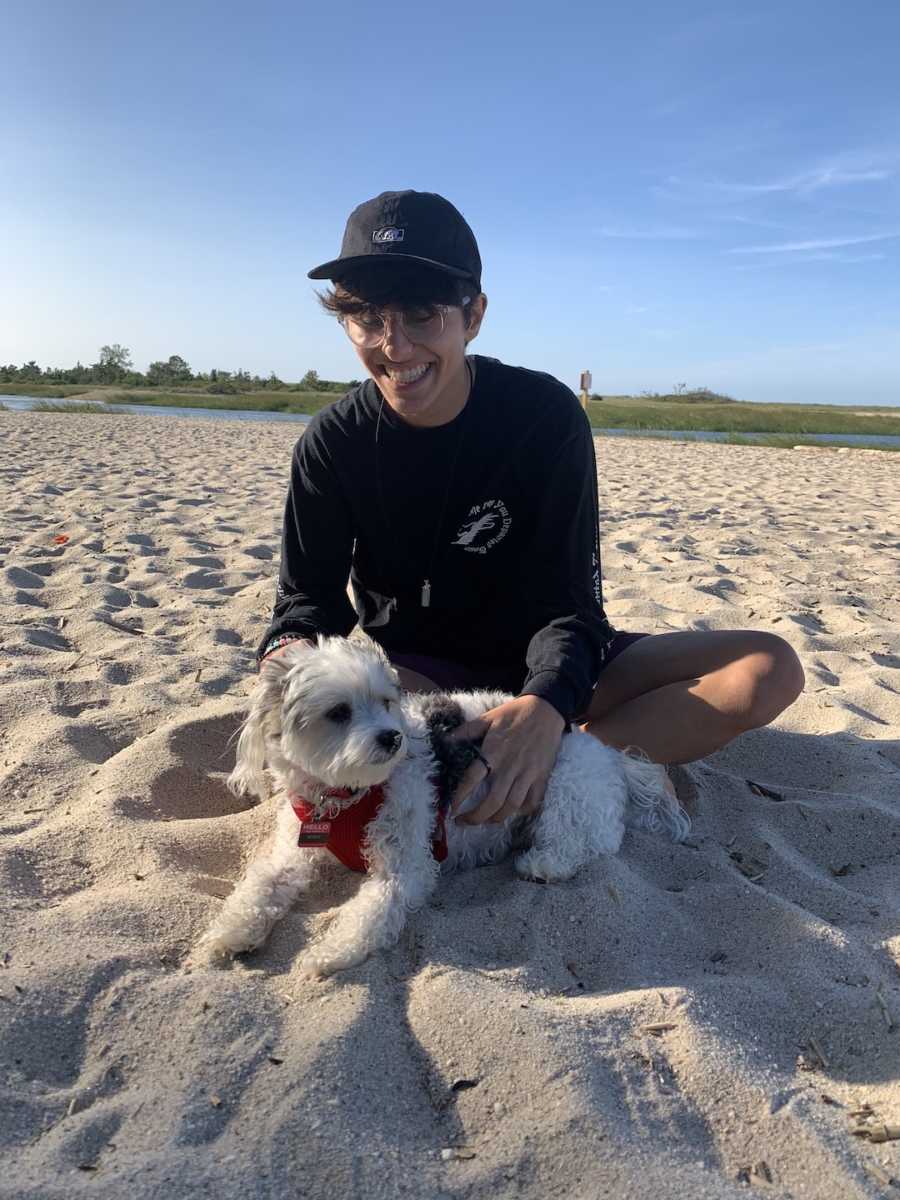
Family acceptance remained a challenge. My parents openly disapproved, often questioning, “What happened to our little girl? Where did we go wrong?” I tried to educate them and reassure them that I was still the same person, only more aligned with my authentic self. Over the years, I toggled between closeting and openness, navigating cultural pressures and familial expectations.
At 19, my mental health took a severe turn, and I entered inpatient care. It was a terrifying, low point in my life, but there, a nurse practitioner told me something that would resonate forever: “Live your truth.” Years prior, my high school mentor had said the same. I now believe it was no coincidence—it was a message meant to guide me to my authentic self.
After discharge, I promised to embrace who I truly was. I came out as Noah and non-binary at 19. My family did not respond with joy, yet I was fortunate to have two family members—my aunt and uncle—who supported me unconditionally.
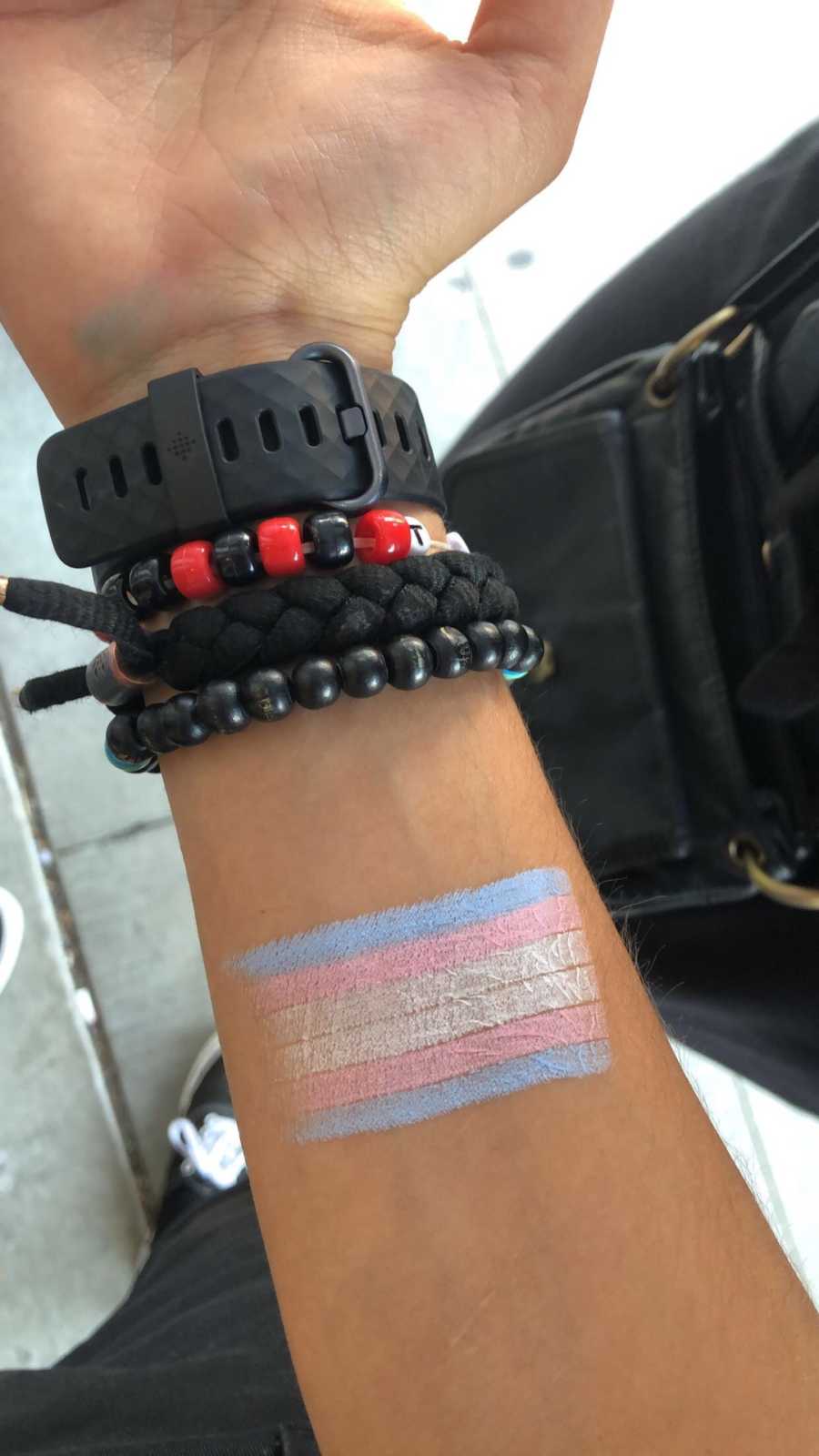
trans flag painted on a wrist
Even now, at 23, I navigate spaces where full acceptance isn’t safe, from doctors’ offices to social settings, often dealing with misgendering and deadnaming. Still, I remain committed to living authentically whenever possible.
If I could speak to my younger selves, I would say: to 16-year-old Noah, “Hold on—it will get better.” To 19-year-old Noah, “Please stay—you are worth it.” And to my current self, “I’m so glad you stayed.”
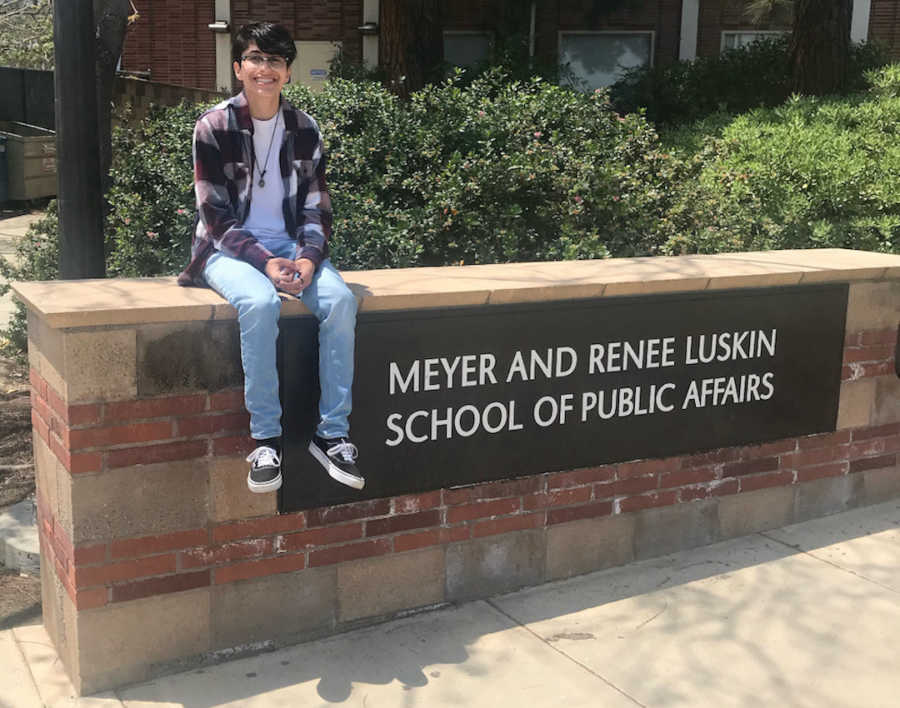
These experiences shaped not only who I am but also the work I pursue. Over the past year, I’ve collaborated with an LGBTQ+ agency, sharing my story and supporting youth to ensure they feel seen, valued, and safe. This fall, I will begin my Master’s in Social Work at UCLA, using my lived experiences to guide and uplift others.
person in front of a school
To trans folx reading this: keep going. It’s difficult, I know, but your life and identity matter. You are seen, valued, and deserve to thrive.
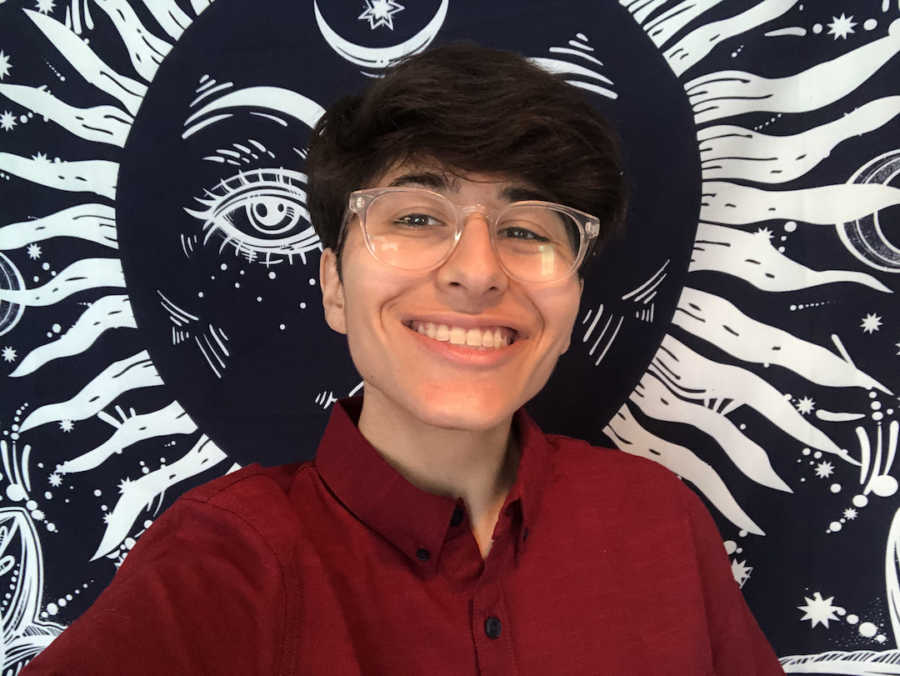
Finally, I want to thank every person reading my story—LGBTQ+ or ally—for supporting our community. For those looking to help, I am making custom playlists to raise funds for my medical transition. Donations are voluntary and will go directly toward gender-affirming care. Even sharing this story helps more than you know. Thank you.