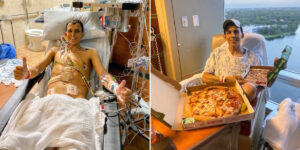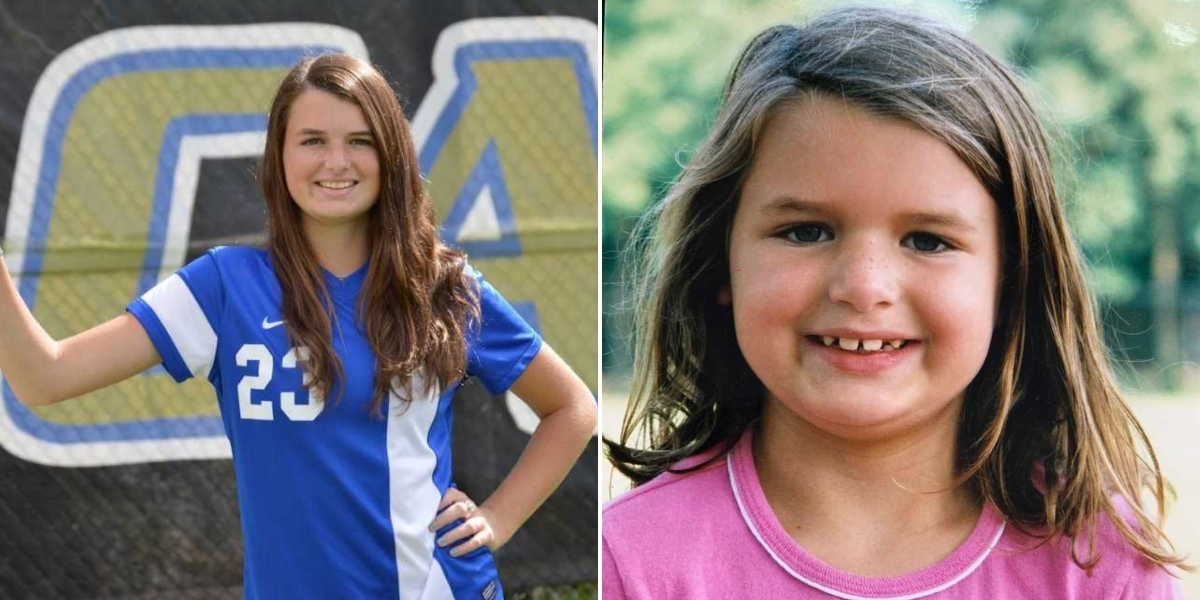
Imagine living in a world without the sounds that most of us take for granted—the laughter of friends, the chatter of a busy street, or even the comforting voice of a parent. Imagine not hearing your mother’s lullabies, your father’s “I love you,” or the gentle whispers that soothe a child to sleep. That was my reality. I was born profoundly deaf.
At the time of my birth, newborn hearing screenings weren’t yet standard in hospitals, so my parents didn’t know about my hearing loss until the very day I was discharged. I still remember sitting in the hospital hallway, waiting for my parents to finish paperwork, when a group of graduate audiology students—ironically, from the very graduate school I now attend—was practicing automated brainstem response hearing tests on newborns. A professor randomly chose me as an example, thinking it would be quick and simple. But I didn’t just fail once; I failed four times as each student ran the test. That moment revealed the first glimpse of my hearing loss to the world.
My parents were quickly referred to the University of Tennessee Hearing and Speech Center for further evaluation—back then, uniquely located inside Neyland Stadium! Follow-up testing confirmed that I had severe to profound sensorineural hearing loss. The initial diagnosis was a shock to my parents, yet they immediately sprang into action, enrolling me in early intervention speech therapy to help me learn to hear and speak.
Before cochlear implants were even considered, I began with hearing aids. Initially, they helped me make small gains in speech therapy, but after three months, progress stalled. Further testing showed that my residual hearing had declined to profound levels, rendering the hearing aids ineffective. That’s when the next step was discussed: a cochlear implant. At the time, the technology was still relatively new, only around a decade old, and there were only two ENT surgeons in the area who performed the surgery. Limited research and anecdotal reports made the decision daunting, but my parents ultimately chose a Cochlear Americas implant for me.
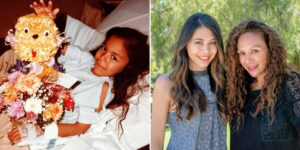
I received my first cochlear implant on my right side at 2.5 years old. I don’t remember much of the surgery itself, but I do remember the huge bandage wrapped around my head as I stayed overnight in the hospital. Post-surgery, I continued speech therapy at the same Neyland Stadium clinic, learning how to listen through my implant. By age five, I “graduated” from formal speech therapy—though I often remind people that you never truly graduate from it. Every new situation is another chance to learn to listen.
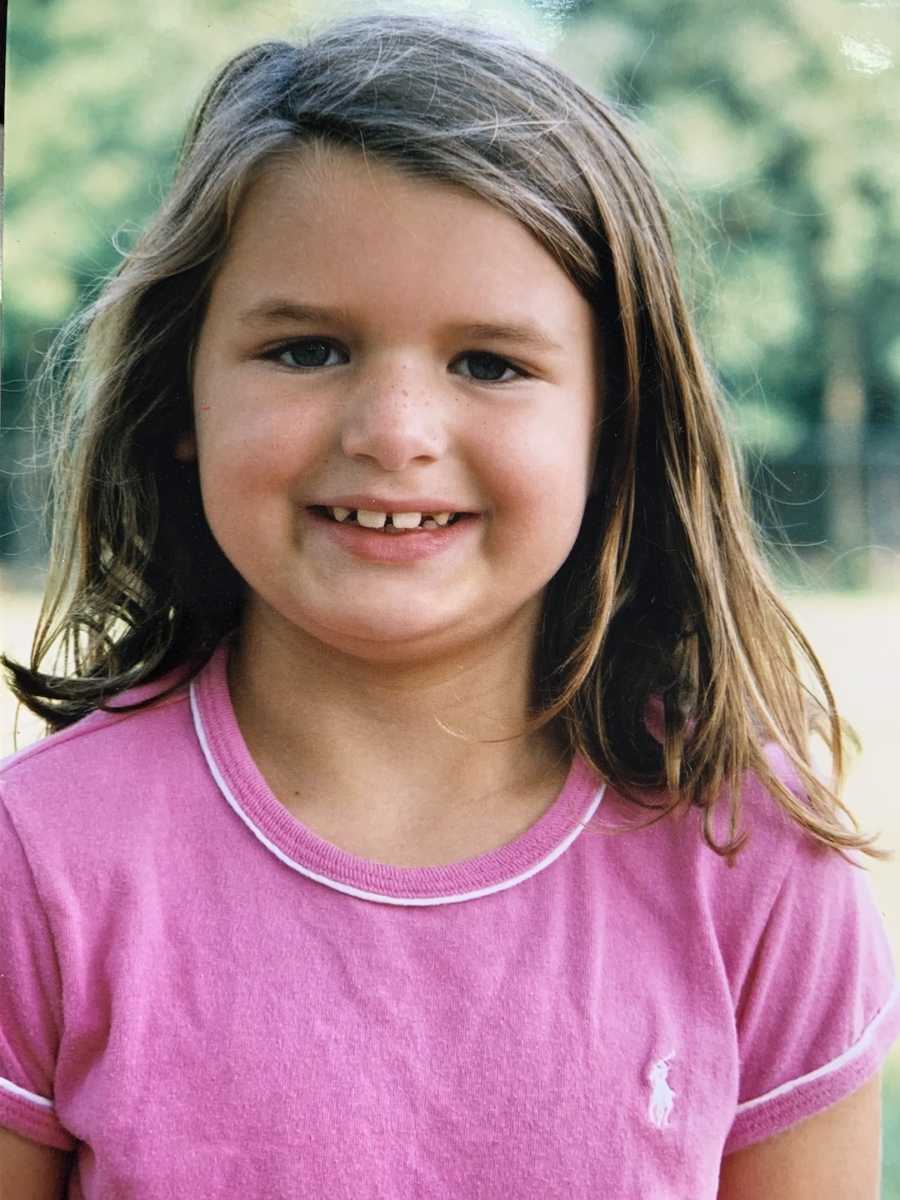
When I entered kindergarten, my parents opted to mainstream me in public school. But challenges emerged immediately. The school required a vocabulary test to measure my cognitive alignment with my peers. I actually tested into the first grade, but my parents decided it was important I stay with kids my own age. Throughout my academic journey, I faced highs and lows—earning awards and recognition, yet also confronting teachers who pigeonholed me based on my hearing loss.
Outside the classroom, I was fiercely active in sports. Soccer, dance, horseback riding, basketball, track—you name it, I tried it. I refused to let my hearing loss define my athletic abilities, though it wasn’t without its challenges. Implants were fragile; sweat or rain at soccer camps would often fry the processors. It became almost a weekly, if not daily, struggle, and I became well-acquainted with my audiologists and Cochlear Americas!
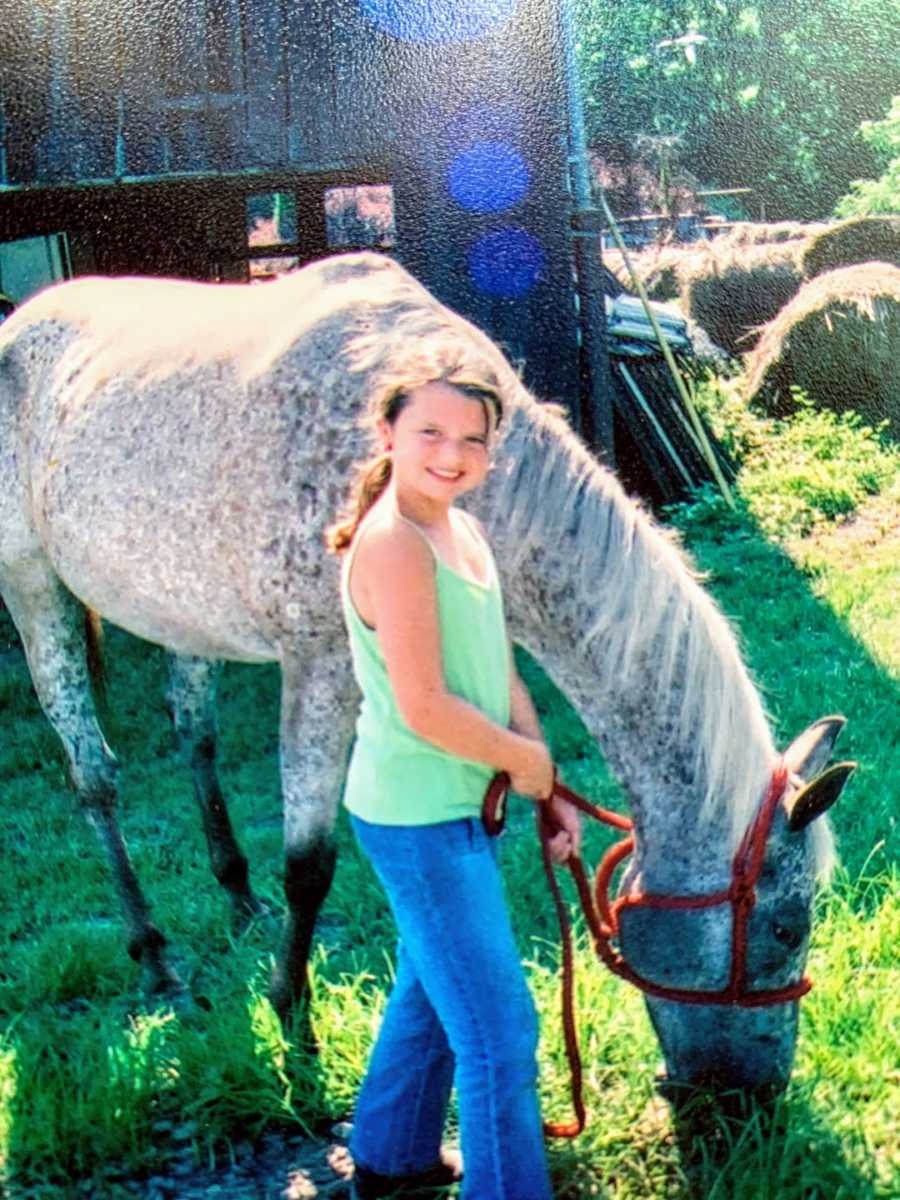
At 14, I received my second cochlear implant, becoming a bilateral user. True to my stubborn nature, I resisted wearing it for years. I hated change and preferred the comfort of what I already knew. My implant setup remains minimalist to this day: no bells, no whistles. I like simplicity—if it isn’t broken, why fix it? But starting college brought a turning point. Serving as a YoungLife leader, I missed a question from a student sitting on my left side. She thought I was ignoring her, and my heart broke. That was the moment I promised myself to wear my left implant consistently, ensuring I wouldn’t miss important moments again.
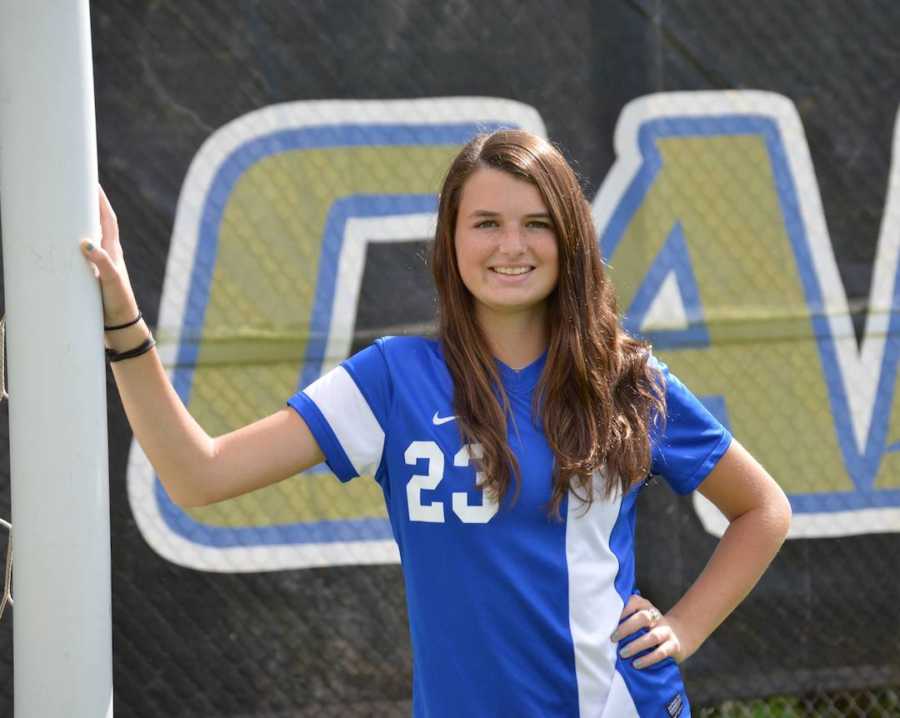
Adjusting wasn’t easy. I taught myself a trick: putting my favored implant on first, then adding the left, allowing it to acclimate while I maintained my daily function. I now share this strategy with patients to help them transition smoothly to bilateral listening.
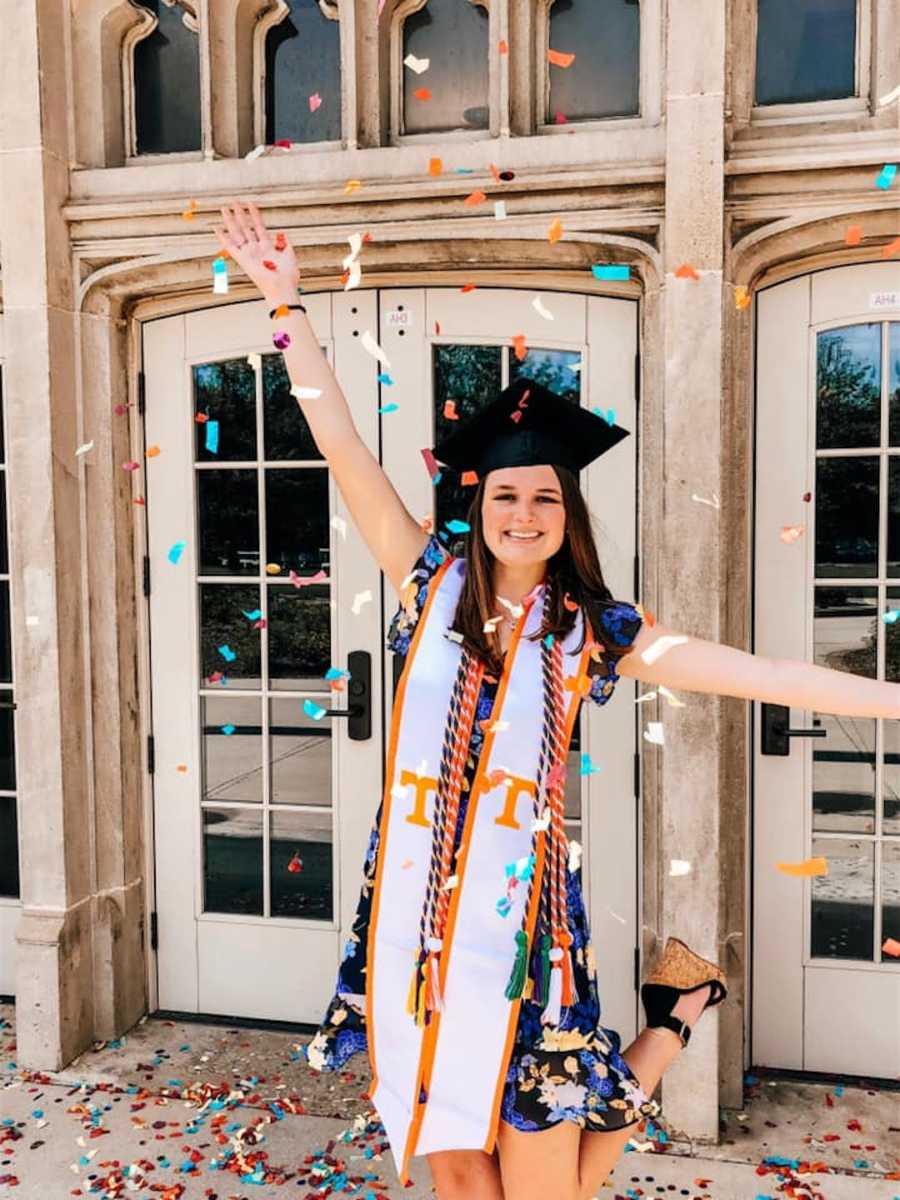
The very Neyland Stadium audiology clinic that guided me as a child now serves as the place where I am pursuing my Doctorate of Audiology. I’ve come full circle—learning to be a clinical audiologist so I can help families who feel overwhelmed, just as mine once did.
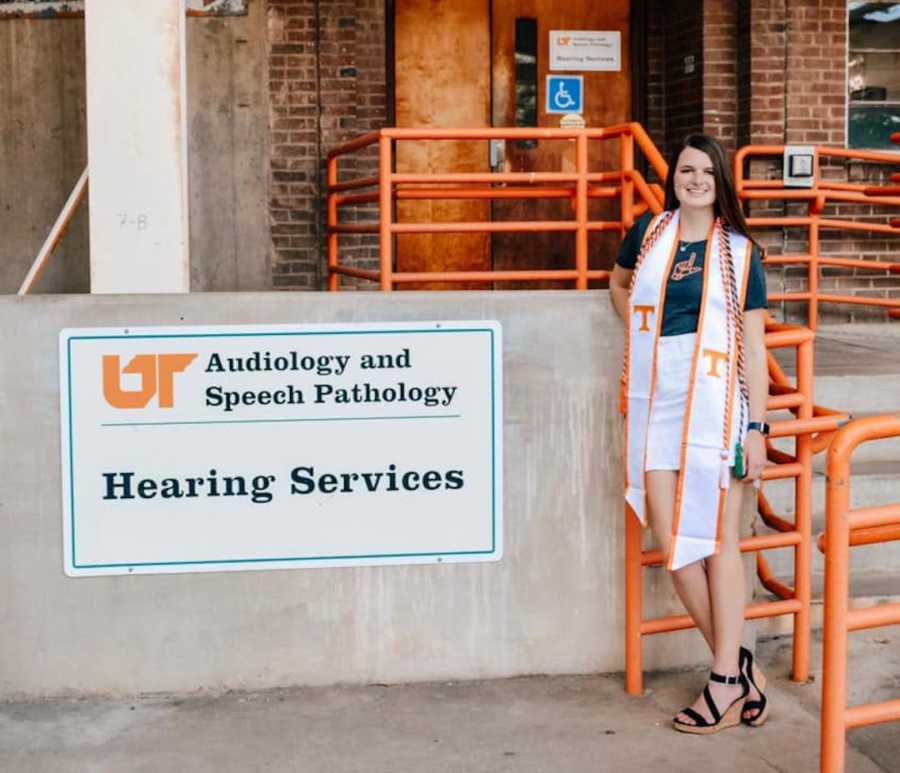
Interestingly, audiology wasn’t my first choice. I initially pursued Neuroscience with the aim of becoming a Physician Assistant, despite everyone telling me I’d make a great audiologist. But during my sophomore year, I had an epiphany: I have a servant’s heart, and Audiology would allow me to serve people in a profound way. I switched to a double major in Audiology and Speech Pathology and never looked back. I recently earned my Master of Science in Audiology and am closer than ever to my clinical doctorate.
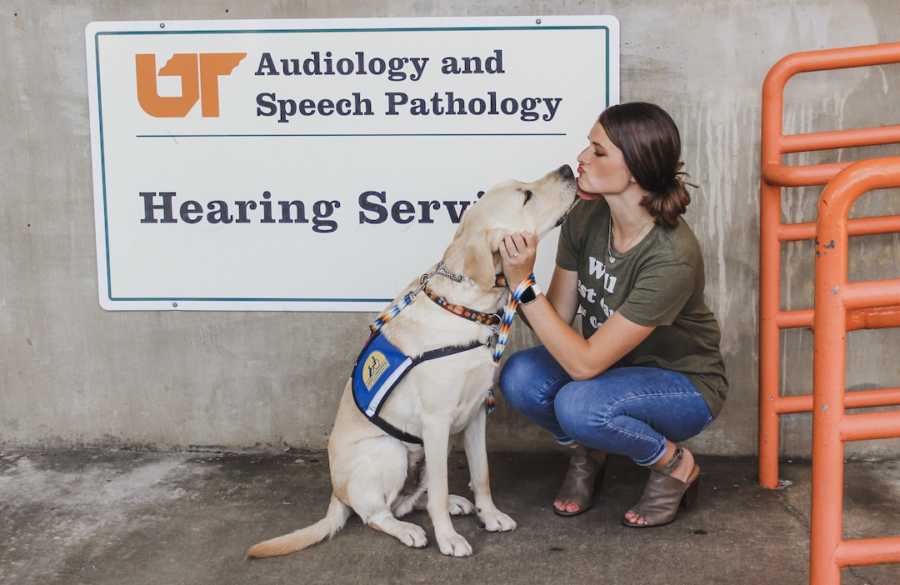
Around that time, I applied for a hearing service dog through Canine Companions for Independence. I wanted to live independently but worried about missing critical sounds—alarms, timers, or even someone calling my name. After completing the rigorous application process, I was matched with Elroy in May 2019. He has been life-changing, alerting me to sounds I might miss, helping me navigate daily obstacles, and acting as my extra set of ears both at home and in public.
Beyond my studies and daily life, I feel a calling to help others embrace their hearing loss. I created the miniblog Hearing Lauren on Instagram and a YouTube channel to connect with individuals and families, sharing both the joys and challenges of living with cochlear implants. I want people to know they are not alone. I share my journey so others can have a roadmap, and my mantra has become: Deaf is Beautiful, and there is nothing that will ever limit you.
I used to let hearing loss define me, but by learning to love it, I discovered a gift that shaped my identity, my career, and my life. And if I can do it, so can anyone willing to embrace the beauty in their own unique journey.