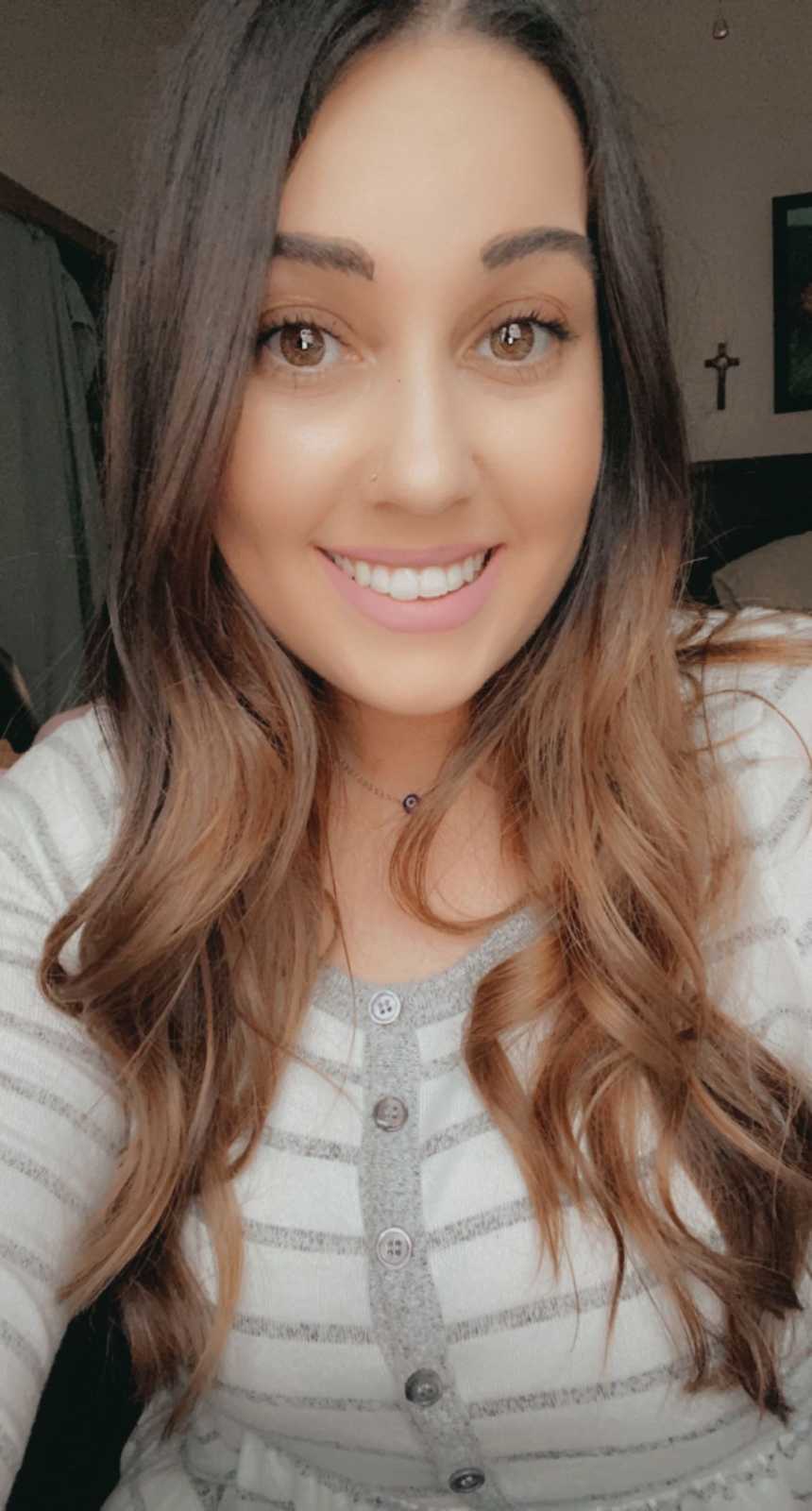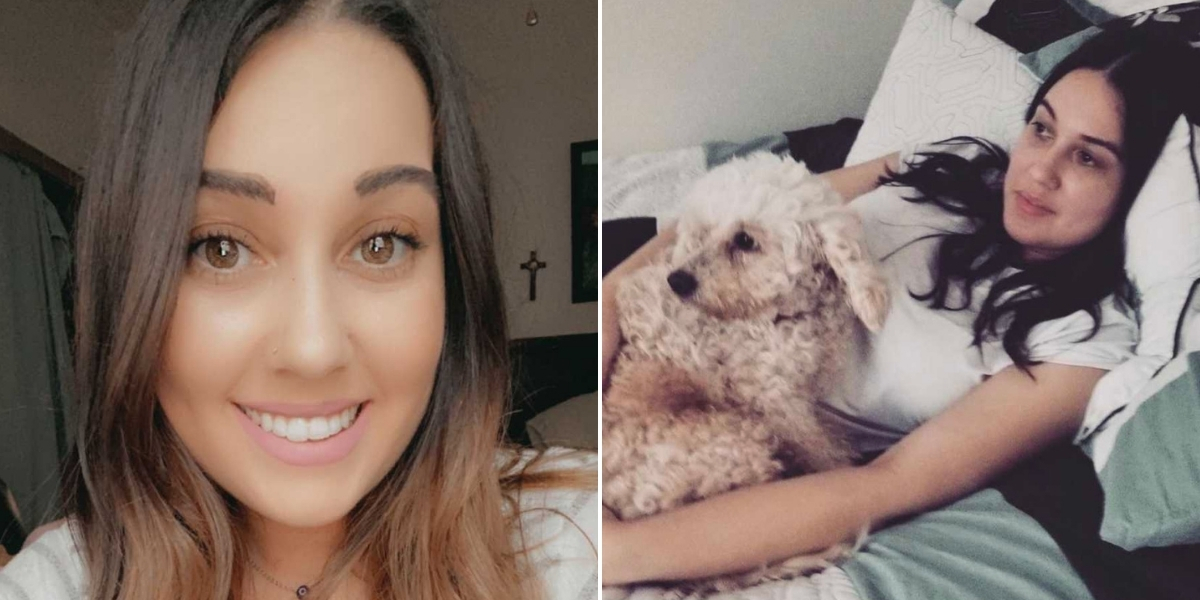
My name is Sasha Heavrin, I’m 29 years old, and I live in California. I want to share my story as a woman living with endometriosis, a journey that has shaped me in ways I never expected. I was diagnosed at just 19, but the truth is, I had been dealing with relentless pain since I was 13, enduring months and years of uncertainty while doctors struggled to give me clear answers.
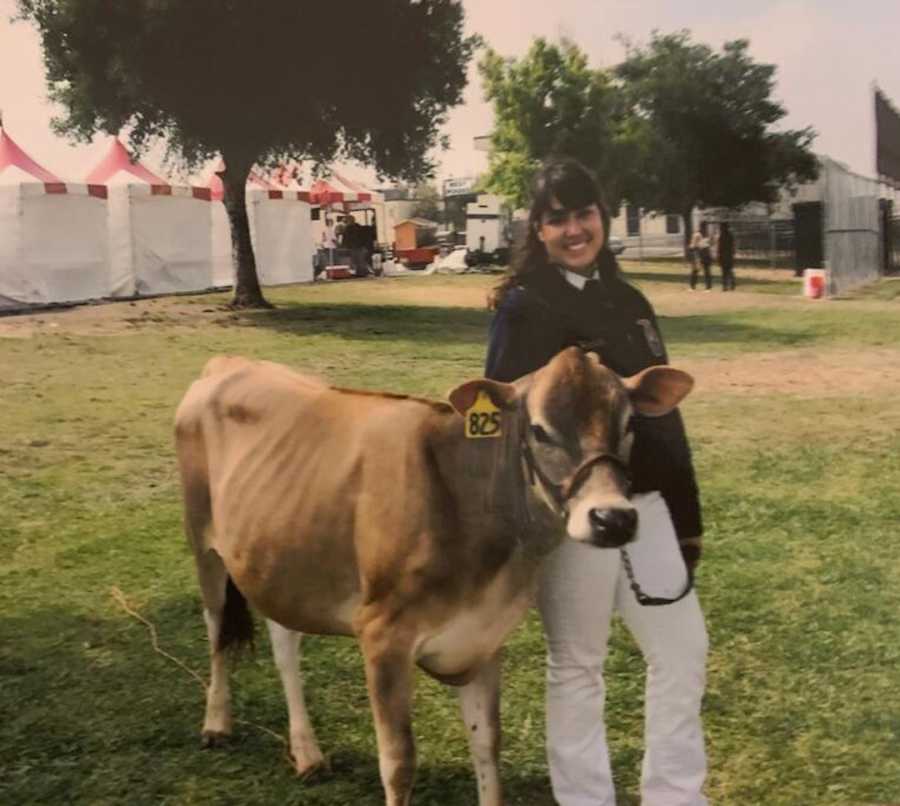
I got my first period the summer after turning 13, and at first, I wasn’t sure what to expect. But within a few months, I realized the pain was becoming unbearable. I vividly remember being in P.E. class, curled up in fetal position, feeling like I might pass out, while all the other girls ran around playing basketball. They never seemed to complain the way I did, and I didn’t understand why my body hurt so much. I almost stayed home from school sometimes, but I told myself it was normal and forced myself to go. By high school, the cramps were joined by migraines, lightheadedness, and difficulty concentrating. My mom finally took me to my first OB/GYN at 16. I explained everything I was experiencing. The doctor suspected endometriosis and ordered an ultrasound, but the results were “normal.” I was told I just had bad cramps and was prescribed birth control. I tried everything friends recommended—Midol, Pamprin—but nothing helped. The pain would come with random bloating and severe lower back aches. In high school, I was part of the agriculture program, and sometimes the pain was so intense that I would place a 50-pound feed bag on my abdomen because the pressure relieved it slightly. School was a constant struggle.
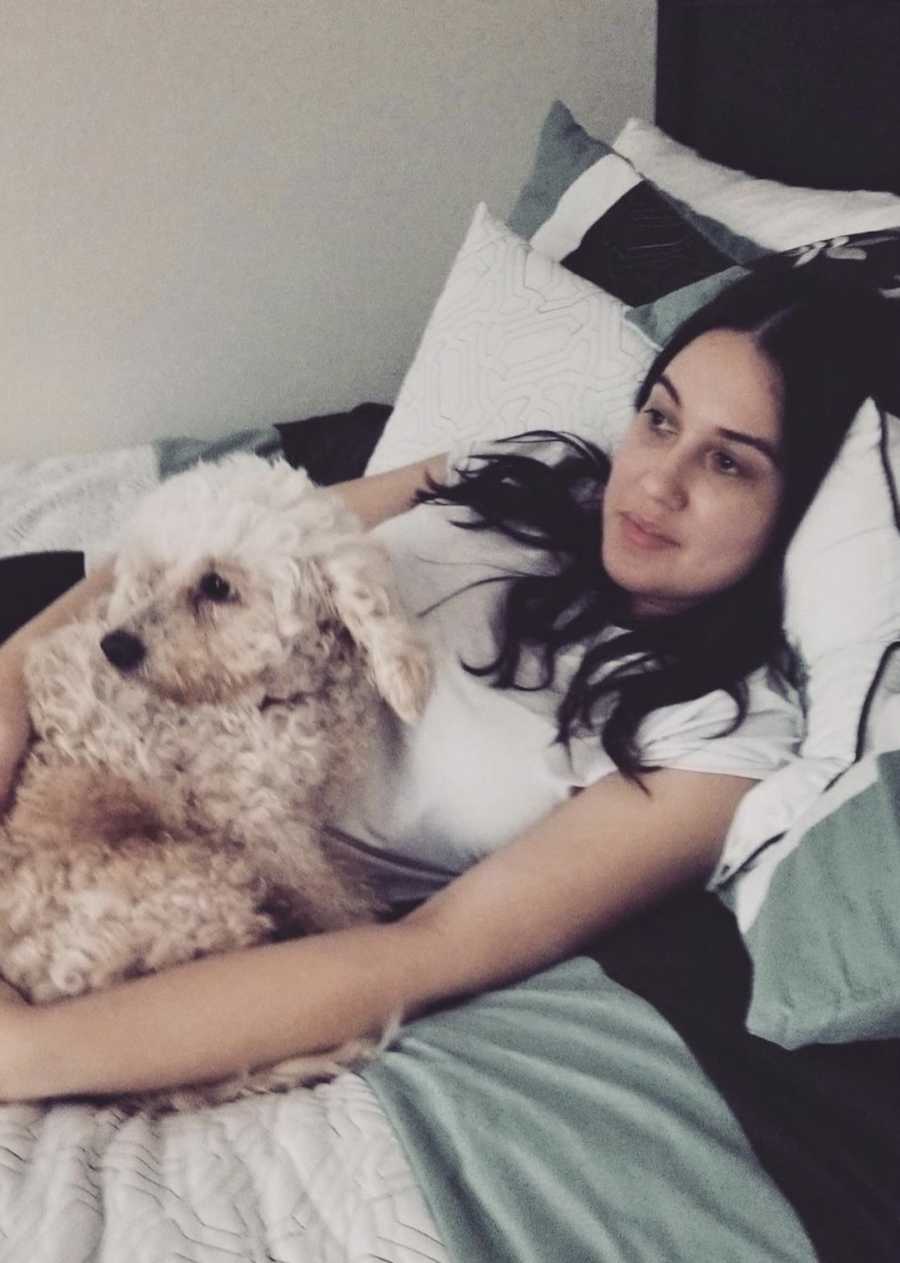
By the time I turned 18, I had convinced myself that my life would always include unbearable cramps. But moving to central California with my dad and seeing a new primary care physician changed everything. She listened, recognized the symptoms, and shared that she had endometriosis herself. She explained that ultrasounds cannot reliably diagnose it—it requires a laparoscopy to see the growths. Through this procedure, surgeons can remove them via ablation or excision, though endometriosis can grow back. I was referred to an OB/GYN, who confirmed everything and scheduled surgery. They removed early-stage growths, and I was placed on birth control to slow regrowth. The medication helped my cramps, but I began experiencing severe migraines that forced me to leave work early. Months later, I found myself curled up in fetal position once again.
In 2014, I moved back to southern California with my mom to finish college and had to switch doctors again. My new OB/GYN continued prescribing birth control, but my migraines worsened. I was referred to a neurologist, and after several years and a doctor retiring, I ended up with a provider who pressured me to try Orlissa, which induces medical menopause. I wasn’t comfortable with that, and after voicing my concerns, I was left frustrated and unheard. My mom suggested I see her OB/GYN. In 2020, I met with this doctor, who explained that I should never have been on combination birth control because estrogen can worsen endometriosis and migraines. I opted for the Nexplanon implant, but after six months, my periods stopped, I gained 30 pounds, and constant bloating made me miserable. The implant was removed, and I switched to the mini-pill, a progesterone-only option that allows a short three-day period instead of my previous seven-day cycle.
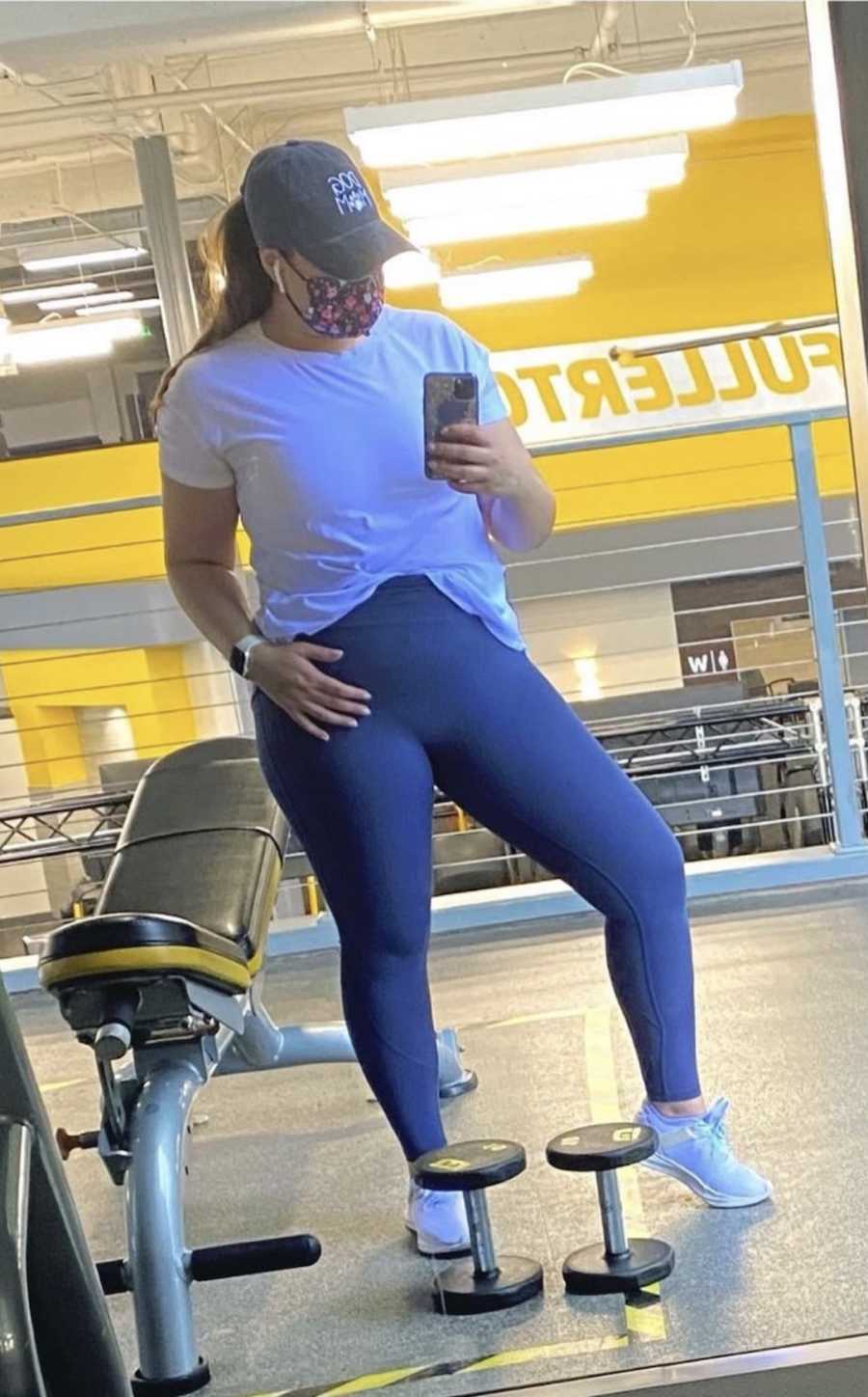
To put my pain in perspective, I once drove myself to urgent care for appendicitis and then an hour to the ER, where staff doubted my condition. My monthly cramps are far more intense than that experience. Today, even with birth control, I still have terrible cramps, occasional bloating (“endo belly”), and flare-ups. Migraines now appear only just before my period. I manage the pain with a TENS unit, heat packs, baths, CBD balm, magnesium oil, an anti-inflammatory diet, stress reduction, and regular movement—weight training, cycling, Pilates, kickboxing, and dancing.
Endometriosis has taught me resilience, strength, and the importance of prioritizing my health. I’ve learned that neglecting it will only force your body to take a break on its own terms. Now, I focus on managing my pain holistically, embracing self-care, and advocating for myself. I am an endometriosis warrior, and this journey has only made me stronger.