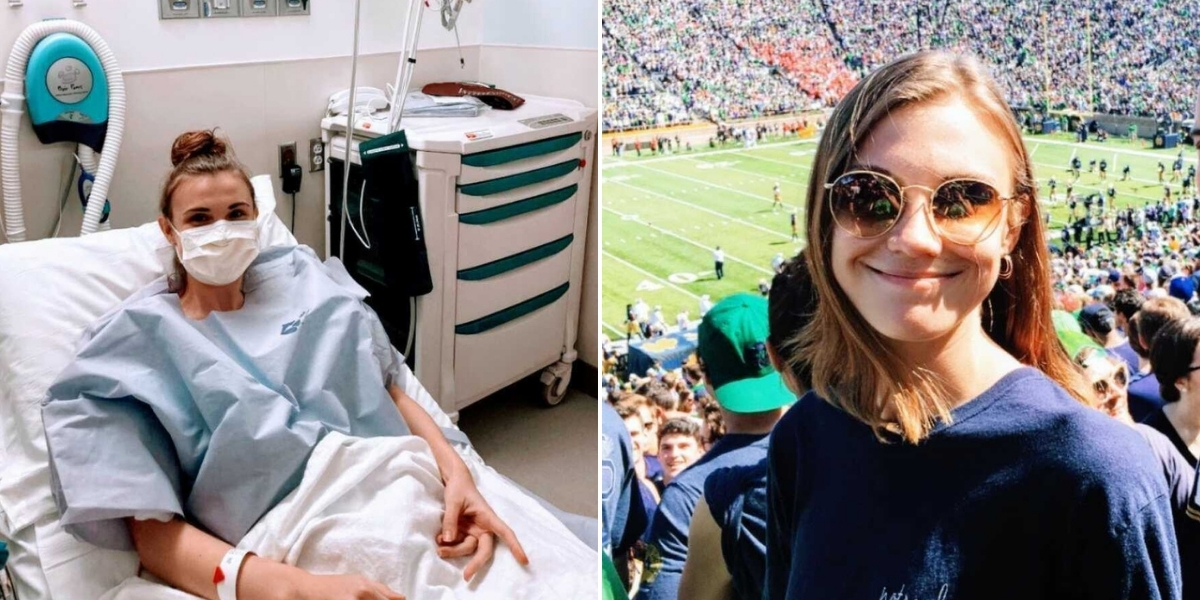
Over the last four years, ulcerative colitis has transformed my bedside table into a small forest of pill bottles and filled my phone with endless calls to nurses’ lines. I cycled through eight different medications—each carrying frightening, sometimes permanent risks—and spent more time in doctors’ offices than classrooms. Combined with COVID restrictions, I was hospitalized alone for more than a month, with no visitors and no comforting faces.
The disease layered a second autoimmune condition onto my shoulders and brought a storm of complications: blood clots, severe weight loss, chronically low platelets, and exhaustion so deep it changed my daily life. At 23, I understood after-visit summaries, TNF inhibitors, and total parenteral nutrition far better than TikTok trends or dating apps. My senior year became synonymous with being “sick,” and ulcerative colitis ultimately stole an entire year of my life. The pain—physical and emotional—was beyond anything I imagined. In the end, the disease took my large intestine and forced me into three major abdominal surgeries in only nine months, pressing pause on law school and everything I had planned for the future.
Yet even more painful than the endless procedures, insurance battles, detached doctors, infusions, strange supplements, restrictive diets, and the identity shift from “never-been-sick 19-year-old Jasmine” to “sick-forever Jasmine,” was the absence of support. Being chronically ill in college revealed just how lonely illness can be.
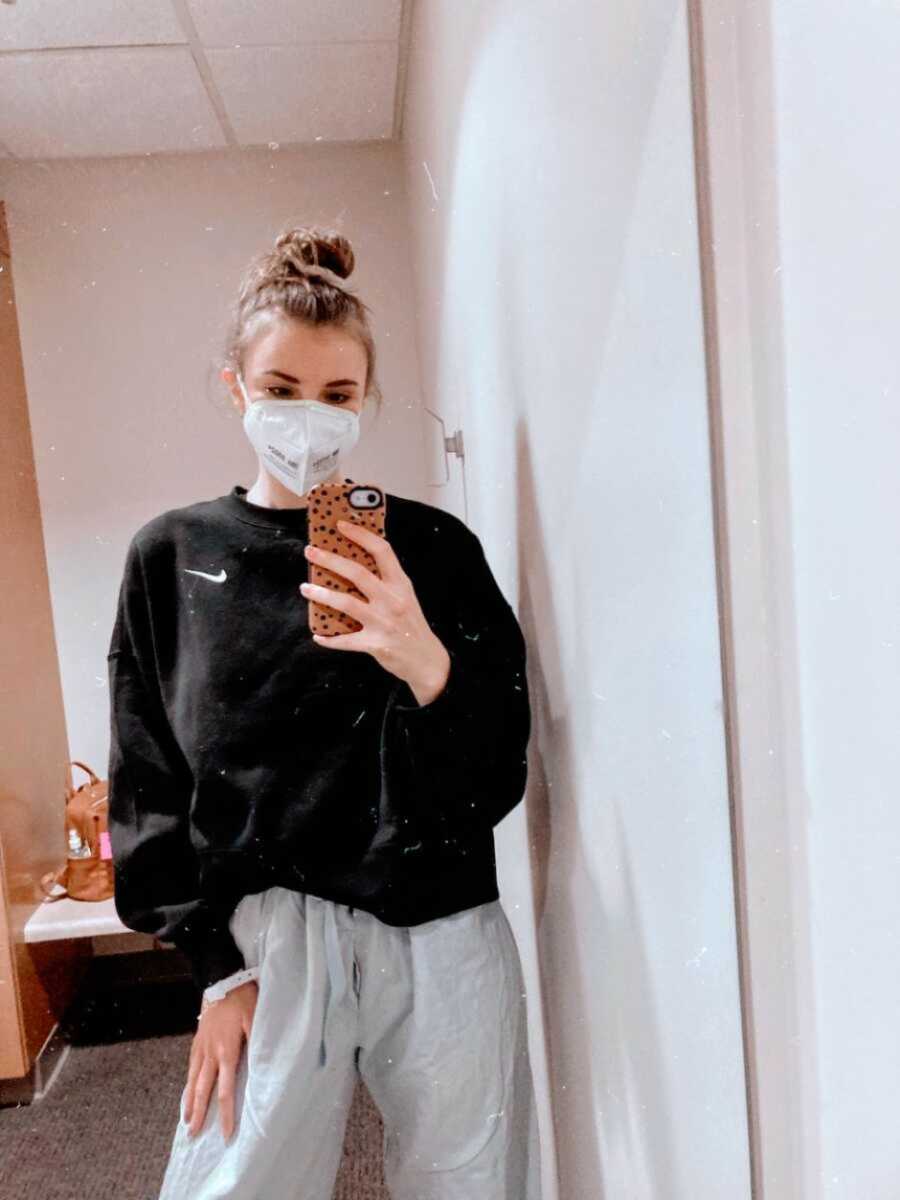
I spent hospital days staring at my silent phone, wondering why friends weren’t checking in—even though they knew I was having yet another surgery. They knew I was there for the third, fourth, fifth time, and still… nothing. The friends who once promised to “always have my back” faded away. They texted when my flare began in July 2019, but by May 2020—when I was being wheeled into the operating room—they had disappeared completely.
At school, nights blurred together as I lay sick in bed while everyone else chased their “best senior year,” filling weekends with bars, shots, and greasy late-night pizza. Surrounded by people who didn’t realize how lucky they were to be healthy, I kept asking why I wasn’t granted the same gift, even though I was fighting so hard for it.
Seeing photos from football games, trips, parties, and dinners—places I should have been—cut deeply. My absence became a glaring space in every picture. I scrolled through social media, crying, wondering when I’d finally be allowed to live again instead of just endure.
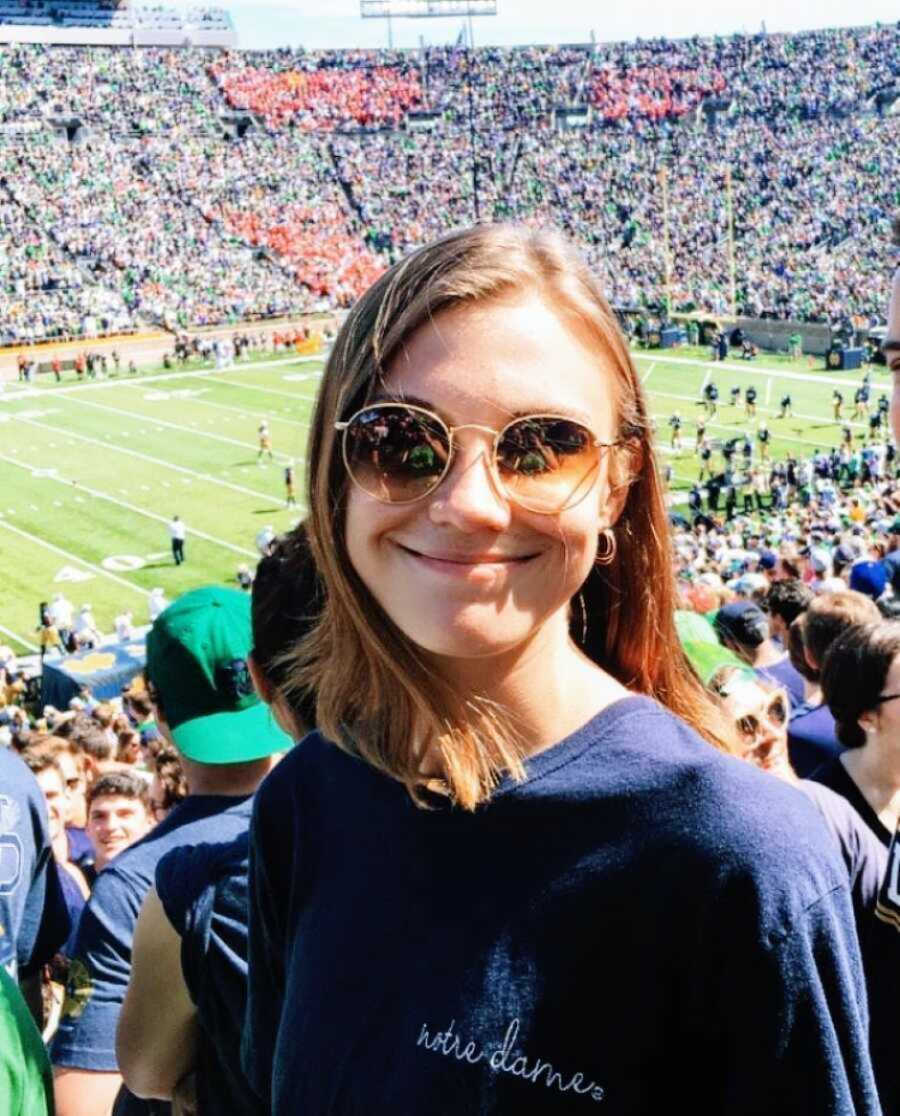
As my illness worsened, the friends I’d once studied, traveled, laughed, and lived with slowly vanished. My need for support grew while the support itself dwindled. Instead of adapting plans so I could be included, they simply stopped inviting me. That choice felt like intentional abandonment layered on top of everything else I had already lost.
When COVID hit and my doctors ordered me home, the distance sealed what had already been unraveling. While I began the three-step surgical process, lived two months on TPN, and adjusted to an ostomy bag, communication nearly stopped altogether.
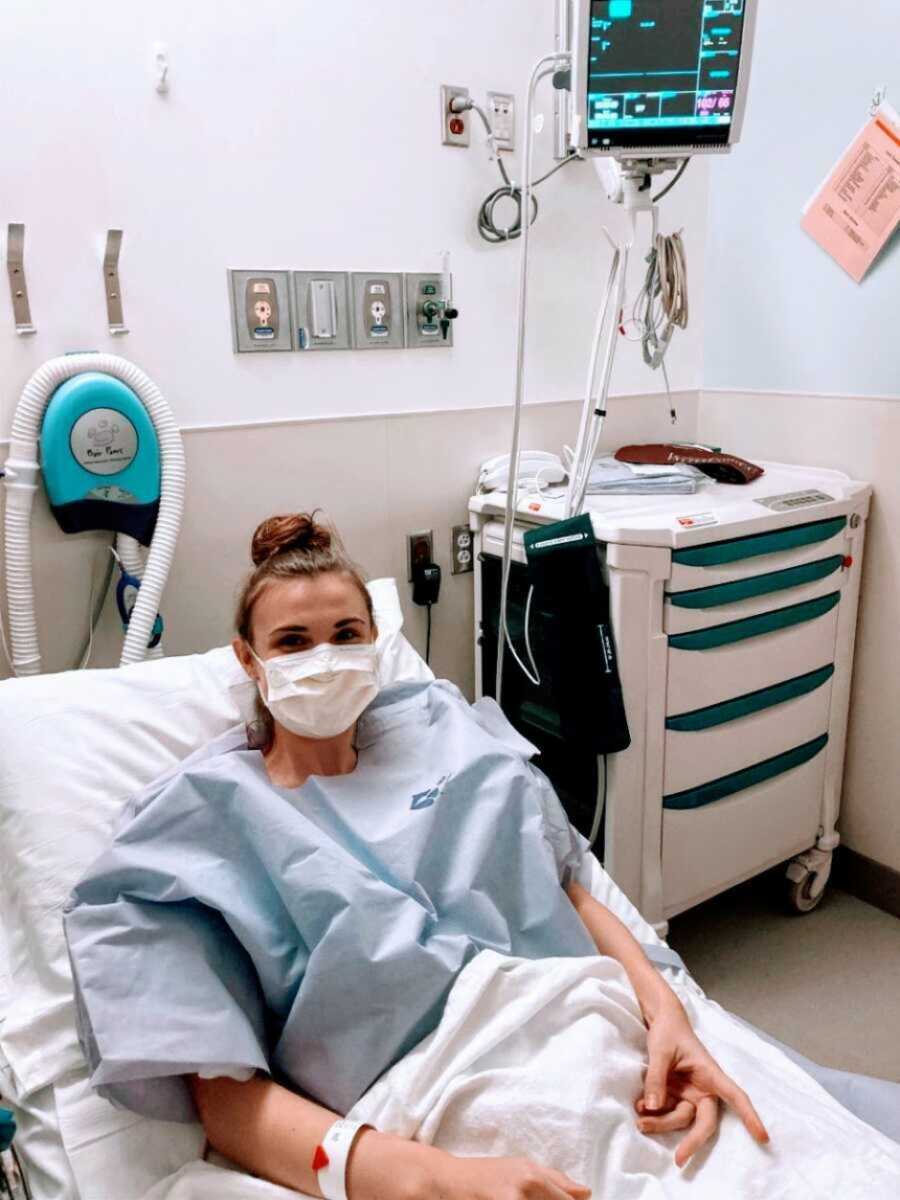
When my body finally stabilized, I started to process the emotional losses. During the crisis, I had been too focused on surviving to think about anything else. At first, I wondered if I somehow deserved the silence—if I’d been too consumed by my illness to be a good friend.
But the distance continued through late 2020 and into 2021. Even once I could participate again, my friends went on trips and refused to take precautions so I could safely join. They wouldn’t test, quarantine, or skip bars. Despite everything I’d endured to regain my health, I still sat on the sidelines, watching life go on without me.
By the time I finished my final surgery in February 2021, nothing had really changed. I kept asking the same painful questions: if they truly cared, wouldn’t they have reached out? If they’d missed me, wouldn’t they have called? If my absence mattered, wouldn’t they have made space for me? Their silence left me unsure where I stood.
When I finally asked about the lack of support, the responses varied. Some said they didn’t know what to say. Others insisted they hadn’t realized how serious it was. A few suggested I was wrong to bring it up later, as if compassion had an expiration date. A couple cried, apologized — and then disappeared again. Some assumed my boyfriend meant I didn’t need friendship at all. Others shrugged and said senior year was “just busy,” as though that explained everything.
I believed these conversations would give me closure, and sometimes they helped — but mostly they revealed a painful absence of empathy I hadn’t expected. People often say illness reveals who your real friends are. But what happens when it shows you had almost none?
I’m still learning how to move forward. Before my illness, I never imagined that at 23, still having college friends would feel like a privilege. I hope I’m never tested like that again — yet I worry about how I’ll recognize genuine friendships in the future. I’m still processing the things people said, still grieving friendships that vanished when I needed them most, still reckoning with the truth that when I was closest to death, almost no one came.
These last four years have shown me how uncomfortable society is with illness, especially young people. Chronic disease remains misunderstood not only by friends, but also by doctors, universities, and the systems meant to help. Yet illness touches all of us eventually — through our own bodies or the people we love. We need to talk about it, normalize it, and learn how to show up better.
By sharing my story, I hope anyone facing isolation or chronic illness feels less alone — and that the next time someone knows a friend or family member is struggling, they choose empathy, presence, and support.