“She’s my friend.”
Overhearing those three simple words in the grocery store made my mama heart skip a beat.
As a parent, I worry. I worry about children who experience the world differently, who don’t fit neatly into the mold, and whether they will be accepted. I worry that kids at school will be mean to my daughter, that they will make fun of her unusual movements or vocalizations. I worry they might ignore her—or even be afraid of her.
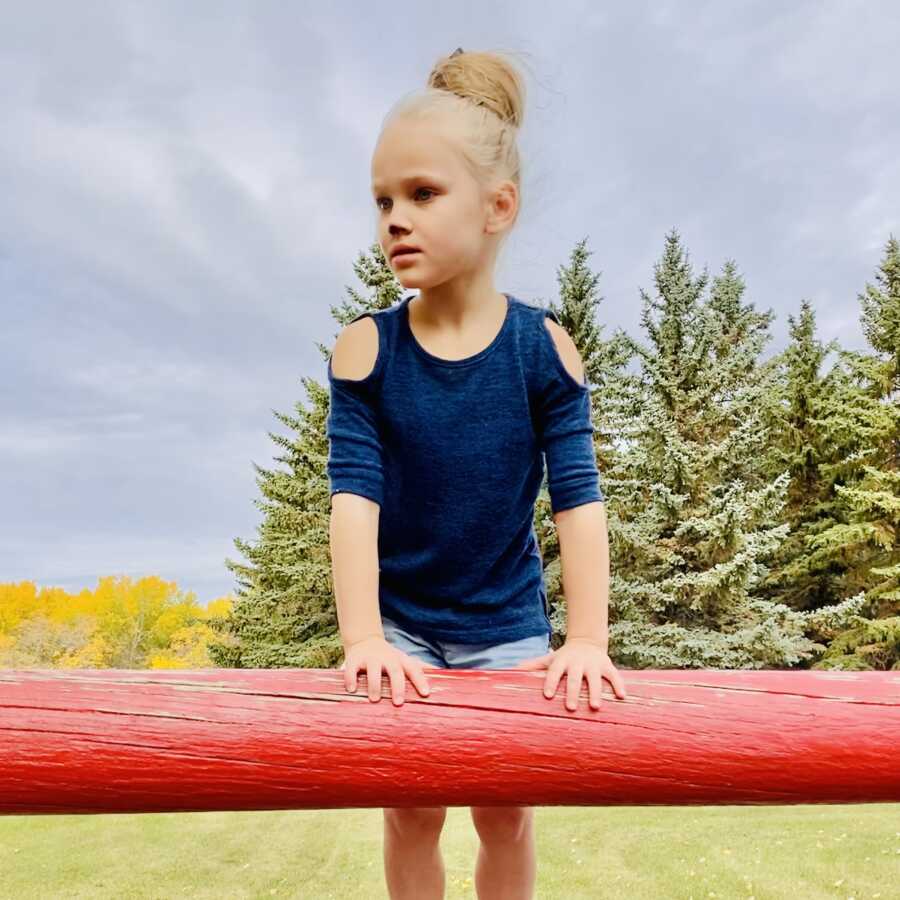
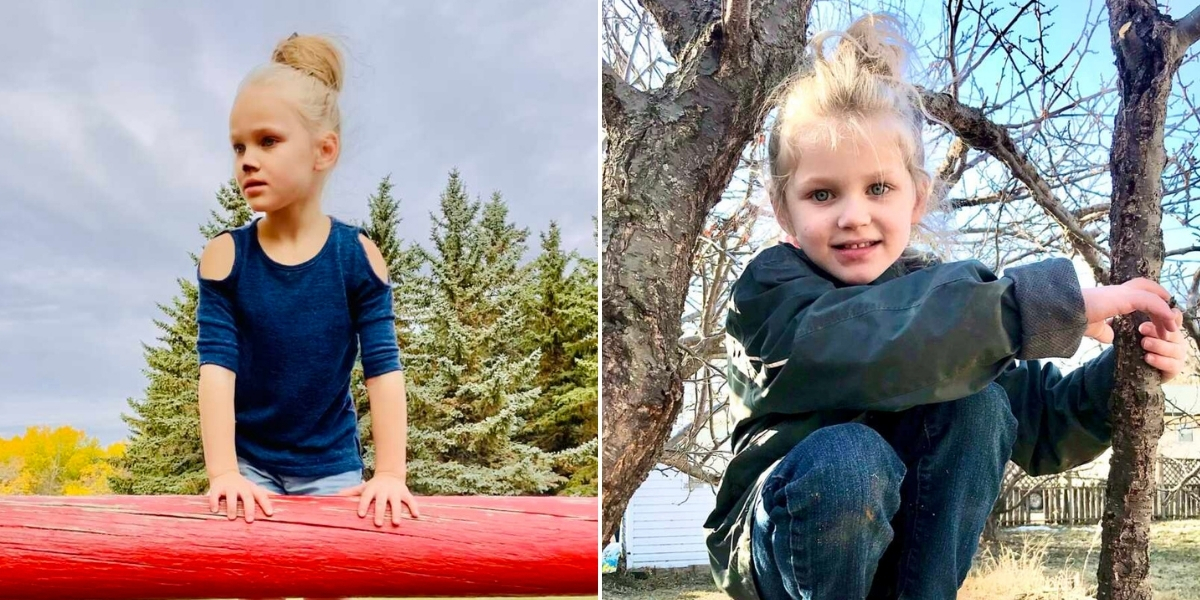
Evie climbs on a red fence post in a quiet field of trees.
Evie is autistic. She experiences life differently than most five-year-olds.
She loves to dance. She loves music. She loves counting, climbing, swinging. She loves boats and bikes, watching the way water moves, memorizing Spanish words, squeezing into tight spaces, and taking stroller rides on warm summer evenings.
Evie wears a life vest while enjoying the water.
And most of all, Evie loves kids.
But to someone who doesn’t know her like I do, that love might not be obvious. She doesn’t interact or communicate the way most children do. It might look like she doesn’t notice them. It might seem like she prefers to be alone because she struggles to share toys or join in games.
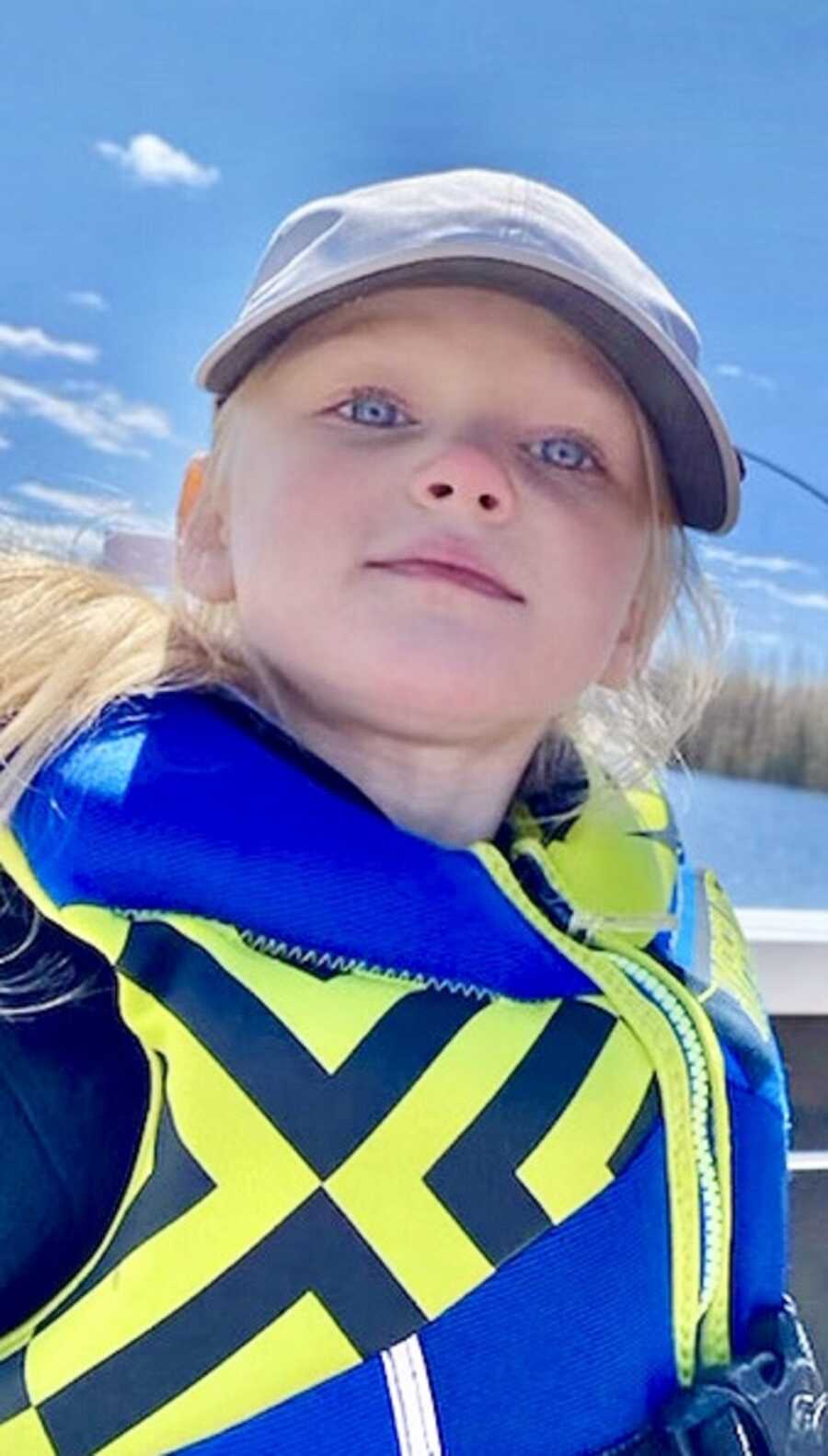
Yet, Evie is social by nature. In her own unique way, she observes her peers, studies their movements, and quietly searches for a way to be part of the joy and energy of play—even if she can’t always speak to them. She wants connection, she wants friendship, she wants to be included.
At the grocery store, a little girl caught my attention. She looked about Evie’s age, full of chatter and energy, peppering her mom with stories. I couldn’t help but listen—hearing children converse is fascinating to me, especially because I’ve never had a “normal” conversation with my daughter. I wondered if the thoughts in Evie’s mind were anything like this girl’s.
Suddenly, the girl spotted us in the lineup. Her face lit up like a Christmas tree. “Hi, Evie! Hi!” she called out, waving enthusiastically. Her smile didn’t falter, even though Evie didn’t outwardly respond. The girl scurried after her mom, her voice trailing behind. And then I heard it—the words that made my heart soar:
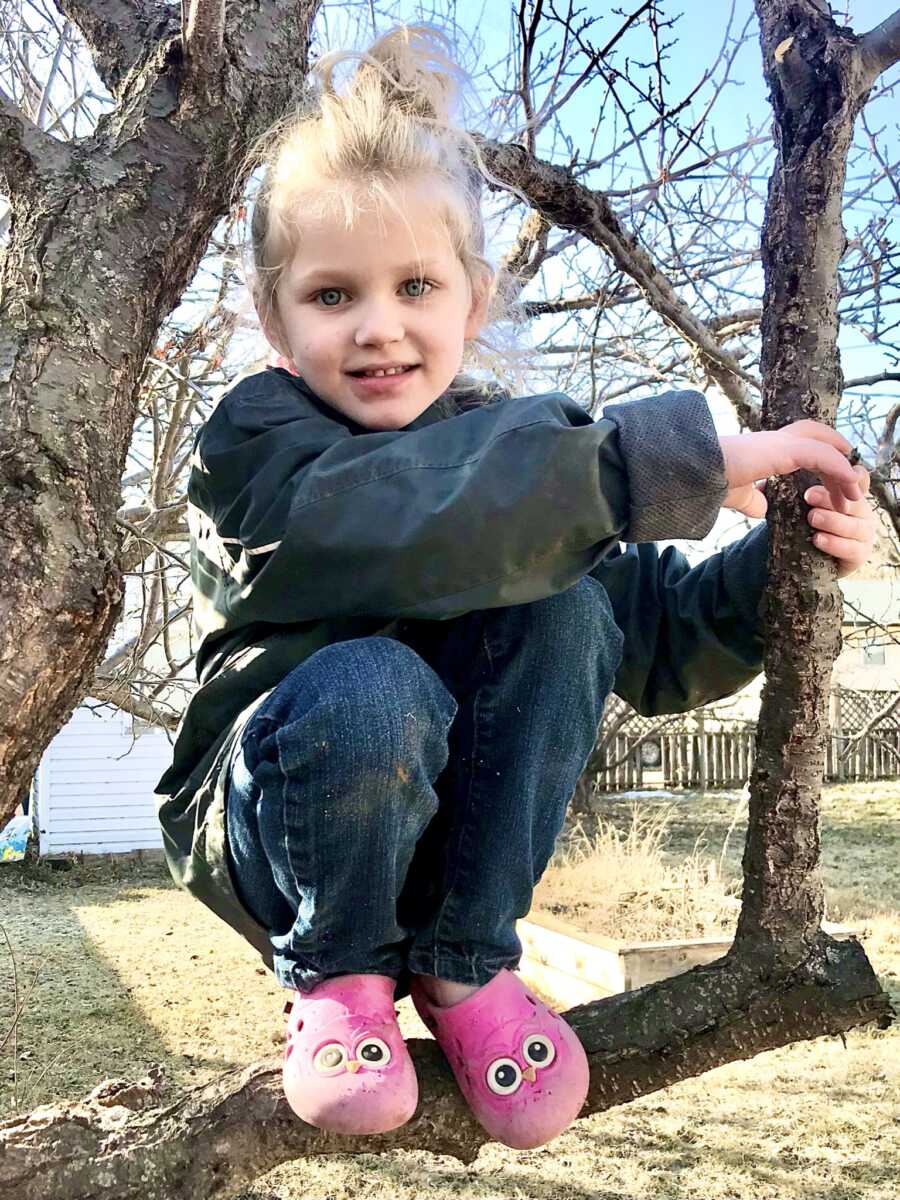
“That’s Evie! She’s my friend.”
I practically floated out of the store, groceries in hand, overwhelmed with relief and joy. Evie giggled to herself, skipping down the sidewalk, radiating a quiet, belated excitement. She might not be a big talker, but she is always listening. She hears everything. And she wants the same things every child wants: to be seen, to be included, to have a friend.
Evie, in her pink owl crocs, perches in a tree she climbed.
Three small words—so simple, yet so powerful. Two small feet skipping with joy. One mama’s heart releasing worry, making space for hope and belief. My daughter is not ignored or feared. She is seen. She is included.
“She’s my friend.”