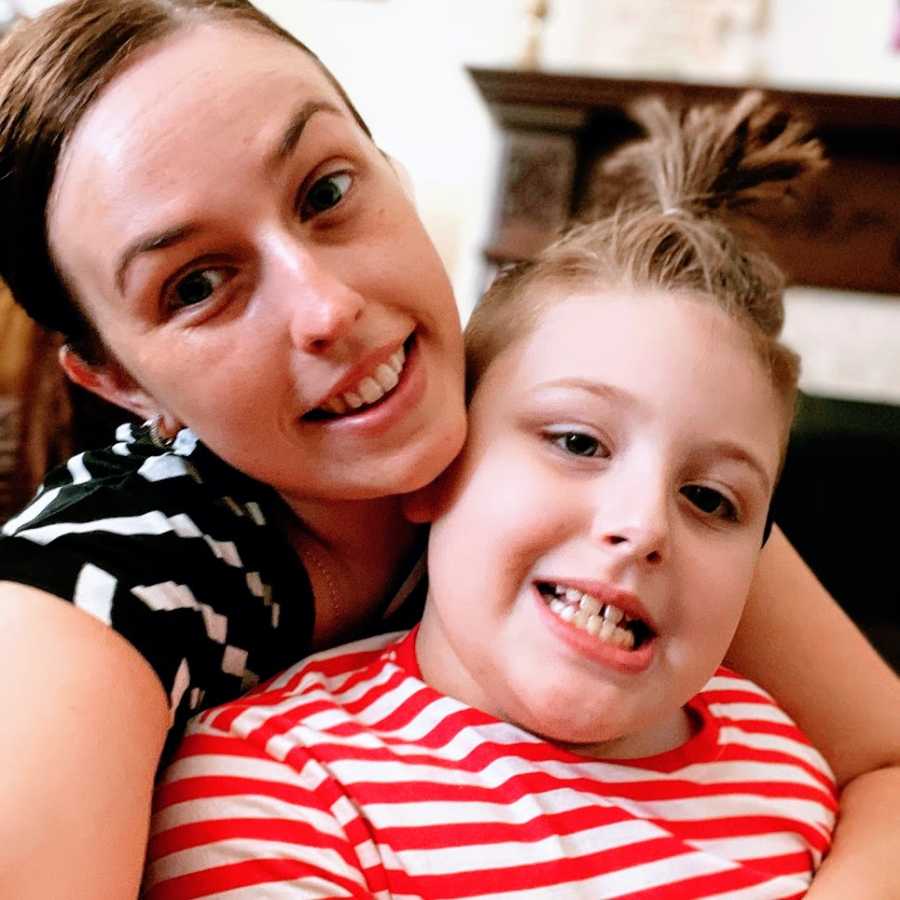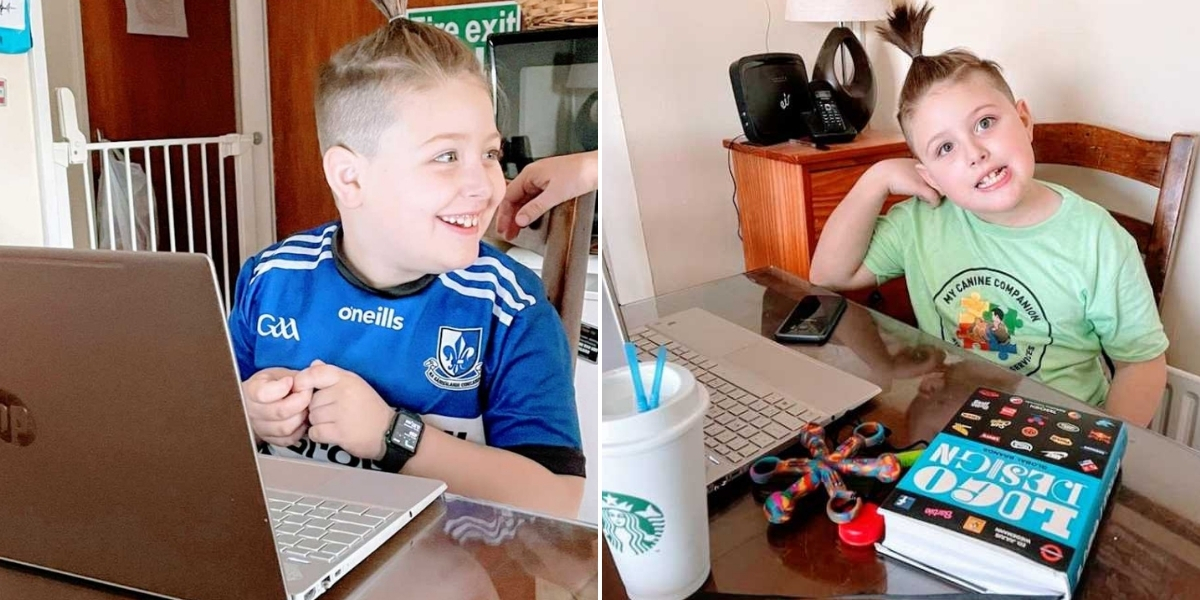
Meet my son Riley. He is funny, handsome, loving, and endlessly kind. He also has Autism and a severe speech sound disorder.
I took this picture just this week. At first glance, he looks happy, right?
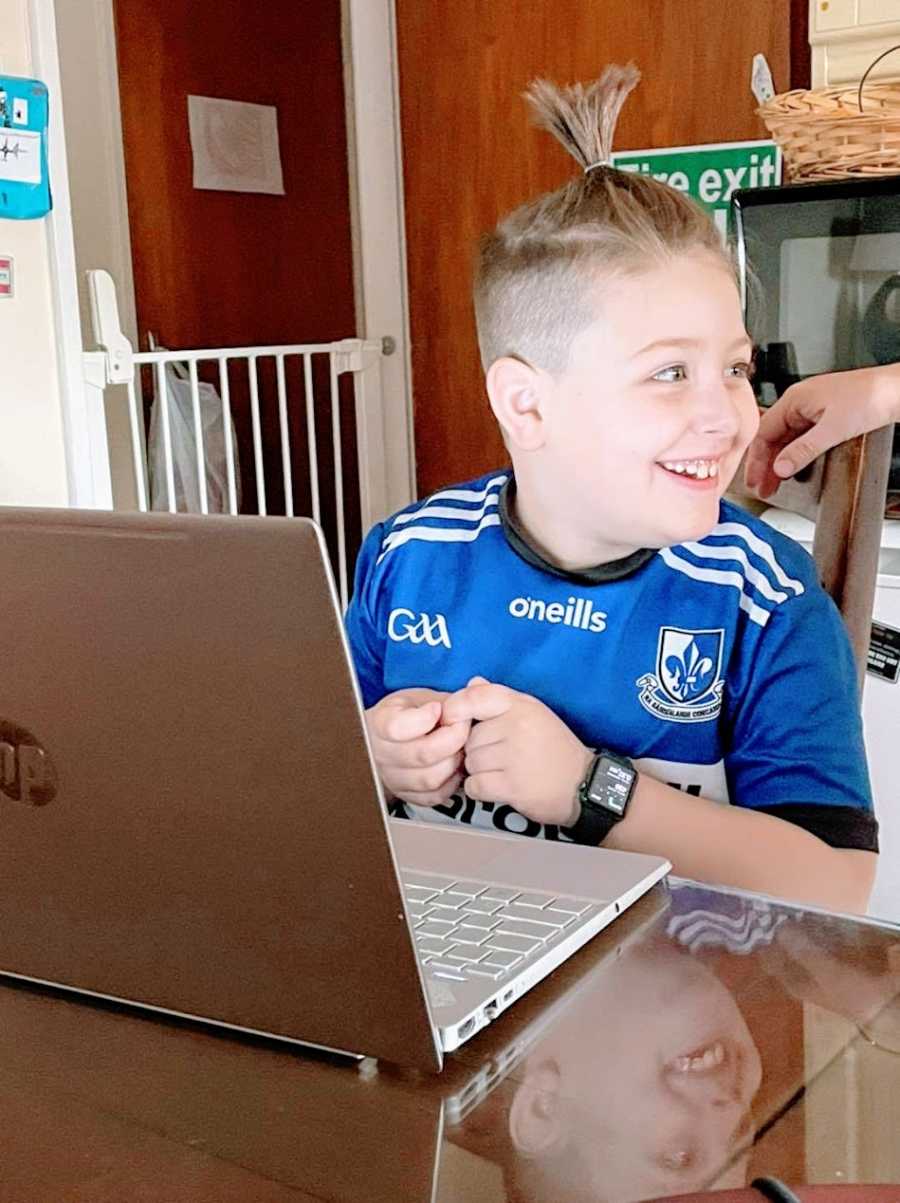
An Autistic boy wearing a blue shirt sits at a computer
But the truth is, this was Riley at school… in my kitchen. He hasn’t been in a traditional school setting since December 2020. And no, it has nothing to do with Covid. Nothing at all.
In December, I was forced to remove my son from his school for reasons completely beyond my control. For parents of children with ASD, securing a school place is a battle—one we fight tooth and nail. I fought this battle, and it was exhausting, emotional, and relentless.
Riley’s school journey began with a fight in the High Court—a fight we won. But winning came at a cost. That experience has haunted us ever since. So, removing your child after a battle like that? It is not something you do lightly. It comes with stress, heartbreak, and endless tears.
Since December, Riley has been at home full-time. He doesn’t see his friends every day. He doesn’t have a classroom to belong to. He misses the social and emotional connections that school naturally provides.
Since December, my son has been isolated.
Why? Because he is Autistic.
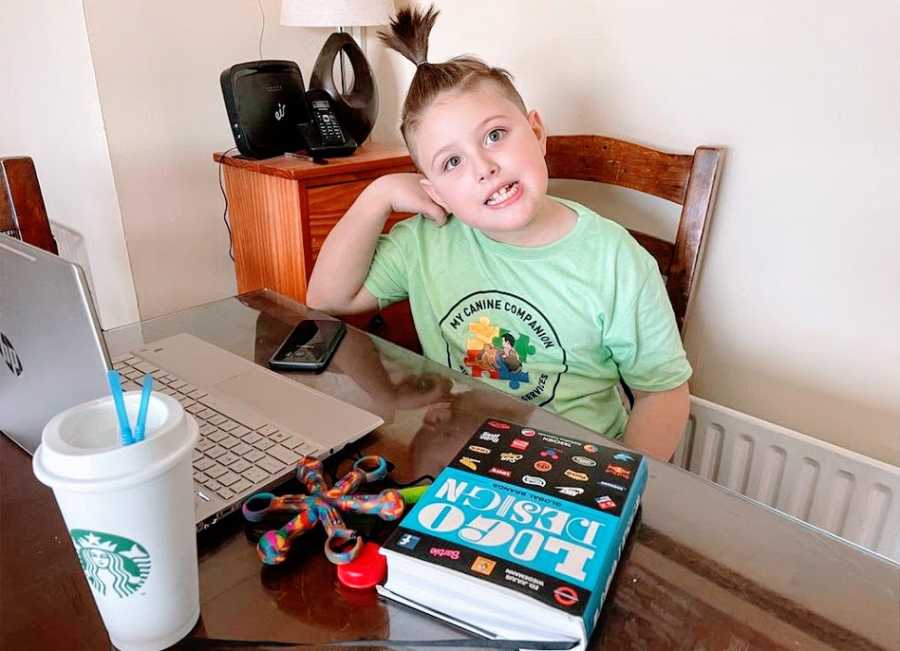
An Autistic boy in a green shirt sits at a table
As a parent of a child with ASD in Ireland, you must accept whatever school placement is offered. There is no choice. If the placement isn’t right for your child, there are no alternatives. We are expected to be grateful that our children have any place at all.
If Riley has been out of school since December, why am I speaking out only now? Honestly… for fear of what might happen to my son. Because, let’s face it, speaking up carries consequences. Always.
I am not usually the kind of person to stay silent. I fight fiercely for my son’s worth every single day. But this past year, the system has broken me down again. Behind the scenes, there has been a fight that should never have existed. Why should parents have to fear speaking out when we have proof, when we know our children are not being treated equally? Our children are not pawns, and they are never less than any other child.
Riley deserves to feel safe, to be respected, and to receive the education every child his age should have. His diagnosis does not diminish that right.
We are incredibly lucky to have an amazing private support team who stood by us when the system failed. These are the people who found Riley what he needed, who supported me when I was at my lowest, and who, week by week, helped rebuild his confidence.
With no other option, Riley began home tutoring. And truly, we have been blessed with the best tutor in the world. He has learned more at home than ever before. Every morning, he eagerly logs on to work with her. She has helped him regain his confidence, brought back his laughter, restored his speech, and reduced his anxiety. She has given him the hope and joy that was stripped away by his earlier school experience—and we will forever be grateful.
Yet, despite all of this progress, one question remains in his little voice: “Will I have friends soon, Mom?”
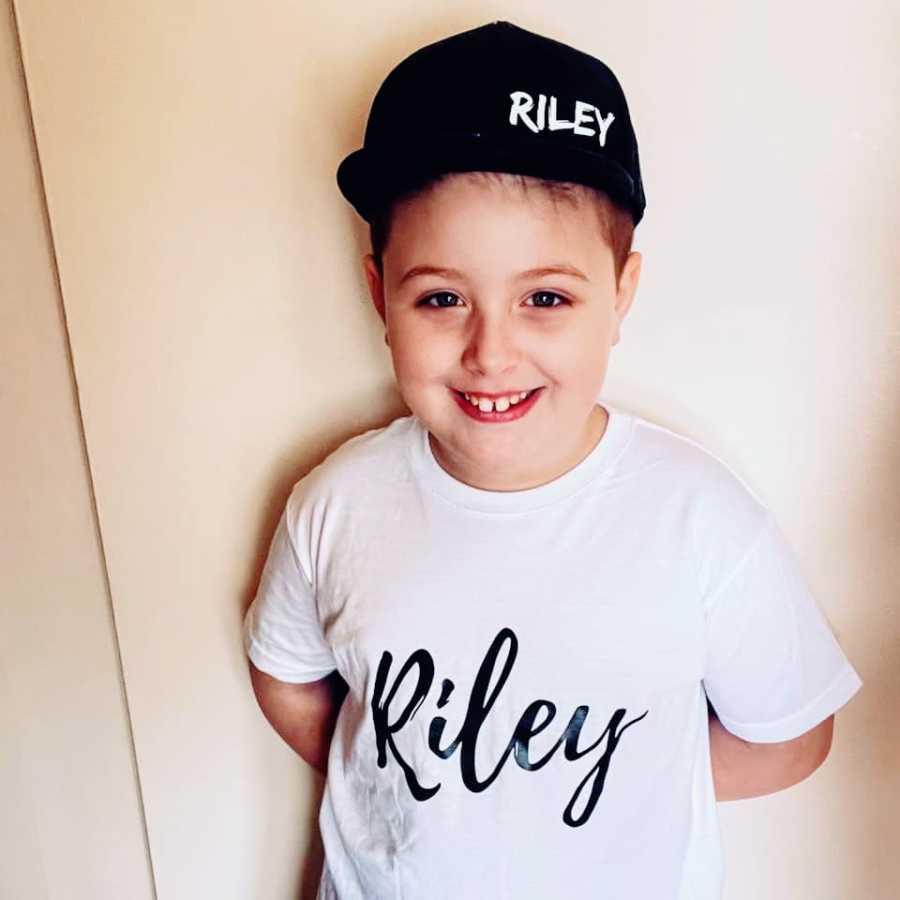
Boy wearing a black hat and a white shirt with his name on it
Riley is brilliant. He loves reading. He navigates a computer better than most adults. He can name every U.S. president in order. He loves space. He is filled with potential—potential that has been limited by a system that isn’t built for him.
Let me ask you this: if a neurotypical child didn’t have a school place, would it be quietly accepted? I think not.
As parents, we fight every day for new classes, better facilities, trained staff, and a school environment that truly meets our children’s needs. We fight for safety, dignity, and the right to an education that allows our children to reach their full potential.
Riley will begin a new school journey this September. I can only hope it will be a better experience. But no mother should have to feel the fear and anxiety I feel handing her child over after previous betrayals. No parent should have their trust in the system shattered.
Today, I ask you to fight for children like my son Riley. He may be Autistic, but he has every right to an education—an appropriate education. And let’s be honest: home tutoring is not an adequate replacement for the classroom experience every child deserves.
We have a lot to discuss, and I have a seven-year-old boy determined to become President one day. Maybe if you listen, he’ll teach you a thing or two.