Child psychiatrist Dr. Gayani DeSilva outlined the symptoms of generational trauma in her October 2020 interview with Health. She explained that in her experience, these symptoms often include: “hypervigilance, a sense of a shortened future, mistrust, aloofness, high anxiety, depression, panic attacks, nightmares, insomnia, a sensitive fight-or-flight response, and issues with self-esteem and self-confidence.”
For me, understanding generational trauma has been a cornerstone of my healing. Being able to put into words the pain, the mental strain, and the physical manifestations of this inherited burden felt like a breakthrough—a moment when the light seemed to seep into previously shadowed corners of my life.
Dr. DeSilva added that traumatic experiences are often repeated with each generation, creating a sense of futility around addressing them within families. “It becomes a horrid experience that is somehow accepted by the family because the family becomes desensitized and feels hopeless and powerless about the recurrence, and thus inadvertently enables the trauma to continue,” she explained.
Although the concept of generational trauma is gaining traction, it is still relatively new. As Health noted, Canadian psychiatrist Vivian M. Rakoff first conceptualized it in 1966 after observing higher rates of physiological suffering among later generations of Holocaust survivors. While this idea can be profoundly illuminating, it can also feel difficult to accept in societies that champion independence and self-sufficiency. The truth is, we are far more shaped by our ancestors’ wellbeing than we often realize.
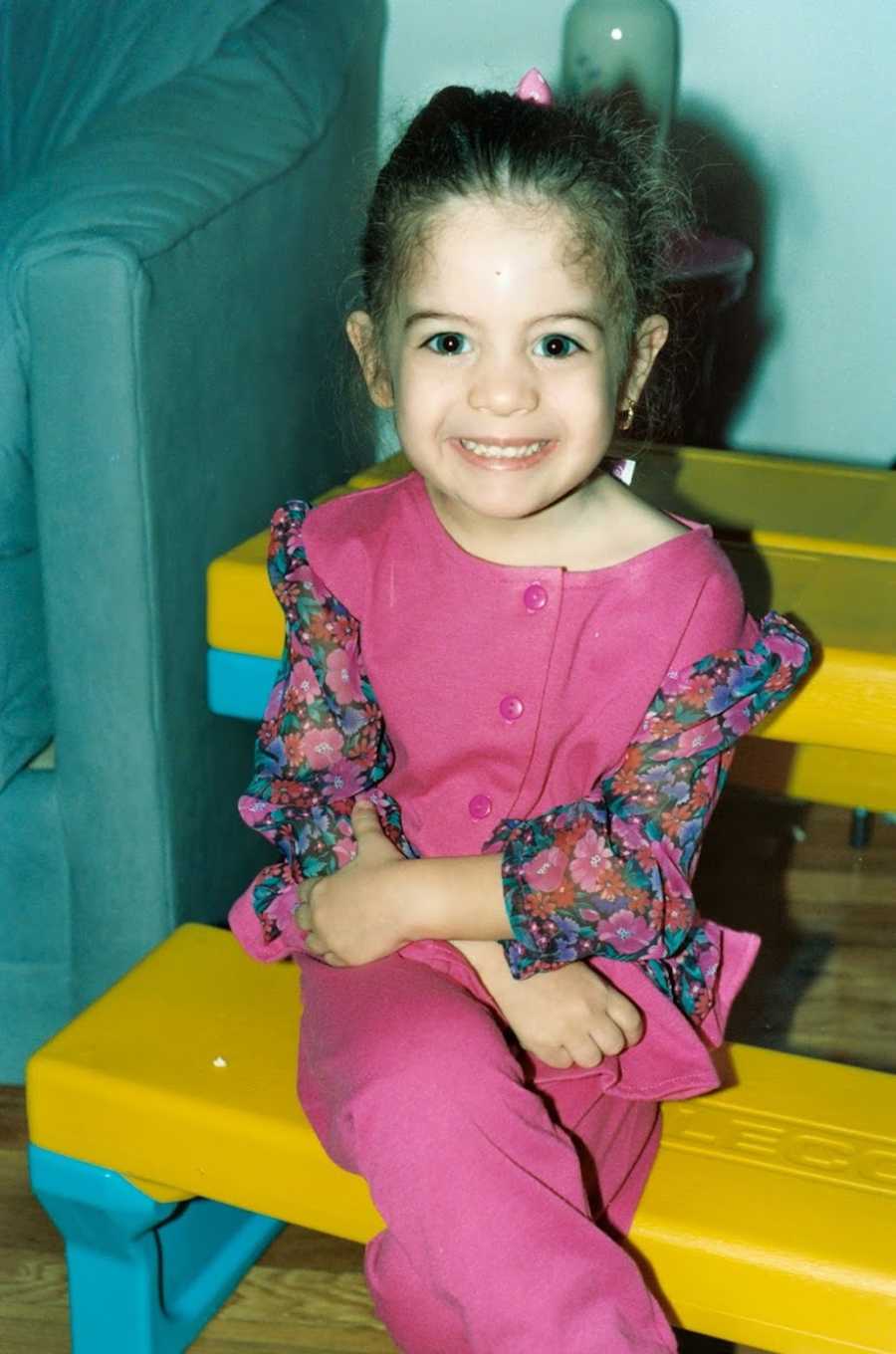
With this understanding as a backdrop, I began to revisit my own childhood. In my thirties, I asked a therapist whether being “playfully” drowned in a pool as a child could be considered abuse. When they asked if I would do that to a child, it became glaringly clear that my experience had been harmful. That moment of self-validation was groundbreaking—it helped me confront the gaslighting and the years of self-doubt that had distorted my memories.
Revisiting childhood memories also brought up how frequently my body bore the brunt of invisible pain. I endured major acne, stomach aches, anxiety with chest palpitations, sweaty palms, and constant rumination. These often escalated into panic attacks and uncontrollable crying. These were not just emotional struggles—they were physiological, tangible effects of trauma. As Bessel Van Der Kolk put it in The Body Keeps the Score, my body was literally keeping the score.
I instinctively knew the abuse wasn’t right, and beyond protecting myself, I wanted to protect my younger sisters. I believe my biological parents had good intentions, but cultural norms—machismo, social expectations, and cycles of generational trauma—shaped their lack of urgency in mitigating the harm.
Even small physical reactions can signal deep stress. In college, I developed throat issues and was referred to an ENT. Surprisingly, my primary care doctor suggested I move out of my childhood home. After doing so, my symptoms cleared, despite no direct medical diagnosis. Looking back, I realize the fear and emotional suppression I’d lived under had created real physical blockages—protective silencing that clashed with my natural extroversion.
Leaving my childhood home marked the first step of my healing journey, even if I didn’t recognize it at the time. I also started practicing yoga with friends, noticing how it calmed my mind, yet the process was far from linear. I began experiencing excruciating menstrual pain that interfered with work and classes. Gynecologists, constrained by cultural assumptions that period pain is “normal,” often brushed off my suffering, prescribing birth control without fully addressing the root issues.
Despite closely monitoring my diet and activity, my PMDD symptoms persisted, alongside body dysmorphia. Desperate, I turned to alternative medicine—herbal supplements, essential oils, and careful consideration of the products I used on my body and in my home.
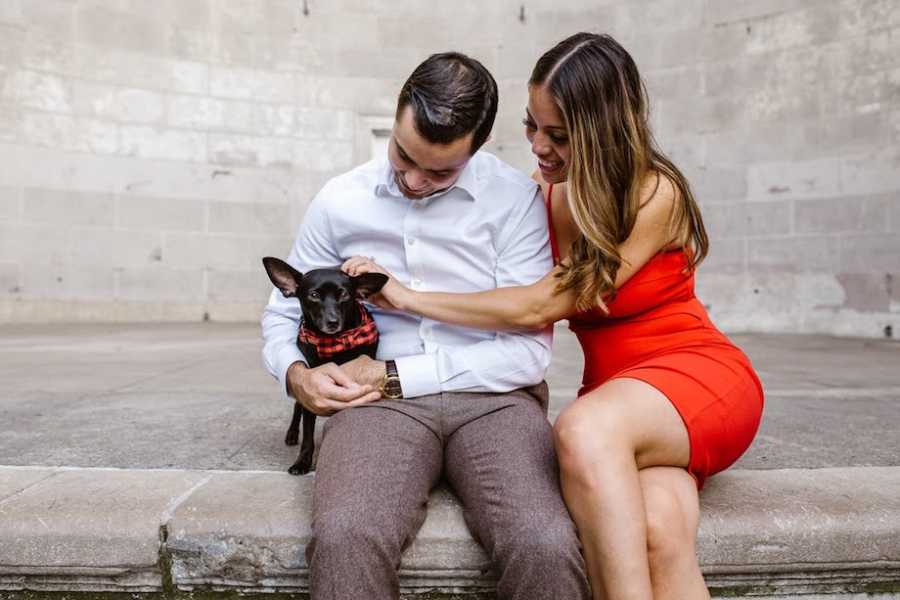
In 2019, Van Der Kolk’s The Body Keeps the Score inspired me to start talk therapy to address my PMDD. Self-directed research and online communities introduced me to Endometriosis, though Western medicine often left me feeling dismissed, as if my symptoms were imagined.
The next step came in 2020 with acupuncture, which improved energy flow and blood movement in my body. Then, in March 2020, a Reiki session sparked a profound transformation. During the 60-minute session, waves of fear and panic surfaced as I focused on my throat chakra. It was a climactic convergence of generational trauma and personal trauma—a mental, physical, and spiritual breakthrough that left me with a renewed connection to my spirit guides.
Shortly after, the COVID-19 pandemic hit, cutting off access to many alternative healing practices and causing symptoms to flare. My therapist then suggested seeing a pelvic specialist. That consultation, a 90-minute session, marked the first time I felt fully heard by Western medicine. I left with a suspected Endometriosis diagnosis—a reminder of how earlier intervention might have prevented future invasive procedures.
Beyond physical health, living in New York City added another layer of strain. The culture glorifies constant busyness, equating exhaustion with ambition. Stress compounded my symptoms, and I often felt guilty for taking time for self-care, as if rest were selfish rather than necessary.
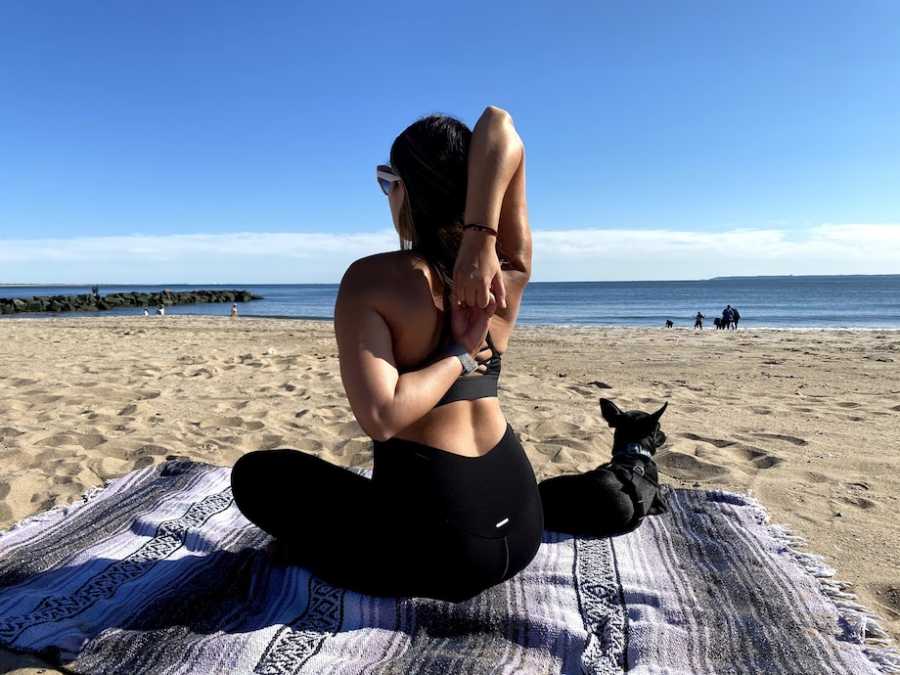
Living with a “suspected” diagnosis has its own challenges. Invisible illnesses, mental and physical, carry the constant fear of being questioned or doubted. Yet I refuse to be silenced—I share my story to help others find validation for their own pain, whether visible or invisible.
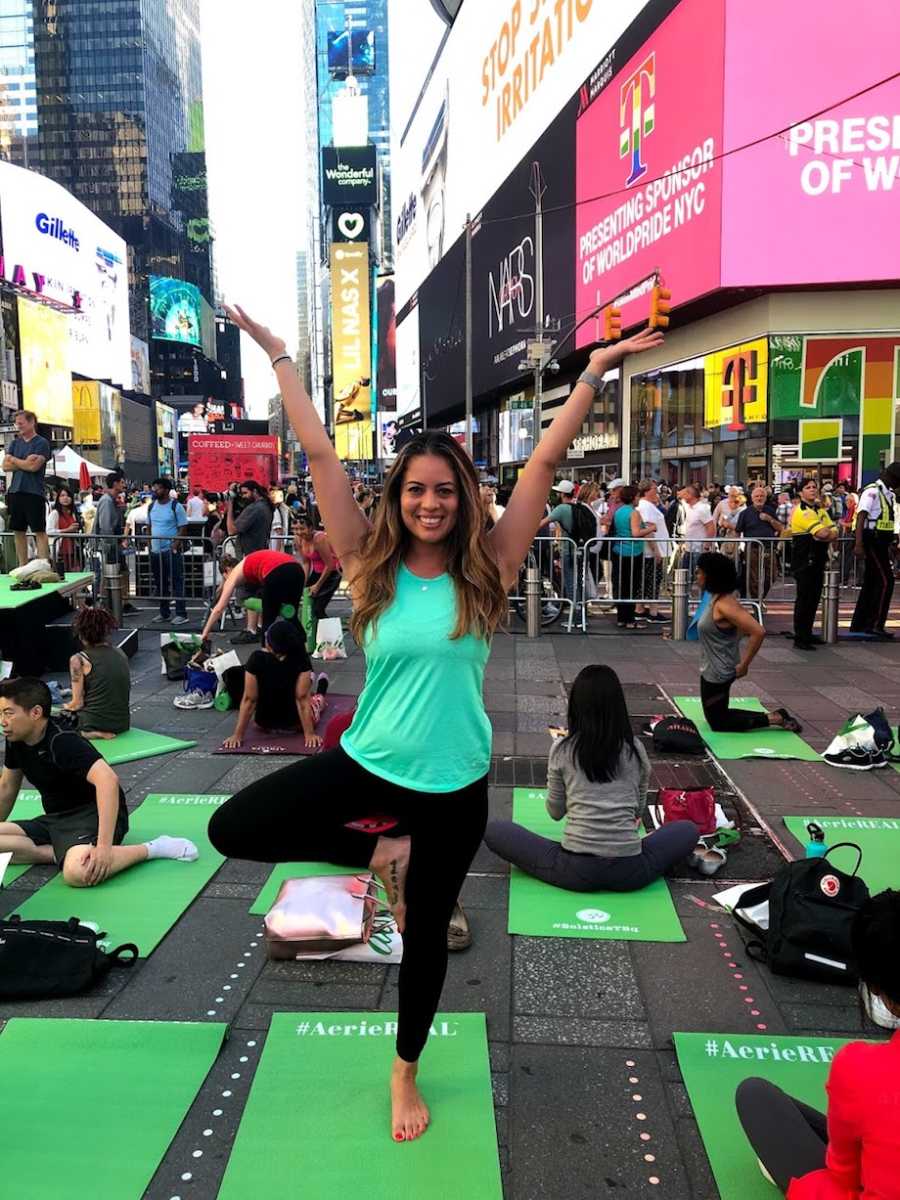
My healing toolkit now includes monthly acupuncture, cupping, massage, talk therapy, Reiki, oracle readings, journaling, moon rituals, baths, CBD oil, valium suppositories, heating pads, and careful attention to my menstrual cycle. I set boundaries and give myself permission to say “no.” I walk my dog, practice yoga and daily meditation, and use affirmations and self-Reiki rituals to center myself.
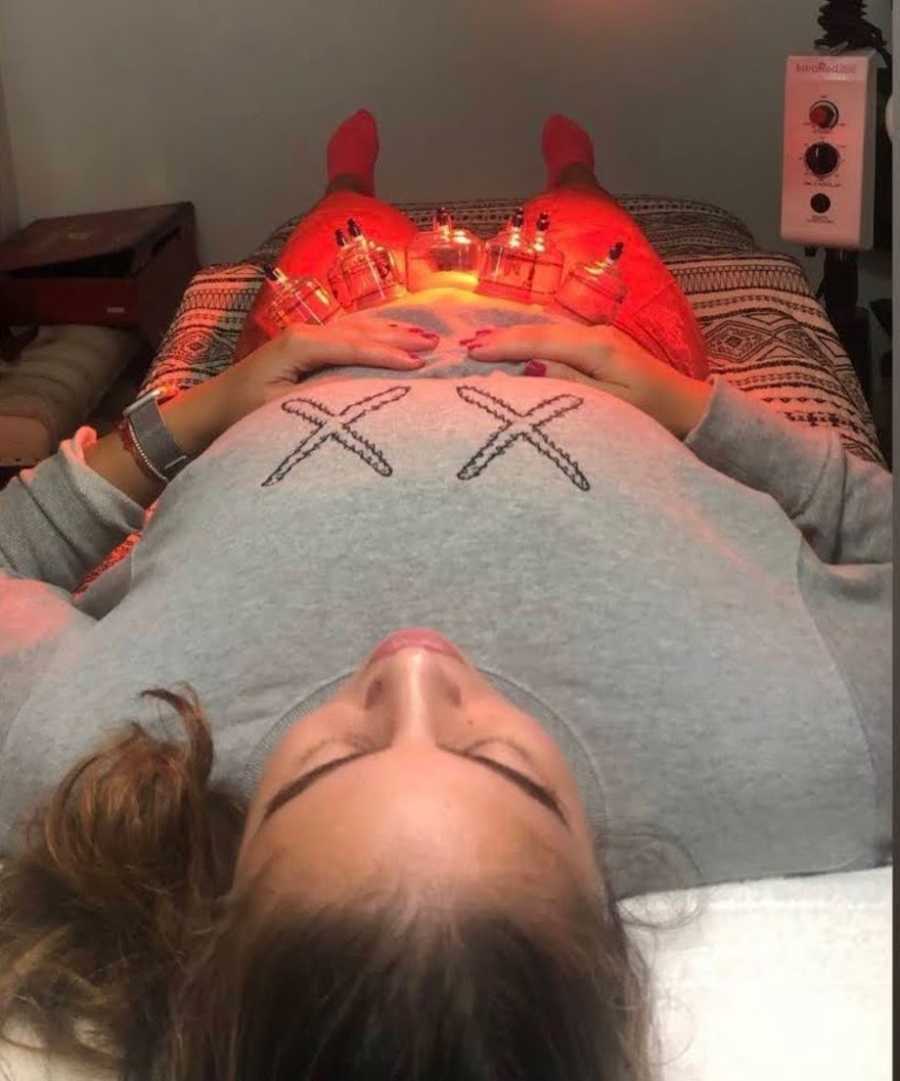
This toolkit isn’t a perfect roadmap, but it has guided me through recovery and self-discovery. In fact, my pain has led me to energy healing work and inspired me to pursue a master’s in health education. I want to help others navigate their journeys, especially when Western medicine falls short. Healing is not linear. Only you know the depth of your pain, and that truth deserves validation, respect, and space.