I sit beside your crib and watch your chest rise and fall in the dim glow of the monitors. For a moment, you look peaceful — peaceful enough that my tired eyes ache for sleep too. But I can’t give in. Every blink feels heavy, yet I refuse to look away. Even though the machines would sound an alarm if anything changed, fear keeps me frozen in place. I am terrified of what might happen if I stop watching you — even for a second.
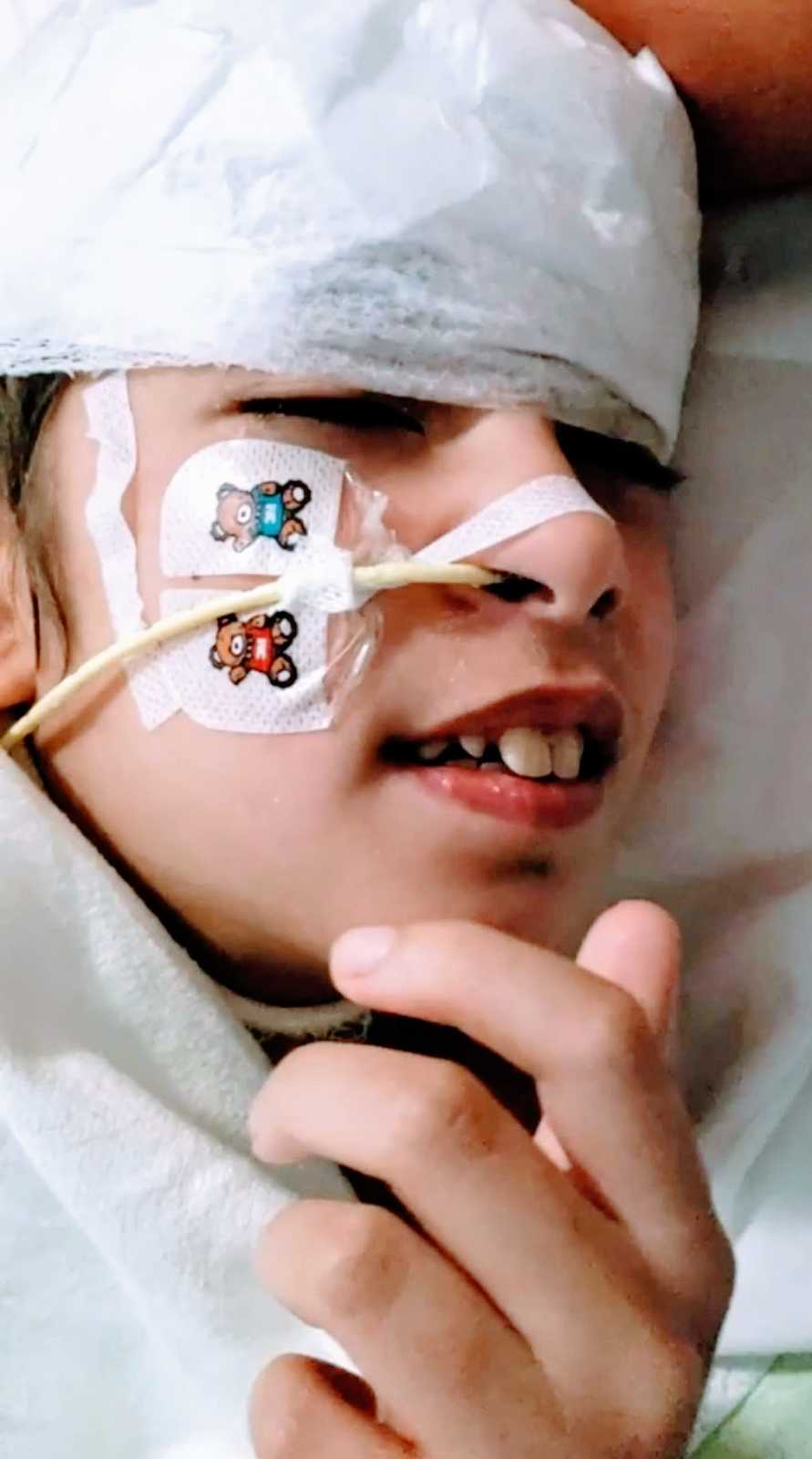
Suddenly, your tiny body stiffens. Your arms shoot upward, your eyes roll back, and every muscle in you tightens all at once. The monitor erupts with beeping as your oxygen plummets. My heart lurches. I hover over the cold metal crib with tears burning in my eyes and whisper, “It’s okay. Mommy’s here. It’ll be over soon.” I’m trying to sound calm for you, but inside I want to scream through the pediatric hallway the same way I did seven months earlier, when doctors first told me these terrifying episodes were seizures.
This time, no one rushes in. By now, I’m expected to manage them unless they turn into an emergency. When the seizure stops, your body goes limp, and I scoop you into my arms. I carefully lower myself into the chair, making sure not to pull at the web of wires attached to you. Your breathing is ragged. You don’t respond when I stroke your head. Anger and grief crash over me — I’m only nineteen, you are my first baby, and this is nothing like the life I dreamed you would have. I never imagined your first year would be spent drifting in and out of hospitals, hearing over and over that “some kids just have seizures” and sometimes there’s no explanation.
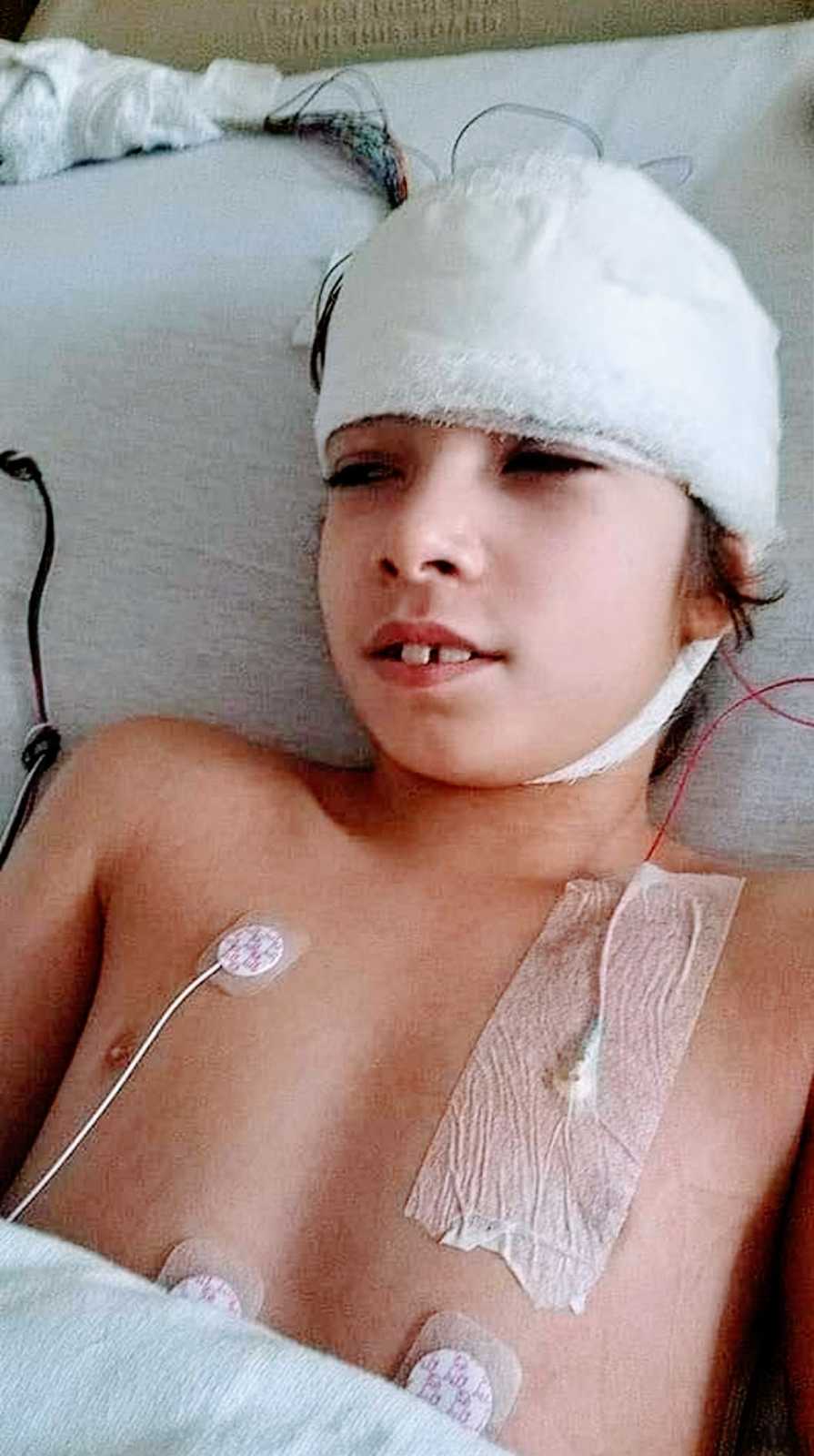
But now the doctors need an explanation, because the seizures are coming far too often. As I rock you, my mind drifts back to the first one. You were three months old, and it was the middle of the night. I thought you were waking for a bottle — then your eyes rolled back and you stopped breathing. I was sure you were dying. On the 9-1-1 call, the man calmly said, “It sounds like he is having a seizure.” I didn’t believe him. I had no idea there were so many kinds of seizures. Later, I learned it was a myoclonic seizure — the first of hundreds more.
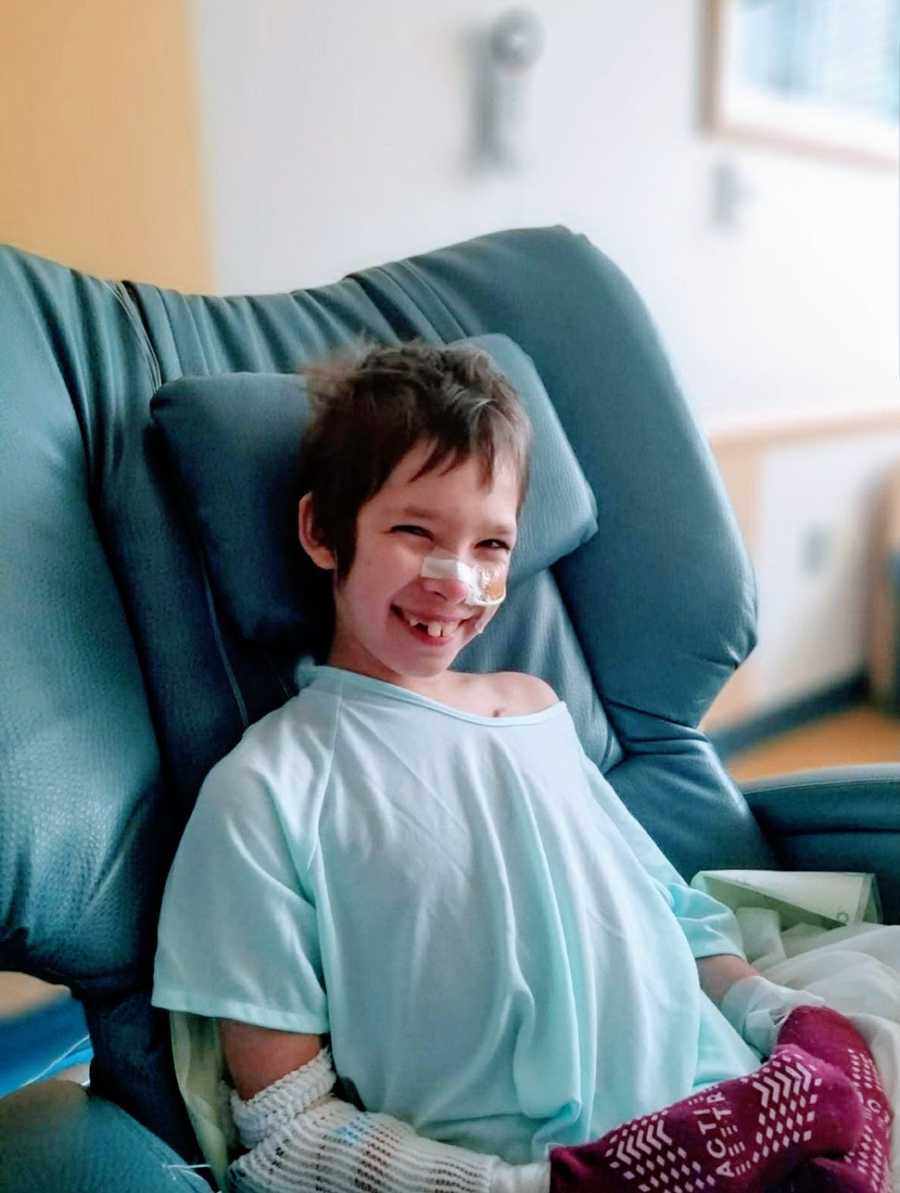
In the hospital, you began having more episodes, so doctors started Phenobarbital. Even then, we were back within days with more seizures that wouldn’t stop. Now, we’re hours away from home because our local doctors decided you needed a bigger hospital, one that could search for a diagnosis. I honestly thought “Epilepsy” was the diagnosis. No one had explained that seizures could be only one part of something much bigger. Since arriving, you’ve endured endless blood work, monitors, and even a painful spinal tap.
When you finally sleep, I gently lay you back in the crib and return to the chair. I know I’ll stay awake the entire night, watching and listening.
Fast forward.
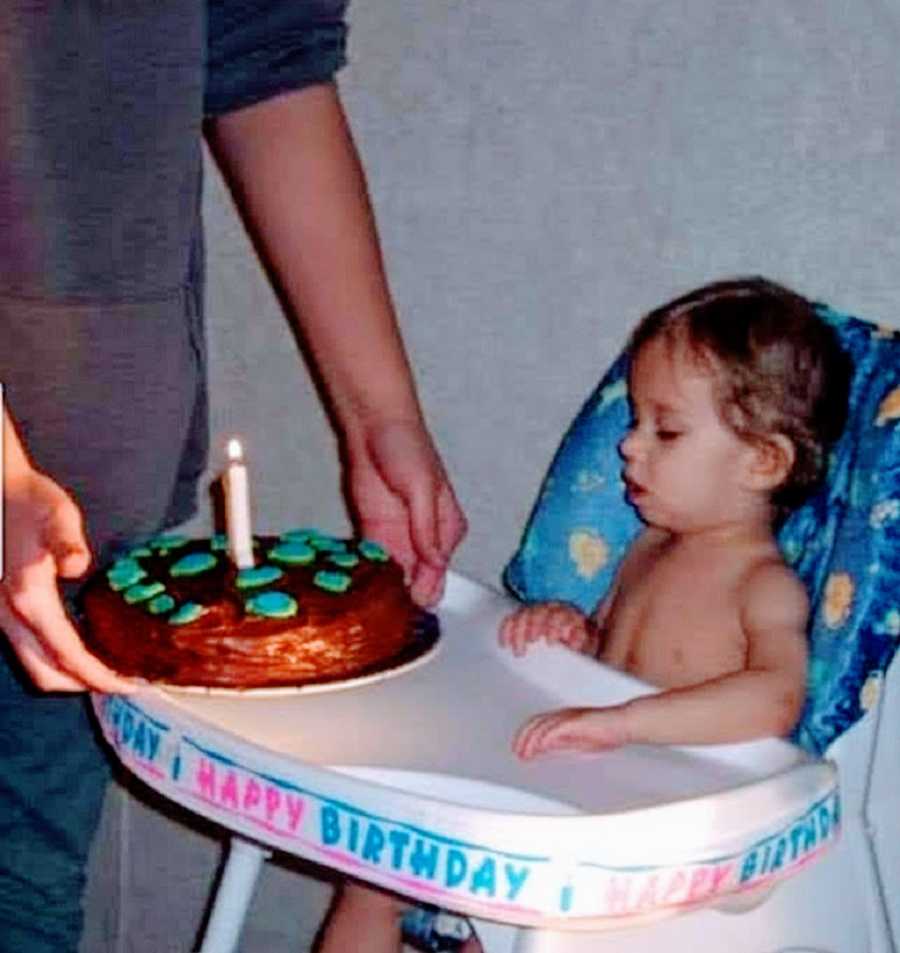
You are just over a year old. You spent your first birthday in the hospital. You weigh barely 18 pounds, have been labeled developmentally delayed, and you’ve begun physical therapy because of low muscle tone. Even with three seizure medications, some days you still have fifty or more seizures.
Then the envelope arrives from the university hospital. Inside, “chromosome anomaly” is circled. My hands shake as I dial the neurologist, only to leave a message when what I need most is answers. Hours crawl by as you play in your pen, completely unaware. I don’t know what a chromosome anomaly even means. I pace, I pray, I wonder why — especially when I prayed daily during pregnancy for a healthy baby.
The phone finally rings. The doctor explains something is wrong with your 14th chromosome. We need to see genetics and neurology at Chapel Hill. Just days later, we go — and we learn you have a rare disorder called Chromosome Ring14. At the time, only 35 people in the world had been diagnosed. You were the only one in North Carolina. The doctors didn’t know how severe your delays might be or whether seizures would ever stop. I wanted to collapse, but instead I held you tighter and silently absorbed every word.

At home, I searched the internet and found only a short paragraph mentioning intractable epilepsy, developmental delays, and other complications. It didn’t comfort me — it only made me feel painfully alone. On MySpace, I wrote, “It can’t be fixed or changed,” and my heart broke all over again.
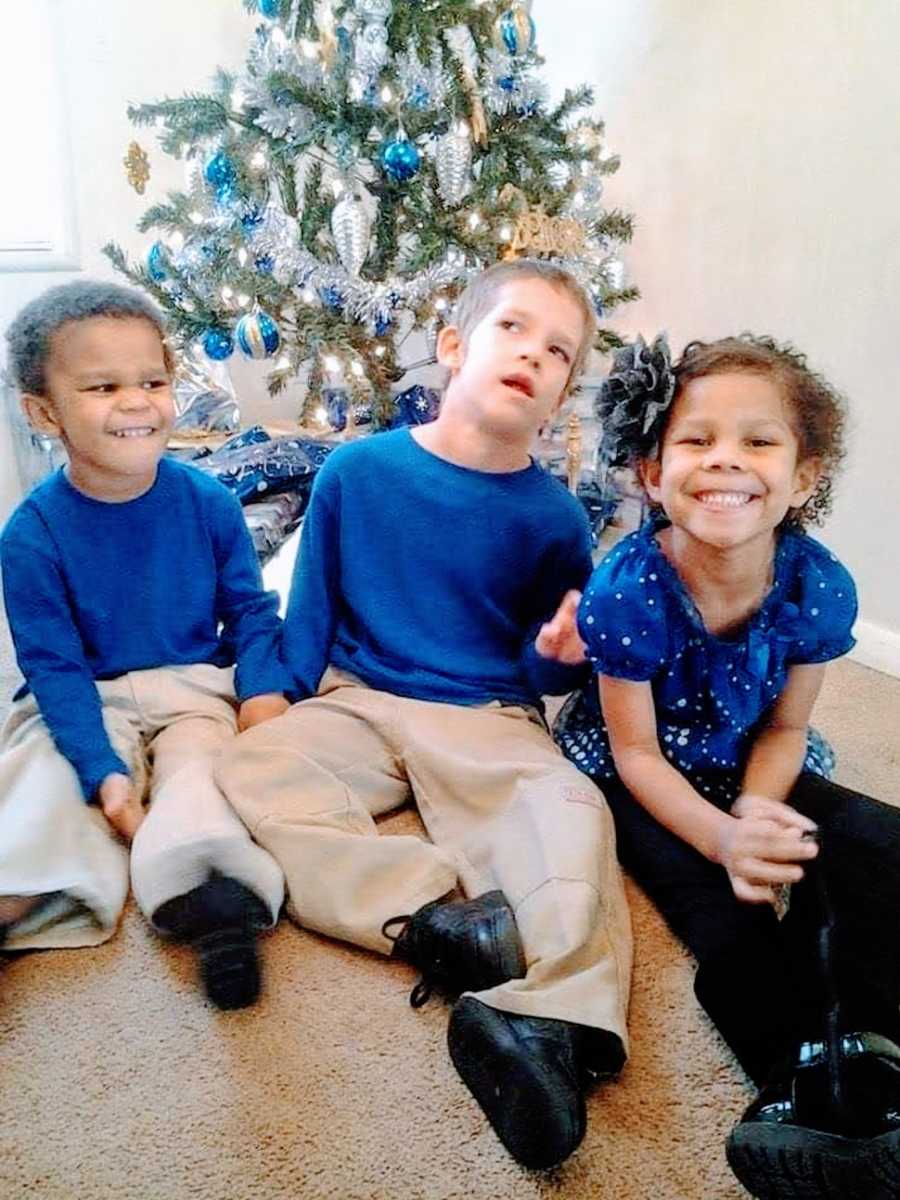
Fast forward.
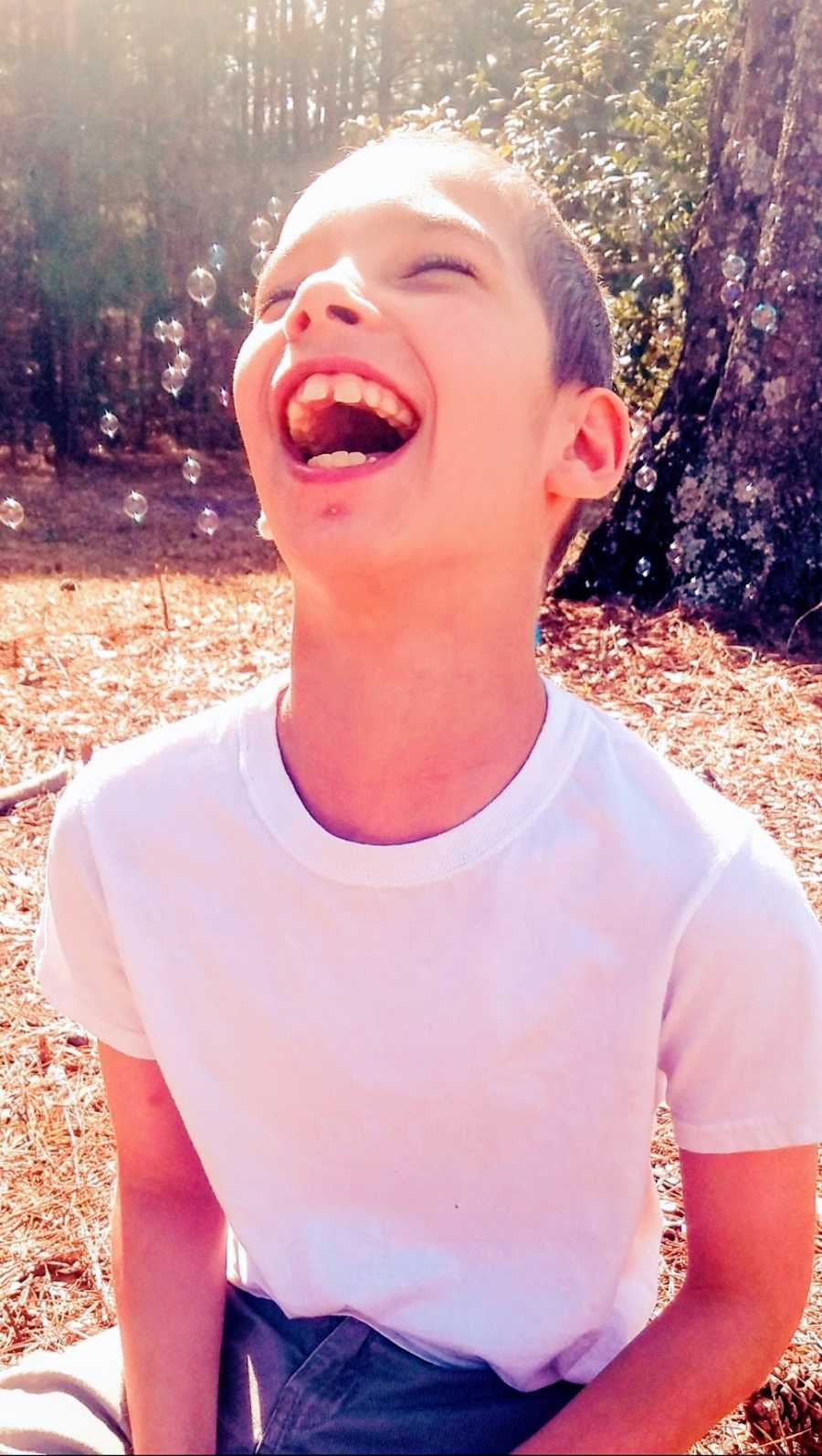
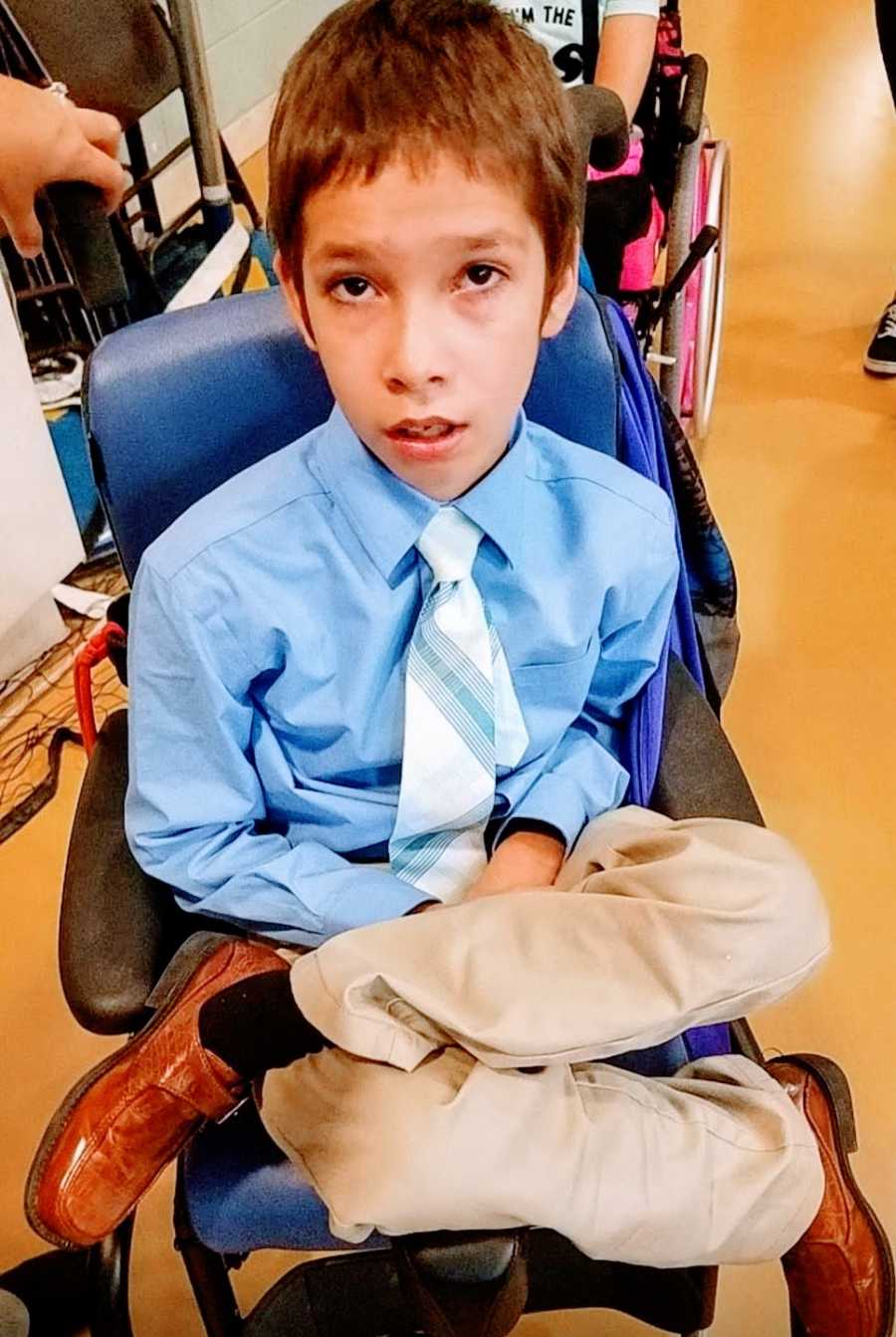
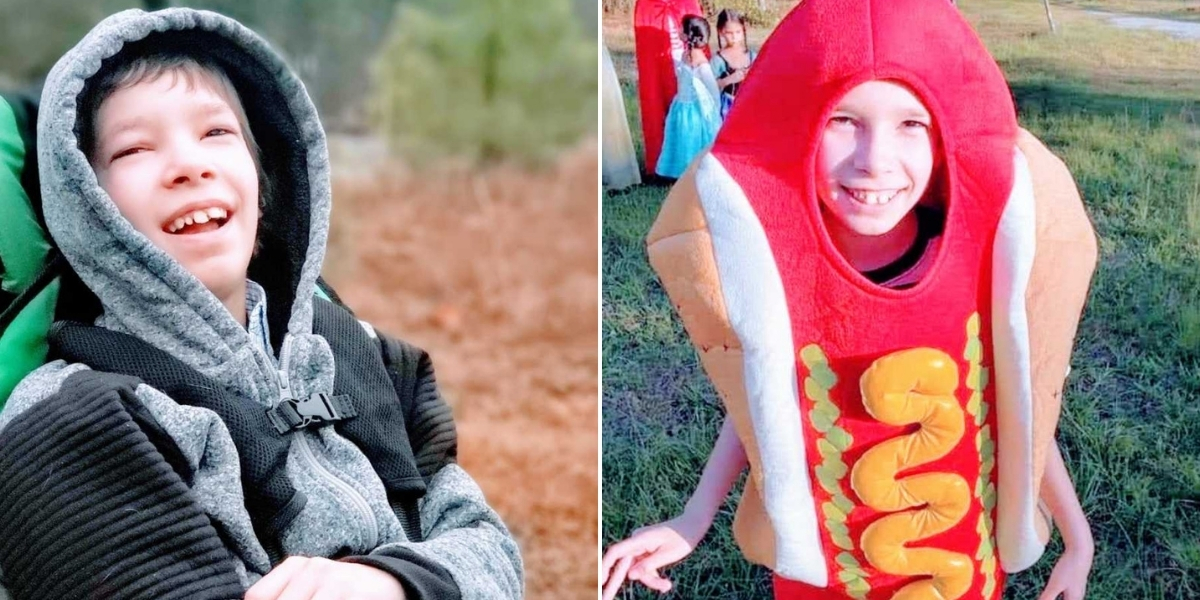
You turned fifteen this year. Your medical chart is thick with diagnoses, medications, and procedures — and yet you are one of the happiest souls I know. You are non-verbal, but you’ve become my greatest teacher. I still worry sometimes, but I have learned strength I never knew I had.
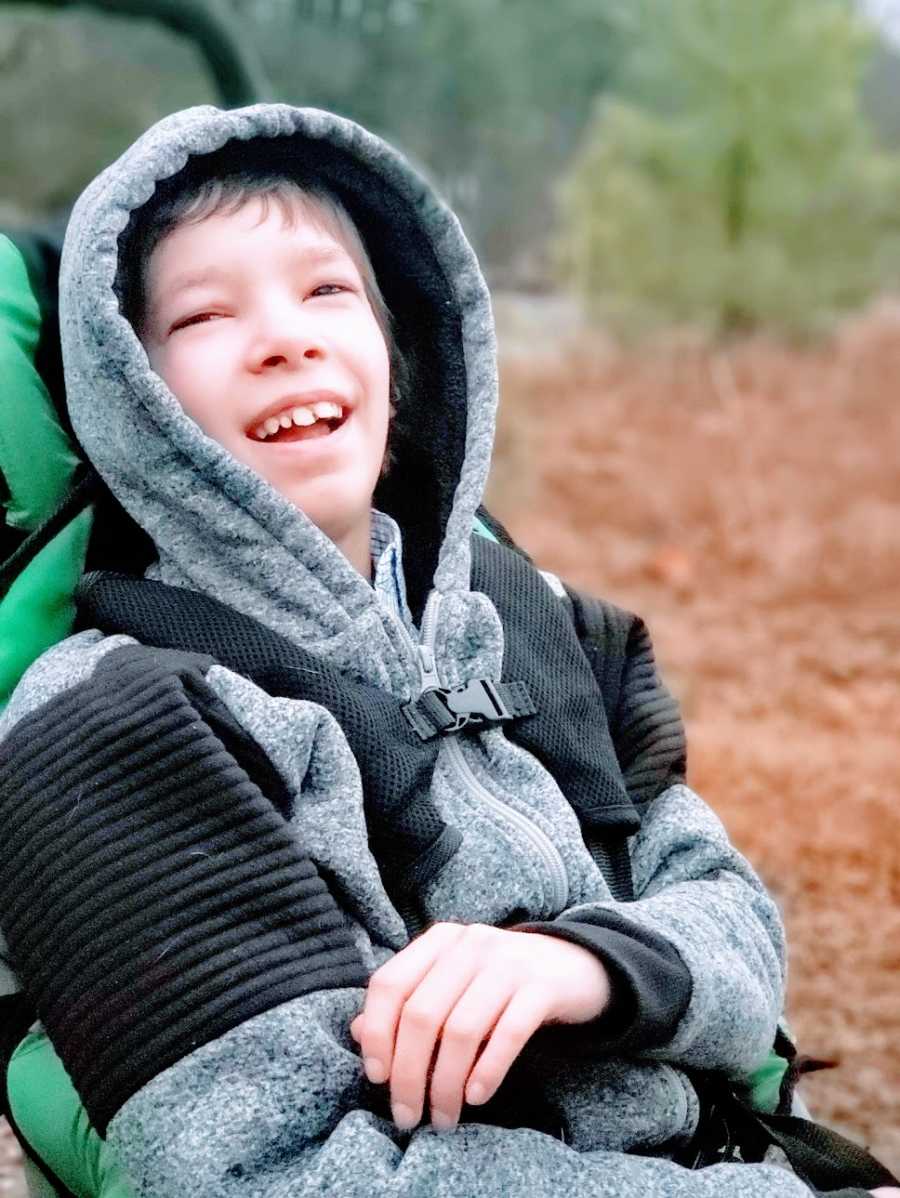
Today, there are over 200 known individuals with Ring14, and we’ve met many through a Facebook group we joined when you were five. They became our Ring14 family. Now there is Ring14 USA, camps, conferences, and a growing community that stands together. I serve on the board, and I will never stop advocating for you. No parent has to face this road alone anymore.
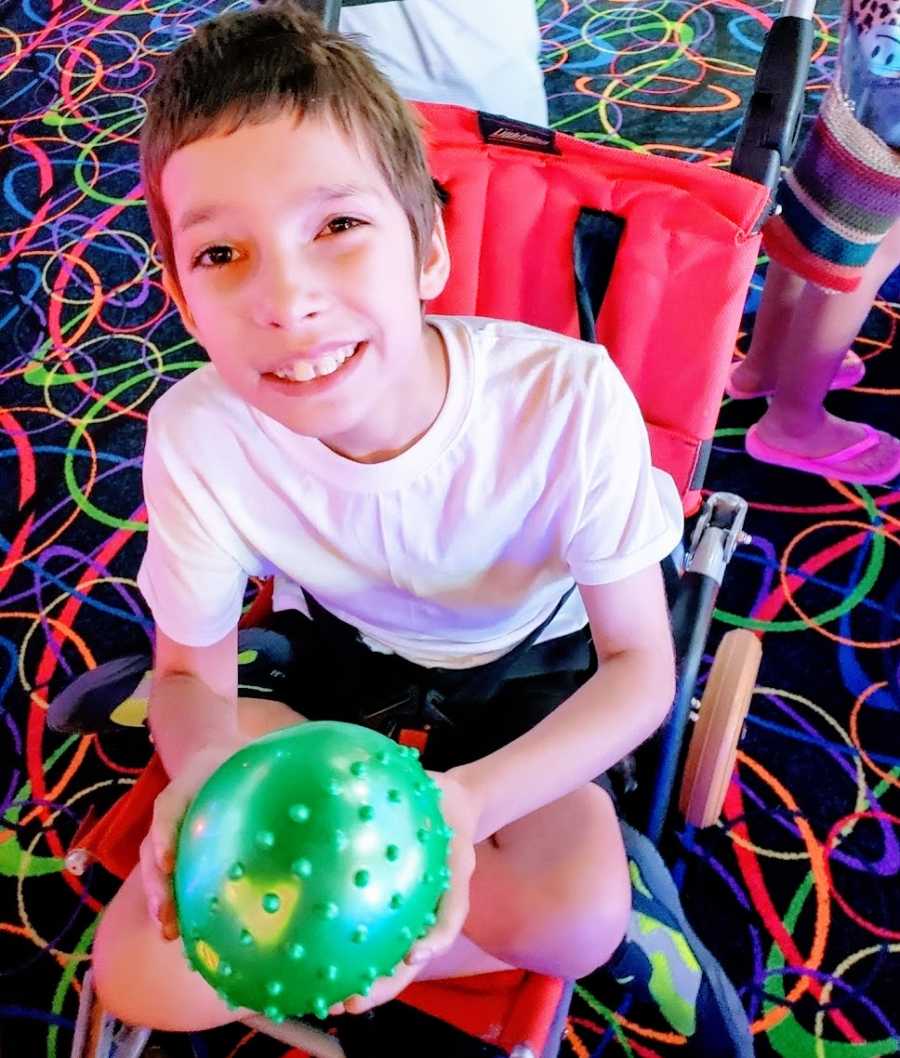

I once feared your rarity. Now, I see you as a rare and beautiful gift. Ring14 changed our lives — but it didn’t change who you are. You are my first-born, a big brother to four siblings, and the light that shows us what love looks like. You are joyful, strong, funny, gentle, and endlessly loved.
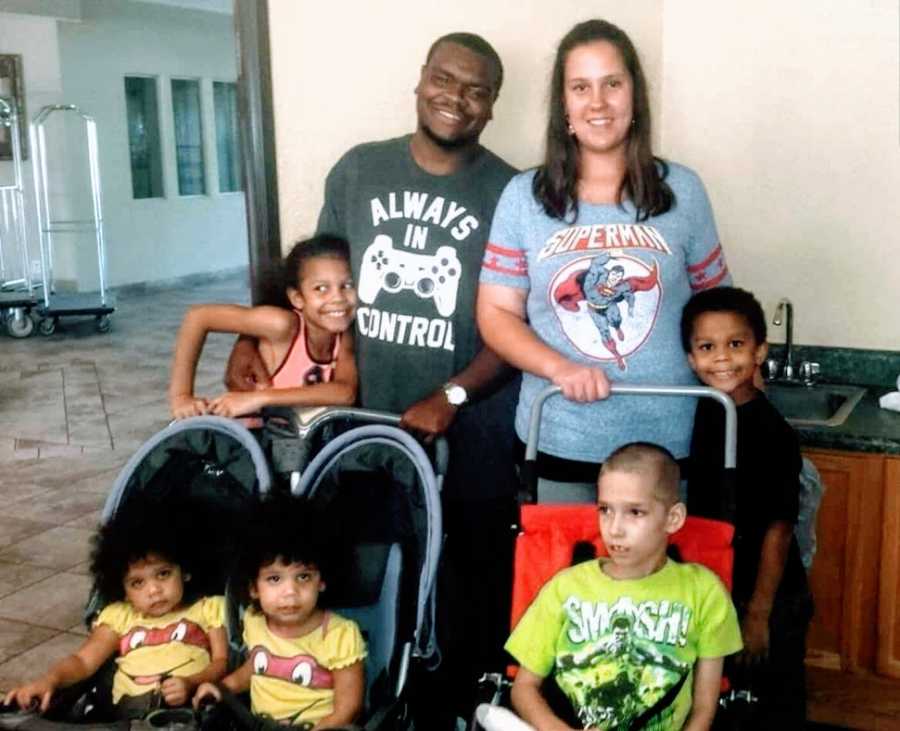
You are, and always will be, so deeply loved.