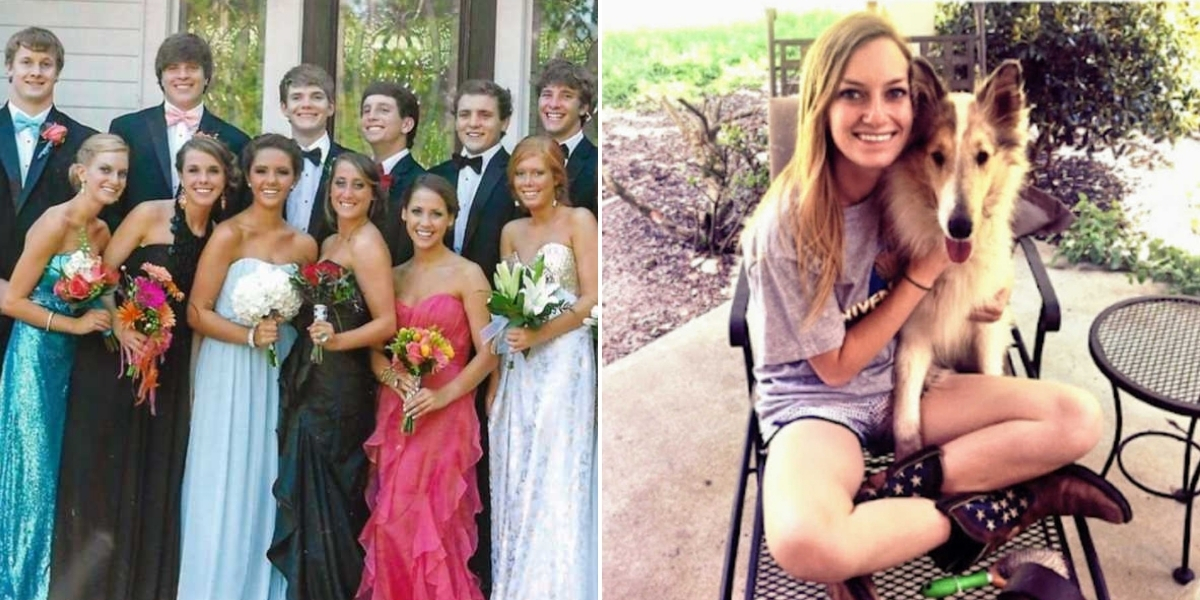
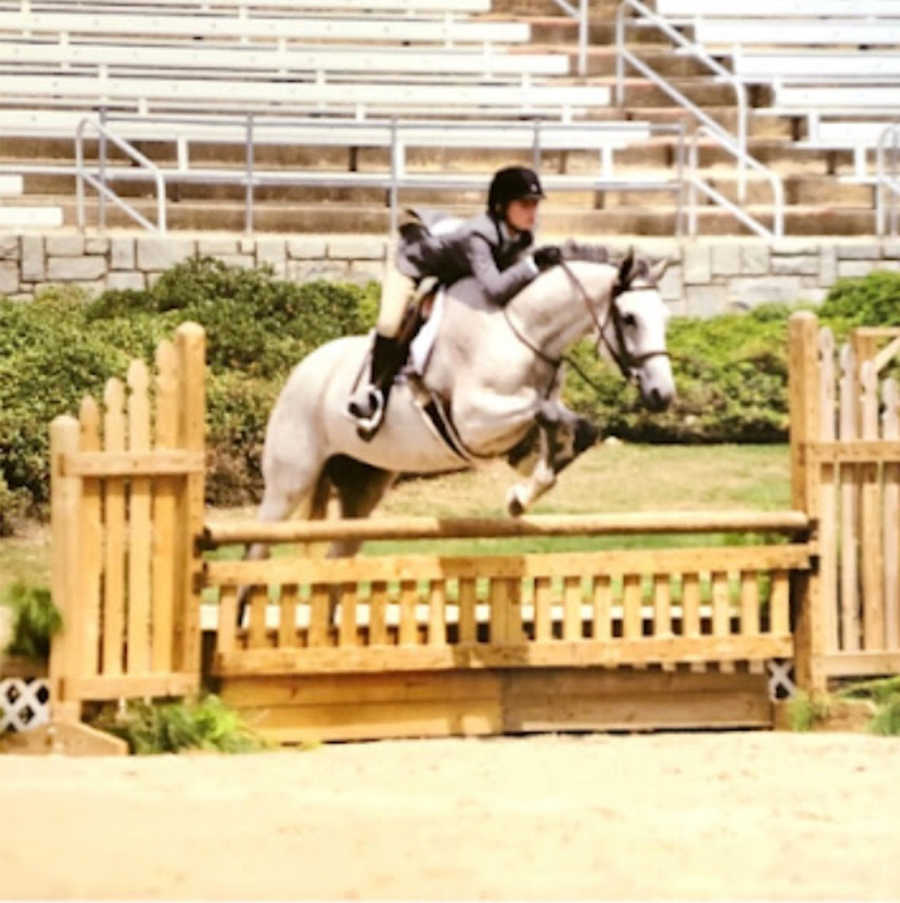
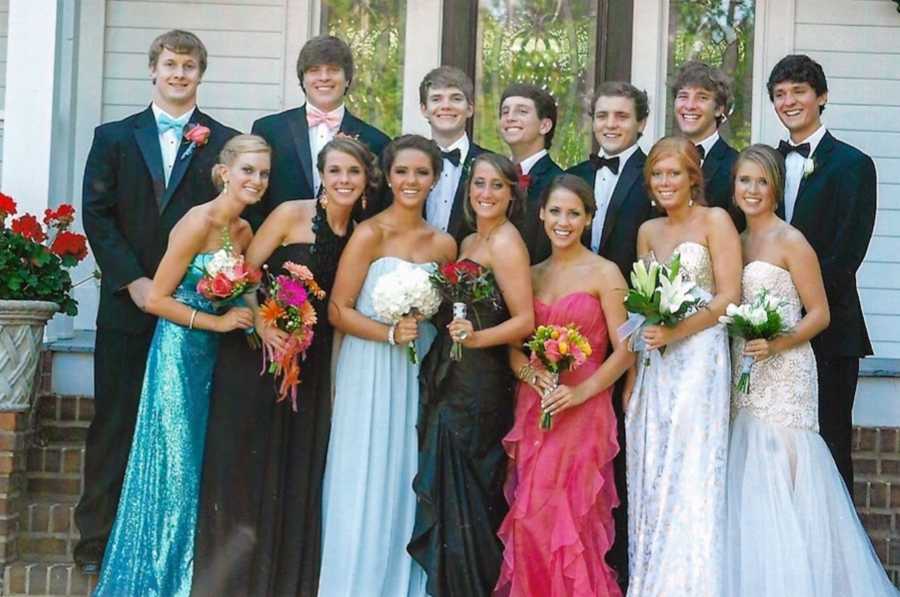
At 20 years old, I considered myself a sociable, free-spirited young woman who had it all. I was a college junior, a nationally ranked collegiate equestrian, and surrounded by friends, a loving boyfriend, and a supportive family. My senior year of college was just a few months away, and I felt like my future was wide open, full of promise and endless opportunities. I never imagined that in a matter of days, my life, which had seemed so perfect and predictable, would be shattered in ways I could never have prepared for.
At the time, I was attending a small, historic college in Rome, Georgia. The student population and class sizes were modest, but the campus itself was vast—thousands of acres filled with rolling pastures, dense woods, and farmland. Horses, cows, and sheep wandered the grounds freely, alongside deer who roamed closer than you’d expect. Growing up in the country, I felt at home here, surrounded by open spaces and animals that reminded me of my childhood.
On May 4, 2015, I made the short 50-mile trip home, thinking it would be a brief visit before returning to campus. My plan was to spend the summer working at the college’s equestrian center and take a few summer courses to lighten my senior-year load. I was looking forward to being home for a little while, not for a vacation, but to prepare for the months ahead.
The morning of May 5, I awoke early in my childhood bedroom. Groggy and still half-asleep, I showered, dressed, and joined my mother in the car for a short drive into town. I was admitted to the hospital to have my tonsils removed, a procedure long overdue after years of chronic tonsillitis. At 20, it seemed like the right time to finally take care of it.
If I had known what was coming, I might have hesitated, but life rarely gives us second chances. The surgery went as planned, and I was discharged later that day. My mother, always attentive, decided to sleep in my room that night—a decision that, at the time, seemed small and inconsequential, but would ultimately save my life.
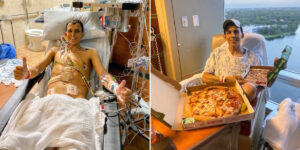
Around 3 or 4 a.m., my mom woke up and, seeing I was asleep, decided to check on me and offer water for my throat. When she tried to rouse me, she found me completely unresponsive. She called for my dad, who immediately recognized the seriousness of the situation, and an ambulance was summoned. I was rushed back to the hospital, where I was intubated and placed on a ventilator.
My family was thrown into shock, watching and waiting with prayers on their lips. They didn’t know if I would wake up or, if I did, whether I would ever breathe, speak, walk, or function independently again. Miraculously, the next day, when the breathing tube was removed, I began to breathe on my own. Relief washed over my family, as they assumed the worst had passed and the road ahead would be smoother.
But the celebration was short-lived. As I regained consciousness, I managed to form some words. One of the first things I said to my dad—an eye doctor—was that I couldn’t see anything; my world was completely black. Soon after, I was transferred to another hospital for more tests and scans. In the following days, we discovered that the vision loss wasn’t the only complication—I had also lost all hearing in my left ear.
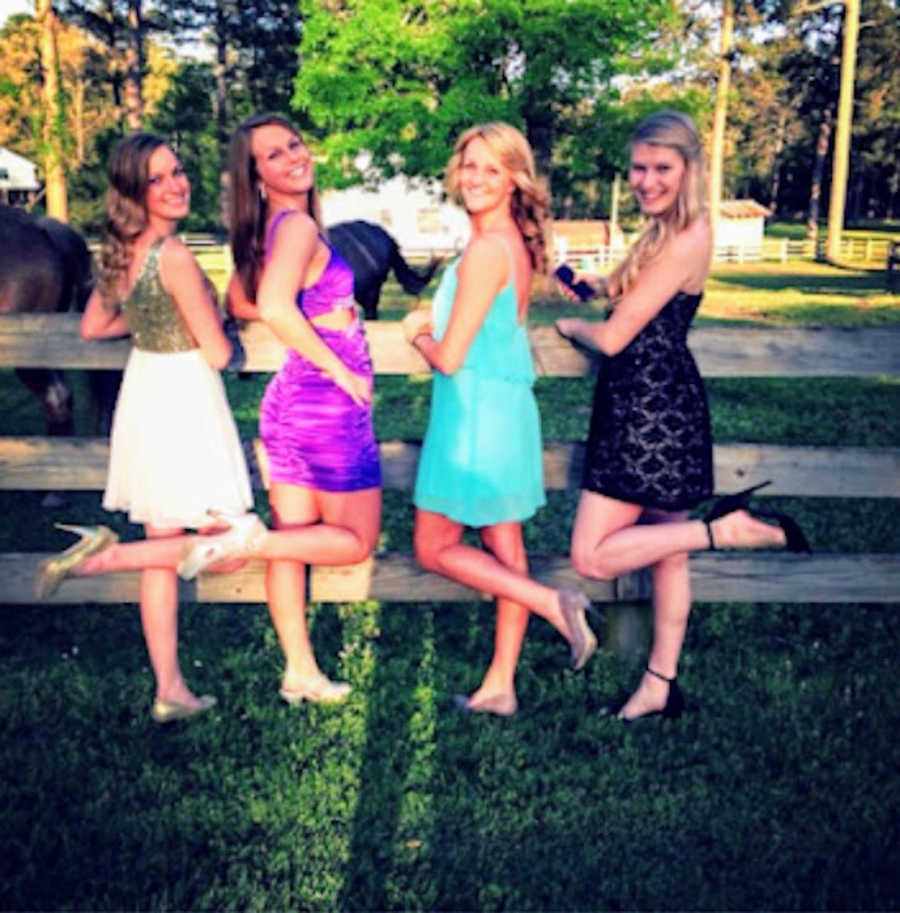
Two weeks passed in the hospital, filled with countless needle pricks, medical tests, and tears. When I was finally discharged, I returned to my childhood home—not as a carefree college student with her future ahead, but as someone suddenly living with a disability, uncertain of how to move forward. The days, weeks, and months that followed were filled with grief, shock, and confusion. How could life change so drastically in the blink of an eye?
I spent most of my days on the couch, feeling isolated from a world I could no longer see and from friends and family who couldn’t fully understand the depth of my struggle. Though I had been raised on a strong Christian foundation, attending Sunday school, youth retreats, and church events, I had drifted from my personal relationship with Christ over the years. At the time of my sight loss, I felt spiritually adrift, yet I am profoundly grateful for that foundation. It became the anchor from which I could begin rebuilding.
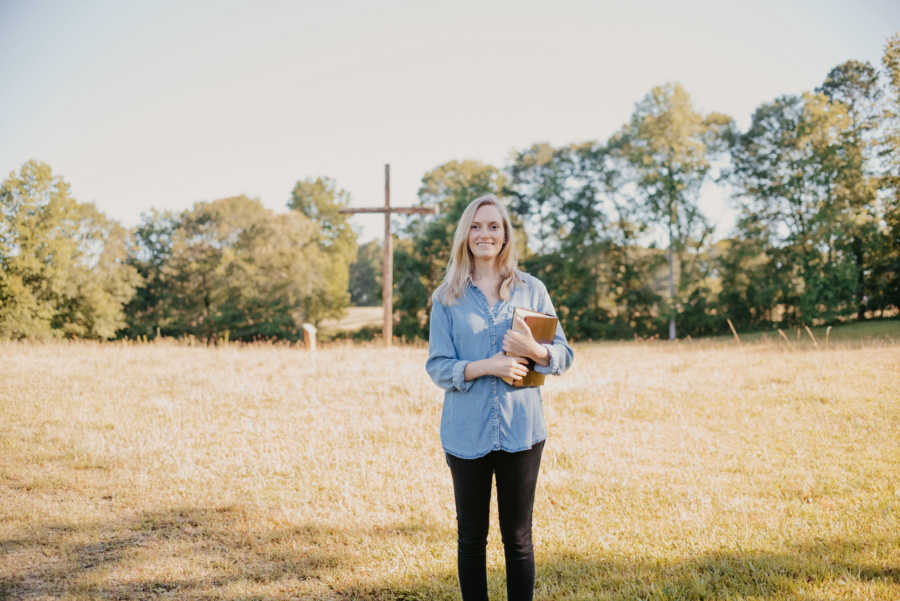
I prayed—long, desperate prayers—for healing, comfort, and the strength to keep moving forward. Simple daily tasks became monumental challenges. Navigating my childhood home, choosing clothes, or even squeezing the right amount of toothpaste onto my brush required a new level of patience. Social gatherings overwhelmed me, as I struggled to orient myself in the noise and feel included. My beloved equestrian competitions, once a joyful outlet, were no longer accessible.
Every moment seemed to bring a new obstacle, but through prayer, God’s faithfulness became tangible. He gave me the strength to learn to walk with a white cane, read braille, and master essential life skills, guiding me toward independence despite my blindness. He offered comfort during moments of exhaustion, and a form of healing—not of sight, but spiritual. Through it all, I learned what it truly means to rely on God.
There were times I wished desperately for a second chance, to undo the events that had altered my life so profoundly. But while life itself does not offer second chances, God does. He gives us the opportunity to turn to Him, to trust in His power and love, and to move forward with hope, even when the path is unseen. With God as my guide, I have learned that even in darkness, I will never truly lose my way.