My return to those hospital halls was unplanned, unwanted, and yet exactly what I needed.
It felt both like mere nanoseconds and an eternity. The familiarity wrapped around me with equal parts dread and anticipation. Trying to describe the conflict bubbling in my heart and stomach felt like an injustice to the turmoil inside me. The faded, murky yellow walls were a grim reminder: many who entered this hospital would never leave. The air carried a mix of antiseptic and human excrement that made my stomach twist at the thought of what I had to do—telling her he was gone. How could I keep myself from falling apart?
A loosely appointed guard followed me, ensuring I didn’t stray from the deliberately—and militantly—laid-out path from the front door to my mother’s room. There was no ducking out, no escape. I was allotted only thirty minutes.
I was dressed in a mid-shin-length yellow paper gown, tied behind my neck and at my back. The N-95 mask pressed tightly against my cheeks, leaving indelible lines that would mark me long after this visit. It chafed the backs of my ears before I even reached her room. Latex gloves stuck and squeaked between my sweaty fingers. A full plastic face shield stretched from forehead to collarbone, emblazoned with a cobalt-blue “FACE SHIELD” across the top—a small reassurance, in case I forgot what I was wearing when passing a mirror.
My mom was asleep when I reached her door. From my angle, I could only see the back of her head. The first thing that struck me was the stark white circle of newly revealed scalp from shedding hair. She was perfectly still. Her television blared loudly in the corner—Three’s Company, her usual muse, which perhaps no longer amused her, but remained for comfort.
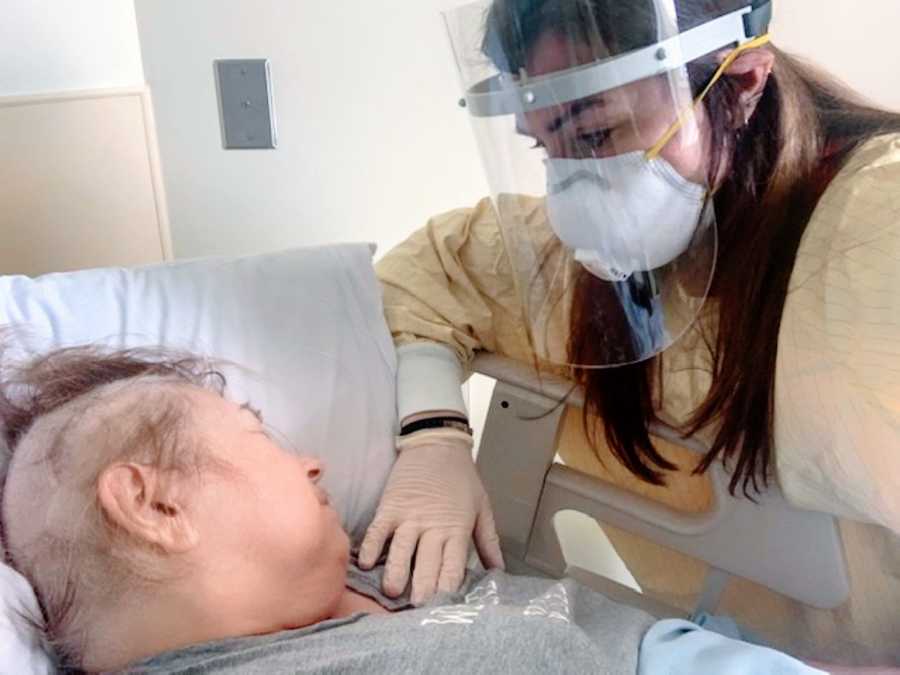
I walked to the front of her bed, my cumbersome armor swishing and squeaking with each step. My heart pounded, bile rose again, and I forced it back down, unwilling to spend my precious twenty-seven minutes vomiting in front of her. My mother, already familiar with sickness and weakness, deserved better.
Nothing I did would wake her. My mind spun: could she already be gone? Was it possible to lose both parents on the same day? I grounded myself, called her name, squeezed her bony hands, and watched her chest rise and fall—so faintly it almost seemed imagined. My voice grew louder, my wails deeper. The cries erupted from somewhere deep inside, guttural, primal. Twelve minutes passed. Then, just as the clock ticked on, her dull grey eyes blinked open.
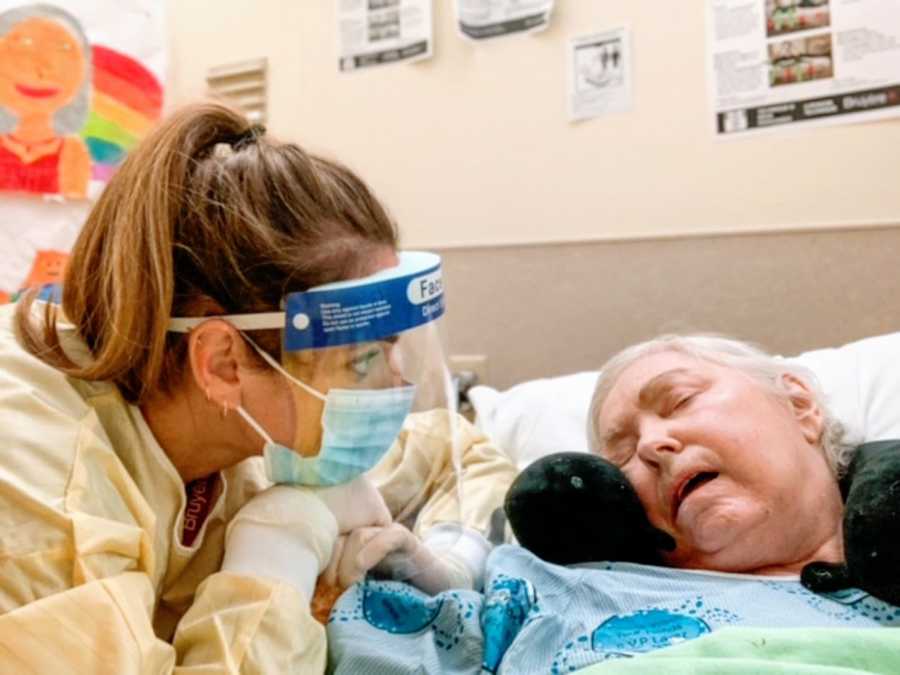
Once, those eyes had sparkled like emeralds. Now, they stared past me—empty, distant, vacant. My head recognized the devastation, but my heart could not reconcile the emptiness with the mother I had always known. I tried to speak. Only broken syllables, punctuated by sniffles, emerged. I now had to tell her he was gone—her husband, my father—hours earlier, taken by the same brain cancer she was fighting, with no warning, no reprieve.
Nearly twelve hours before, I had been at a different hospital across the city, sleeping on a chair beside my dad. For nine days, he had lain unconscious while we waited, desperate for a sign, any sign, that he was still with us. At 2 a.m., I watched his chest rise and fall—still there. One hour later, I awoke to stillness. No breath. No rise. No life. I froze.
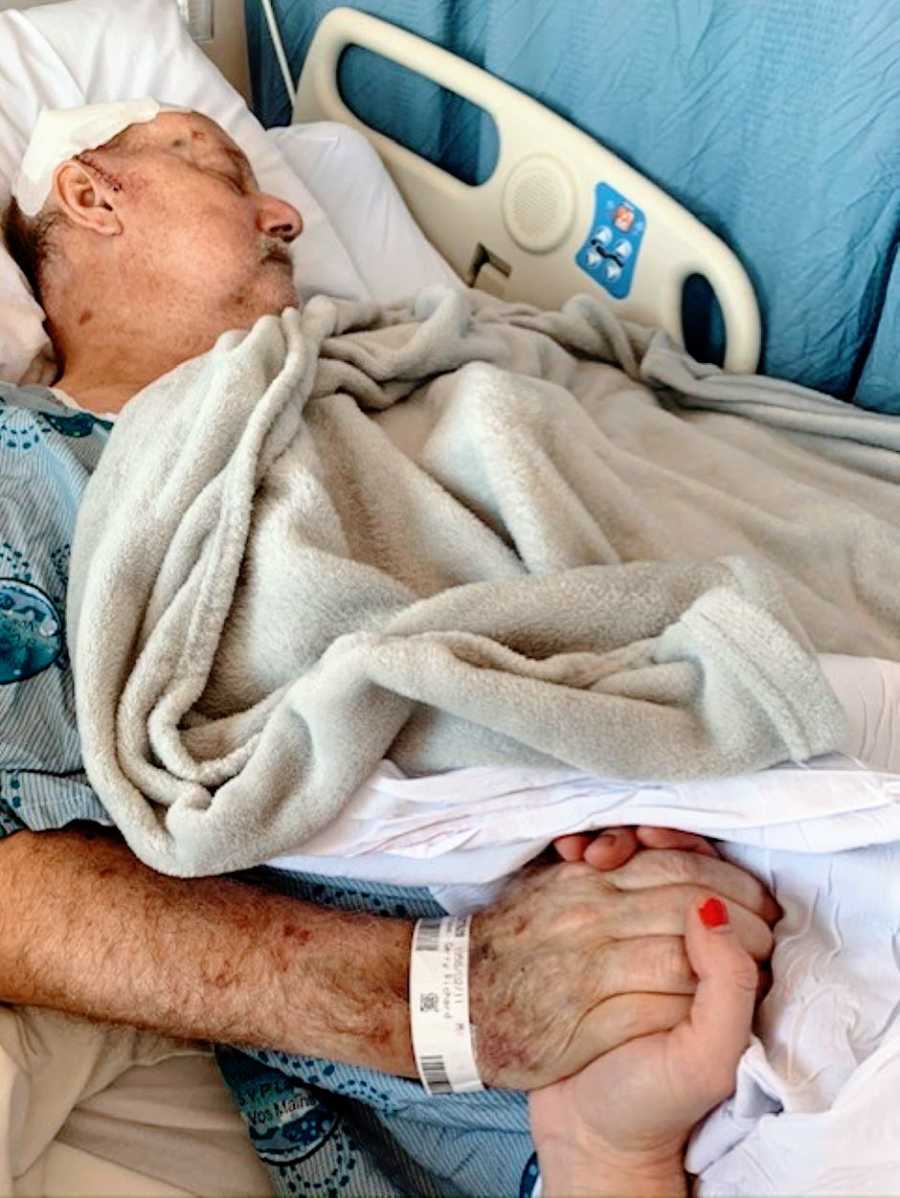
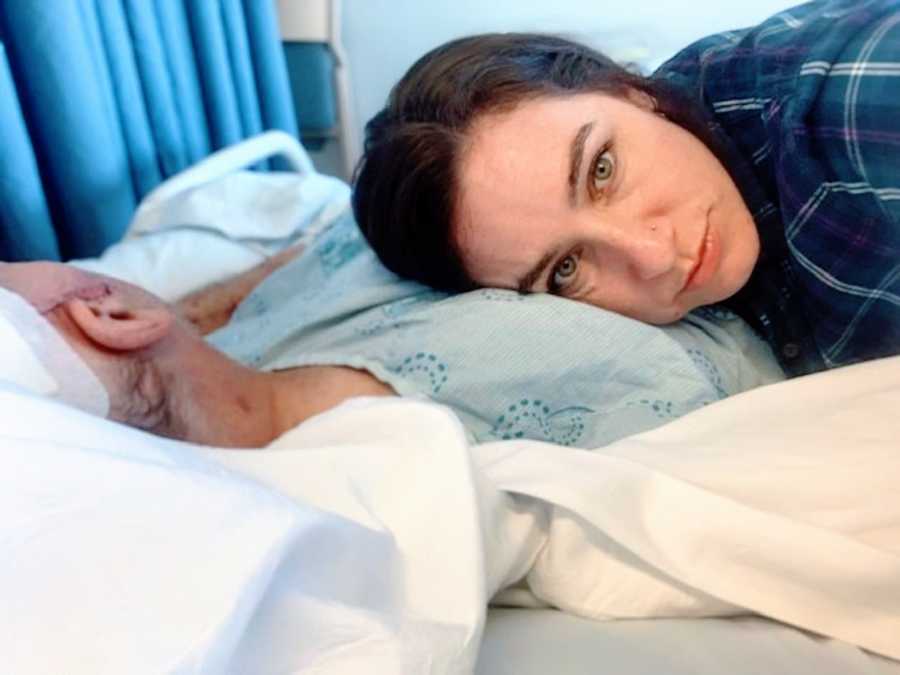
Weeks earlier, in March 2020, COVID-19 shut the world down, leaving my parents isolated in separate hospitals. Calls were scarce. Updates, if any, came at the mercy of passing nurses or doctors. Hope became a lifeline, fragile and fleeting.
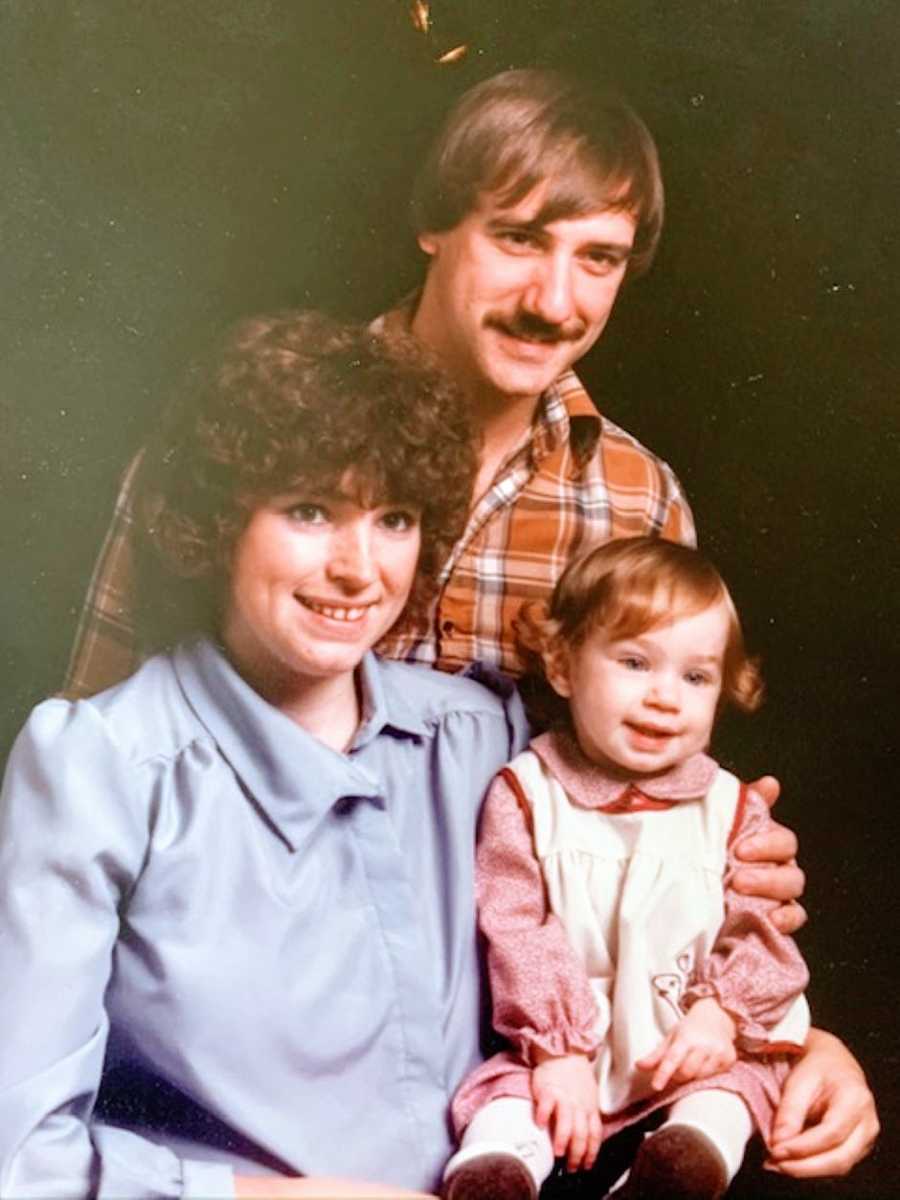
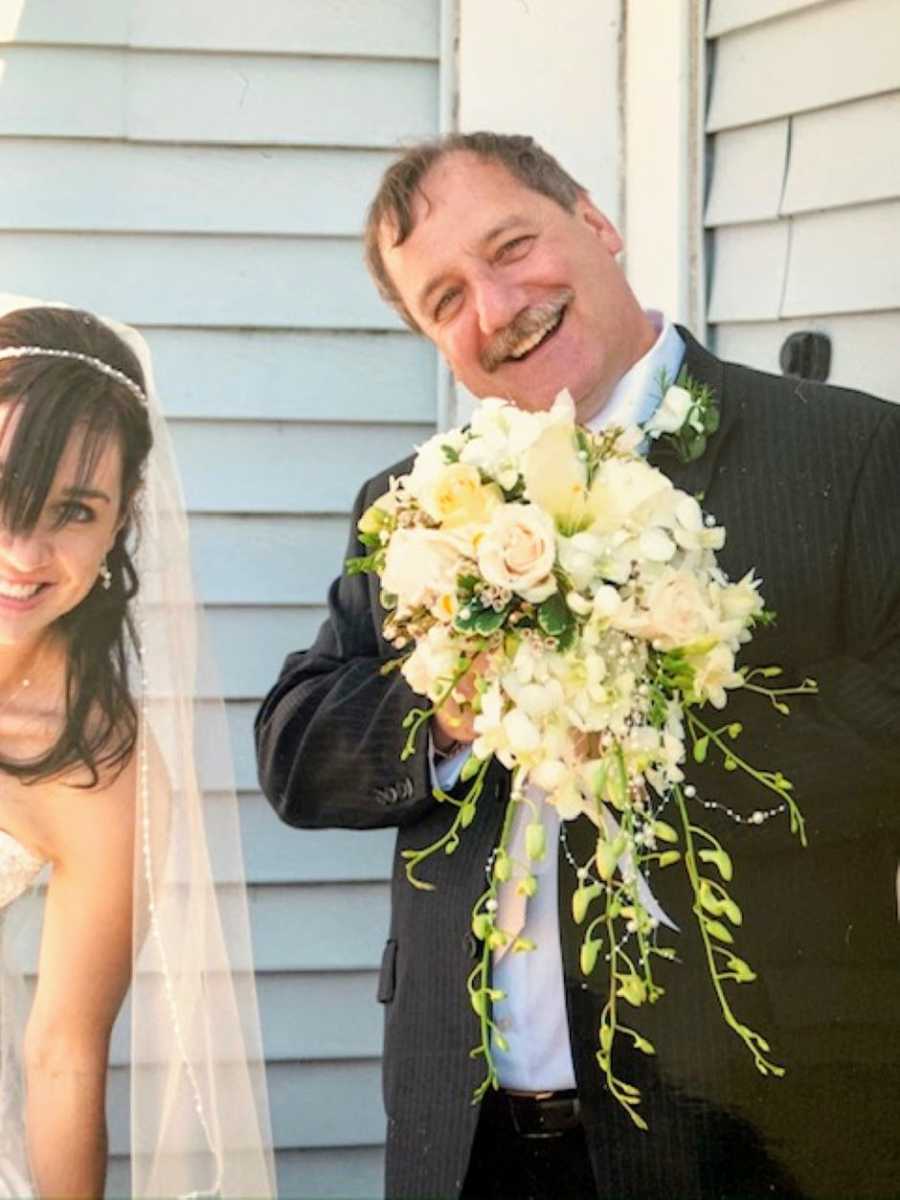
The beginning of this nightmare had been less than a year prior, in the late summer of 2019. My father, at my daughter’s seventh birthday party, was rushed to the emergency department. His cognitive decline had escalated, and Alzheimer’s and dementia had been ruled out. What followed was devastatingly clear: a large brain tumor, glioblastoma—rare, aggressive, and life-altering. His prognosis: twelve months. Surgery left him with deficits, a shadow of his former self, but he could still walk and talk.
That August, my youngest child was about to start kindergarten. I chose to stop working full time, dedicating three days a week to care for my dad. By my 37th birthday, he had been home only three days. We celebrated with ice cream cake, savoring what we feared might be my last birthday with him. The day should have been joyful, and yet it was underlined with tears, fear, and love.
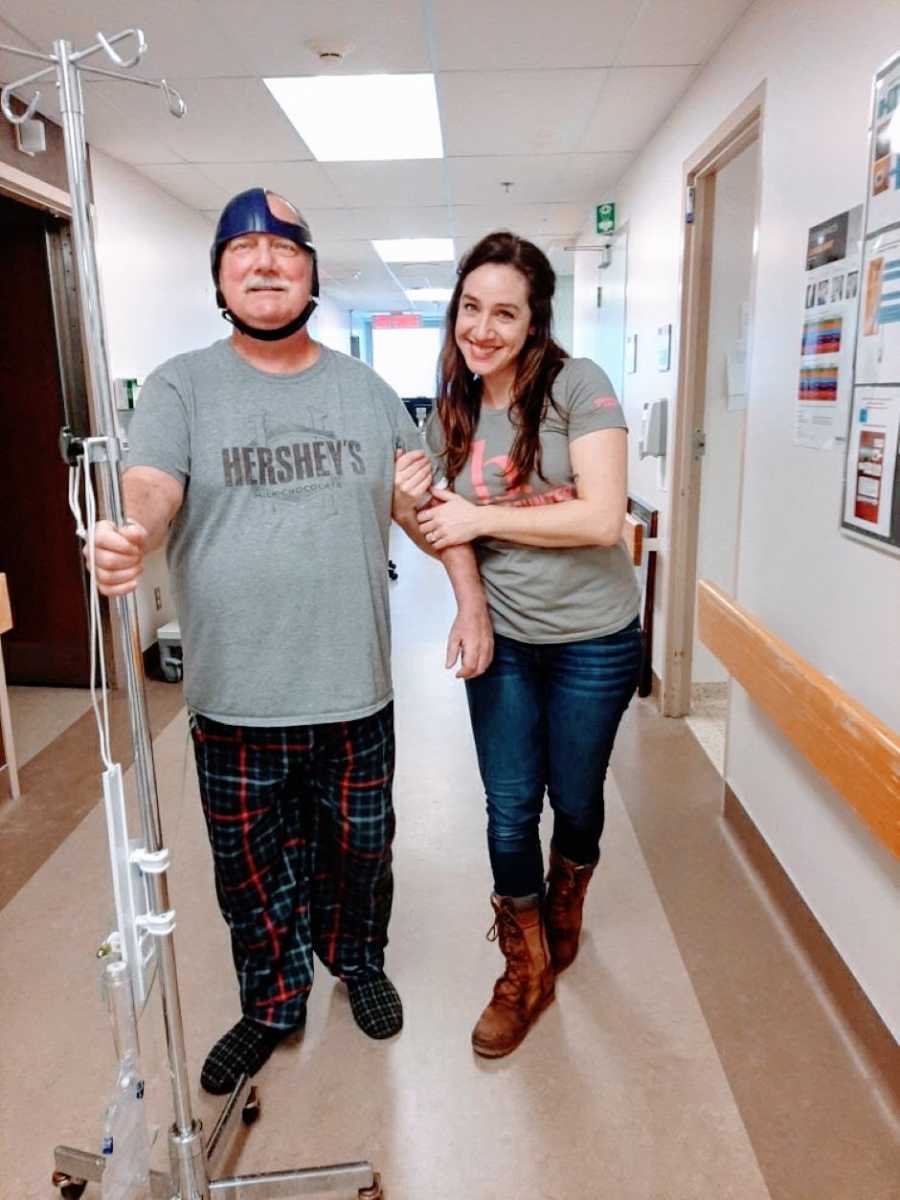
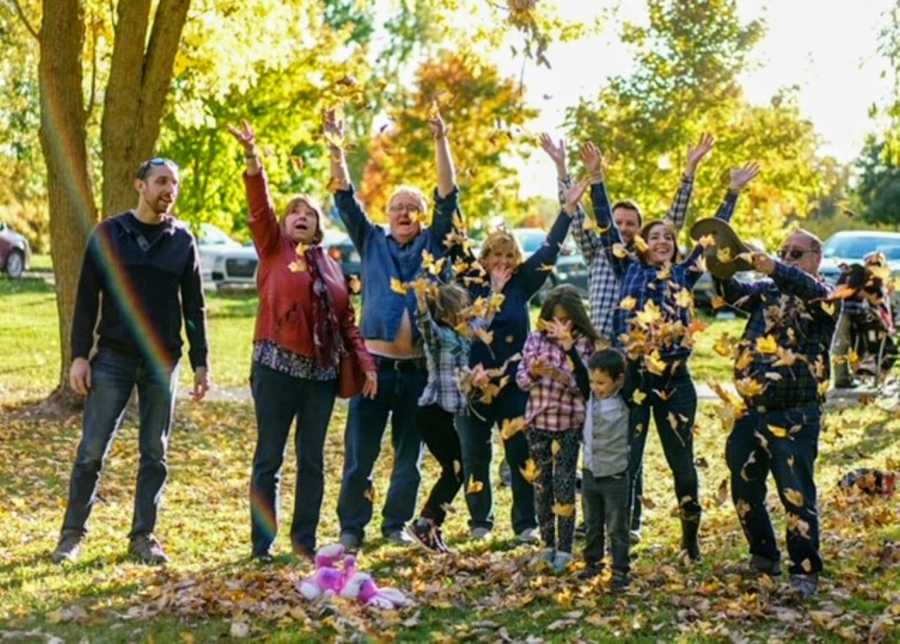
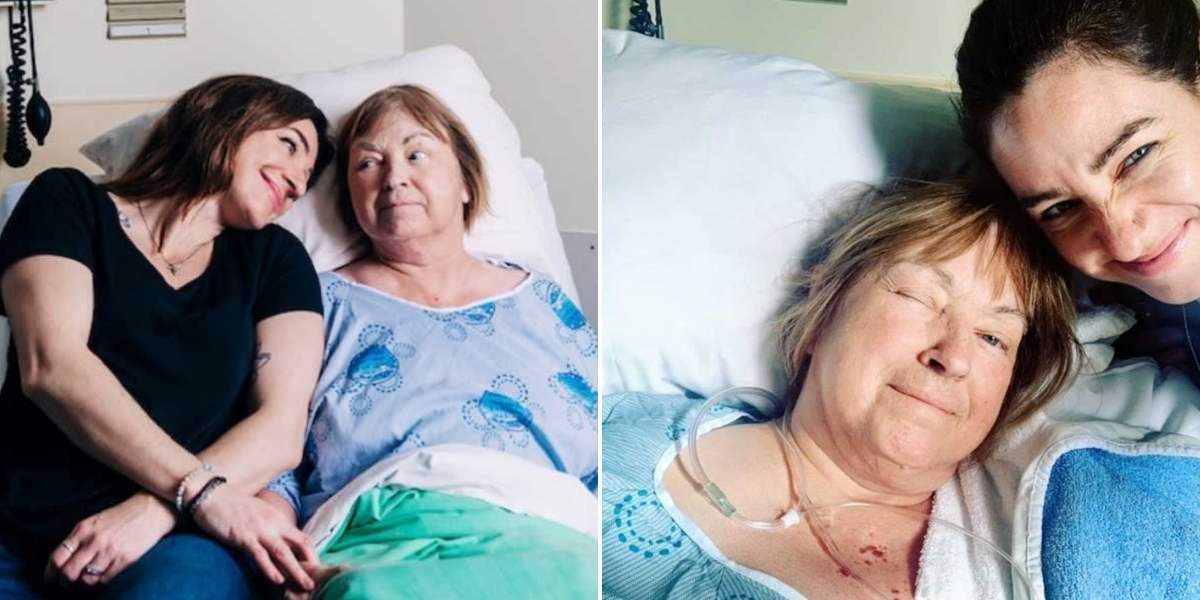
On that same day, across the city, my mom collapsed from a seizure in her kitchen. Rushed to the hospital, she was diagnosed with glioblastoma as well—two tumors this time. Groundhog Day, but with no humor. Two awake craniotomies later, she left the hospital a shadow of herself and moved into my home. My children rotated giving up bedrooms, sleeping in sleeping bags on the floor. My work became a distant dream; my life became caregiving.
Through the months, we found joy in unexpected places. Laughter became medicine—at ourselves, our situation, each other. And when laughter ran out, we screamed, cried, and let the pain flow through us.
By early December, my mother’s decline required transfer to a complex care hospital. My father fought until April 3, 2020, before an infection ended his life. I was there, alone, with COVID protocols barring me from any solace. Hours later, I faced my mother with the truth. I sobbed, snotted, and spilled words clumsy and raw: he was gone. My guilt, grief, and recognition of her inevitable fate weighed on me.
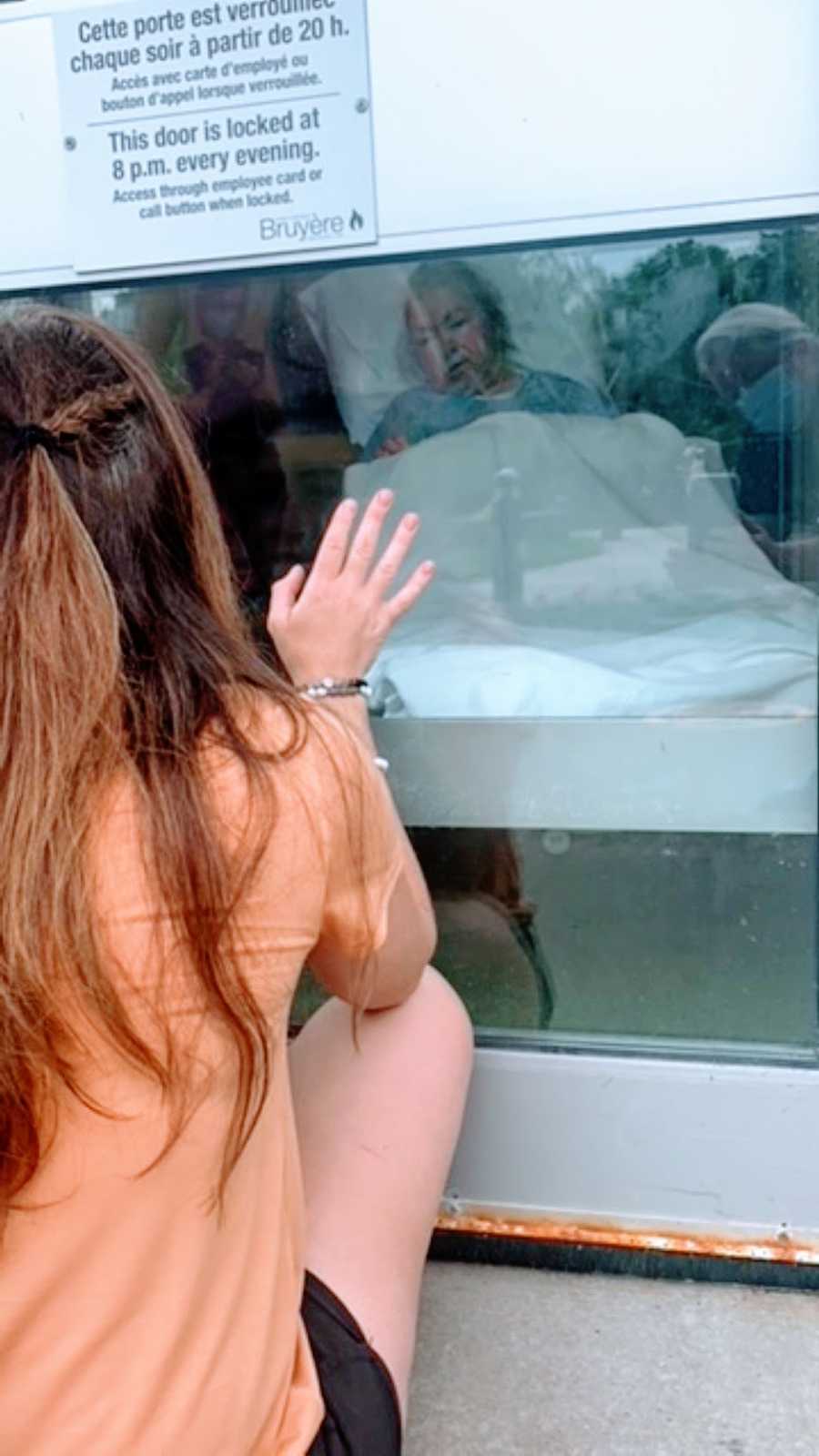
She lingered for six more months in slow decline. I fought to be present, advancing from window visits to in-room care, until systems changed, allowing her loved ones 24-hour access.
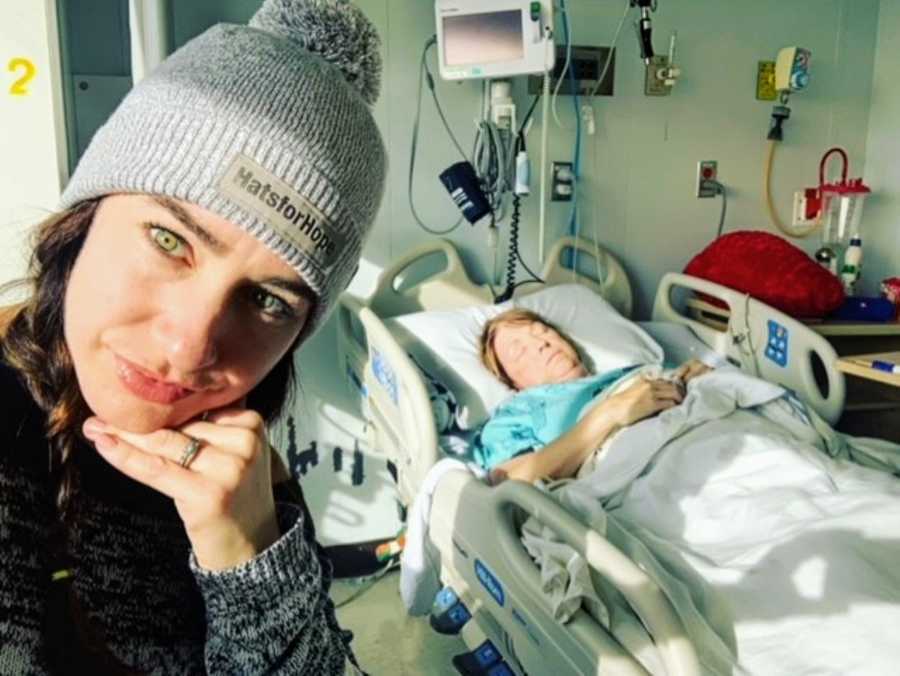
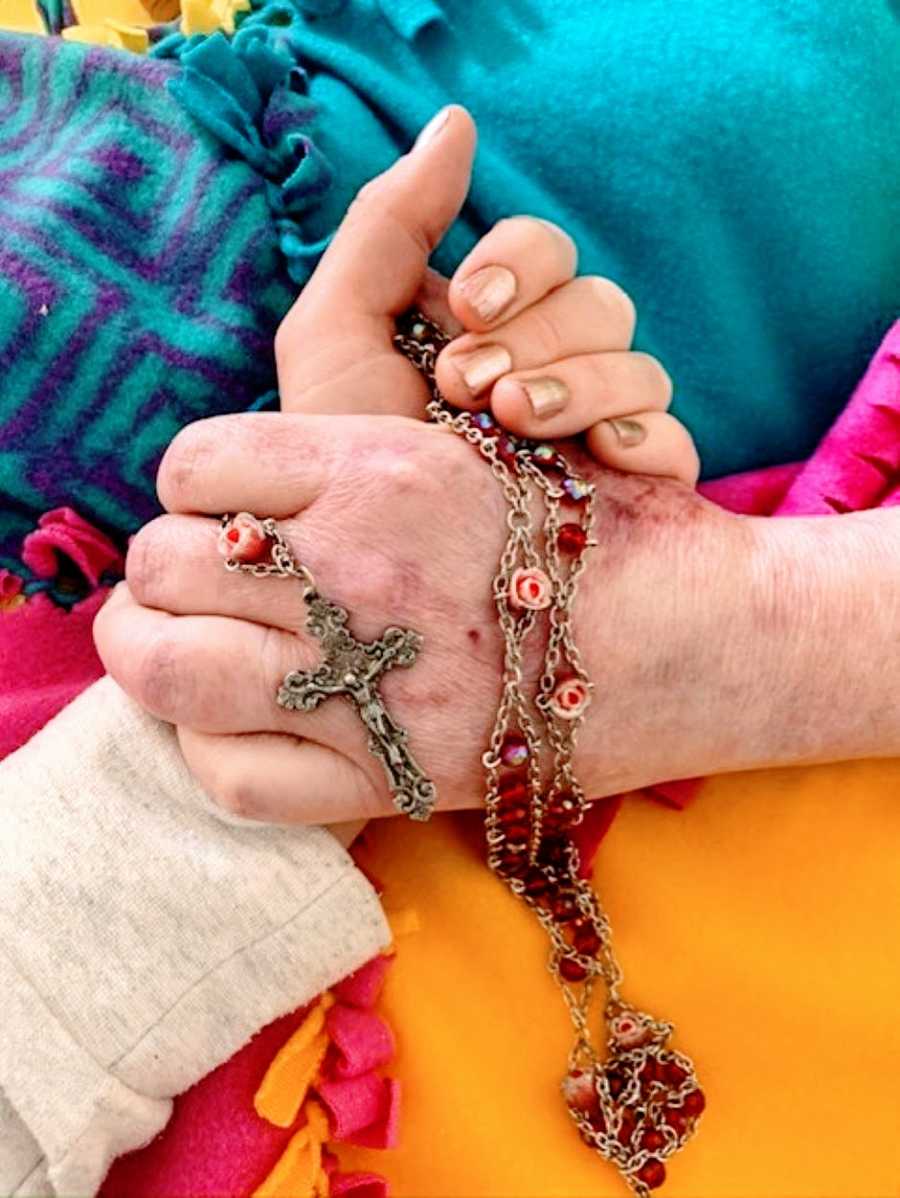
On October 19, I received the call that this time, it was her turn. Five days later, her breathing shifted, shallow and fragile. This time, I was not alone. Her husband, now sober, stood beside us. I tucked her rosary into her hands, leaned over her bed, and watched every breath. Her favorite song played. I kissed her forehead. And then she slipped away, as quietly and tenderly as she had cradled me as a baby, to be reunited with my father.
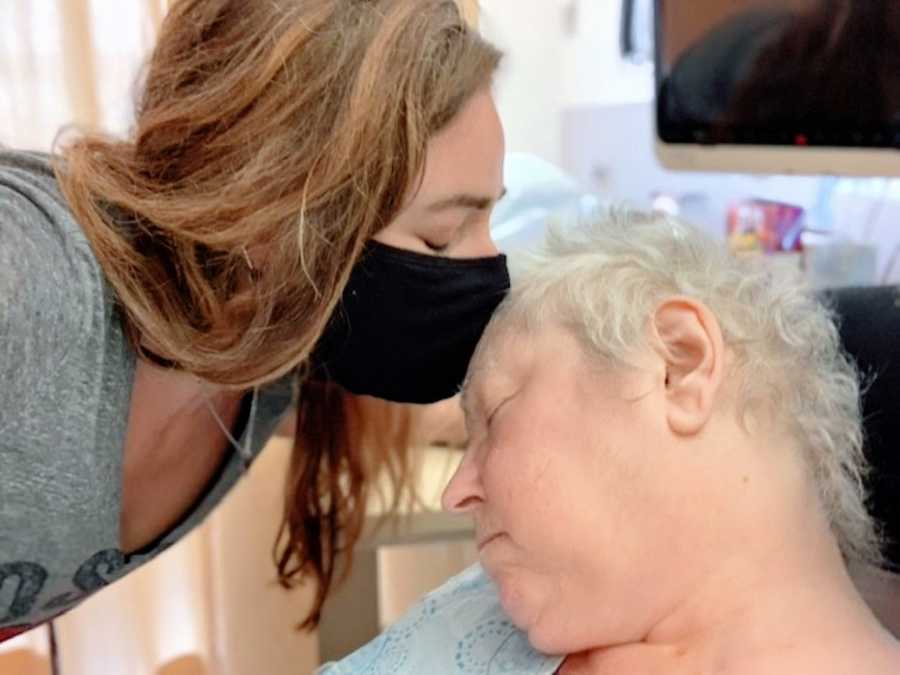
In the year that followed, I channeled grief into action. I founded the Slay Foundation, raising over $40,000 in 2020 to support families caring for loved ones with glioblastoma. My goal is clear: awareness, research, and hope. One day, Dr. Boockvar’s words will no longer be, “most destructive cancer in humans,” but, “curable.”
The lesson is undeniable: time is not guaranteed. I loved them fully, in their final moments, without fear. That love is what allows me to walk forward, carrying them with me, without regret. Because love, ultimately, is what matters most.