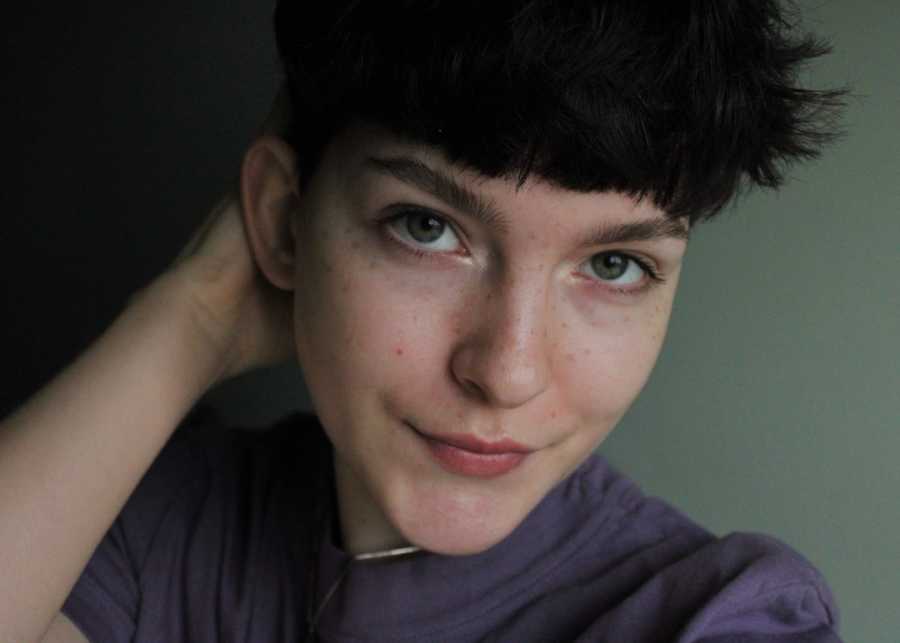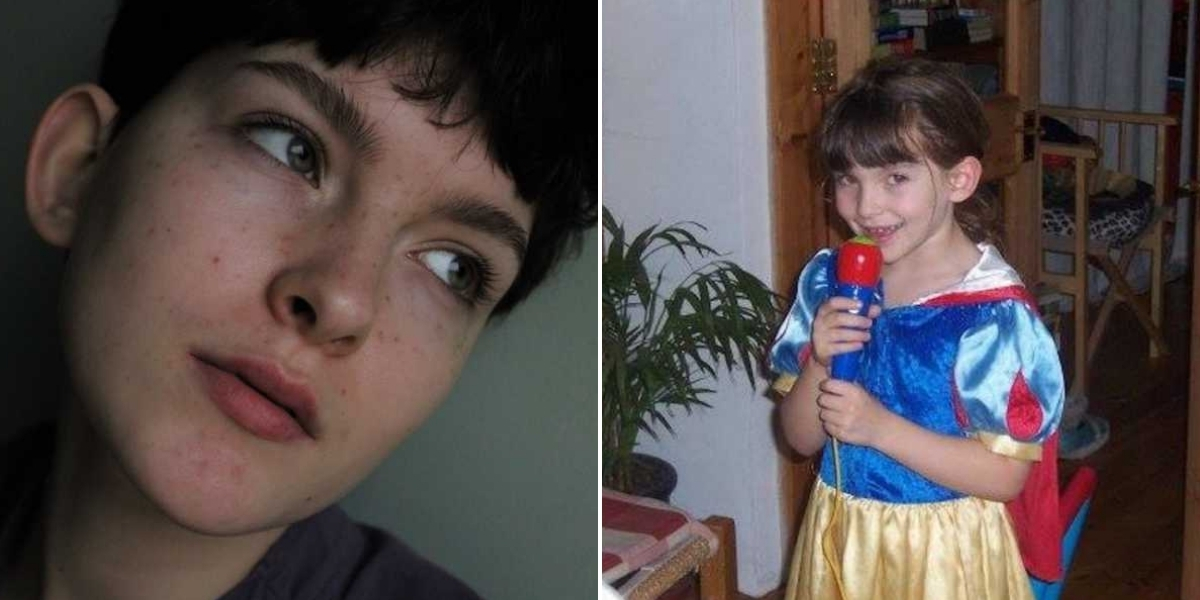
It’s a cliché, but being autistic can feel like being an alien who crash-landed on Earth without a manual. You’re left to figure out everything on your own — how to speak, how to move, how to read people, and how to perform the “right” body language and facial expressions. Every autistic person I’ve listened to has shared that same feeling of difference, that quiet sense of not quite belonging. When we finally learn we’re autistic, we’re given the language to understand why we’ve felt like the black sheep our entire lives. I realized I was autistic at 17. By sharing my story, I hope to offer a deeper understanding of what being autistic can feel like, even though this is just one story among countless autistic experiences.
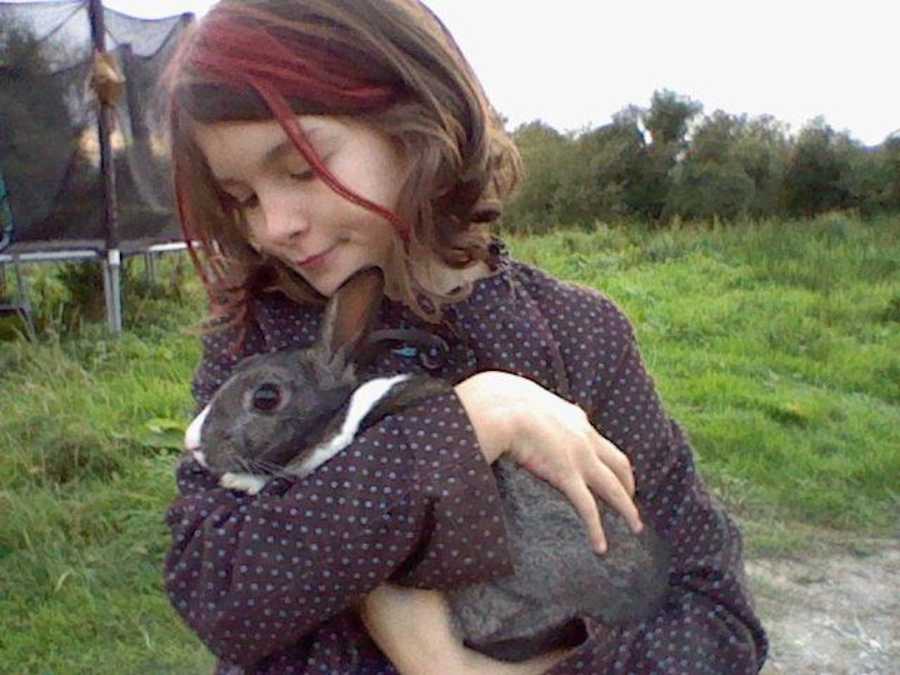
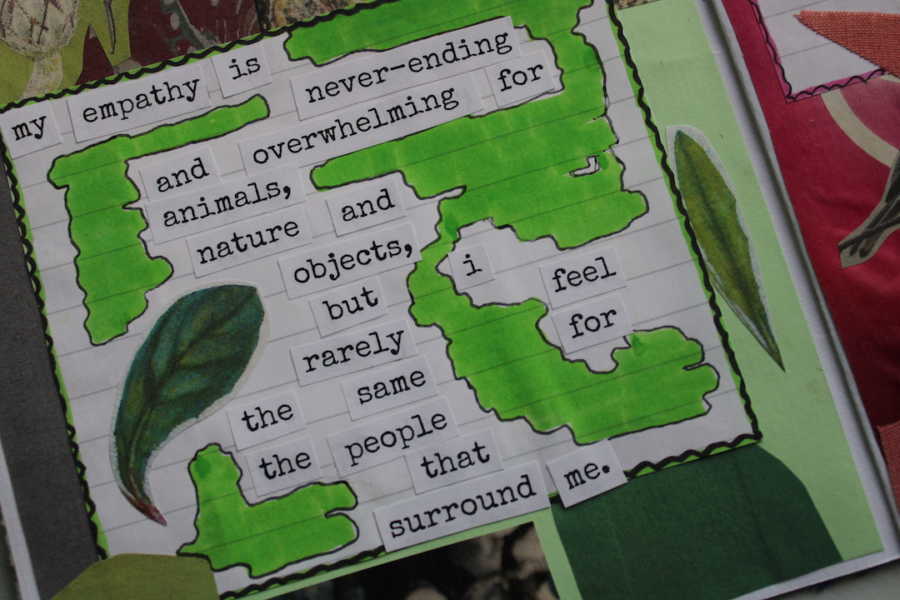
Looking back, my autistic traits were very clear in childhood. I was independent and content playing on my own, yet bossy and stubborn as stone when it came to others. I hated change and wrote out routines for everyone to follow. I was deeply sensitive to my environment and lived in a rich, imaginative inner world. I felt overwhelming empathy for animals, nature, and my family, but struggled to connect with or show interest in most people outside of that circle. I became intensely absorbed in my interests — memorizing every horse breed I could find and covering my bedroom walls with horse posters was just one of many. I collected everything: fairies, animal figurines, Sylvanians, costumes, plushies, and even pets. I was constantly told to make eye contact when speaking, and I was always fidgeting, whether that meant spinning, dancing, or wiggling my toes in my boots. Still, my autism went unnoticed. I was raised as a girl, and the misconception that people who are AFAB (assigned female at birth) can’t be autistic remains widespread even today.
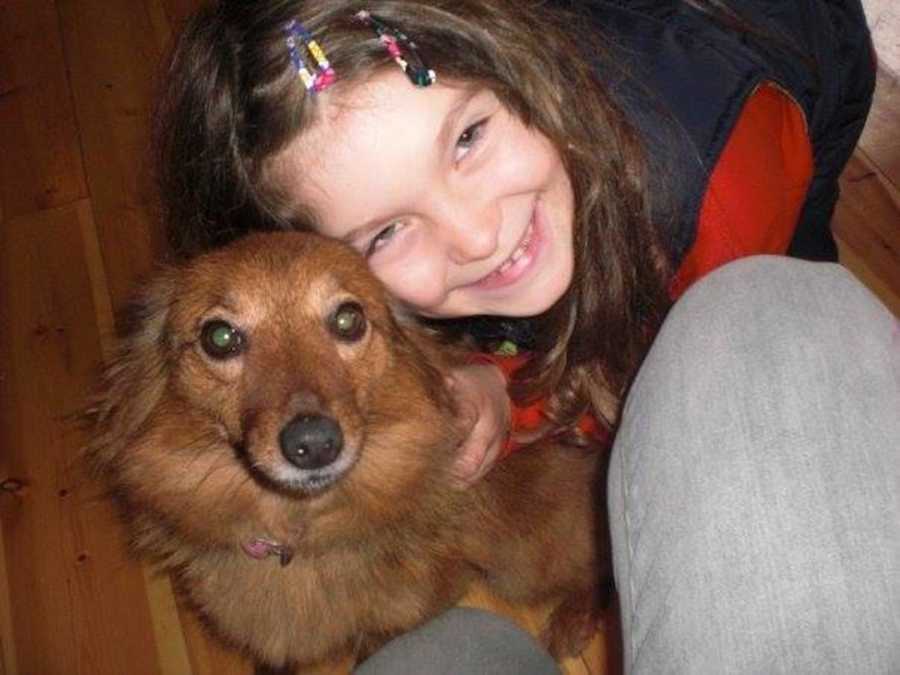
I truly began to notice how different I was once I started school. Until then, I had grown up in an unconventional and deeply accepting home. Both of my parents were black sheep in their own ways, so my differences never felt out of place. At school, though, they were impossible to ignore. Other children weren’t as sensitive or as stubborn as I was. They didn’t have the same special interests or quirks, and somehow, even at five years old, they already knew how to play and communicate with one another in ways I couldn’t.
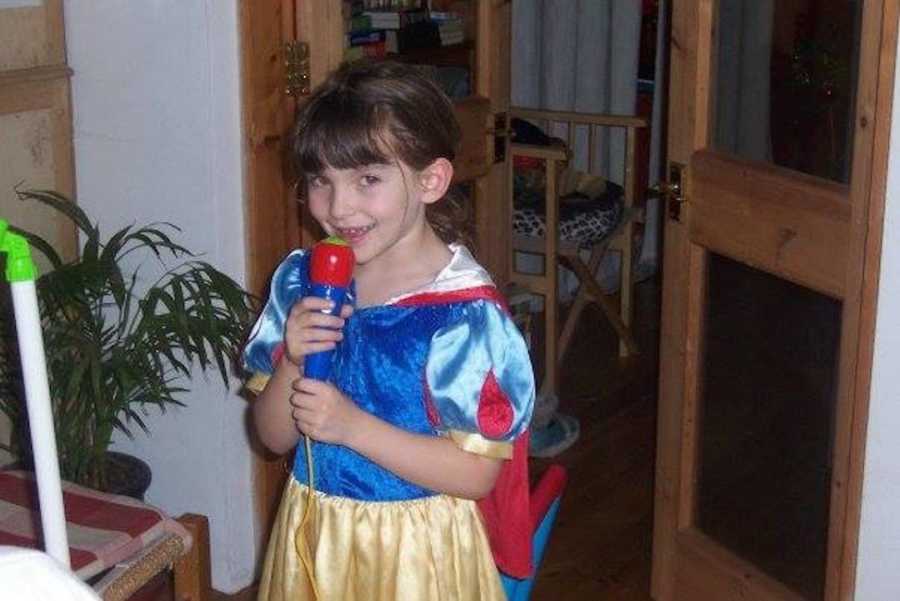
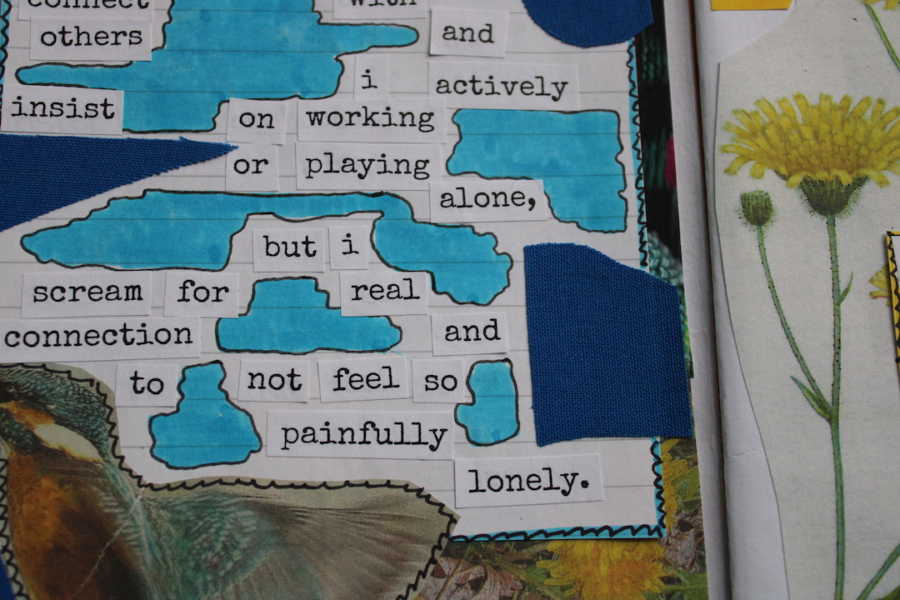
When I was six, an older girl began bullying me. Gradually, she turned much of the school against me through whispers, rumors, and taunts. I was excluded whenever possible. Strangely, the exclusion itself didn’t bother me much — I was happy playing alone during breaks and resisted teachers’ attempts to push me into socializing. My report cards repeatedly said, “Hazel is a bright girl, but she needs to start socializing with her peers during break.” One of the gifts of being autistic is my ability to be content in my own company. But the whispering, the name-calling, and the occasional tripping or kicking stayed with me. I cried myself to sleep and begged not to go to school in the mornings. This went on for two years, and even after my main bully graduated, I was still labeled the weird kid. Those primary school years were some of my darkest. Being rejected so young taught me that being different was bad — and that I needed to hide who I really was.
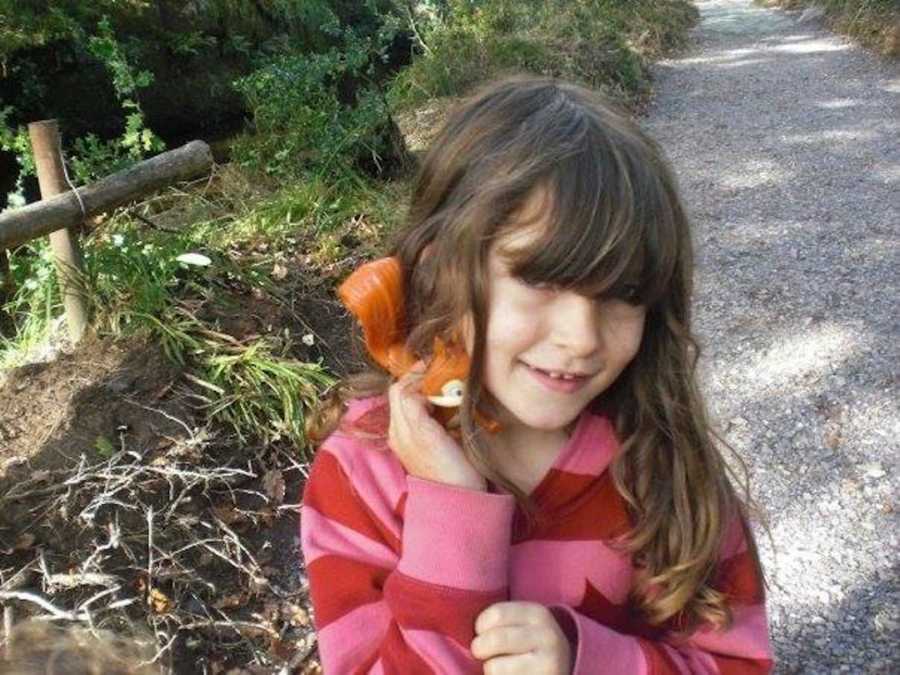
Around this time, I began to learn how to mask. Masking is the act of hiding autistic traits to fit in, and it’s one of the main reasons so many autistic people aren’t diagnosed until later in life. I tried to blend in as much as possible, presenting my most “neurotypical” self in public. I clearly remember claiming I had an earache whenever I was overwhelmed by sensory input or struggling to maintain my mask. At school, I was a quiet, well-behaved angel. At home, I fell apart — full of meltdowns and moodiness the moment I felt safe. This was one of the many hidden costs of masking.
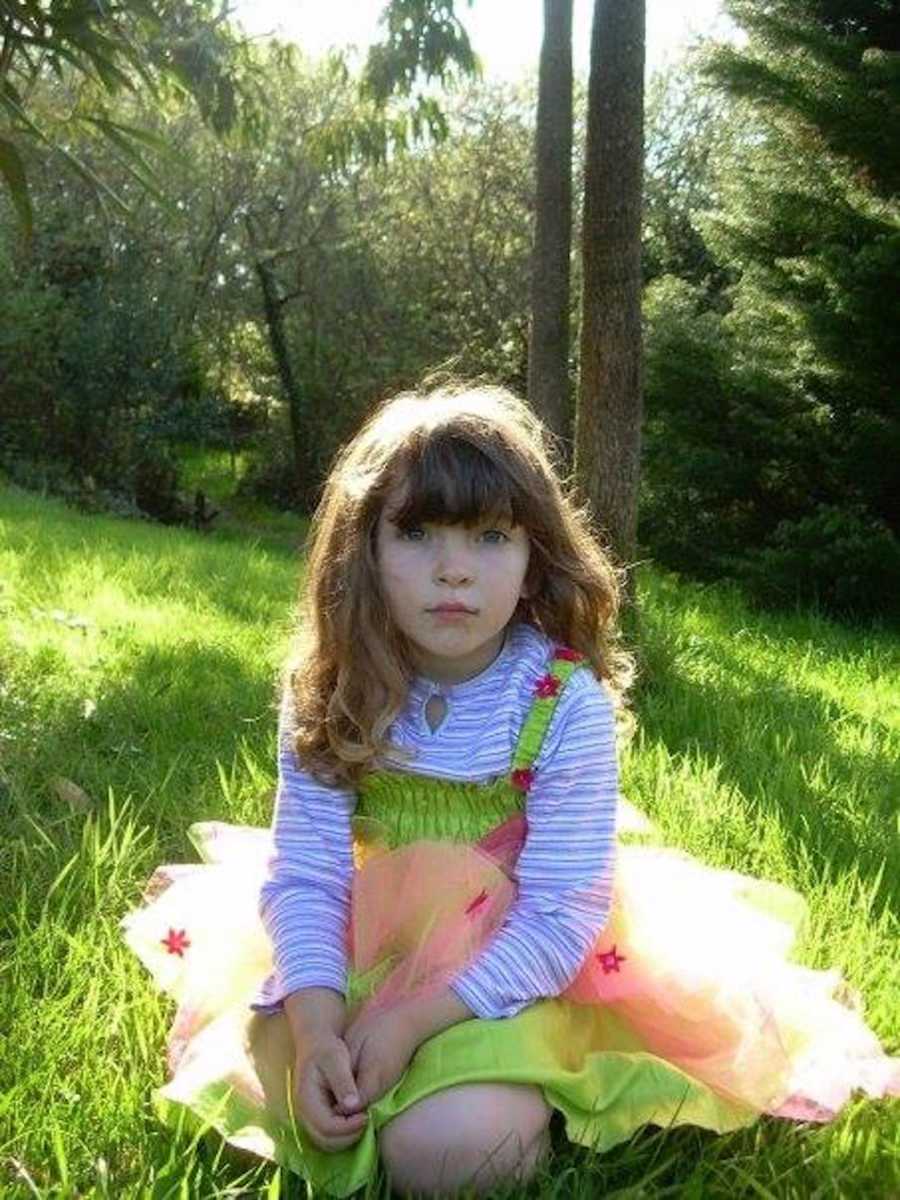
As I entered my teenage years, I became a hyper-perfectionist. My mask had to be flawless. My grades had to be perfect. I had to be perfect in every role — friend, student, partner, classmate. I craved approval from everyone except my parents, who were the only people I could truly be myself around. But because I spent all day pretending to be someone else, the version of me they saw at night was anxious, angry, and emotionally closed off.
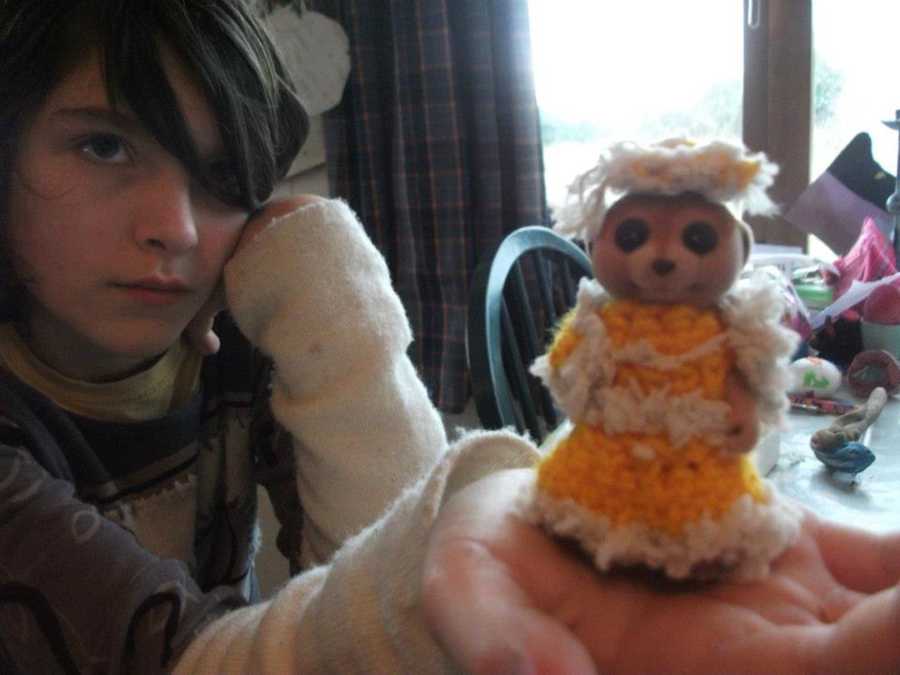
It was during this time that I found songwriting. Through lyrics, I poured out my anxiety and my confusion about why I felt so different from everyone else. Everything felt like an uphill battle. By the end of each day, I was so exhausted from masking that I no longer had energy for the things I once loved. I slowly abandoned my needs, my desires, and even my sense of self. Food became a way to feel in control — I obsessed over numbers and restricted my eating for days at a time. Eventually, everything collapsed. My anxiety and panic attacks — often triggered by sensory overload — became so severe that I had to leave school for several months. I begged to be homeschooled but eventually returned. During my time away, I attended art therapy, creating collages and paintings that reflected my inner world. I even made a clay mask before I ever knew the term “autistic masking.” I still cherish it as proof that we often understand ourselves long before we have the words.
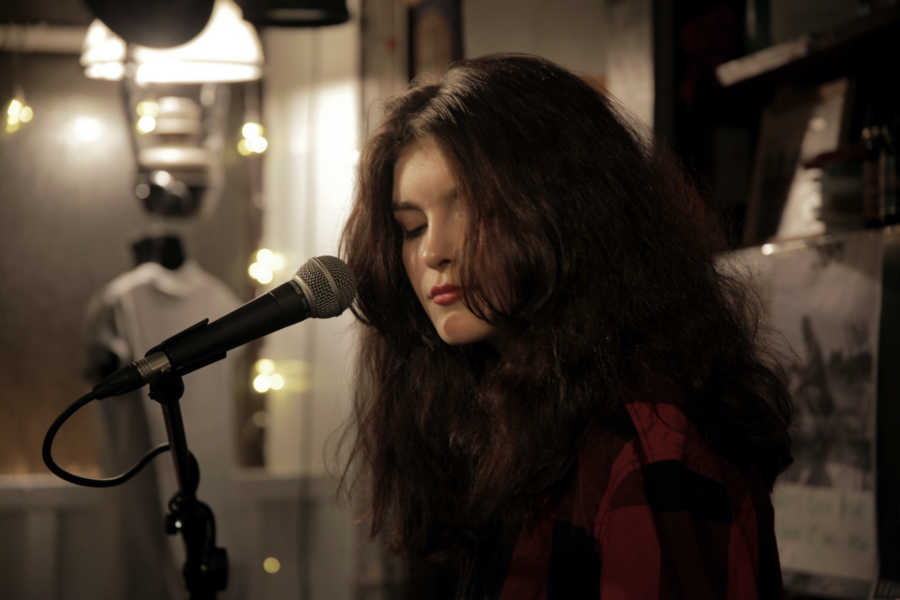
By 15, the signs of autistic burnout were impossible to ignore. I felt numb and detached, stopped caring about school, and turned to drinking and smoking as coping mechanisms. My sense of identity was so fractured that I mirrored the personalities of those around me. I believed I was tricking people into liking me, convinced that if they saw the real me, they would reject me just as they had when I was younger. At my lowest point, I was suicidal. I felt hopeless, certain I would never understand why life felt so unbearably hard. Songwriting became one of the few things keeping me alive — a place to release everything I couldn’t say out loud.
I dropped out of school for the first time in fourth year. Later, I would drop out of a PLC course, and then again when I tried returning to secondary school. Each time, sensory overload and burnout from masking became too much. Leaving school felt like I could finally breathe. Not long after, I found work at a local café and loved it, even with the occasional sensory challenges. Customer service felt similar to masking, but somehow easier. Still, I spent many months in pure survival mode.
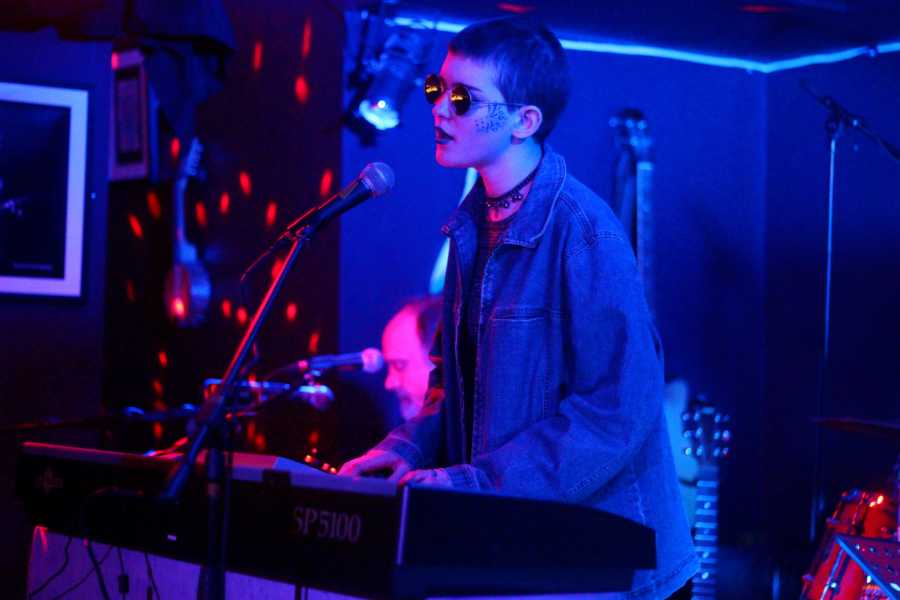
As I approached 17, I started therapy. I was beginning to recognize that my relationships with substances and people were self-destructive, and I knew something had to change — even though change terrified me. My therapist helped me reconnect with the parts of myself I had buried for years and taught me how to embrace my sensitivity rather than fight it. I will always treasure the tools and insights she gave me. Toward the end of that year, after months of journaling and self-reflection, my mother — who was exploring the possibility that she herself might be autistic — encouraged me to share my suspicions in therapy. My therapist, who was neurodiversity-affirming, validated everything I brought to her.
I know how lucky I was. Many professionals still believe autism only looks like the narrow stereotype based on AMAB (assigned male at birth) children. Because of this, autistic people who present differently — often AFAB — are frequently misdiagnosed or missed entirely. Without thousands of euros for private assessments, many of us are left without a formal diagnosis or access to proper support. It’s a barrier most cannot overcome, and the cost of that exclusion is immense.
One of my greatest griefs is the education I lost. I am academically capable and have always loved learning, yet I was failed by a system that wasn’t built for me. The barrier to diagnosis becomes a barrier to education, which becomes a barrier to the life I once imagined. I hope we continue to fight for an education system that is accessible, accommodating, and affirming for all disabled and neurodivergent students.
And still, while grieving the life I once pictured, I am learning to embrace the life I now have.
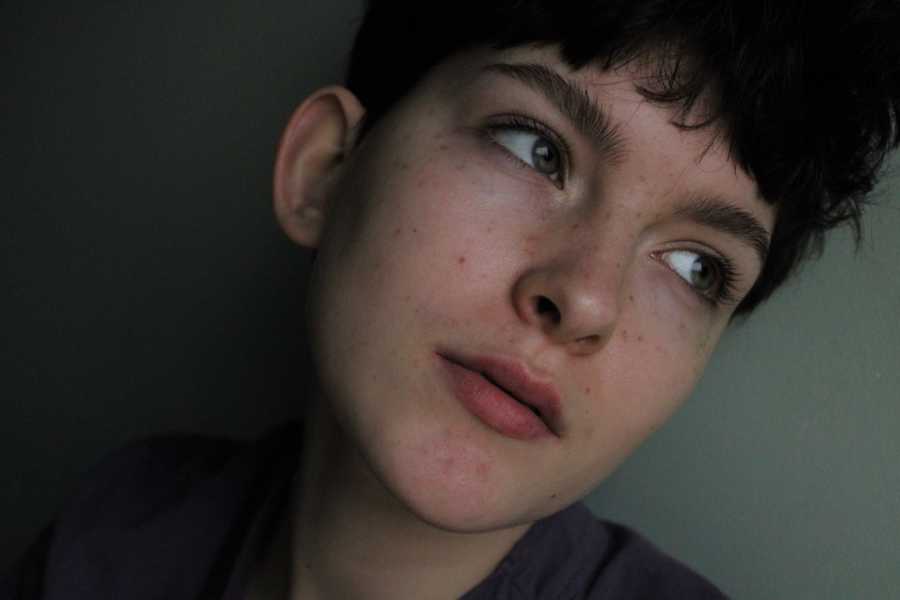
I am surrounded by a beautiful support network of neurodivergent friends and family, along with a loving partner. I’ve found comfort and understanding in online autistic communities that have helped me survive, grow, and better understand myself. Being part of these spaces — and helping others in return — has been life-changing. For the first time, I feel a true sense of belonging. I’m learning to love the parts of myself I once despised: my sensitivity, my stubbornness, my special interests, my stimming. Even my sensory issues come with moments of deep sensory joy. I’m realizing that I love being autistic. I never wanted to be neurotypical. What hurt me was being forced to exist as a neurotypical person in a neurotypical world.
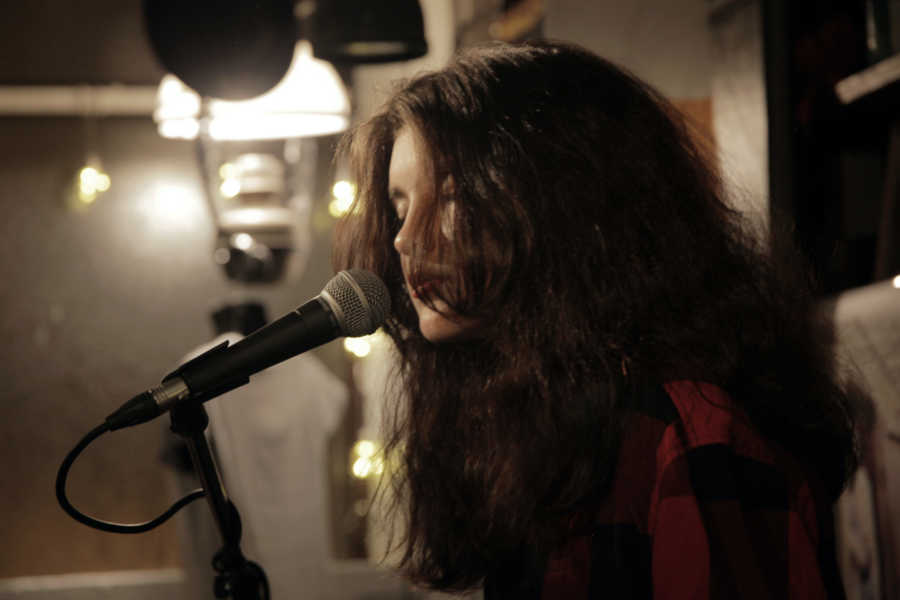
I know it will take a lifetime to unpack the trauma of masking and everything I’ve carried with me, but I hope I can inspire others to embrace their autistic selves along the way. Over the past year, I’ve been creating art in many forms centered on the autistic experience, using creativity to explore and celebrate my identity. I recently began sharing my writing on Instagram and am currently working on a zine called Sweet Autistic Self, filled with poetry, love letters for unseen autistics, and reflections from my own journey.
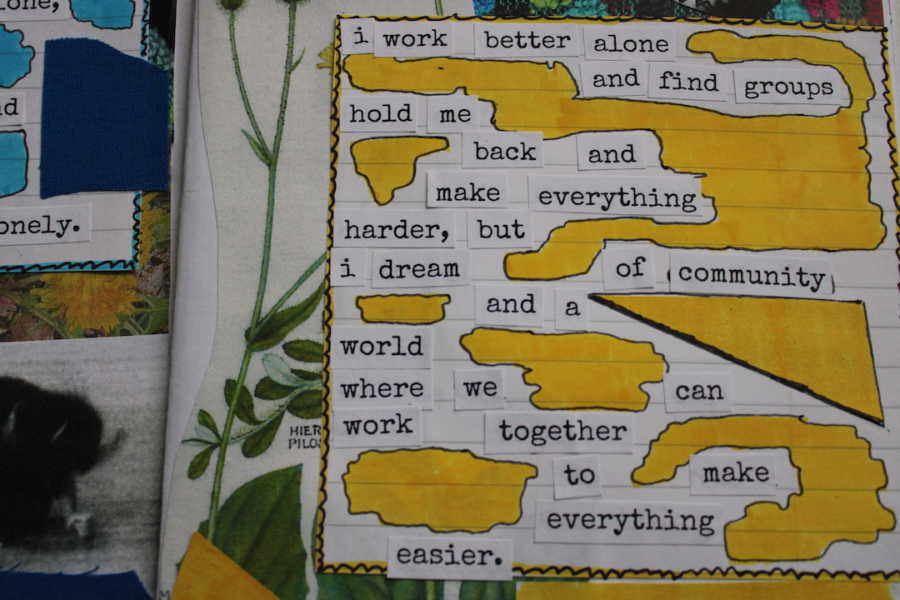
Learning that I’m autistic — and truly understanding what that means — has helped me not just survive, but thrive. I want to help open that door for others, just as autistic creators and activists once opened it for me.