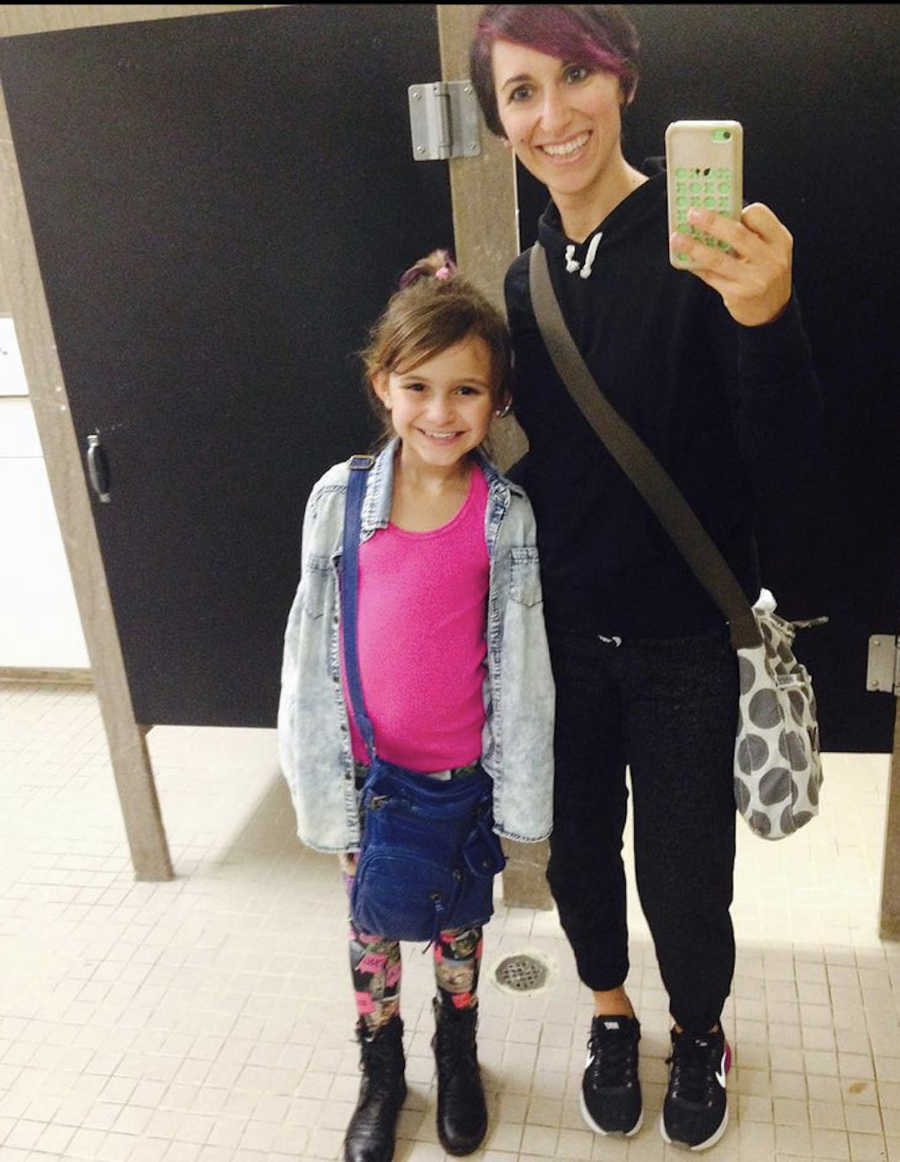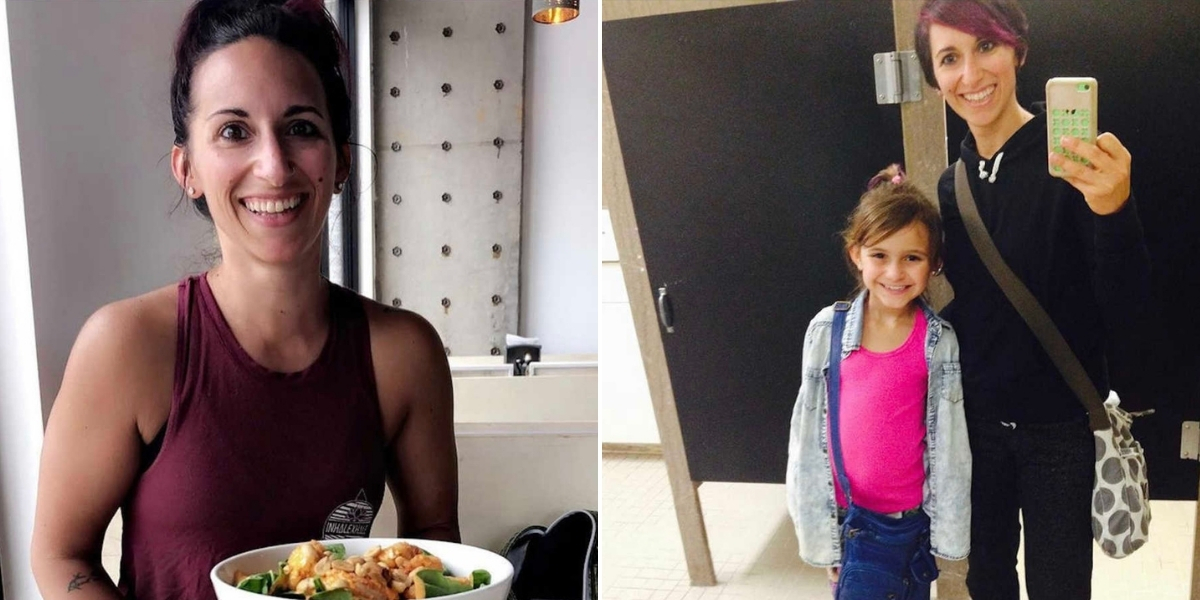
“You need to keep your body covered up. No one needs to see that until you’re married—and then only your husband.”
That’s one of the first things I remember hearing about my body, about how I should look and exist in the world. My mother made me feel as though my body was something to hide, something shameful, something inherently wrong. Growing up, I was dressed in the most conservative clothing imaginable—dresses that couldn’t rise above my knees when I sat, no shorts, no tank tops, no v-necks. At no point was I told that my body was precious, meant to be shared only with the right people. Instead, I was made to feel that it was something negative, something to be controlled, something to be ashamed of.
Looking back now, I realize a lot of this came from my mother’s own struggles. She was overweight for as long as I can remember, and I watched her discomfort with herself spill over into how she taught me and my sisters to see ourselves. I don’t recall her ever truly happy. She hated being seen in public and often treated those she deemed “too pretty,” “too skinny,” or “too put together” with jealousy or disdain. And yet, from my child’s perspective, those women seemed happy, free, and confident. Slowly, I absorbed the idea that being thin and pretty meant happiness, while being overweight meant misery.
My childhood was intensely sheltered. I was homeschooled my entire life, and my exposure to the outside world was limited—no TV, no movies, no co-ed birthday parties. Peer pressure didn’t exist for me, and yet I grew up with a distorted sense of what bodies and happiness were “supposed” to look like.
After high school, I got married and soon put on a little weight. I am very short, so even a few extra pounds felt like a lot, and suddenly I was uncomfortable in my own skin. Around this time, I was attending cosmetology school and being bombarded by the beauty industry—models, makeup, hair trends, diets, cleanses. My tiny, sheltered world had shattered, and I felt vulnerable, exposed, and completely inadequate.
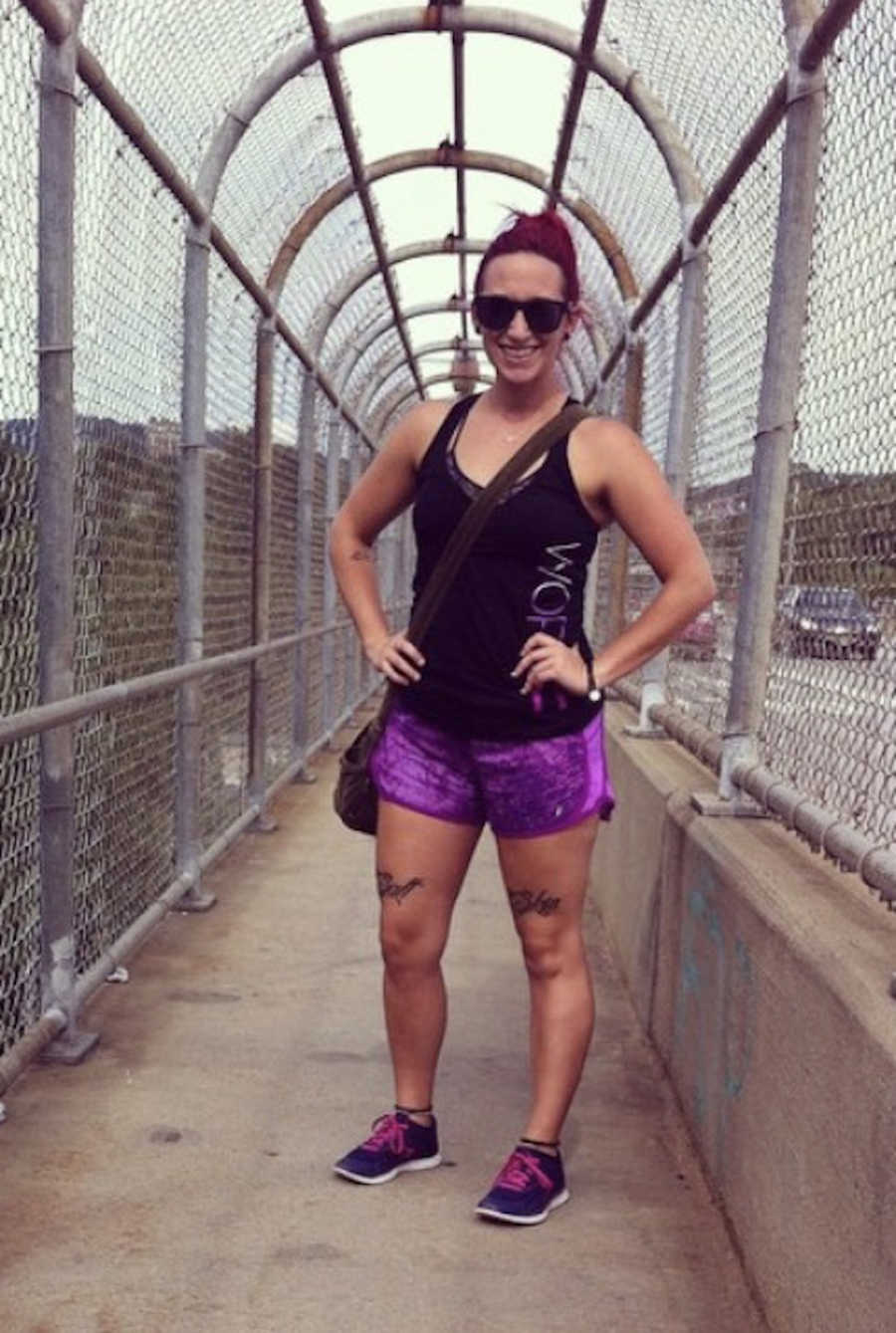
Not long after, I became pregnant with my daughter. The first trimester was brutal—I could barely keep any food or water down. Most days were spent lying in bed, fighting nausea, feeling weak, and trying not to worry. By the second trimester, the sickness had subsided, but I was shockingly 25 pounds lighter than I had been before pregnancy. Suddenly, I could wear clothes I hadn’t been able to fit into before, and I started getting comments about how “thin” I looked. I admit—I liked it. I liked the way I felt in smaller clothes, the way people looked at me, and the fact that four months into pregnancy, I barely looked pregnant.
When my daughter was born, I had just left my teens. She was breech, so I had to have a c-section. In a very short span of time, I had become a teen wife, endured a difficult pregnancy, gone through major surgery, and become a mother. I was spiraling. Breastfeeding was nearly impossible—my body, weak and malnourished, could barely produce milk. I felt like I had already failed as a mother.
Recovery brought more complications. I began experiencing intense burning pain in my chest and stomach. I ignored it at first, but one night, crying and vomiting on the bathroom floor, I knew I couldn’t wait any longer. The ER revealed gallstones, one of which had lodged in my bile duct. Four weeks after my c-section, I was back in the hospital for gallbladder surgery. Shortly after, I started birth control for the first time, all while battling postpartum depression.
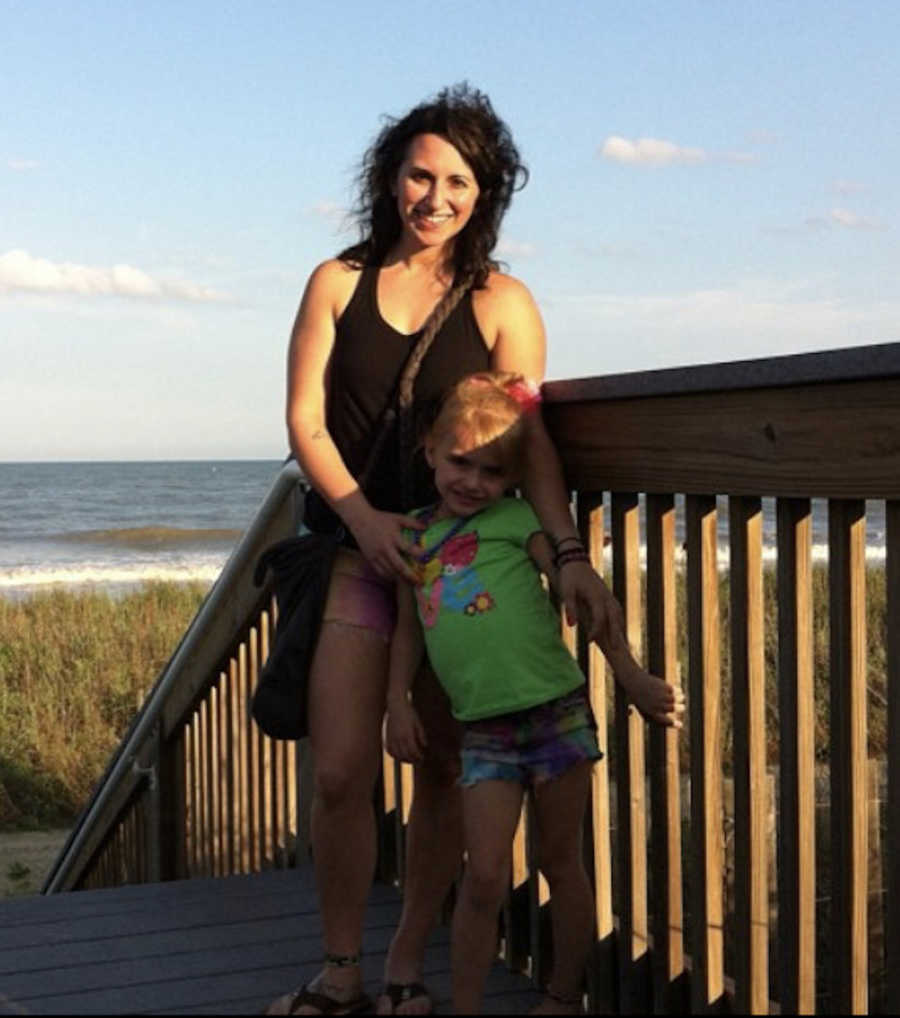
Within months, I had gained over 30 pounds on my small five-foot frame. None of my clothes fit. I felt sluggish, bloated, and unhappy. My world revolved around home, my infant, and food. Meals were often my only outing. I blamed my weight for my unhappiness, never realizing the many other factors at play.
By the time my daughter was three, I had hit a stagnant point. I was still tired and sluggish, still overweight, still frustrated with my body. One day, a TV infomercial caught my attention—a trainer promising hard, transformative results if you pushed through. Something inside me stirred. A small, quiet voice whispered: “You can do hard things.” I bought the program with the little money I had. It included a detailed nutrition guide, meal plans, and a method to track calories and exercise. I committed fully. Ninety days later, I had lost 15 pounds, gained confidence, and learned more about nutrition and my own body than I ever had before.
I kept going, trying new programs, building muscle, learning how to fuel my body properly. Yet, I still struggled with my scars, stretch marks, sagging belly, and the feeling that my “good body days” were over—even though I was barely in my mid-20s.
One day, complaining to my husband about my body, he said, “Don’t say that. Would you want our daughter talking about herself that way?” That hit me hard. The idea that my daughter could internalize the same negativity I had carried made me start a deeper shift—not just in my words, but in my thoughts and self-perception.
I began to understand my relationship with food. I realized that I had been using it as a reward and punishment system—good foods for when I felt good, bad foods when I felt bad. Dieting and bingeing had been my cycle for years. Exercise became my therapy, a way to cope when I felt out of control. But true healing came when I addressed the internal patterns: self-doubt, low self-worth, ingrained negativity. I went to therapy, read books, explored the mental and emotional impact of food, and found balance in eating and exercising without obsession.
Now, I see my body differently. I see a body that created and nurtured life, a body that survived illness, surgery, and hardship, a body that has grown stronger through effort and love. My stretch marks—once symbols of insecurity—are now my “warrior stripes.” I fuel my body because I love it, not because I hate it.
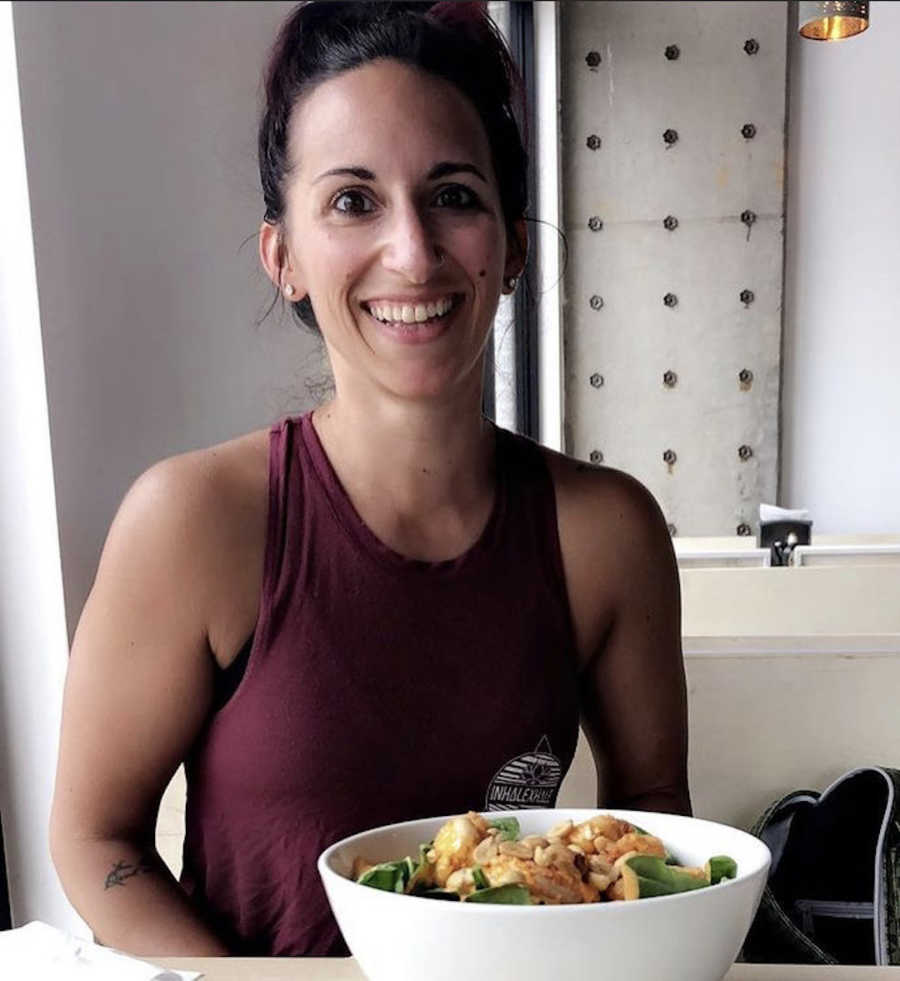
To every woman, and especially new mothers: give yourself grace. Change doesn’t happen overnight, but each small step matters. Look back at the challenges you’ve already faced and know you can meet what’s ahead. Forget society’s idea of perfection. Celebrate the moments when you feel confident—notice them, cherish them, and carry that into your daily life.
I am still a work in progress. There are days I critique myself in the mirror, but I’m learning to quiet that voice and focus on what I love. I recognize the lies I tell myself and counter them with the truth I know. Every day, I grow more compassionate toward my body, my mind, and myself.