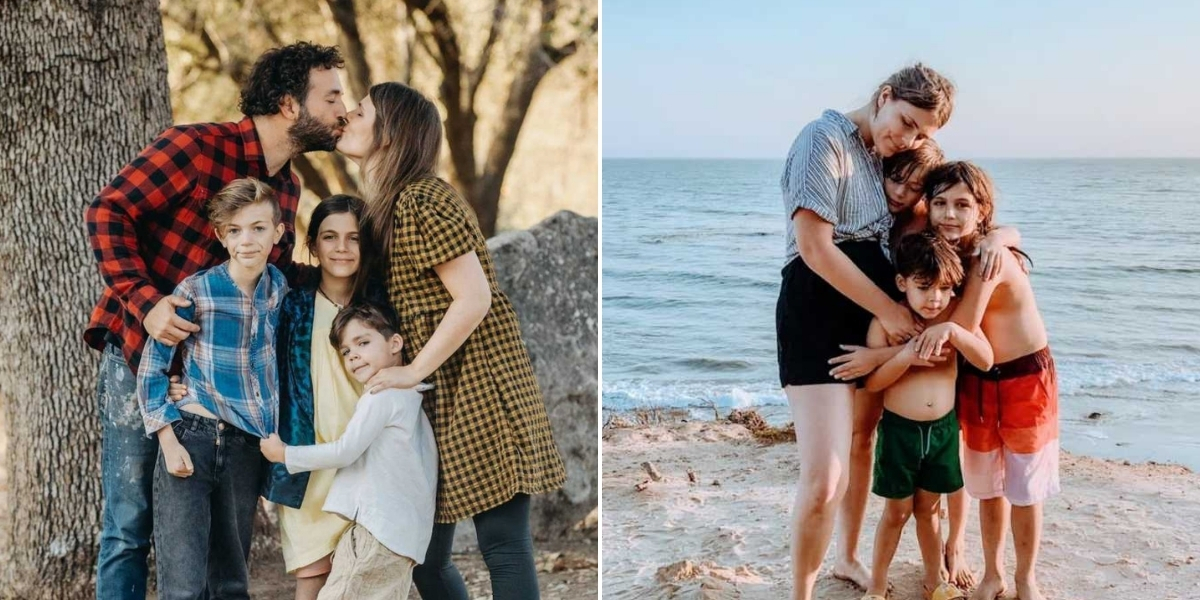
“But I can’t wear a dress, right?” my five-year-old once asked, looking up at me with eyes full of hopeful anticipation. In that instant, I felt the sudden, sobering realization of the tremendous and precious power I held as their parent. They weren’t just asking a question—they were looking to me for acceptance, as all children do, but also for approval. More specifically, they were asking for permission to do something they had always deeply wanted to do. Their question wasn’t a lifelong declaration or a fixed vow about who they would be forever, but I knew my response carried enormous weight. My answer could nurture their confidence—or quietly steal it—robbing them of their sacred right to their own experience, development, and self-discovery.
I met their gaze, spoke straight from my gut, and said simply, “Of course you can wear a dress. Anyone can wear a dress.”
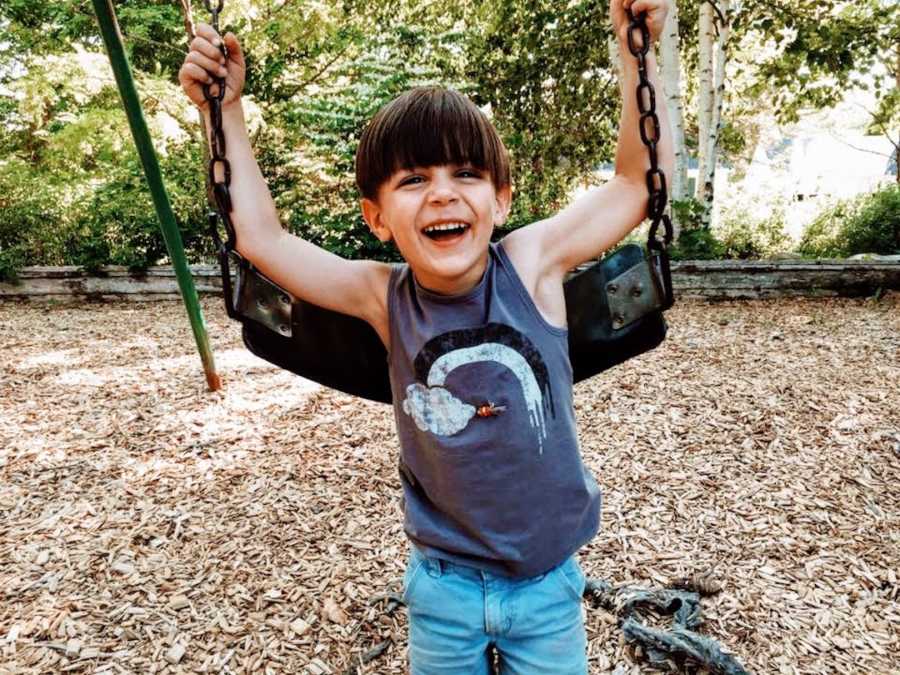
I went into my room, found a pink sundress, and handed it to them, saying, “This is yours now.” They lived in that dress for weeks—taking it off only to sleep. I’m not exaggerating. Soon after, they asked if they could play with my makeup. Their confidence bloomed almost overnight. Truthfully, they had always been fascinated by my makeup. On the rare occasions I wore it, they’d sit close, watching carefully, asking thoughtful questions, and even telling me which shades they liked best. So the next time we were at Target, I bought them their own glittery kids’ eyeshadow. They immediately began experimenting—messy, joyful, unapologetic—and then ran straight outside, spinning in their dress until they fell over laughing in the grass.
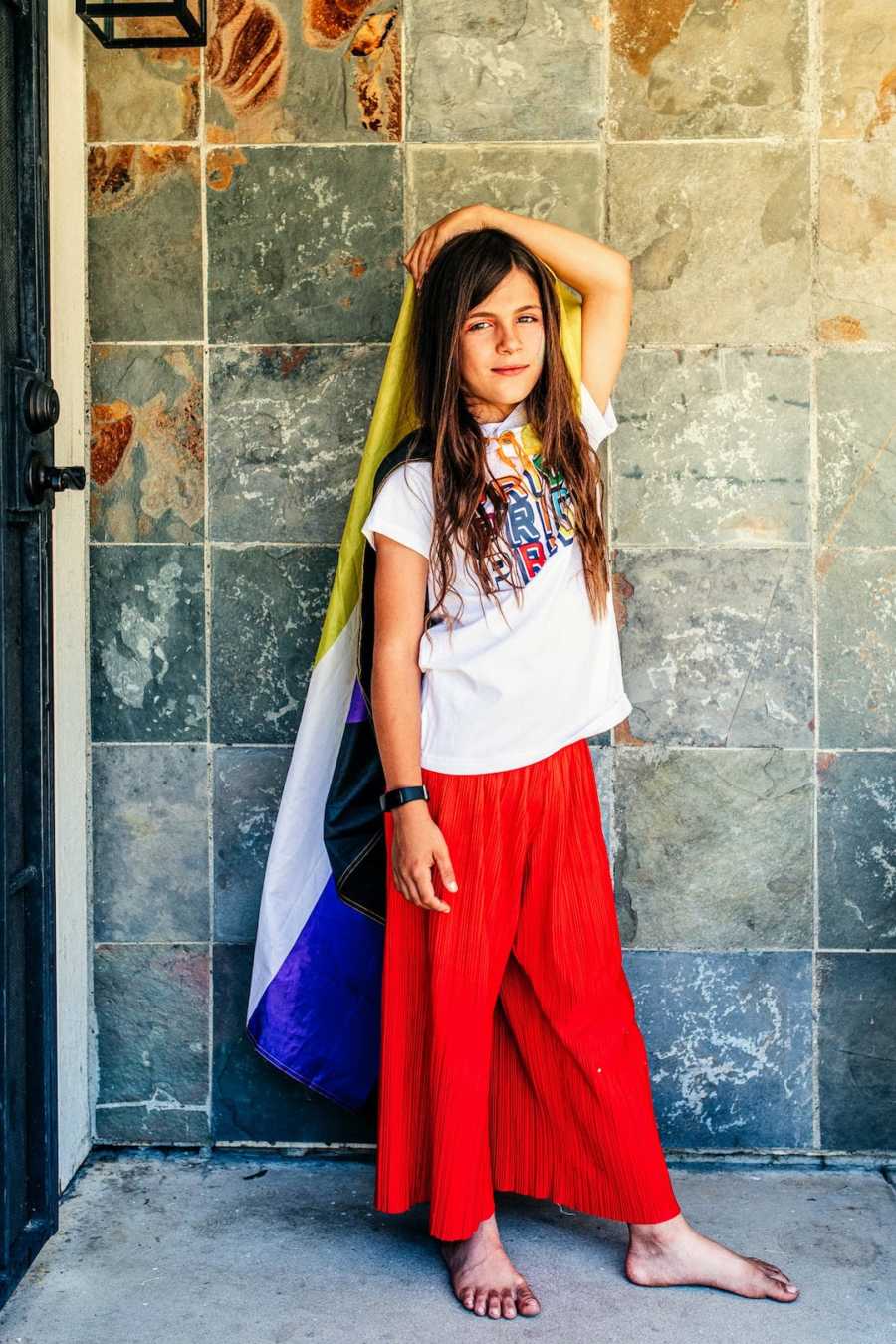
My husband and I watched in awe. We were fascinated, curious, and quietly holding space for everything we didn’t yet understand but knew we soon would. At first, we kept most of it to ourselves. We didn’t have the language yet—we didn’t know what non-binary meant or that pronouns could exist beyond “the binary.” We just knew we had a child who loved dresses and makeup, and we were determined not to extinguish the joy shining so brightly in them. They didn’t wear dresses all the time, but we sensed their desire to be more public about it. This wasn’t simply dress-up play. They were identifying with it. They wanted the world to know who they were—someone who loved dresses and makeup just as much as athletic wins and artistic creations.
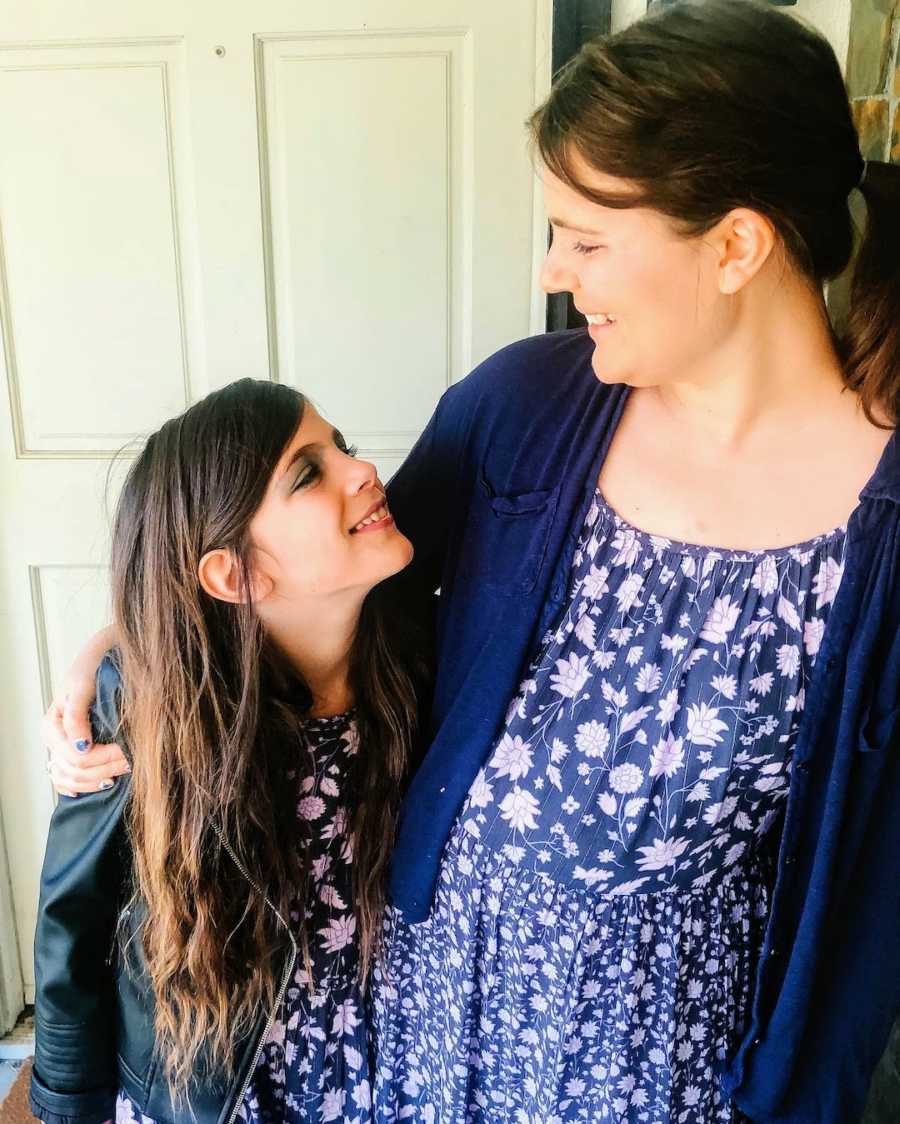
Around that time, Queer Eye was released on Netflix. As we watched the reboot, we were introduced to the incomparable Jonathan Van Ness. I noticed my child staring at the screen in quiet wonder—seeing a joyful, confident, dress-wearing, binary-defying person reflected back at them. In that moment, it became overwhelmingly clear just how vital visibility and representation are for non-binary youth. When you feel completely alone in your school or community, seeing yourself represented can feel like an oasis. That realization compelled us to begin sharing aspects of our child’s life—their hobbies, passions, and joys—without censoring their non-binaryness.
We always asked our child for permission before sharing anything. This was their story, their experience, and their desire to help other kids feel less alone. They wanted to show the world how normal and healthy it is to explore gender and creative expression, even at a young age. I felt the weight of that responsibility deeply, especially given how young they were.
Not long after, they came to me in the kitchen and whispered, “Mommy? I think I want to start using both they/them and he/him pronouns.” Once again, I felt the gravity of the moment. I knew that even a pause could cause harm. So I smiled and said, “Of course.” And just like that, we became a family with two boys and one sometimes-boy, sometimes-neither—and it felt right.
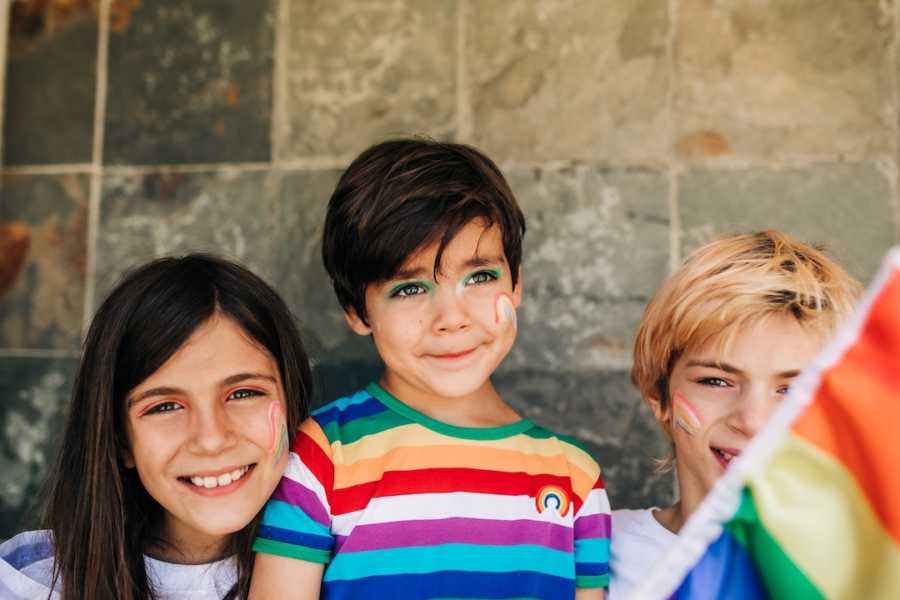
They chose not to cut their long hair, continued experimenting with makeup, and often preferred shopping in the “girls’” section. We embraced it fully. It became our new normal. Along with it came questions from peers, assumptions about gender, and a few painful experiences better left unspoken. Pushback arrived too—especially from my own parents, who struggled to accept the long hair, let alone the dresses and makeup. Communication slowly eroded and eventually stopped altogether. Though this still stings, I have never once doubted my child’s understanding of themself.
Around this same period, we discovered She-Ra and the Princess of Power, created by Noelle Stevenson. The character Double Trouble—mischievous, brilliant, and clearly non-binary—brought our child immense joy. Entering that colorful fantasy world gave them a sense of belonging. Children are drawn to stories because they are always searching for themselves within them.
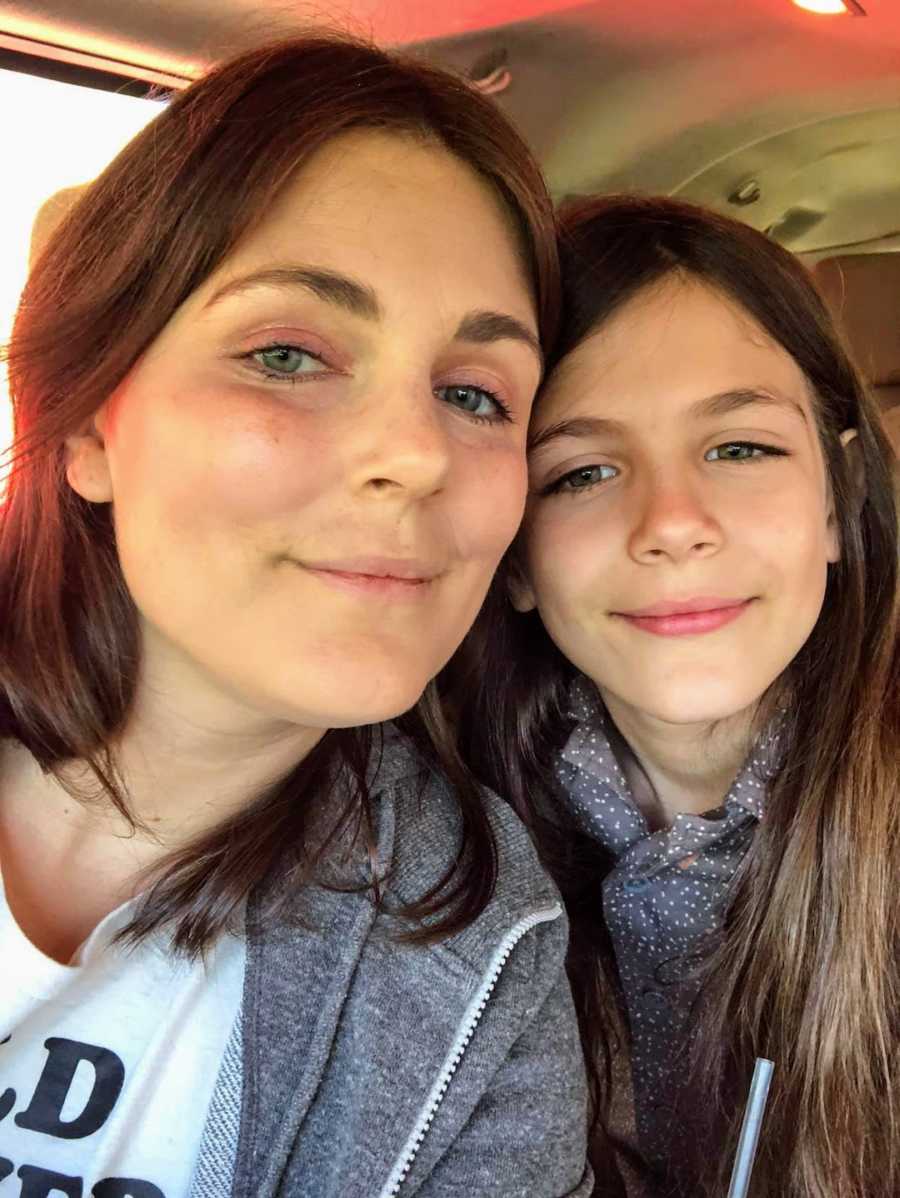
Representation matters. With the rise of anti-trans legislation targeting youth, it matters now more than ever. Representation doesn’t just help kids feel seen—it restores truth. LGBTQIA+ people have always existed, in every sphere of life. Their stories deserve to be included in art, science, medicine, and education. When representation is intentional and visible, it becomes harder to deny existence and easier to cultivate acceptance.
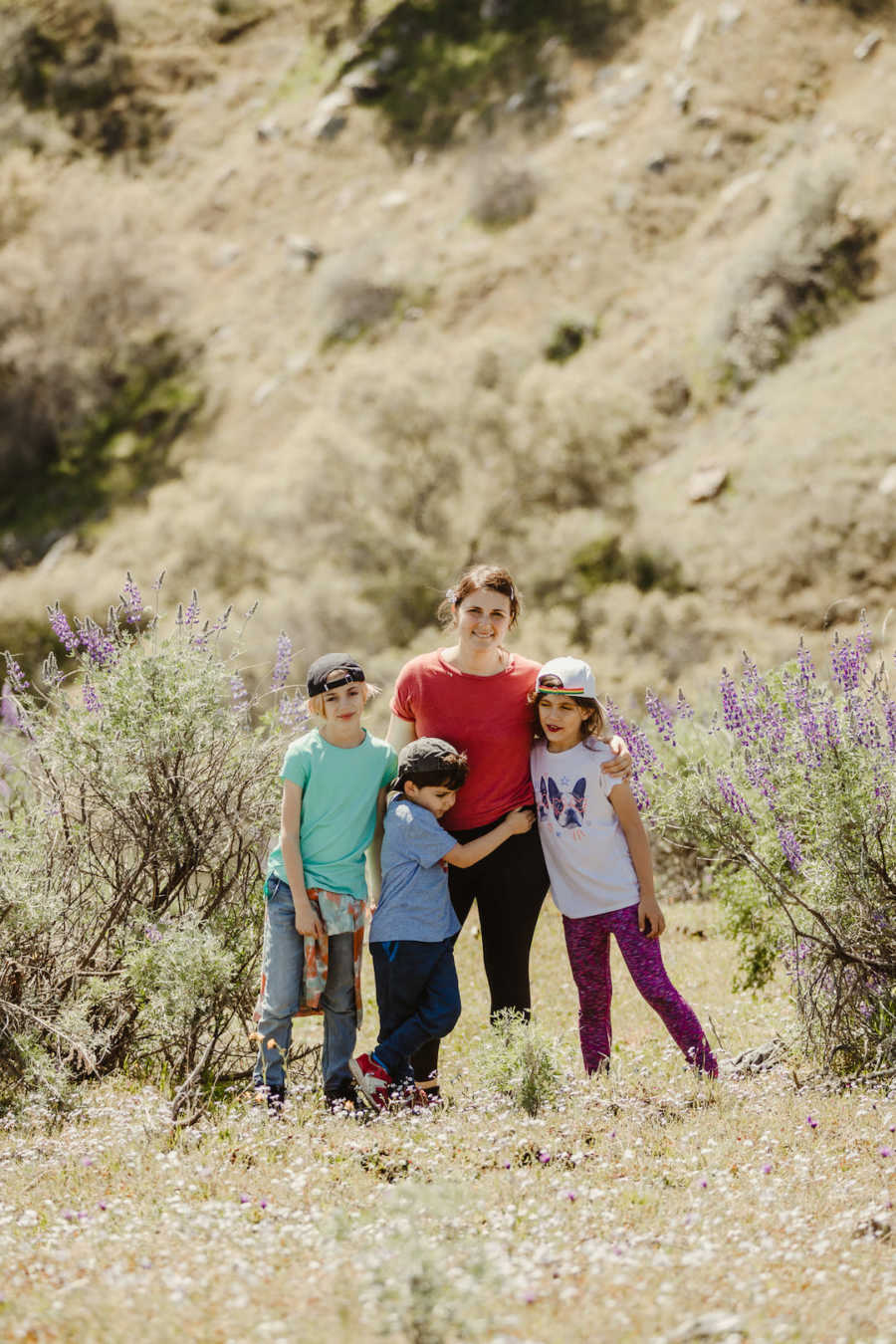
I witnessed this shift in my own life. As I moved through—and eventually out of—religious spaces, my views on the LGBTQIA+ community evolved rapidly with increased exposure. Visibility and acceptance are deeply connected. When parents ask how to be better allies, I always encourage seeking out diverse representation. When children see variety early on, it opens the door for meaningful conversations about gender and identity. Allowing kids the freedom to explore—without hiding it—brings representation directly into spaces where fear often comes from misunderstanding.
Joyful, everyday representation closes the gap othering creates. In our own lives, not everyone has been accepting. Some friends and family still struggle with pronouns or even acknowledging our child’s non-binary identity. Because of this, we’ve learned to navigate the difference between acceptance and safety.
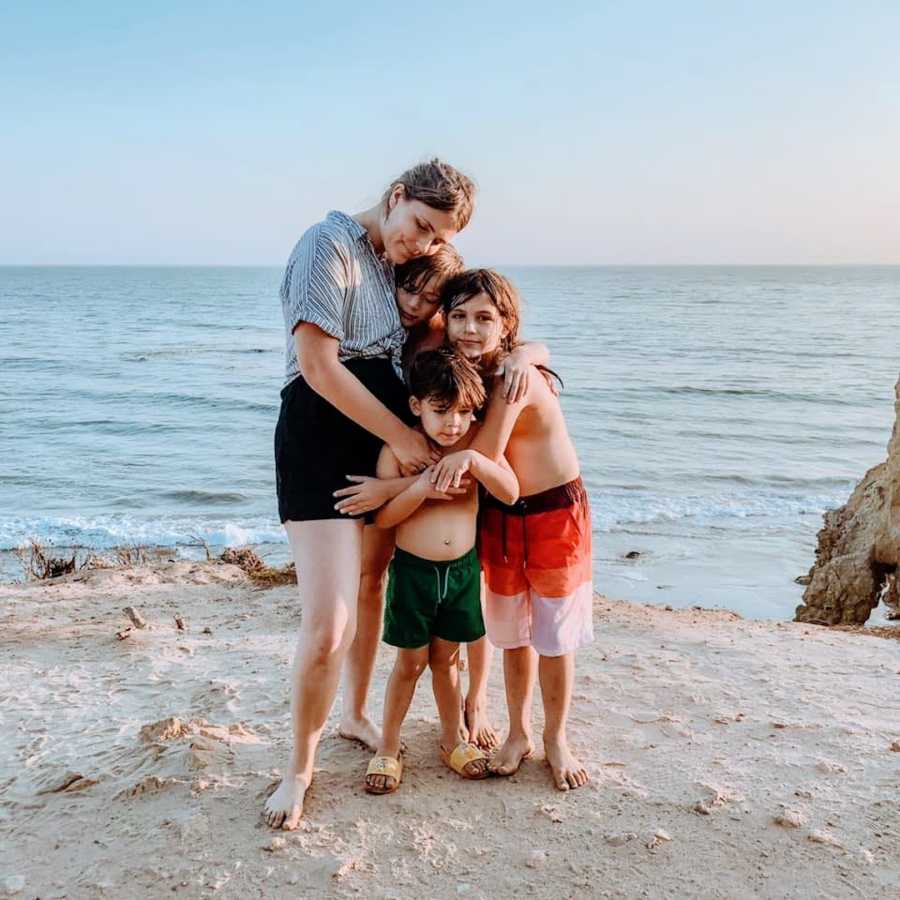
We tell our child, “It’s okay if not everyone understands you. Questions and confusion are okay. But you always deserve to feel safe.” Sadly, some family members have proven they are not.
Accepting our children has never been difficult. Accepting our families’ lack of acceptance has been far harder. Recently, at our child’s request, we publicly shared their they/them pronouns in honor of Pride Month. While we’ve always been open, we follow their lead on visibility. When most family members didn’t respond at all, the silence was deafening—and our child noticed.
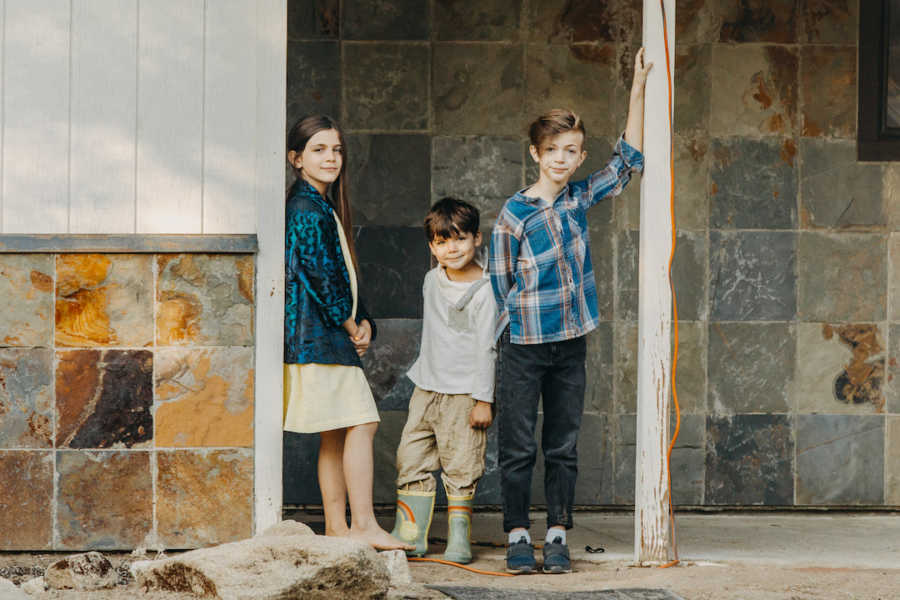
My child is a whole person. Their gender identity isn’t a separate piece—it’s woven into who they are. I’m profoundly grateful that leaving religion coincided with their coming out. I shudder to imagine the harm we might have caused had we needed to wrestle with beliefs while our child stood beside us, simply wanting to be seen.
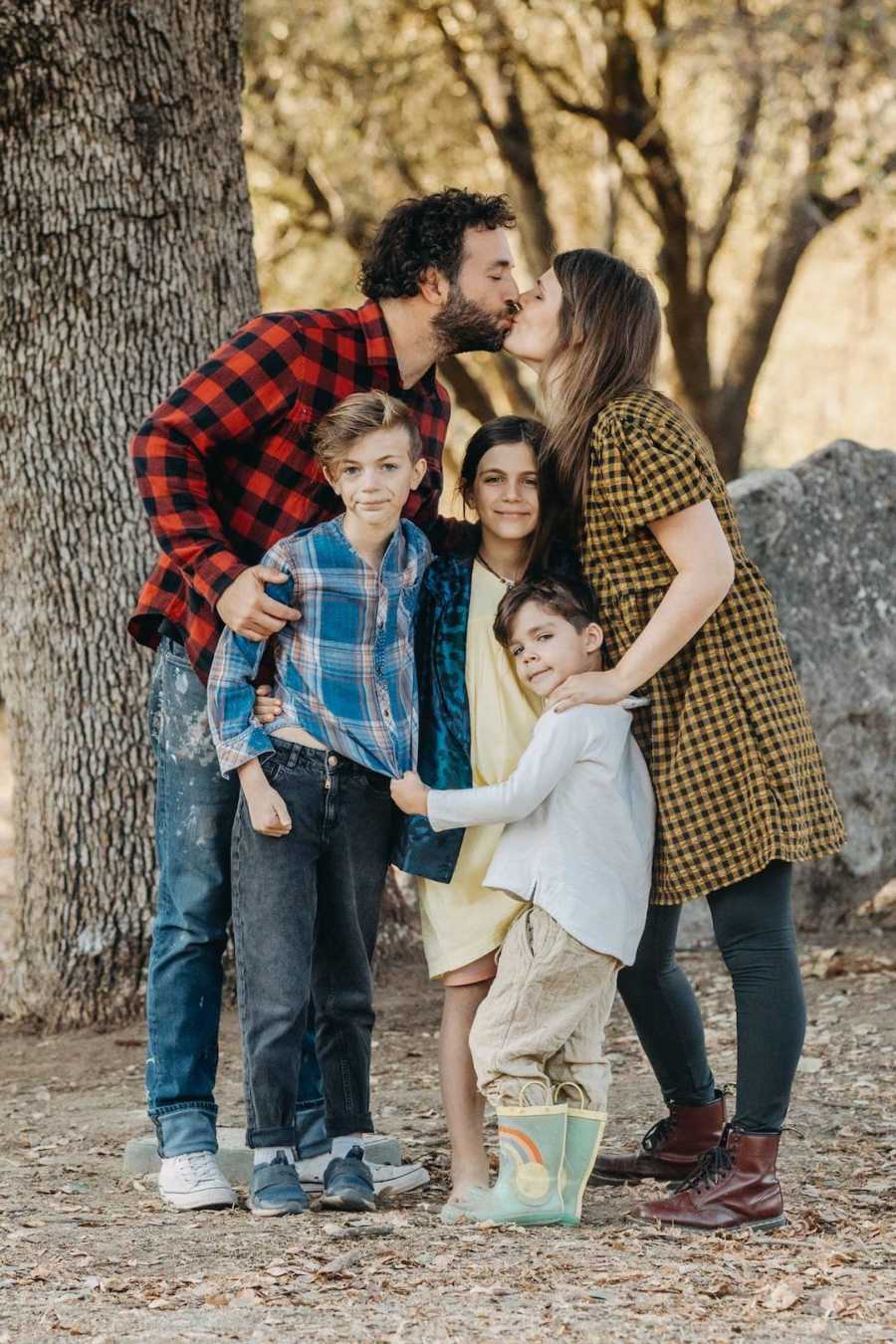
We are their safe place. My husband, our other children, and I have built a fortress of love around them. And as the world grows more complex—through adolescence and adulthood—they will always have a place to return to. No matter how they express themselves or who they become, they will always belong.