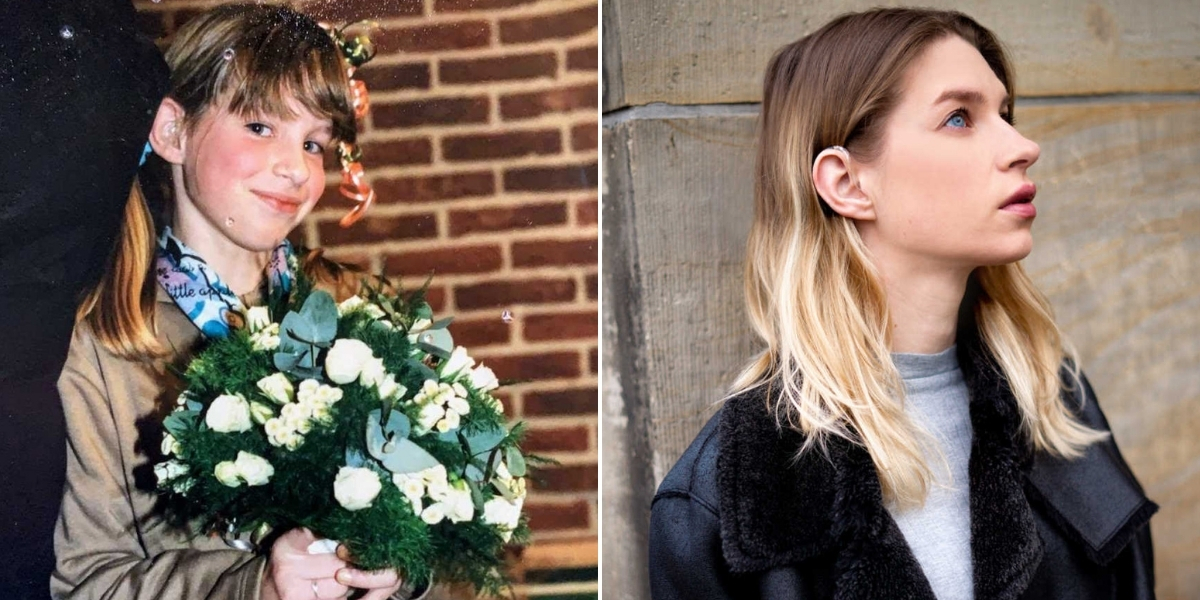
What is it about our society that we still hold unwritten rules about how a person should fit in? Why do we often talk to the attendant of a person in a wheelchair instead of speaking to them directly? Why do we give strange looks to someone with a scar on their face, or a limp in their walk? Why do we question someone’s intelligence or abilities simply because they are different from us? I wish more than anything that this would change. I wish people could look past appearances and realize that, underneath it all, we are all human—experiencing the same struggles, the same pain, and the same need for love in a world that can often feel cruel and unkind.
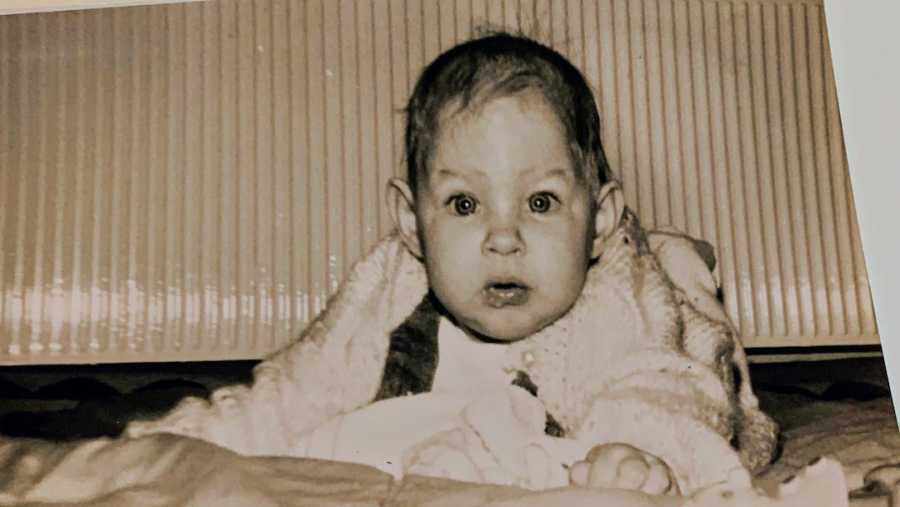
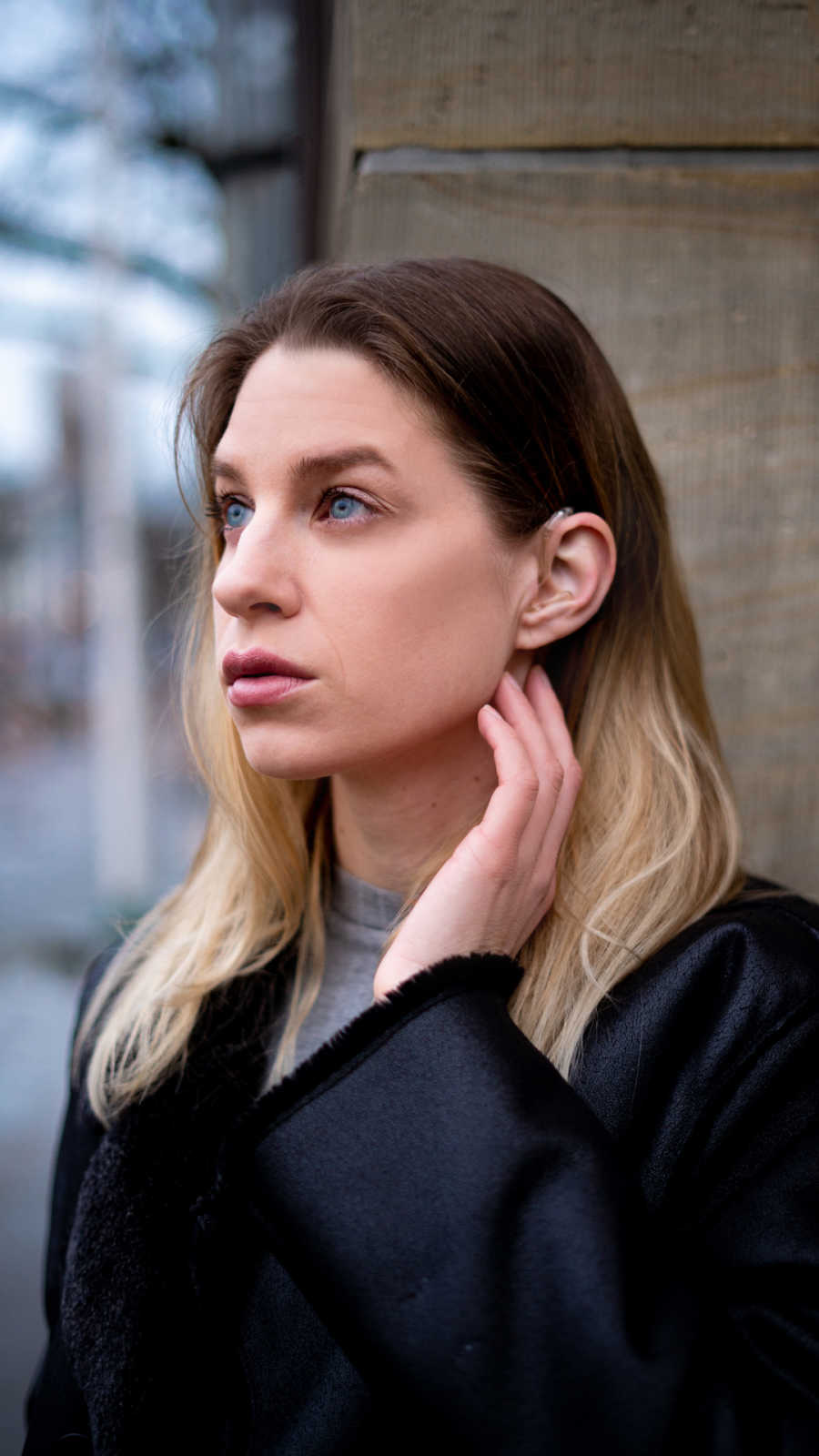
I am one of those people who constantly faces prejudices. I am one of those people who must prove, every single day, that these prejudices are wrong. I am one of those people who has had to adapt continuously throughout life while living with a disability. I am the only one among my family, friends, and coworkers with profound hearing loss—close to being fully deaf. Navigating a hearing world as a deaf person is a challenge I have worked incredibly hard to manage, and I am proud of what I have achieved. Yet, over the years, I have grown exhausted from constantly having to adapt. I’ve realized that needing to adapt all the time is not natural—it shouldn’t be a requirement. Yes, adaptability can get you ahead, but the more I tried to mold myself to fit the hearing world, the more I lost track of who I truly am and what I truly need.
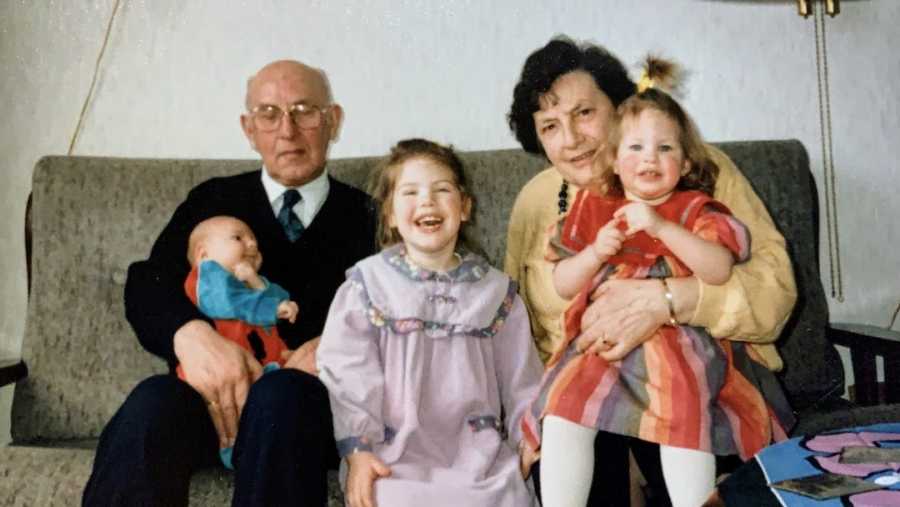
I was born the third child in a family of four, to loving and devoted parents. My birth was complicated, and it wasn’t long before my parents discovered that I had progressive hearing loss—identified when I was just nine months old. My mother often recalls how I was a very quiet baby who rarely cried, even when I was hungry. She remembers thinking, “You barely ever cried. There were times I didn’t even realize it was time for you to eat! I felt terrible.” We later understood that my silence wasn’t stubbornness—it was because my hearing loss prevented me from realizing crying was a way to get attention, a fundamental survival instinct for babies.
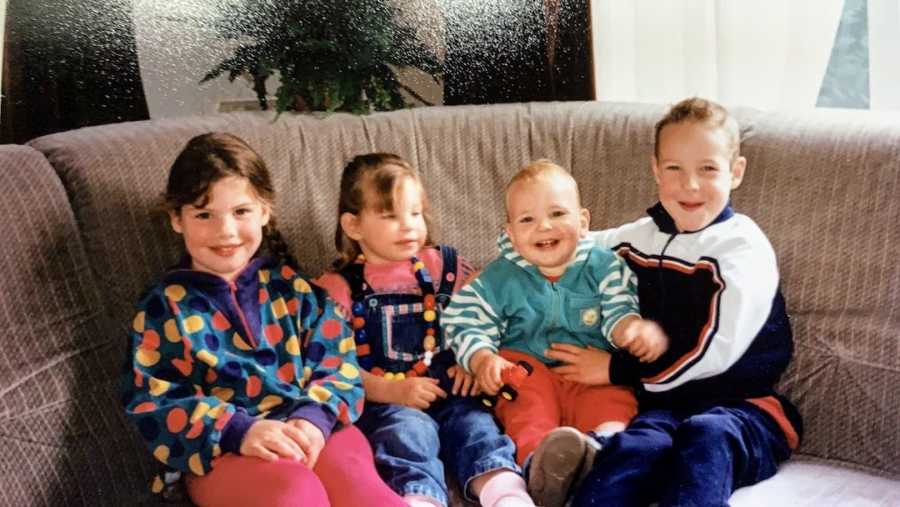
My hearing loss has worsened over the years. For a long time, it was believed my left ear was completely deaf, and my right ear had severe hearing loss. Until I was eight, I only had a hearing aid in my right ear. Later, as technology improved, it became clear that I could perceive a little sound in my left ear as well. My hearing deteriorated further at ages eleven, fourteen, and fifteen. Today, I am at a point where a cochlear implant might be my next step. Medically, I am deaf, but practically, I am a person with profound hearing loss, still able to perceive some sound.
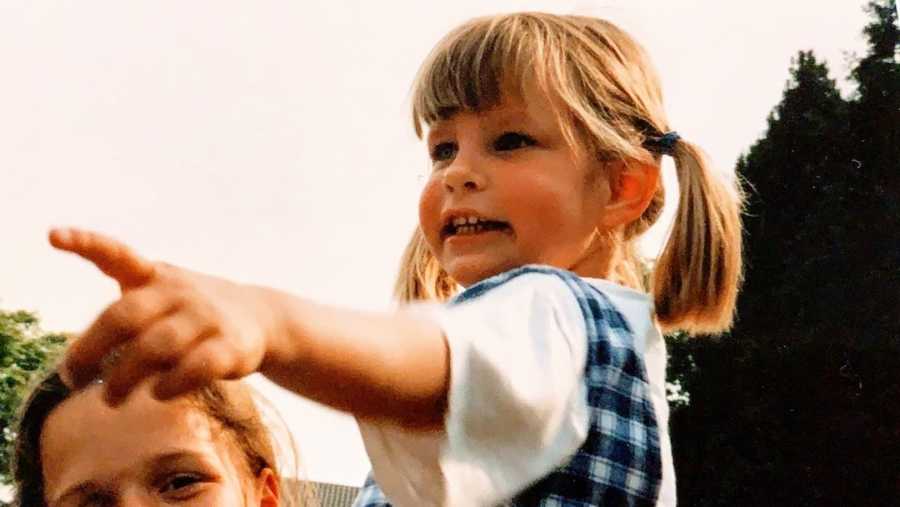
From the moment my parents discovered my hearing loss, they tirelessly sought every solution to support my growth. At just two years old, I started speech therapy—a rare approach 27 years ago. My parents wanted to stimulate my language development, and I remain deeply grateful for their foresight. I received my first hearing aid at three and a half. I remember my first words after putting it on: “Momma, can you hear me now?!” As a small child, I didn’t understand why it was so important to hear myself—I only knew that it mattered to my mom.
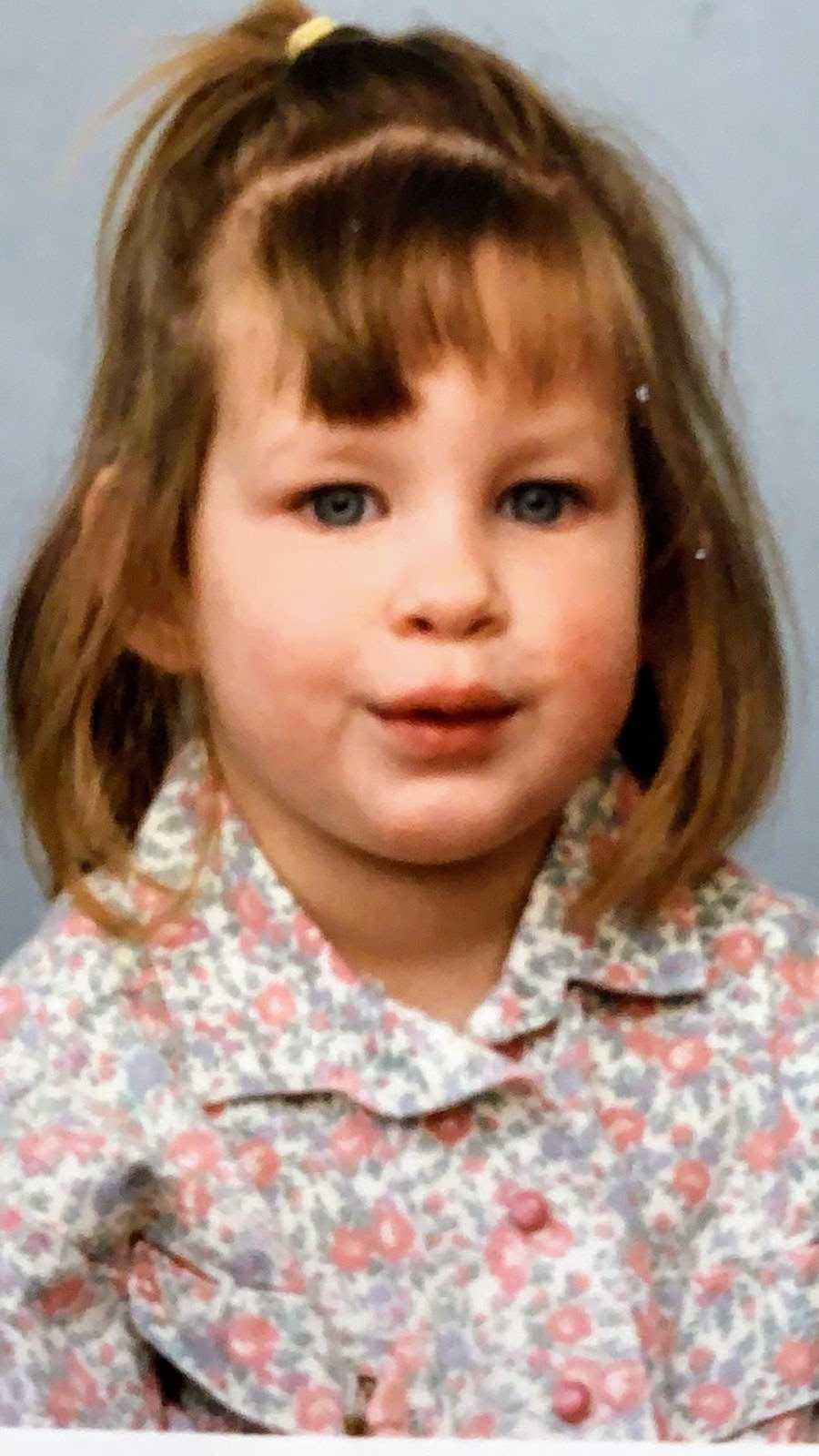
To nurture my social development, my parents enrolled me in daycare as a toddler, while my siblings stayed home. Mainstream daycare proved overwhelming, so I moved to a medical daycare better suited for children with hearing loss. At age four, I attended a school for deaf children in a city far from home, traveling each day in a private taxi. My first driver, an elderly man, was kind. Later, a woman driver taught me how to pronounce the “R” sound using the car mirror while I sat in the back seat. These small, extraordinary moments shaped my early years.
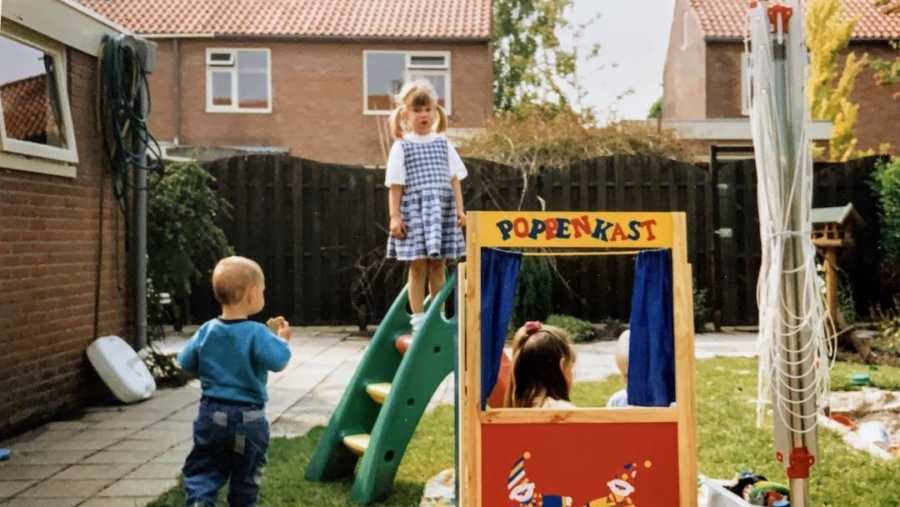
At age eight, Dutch government policies shifted, encouraging children who could manage in mainstream schools to do so. I returned to my hometown and enrolled in a regular primary school, once again becoming the only child with profound hearing loss in my class. I remember other kids being excited: “We get a deaf kid in our class!”
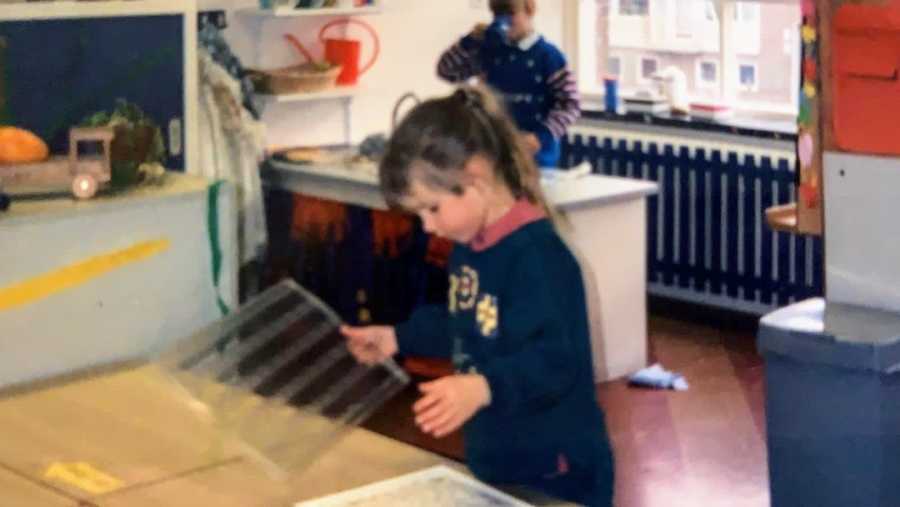
Throughout primary and high school, I had an ambulatory attendant who monitored my development and supported my needs. Teachers used amplifying microphones connected to my hearing aids—bulky tools that set me apart. Technology gradually improved, but sometimes teachers forgot to turn the microphones off. I could overhear everything—classroom gossip, disciplinary conversations—an experience that was both amusing and surreal.
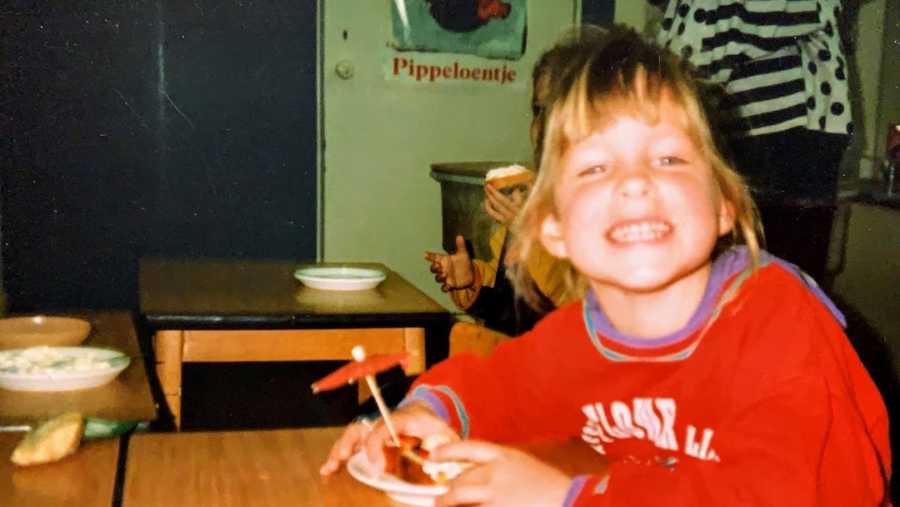
Despite my hearing loss, I was a loud, cheerful child. I insisted on participating in the choir alongside my siblings, singing even out of tune. I immersed myself in the joy of performing, oblivious to my limitations. Awareness of being different came gradually, often through the cruelty of other children. Some whispered behind my back, mocked me, or imitated my deafness. Those moments introduced me to the harsher realities of the world, and I began to feel uncomfortable in my own skin.
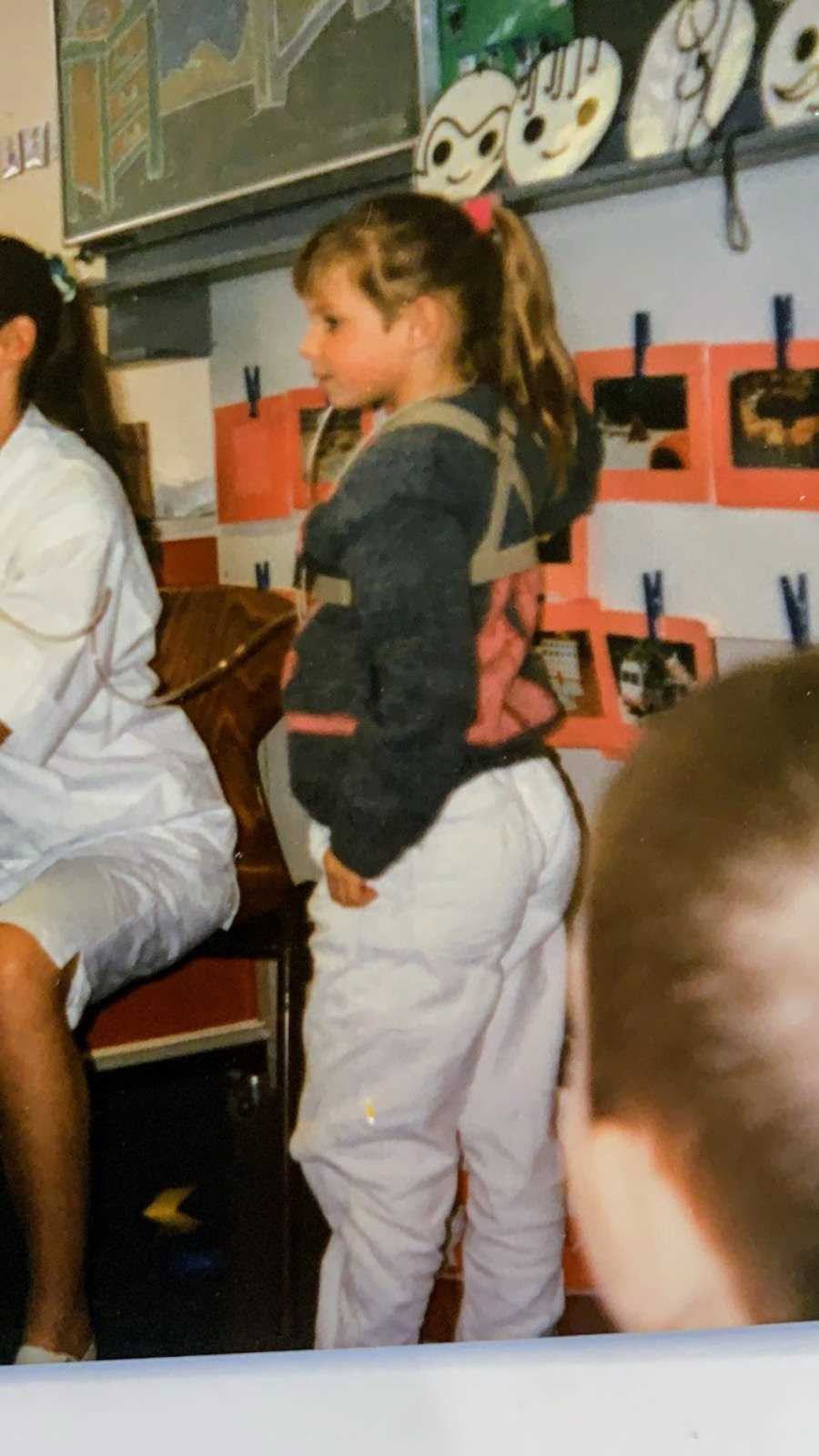
Fortunately, the bullying was limited, and I learned to stand up for myself. But I also learned to hide my hearing loss, to try to fit in at any cost. In retrospect, this coping mechanism came at the expense of my own needs and self-acceptance. Years of pushing myself to adapt left me exhausted, and I eventually realized that the hearing world wasn’t the only place I could belong—the deaf world also existed, with resources and understanding I had long overlooked.
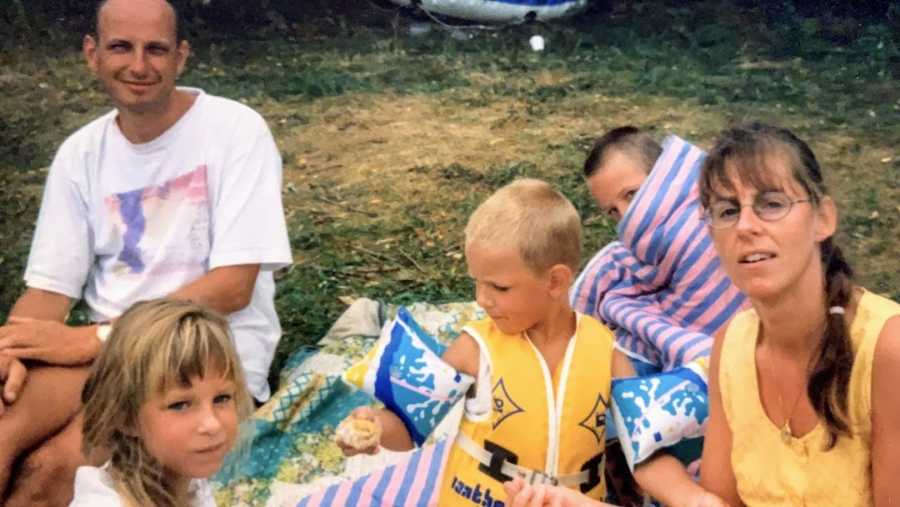
I earned a bachelor’s degree in social work, though it took longer than it did for my peers. My academic challenges had little to do with intelligence and everything to do with the energy required to navigate life as a deaf person. Every day demands extra effort—deciphering conversations, remaining aware of surroundings, reading body language, and noticing subtle visual cues. Our eyes become our ears; our vision absorbs everything we might otherwise hear.
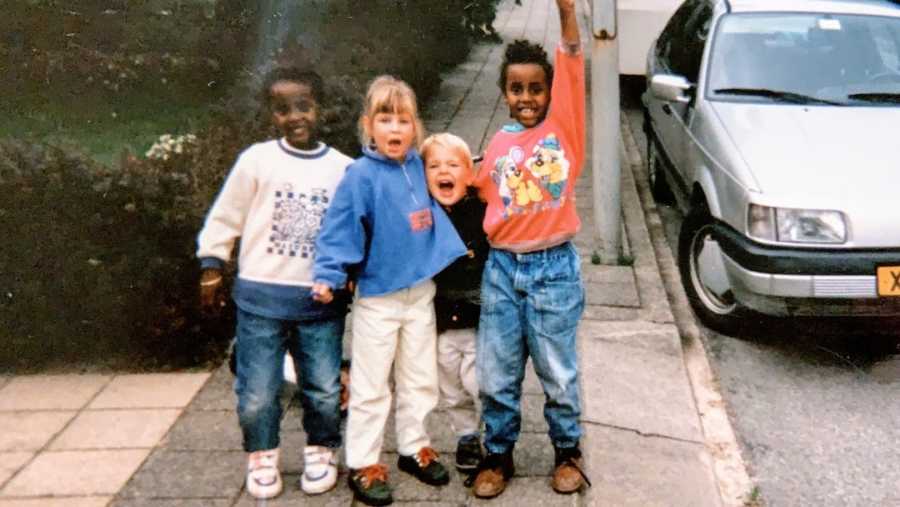
I feel every step someone takes, I read every emotion and non-verbal cue, and I constantly adapt to understand the world around me. This heightened awareness is exhausting, requiring continuous effort without pause—every missed detail could have consequences in a lecture, meeting, or workplace interaction. I have learned to guard my energy, set boundaries, and know when to rest and recharge.
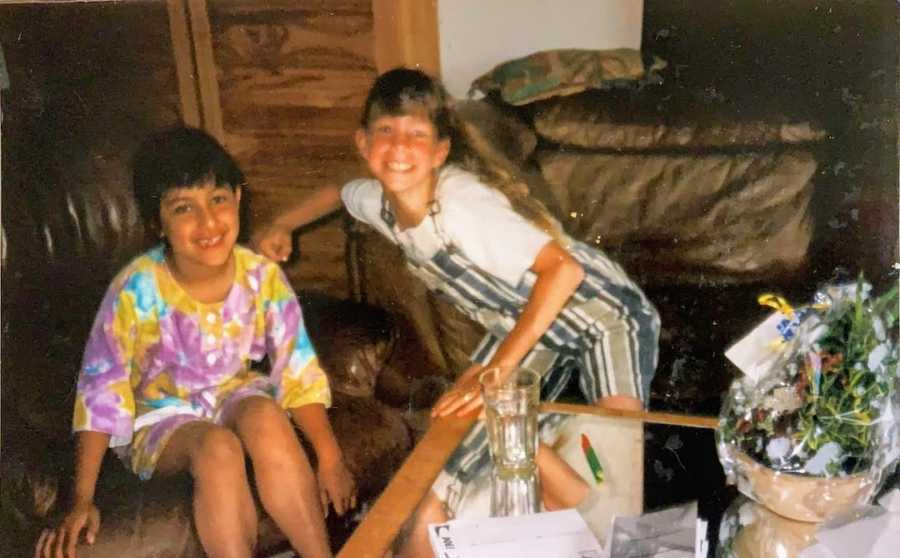
For fifteen years, I have worked in the service industry, beginning as a waitress and now supervising a large, busy deli with catering. People are often surprised to learn that I am deaf. Reactions range from speaking loudly and slowly as if I were incapable, to generous tips accompanied by heartfelt praise. Serving others has been both challenging and rewarding, strengthening my social skills and building my confidence. Combining my professional experience with my social work education has helped me thrive, despite the challenges of navigating a hearing world.

Living with hearing loss has not always been easy. But I have learned to celebrate my achievements, advocate for myself, and embrace the unique perspective my experiences have given me. I am proud of who I am, and I continue to strive toward a world where people are seen not for what makes them different, but for the humanity we all share.