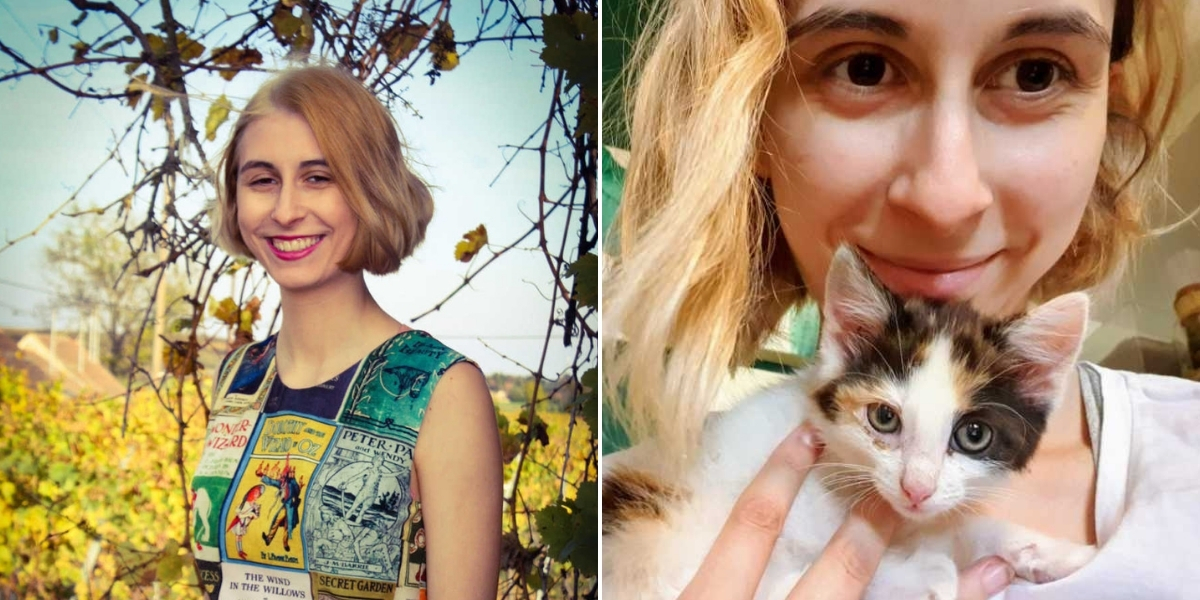
When I look back on my life so far—something I do almost daily—I would describe my story as one of acceptance. Deep down, I always knew I was different, but for most of my life, I tried to ignore it. At home, every behavior was okay as long as it didn’t hurt others. My childhood memories may be softened by time, but one thing is certain: my mother did an incredible job. She couldn’t always answer my endless questions—“Why is the Earth round?” “Why are people evil?” “Why don’t people in the supermarket care about the environment?”—but she gave me a loving, accepting home. That safety net is why the first time I truly felt bothered by being different was in kindergarten. Thankfully, I found my best friend there. She never cared that I stimmed, had strange thoughts, or loved unusual things. She became like a second mother to me. I spent every possible second with her, though that became harder as we grew older.
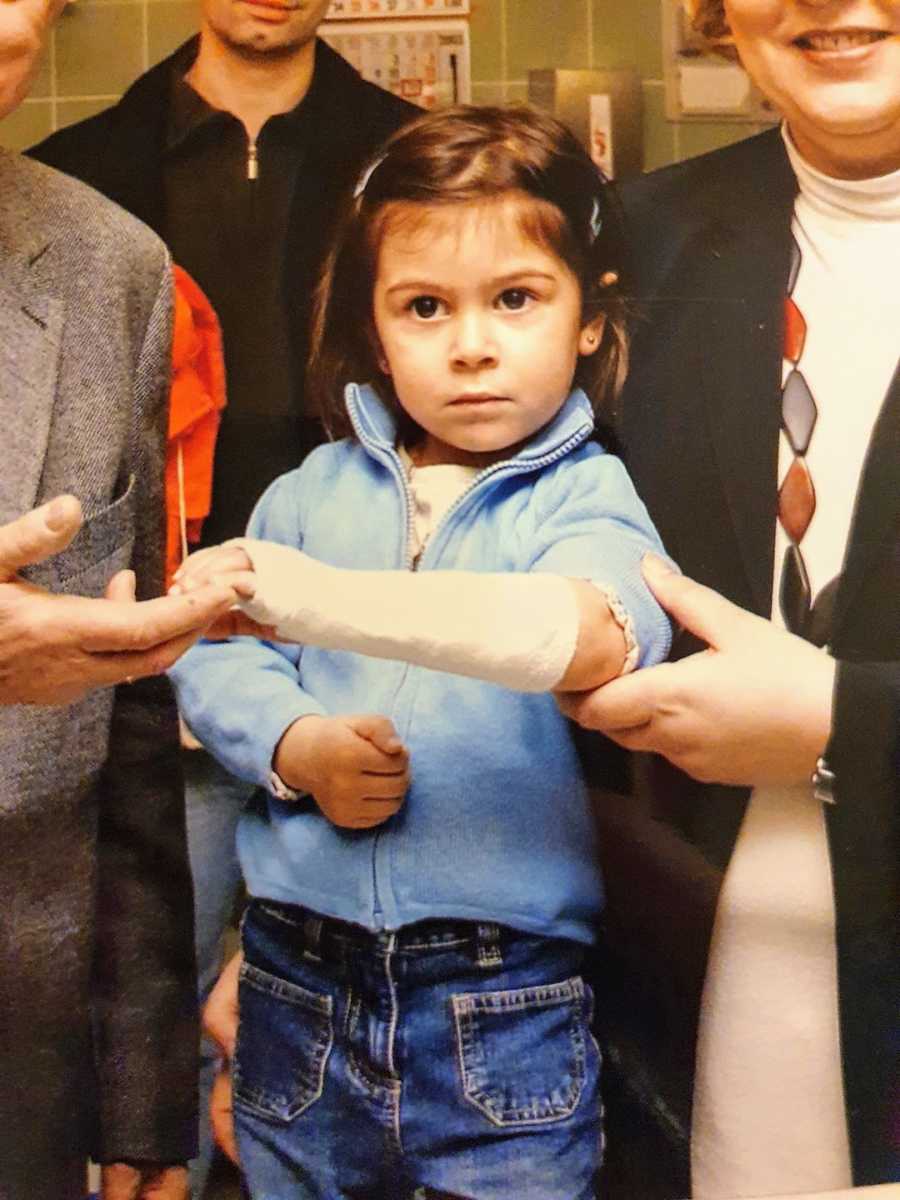
In middle school, she found other friends. I went along with it and tried to become the kid who was always joking. If people laughed, maybe they wouldn’t notice how much I meant it. But the cost was high. The more they laughed at me, the more I hated myself. I noticed I was the weird kid. I noticed the boys ignored me. I noticed when people talked about me. I noticed far more than they realized, because my senses were—and still are—extremely sensitive. And it hurt.
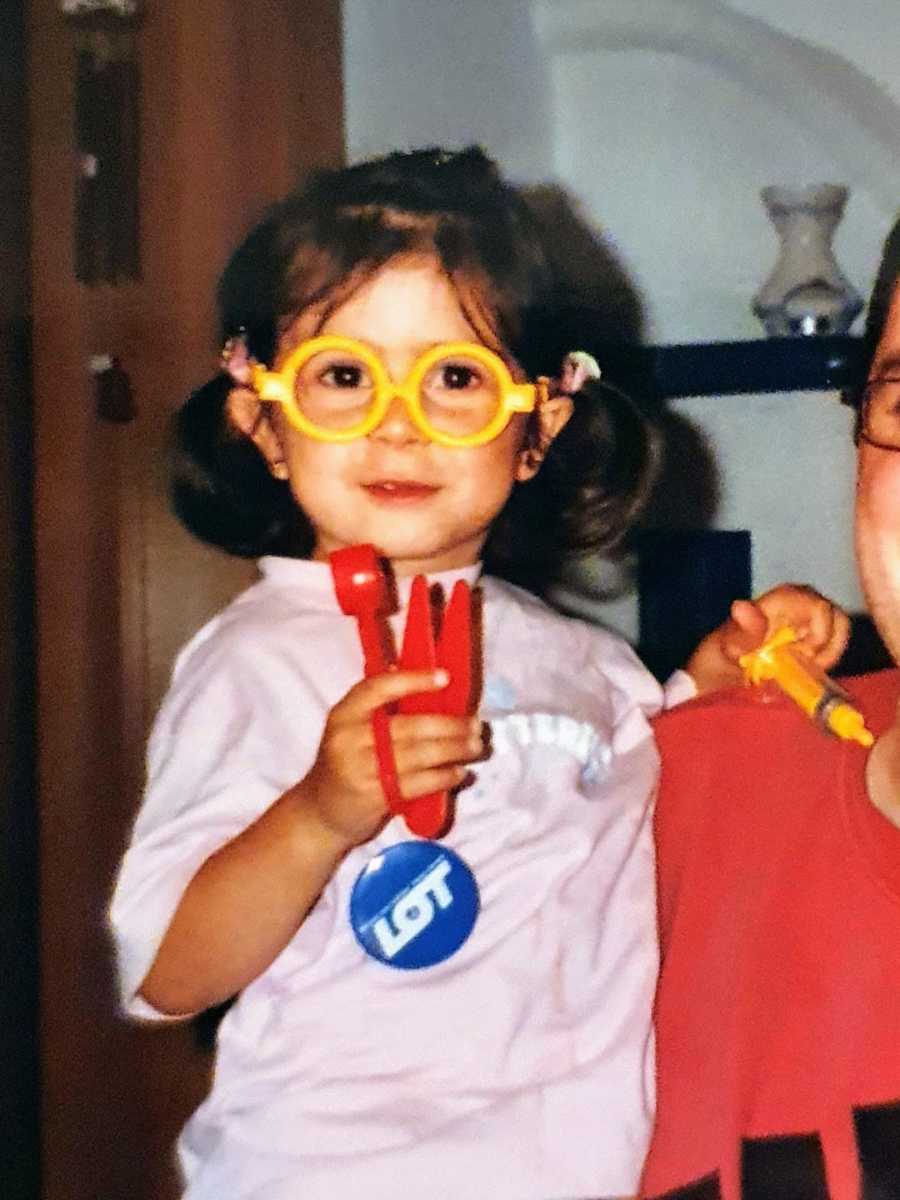
Things changed in high school. In Austria, there’s a four-year general high school and a five-year specialized one for students with specific interests. As an autistic person, I had plenty of those. I had wanted to become a doctor for as long as I could remember, and art had always been a part of my life—I essentially taught myself everything about it. I didn’t feel I needed help in art, but I desperately wanted to focus on science. So I chose the five-year specialized high school, while my best friend switched to a regular one.
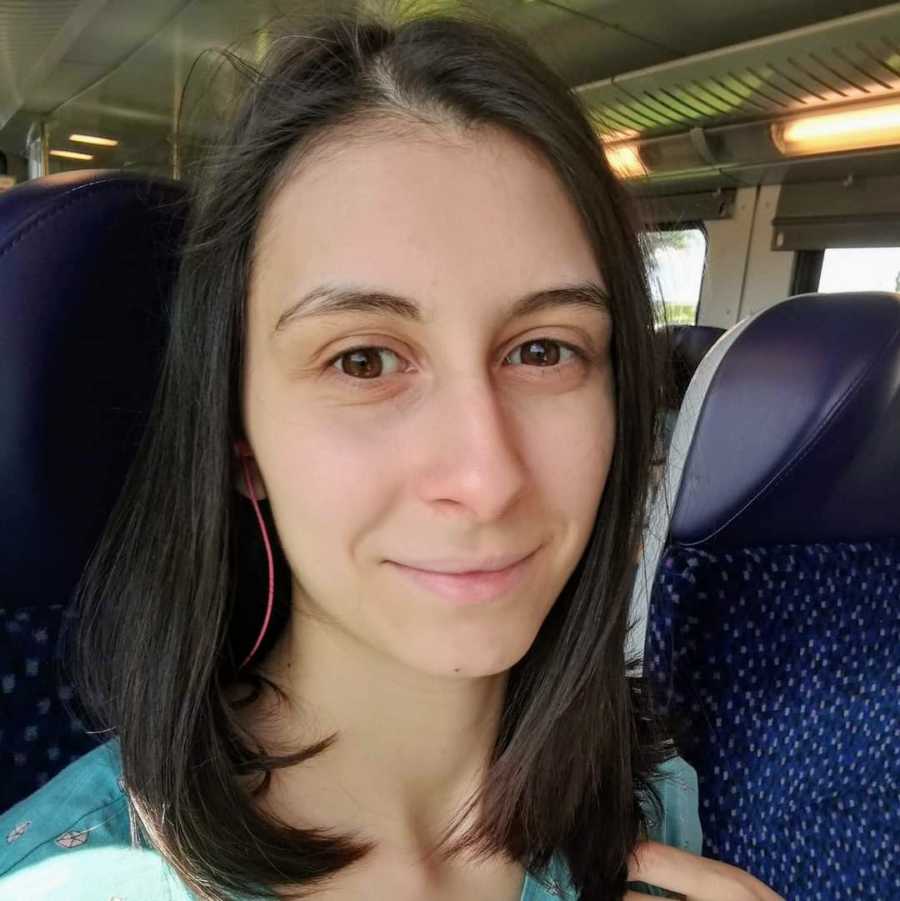
I always admired how effortlessly life seemed to work for her. How could she just have sleepovers? How could she make new friends as if it were nothing? I wanted to be like her. I wanted to be liked. That desire is why, from kindergarten onward, I became an expert at masking. Masking is something many autistic people do to survive in society, and it is incredibly draining. It’s like being an actor all day long. You observe others who seem successful socially and copy their posture, tone of voice, facial expressions—even the way they move. None of this comes naturally to us. For me, moving my face for expressions feels like overdoing it, like making exaggerated grimaces to make a baby laugh.
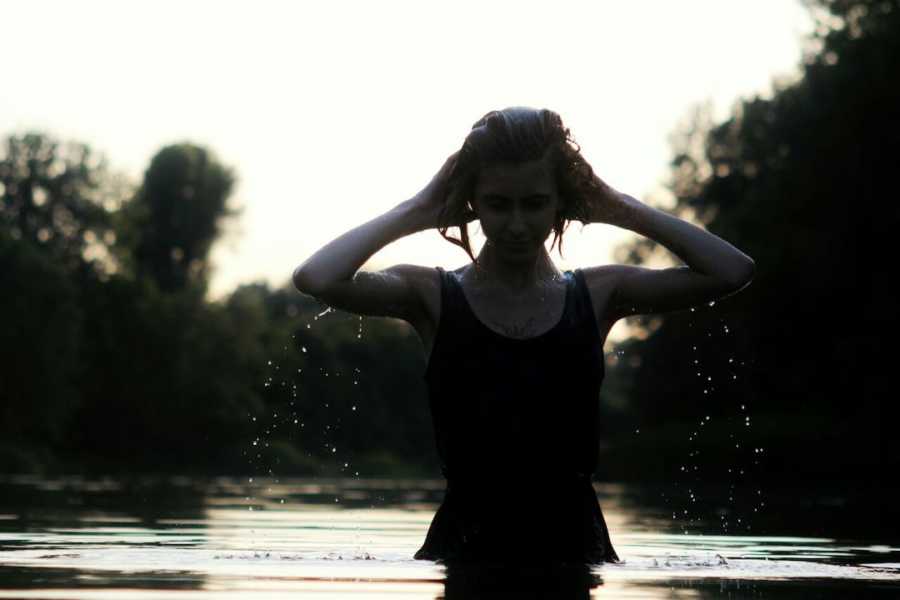
When we don’t mask, people call us machines, say we lack empathy, or label us “weird.” They notice our differences—and we notice them noticing. It hurts, because all we want is acceptance. So we mask, even when it leaves us completely empty at the end of the day. Even when it pushes us toward burnout. I can’t speak for all autistic people, but this was my reality. Masking drained me deeply, especially once I could no longer hide behind my best friend. In middle school, the price I paid showed up as stomach aches, sadness, and a growing fear of school. Later, without her by my side at all, the cost became far heavier: I developed an anxiety disorder and depression.
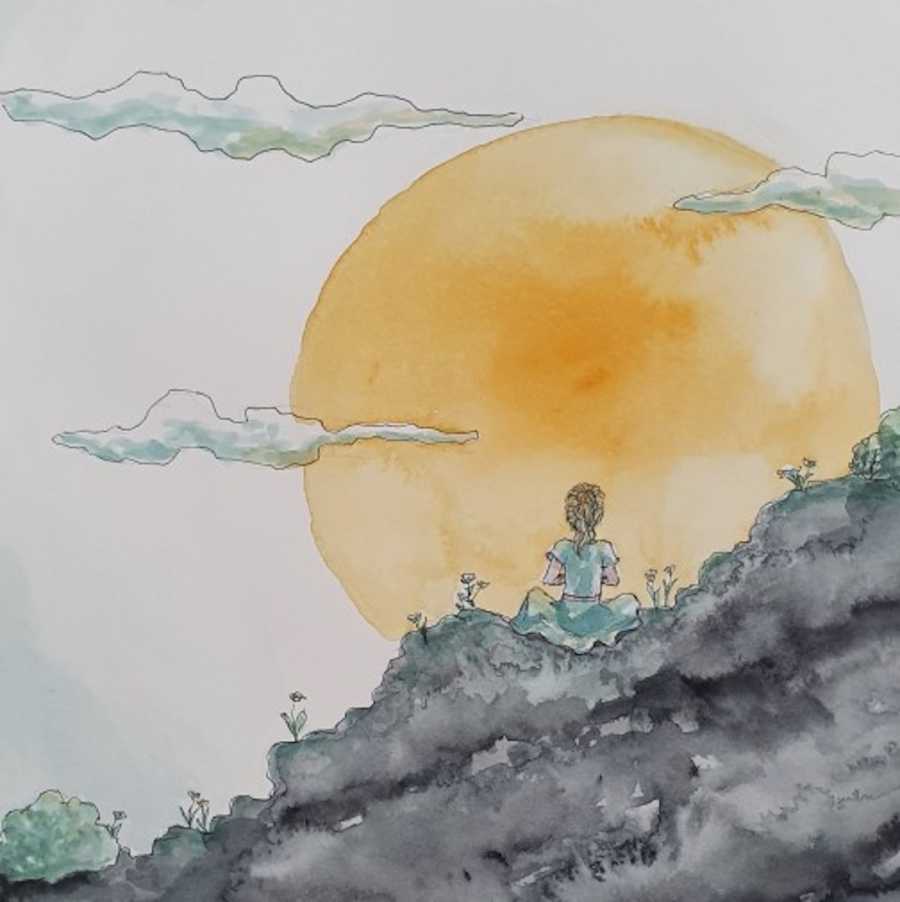
By my second year of high school, things were so bad I could no longer attend school. I couldn’t get out of bed. My fear of death, of losing the people I loved, and of life itself weakened me until I felt completely powerless. I begged for help. My mom and I went to every professional we could find. Imagine lying in bed at night, feeling as though death is seconds away—yet not wanting to die. Wanting to run, but knowing you can’t. My brain didn’t know how to cope. Instead of short panic attacks, it locked me into a constant state of panic that lasted until exhaustion forced me to sleep. I fought this battle every day, even though it was impossible to win.
I thought things couldn’t get worse. I was wrong. I ended up in a psychiatric hospital. No one there considered autism. I stayed for over a month and was told, implicitly and explicitly, that the treatments would work if only I tried harder. I believed them, because they had authority and were supposed to be my help. After leaving the hospital, things improved slightly. I found a therapist who didn’t use power over me, someone calm and genuinely supportive. She introduced me to group therapy, which showed me I wasn’t alone. It helped—mostly. There was still a quiet voice inside me saying something wasn’t right, but I suppressed it. That worked for a long time. I also turned more deeply to art, using it to express how lost I felt and to bring happiness to others.
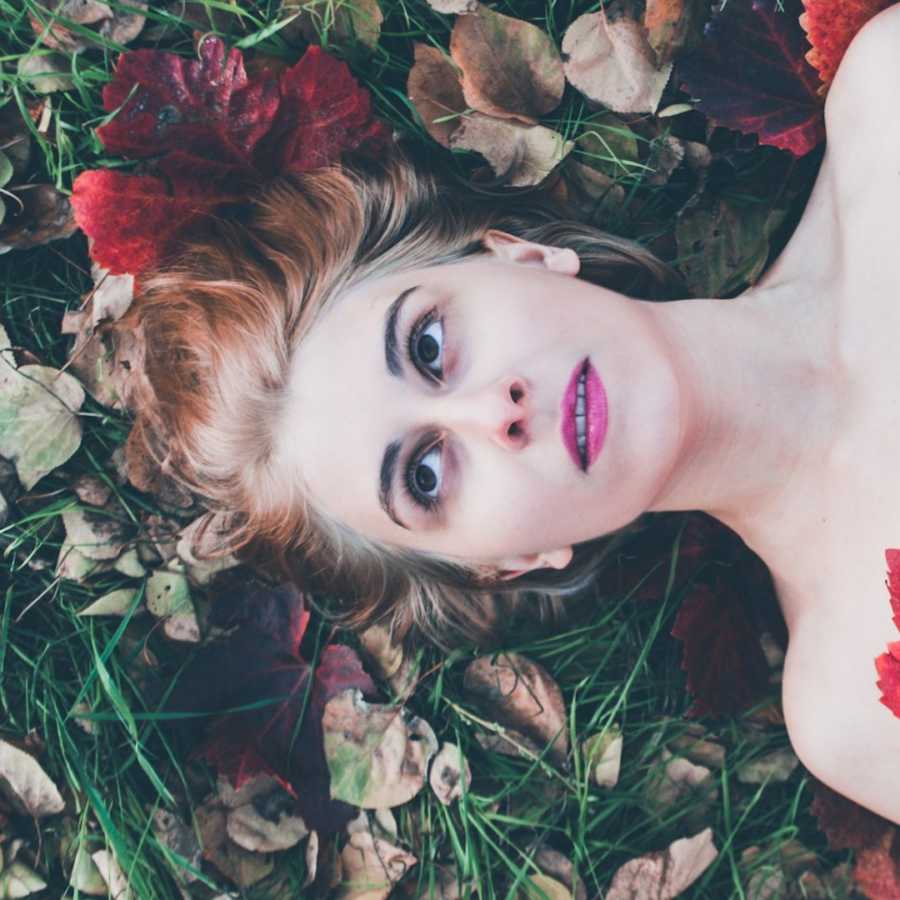
I never wanted anyone—not even the worst person alive—to feel the way I had. Art and my dream of becoming a doctor, of helping and protecting others, carried me through the remaining school years. I found friends whose anxieties I absorbed, people I let lean on me completely, sometimes even using authority over me to heal their own trauma. I am hyper-empathetic, another autistic trait, which meant I felt their pain as my own—on top of mine. I hid myself, let myself be used, and pushed through an exhausting academic schedule: eight-hour lab days, eleven-hour school days, weekly exams. As draining as it was, it distracted me from the storm of fear and self-hatred growing inside my chest.
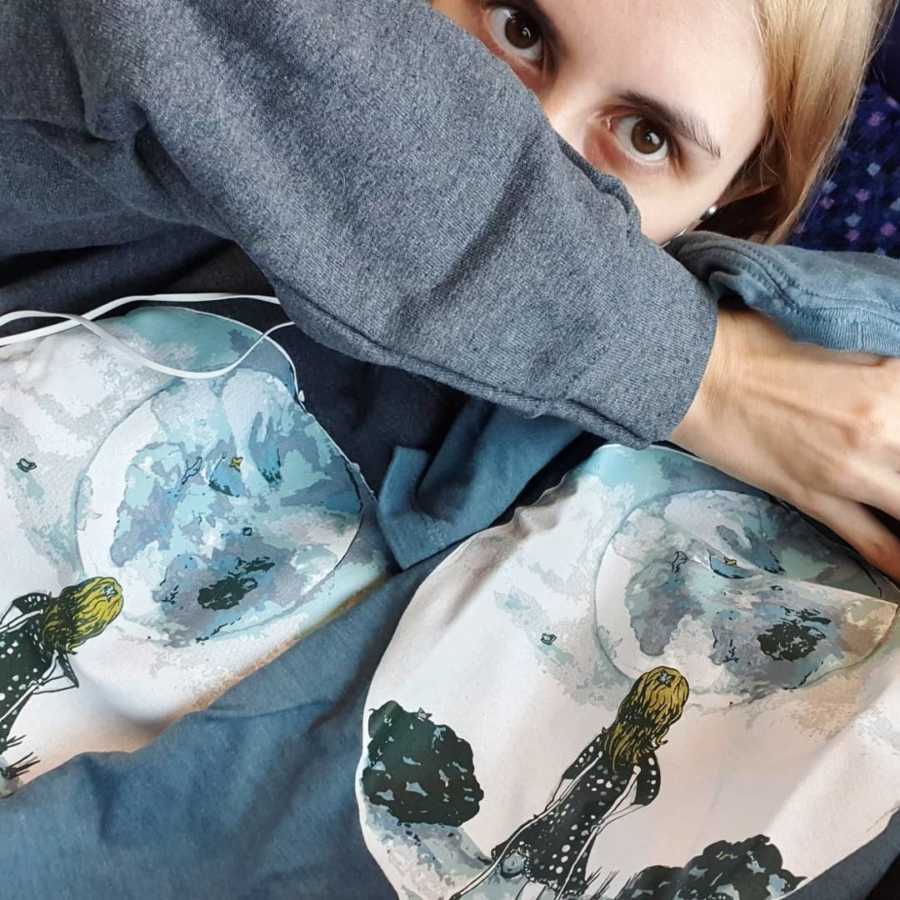
By the end of high school, I was exhausted and scared, with little self-worth left. I didn’t apply to med school. Instead, I chose biology, telling myself someone as weak as me could never become a doctor. University, however, brought freedom—real freedom—for the first time. My voice mattered. My differences weren’t constantly ignored. I continued therapy, and things slowly stabilized. After coming off medication in a poorly supervised way, I tried to manage on my own. It worked until winter depression returned, and I found my way back to therapy.
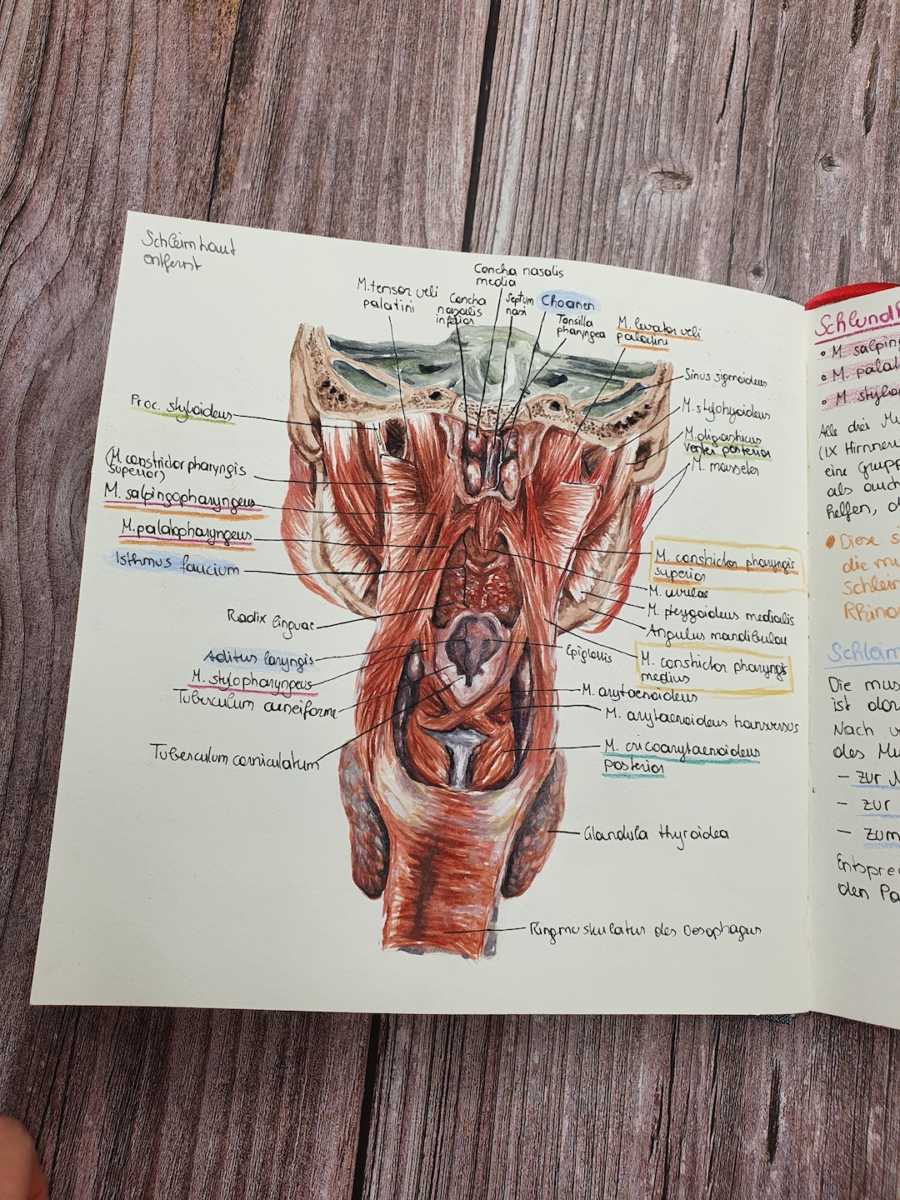
During university, I felt better—until my internship at a large pharmaceutical company. The freedom didn’t last. The pressure broke me. Sharing a room with several unfamiliar people meant nonstop masking. My boss was passive-aggressive, which was unbearable when I couldn’t read subtle cues. Strict time tracking and lack of control overwhelmed me. After a week of unbearable stomach pain—pain I now recognize from my childhood—and a complete emotional breakdown, doctors told me I had to quit. I hate quitting, but even I knew it was impossible to continue.
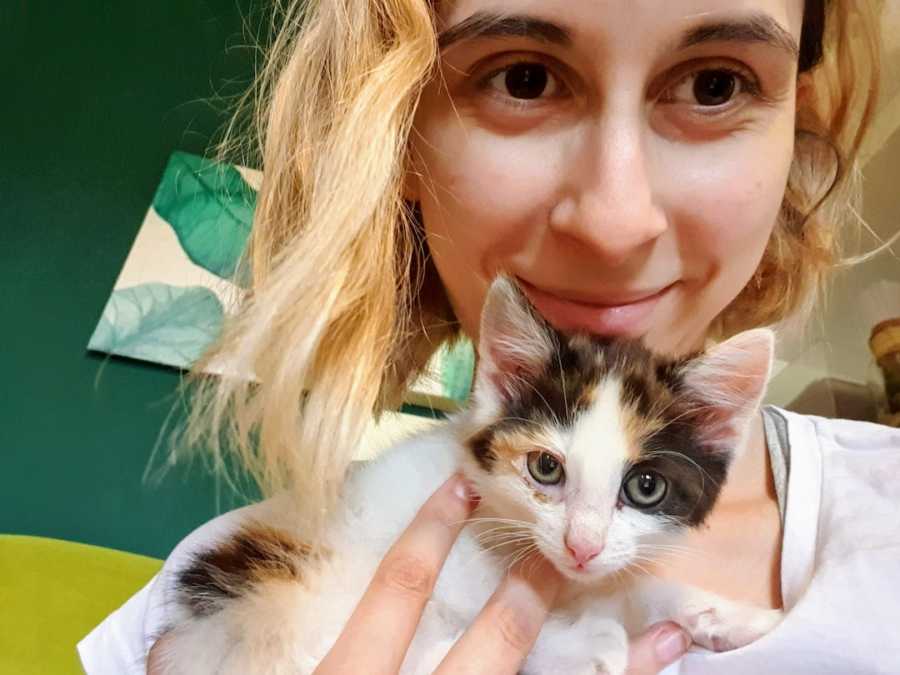
After that, something extraordinary happened in therapy. By coincidence, both my therapist and I arrived at the topic of autism. At our next session, we mentioned it at the same time. I’ll never forget her words: “Now I understand why nothing I tried ever worked for you.” That moment marked the beginning of acceptance. I found a community like me. I began embracing my differences. Then came the stereotypes—“You don’t look autistic”—even from professionals. I was misdiagnosed with a personality disorder and nearly gave up. But about a year later, I found a specialist experienced in diagnosing autistic women. I finally received my diagnosis—and I felt relief. I wasn’t just different. I finally had a name for it.
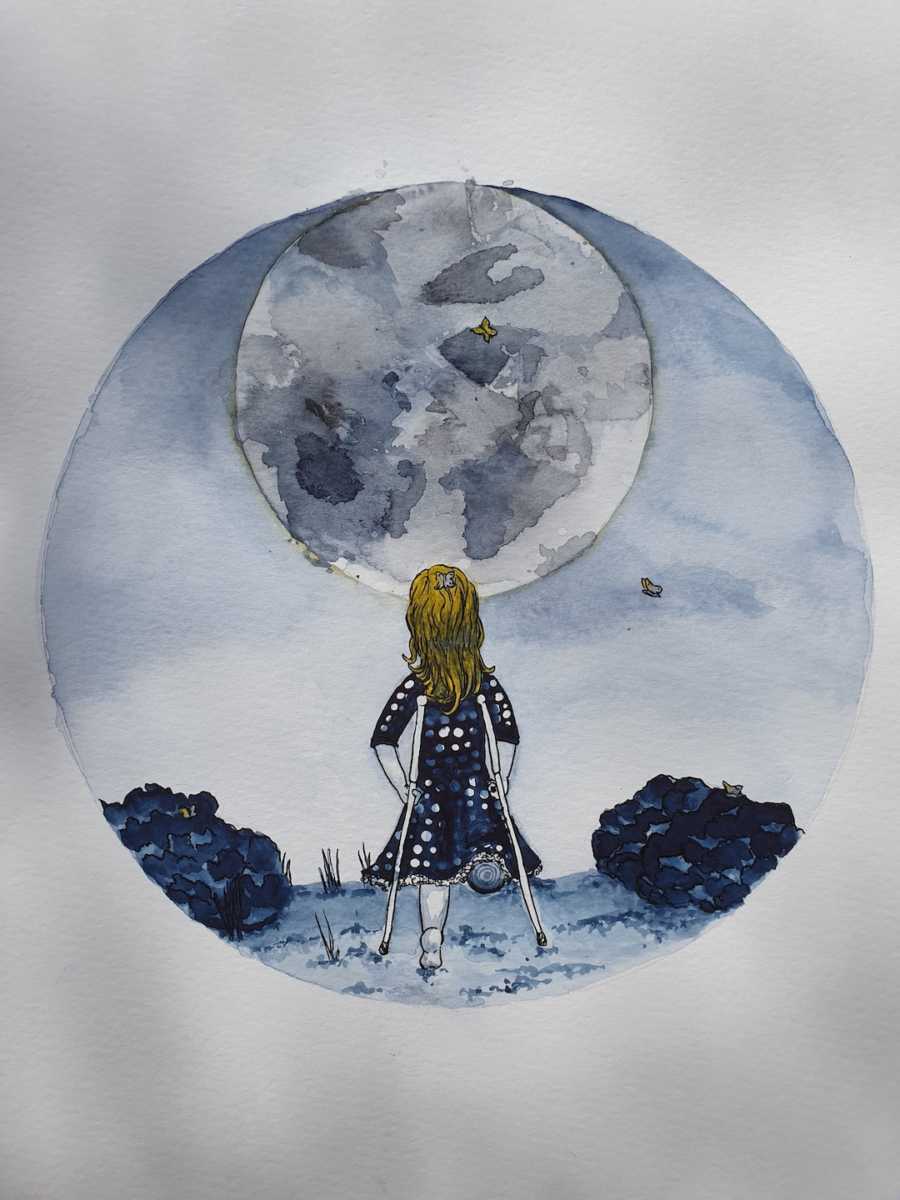
Even before the official diagnosis, I began giving back. I applied to med school and passed the entrance exam on my second attempt—only 8% succeed. I used my art to help others, including a fundraiser started by my friend Jordan, a below-the-knee amputee and YouTuber known as Footless Jo. Art has always been my language when words felt impossible. I began selling my art, started my first YouTube channel, and learned something vital: I don’t have to sacrifice myself to help others. Self-care matters. Boundaries matter. I know myself best, and I’m allowed to fight for what’s right for me.
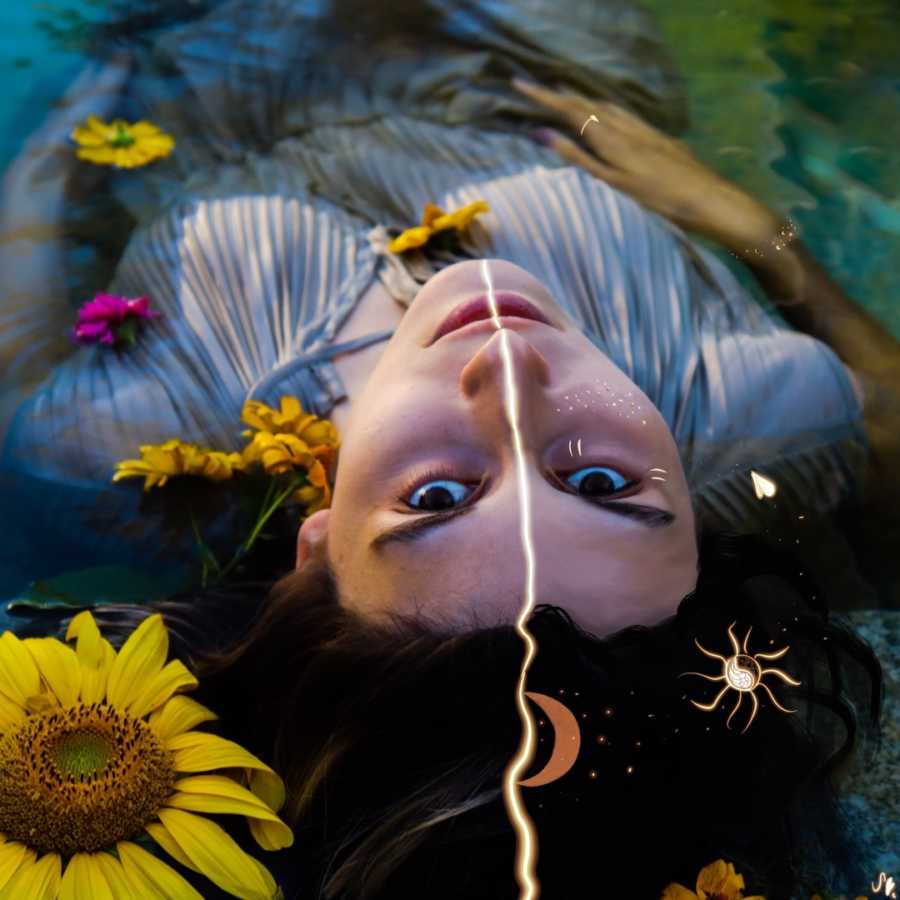
I started recognizing signs I had missed all my life. Autistic women are often highly intelligent, philosophical, labeled “weird,” calm, shy, excellent at masking, and frequently attached to a mother figure early in life. My fears weren’t weaknesses—they were my body’s warning signals. That’s why things improved in university: I finally reduced the overload.
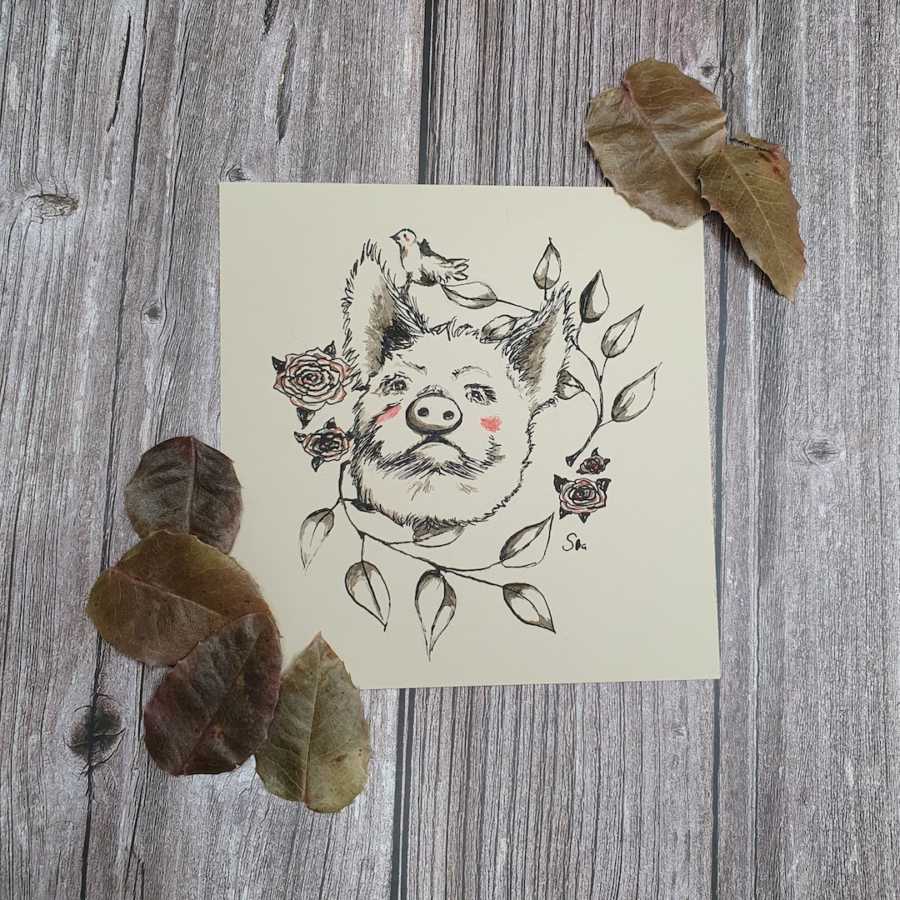
I received my official diagnosis just a week ago. Even though I had already started changing my life—building self-love, pursuing medicine, creating art—the confirmation sparked something new: a YouTube channel called The Artistic Autist. Through art, medicine, and education, I want to challenge stereotypes and tell people they’re not alone. Neurodiversity is beautiful—but living in a neurotypical world is hard. The world is loud. It’s rarely built for people like me.
Invisible disabilities are especially difficult. People may call me lazy, dramatic, or sensitive. They don’t hear the ticking clock, the typing, the laughter, the buzzing lights, the overlapping sounds. When it becomes too much, my system shuts down—or explodes into a meltdown. Afterward comes the shutdown, when I need isolation to recover. This cycle leads to autistic burnout. This is why awareness matters.
I want to create a space filled with understanding and acceptance—for autistic people, those who think they might be, and anyone who wants to learn. If you feel alone, overwhelmed, or broken, please know this: you are not alone. There is help. There is hope. And there is a way to build a beautiful life—even with the struggles. This is just the beginning of my story. And to anyone who sees themselves in mine: you’ve got this.