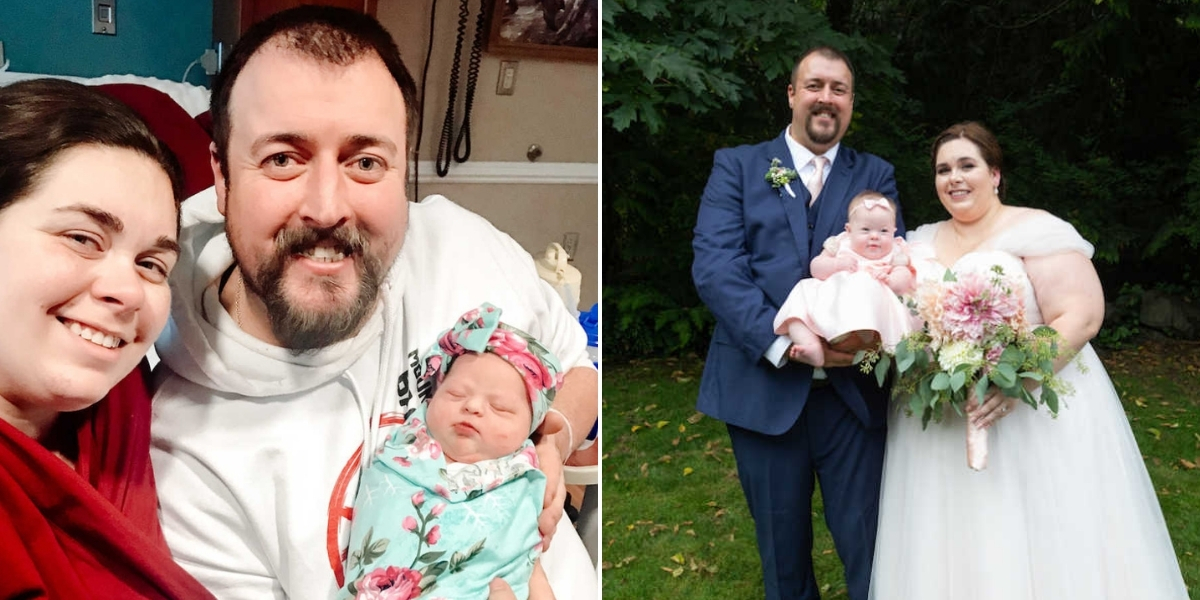
We found out we were pregnant in the summer of 2018. I had just turned 29, and my husband—my fiancé at the time—was about to turn 31. A few months earlier, we had set our wedding date for the following summer, and our days were filled with planning, dreaming, and imagining the life we were building together.
At 18, I had been diagnosed with Polycystic Ovarian Syndrome (PCOS), and doctors had told me I would likely never have children without medical help. So when I saw those two pink lines on the pregnancy test, I was completely shocked—but overjoyed. It felt like a dream I hadn’t dared to believe in.
I still remember the call for our first-trimester screening results. We were in a meeting about a college program my husband was considering, and my phone buzzed insistently on the table. I excused myself and answered. The nurse told me we had “screened negative” for Down syndrome, trisomy 18, and trisomy 13. She confirmed my next routine appointment and asked if I had any questions. Then, just before hanging up, she asked if I wanted to know the actual values of the test.
“Sure,” I said, curiosity piqued.
I heard the faint clicking of keys before she said, “Less than 1 in 10,000 chance for trisomy 18, less than 1 in 10,000 chance for trisomy 13, and less than 1 in 3,600 chance for trisomy 21.”
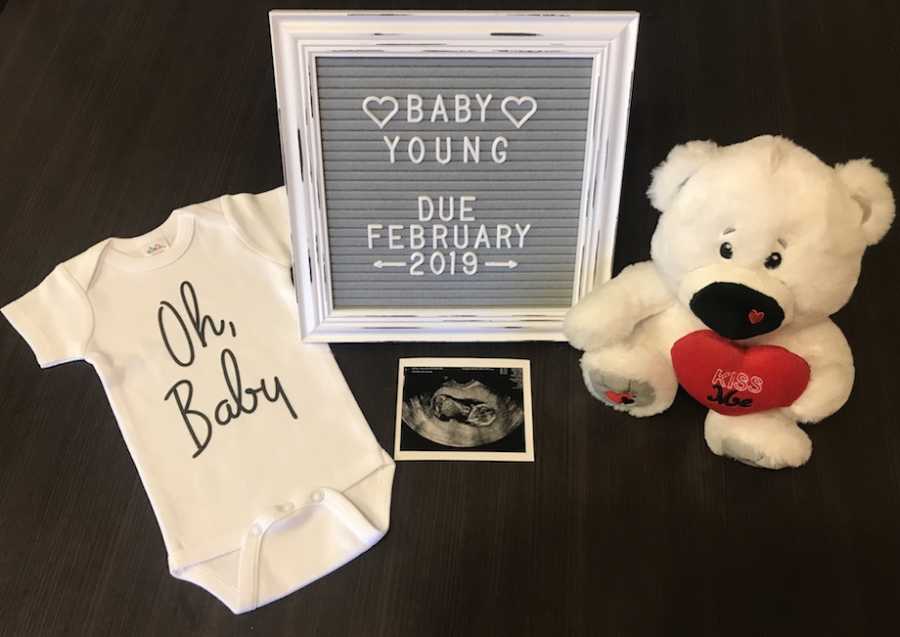
I thanked her and returned to the meeting, giving my husband a quiet thumbs-up. My mind wandered as I daydreamed about pregnancy announcements and baby names while the discussion about credits and financial aid continued around me.
Admittedly, 1 in 3,600 gave me a brief pause. On my phone, I quickly did the math: a 0.02% chance of our baby having Down syndrome. We were young, healthy, and considered low risk, so I shoved that thought to the very back of my mind. It was never mentioned again during the rest of my pregnancy, and everything continued smoothly. All ultrasounds and routine screenings came back normal.
Physically, my pregnancy was relatively easy. The hardest part was the constant, low-level anxiety that something unexpected could happen. As a labor and delivery nurse, I had witnessed complications and high-risk pregnancies, which made it nearly impossible to fully relax.
Norah Anne arrived in the world at 8:51 p.m. on February 5, 2019, via an emergency c-section. As a nurse, I had witnessed countless deliveries, and I could immediately sense when something felt different.
They quickly took her to the incubator, barely letting me glimpse her. I could see her pink arms and legs wiggling, hear her strong cries, but the staff huddled over her, whispering among themselves. My heart sank. She wasn’t struggling to breathe, so why the hushed voices? Every passing second felt heavier, more uncertain.
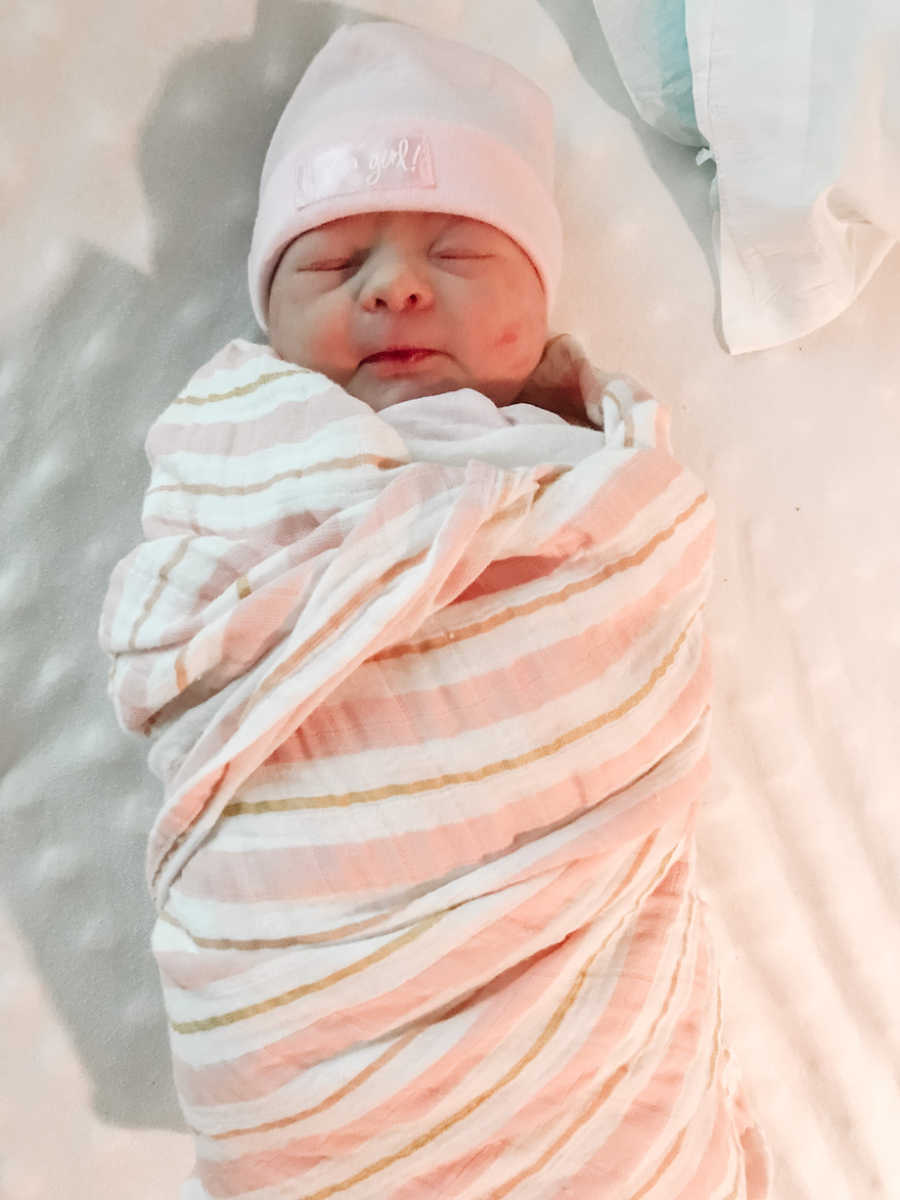
The next few hours are a blur, but I remember vividly the moment my heart broke. It was just over seven minutes from her birth to the first time I held her—but it felt like an eternity. My mom had filmed the entire birth, capturing my hesitation, my fear, my realization that we were about to receive news we hadn’t prepared for.
When I finally laid eyes on Norah, a nurse held her up in front of me as the surgery wrapped up. She was perfect, and yet the doctors quickly began pointing out features that suggested Down syndrome: her almond-shaped eyes, the gentle way her tongue rested on her bottom lip, the slight curve in her tiny pinky. “I believe she has Down syndrome,” one doctor said gently, “but she’s doing well. Do you want her to go to the NICU for monitoring and a blood test?”
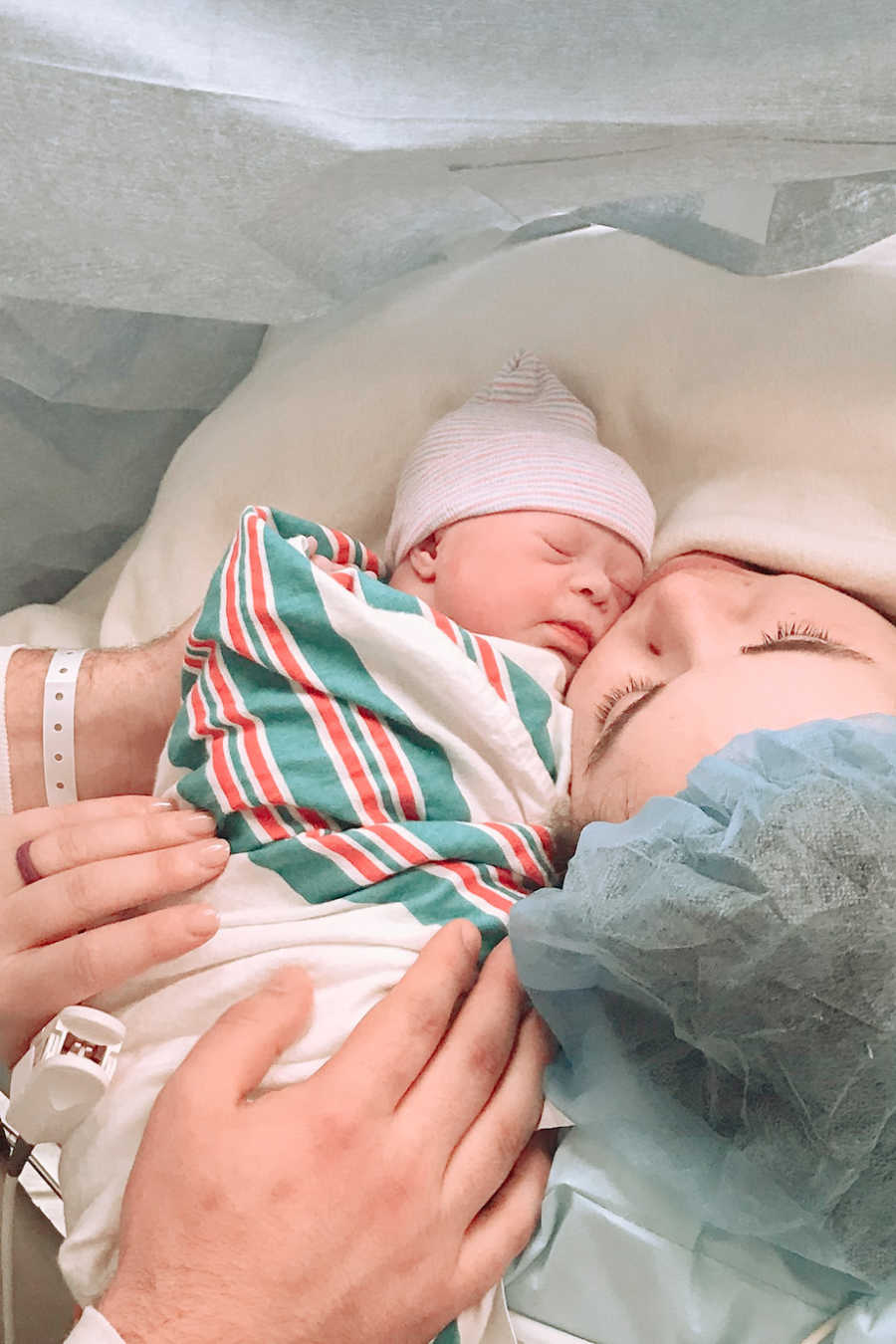
I was paralyzed. I had no idea what the “right” decision was. I remember searching the room for guidance, wishing someone else could make the choice for me. Looking back, I am eternally grateful we decided against the NICU in those first hours. Instead, we got to know her in the quiet of our room—a gift I didn’t realize at the time how precious it was.
We spent 36 hours together in the hospital as a family of three. During that time, Norah had a blood draw and a cardiac echo to check for congenital heart defects, which occur in over half of babies with Down syndrome. Thankfully, she only had a small hole in her heart that would close on its own and never cause any symptoms. The rest of our time was spent like any new parents: learning to breastfeed, marveling at her tiny fingers and toes, and introducing her to our families. The diagnosis was still considered a “maybe” while we waited for her karyotype, and I found myself studying every feature of her face, hoping the doctors might be wrong.
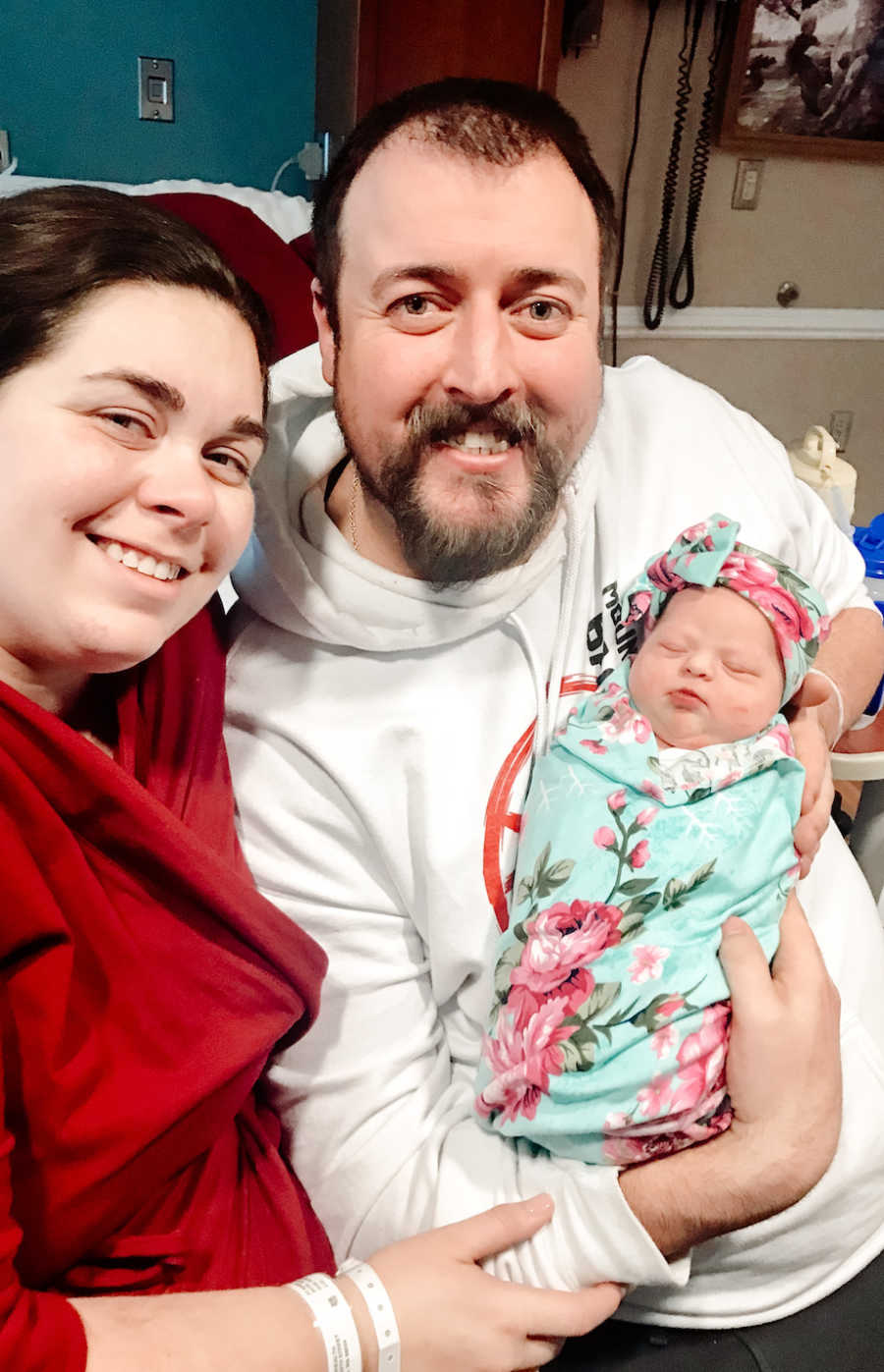
The first few weeks were a whirlwind of emotion. Postpartum hormones, grief for the child and life we had imagined, and deep love for the little girl in our arms made for a complicated mix. I cried more times than I can count, but even through that, there were glimpses of joy and wonder that reminded me of the beauty in this unexpected journey.
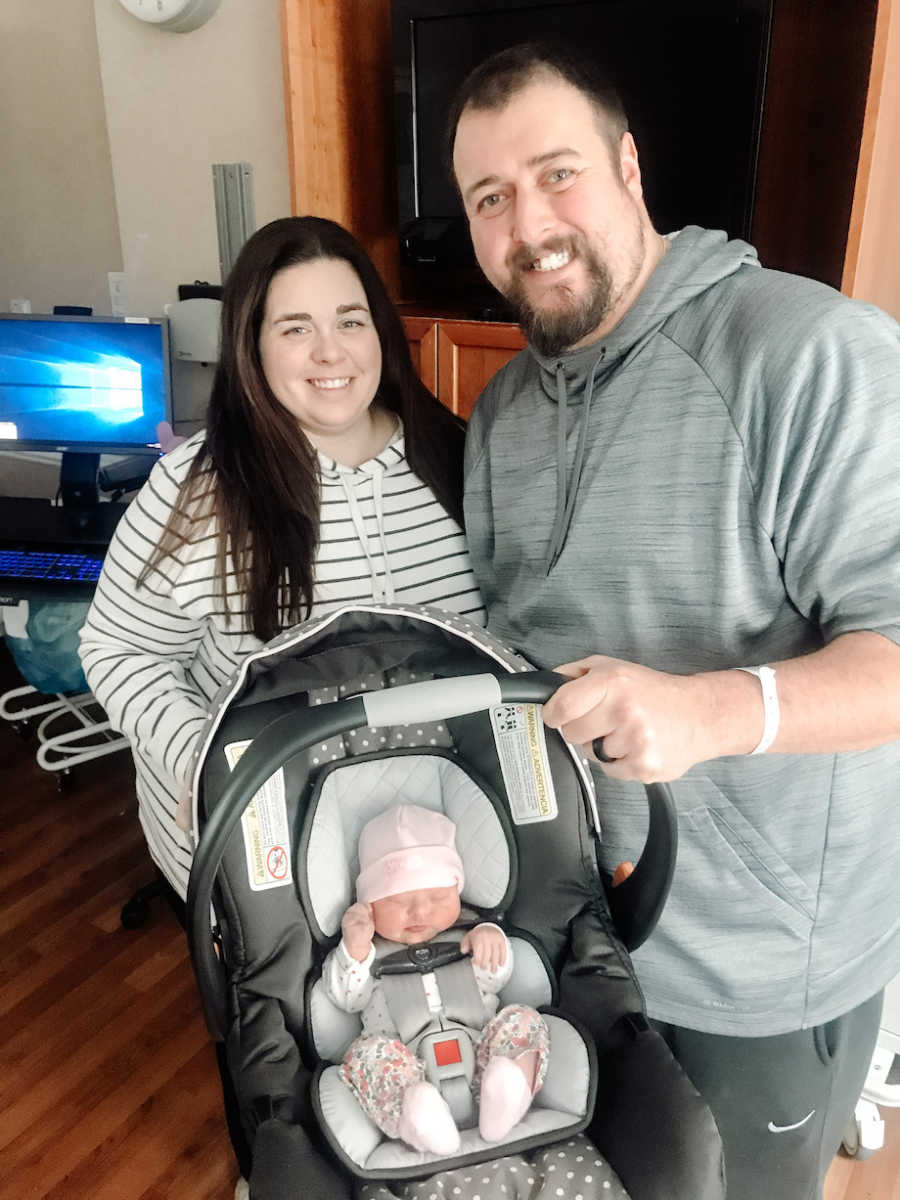
My husband was our anchor. Even while scared and sad himself, he focused entirely on supporting me and loving Norah. He handled phone calls, appointments, and the practicalities that I couldn’t face yet. One of my closest friends stayed with us in the hospital, letting me safely sleep skin-to-skin with Norah while also giving my husband a chance to rest. Their support was everything in those early, uncertain hours.
Our pediatrician was the first to reassure me that morning. She looked me in the eye and said that no matter the final results, Norah was healthy, beautiful, and loved—and that she would have an amazing life because of the family surrounding her. My OBGYN provided answers, reviewed ultrasounds, and helped me understand that there was truly nothing we could have missed—we had just been one of the rare cases.
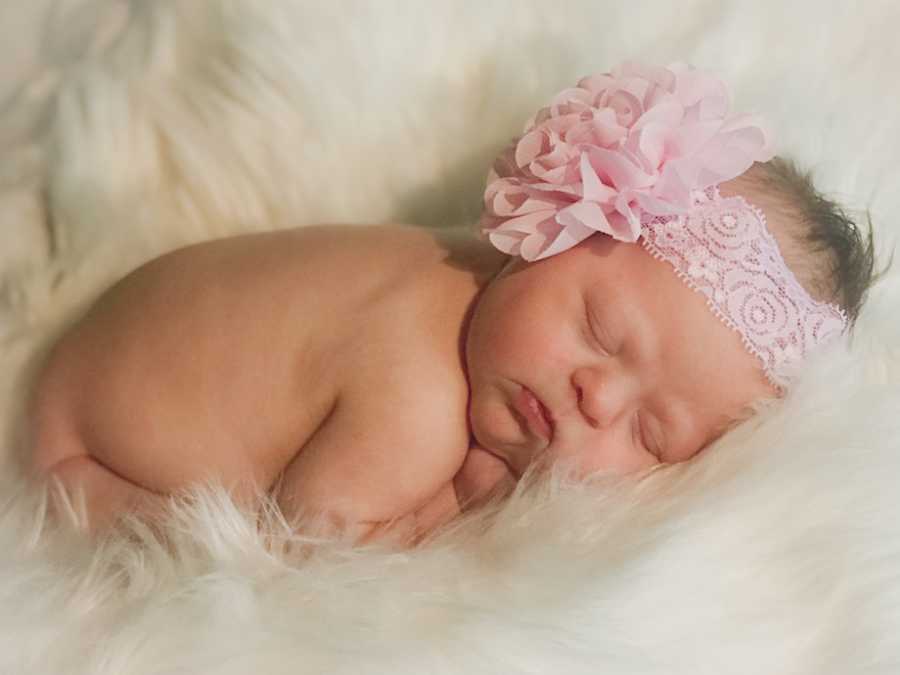
Friends and family rallied around us, braving a Pacific Northwest snowstorm to ensure we had everything we needed. Through it all, Norah stared up at me with pure, unconditional love.
The first year was a challenge. I battled severe postpartum depression and anxiety, confronted my own biases about disabilities, and reconsidered what it truly means to live a meaningful, fulfilling life. It was a year of immense personal growth, which has made me a stronger, more empathetic person.
Eventually, I found the Down syndrome community. What I discovered there was beyond what I could have imagined: lifelong friendships, a fiercely supportive community, and a sense of belonging I hadn’t realized I was missing. I came to understand what it really means to be part of the “Lucky Few.”
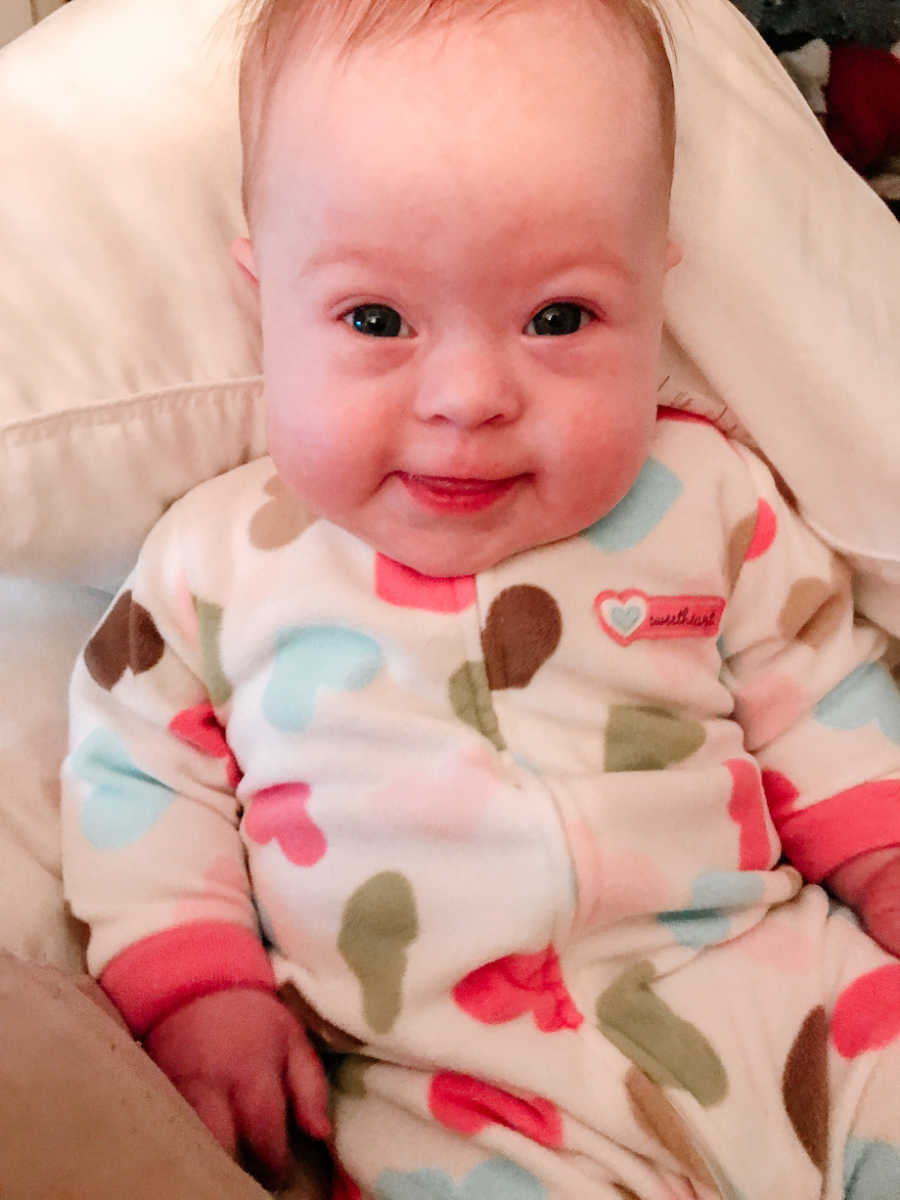
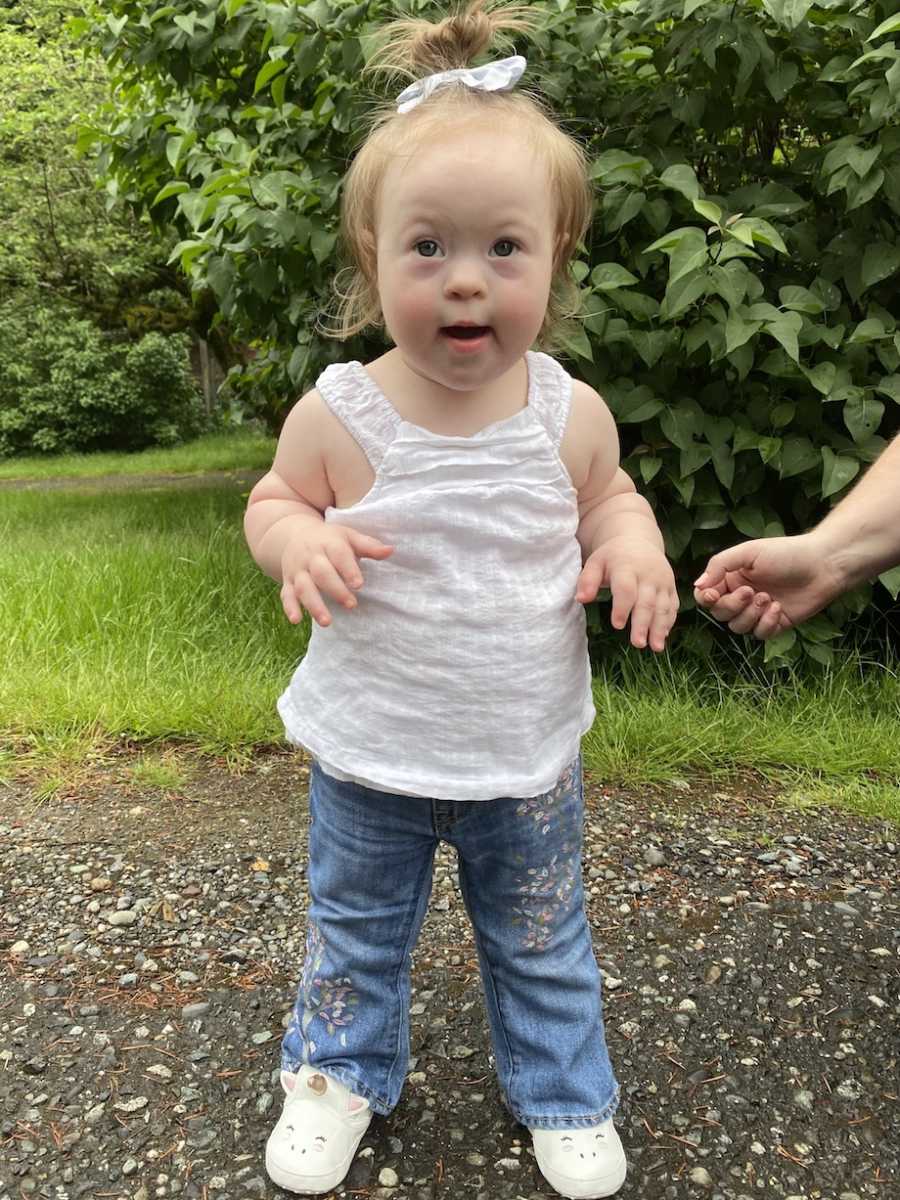
Recently, we celebrated Norah’s second birthday. Her second year has been filled with learning, milestones, laughter, and joy. She is bright, sassy, hilarious, and fiercely independent. She loves our family dog, car rides, The Wiggles, making silly faces, and snacks. She is everything we dreamed of and more.
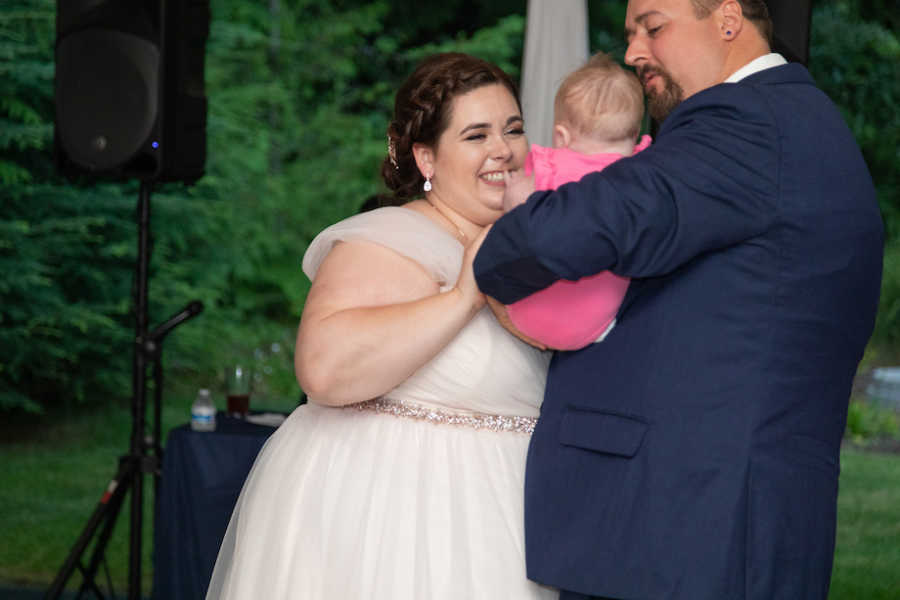
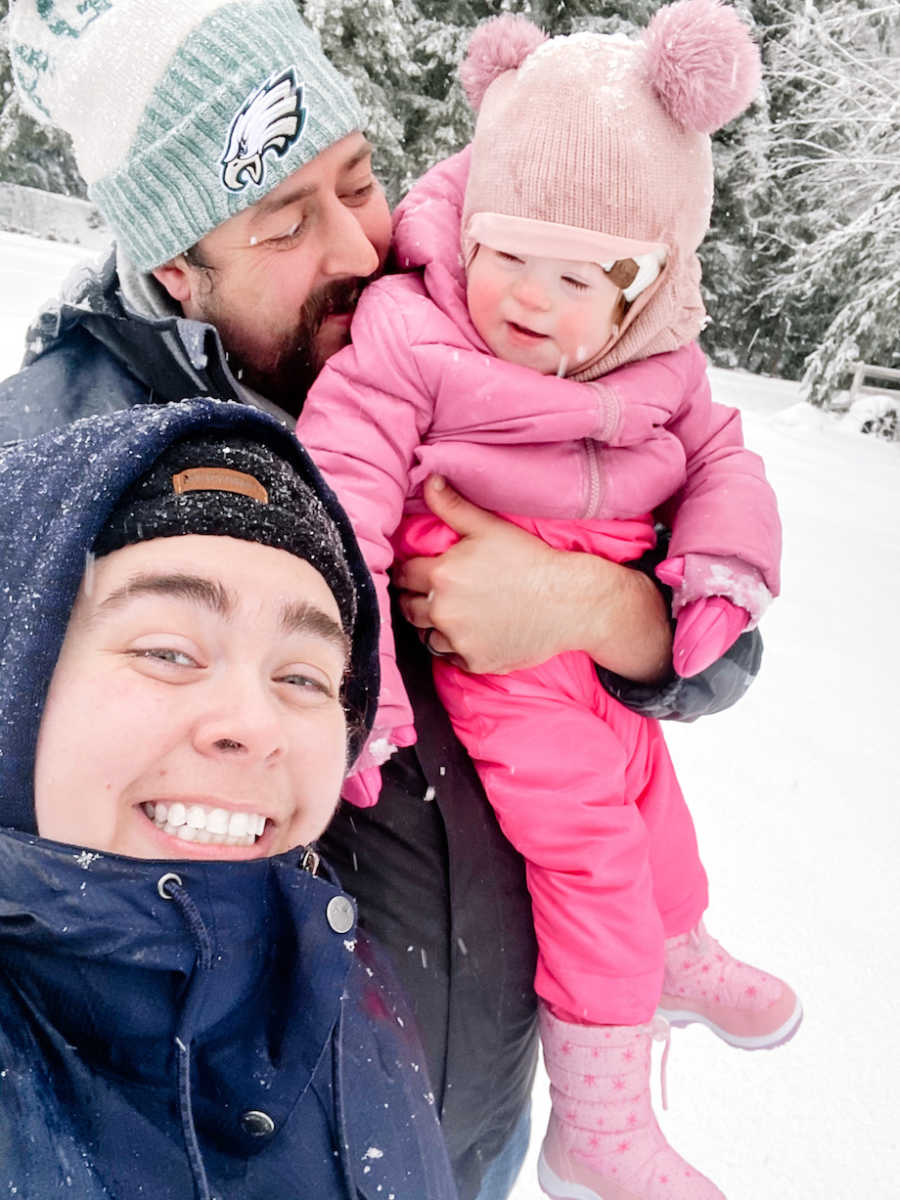
Norah is a light in this world, and it is my greatest honor to be her parent. This unexpected journey has given me lifelong friends, a sense of purpose, and the confidence to advocate—not only for my daughter but for anyone who needs someone to stand beside them. I am proud of my daughter, proud of my husband, and proud of the family we have built. Our story is a reminder that life’s surprises can sometimes lead to the greatest joy imaginable.