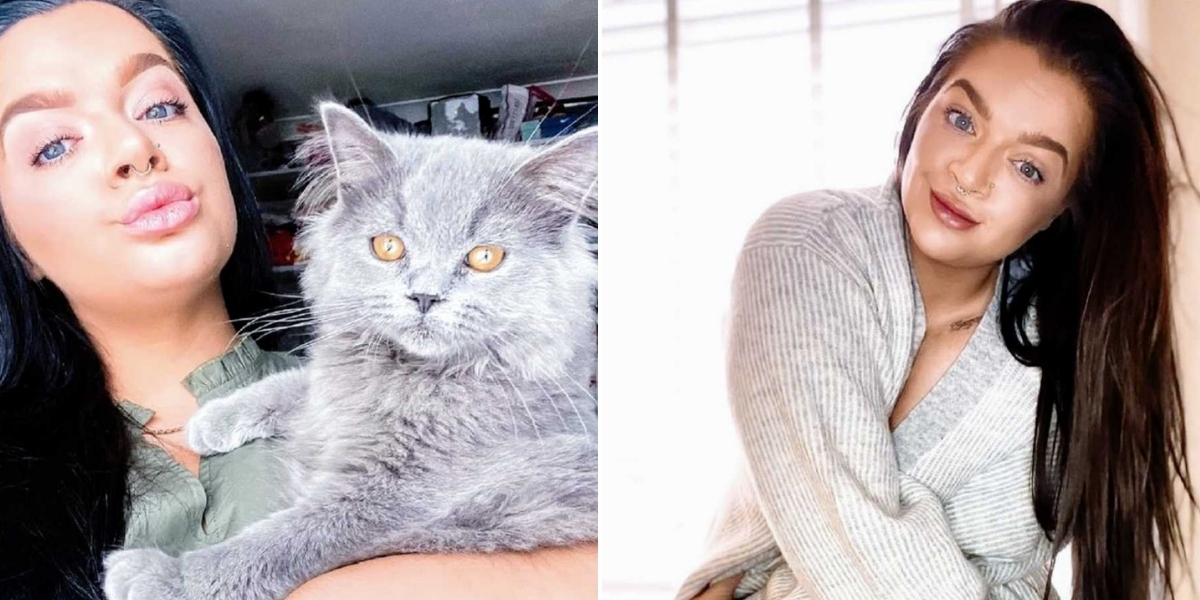
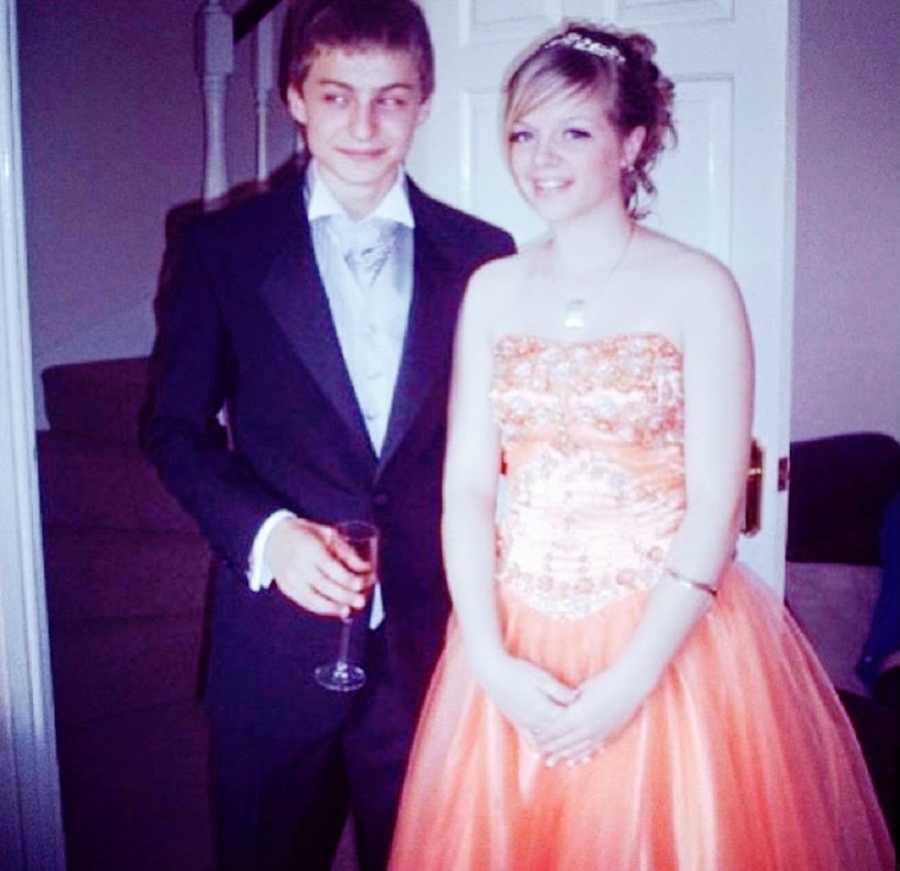
My journey with chronic illnesses began around 14 years ago when I was just 14 years old. I remember feeling incredibly unwell every evening as bedtime approached. The nausea was relentless, coming on night after night, and nothing seemed to ease it. After a few weeks, I began experiencing intense tummy pains—pain unlike anything I had felt before. My parents took me to the GP several times, but each visit ended the same way: I was told there was nothing wrong and that I was likely seeking attention, since apparently, I just “didn’t want to go to school.”
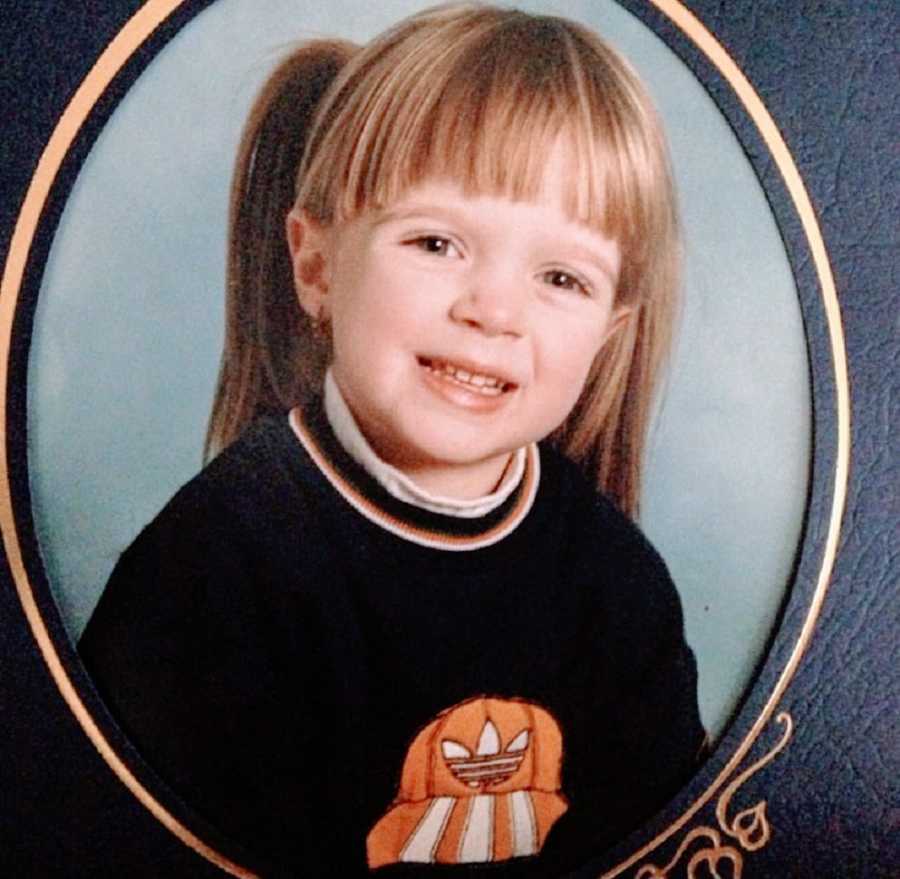
This cycle continued for years. The severe pains kept me awake at night, yet every GP appointment left me feeling dismissed and completely alone. I was only in ninth grade at the time, struggling through mock exams for my GCSEs, but each night I suffered in silence, powerless and vulnerable. Thankfully, my parents believed me. They advocated fiercely, insisting I keep going back to doctors because they saw my pain firsthand. On one occasion, I was even referred to A&E under suspicion of appendicitis. I was admitted, only to be discharged when tests showed nothing was wrong, leaving me right back at square one.
As I got older, I began seeing the GP on my own, eventually being referred to a gynecologist. From the ages of 16 to around 24 or 25, I underwent a series of tests and procedures, all attempting to uncover the cause of my pain. The discomfort always felt like contractions, which is why I remained under gynecological care for so long. At one stage, I had a laparoscopic procedure and was told I had a condition causing enlarged veins on my womb. While I received a diagnosis, no treatment plan was offered, and I wasn’t advised whether I needed medication.
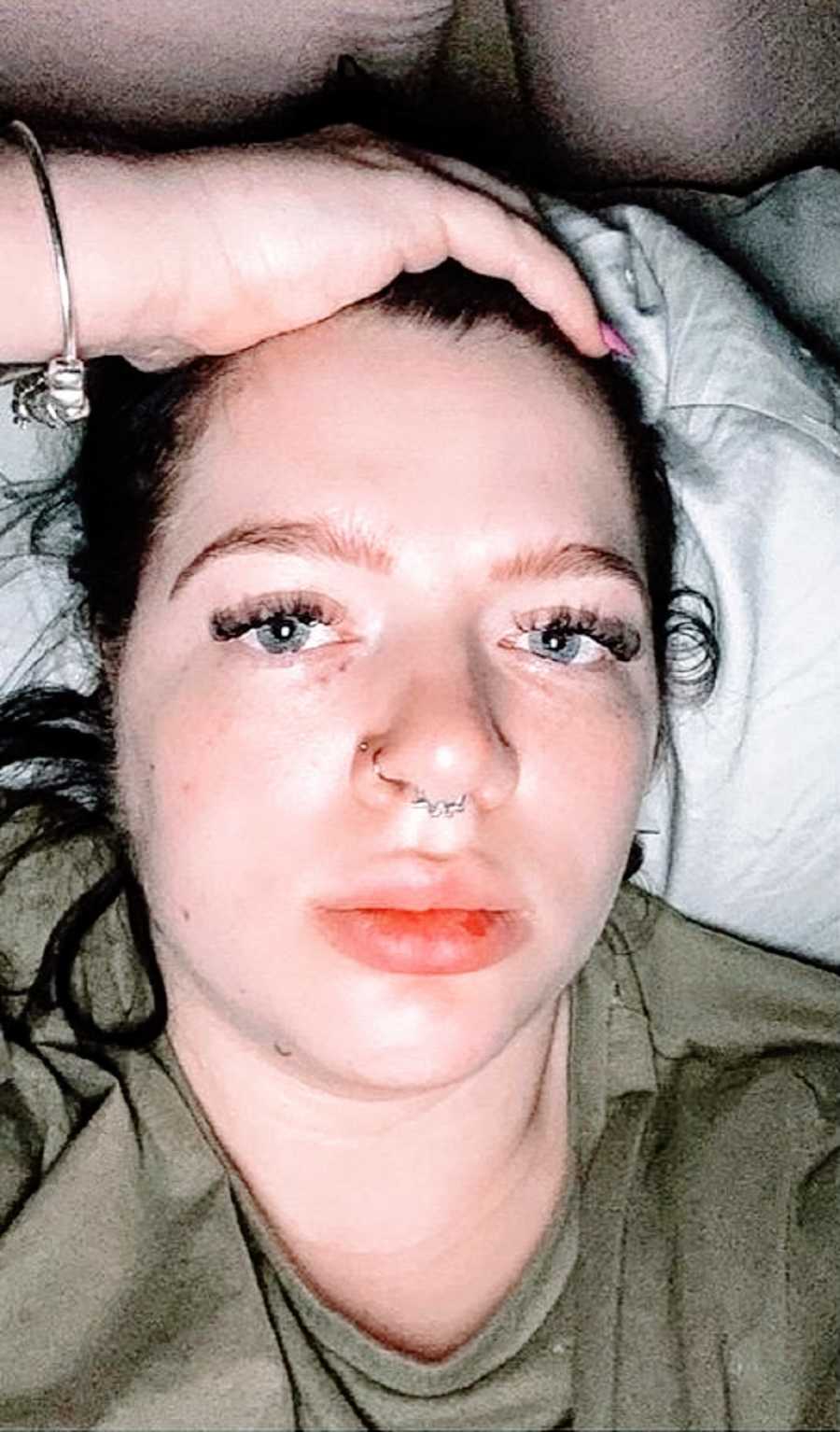
For several years, I endured the pain without knowing why, until a follow-up visit revealed I had actually been misdiagnosed—I had no gynecological issues at all. I felt completely deflated and lost. All the years spent seeking answers, learning about a condition I didn’t have, trying treatments that never worked—it was devastating. I was back to square one, no closer to understanding my body or finding relief.
In 2019, desperate for answers, I visited a private clinic in London that specialized in vascular conditions. They confirmed I didn’t have the condition I had originally been diagnosed with, but they suspected a urological issue. I was frustrated thinking of all the years I had spent believing in a diagnosis that wasn’t mine. That misdiagnosis had stolen precious years of my life, and I had endured pain that could have been managed had I known the truth earlier. The fear and uncertainty had also affected my personal life; the condition I was falsely told I had carried fertility implications, which was especially stressful as I was in a serious relationship at the time.
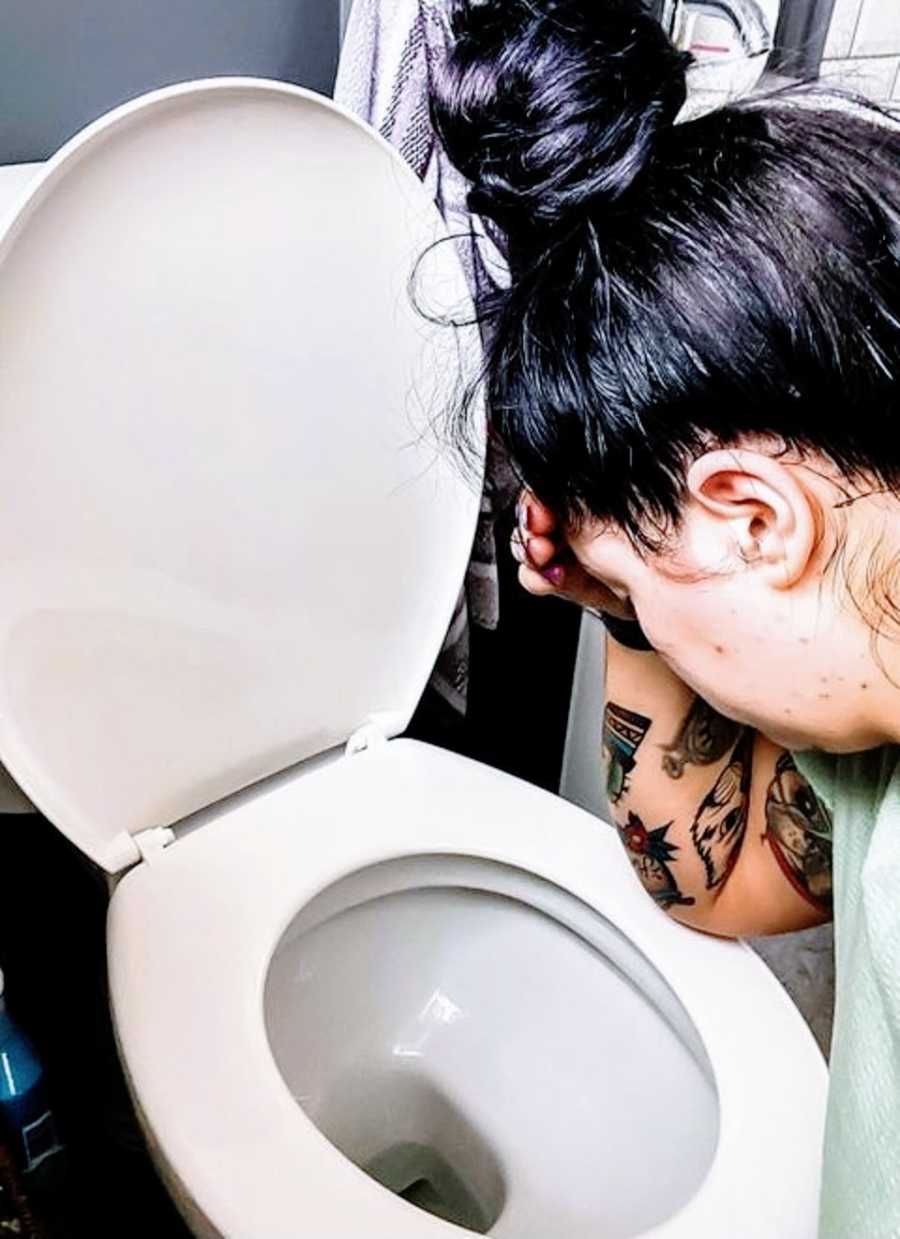
Learning the truth from my gynecologist—that I didn’t have the condition I had been living with for years—was shocking. I argued, insisting I knew what I had, but I was quickly dismissed. My Nan, who had accompanied me, was furious. She had watched me grow up in pain and was determined that I find proper care. Her advice was simple: make a private appointment elsewhere. But even then, I was discharged, leaving me more frustrated than ever.
From 2019 into 2020, my symptoms escalated. I suffered recurrent urinary tract infections—six in six weeks at one point—accompanied by severe kidney and bladder pain, nausea, extreme urgency, and frequency that sometimes meant 40 bathroom trips a day. The pain could last hours or even weeks. My day-to-day life became a constant battle. My relationship eventually ended, and work became challenging. I pushed my body to its limits, but living in constant agony took its toll. Many didn’t see my struggle and assumed I was exaggerating, which was heartbreaking.
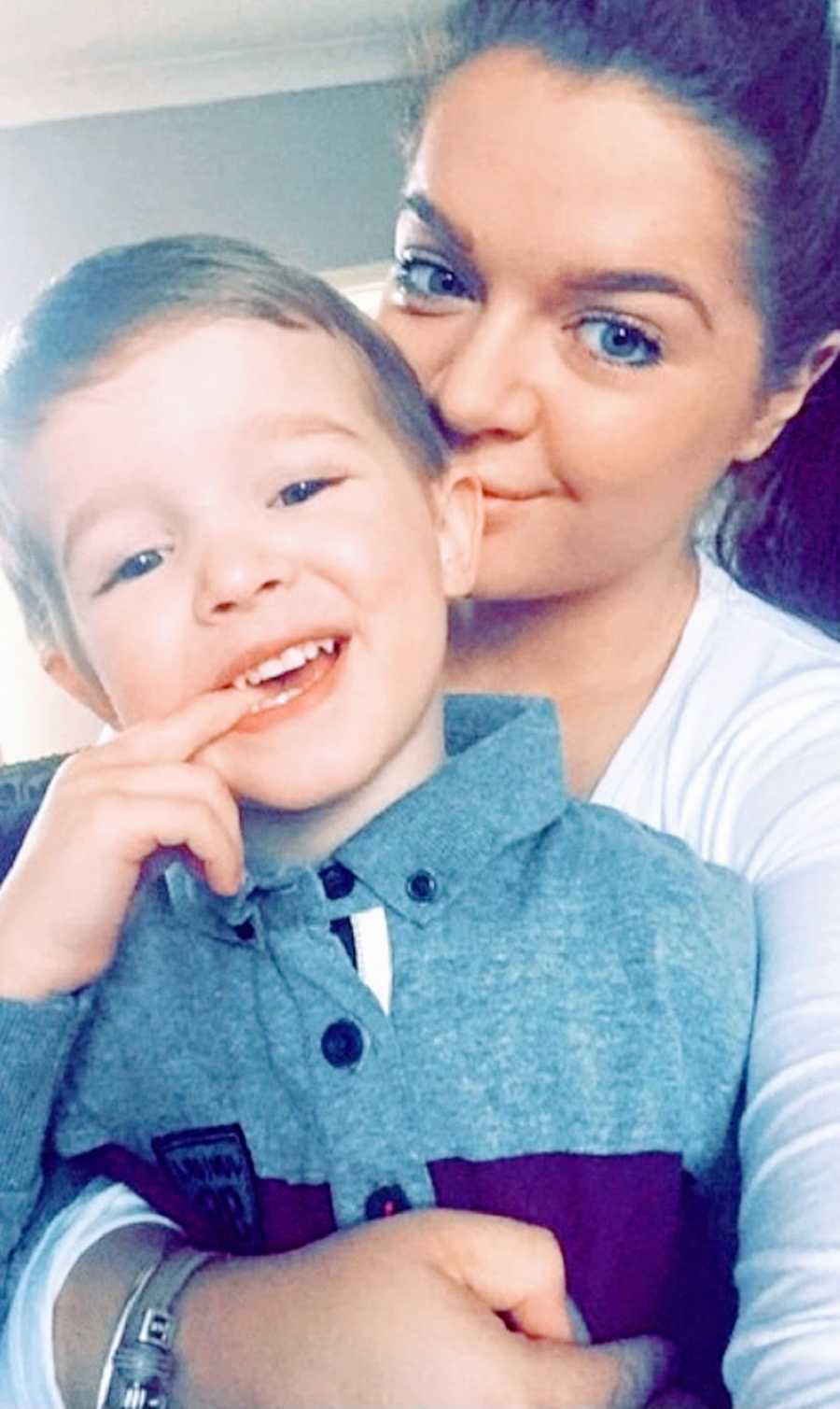
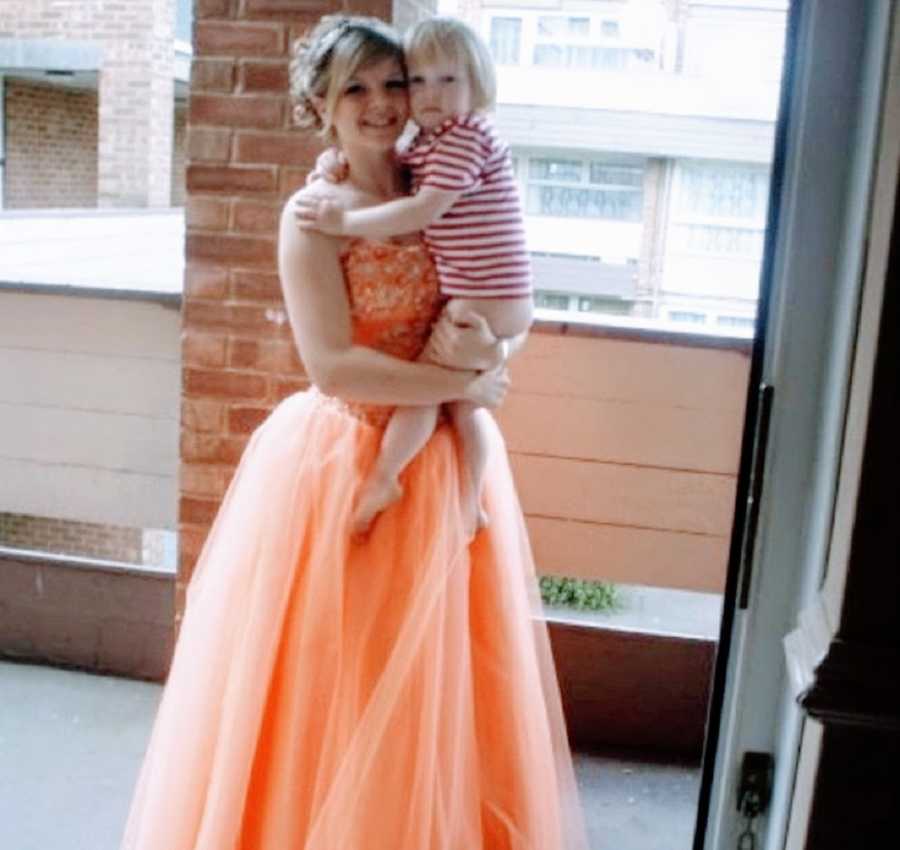
My son, Oscar, born on 1st December 2012, became increasingly independent over time. When he was just a baby, I hoped my symptoms were gynecological, as they disappeared during pregnancy, only to return weeks after giving birth. As a single mother at six weeks postpartum, I faced chronic pain without pause, relying on my mother’s support while I navigated sleepless nights and relentless symptoms.
By the age of five or six, Oscar became my young carer. He helps with daily tasks—from household chores to assisting with my medications and personal care. He’s compassionate, reliable, and insists he wants to help more. I feel guilty that he has had to take on such responsibilities, yet I cannot imagine life without him.
A breakthrough came when I was referred back to urology. Initial cystoscopy exams had previously dismissed my symptoms as psychological, but a new doctor suspected trigonitis. In December 2019, I underwent surgery under general anesthesia to remove inflamed cells in my bladder. I expected relief, but instead, my bladder was severely inflamed and covered in lumps. A biopsy later confirmed I had interstitial cystitis (IC), a painful, chronic bladder condition. There’s no cure—only treatments to manage symptoms.
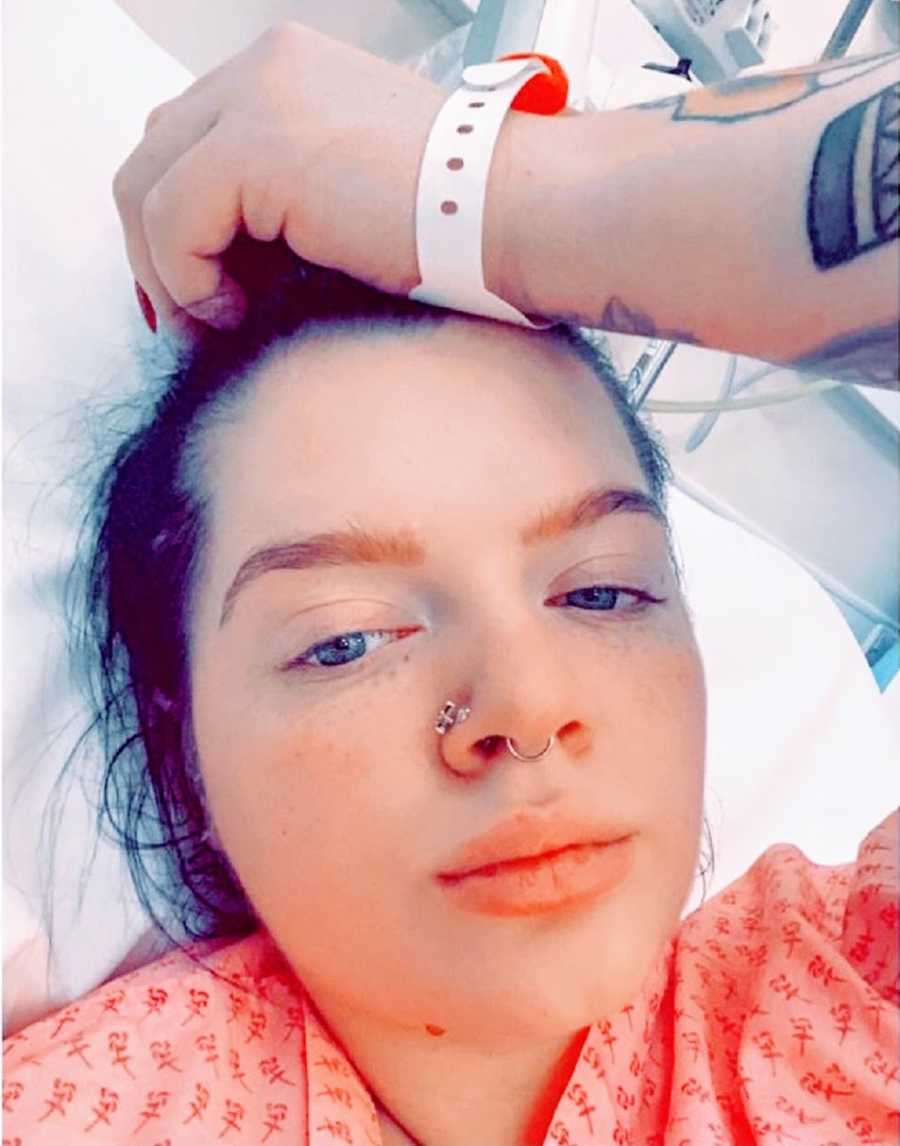
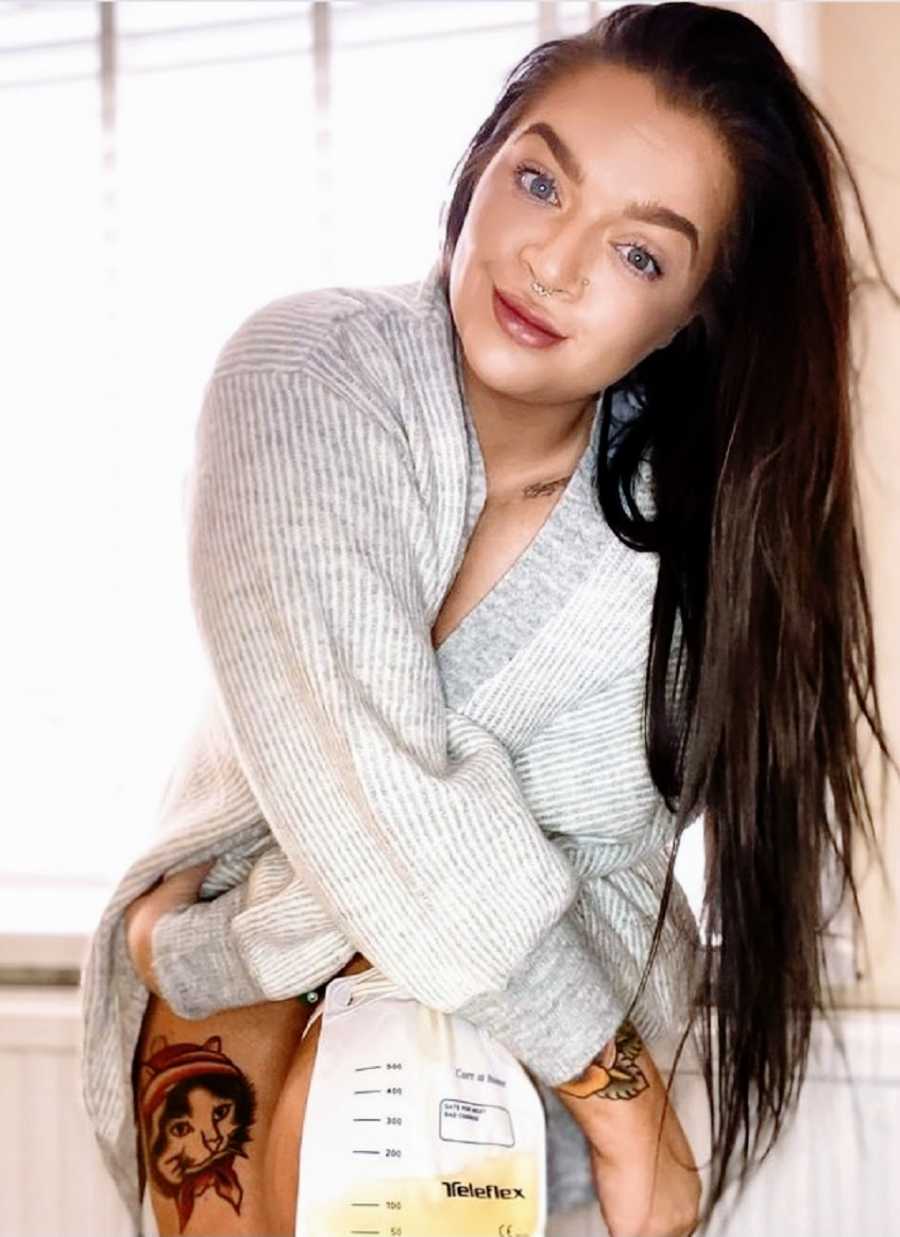
Over the following months, I tried multiple medications and bladder instillations, all of which failed. In March 2020, I experienced urinary retention and was catheterized repeatedly, eventually requiring a permanent urethral catheter from April to November. This period was extremely challenging, with constant UTIs, abdominal pain, and mental health struggles. In November, I had a suprapubic catheter fitted—a small relief in comfort but still accompanied by ongoing challenges.
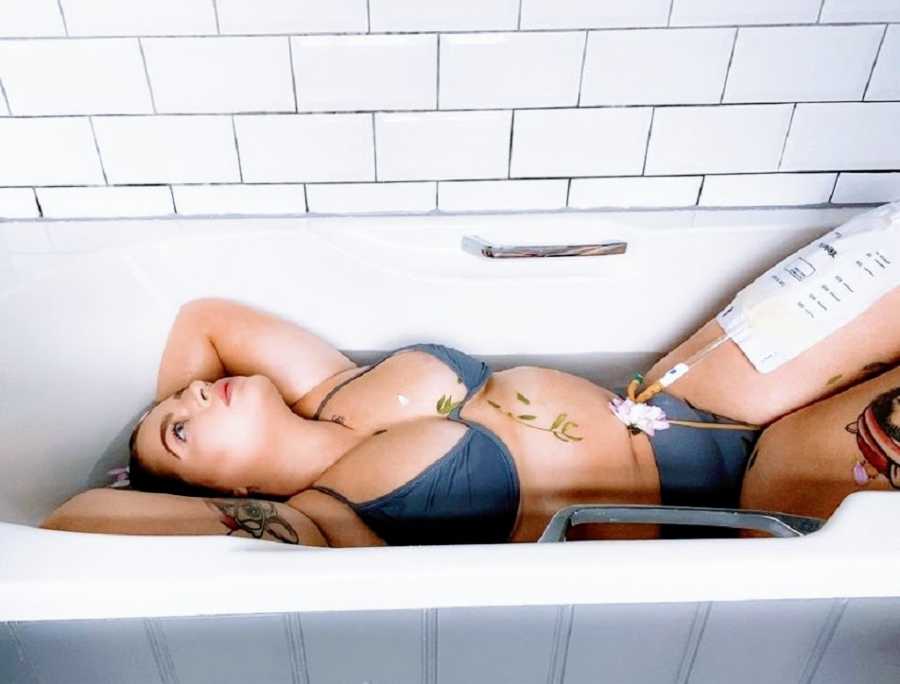
Alongside IC, I was diagnosed with fibromyalgia, explaining my extreme fatigue, widespread pain, and “fibrofog,” which affects memory and focus. Urodynamics testing in February revealed Fowler’s Syndrome, explaining why my bladder cannot empty properly—another incurable condition. At 28, I live with three chronic, life-changing diagnoses, and my journey continues as further tests and treatments are explored.
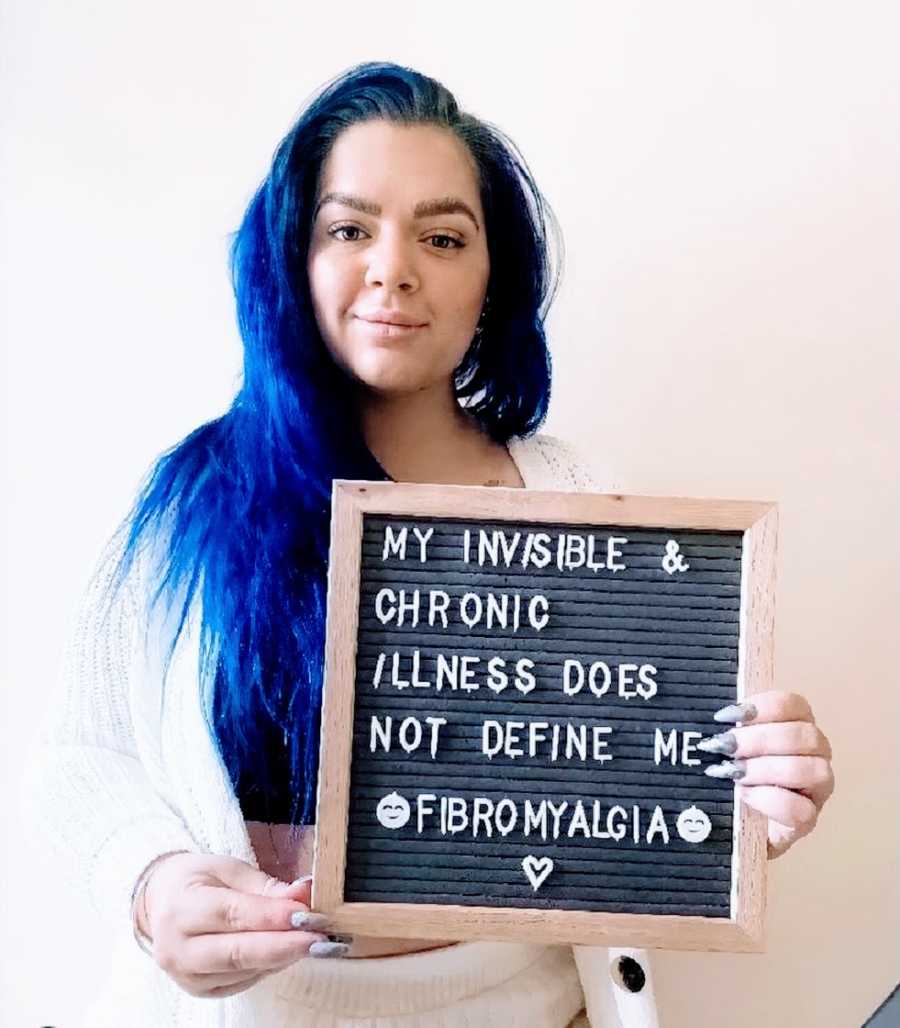
Despite everything, Oscar remains my greatest support. He helps with chores, manages my medications, and understands my conditions. Together, we share our story on Instagram to educate others, raise awareness for young catheter users, and advocate for chronic illness understanding. My page has become a source of empowerment, reminding me—and hopefully others—that life doesn’t end with chronic illness.
I’ve learned that while my conditions may never be cured, gratitude, positivity, and self-love are crucial. My life is challenging, yes, but it is also full of love, hope, and purpose. My goal is to help others feel confident, informed, and supported, proving that even in the face of chronic illness, life can still be meaningful and beautiful.