It’s fascinating to look back and see how our experiences quietly weave the tapestry of our lives. Our decisions, circumstances, and moments—like individual strands of rope—braid together to form stories that are uniquely layered, textured, and meaningful. In January of 2021, our family became licensed to foster, marking the beginning of a journey that was anything but conventional. When I reflect on how we arrived here, I can clearly see a few defining threads that guided us to this place.
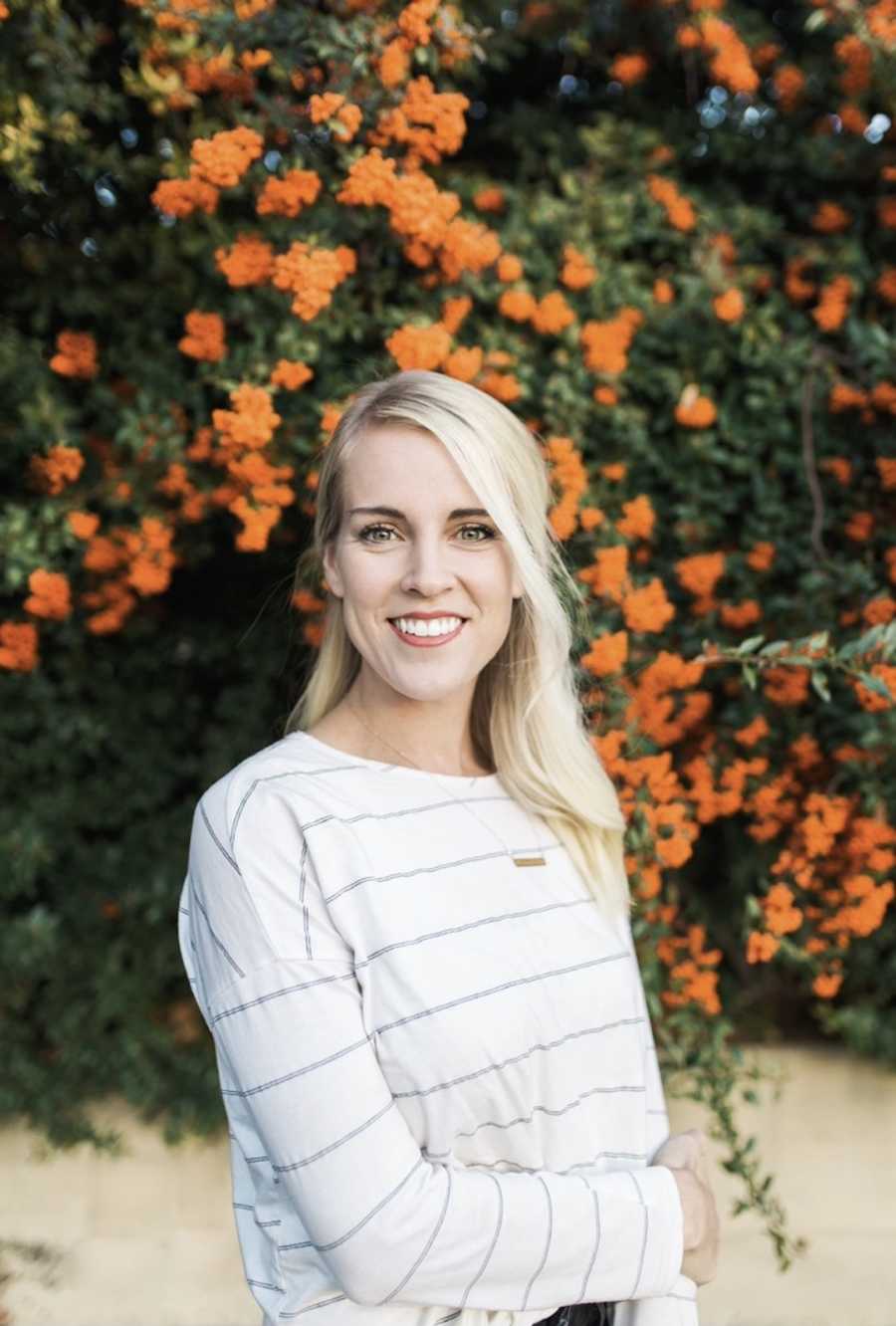
Fresh out of college, I began teaching high school. I was often stopped by new staff in the copy room, mistaken for a student because I looked so young. High schools buzz with energy and constant mental stimulation, and working with students—whether in the classroom or coaching on the track—was deeply fulfilling. I spent nearly every waking moment thinking about them. Many of my students and athletes lacked strong support at home, and witnessing how profoundly one consistent, caring adult could impact a teenager struck something deep within me. The work left me utterly exhausted, zombie-level tired at times, yet it also filled me with purpose and life in ways I hadn’t known before.
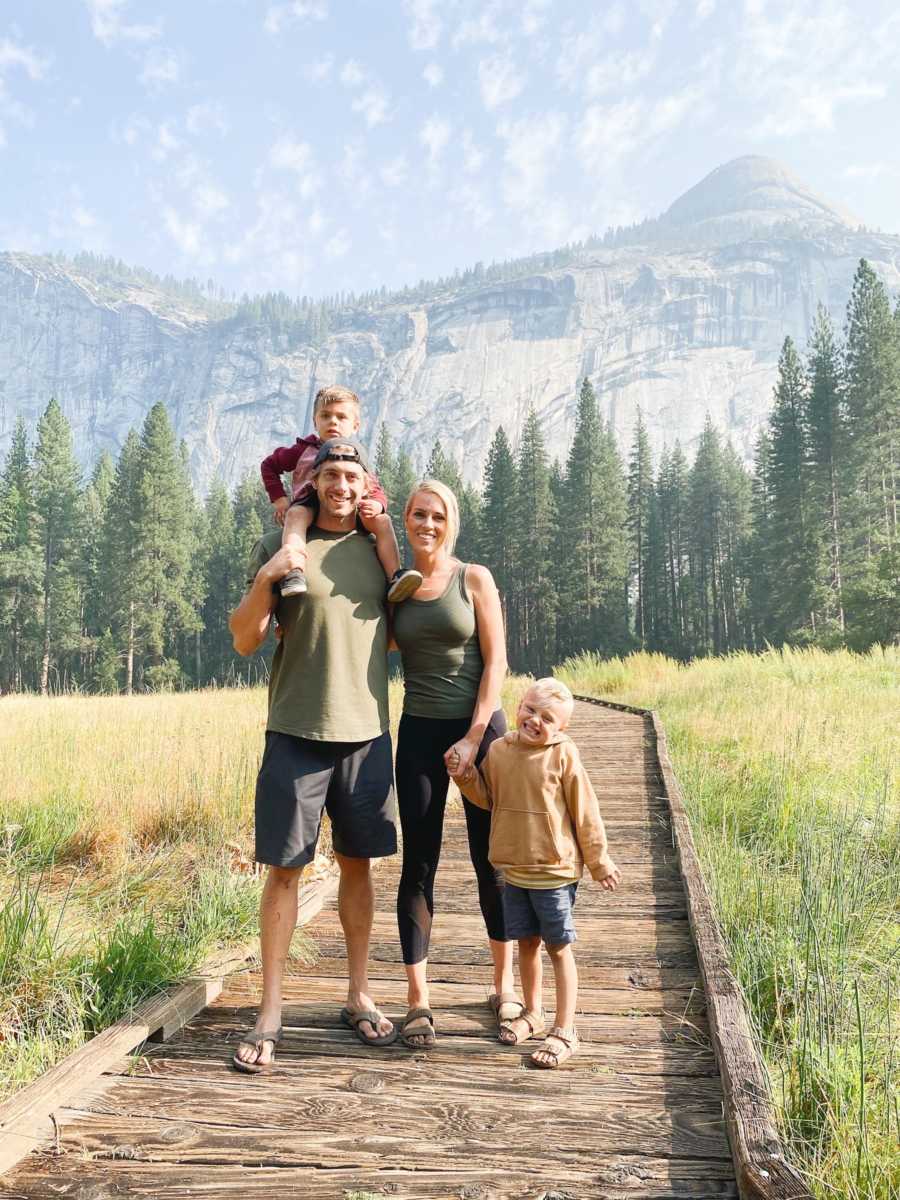
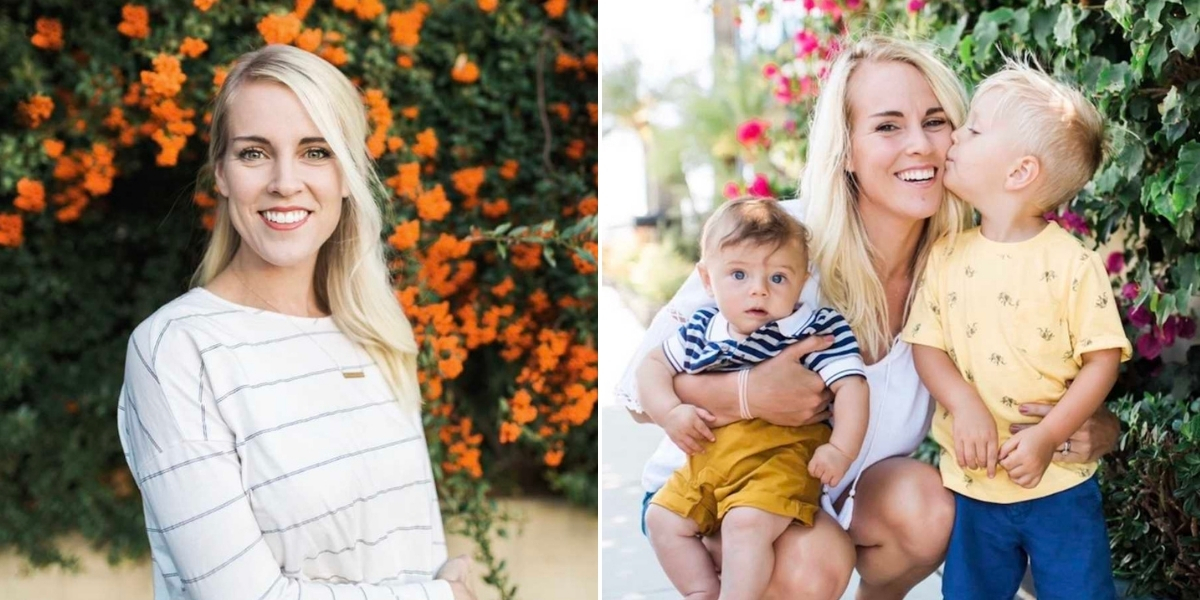
Around that same chapter of life, I married my high school sweetheart. A few years into teaching, I became pregnant with our first son, and we eventually moved. I redirected the same passion I had poured into teaching into motherhood and our growing family. Family has always been everything to me. Before long, we became a family of four, and my world felt both fuller and more grounded.
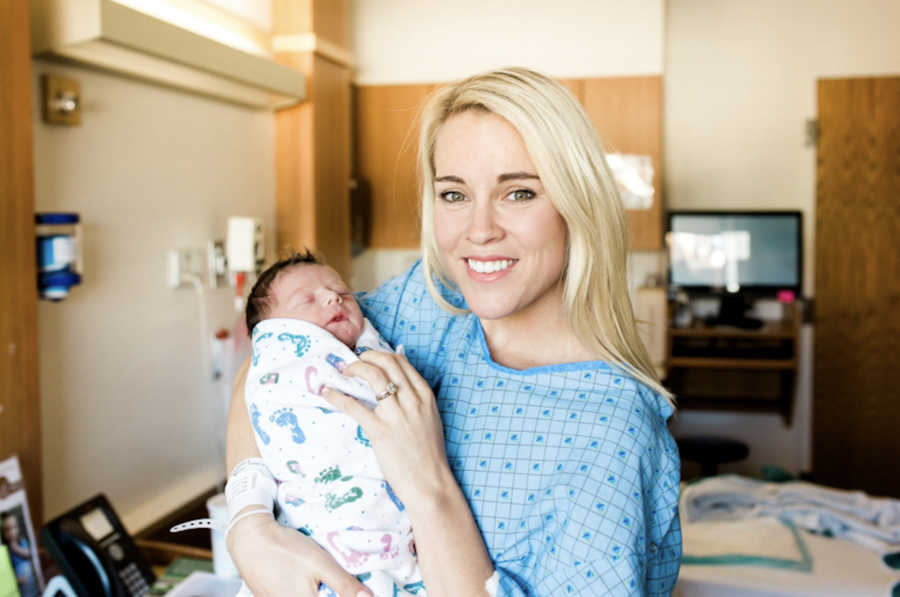
During this season, my husband and I made one of the most monumental decisions of our lives. After years of intense study, reflection, and emotional wrestling, we chose to step away from the Church of Jesus Christ of Latter-day Saints—a religion we had devoted our entire lives to but no longer identified with. For those unfamiliar, the Mormon Church is a high-demand religion believed by its members to be the singular source of truth. Growing up near its headquarters meant religion touched nearly every aspect of daily life. Within that structure, there was little space for nuance without judgment or eternal consequence. While we’ve worked hard to remain respectful and authentic, many relationships naturally shifted. For some, doubt feels contagious, something to be avoided.
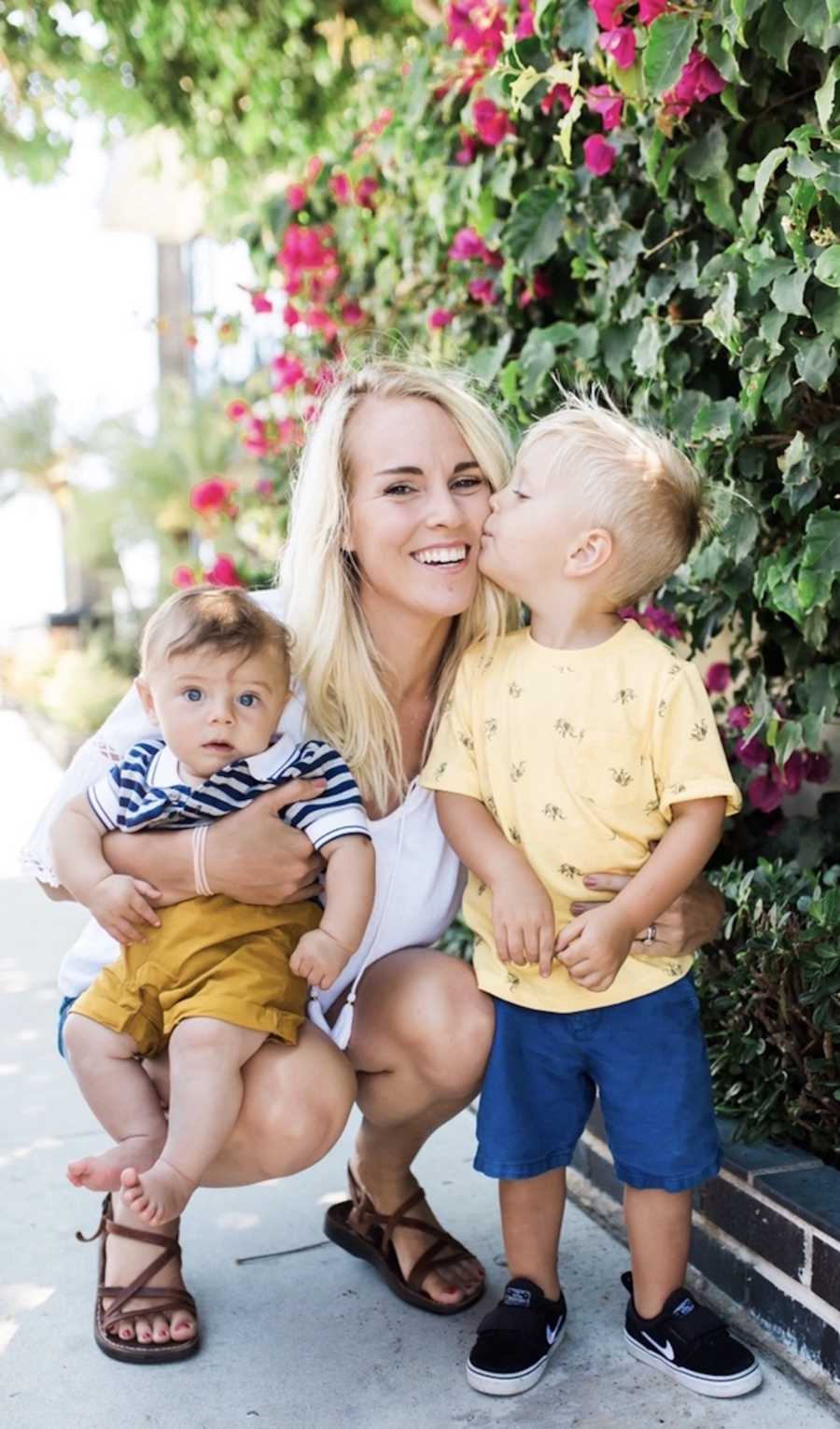
The community that once loved and raised us suddenly felt unfamiliar, even isolating. My heart cracked wide open. Therapy became a powerful lifeline as I navigated identity loss, complex relationships, and the deep process of deconstruction. I immersed myself in healing and trauma research, discovering how profoundly pain shapes people. Leaving an orthodox religion opened a vault of lived experiences, wisdom, and vulnerability as my foundation and sense of self crumbled and slowly rebuilt. I found myself drawn to those who felt unseen, unloved, or pushed aside. I could not bear the thought of another child growing up without unconditional love. Every child deserves to be celebrated exactly as they are, and I became determined to be a safe place for those who didn’t have one.
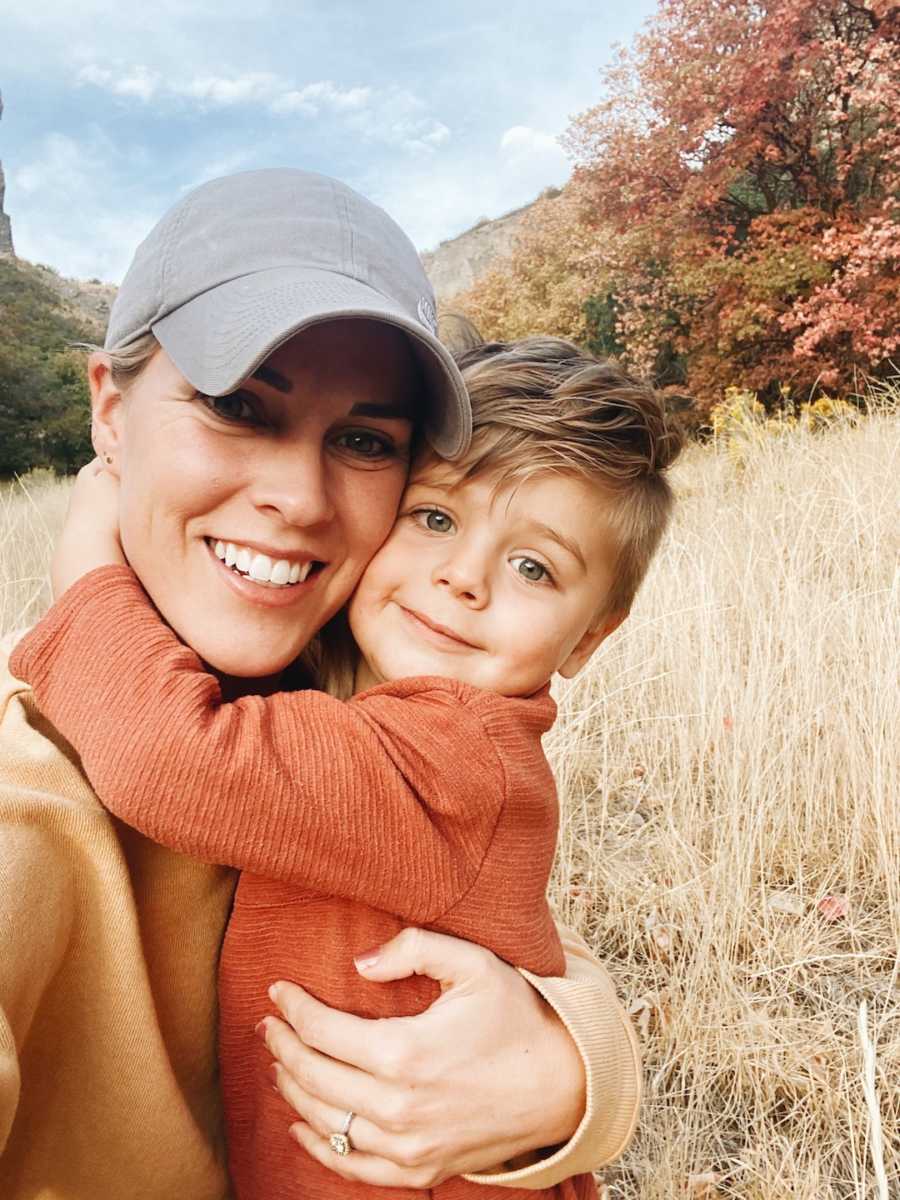
One day, while casually scrolling online, I came across information about becoming a CASA—Court Appointed Special Advocate. Something clicked instantly. I signed up for an interview within a week and completed the 35-hour training a month later. The final step included court observation and being sworn in by a judge. I spent hours watching families stand before the court—parents pleading for their rights, missed drug tests, devastating abuse, a mother firing her attorney mid-hearing, and advocates fiercely fighting for children who had no voice. The stakes were impossibly high, and the weight of it all was unforgettable.
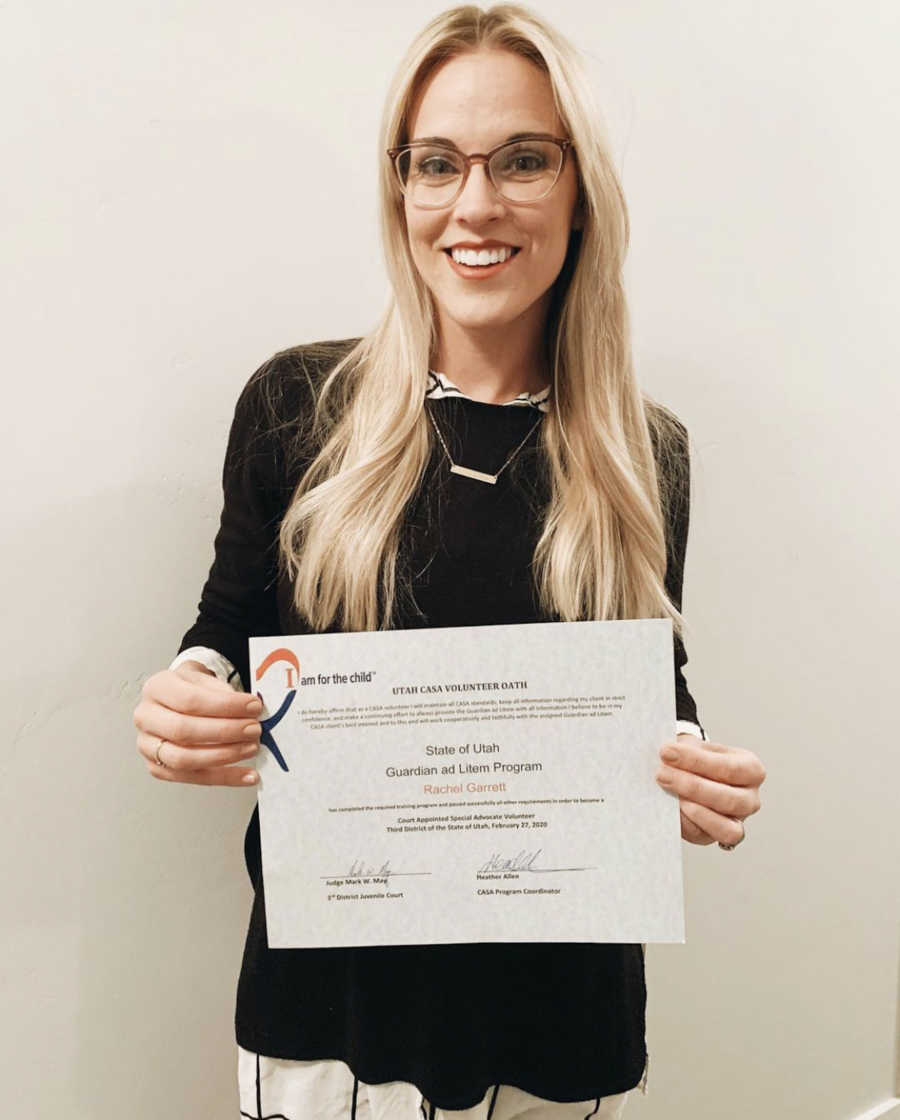
Three days before COVID-19 shut the country down, I received my first CASA placement: a teenage girl in foster care. I was anxious and uncertain about how to build trust during isolation—especially with a teenager who likely wanted nothing to do with me, and only over the phone. Still, I reminded myself that I didn’t need all the answers; I just needed to show up with my heart and my time. I dialed her number and told myself to simply sit with her in her pain.
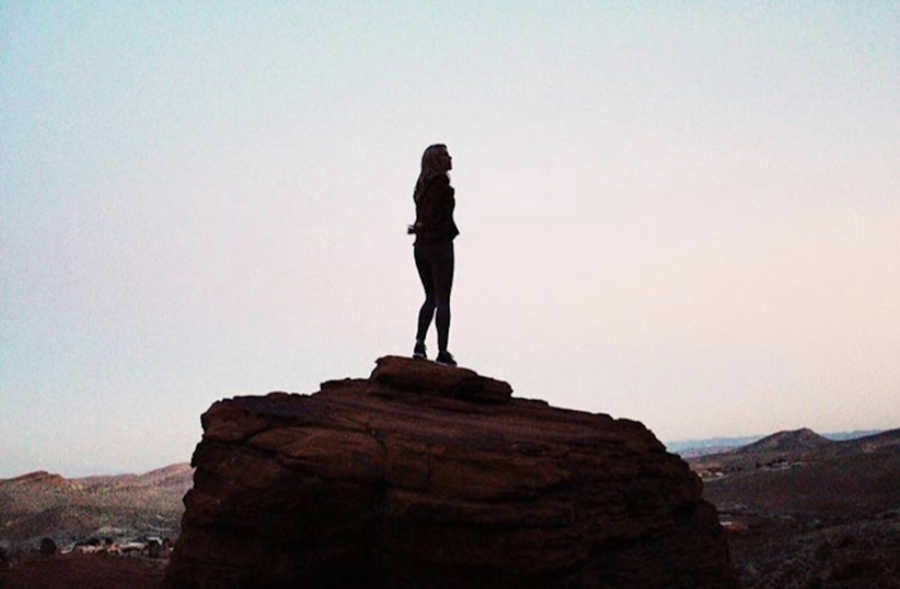
We began talking for an hour each week, and slowly, something beautiful grew. One evening, I painted in our unfinished basement while she excitedly told me about the boys she met at Cherry Hill that day. We laughed over awkward teenage behaviors, and for a moment, she was just a kid again. Hearing her experience joy outside her trauma felt monumental. In that sacred moment, something dormant inside me reignited.
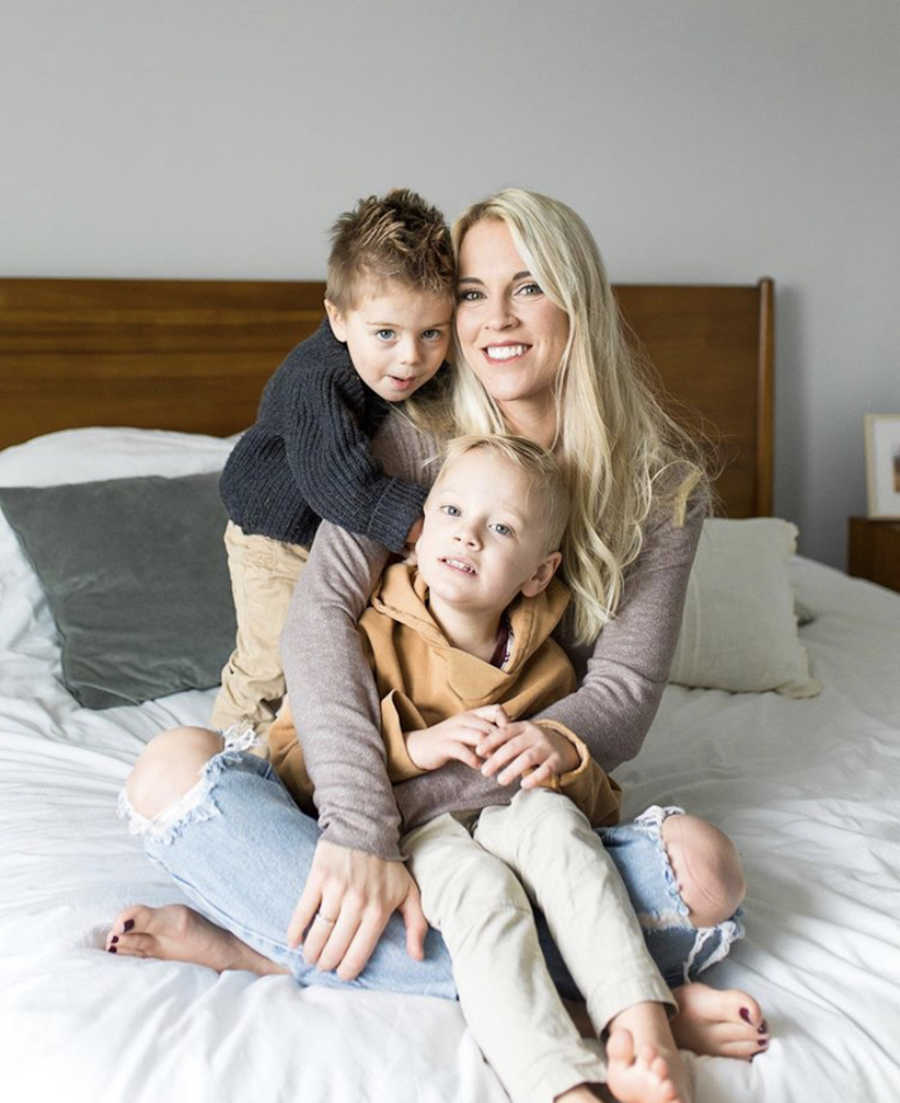
By Fall 2020, everything converged. Carson and I found ourselves deep in conversation, quietly asking, “Do we have another child?” I had pushed aside the idea of fostering early on, convinced we weren’t ready and were still deep in young motherhood. But day after day, witnessing the system as a CASA, the pull grew stronger. Every discussion about expanding our family led my thoughts back to the countless children—here and now—who needed safe, loving homes.
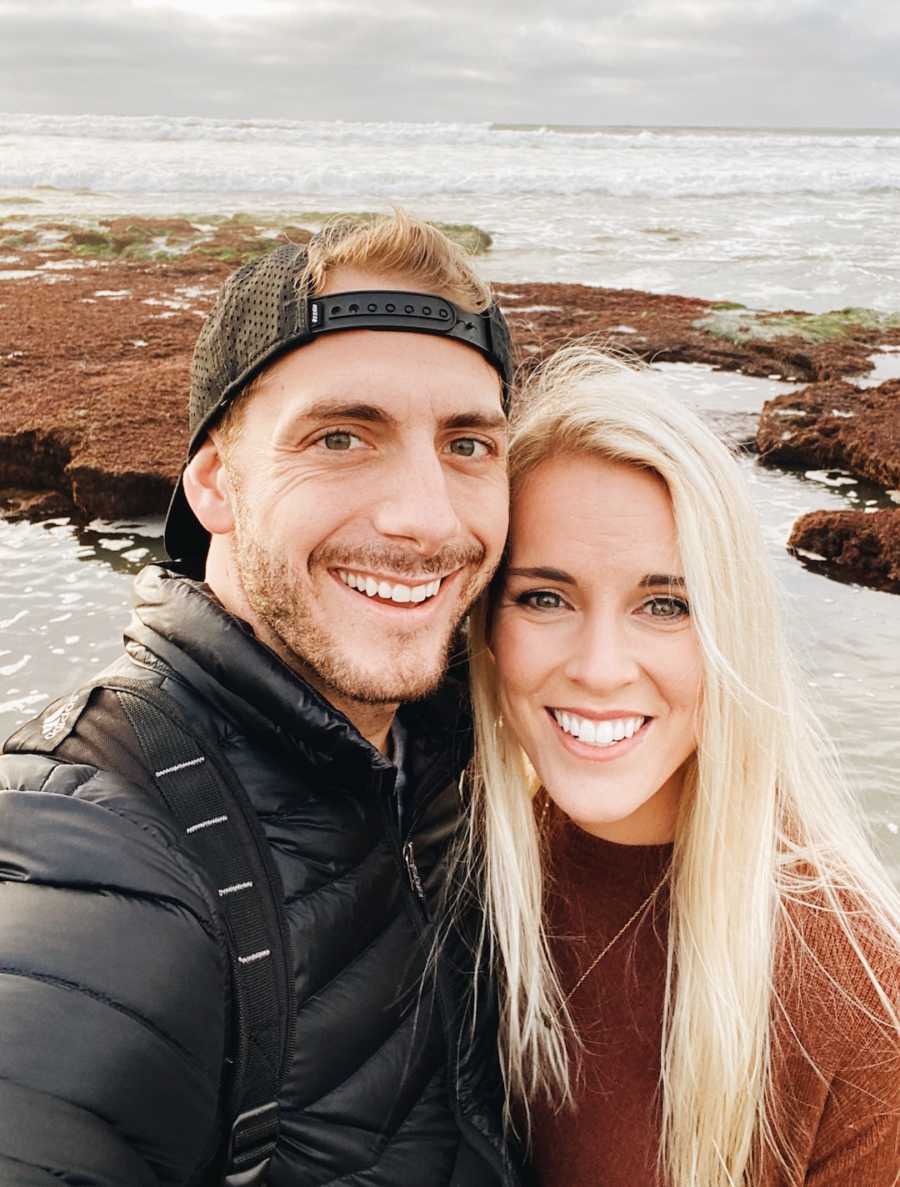
One afternoon, I finally blurted out, “What if we fostered?” Carson voiced the same concerns most people do. He joked that I should prepare a Shark Tank–style PowerPoint with real logistics instead of stigma. I did exactly that. A week later, he said, “I think we know what we need to do. We just have to stay on the same page.” Late-night conversations grew more serious, and soon we were sharing earbuds on walks and drives, completing weekly training together.
All my experiences began weaving together into something clearer and stronger. Teaching prepared me to work with youth. Motherhood opened my heart and home. Being a CASA showed me the system from the inside. Leaving religion reshaped my understanding of identity, trauma, and resilience. Each thread led me here—toward advocacy, fostering, and showing up. I will never fully understand the pain a child carries when they’re removed from their home, but our hearts and home are open, ready to meet them where they are.
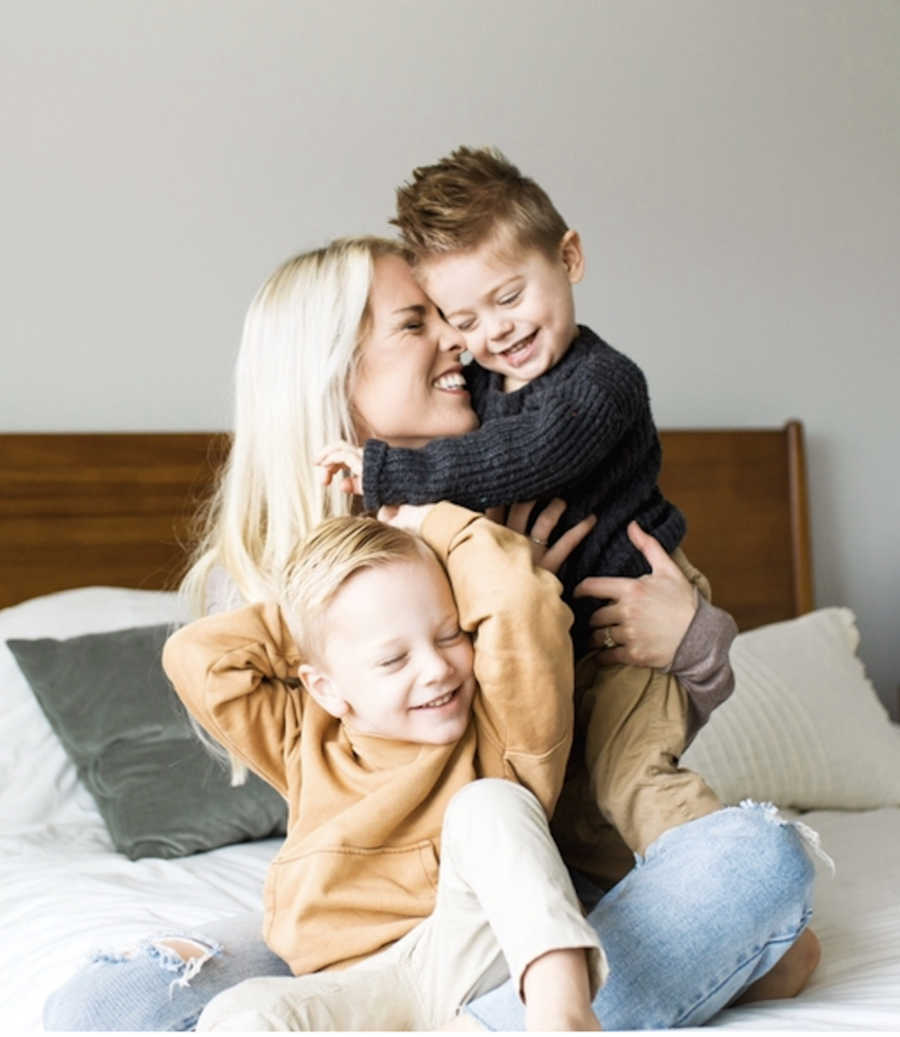
This space holds both grief and hope. The pain that precedes a child entering foster care is immense, and the weight of that reality is heavy. We are mindful of boundaries, especially with young children in our home, and we approach fostering with deep respect for biological families. Our commitment is to offer solidarity, compassion, and unwavering love to the children entrusted to us. I don’t know what the future holds, but I will keep doing the next right thing—allowing every experience, lesson, and moment of wisdom from the past to guide me toward the people and places I’m meant to serve.