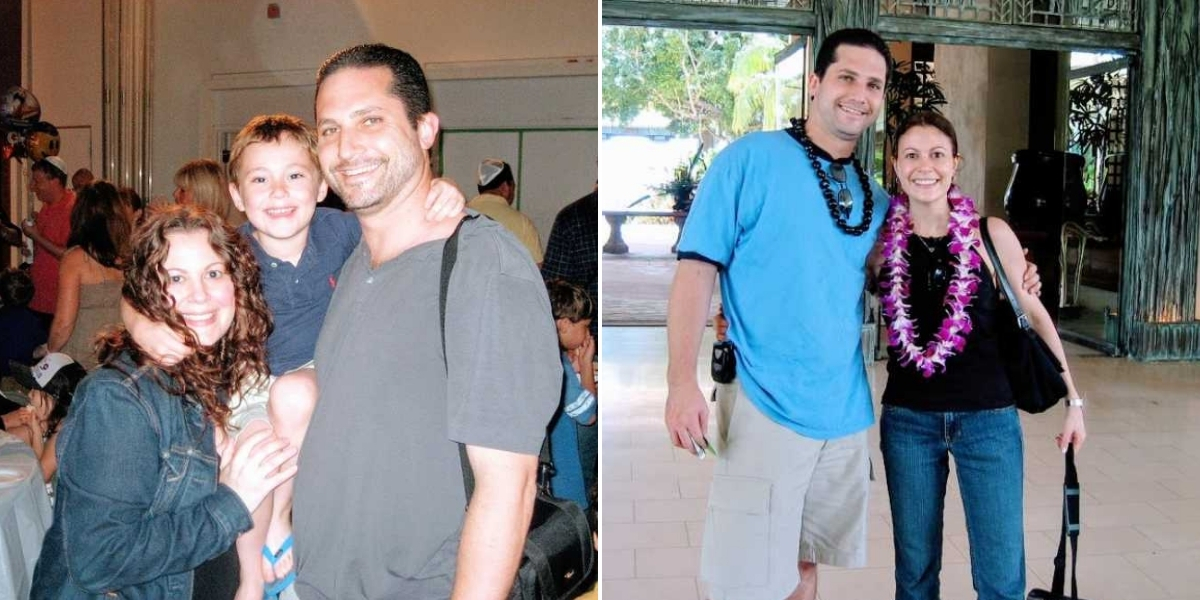
Like many people, I grew up believing that after college, life followed a predictable path: you landed a corporate job, climbed the ladder, ran the hamster wheel for decades, and eventually retired comfortably. For a while, that was my reality. I worked in the corporate world—specifically the fashion industry—and spent years traveling to Asia multiple times a year. At first, it felt exciting and glamorous, but over time, the constant travel lost its shine.
When my husband and I decided we were ready to start a family, I assumed pregnancy would come easily, just like it does in movies and TV shows. But month after month, nothing happened. I had dreamed of becoming a mother since I was a little girl, so facing infertility was a painful and humbling reality.
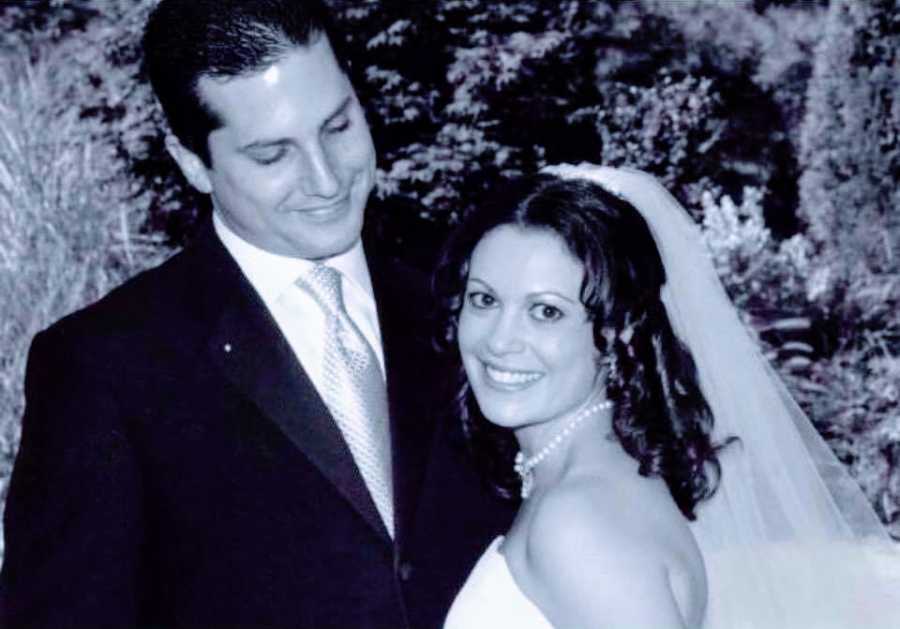
Back in my twenties, my gynecologist had warned me that endometriosis might make conceiving difficult. At 22, it didn’t feel urgent or real. But now, those words replayed constantly in my mind. I felt like I was failing my husband, like my body was betraying me. I began pulling away from friends—especially those who were pregnant—and slowly isolated myself in grief and self-blame.
After another appointment, my doctor gently suggested we see a fertility specialist. I knew people who had gone through infertility, but I didn’t truly understand what it entailed. The process felt overwhelming, lonely, and devastating, as though a massive bomb had been dropped into my life.
Still, hearing success stories from friends and family gave me hope. If they could survive this, maybe I could too. And thankfully, we did—on our very first IVF cycle, we became pregnant. We were even able to freeze additional embryos, which felt like a small miracle in itself.
When our son turned one, we decided to pursue IVF again for baby number two. The process felt more familiar the second time, but the emotional toll was just as heavy. I remember my heart pounding during every two-week wait. When the nurse called to tell me I wasn’t pregnant, the pain was physical. I was stunned. How could it have failed?
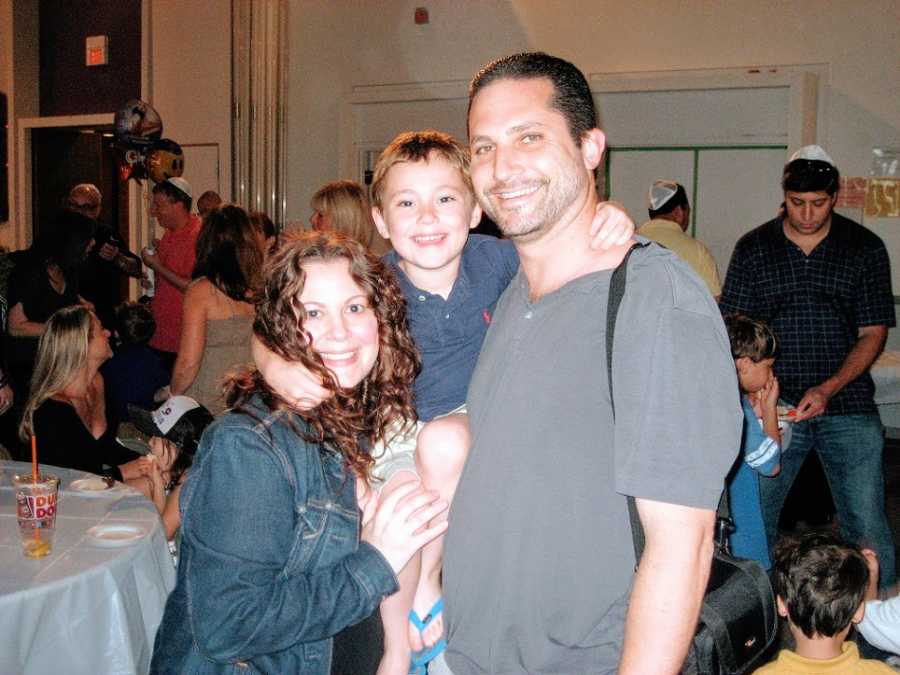
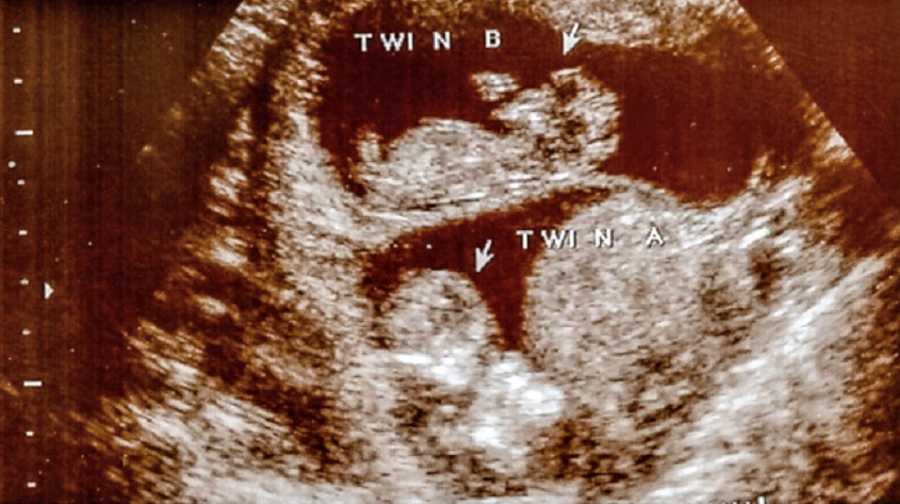
We kept going—through more cycles, canceled attempts, failed transfers, and five heartbreaking miscarriages. What I wish had been quick took more than four years, nearly $200,000, and 15 IVF cycles before we finally achieved another viable pregnancy. At an early ultrasound, we learned we were pregnant with twins. For the first time, everything felt like it finally made sense.
We poured everything into those babies—physically, emotionally, and financially. Each ultrasound brought relief and joy as we watched them grow and thrive. I felt incredibly blessed to be carrying twins and proudly embraced the belly I had waited years to have.
Despite occasional discomfort, I felt well overall. I avoided Googling symptoms, reminding myself that twin pregnancies come with added pressure and sensations. I was grateful, optimistic, and hopeful that our long journey was finally nearing its reward.
At my 16-week ultrasound, the radiologist expressed concern about my cervix and recommended bed rest. When I followed up with my maternal-fetal medicine specialist, he dismissed the concern and cleared me for normal activity—even approving a vacation. Though uneasy, I agreed to go. The trip held deep meaning: my husband and I had met on this island, and it would be our first time returning with our four-year-old son.
That evening, joy turned to terror when I began bleeding heavily.
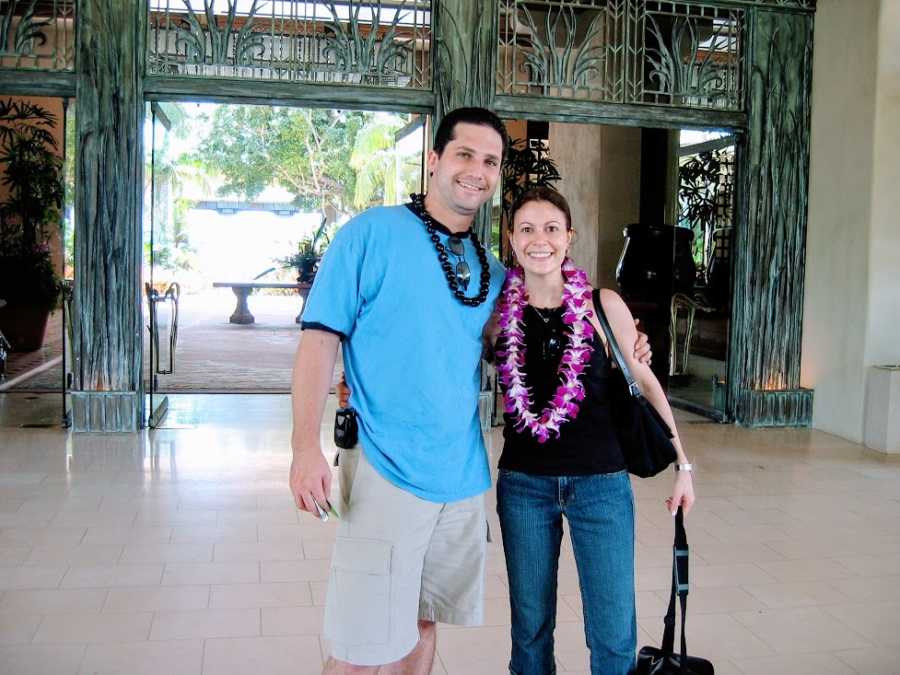
Getting medical help was a nightmare. I was taken by police boat to an ambulance and rushed to a small hospital unequipped for my emergency. There was no MFM on staff, and even getting admitted felt traumatic. Throughout the night, my MFM stayed in contact with the local doctors. While the babies remained stable, my cervix was opening prematurely. At one point, I became septic, and my life was at risk. All I cared about was saving my babies—even if it meant losing myself.
By morning, I was transported by ambulance to my home hospital several hours away. The trip felt endless. As soon as I arrived, my water broke, and delivery became unavoidable.
We had chosen not to learn the sex of our babies, believing birth should be one of life’s few surprises. But as everything collapsed, I desperately wanted to know. A quick ultrasound showed both babies were still alive, but there was no time to determine their genders.
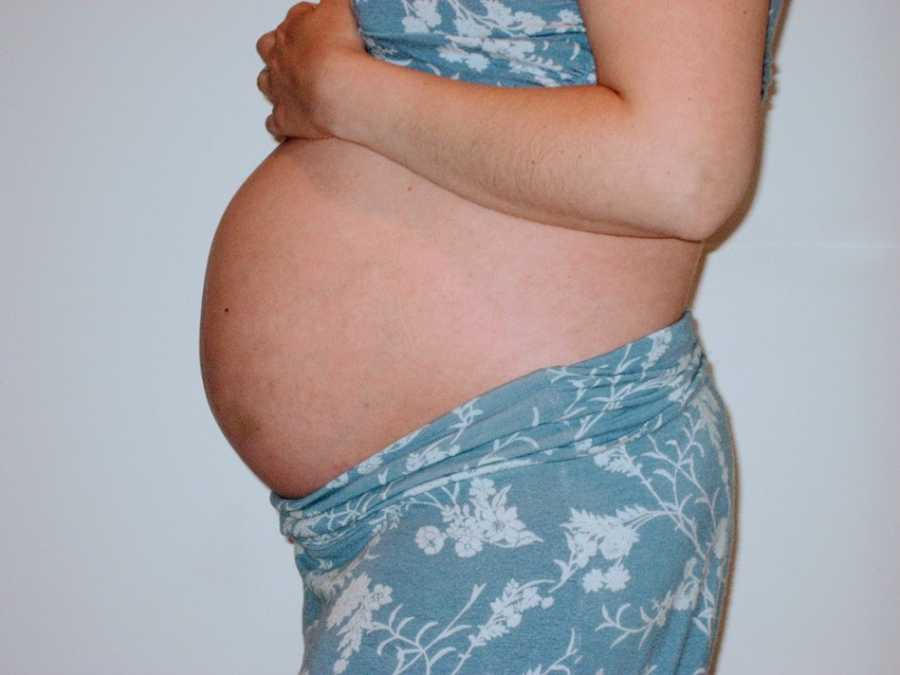
Because of an immune condition requiring blood thinners, I couldn’t receive an epidural. I was placed under general anesthesia. When I woke up, I was terrified to ask what had happened. Eventually, the nurse told me Baby B was still inside me, but Baby A had to be delivered.
The choice to partially terminate my pregnancy was never truly a choice—it was the only way to save one life. Baby A, our son Alef, was born, and immediately afterward, my cervix closed. His placenta remained, and Baby B stayed safely inside. Alef saved his twin’s life.
I struggled for hours over whether to hold him. Ultimately, I chose photographs and the small blue memory box. I knew I couldn’t let myself fully break—not yet, not with another baby still depending on me.
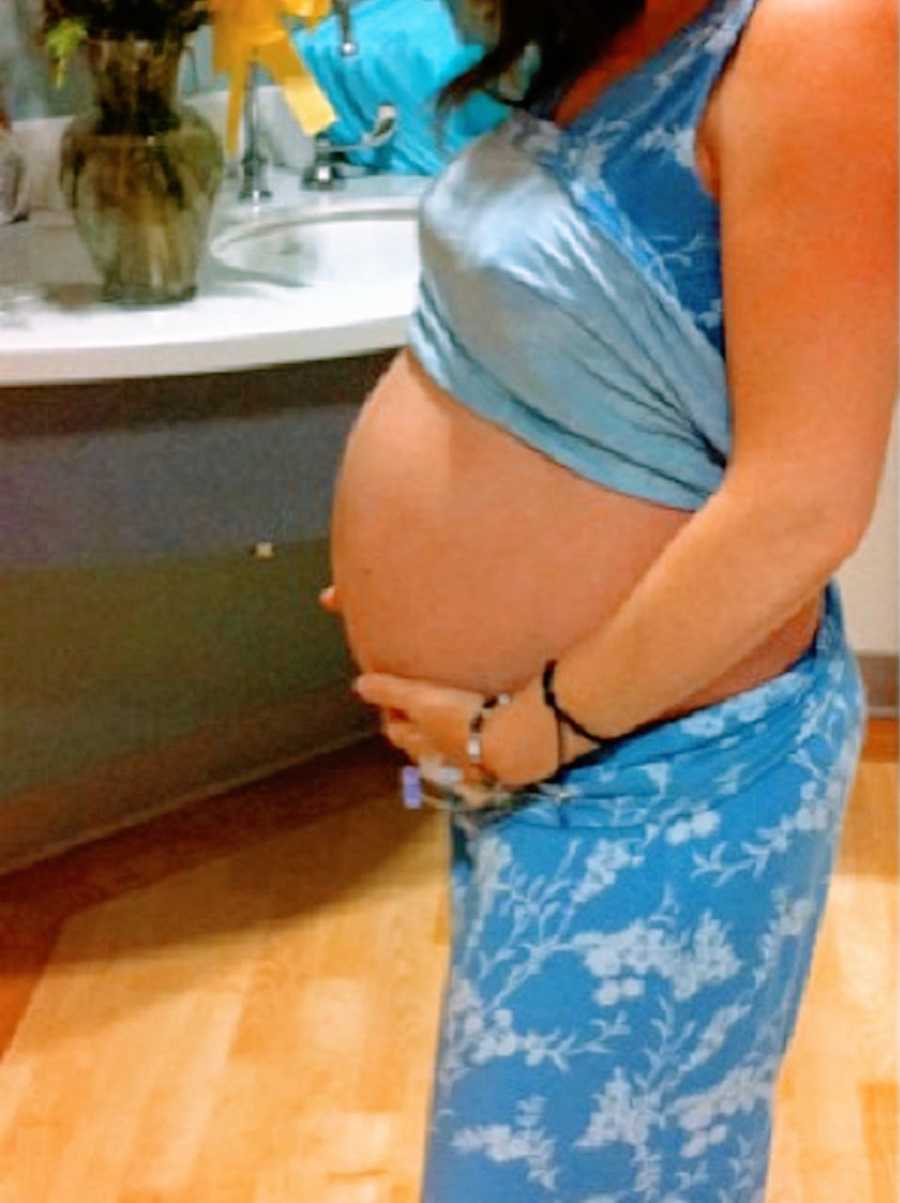
I regret not seeking a second opinion. I regret not holding my son. But I believe life unfolded exactly as it was meant to.
Alef was both a Rainbow Baby and a Sunset Baby—a term used when a twin passes away. His sister became a Sunrise Baby. Over the next 4.5 weeks, I remained hospitalized on bed rest, constantly warned that I wasn’t out of danger. Eventually, a cerclage was placed—something I wish had been done earlier.
Days blurred together until one visit changed everything. My water began leaking again. I refused to give up. I endured steroids, Magnesium treatments, and constant fear. At 23 weeks and four days, severe pain struck. I knew what was happening.
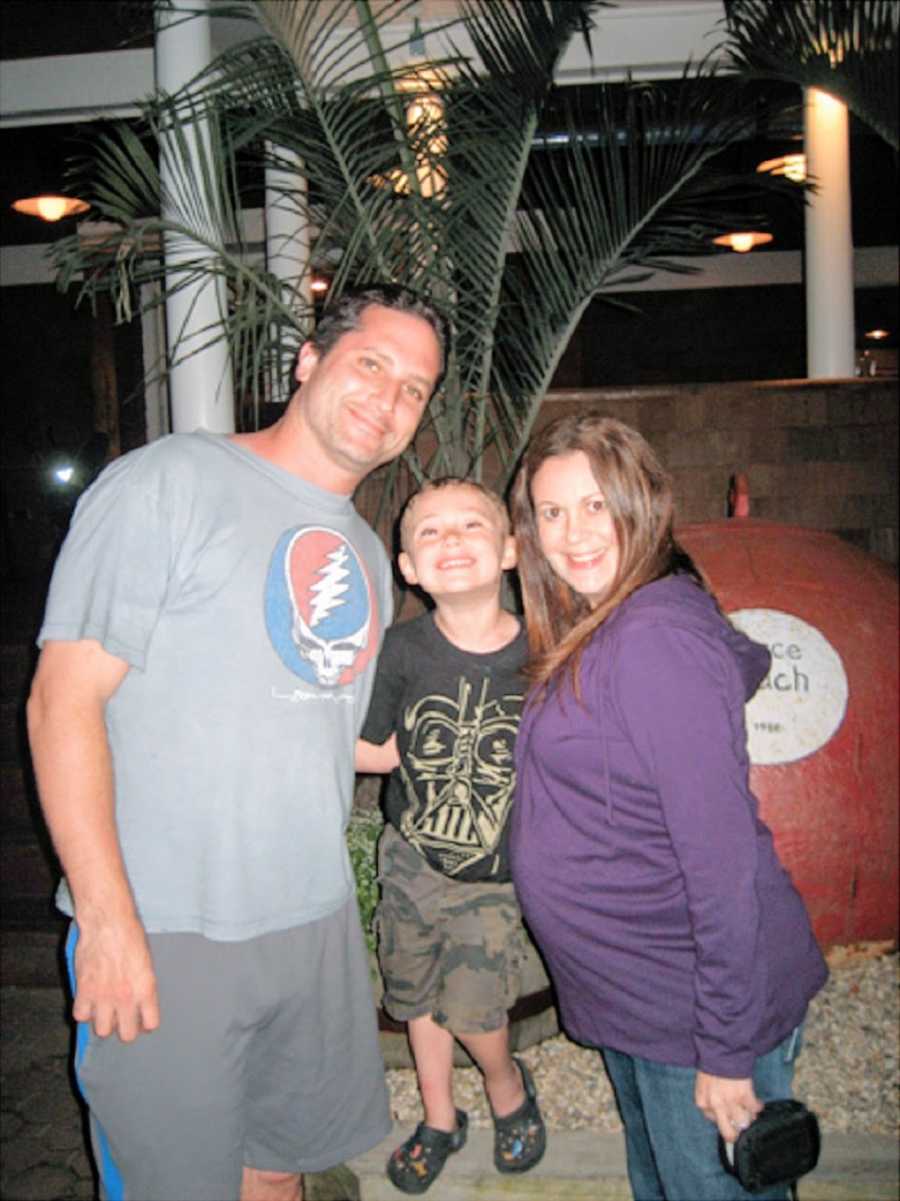
Within minutes, I was rushed into surgery for an emergency C-section. There was no time for anesthesia. I remember screaming for them to save my baby.
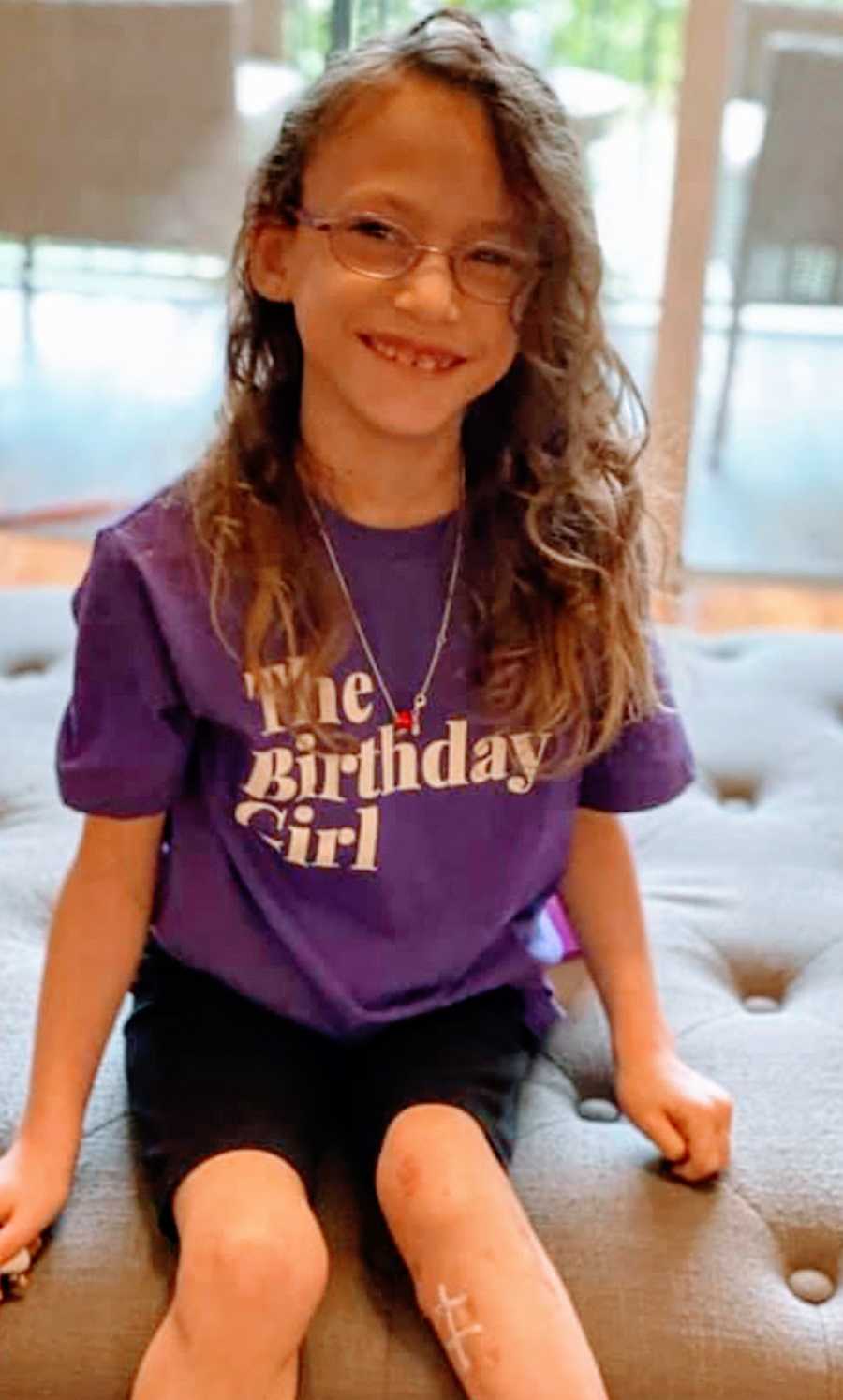
When I woke up, my husband was smiling through tears. We had a daughter. He named her Olive because she was tiny—like a little olive. Born at just 23.4 weeks, she had less than a 5% chance of survival. But after 135 days in the NICU, she came home.
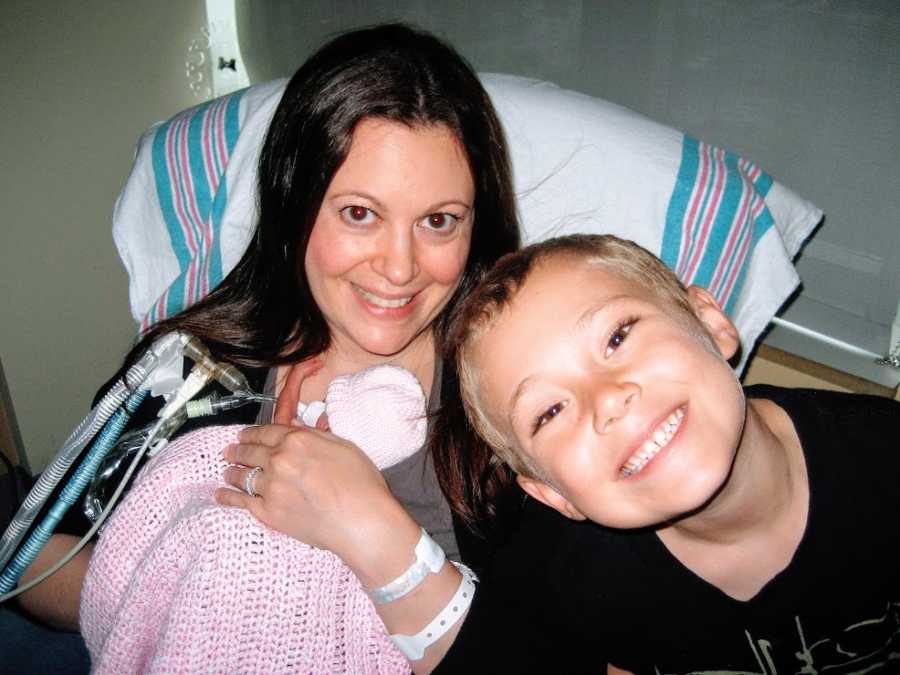
And that is how our Sunrise Baby changed everything.