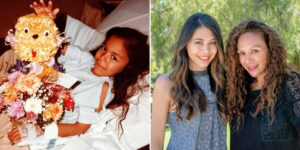
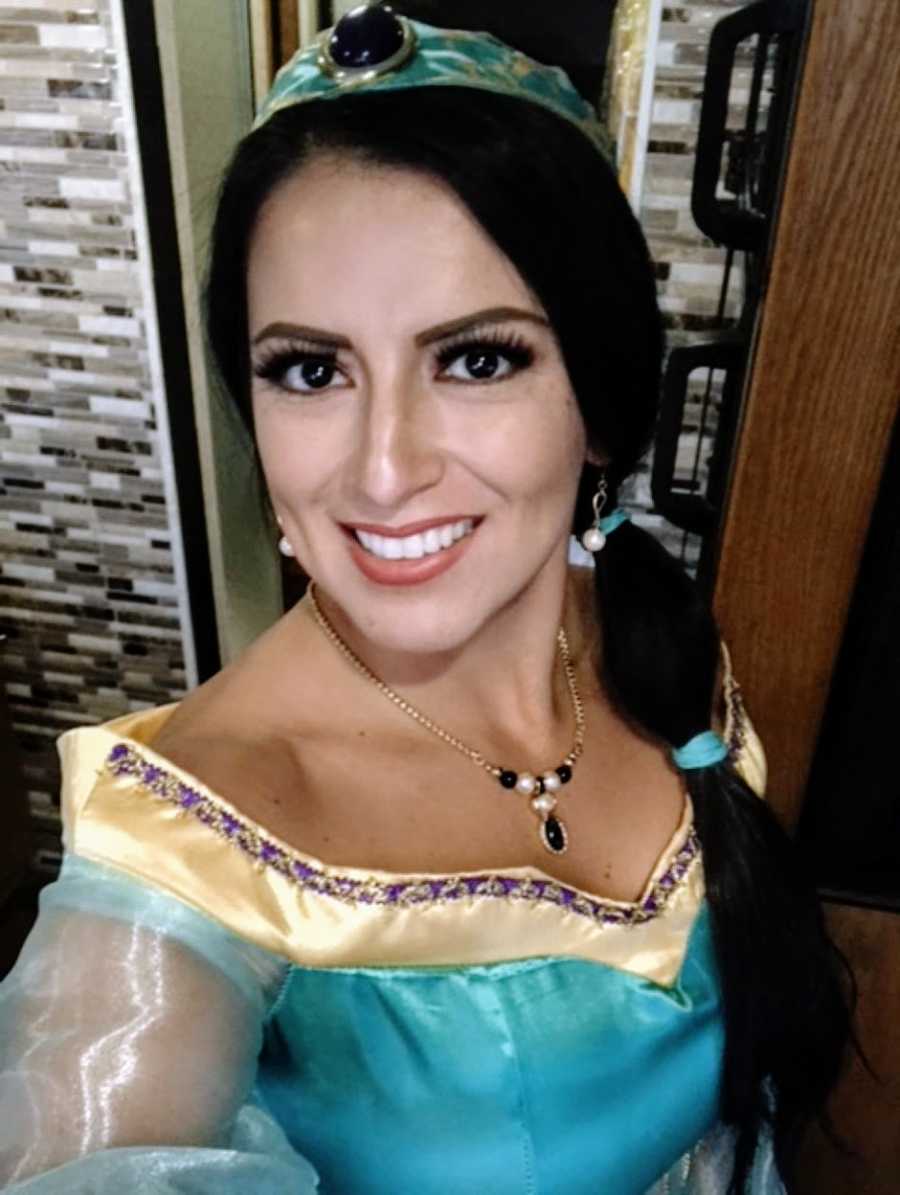
When I was little, I believed in fairy tales. I loved imagining the princess, her prince charming, and their perfect, happy ending. Like so many little girls, I longed for a fairy tale of my own. I pictured myself in a magical land, surrounded by beauty, wonder, and light, waiting for my prince charming to arrive—riding in on a strong, dazzling white horse. In my mind, it all seemed enchanting, perfect, and effortless.
But I was missing one small detail: I had no idea that for a happy ending to truly arrive, the princess would have to face her own struggles. In my childhood imagination, there was no room for obstacles, for dark shadows, or for any antagonist at all. It wasn’t until I grew older that I realized the truth: every great story is built on challenges that must be overcome. Without them, the triumphs, the miracles, and the joy would hold no meaning.
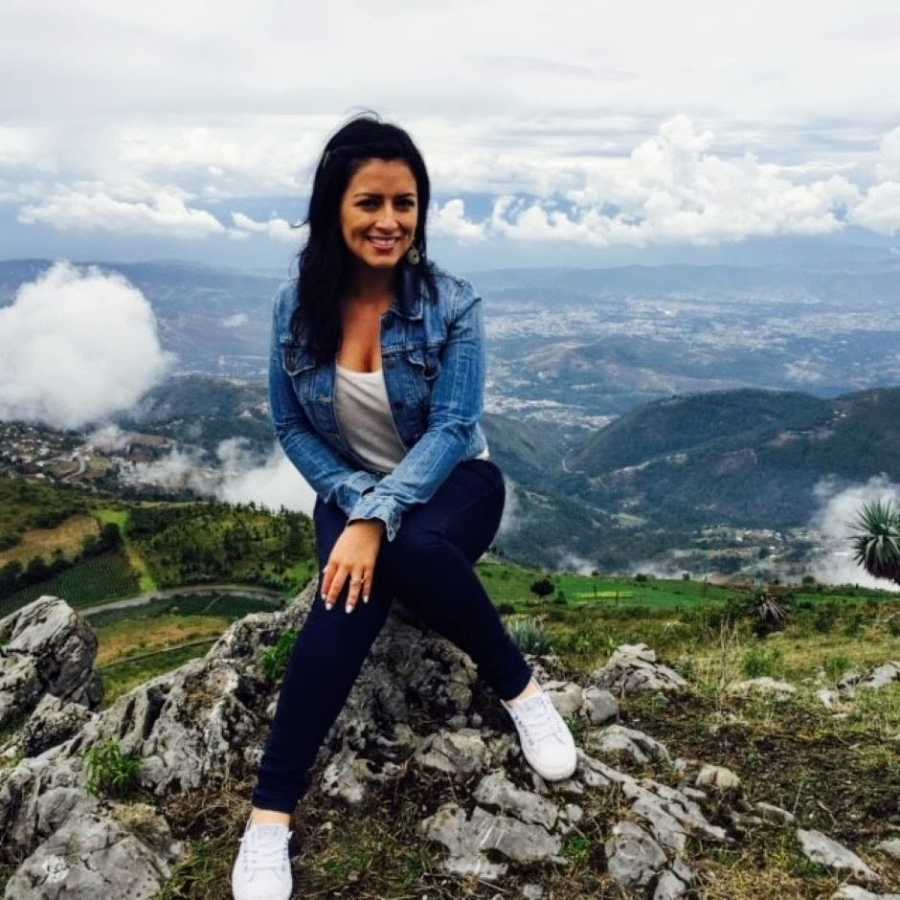
Now, at 34 years old, I wouldn’t say I fully believe in fairy tales as they are written in storybooks or shown in movies. But I do believe in a story—a life that unfolds with moments of beauty, magic, and miracles—and a life worth telling. And this is the part of my story where my ‘prince charming’ didn’t come riding in on a horse. He arrived in a completely different form: a baby I was blessed to carry in my womb for almost eight months. The antagonist wasn’t an evil witch or a cruel stepmother—it was a quiet, hidden enemy called ovarian cancer.
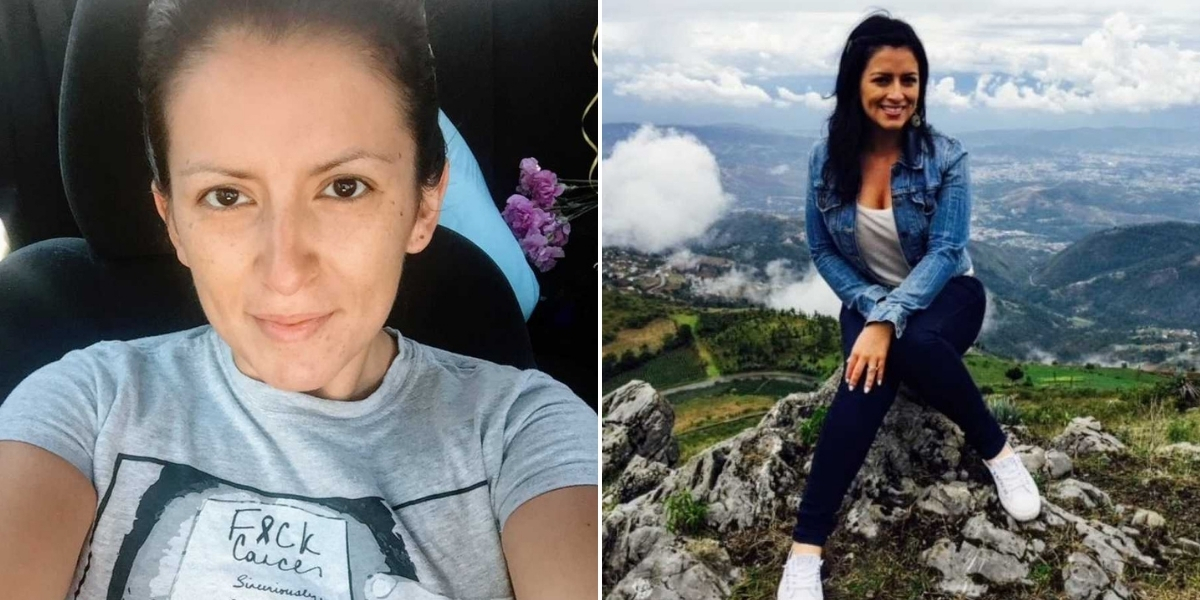
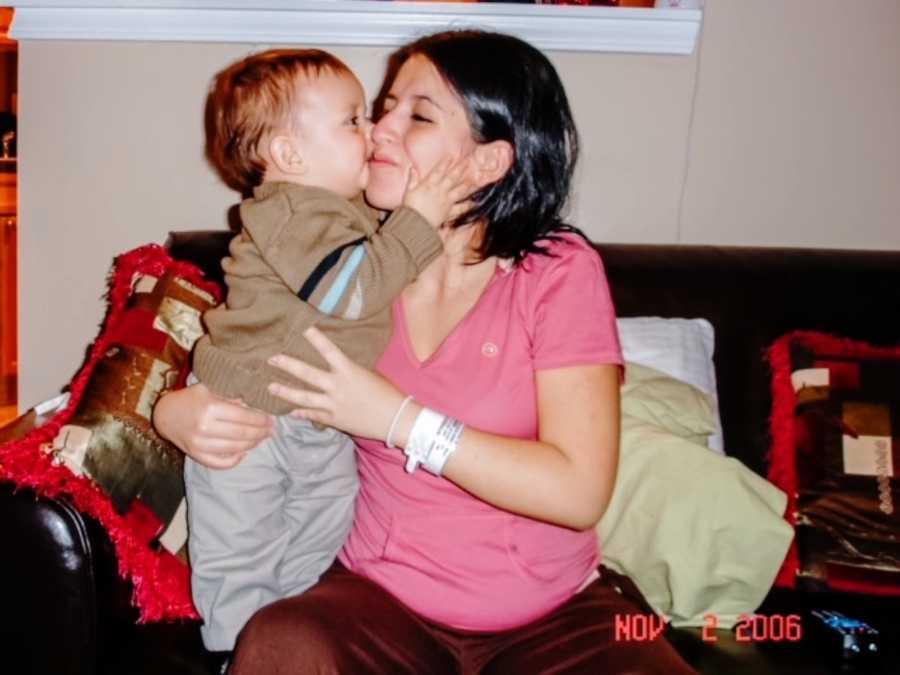
My story began on October 30, 2006. I was twenty years old, pregnant with my second child, and just over a year into my marriage. I had a little boy, Andy, who was about to turn one, and I was preparing to welcome a second child into our family. A cancer diagnosis was the last thing I expected. It blindsided me, my husband, my family—even the doctors.
It all started during a routine ultrasound of my pregnancy. What should have been a joyful, ordinary appointment turned into a referral for a minor outpatient procedure after my first trimester, to investigate a mass the doctors had seen. Initially, it was ruled a benign uterine fibroid. My doctor reassured me, “It looks solid and round, which is actually good news. It should dissolve on its own after the baby is born.” I left the appointment believing everything was fine.
Weeks later, on October 30, I went in for surgery. Looking back, I realize I should have been terrified—but I wasn’t. Naïve as it sounds, I thought it would be a simple procedure and that I’d be home by dinner. I remember walking into the hospital, the nurses trying to calm me, explaining that because of my pregnancy they couldn’t give me sedatives beforehand. I thought, “Why are they making such a big deal? The doctor said this is routine.” Little did I know, it was anything but routine.
The doctor operating on me had delivered our first son, so seeing him brought comfort. I remember his calm, reassuring voice as I drifted off: “Okay, Diana, count back with me. 5… 4… 3…” And then nothing.
When I awoke, I felt groggy, aching, and disoriented. What seemed like a few minutes had been hours. As I began to move, I overheard a nurse say across the room, “Yes, patient Diana Lopez… positive for cancer…” I froze. My heart stopped. I couldn’t believe what I had just heard. Summoning all the strength I had, I asked her, “Did I hear that right? Did you just say I have cancer?”
The nurse quickly apologized, explaining I’d soon see my doctor. I closed my eyes, still numb, trying to process what had just happened. Later, in my hospital room, my husband by my side and my dad across from me, I asked the question aloud: “Is it true? Do I have cancer?” When they nodded, I whispered that I didn’t want my mother to know yet—I couldn’t bear to break her heart.
Suddenly, the world seemed to shift. I was a cancer patient. But what did this mean for my future? For my husband? For my son Andy, whose first birthday was just days away? And what about the tiny life inside me, the baby we were still learning to love as a person of their own? Miraculously, the doctors had removed the tumor—about the size of a softball—without harming my uterus. My baby was safe. A miracle. My future, however, was still uncertain.
On November 2, 2006, my doctor returned with the results. The cancer had been encapsulated in my right ovary and had not spread. Perfect timing, he said. “It’s as if the tumor was waiting for the exact right moment to be removed.” Relief and joy washed over me in equal measure. I sobbed and smiled at the same time, looking at the doctor and saying, “Thank you! This is the best gift you could have ever given my son, Daniel Andres. Just as you delivered him, you’ve delivered this miracle.”
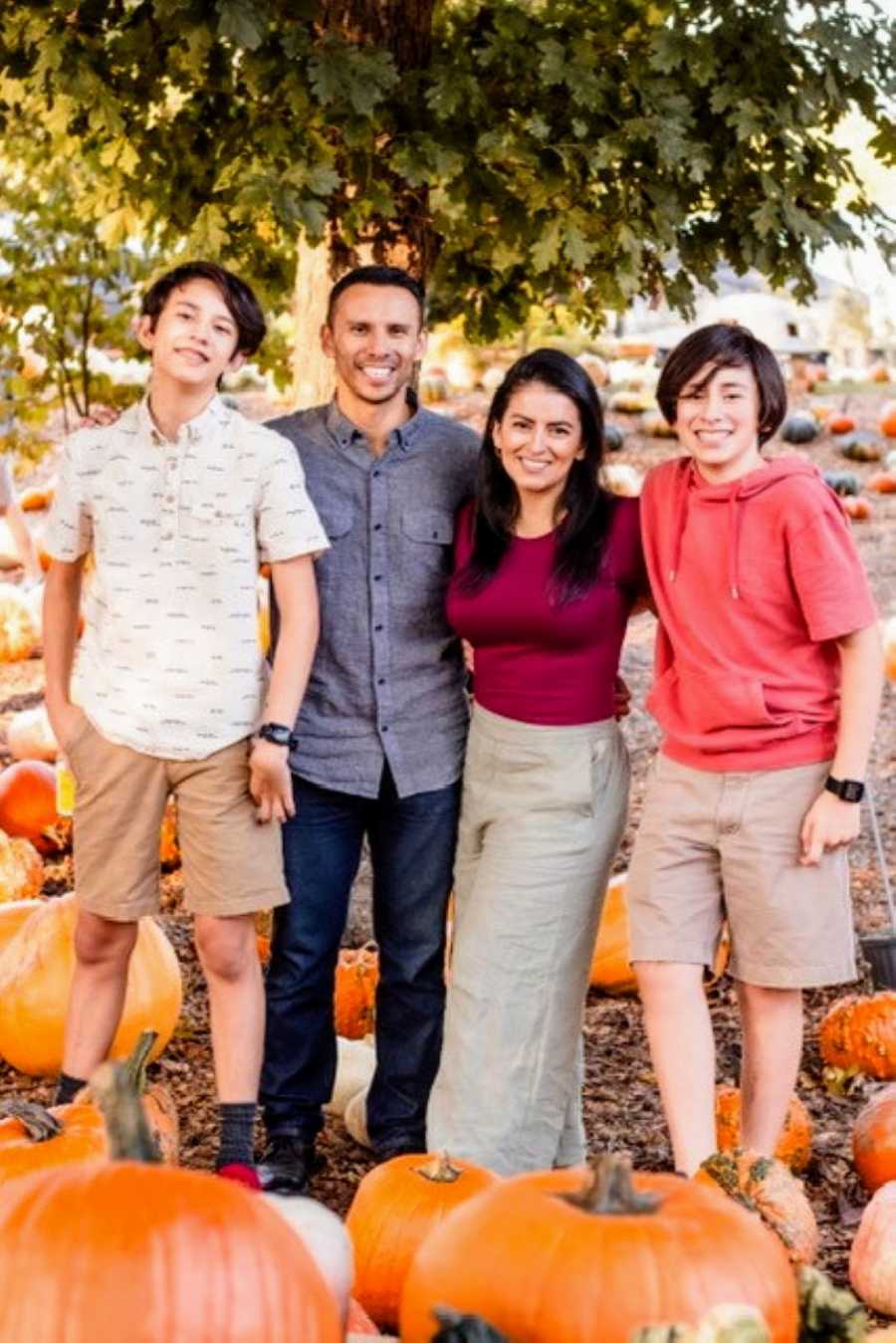
A few months later, I welcomed a beautiful 8.5-pound baby boy. He arrived slightly early and needed extra care, but I was ready to embrace every moment of life with him. After a follow-up surgery post-delivery, I was officially in remission. Life felt like a second chance—my sons were healthy, my family thriving, and I was alive.
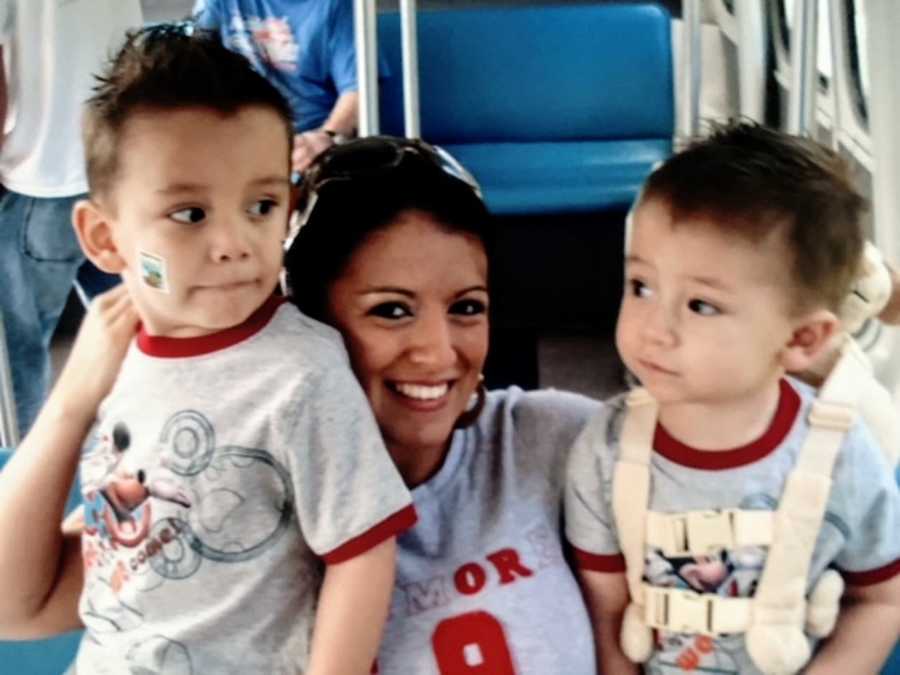
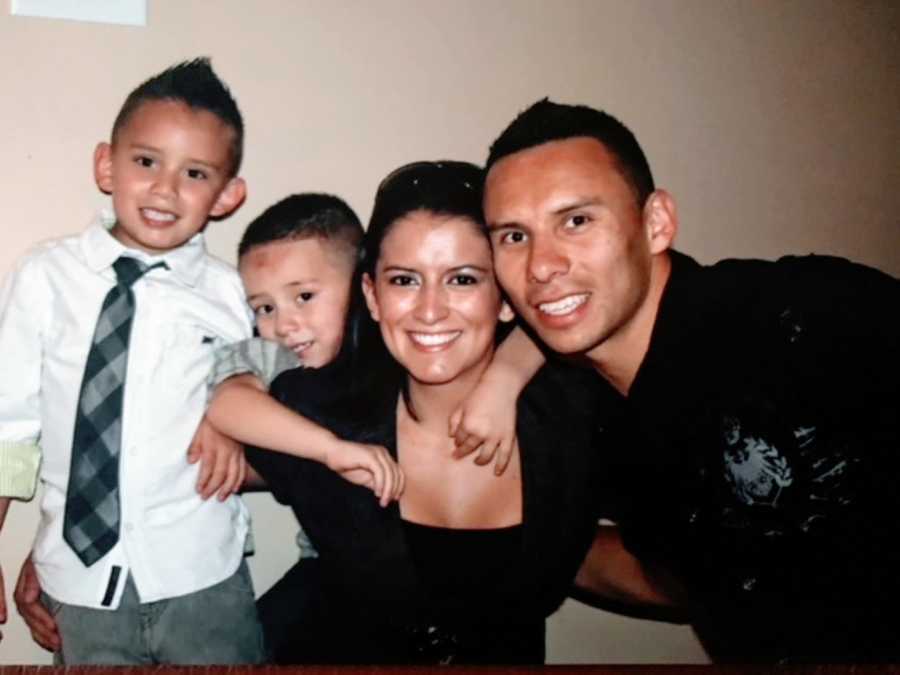
I wish I could say that life was all rainbows and sunshine from there, but that wasn’t the case. As a young couple, my husband and I were still learning how to be parents, spouses, and adults. We stumbled at times, often relying on our own strength instead of faith. But God’s mercy and grace were present in every step, even when we didn’t fully see it. The boys grew, we loved our family, and I clung to the miracle of simply being alive.
Even so, the thought of cancer returning haunted me. After ten years of marriage, two boys, and countless ups and downs, that fear became reality. In 2015, after noticing unusual pain and exhaustion, I went back to my oncologist, spurred on by a friend recently diagnosed with breast cancer. That August, after a family vacation, I received the call I had feared: the cancer was back.
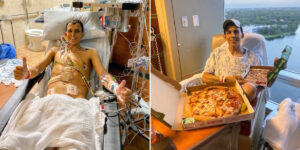
Once again, I faced surgery—an emergency hysterectomy to remove a tumor the size of a cantaloupe. I emerged from the hospital alive and cancer-free, but emotionally raw. Depression set in. I was consumed with fear—fear of leaving my children, fear of dying, fear of the unknown. I clung to my husband, unable to let him out of sight, crying frequently, struggling to focus on anything but the possibility of death. My world felt small, heavy, and dark. Yet slowly, with faith, support, and time, I began to heal.
For years, I hesitated to share my story. Survivor’s guilt weighed heavily on me—I felt unworthy to call myself a cancer survivor when others had suffered so much more. But over time, I realized those feelings were lies. My life is a miracle. Surviving twice has purpose beyond my understanding. I began speaking up, sharing my experience, and realizing that my story could inspire hope and courage in others.
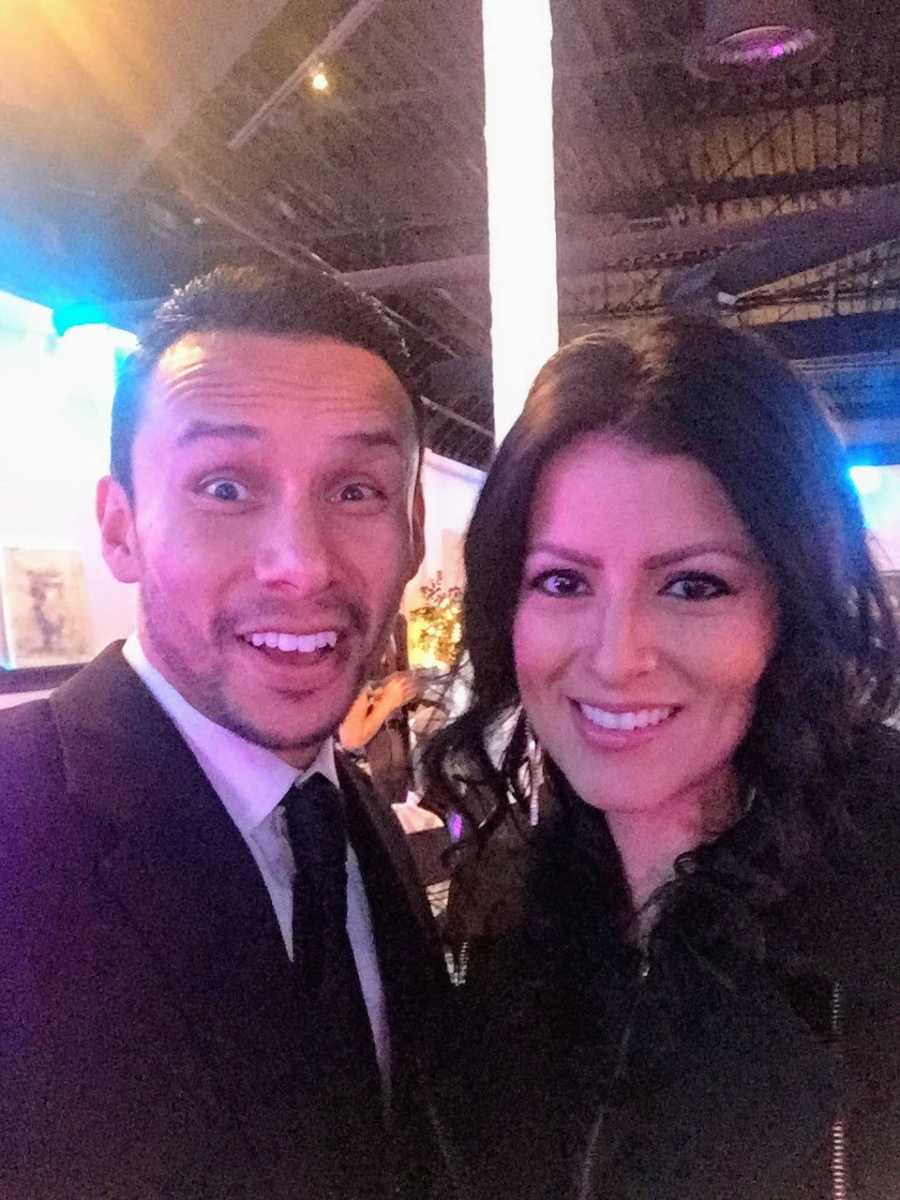
My story may not resemble the fairy tales I imagined as a child. There are no white horses, no magical castles, no easy victories. Yet I have discovered something far greater: the princess can become a warrior. Life’s battles shape us, and the true magic lies in survival, resilience, and the choice to keep fighting. What should echo in my story isn’t the word “cancer,” but the word “survivor.”
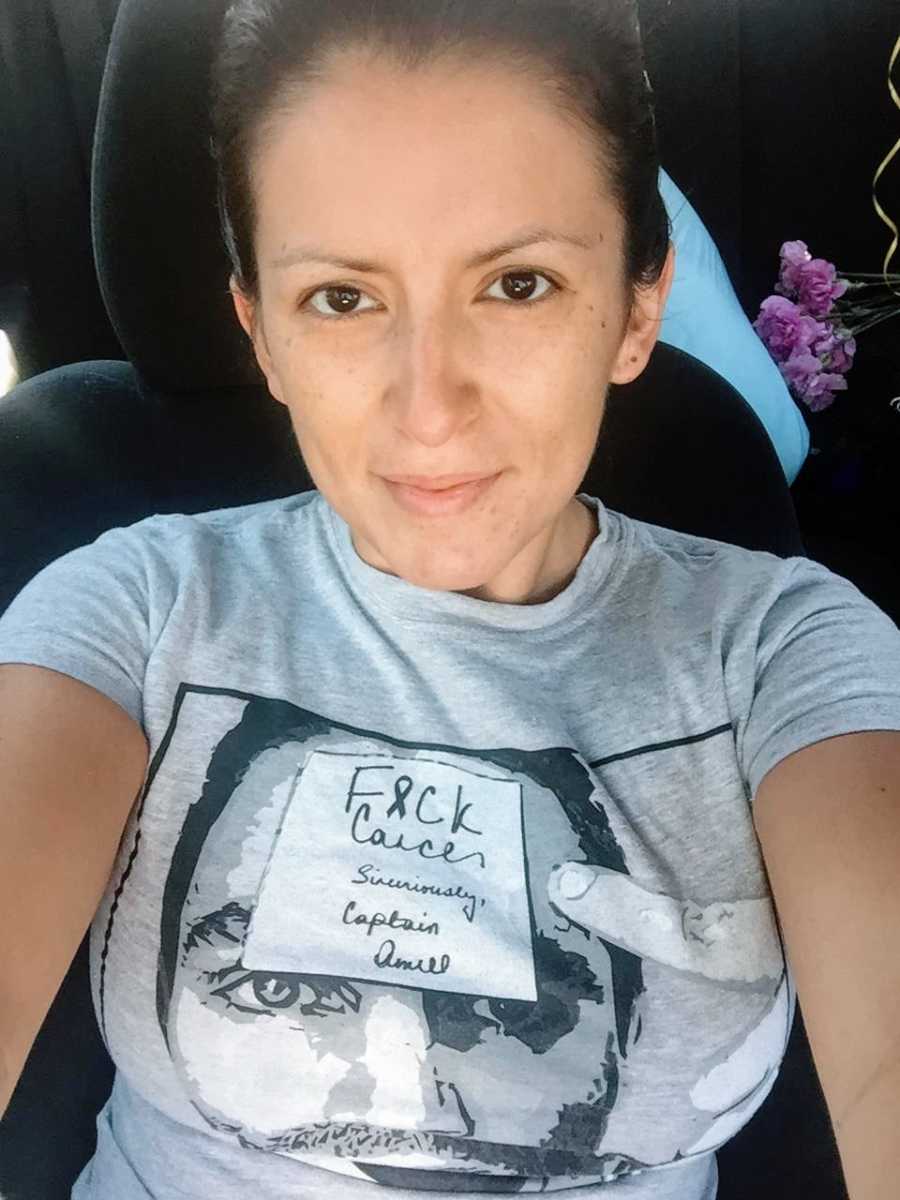
By sharing my journey, I hope to bring hope, encouragement, and a reminder that this beautiful life—fragile, precious, and miraculous—is always worth living and fighting for.