I fell head over heels for a charming guy who bought me a drink at a bar. He had a playful, witty sense of humor, so it didn’t completely shock me when our engagement turned out to be a literal game. He told me he would propose once I earned 1,000 points. I was 24 at the time, full of hope and curiosity, so I played along. There weren’t strict rules. I earned points by doing whatever he wanted, whenever he wanted, and however he wanted: cleaning the condo, cooking meals, editing his work emails, offering sexual favors. When he was happy, I was happy too.

We flew to wine country, arriving at Chalk Hill for a private vineyard tour. Wine had always been a big part of our shared world, so sipping it among the vines felt like magic. We paused for a photo, and he handed me my Valentine’s Day card early. On the front, I saw what I thought were bubble letters spelling “T I S O” and said, “Tiso?”
“Tiso? What is Tiso?” He laughed. “No, that’s not a T, that’s a plus sign!” +150. I hit 1,000 points. He knelt, asked me to marry him, and I was ecstatic. That moment felt like the beginning of a forever I had imagined for myself.
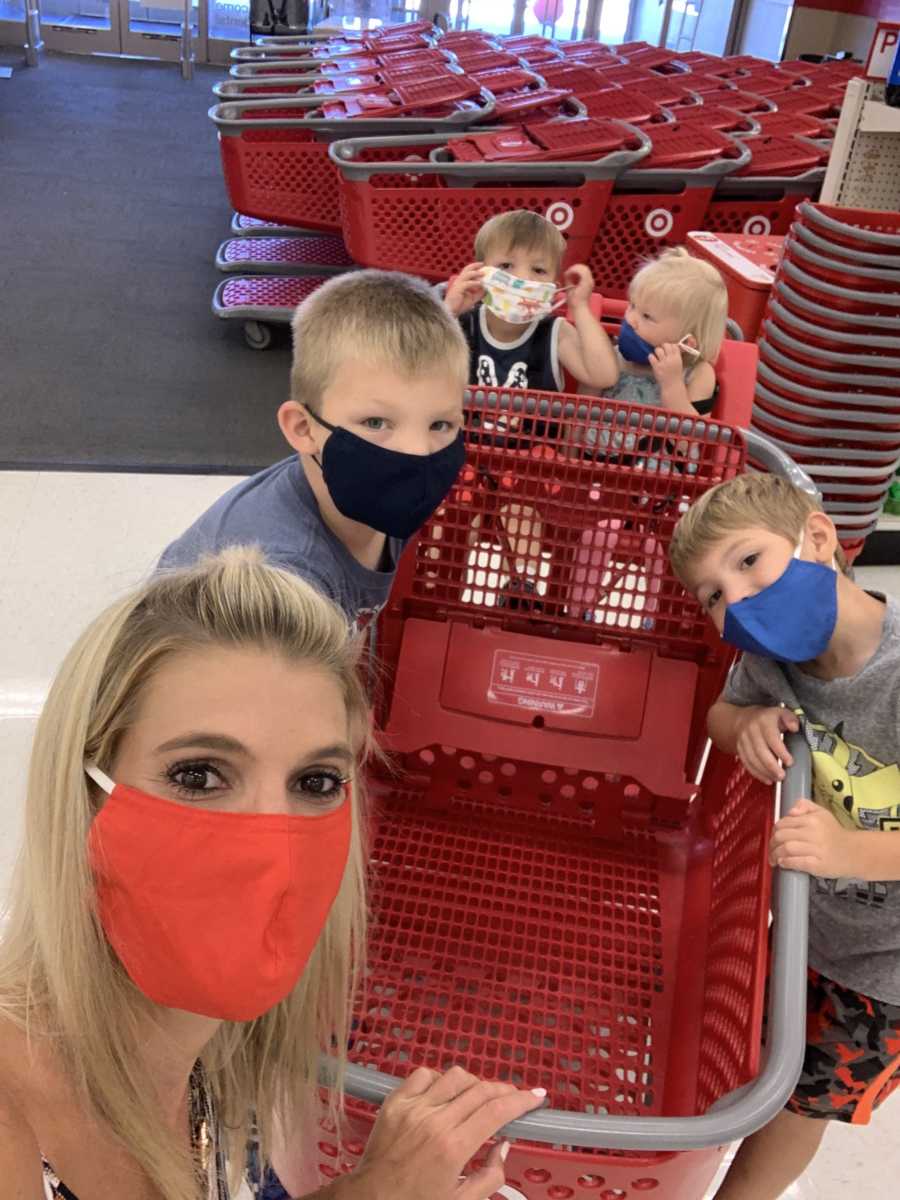
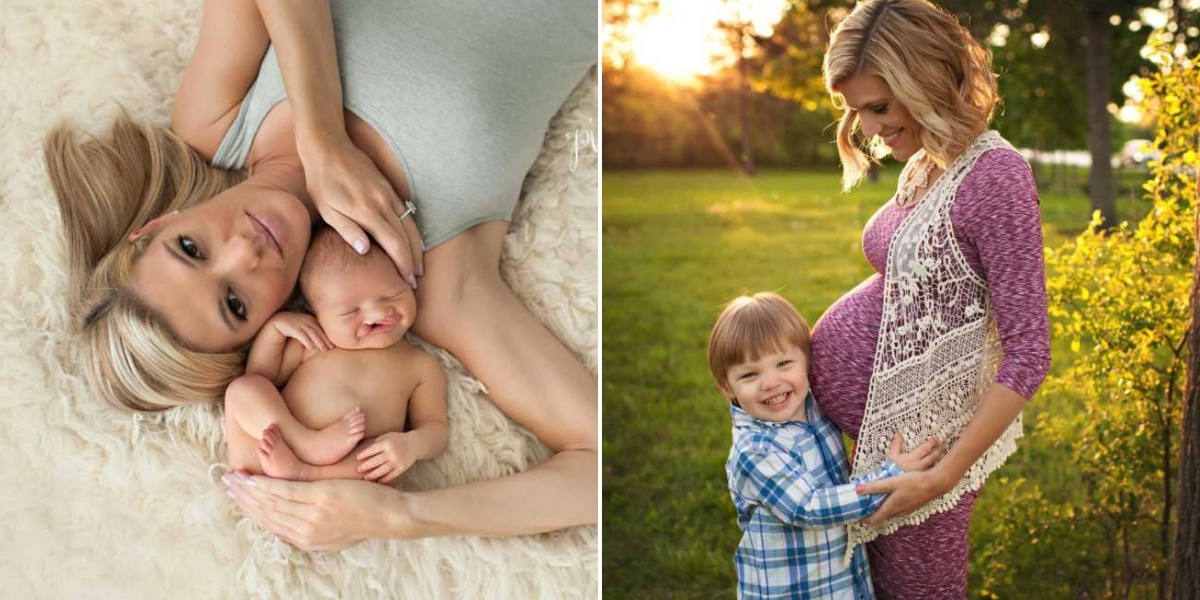
But life has a way of rewriting the stories we think we control. Wine, once a joyful ritual, began to complicate my life when I became a stay-at-home mom. Our second son arrived 18 months after our first, and our third 17 months later. At his 20-week ultrasound, we learned our son had a unilateral cleft lip and palate. Shock was immediate, quickly replaced by a surge of fear. Caring for three boys under three, including one with a serious medical condition, left me overwhelmed, anxious, and riddled with uncertainty.
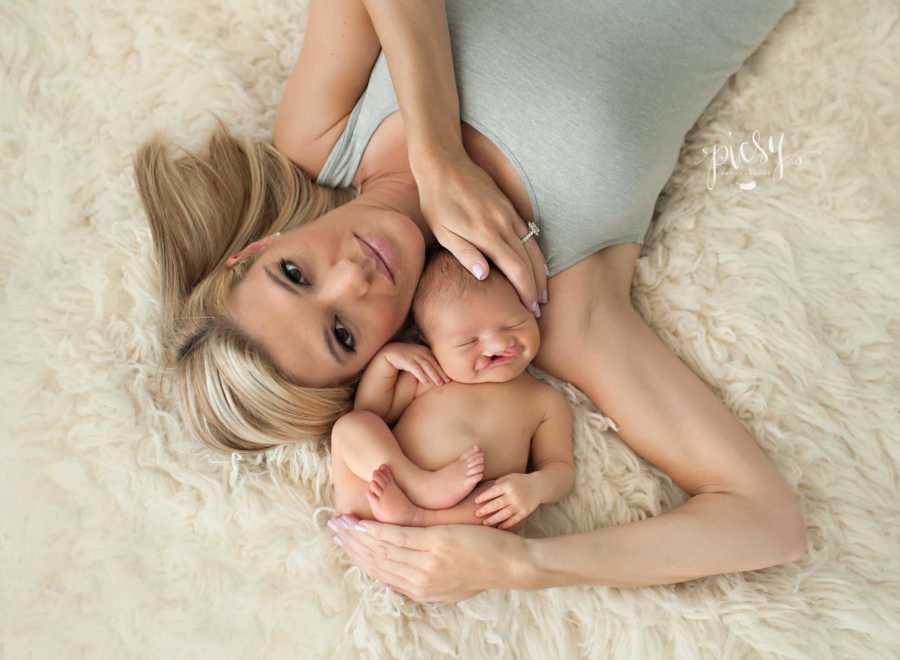
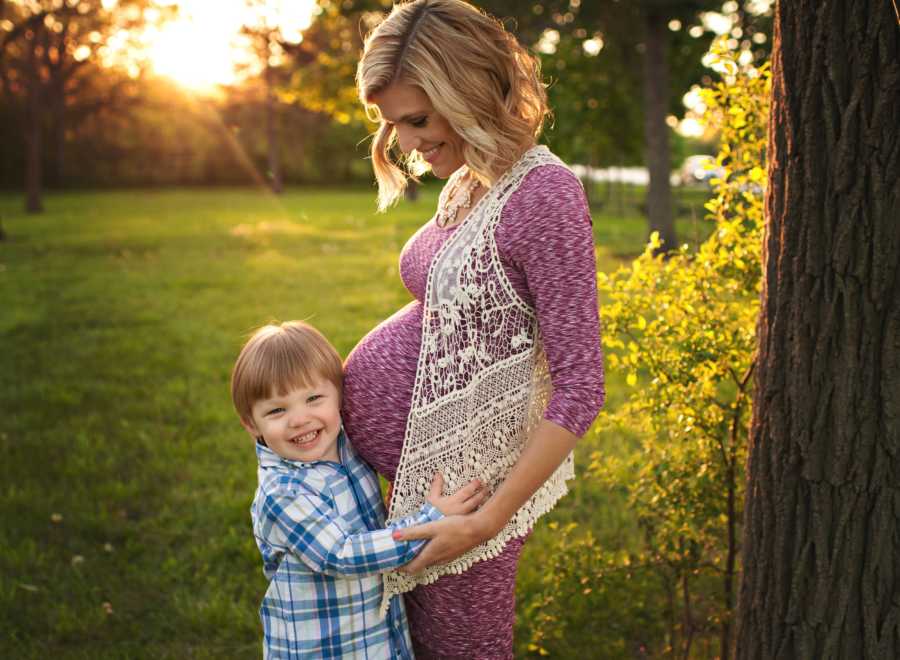
His diagnosis shattered my sense of self. Epic mom guilt consumed me. I cried for weeks, questioning every decision, every bite, every step I had taken. Should I have taken folic acid sooner? Eaten differently? Avoided carrying toddlers on my pregnant body? Endless mental loops trapped me in fear, sadness, and self-blame. I felt invisible, lost, reduced to a vessel. My husband offered no compassion or support—my appointments, emotions, and struggles were mine alone.
Our son’s first year was exhausting. I exclusively pumped, mastered special cleft bottles, navigated surgeries at 9 weeks and 8.5 months, arm restraints, and constant therapy. I was unprepared, under-supported, and alone. Being a stay-at-home mom was a blessing, yet insanely difficult. Paying for help felt like a temporary fix; true support was absent.
A stale, silent trauma festered inside me. I longed to escape feelings of inadequacy, abandonment, and failure, compounded by suspicions about my husband. Champagne became a crutch—a brief edge-off from the weight of my life.
When things between us were tolerable, I felt like his roommate. When they weren’t, I felt like a prisoner. Unseen, unheard, unwanted. I prayed, hoped, tried desperately to reconnect, but I couldn’t get his attention, his time, or his support. Small gestures of love were absent.
A “spontaneous” weekend in Madison followed our son’s first major surgery. A Badgers game, diamond hoop earrings, pizza, champagne, and a new realtor. When she left, I broke down hysterically. He suggested moving might benefit our family. He promised we would figure it out. My mind raced: “Stop complaining. Fix it. Am I losing my mind with these hormones? Maybe I just need a drink. It’s fine—other moms drink.”
Liquid confidence became my brief escape. Sober days dwindled, the hours I started drinking crept earlier, but as long as I kept up my mom duties, home responsibilities, and thousands of uneaten meals, I thought I was okay. But the illusion of control vanished quickly.
After two alcohol-related hospitalizations, my husband insisted I go to rehab. Denial was my armor. I refused to see myself as an alcoholic, even as I checked into a posh California rehab for 30 days. I knew the science, had a sponsor, said the right words—but secretly, I continued drinking at home.
Three months later, our family moved from Chicago to Madison—a fresh start. Closer to his family, better schools, more affordable. I left my friends, my support system, and a fragile marriage behind. Outwardly, we looked like a happy family, but unresolved trauma drove us further apart.
On our 7th anniversary, six months pregnant with our daughter, the day after our youngest son’s second birthday, I discovered his affair. Dinner that night was agonizing. I didn’t want to jump to conclusions, but women’s intuition rarely lies. The conversation that followed with the other woman confirmed my fears. It was “emotional support,” “innocent flirting.” I had to let it go, but I knew it wasn’t over.
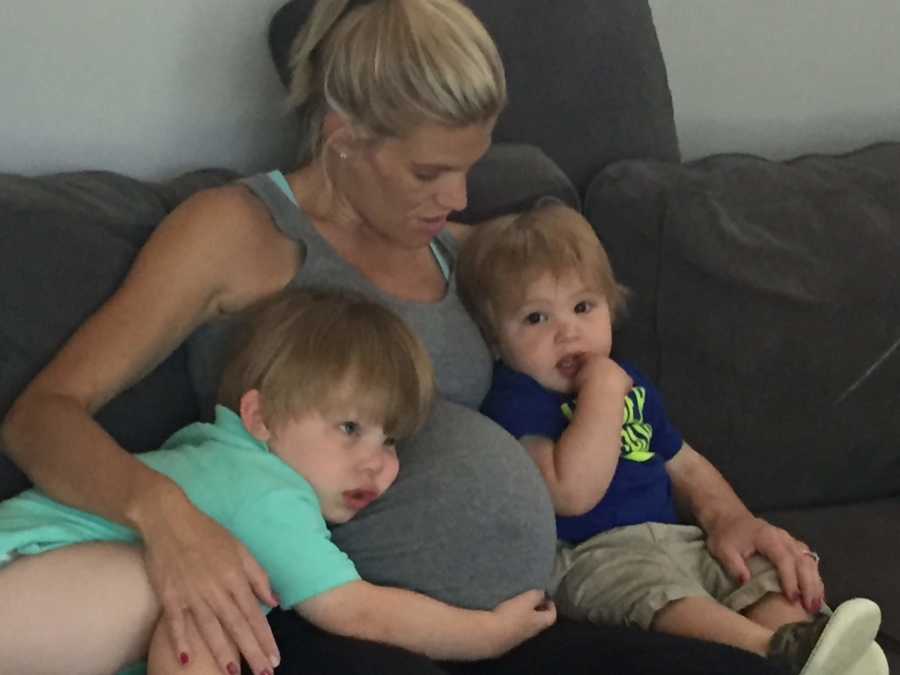
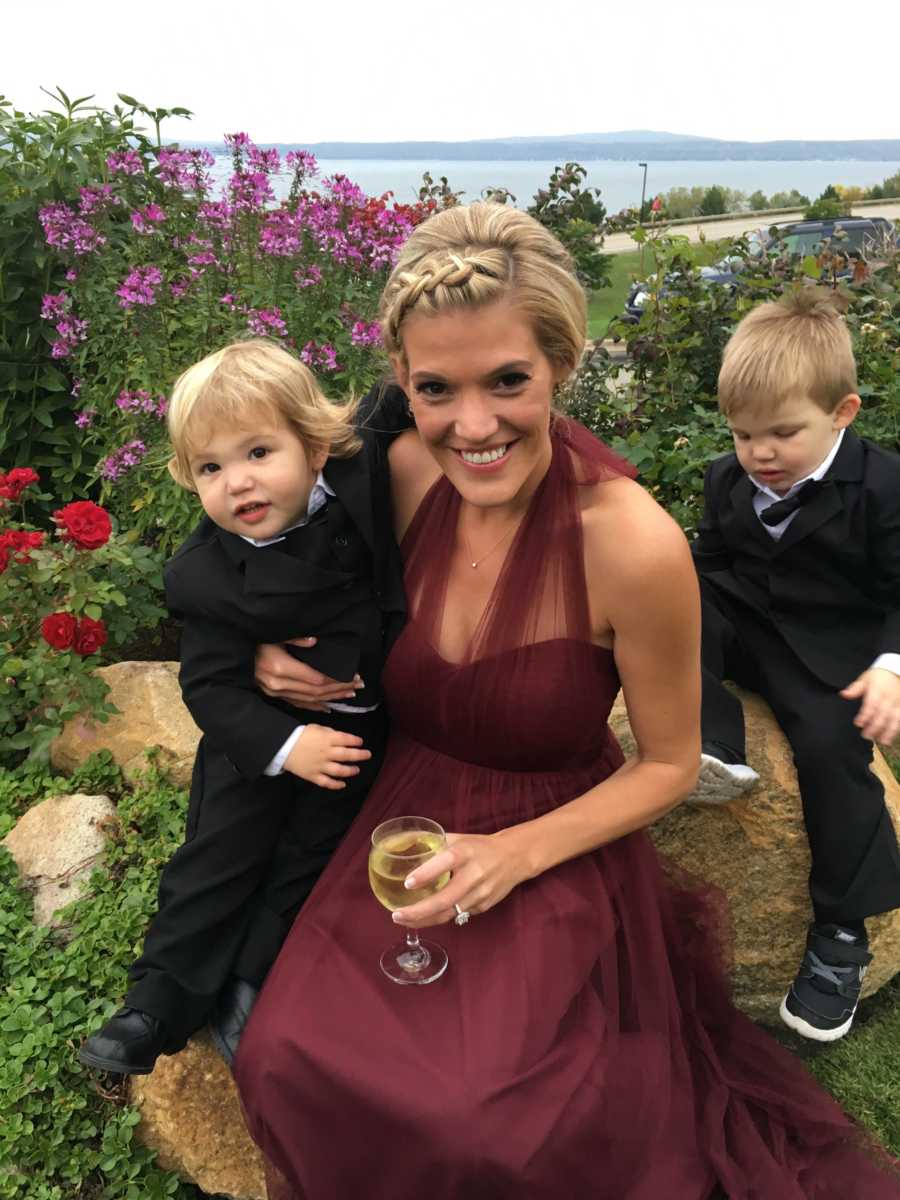
Our daughter arrived two days before Halloween. Elation mixed with postpartum depression, isolation, and stress fueled my drinking. I blurred newborn care with alcohol. Consequences escalated: passed out at neighborhood events, DUIs, inpatient rehab admissions, hiring a full-time nanny to care for my children.
Recovery forced confrontation with myself. I could no longer hide from my truth. Rehab was exhaustive: emotional, mental, physical, spiritual. Peers became mirrors, teachers, and witnesses. Connection, honesty, vulnerability, and rawness became the path to healing.
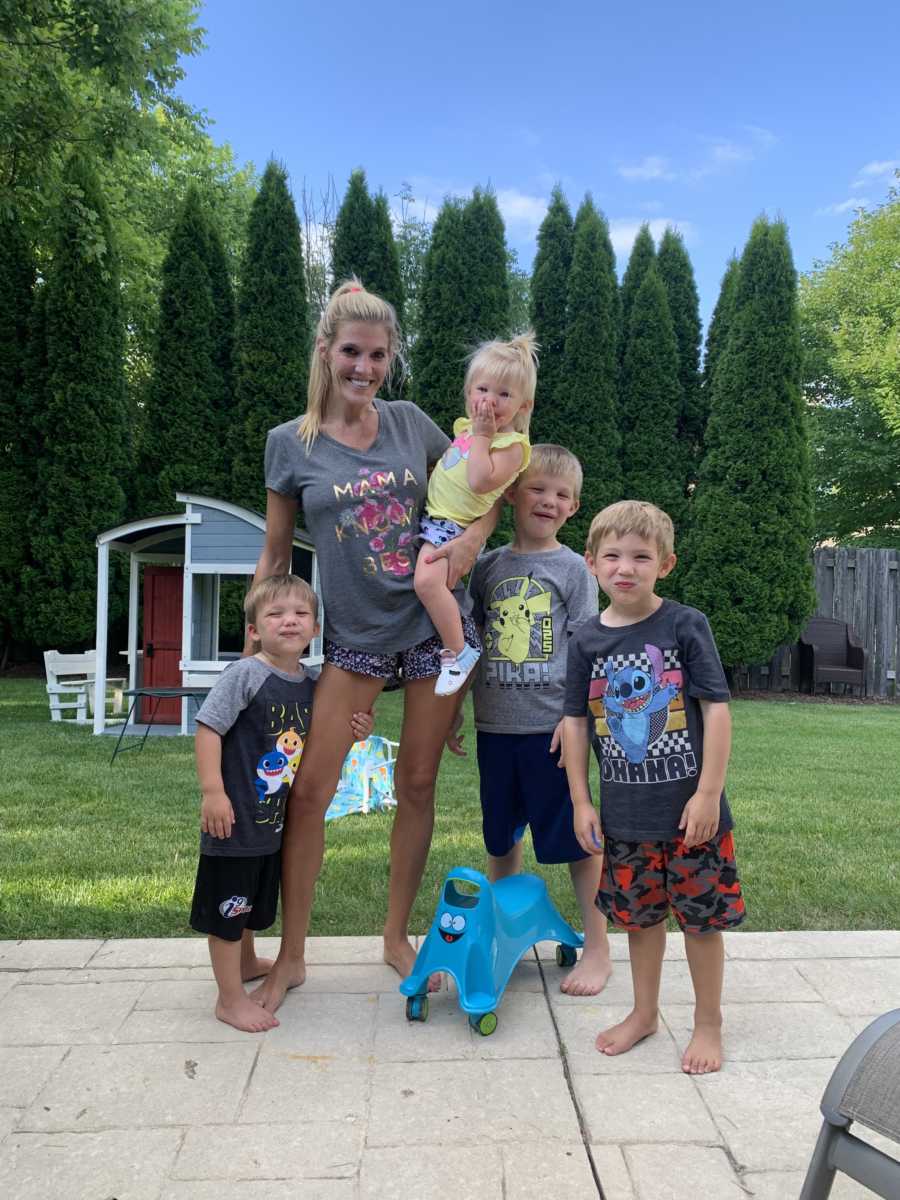
TISO—our decade-long code for “I love you”—once symbolized my service, my submission. I realized our marriage was built on control, manipulation, and approval-seeking, not mutual love. Alcohol had allowed me to stay in a life that eroded me.
Recovery meant letting go of my old life: marriage, habits, relationships, expectations. I white-knuckled through sleepless nights, therapy, and emotional upheaval. I learned to trust myself, value my voice, and set boundaries. I learned that life without alcohol—without lies, ignored feelings, and hidden trauma—is simpler, richer, and fuller.
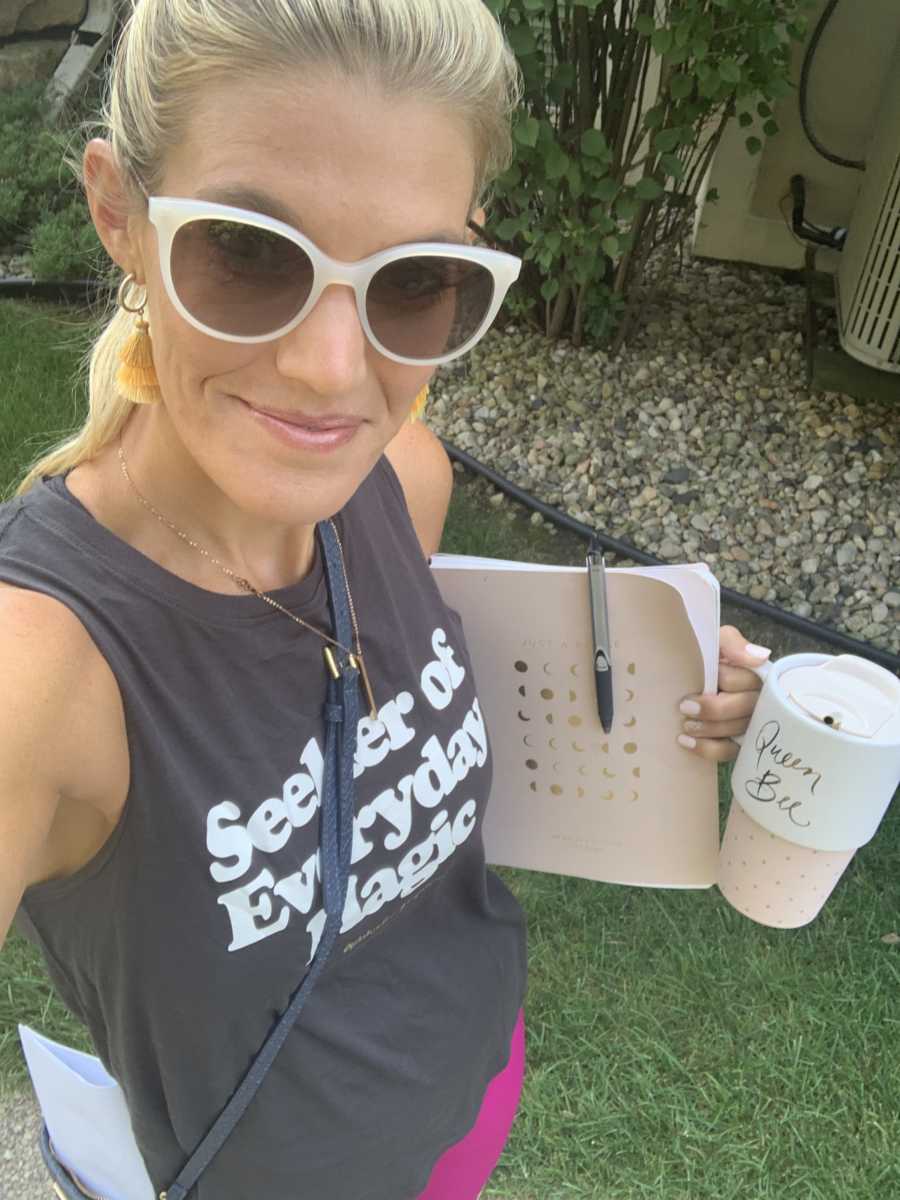
Now, I live sober with my four kids, showing up for the messy, beautiful, ordinary days. We honor privacy, talk about feelings, and cherish simple moments. I stay busy adulting, reading, connecting, and sharing my journey through Sober Mom Squad. I’ve shed the pieces of myself weighed down by addiction, toxic relationships, and unrealistic expectations.
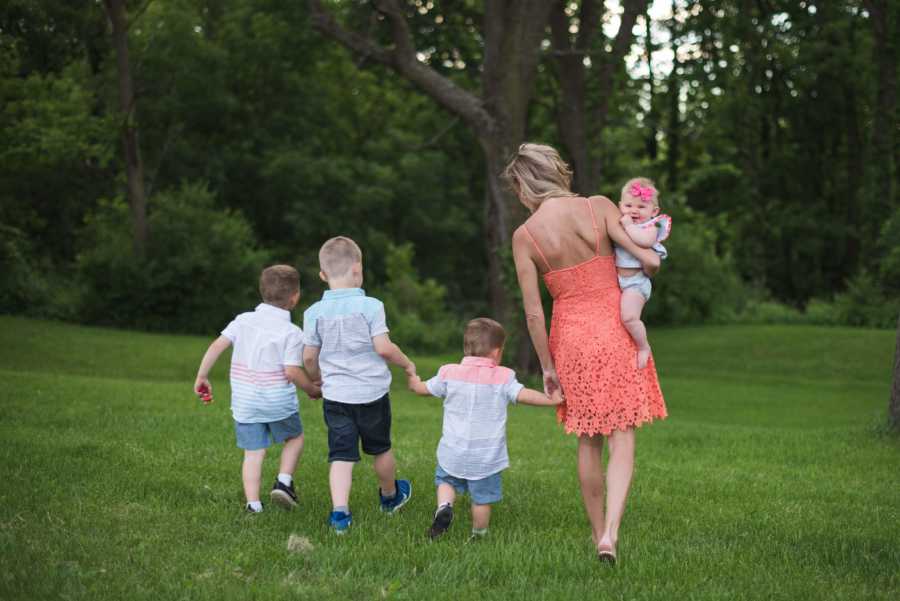
Through recovery, I became independent, confident, and empowered. I love my life, my kids, and the freedom to fully inhabit my days. I’ve learned to move slowly, say yes to myself, and savor the extraordinary in the ordinary. I am proud of the woman I’ve become—a sober mom, fully present, and fiercely alive.