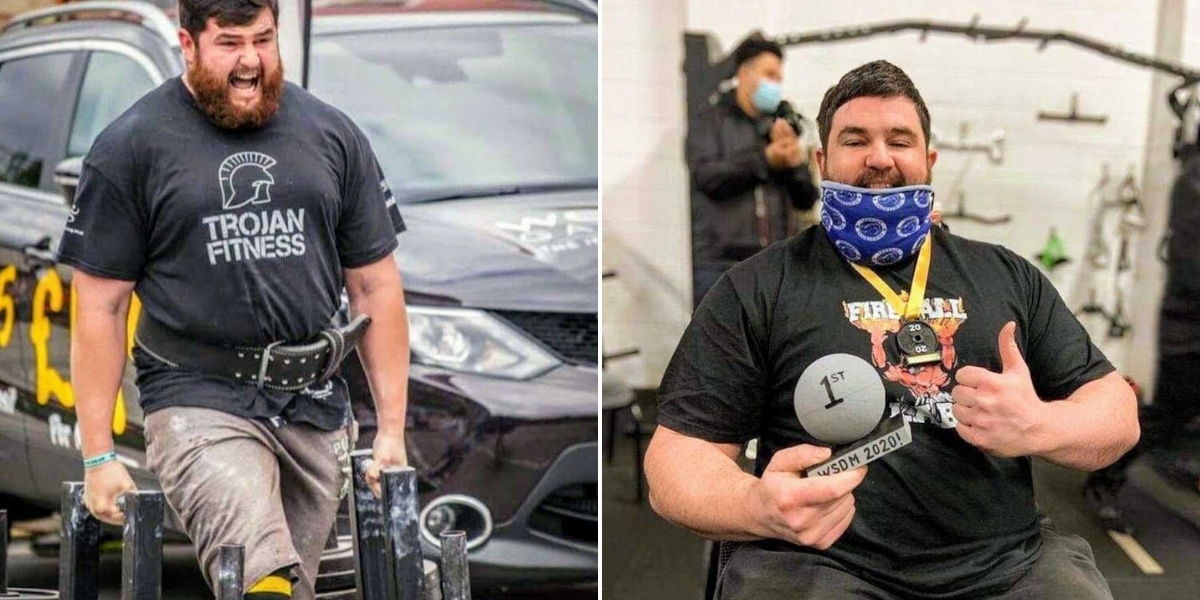
In 2010, my job was taking people up and down mountains. Now, I can’t even make it up the stairs! I grew up leading a typical, active childhood, constantly playing sports, so joining the Army at 16 felt like the obvious path for me. I signed up and left for training, and within my first year, I found myself stationed all over the place—from Germany to Cyprus, and back in the UK.
Life in the Army demanded physical fitness, and I thrived on it. I threw myself into military competitions and any sport I could try. After a tour in Iraq, I decided to leave so my wife could pursue her dreams of attending university and becoming a mental health practitioner. In my final year of service, I joined an adventure training team, guiding people on mountains and hikes—something that had become second nature to me.
When I left the Army, civilian life hit me harder than I expected. I felt aimless, lacking ambition, and unsure where I fit in. I tried joining sports teams and clubs but never quite felt at home. I quickly gained weight, so I started going to the gym. Weight training had always interested me, but I’d never explored the “dusty” side of the dumbbell rack—strength for its own sake had never been my goal. Bragging to my wife about getting stronger, I jokingly mentioned competing in Strongman. Little did I know, she knew someone who actually competed in the sport! Through her, I found myself in a Strongman gym, signing up for my first contest: Swindon’s Strongest Novice. I finished near the bottom, but I didn’t care—I was HOOKED.
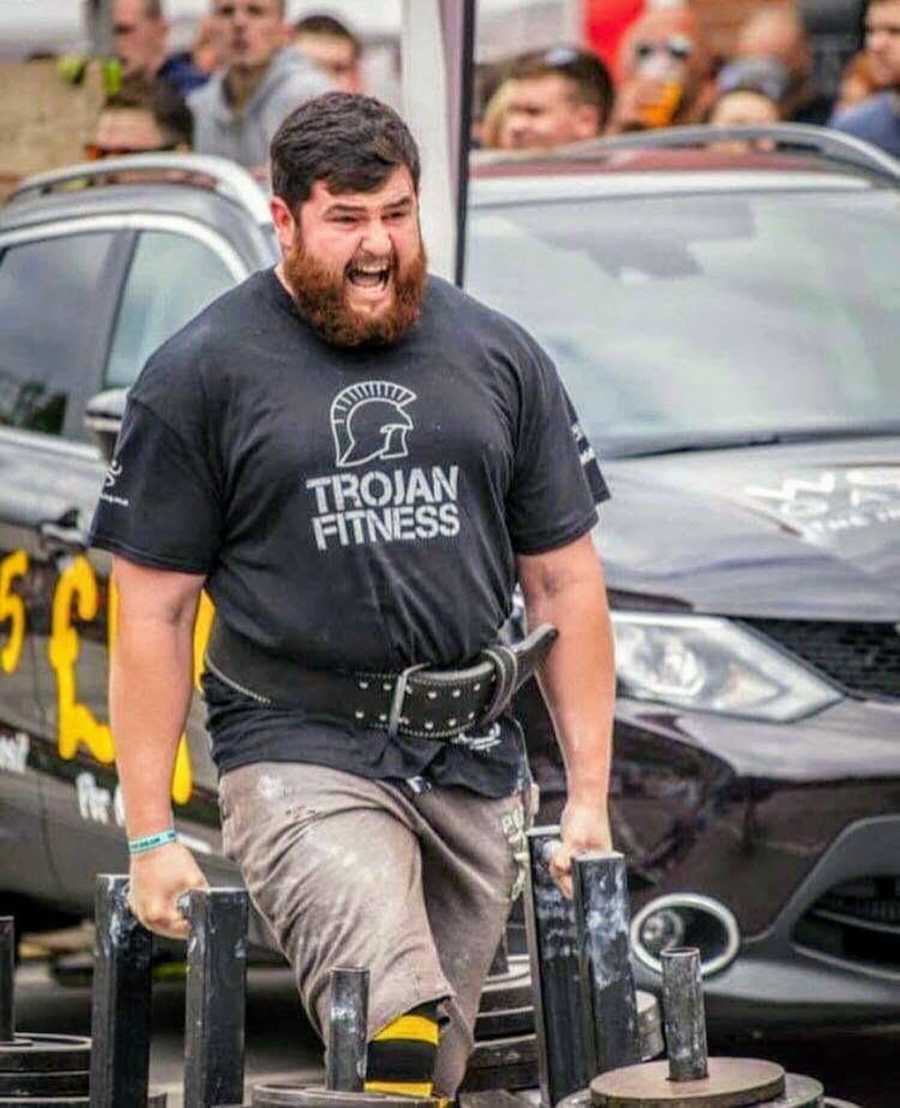
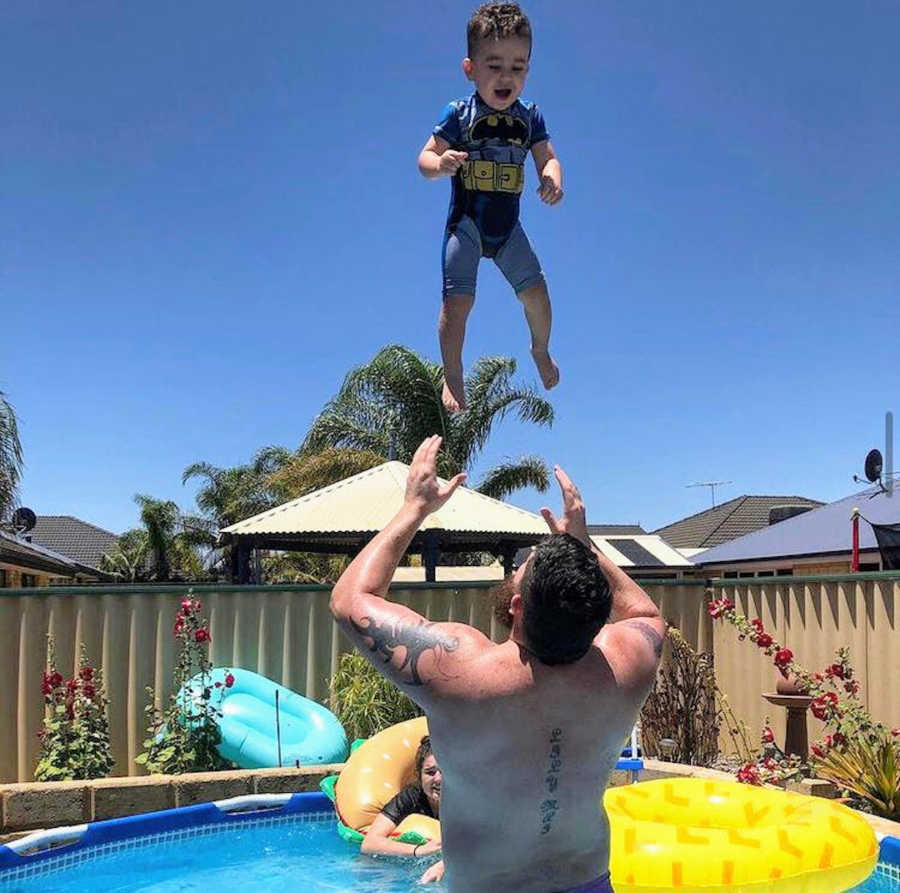
From there, I competed in every contest I could, moving up weight classes and eventually training alongside the big names in the open class. At home, life was wonderful—I had three kids, two born before my diagnosis—and I cherished wrestling, playing, and spending time with them. It felt like the best version of myself since leaving the Army; every day had a goal, every moment something to look forward to.
While training for Wales Strongest Man in 2012, I noticed numbness creeping into my right arm. At the time, I was training five to six days a week and working 90 hours weekly while my wife was in university. I assumed it was overwork or a trapped nerve, thinking it would pass. But over a month, the numbness spread throughout my body, and I realized it was time to see a doctor.
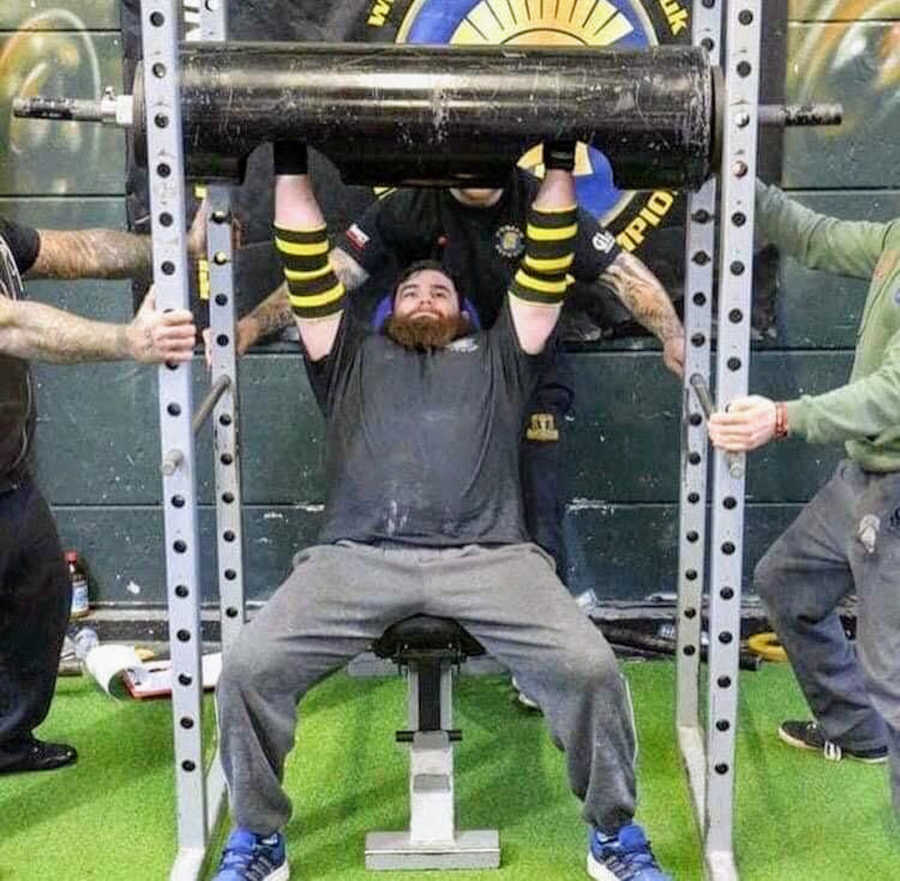
I underwent an array of tests at Bath Hospital—MRIs, a lumbar puncture, and more. Three weeks later, I finally had an answer: multiple sclerosis. I consider myself lucky to have a diagnosis so quickly, though “lucky” and MS in the same sentence feels strange. I knew little about the disease, despite family history with my uncle and nan having MS, and I cried without really knowing why. Most of the numbness faded, and I was able to continue training and competing at a strong level for a time. I even qualified for Britain’s Strongest Natural Man after coming runner-up in South of England’s Strongest Natural Man.
But a severe relapse changed everything. My legs ached, weakness set in, and I spent more time on the floor than standing. At the finals, I struggled through lifts I should have handled with ease and fell repeatedly. I couldn’t even lift my feet properly—so I stepped away from Strongman, or more accurately, shuffled away.
Things worsened. Pain consumed my legs, and fleeting thoughts of amputation haunted me. Word confusion, spasms, and constant weakness became part of daily life. My MS was upgraded to secondary progressive, meaning my symptoms weren’t going away. I increased medications to double or triple the maximum dose, yet I felt like I had lost everything: my work, my training, my identity as “big Dave,” and even my ability to be the father I wanted to be. Depression set in, and life felt bleak. It took a stern talk from my wife to push me to seek help, and antidepressants slowly lifted my mood. I began to see a glimmer of hope, even if MS still controlled much of my life.
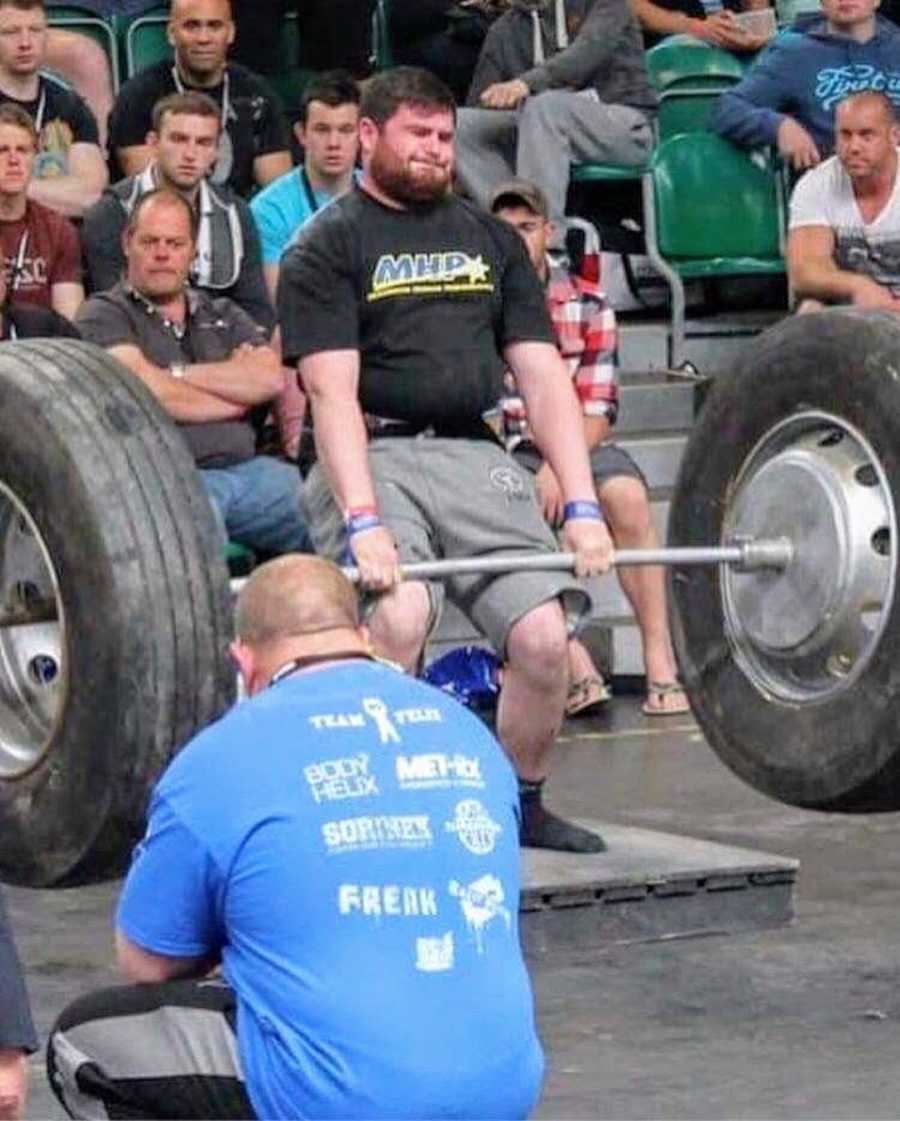
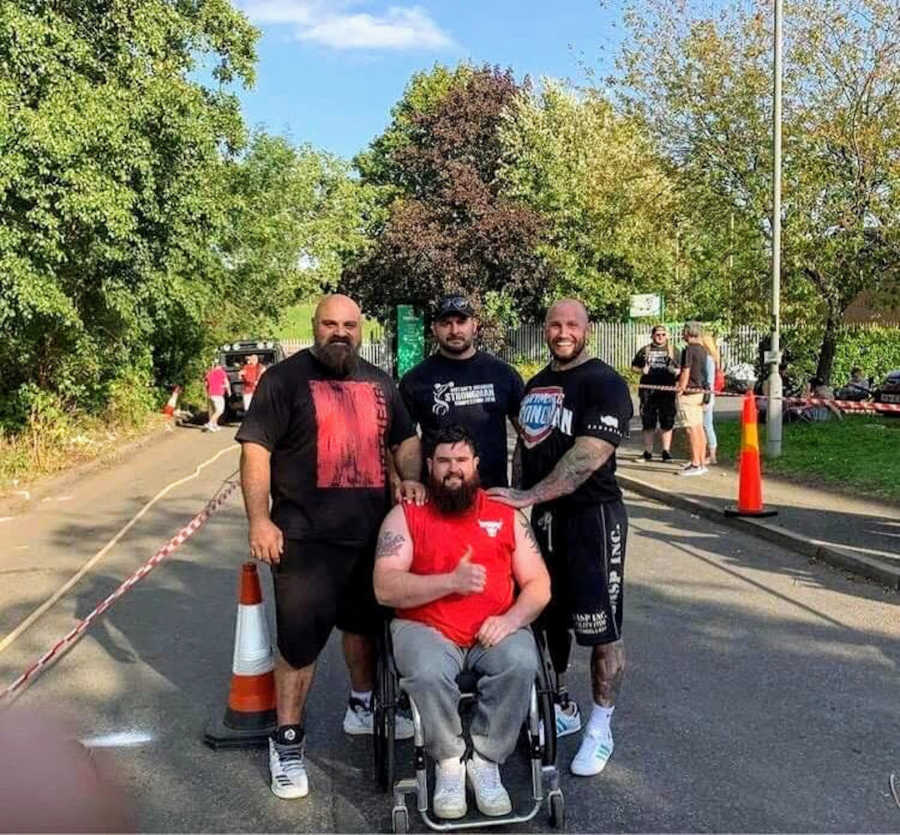
In 2017, a spark returned. I met another ex-soldier who introduced me to Disabled Strongman. Initially, I felt shame—I knew nothing about the sport—but I was instantly hooked. Returning to competition gave me purpose and reminded me I was still me. In my first year, I became South of England’s Strongest Disabled Man, placed third at Britain’s Strongest Disabled Man, and set a world record at the seated deadlift, lifting 960 pounds—the first person ever to do so.
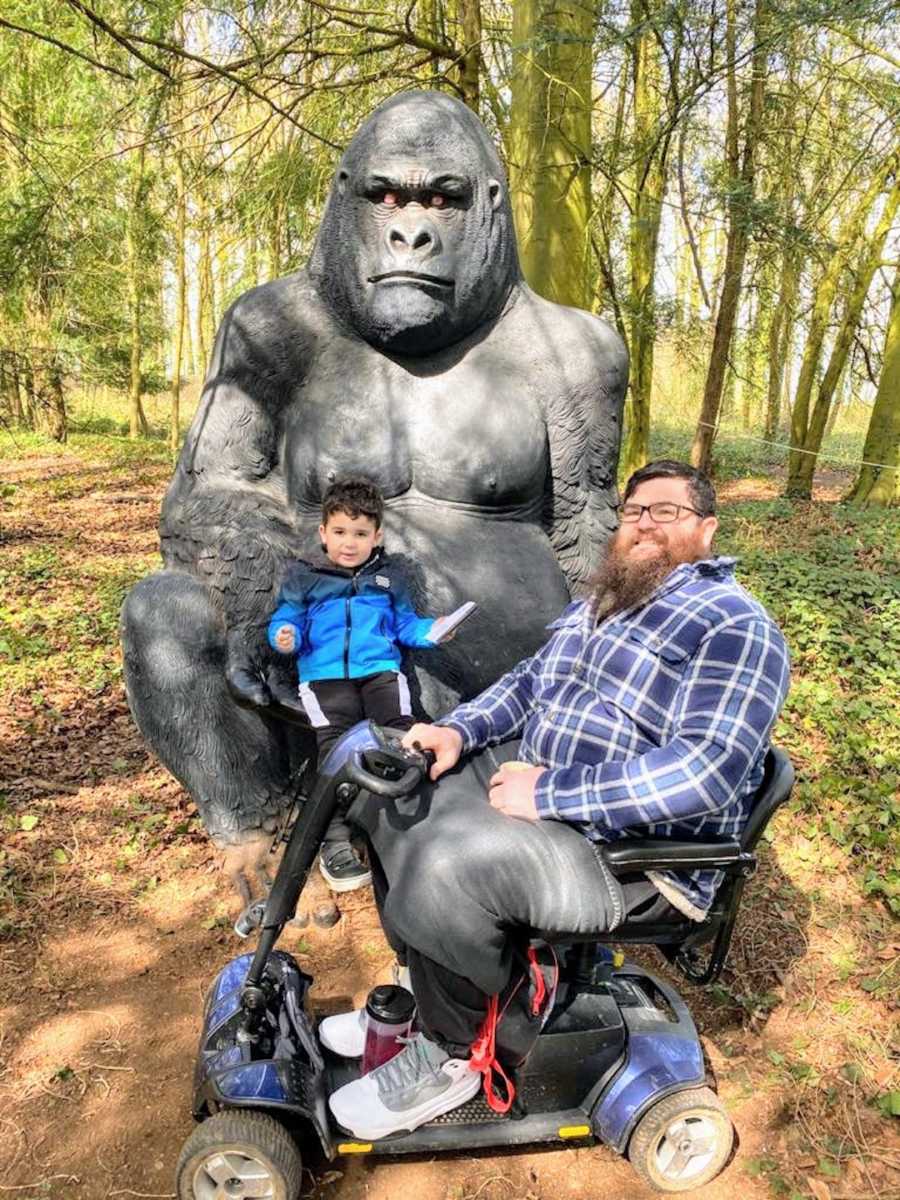
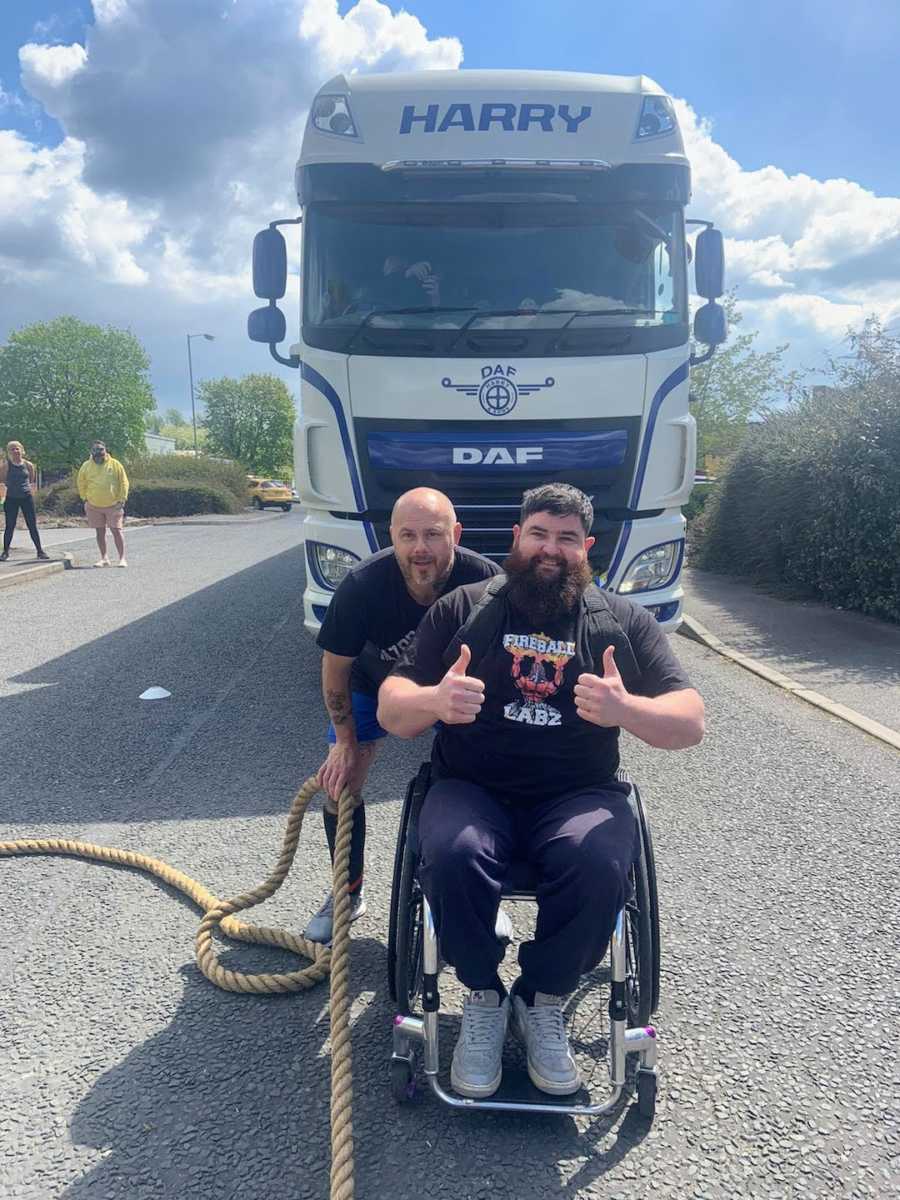
By 2019, I had shed most self-doubt. Competing again in Britain’s Strongest Disabled Man, I placed third. In 2020, I wanted to give back to the sport, promoting Disabled Strongman events. That same year, at the World’s Strongest Disabled Man, I received a text: “Well done!” I had come second in the world. Despite COVID-19 restrictions spreading competitors across the globe, I had already claimed the UK championship title earlier that day. More recently, I pulled two 10-ton lorries (20 tons total) in my wheelchair—an all-time record.
Now, I’m passionate about raising awareness for disabled sports. I host a podcast interviewing athletes in sled ice hockey, amputee football, wheelchair baseball, and more. The lessons from my journey are clear: even when life forces you to stop, you can find a way back. You can rediscover purpose and joy. You’ll still find ways to challenge yourself, whether lifting atlas stones, pulling trucks, or revisiting the dusty side of the dumbbell rack. I used to be a standing Strongman; now, I’m a sitting Strongman. And above all, I’m still a Strongman.