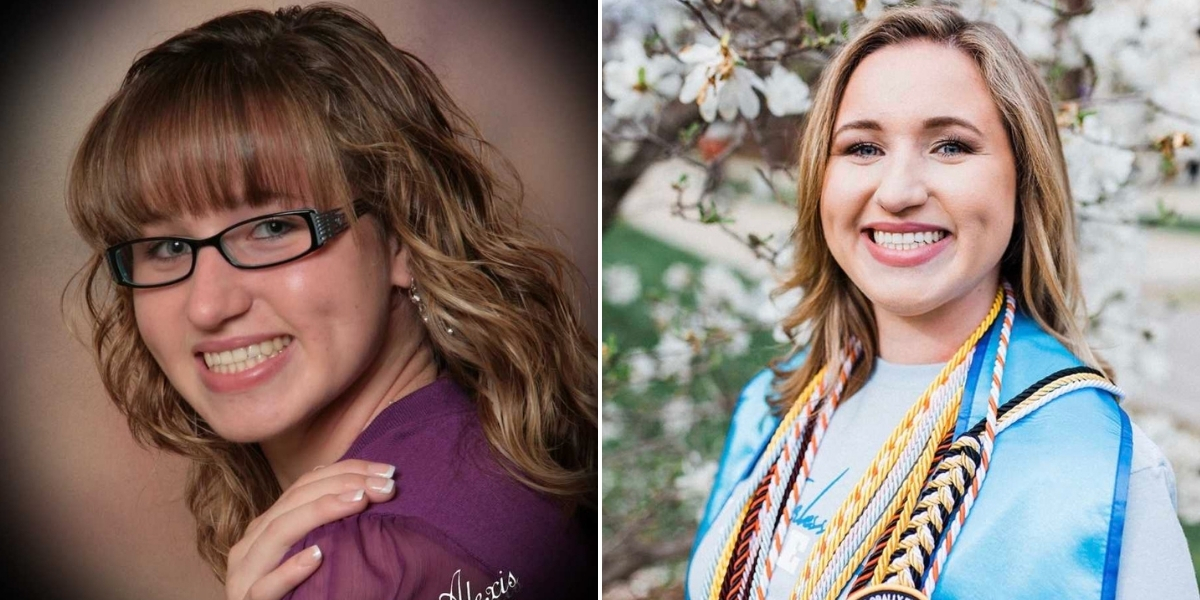
I’ve been part of the foster care system since I was thirteen. My mother passed away by suicide when I was six, and my father was incarcerated when I was twelve. At seventeen, I met my incredible foster parents, and nearly a decade later, at twenty-six, I was officially adopted. Unlike some youth in the system, I initially moved in with family. Yet, despite the familiar surroundings, I quickly realized this wasn’t truly my family.
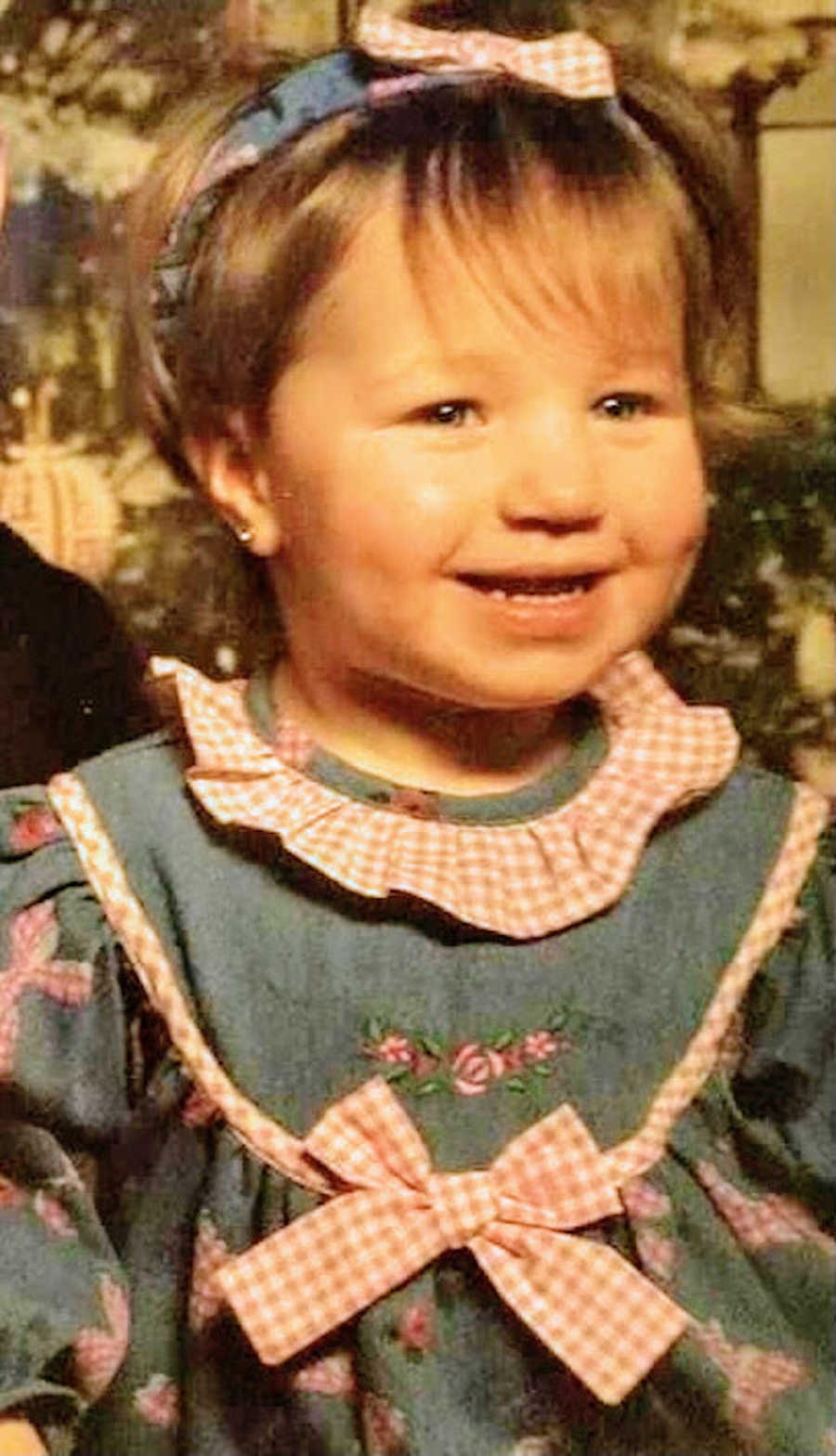
Every foster youth experiences a “honeymoon phase” when life seems calm and hopeful. My aunt and uncle were intentional at first, creating an environment that appeared welcoming and warm. But beneath the surface, their idea of a “perfect family” clashed with the reality of my trauma. Coping with the sexual abuse I suffered at the hands of my father was inconvenient for them. As I struggled to process my pain, I felt increasingly isolated, and my coping mechanisms, including an unhealthy relationship, only worsened. During this time, I endured both mental and emotional abuse from my family and my partner.
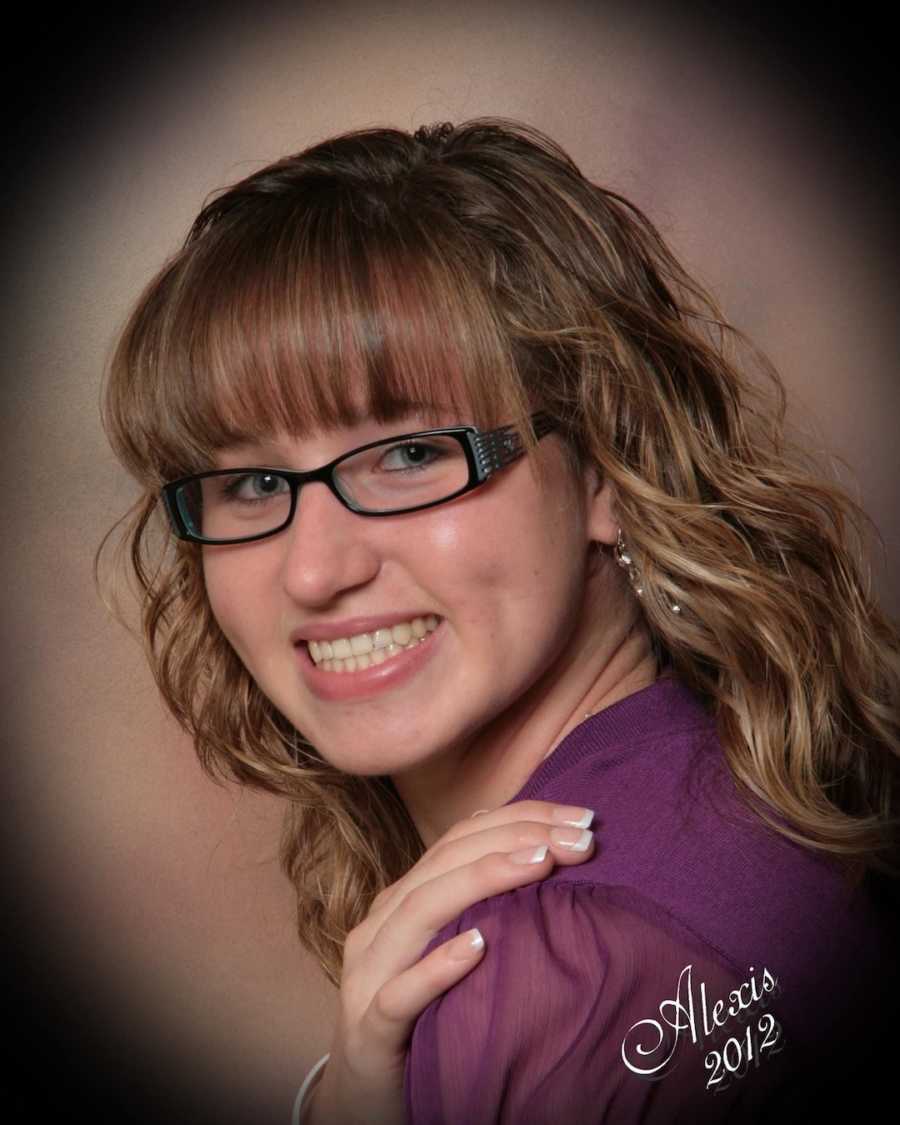
The belittling I faced was relentless. I remember being excited for prom, shopping for dresses with a friend, and sharing photos of potential options with my aunt. Her response was cruel: she refused to pick me up and suggested I walk home—and sell my body—because of the way I wanted to dress. Our relationship deteriorated, and eventually, I returned home to find all my belongings lined up in the driveway. I cried, devastated to once again feel rejected and unloved by family.

I felt like trash abandoned on the side of the curb, waiting to be picked up by the next person. I longed for a permanent home. That home came when I met my foster parents at seventeen. They showed me consistent, forgiving, and passionate love I had never truly known. They saw my value, highlighting my strengths instead of focusing on my mistakes. They treated me as a blessing rather than a burden, and slowly, I began to believe it.
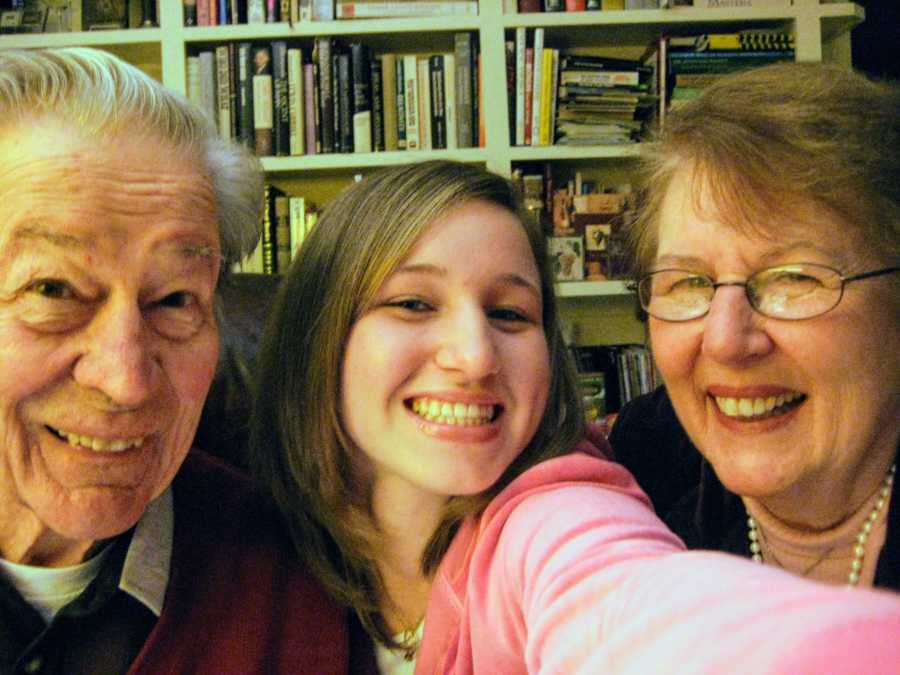
I remember moving in on my foster mom’s birthday. Nervously, I said, “Sorry I ruined your day.” She smiled and replied, “No, you’re one of the best gifts I could ever have!” Her words shocked me—they reshaped my understanding of what foster care could be. Her actions reinforced this new perspective: she asked for my opinion, offered guidance without control, and encouraged me to make my own decisions. Small gestures, like bringing me cookies after work, or taking me on walks just to listen, demonstrated their genuine care and belief in my future.
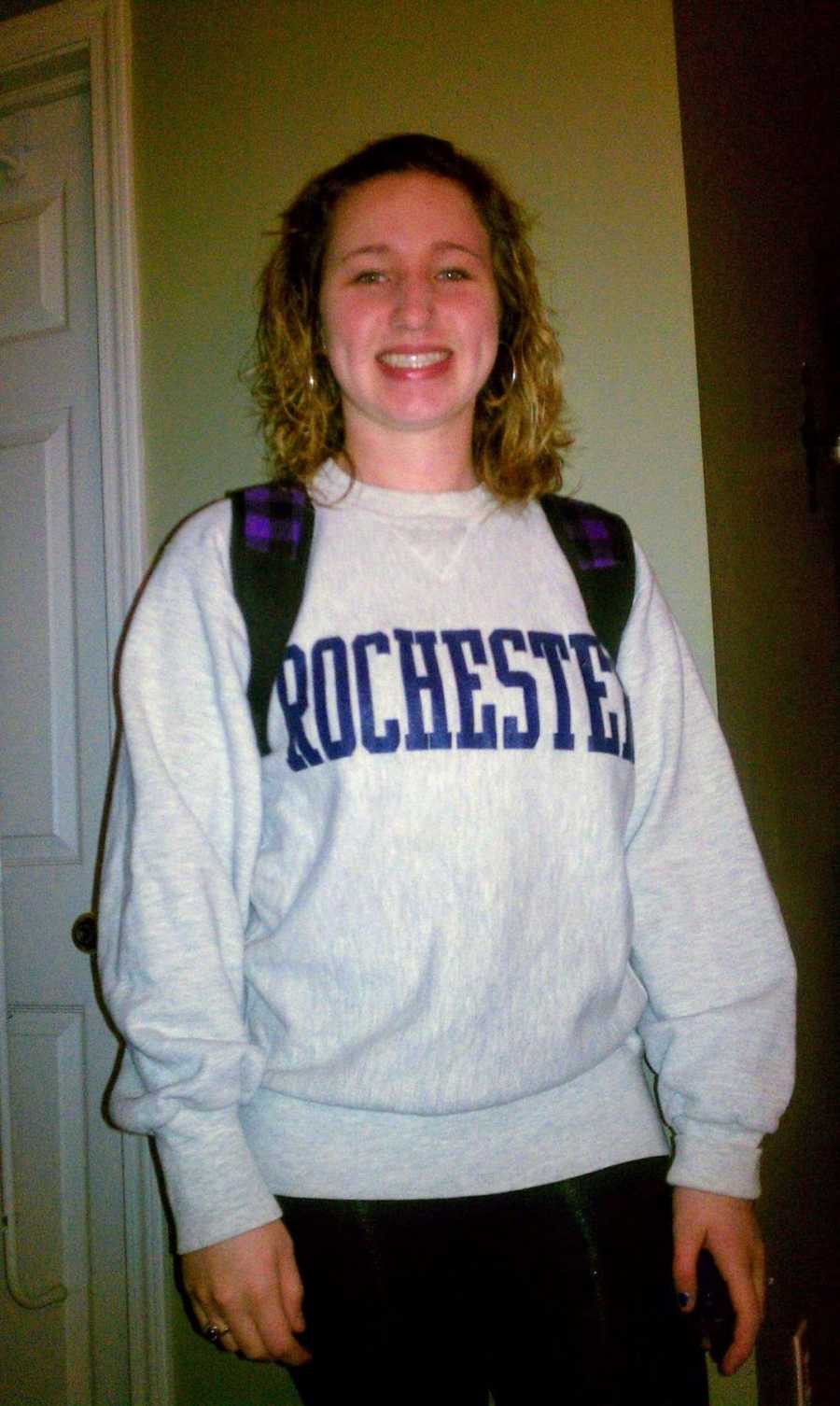
In contrast, my aunt and her family tried to play the hero in my life without helping me process my trauma. They reminded me constantly that I was untrustworthy. My foster parents, however, prioritized trust, patience, and understanding. They gave me the space to heal, to be myself, and to grow without judgment. That intentionality made all the difference.
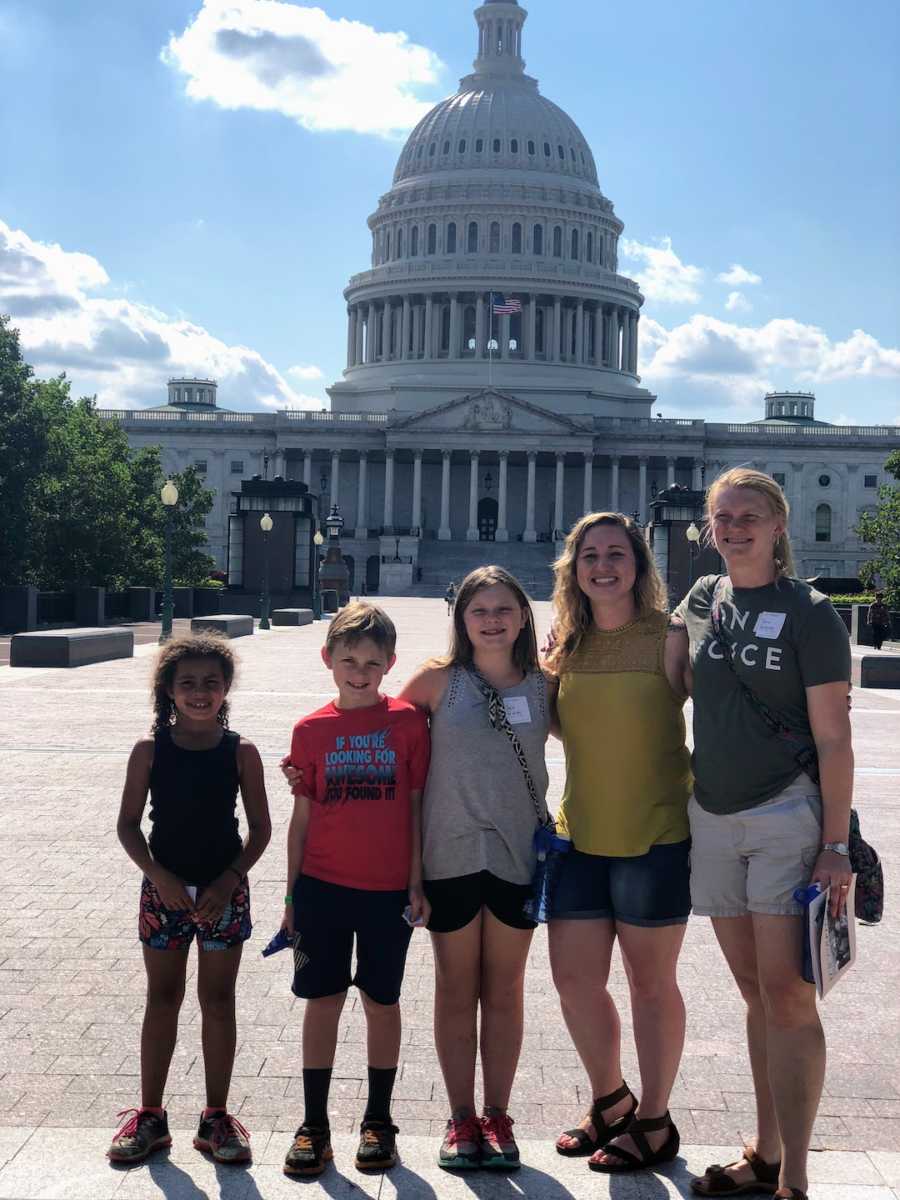
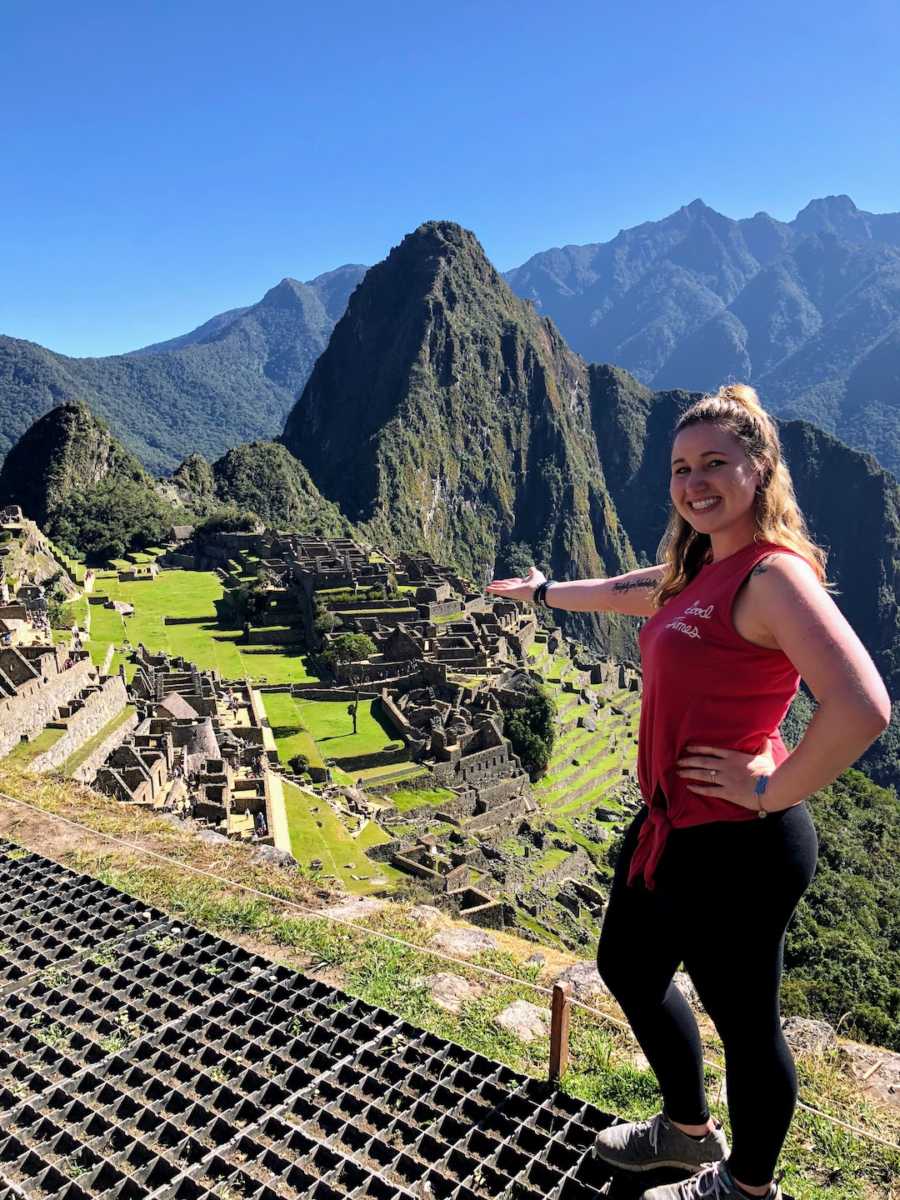
Transitioning into college, I used my resilience as a tool for pursuing my goals. I learned to see setbacks as opportunities for growth. My experiences in the foster care system became a foundation for helping others overcome trauma. In undergrad, I completed eight study abroad programs, co-developed two new ones, and traveled to over thirty countries. These opportunities showed me that with the right resources and support, the sky truly is the limit. Inspired, I co-founded three social impact-oriented companies designed to provide resources for individuals and communities to thrive.
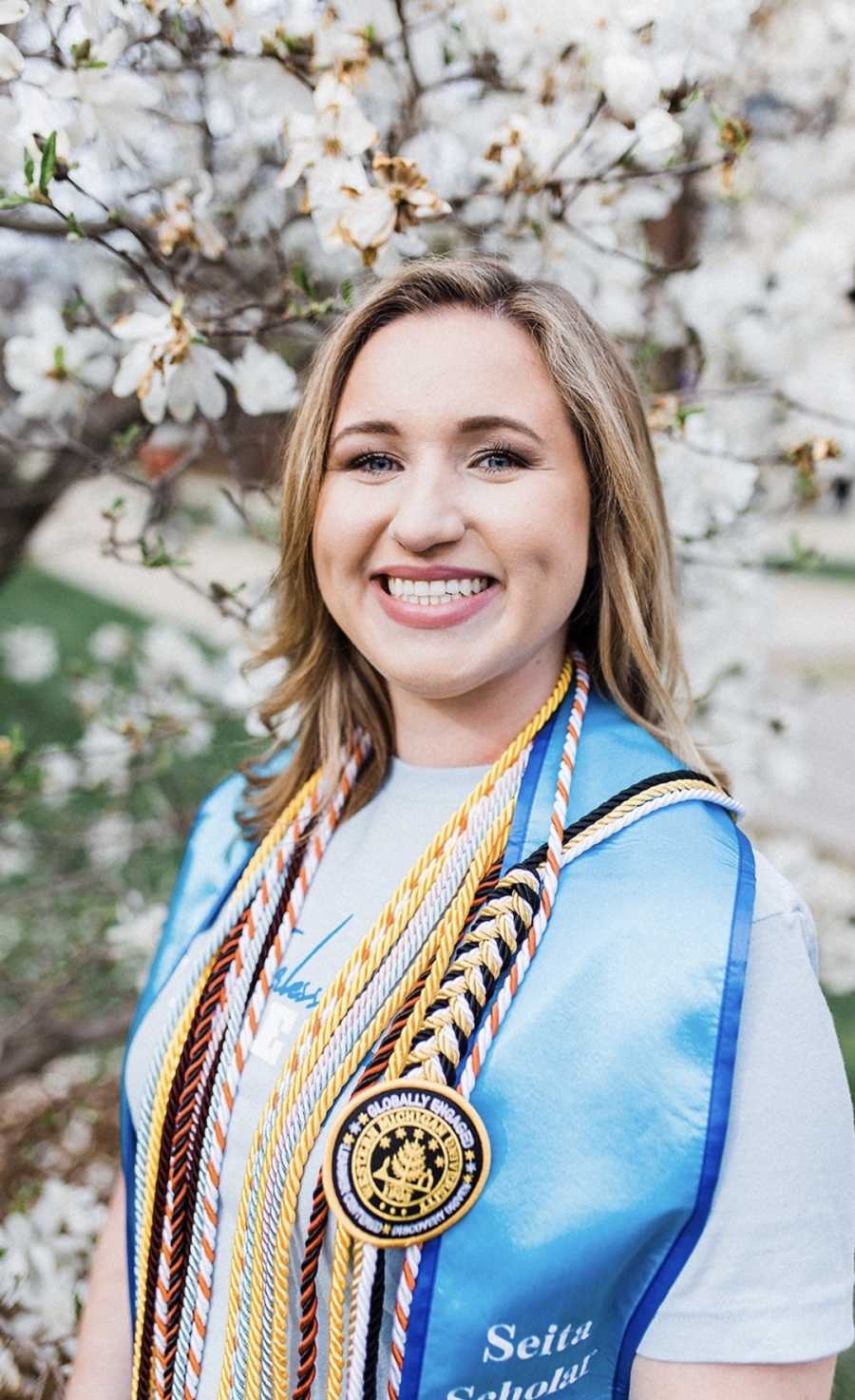
After ten years of love and support, during my birthday dinner in 2019, I decided I wanted to be officially adopted at twenty-six. My foster parents were surprised but wholeheartedly agreed. They never pressured me—they had always seen me as their daughter, and finalizing it legally was simply a celebration of our bond. Their ability to listen, provide guidance, and honor my needs is why I love them so deeply.
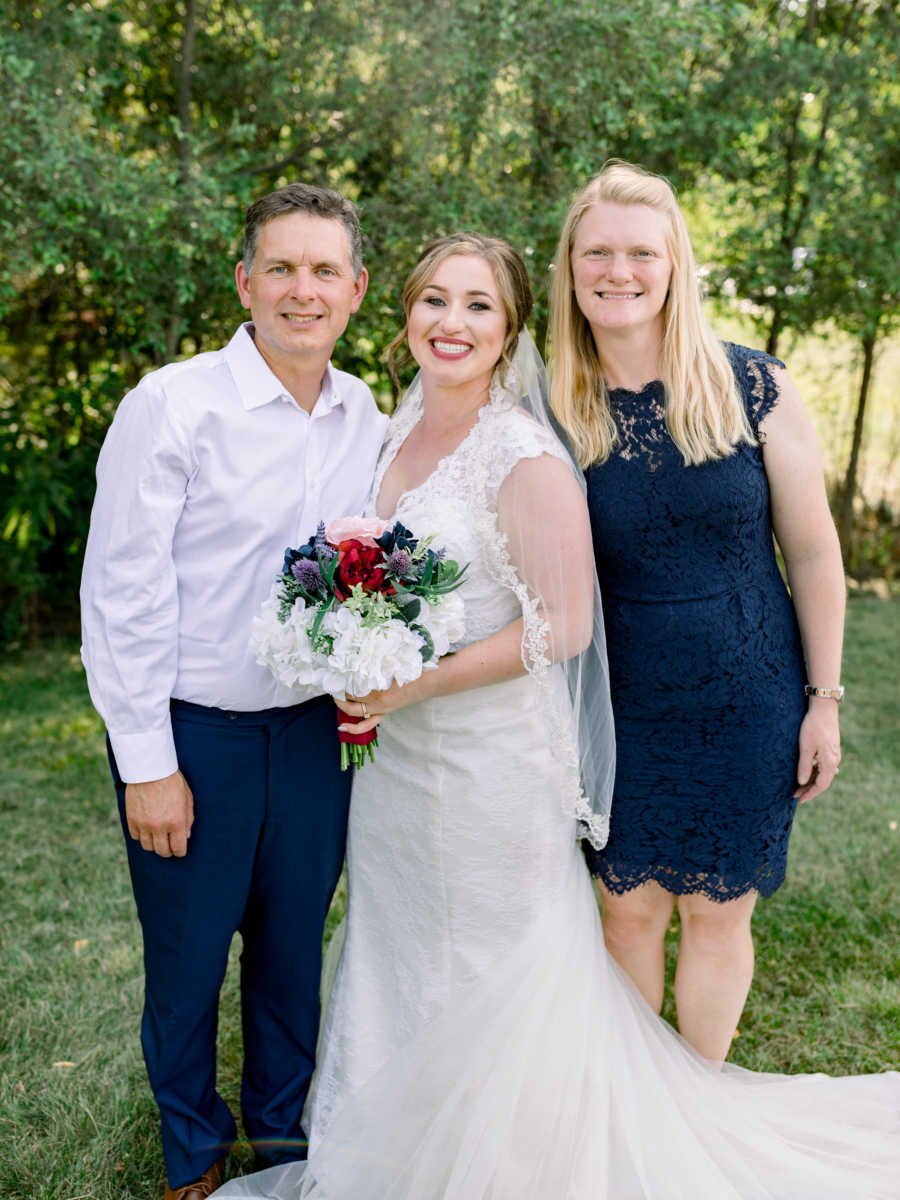
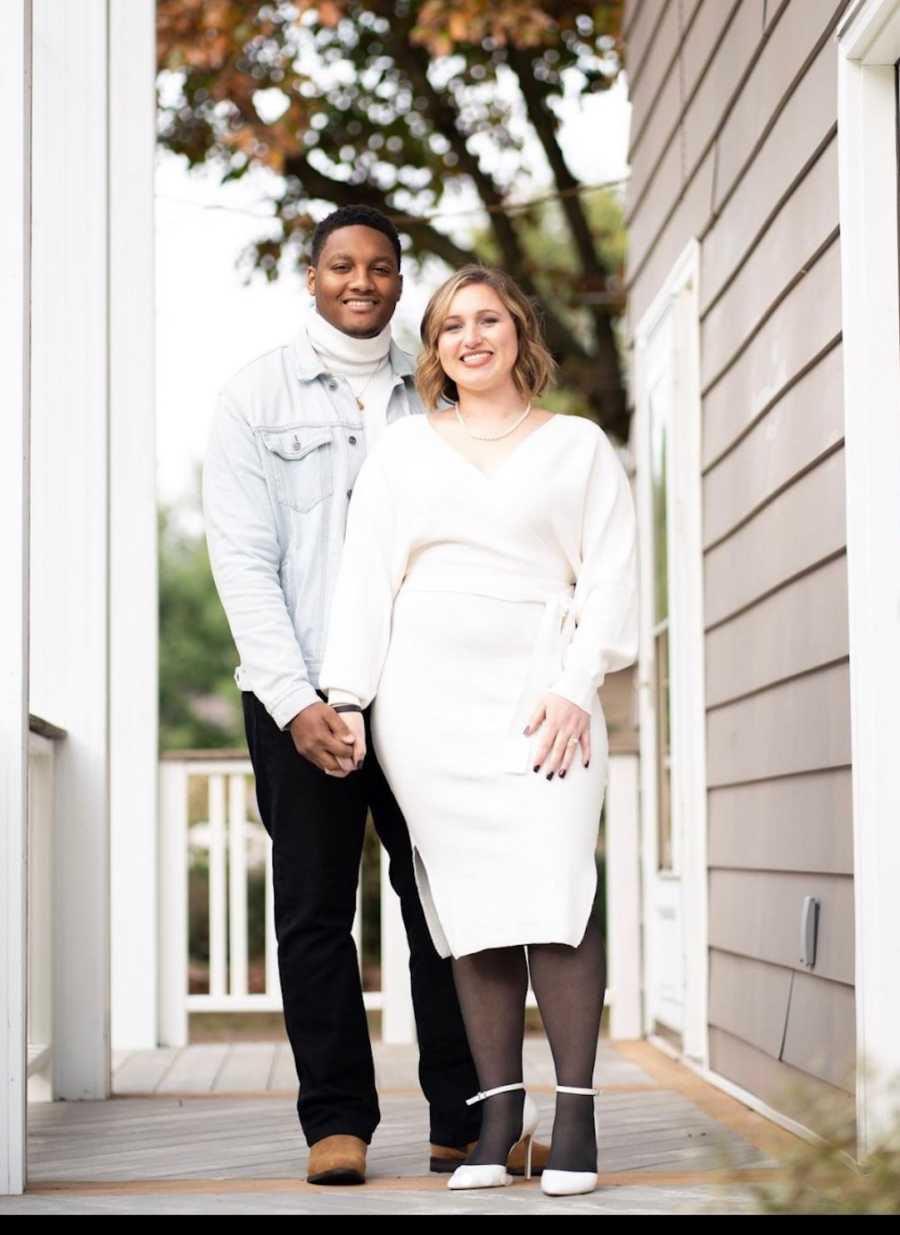
I also wanted my dad to walk me down the aisle on my wedding day, August 8th, 2020, despite concerns about losing health insurance. My foster parents had always treated me as their daughter, legally or not. Yet the moment my dad walked me down the aisle brings me to tears even now. During quarantine, my husband and I documented our journey—from growing up in foster care to breaking generational cycles and creating mission-driven businesses—encouraging others to heal and thrive.
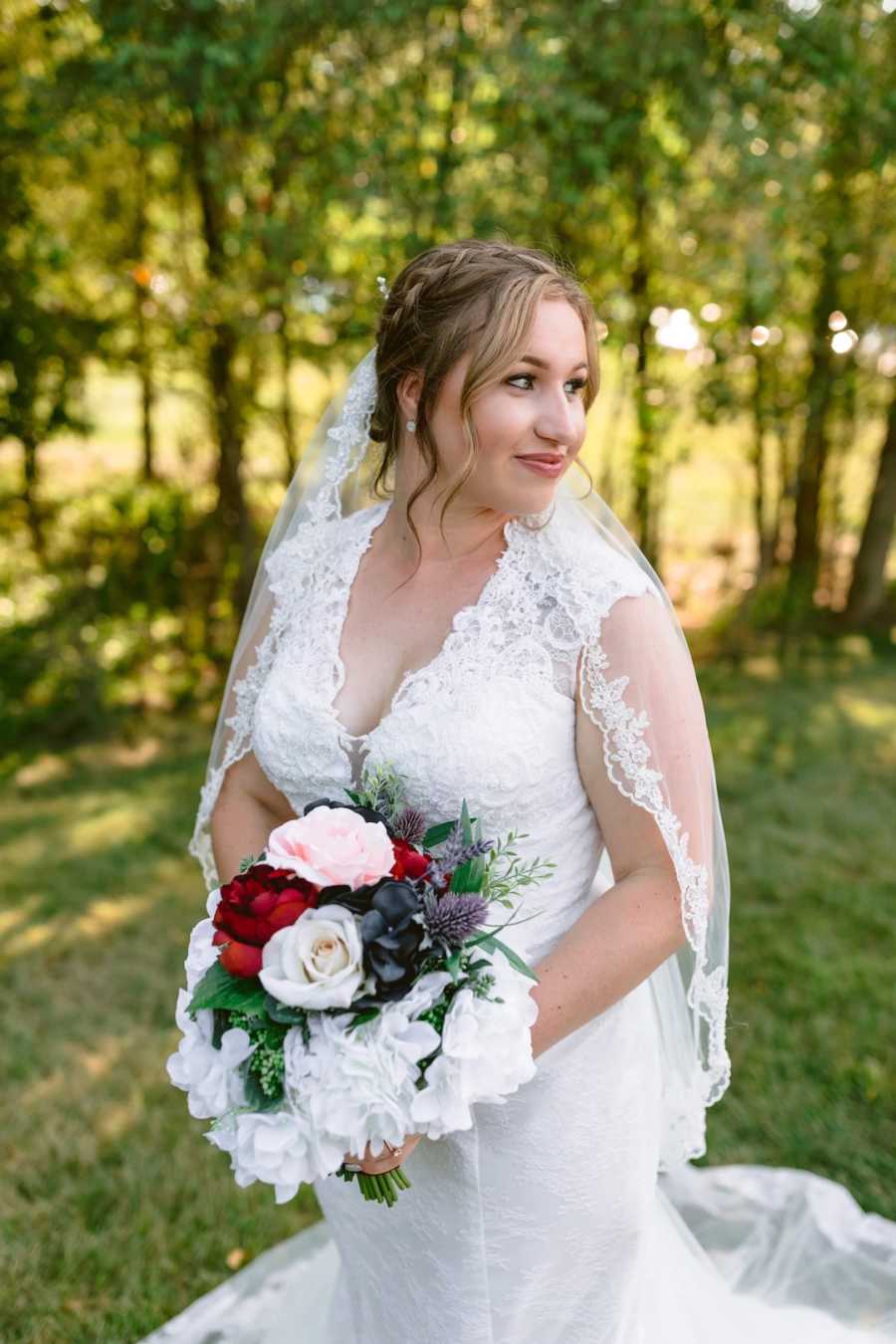
On November 7, 2020, our story was published: Redefining Normal: How Two Foster Kids Beat the Odds and Discovered Healing, Happiness, and Love. By being vulnerable and sharing our journey, we became Amazon Best Sellers in three categories. My advice to potential foster parents: practice patience, offer love that is forgiving and respectful, and always see the best in the children you care for. To foster youth, I say: define yourself outside of your past, the opinions of others, and your family history. Choose a path that reflects the life you want, not the life you were given.