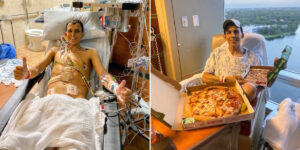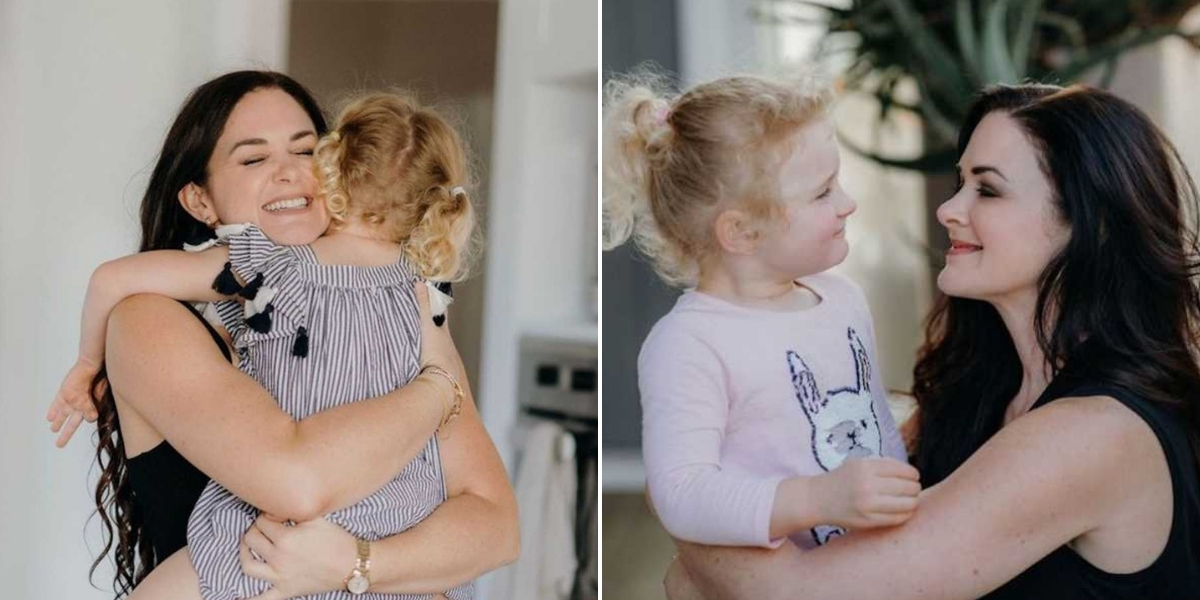
When I was 36, my world shattered. My husband, Kurt, died of blood cancer. At the time he was diagnosed almost a year earlier, we had a four-month-old daughter, had just celebrated our third wedding anniversary, and I was struggling with postnatal depression. On top of that, I was scheduled for major corrective surgery in a few days and was running my own full-time business. Life felt heavy, unmanageable, and terrifyingly fragile.
Kurt was the healthiest person I knew. In the seven years we’d been together, I had never seen him suffer more than a cold. Then, one morning, the day after our anniversary, he stepped out of the shower and asked if his stomach felt hard. I touched it, casually suggested he see a doctor—and that afternoon, our lives unraveled at lightning speed.
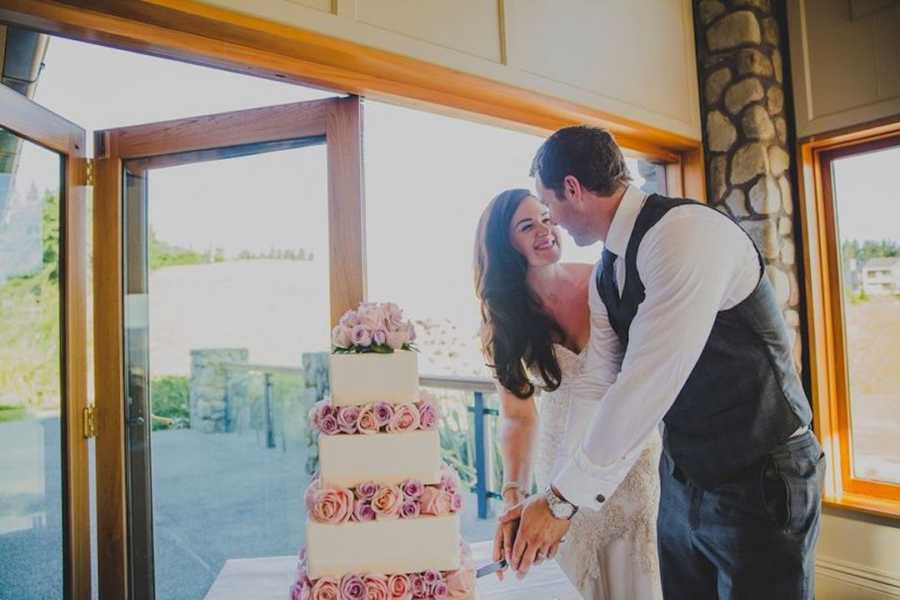
The “hard spot” was a large growth on his spleen. A CT scan revealed widespread lymphoma. Though he had no prior symptoms, his health deteriorated so rapidly that he would have been gone within weeks had he not responded immediately to urgent chemotherapy. I remember standing in the hospital hallway, clutching our baby girl, being asked if Kurt had a will, as though his death were imminent. The moment felt unreal, like a nightmare I couldn’t wake from. Behind closed doors, I was falling apart, but in public, I tried to hold it together. I had only taken two weeks off after Sage was born, and now I was running a business from a hospital corridor with a newborn under my desk.
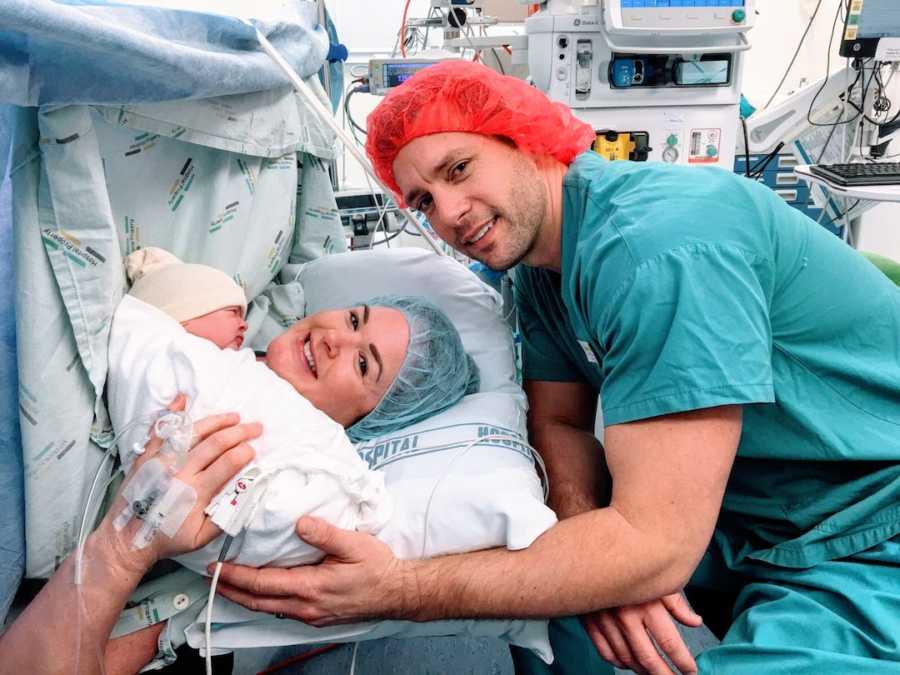
Kurt was my rock, my partner in every sense. He embraced fatherhood naturally, was my best friend, my soulmate—my everything. I remember thinking, just days before our nightmare began, that I had survived the hardest part of life: my postnatal struggles, running my business, keeping our family afloat. But in one cruel twist, life as I knew it collapsed. As I stood on what felt like the summit of all I had worked for, an avalanche pulled me under.
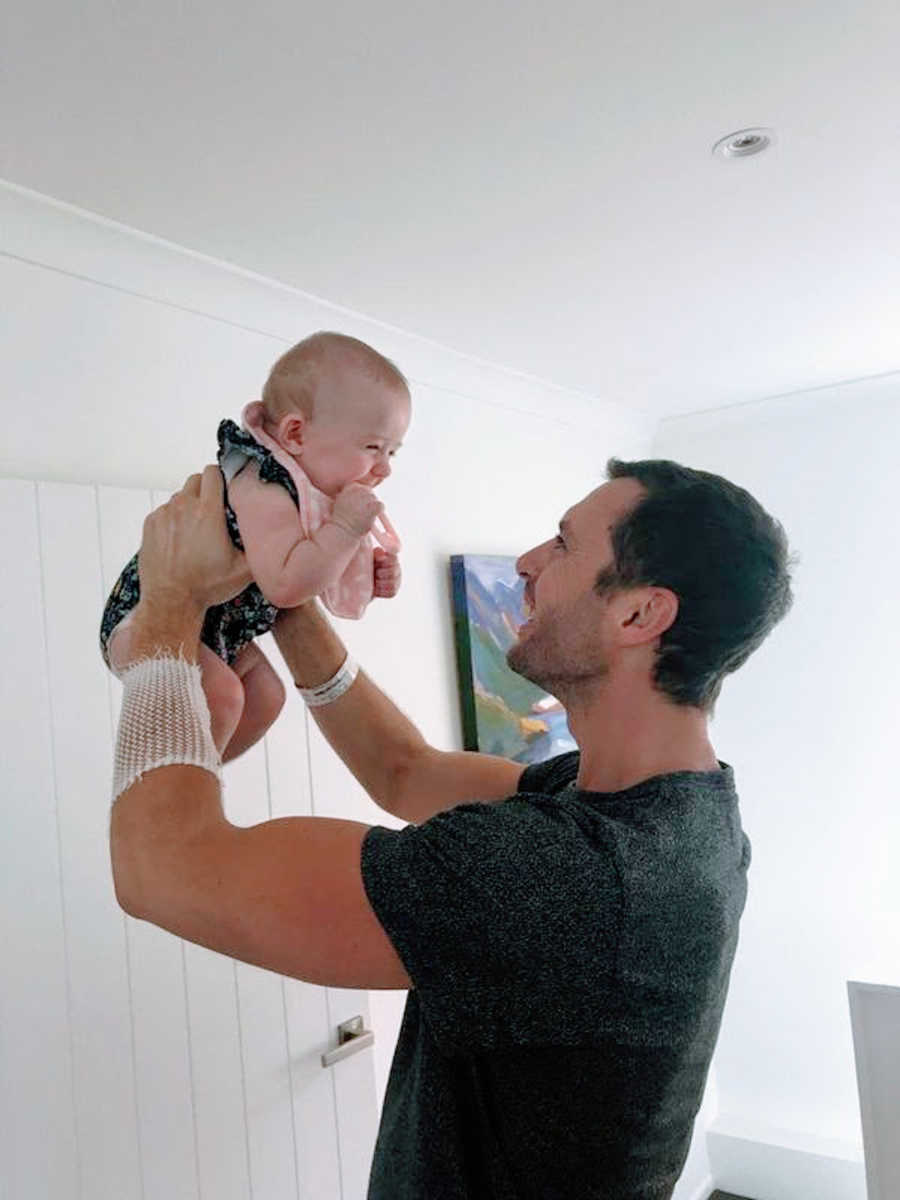
Initially, chemotherapy seemed to work. I set up my workspace in Kurt’s hospital room and worked beside him while he underwent treatment. There was hope. But the relief was short-lived. The tumors returned, multiplying aggressively. We researched CAR-T immunotherapy in the United States as a last resort. Despite fundraising in New Zealand, and eventually being accepted onto a trial in Boston, Kurt didn’t respond to salvage chemotherapy. He spent four months in Boston undergoing CAR-T therapy, and I flew back and forth, juggling my business and motherhood as best I could.
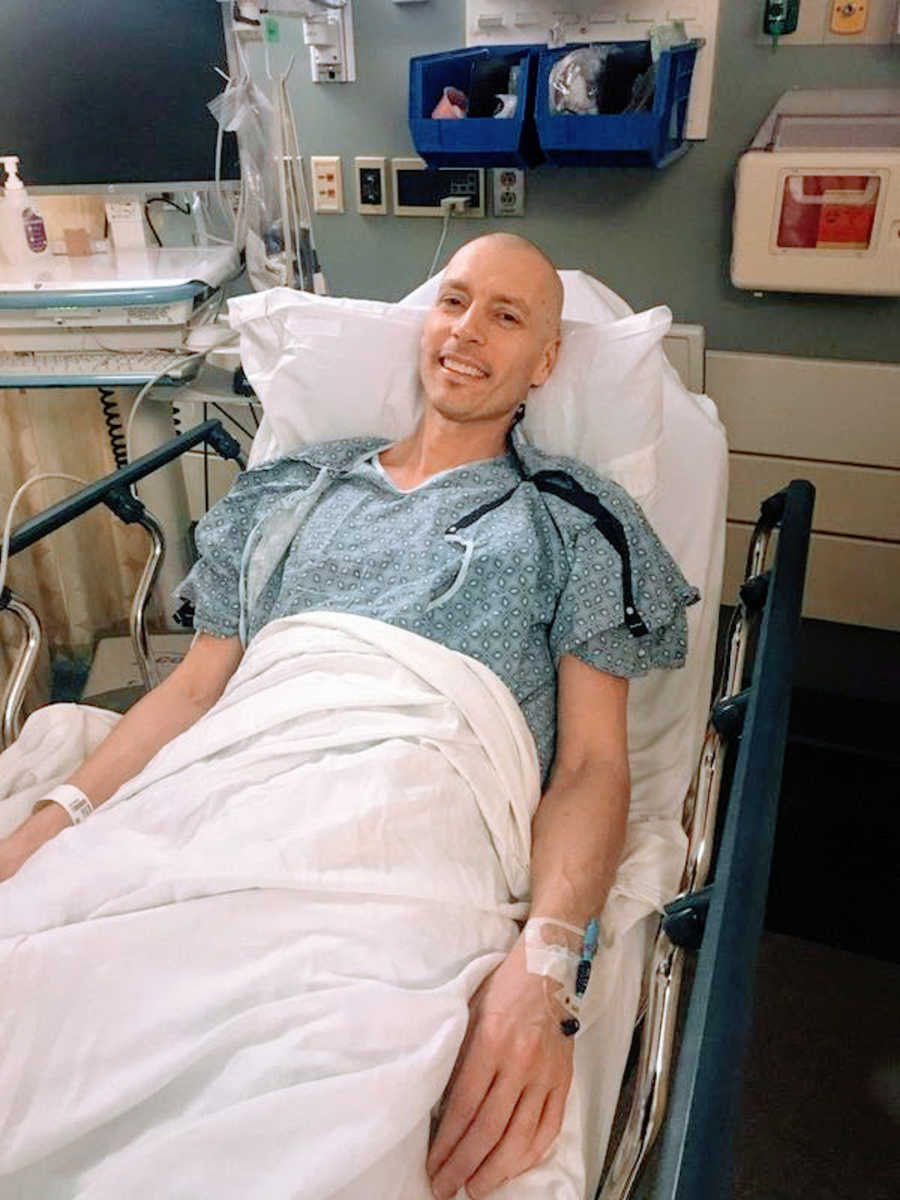
On December 26, Kurt had a “repositioning scan.” The next morning, he called. I held the phone, heart in my throat. He was in tears. “Baby, it’s bad news,” he said. The words “innumerable tumors,” “progressive disease,” and “massive” hit me like a physical blow. My legs gave out. The phone dropped from my hands. I cried in a way I didn’t know I could, my chest constricted, my body wracked with grief. Doctors insisted I fly home immediately.
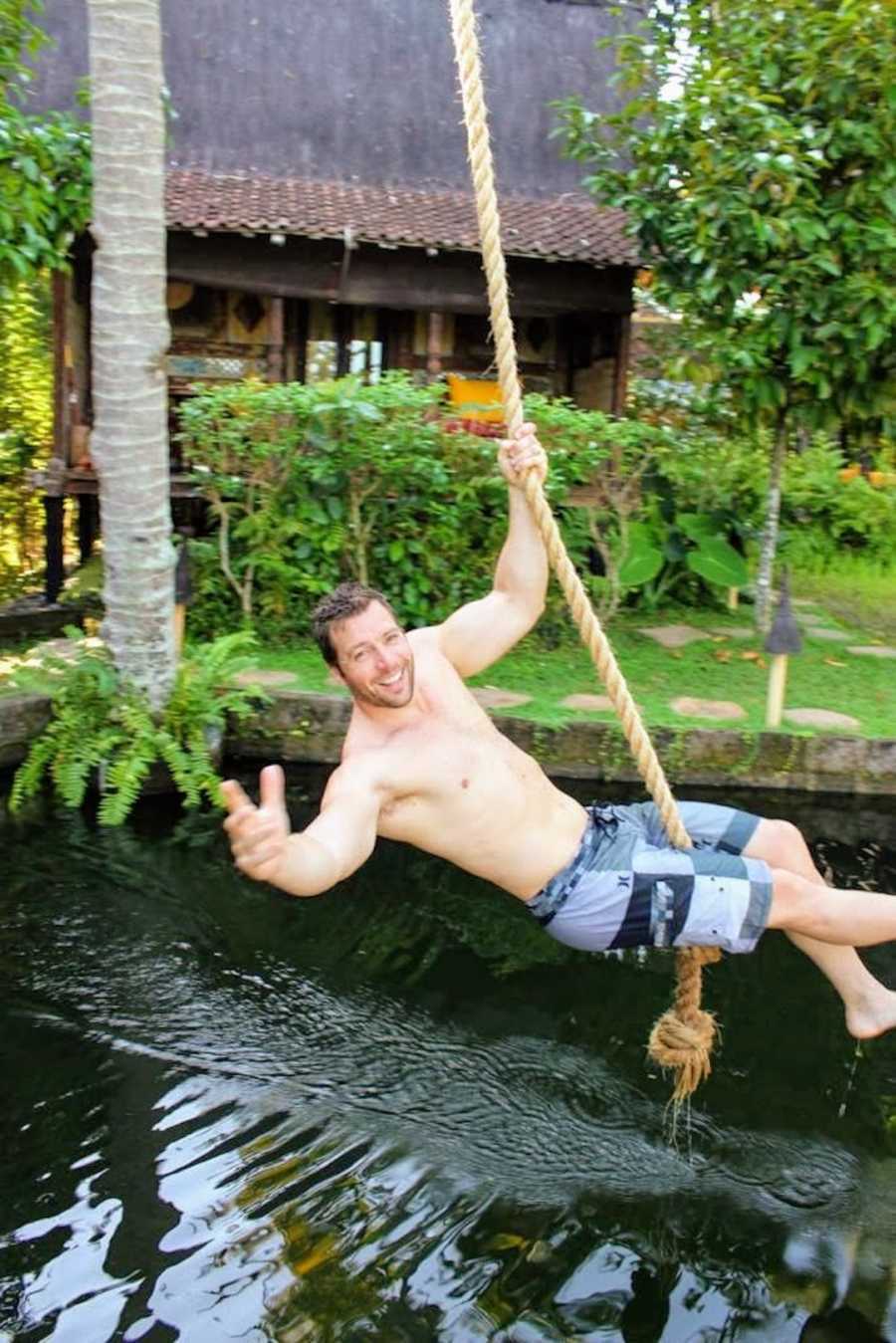
That call was our last real conversation. By the next day, Kurt could barely speak. We brought him home to New Zealand on New Year’s Eve, and he passed away on January 7, less than a year after discovering the hard spot in his abdomen. I was with him, witnessing his suffering, holding him as he took his final breaths. Watching the body of the man I loved so fiercely betray him, watching him fade, was a pain unlike any other. When he died, the life I knew ended with him.
For months, I wanted to push these memories away. Yet over time, the grief has taught me the depth of life’s fragility and the preciousness of every single day. I have vowed to live with purpose, to embrace honesty, integrity, and connection, because witnessing Kurt’s final days showed me what truly matters. Death is inevitable, but love, presence, and gratitude are within our control. The last days we shared weren’t about possessions or accomplishments—they were about memories, laughter, kisses, the life we made together.
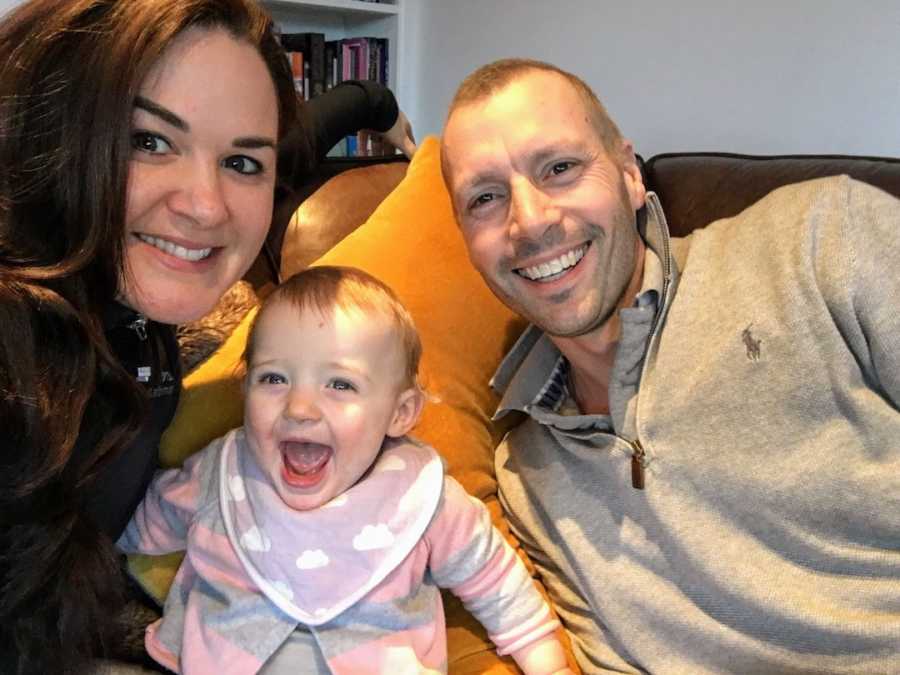
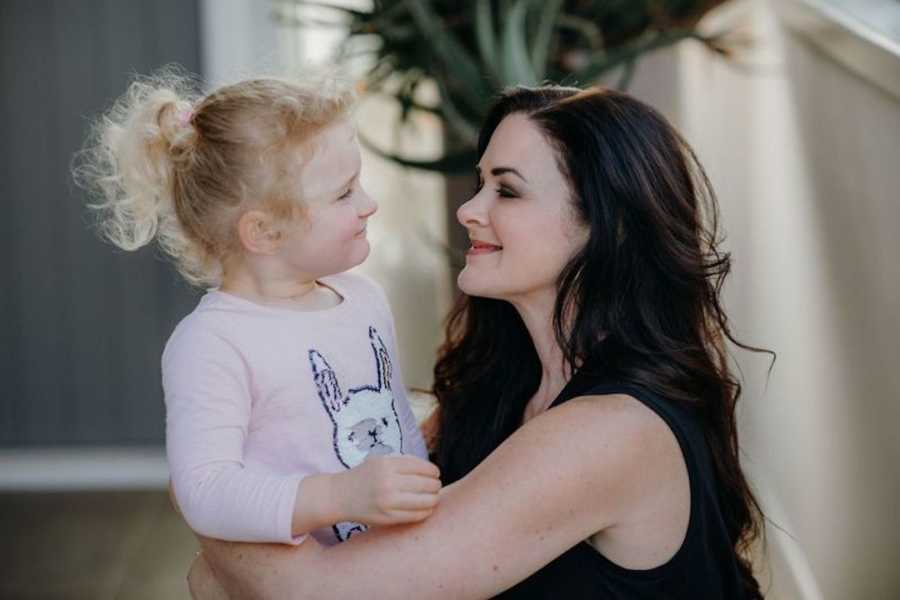
Our daughter, Sage, is now three and a half. We talk about Daddy often, and I make sure his memory lives on through her. I’ve shared our journey—cancer, loss, grief, and healing—on Instagram and have been humbled by the global support. I’ve learned that grief isn’t something you “get over.” It’s something you learn to live with, to integrate into your life. Some days are heavy, some joyful—but the healing and growth are real.
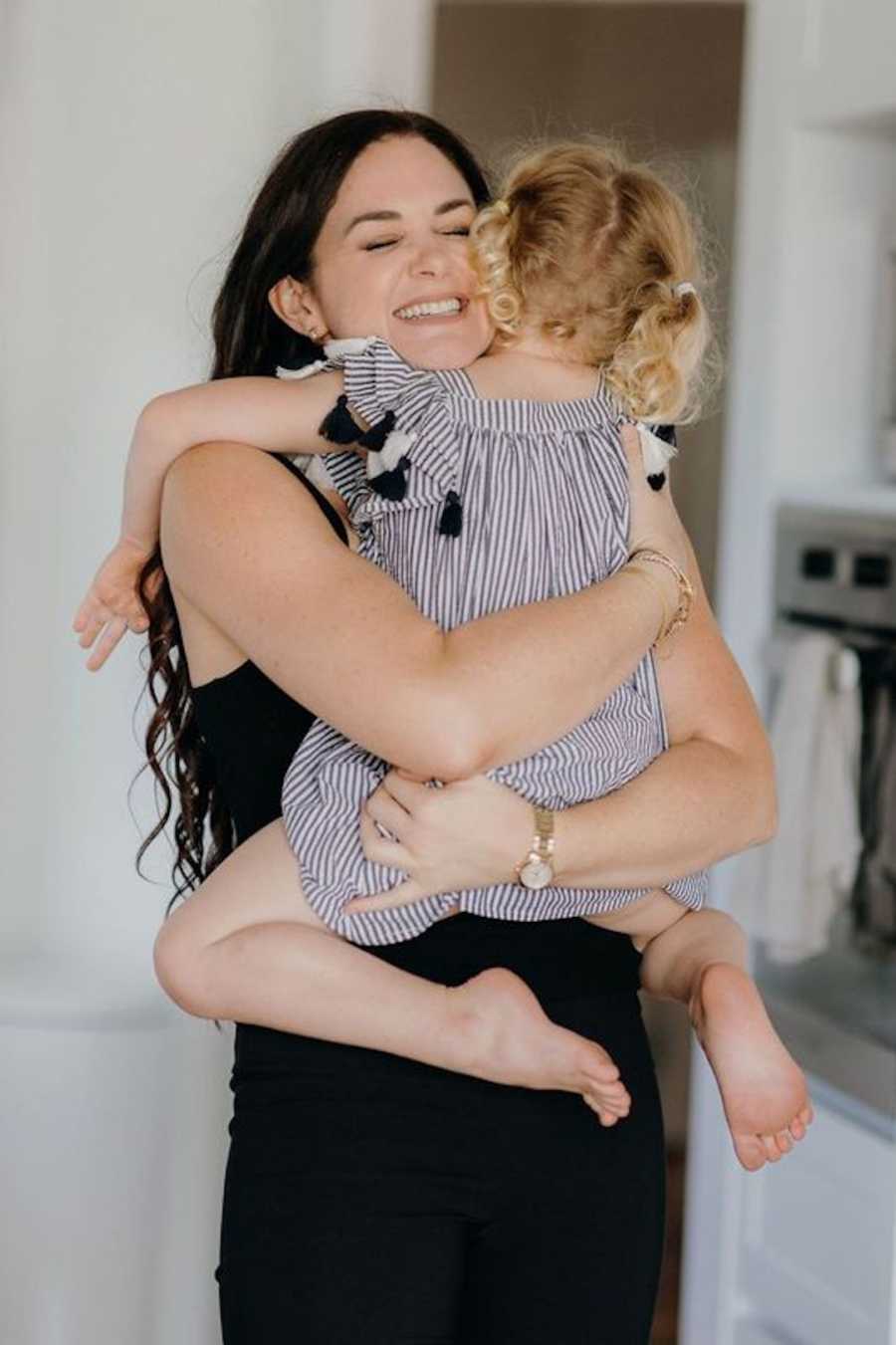
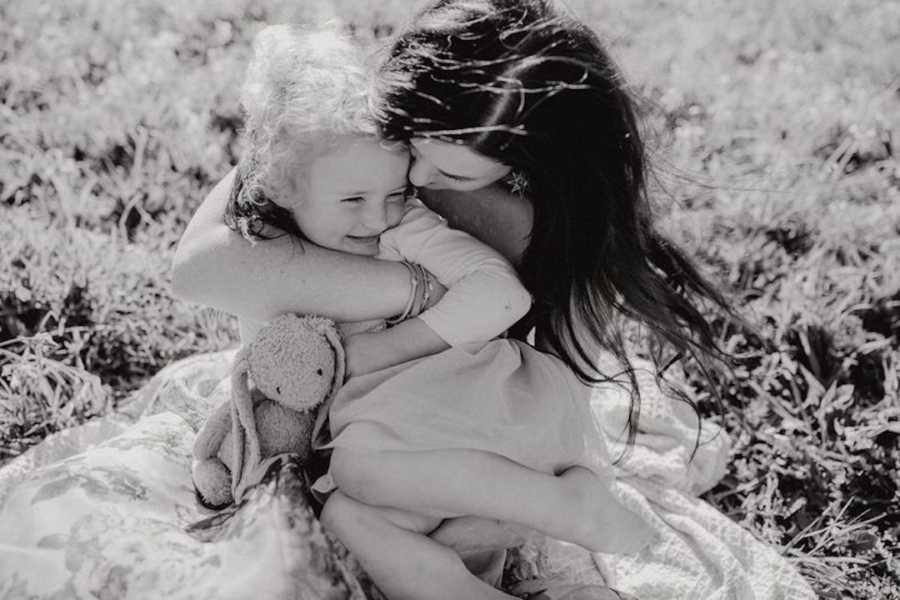
I am fiercely proud of the woman I’ve become and continue to become. Our nightmare has not been in vain. I strive to help others facing similar darkness, to inspire gratitude for the life they have, and to live my own with the depth Kurt taught me was possible. Every day, I ask myself, “What would Kurt do?”—and I follow his example, cherishing each moment as a gift. Pain changes your life forever, but so does learning to heal from it.