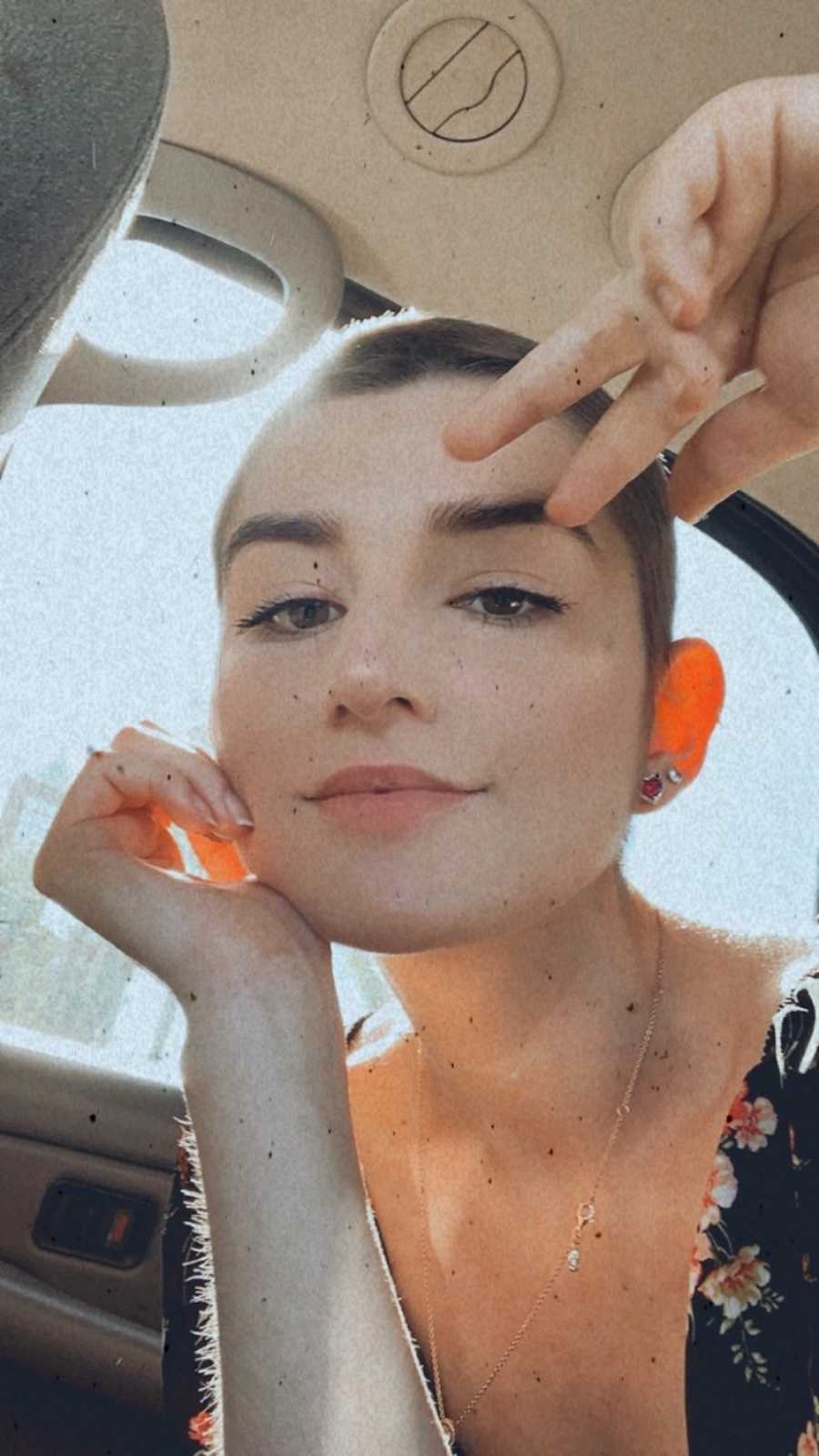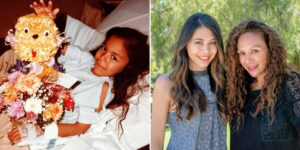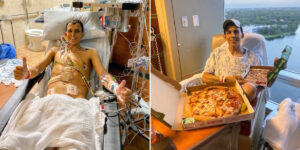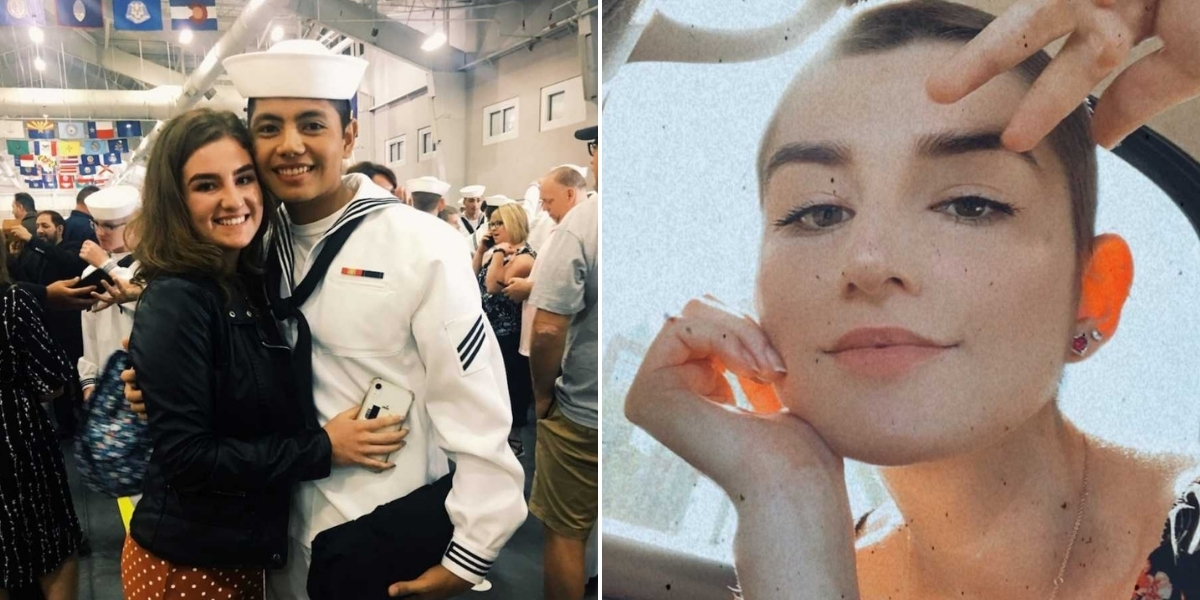
I was diagnosed on April 21, 2020, at just 18 years old, with a rare type of ovarian cancer called granulosa cell tumors—stage 3. I was completely alone in the hospital because of the pandemic, without my family by my side. That made the experience even more overwhelming and isolating, but it also became the moment I realized how strong I could be.
My journey didn’t start there, though. For over two years while I was still in high school, I was misdiagnosed again and again. It began with severe pain in my pelvic area. I told my doctor about my irregular periods, abdominal discomfort, and intense lower back pain. They brushed it off, saying I was just exercising too much or not eating properly. Some even suggested it was gastritis. I felt frustrated, unheard, and began realizing that if I wanted answers, I would have to fight for them myself.
Determined to find clarity, I traveled to Mexico to see a gynecologist my family trusted. After running multiple tests, he found two ovarian cysts—one the size of a five-month pregnancy and the other the size of a grapefruit. He explained that these cysts had to be removed immediately or I risked losing my ability to have children in the future. He wanted to operate that weekend, but I couldn’t afford the procedure out of pocket.
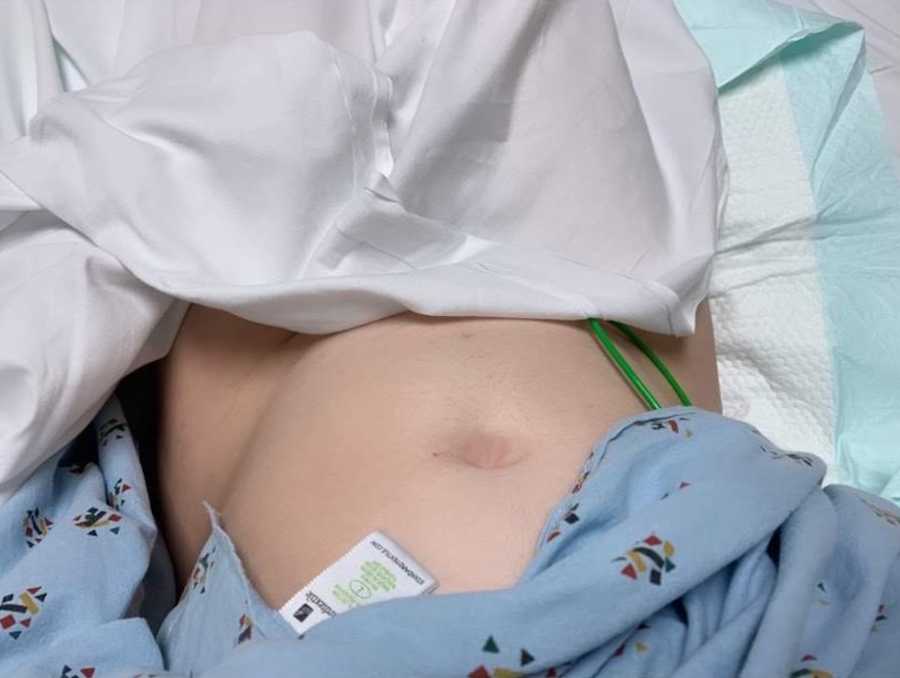
So I changed my flight home and went straight to the ER with all my test results from Mexico in hand. The doctors there dismissed my concerns, calling them “simple masses” that didn’t need removal. I tried to explain the pain and discomfort I endured every day, but they told me surgery wouldn’t be considered unless I was practically dying.
The following day, I visited my gynecologist with all the paperwork from both Mexico and the ER, clearly showing I had two cysts that needed removal. After examining me, she told me these should have been removed long ago and expressed shock that I had endured the pain for so long. She immediately began coordinating my surgery, arranging the staff and preparing for the operation.
Before the surgery on September 12, 2019, she carefully explained the process. She compared it to a c-section, but instead of a baby, a cyst would be removed. After the procedure, I focused on healing and processing everything, so I didn’t immediately check the paperwork. When I finally did, I noticed that only one cyst had been removed. It seemed strange, but I didn’t understand why the second hadn’t been addressed.
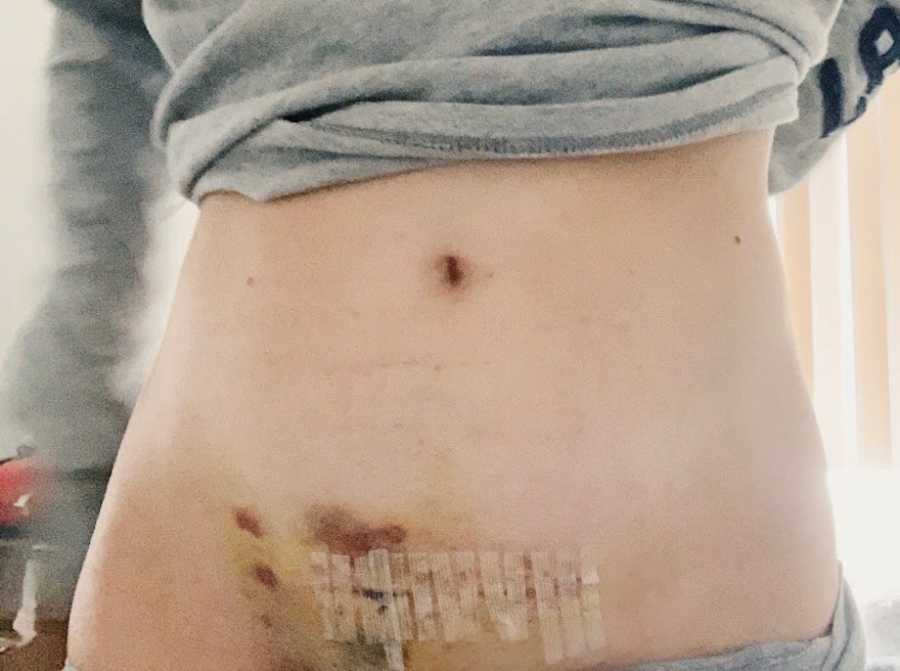
The pain persisted. I assumed it was just part of the recovery process, but it only got worse. I returned to the ER, and that’s when I learned one cyst hadn’t been removed. They also found fluid in my system, which my OBGYN didn’t investigate further despite my repeated concerns.
This ordeal affected more than just my body—it impacted my education and work. I failed two of the three classes I was taking that semester. I had been a swim instructor and later worked as a receptionist, but I had to leave my job because I couldn’t predict which days I could manage the pain.
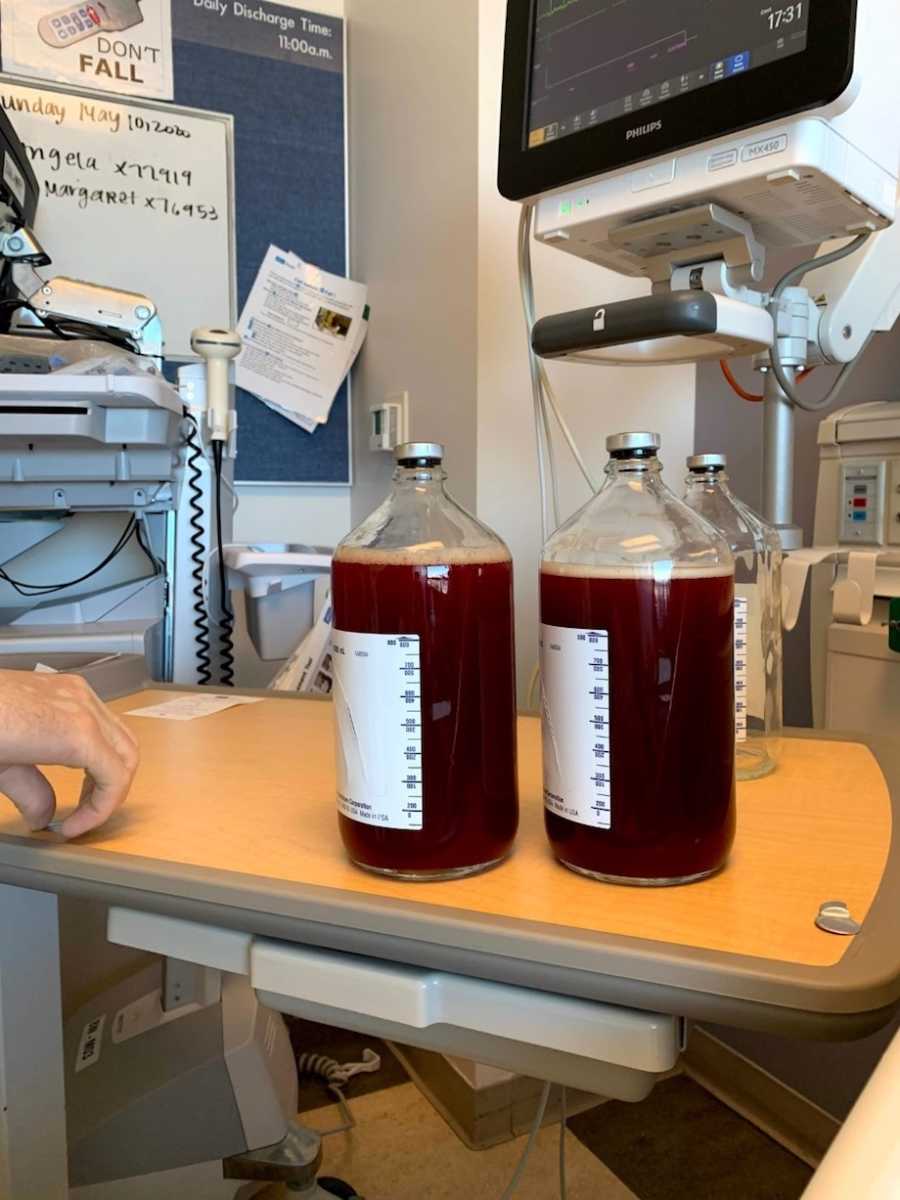
Weeks later, I passed out at home and was rushed to the hospital. I was internally bleeding due to a torn ovary and had already lost four liters of blood. Over the course of two procedures, I lost another three liters. I required three surgeries in total: two to drain the blood and one to repair the ovary and perform a biopsy. I was hospitalized for nearly a week, and every day felt endless.
After CAT scans and a consultation with a cancer specialist, I was diagnosed with stage 3 ovarian cancer with granulosa cell tumors—a rare form that had spread into the scar tissue from my previous surgery. Hearing this without my family by my side was devastating, yet it also reinforced my determination to fight.
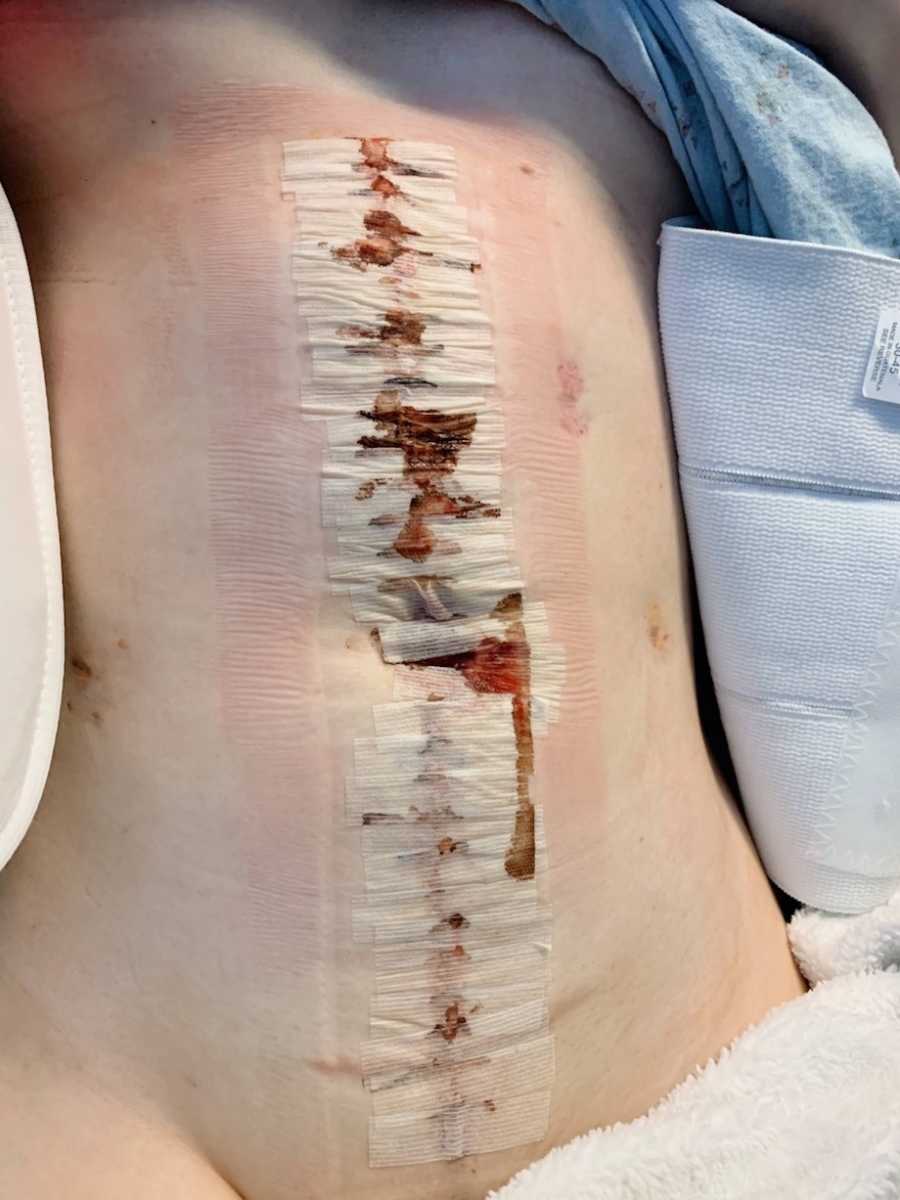
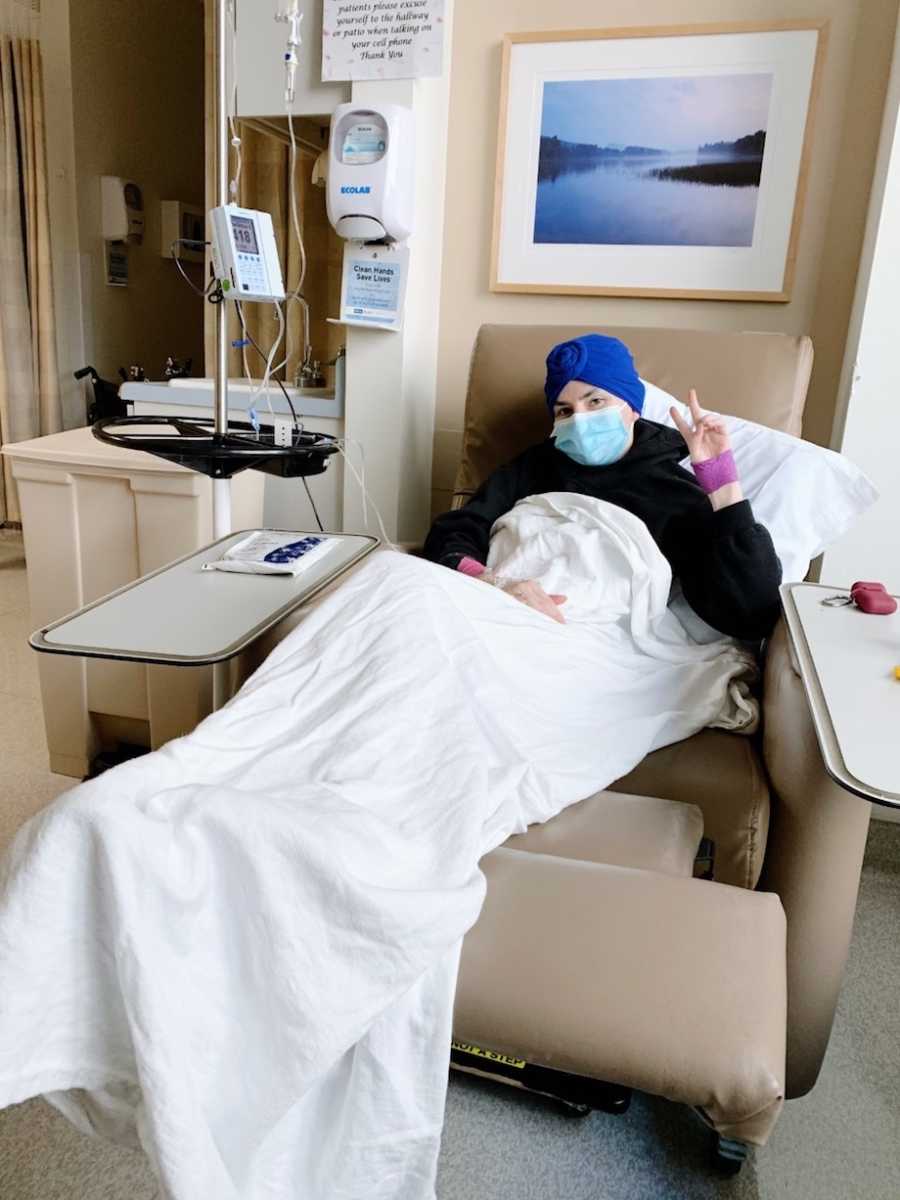
Since then, I’ve endured five rounds of chemotherapy and a major debulking surgery, where 99% of the cancer was removed. Unfortunately, my womb and one ovary had to be taken, meaning I’ll never carry a child naturally. Miraculously, my remaining ovary is still intact. There was a chance chemotherapy could have affected it, but it held strong. I truly believe God protected it for me because I’ve always dreamed of having a child—even if it has to be through a surrogate. Now, at 19, I’ve completed all my treatments.
A few months later, after my seventh and final round of chemo, I was officially declared in remission. This past year has been one of the most difficult of my life, yet it has also taught me resilience, courage, and the power of self-advocacy.
I want to share this with anyone reading: if something feels wrong with your body, insist on being heard. Don’t let anyone dismiss your pain. Seek out doctors who will listen and fight for your health. Only you truly know what’s happening inside your own body, and standing up for yourself can save your life.
My faith has been my anchor through all of this. Leaning on God and the support of my family made the unbearable moments survivable. When life doesn’t make sense, holding on to faith can give you the strength to keep going.