experiencing persistent gastrointestinal issues along with pelvic pain. At first, I brushed it off, assuming it was probably just an ovarian cyst that would resolve on its own. Life was busy, and I didn’t want to overthink it. But when I noticed my stomach was actually bulging on one side, my husband, Sam, grew concerned and urged me to get checked out.
I went to work the next day and then stopped by Urgent Care. The physician assistant ordered an X-ray and stepped out to review the results. When he returned, I could immediately tell something wasn’t right. His tone was serious as he explained that he wasn’t sure what was going on and that I needed to go to the hospital for a CT scan. I asked if it was something that could wait until the next day. His response stopped me cold: “If you were my wife or daughter, I’d want you to go immediately.”
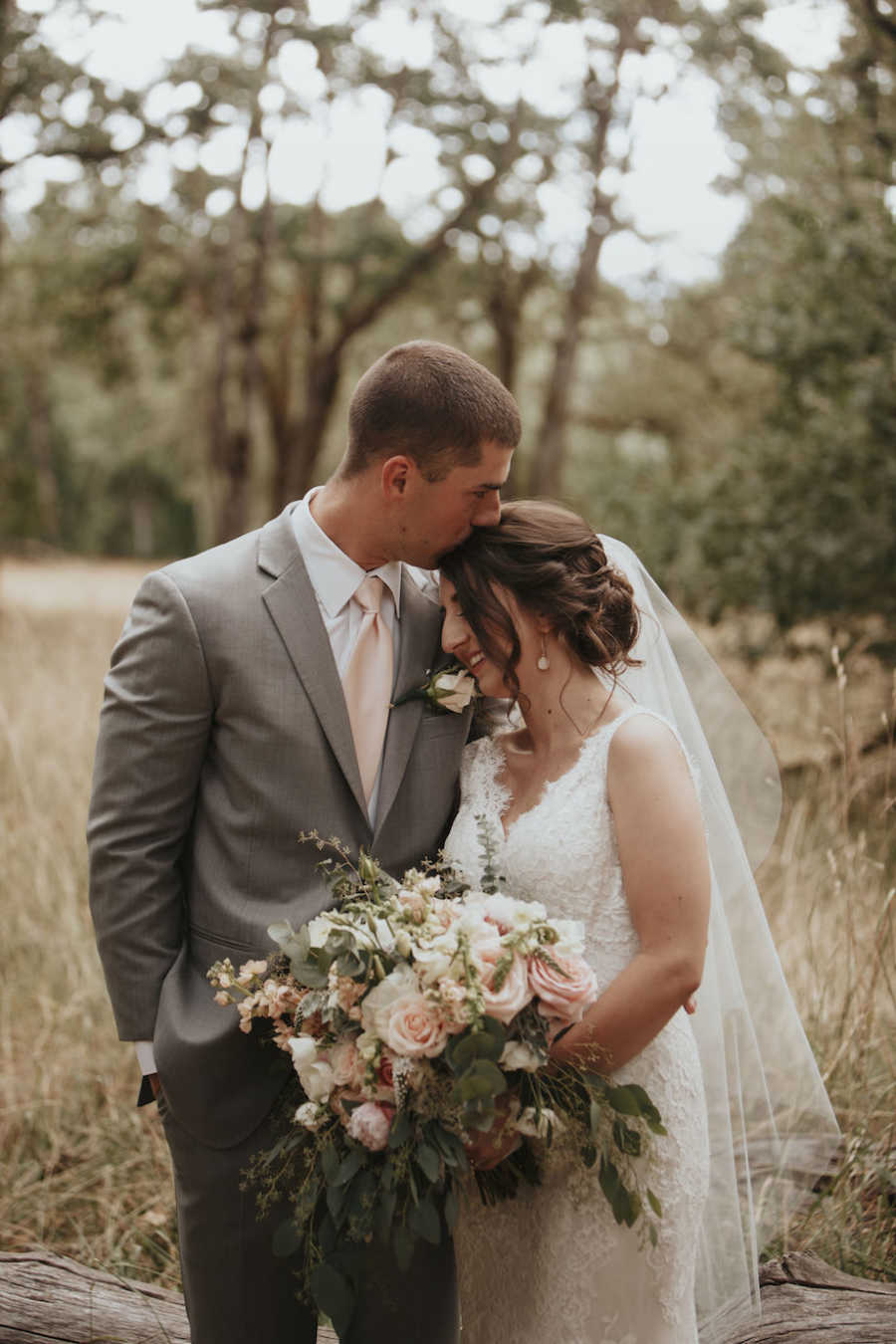
Sam came to pick me up, and together we headed to the Emergency Room. After what felt like endless waiting, the ER doctor finally came in with the CT scan results. I had a large mass on my left kidney that would need to be removed. Worse still, it was likely kidney cancer.
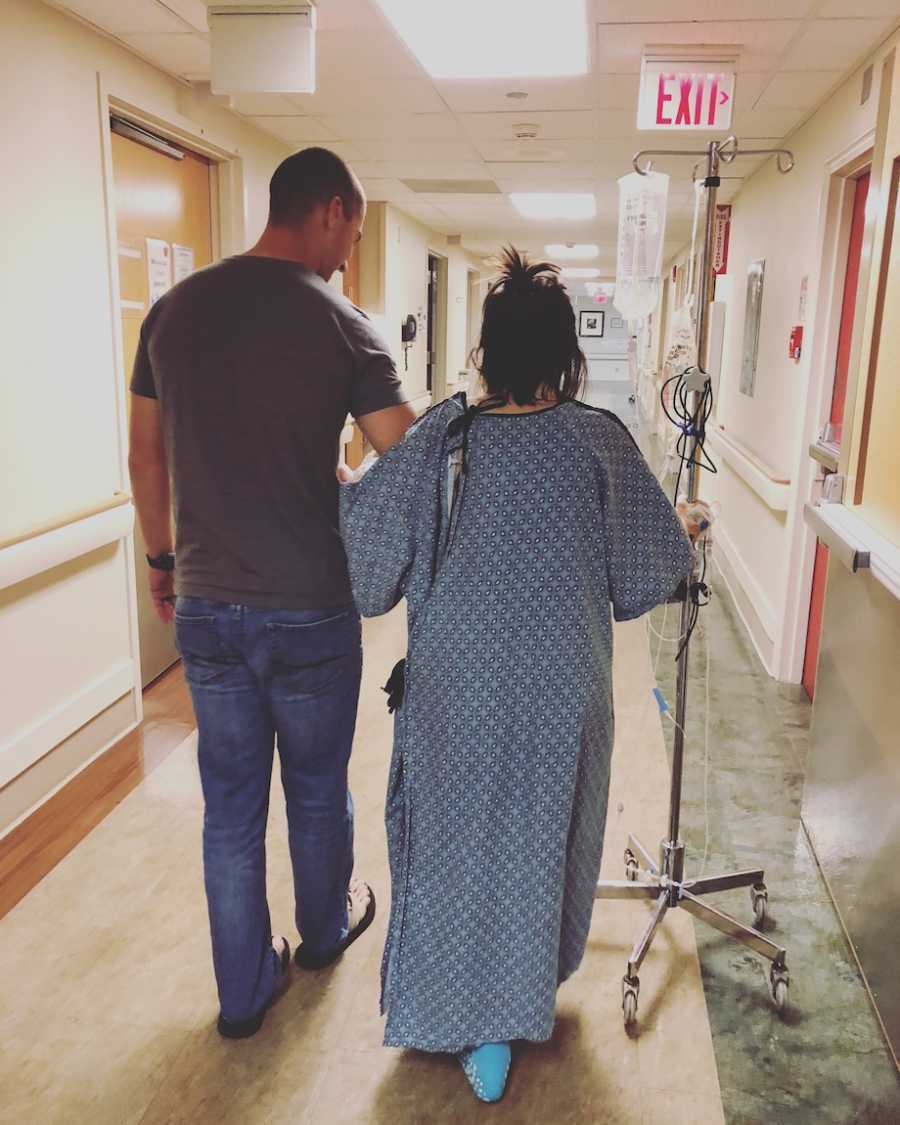
Our world instantly tilted on its axis. Shortly after, my case was taken on by UNC Chapel Hill’s Cancer Hospital. I was scheduled to meet with a nephrologist and undergo surgery to remove my left kidney on October 5, 2018. We were both terrified. The hospital stay ended up being far more intense and difficult than expected, lasting an entire week. But eventually, I was discharged and allowed to go home to recover.
We soon learned that the tumor was much larger than anticipated. My kidney and tumor together weighed ten pounds—when an average adult woman’s kidney weighs less than one pound. We were stunned. It was hard to believe something that massive had likely been growing inside me for years without my knowing. For a long, agonizing month, we waited for pathology results. Finally, we received the news: the tumor was not cancerous. Instead, it was an extremely rare solitary fibrous tumor, with fewer than 1,000 documented cases. Relief doesn’t even begin to describe how we felt.
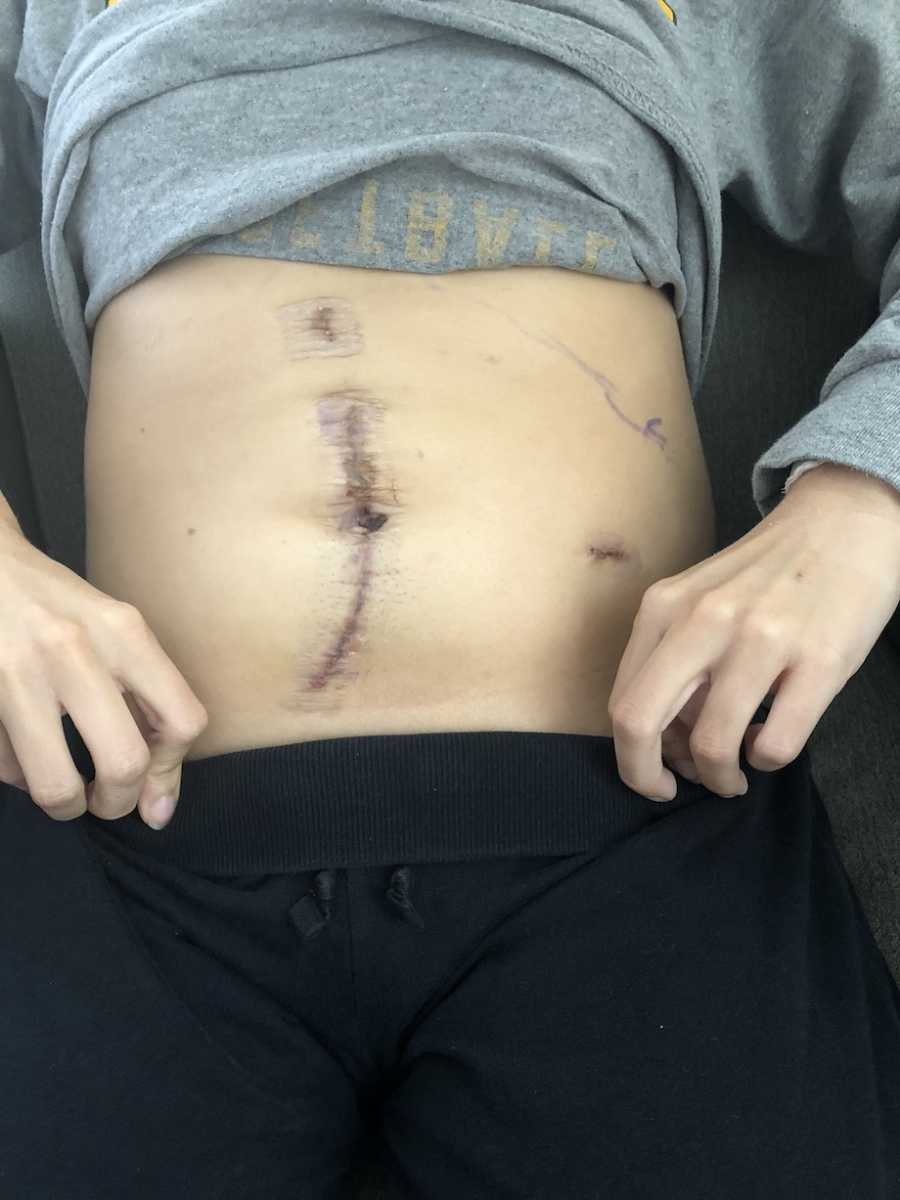
Everything about that season felt surreal. Time moved both painfully slow and unbearably fast. The night we received my diagnosis, Sam and I had a quiet but powerful realization—we were ready to start a family as soon as it was safe. Facing something so frightening has a way of clarifying what matters most.
By December 2018, my doctors gave us the green light to start trying to conceive. I asked if losing a kidney would affect my fertility and was reassured that it wouldn’t. So we began trying. I tracked ovulation, scheduled intimacy, and waited each month with cautious hope. And each month, my period arrived right on time. After six months, the sadness settled in deeply. I kept asking myself, Why hasn’t this happened yet?
By December 2019, my OB-GYN ordered extensive bloodwork to check my hormone levels—all normal. Sam completed a semen analysis, which also came back normal. Next came the HSG, a painful procedure where dye is injected into the uterus to check for blocked fallopian tubes. Despite how excruciating it was, the results showed my tubes were clear.
In January 2020, we met with several fertility specialists before choosing a clinic that felt right. After more testing, we were officially labeled with “unexplained infertility.” We were given options: medicated cycles, IUI, or IVF.
By February 2020, we made the decision to pursue IVF. Although my HSG was normal, our reproductive endocrinologist worried about possible tubal damage from Pelvic Inflammatory Disease I had in 2017. We feared an ectopic pregnancy, so IVF—which bypasses the tubes entirely—felt like the safest option.
Then March 2020 arrived, bringing COVID-19 with it. Fertility clinics shut down, including ours. Even though we were ready to move forward, we were told to wait—with no timeline. Waiting is a cruel companion in infertility. I refreshed the ASRM website daily, desperately hoping for news that treatments could resume.
By April, when it was clear things weren’t reopening anytime soon, we asked our doctor about a medicated ovulation induction cycle. Though I had once feared tubal pregnancy, desperation outweighed fear. With clinics still closed, I took Letrozole at home, tracked ovulation myself, and we timed intercourse. Then we waited.
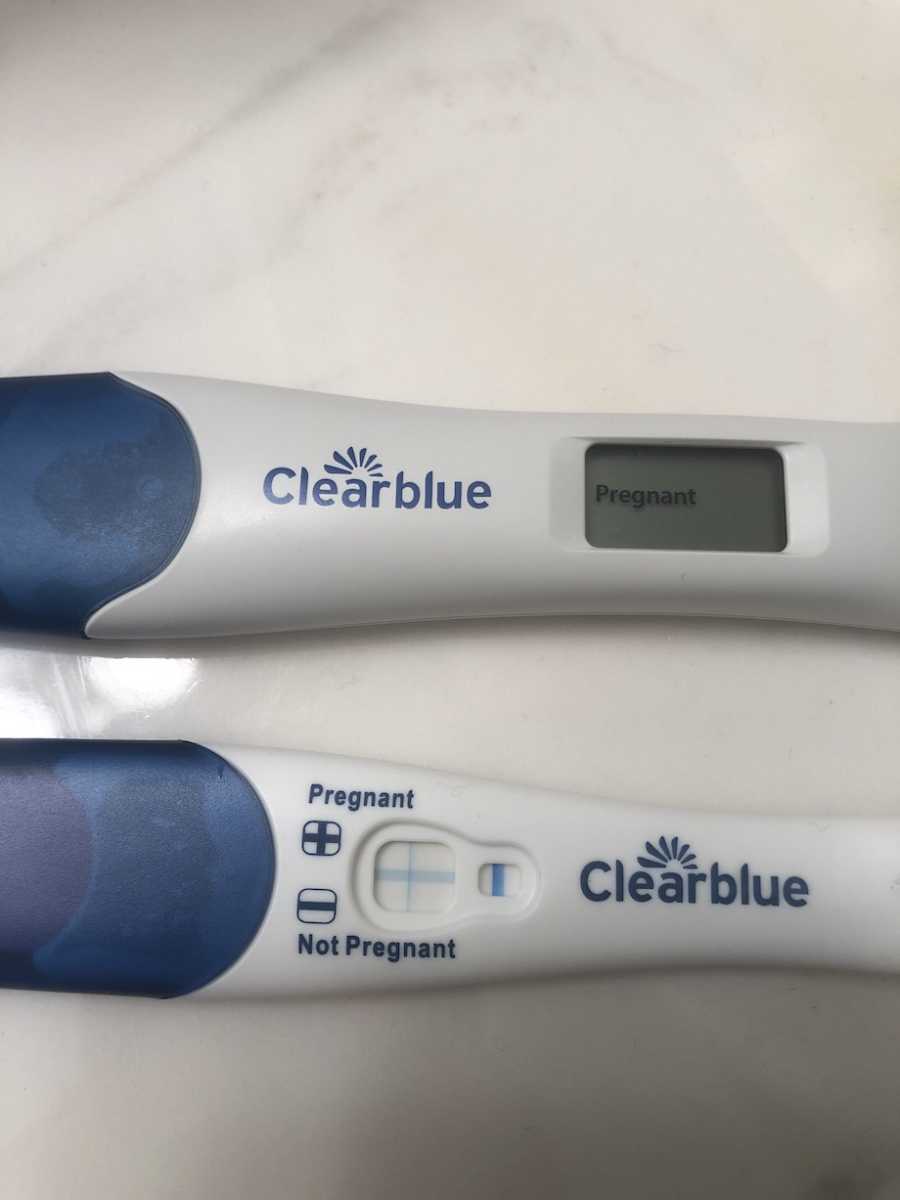
The day before my expected period, I took a pregnancy test. Positive. After 15 months of trying, it was the first time I had ever seen those two lines. I was ecstatic, shocked, and completely convinced this was finally our miracle. I imagined welcoming our baby in January 2021.
But that wasn’t how this chapter ended. The pregnancy wasn’t progressing as it should. At first, dates were adjusted. Then we found a heartbeat, which brought immense relief. But weeks later, growth slowed, and the heartbeat weakened. Deep down, I knew.
At 11 weeks, I was diagnosed with a missed miscarriage. The baby had stopped growing, but my body hadn’t let go. I still felt pregnant. Hearing the words, “I’m so sorry, there’s no heartbeat,” shattered me.
I was given Misoprostol to induce the miscarriage on June 22—a day I’ve largely blocked out. The pain was unbearable. I had no idea that miscarriage involved labor. These weren’t cramps; they were contractions. I bled heavily for days and passed tissue the size of my hand. The trauma was overwhelming. I think about that baby every single day.
In the weeks that followed, I began lactating—something incredibly rare after a first-trimester loss. It added another layer of heartbreak and confusion to an already devastating experience.
After giving my body time to heal, we decided to try again through IUI. Our first attempt in October 2020 didn’t work. In November 2020, we tried again—and it did. I was pregnant. This time, joy was overshadowed by fear. My anxiety consumed me. On the morning of my six-week ultrasound, I started bleeding. I already knew what it meant.
The miscarriage was confirmed. It happened quickly and without the physical trauma of the first, but the emotional pain was just as deep. That baby would have been due in August 2021. I carry that loss with me every day.
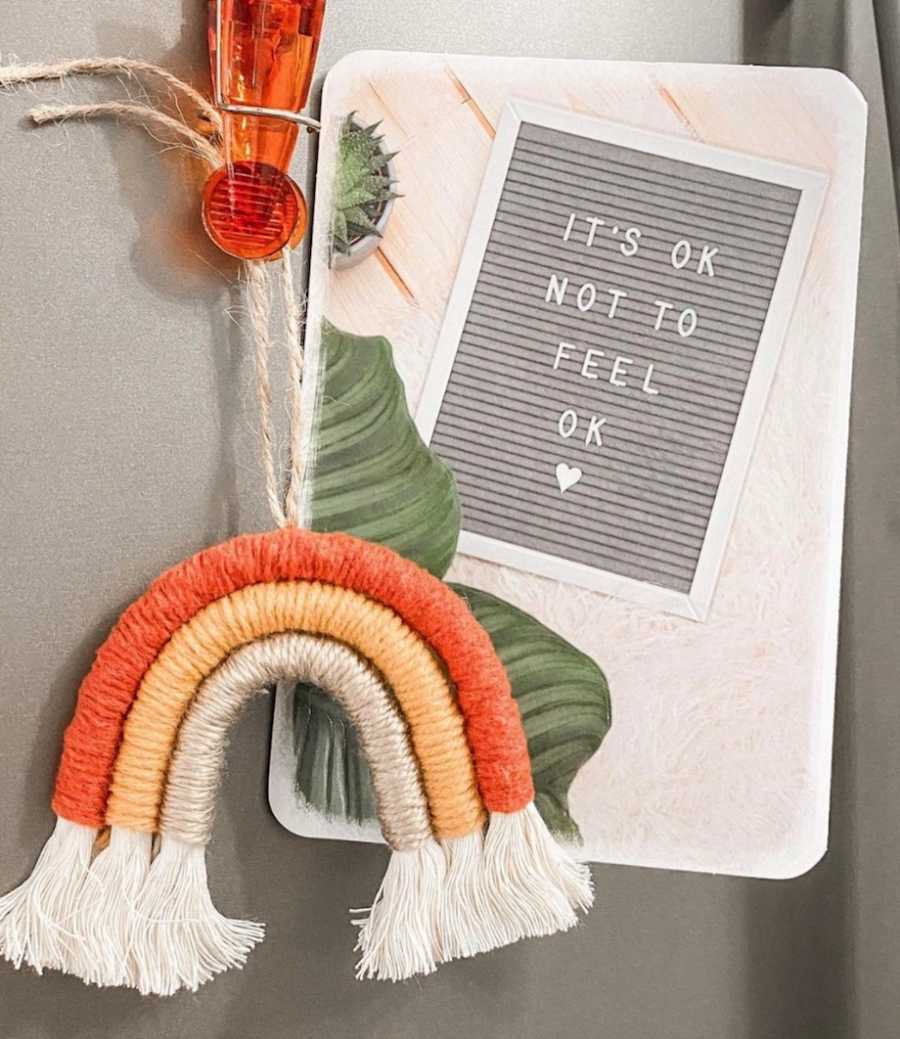
By January 2021, we found ourselves waiting once more—waiting for bloodwork, waiting for answers, waiting to try again. Waiting for our double rainbow.
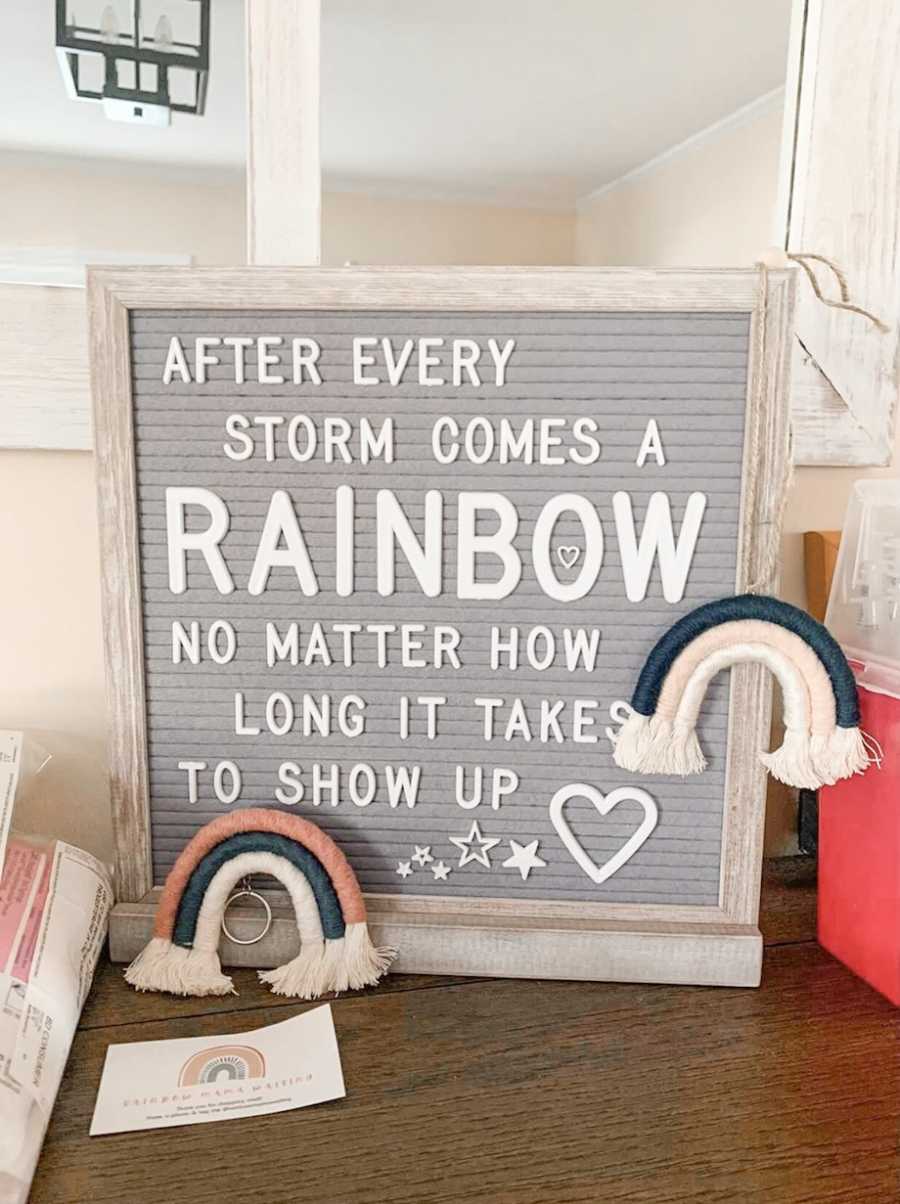
Our journey through infertility and pregnancy loss has been heartbreaking. But it has also shown me that I am not alone. One in four pregnancies ends in miscarriage. One in eight couples experiences infertility. The waiting is heavy—but hope still exists.
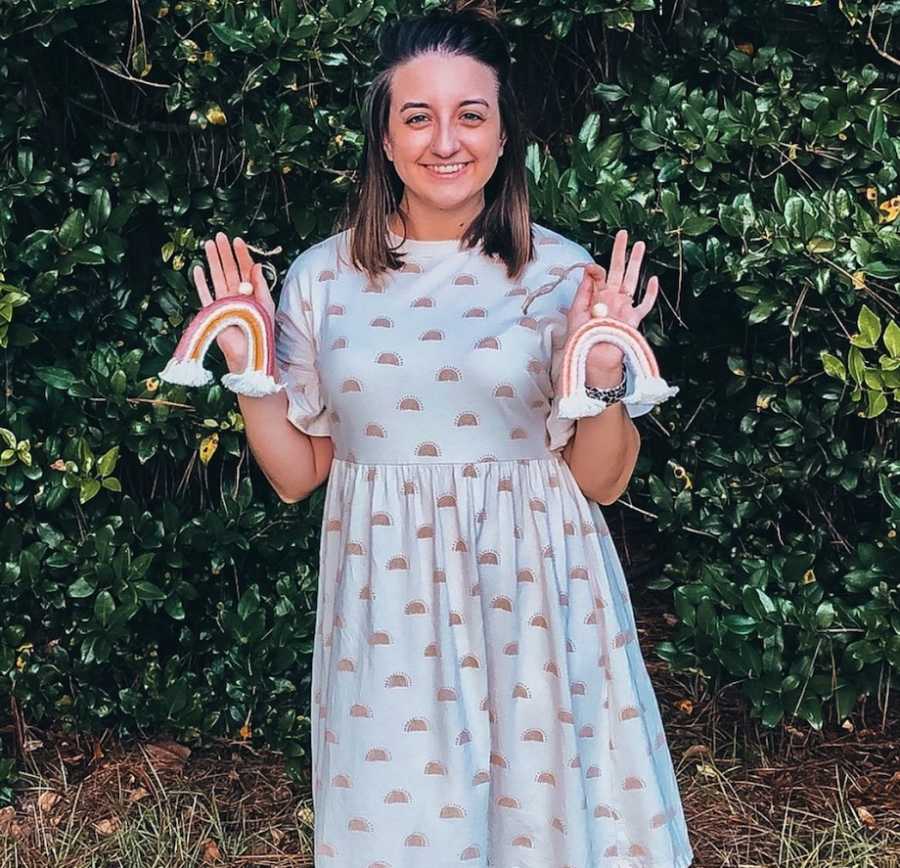
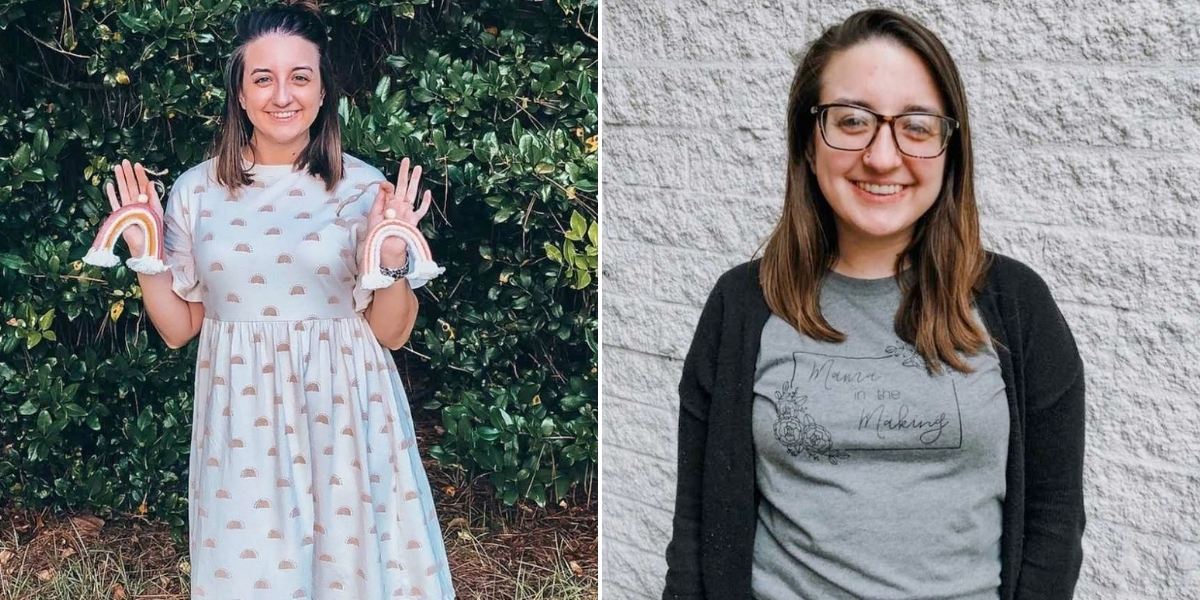
That hope led me to create Rainbow Mama Waiting. A rainbow appears only after a storm, and in this community, a rainbow baby is one born after loss. While I wait for my own rainbow, I create yarn and macramé rainbows to share hope, healing, and connection with other women walking this road beside me.