“The days are long, but the years are short.”
“Don’t blink.”
“You’re going to miss this.”
These words haunted me throughout my post-partum journey. This? I’m going to miss this? I knew I wanted a family. I knew I wanted more than two children, drawn to the vision of large families filled with laughter, chaos, and love. I dreamed of Christmas Eves with our kids running around the house, a fireplace glowing, someone playing the piano, tables overflowing with food, and my husband teasing me about how I always overdid everything. With this dream in my heart, we began what we thought would be a picture-perfect parenthood journey.
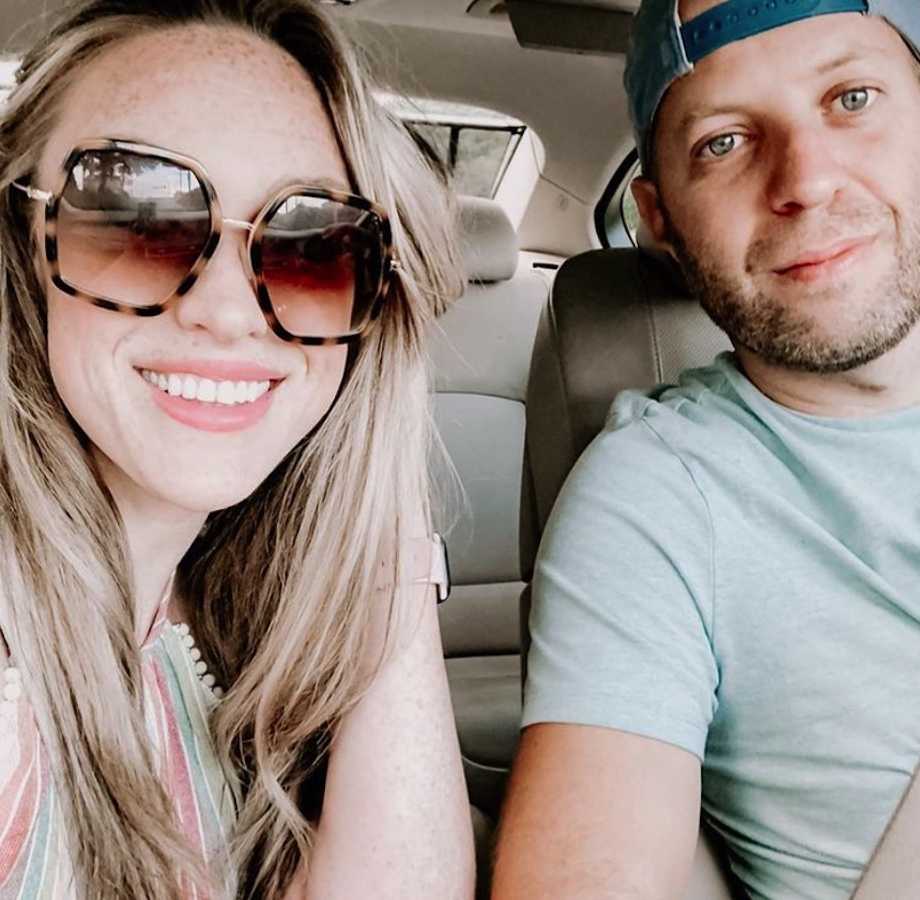
I remember walking into the emergency room after a 12-hour shift. I’m a radiation therapist, and on weekends I worked as an X-ray tech. I help patients fight cancer and diagnose injuries, and now, for the first time, I was the patient. At first, I wasn’t worried—hearing a little blood during pregnancy seemed normal. Then came the words no parent wants to hear: “There is no heartbeat. We can schedule you for surgery…” My ears went silent. I left the hospital alone, refusing surgery and pain medication, wary from a family history of addiction. I went to my endocrinologist for lab work—my thyroid had been removed when I was 17—and began trying to understand why my body couldn’t carry this baby.
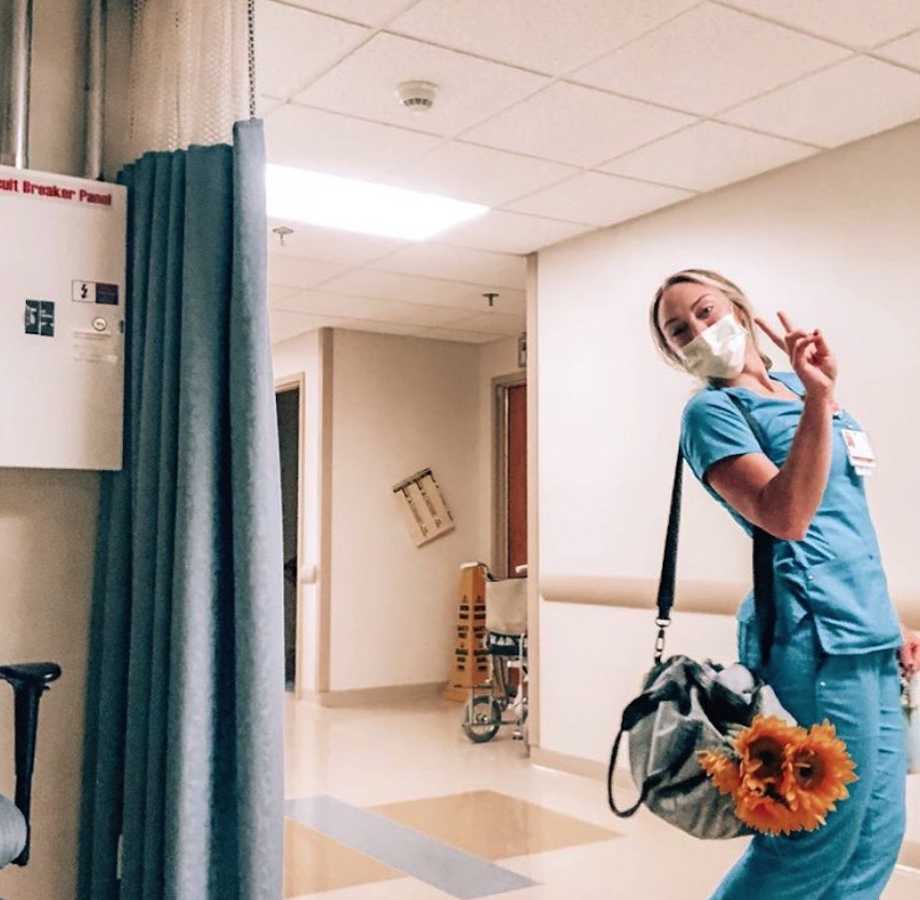
When we finally welcomed our first child, a boy, the excitement was overwhelming. I had always imagined myself as a boy mom, surrounded by cousins, a brother, and neighborhood boys. I loved sports and the energy of their world, and I knew I was ready. At 38 weeks, pre-eclampsia arrived, and our son was born healthy. Breastfeeding lasted just twelve days—I hated watching my husband sleep while I was exhausted, hated how it made me feel. I felt like a failure, torn between stopping and feeling selfish for stopping. This was when the post-partum blues hit—not the disconnect often described, but an overwhelming exhaustion, a constant feeling of inadequacy, and the weight of tears that never seemed far away. Eventually, it passed.
Our second boy came ten days early, also due to pre-eclampsia. From day one, he was the middle child, emerging with the cord around his neck and immediately keeping us on our toes. I had imagined the boys having each other, laughing and playing together. But again, the post-baby blues returned, deeper this time. I felt lost and inadequate, unsure I wanted to keep going. Speaking aloud about these feelings led to my first experience with anti-depressants—something I had resisted, but ultimately, my body needed.
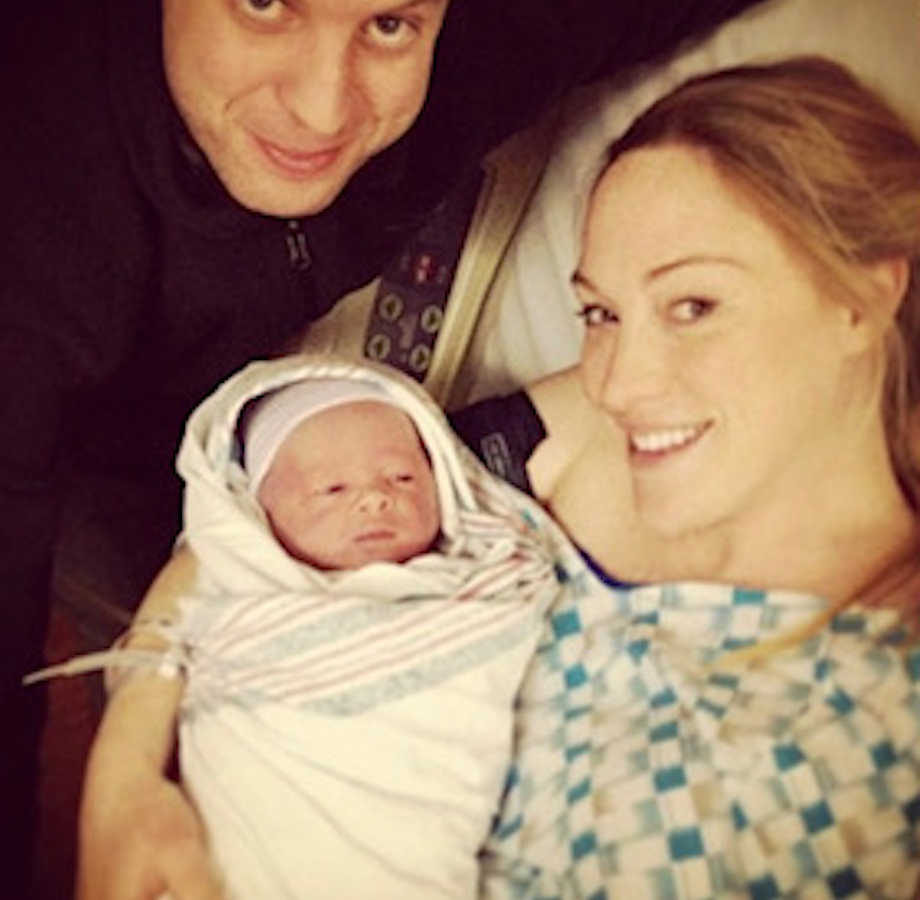
Just as spring brought hope, life threw another challenge. My mom fell down a flight of stairs after a Memorial Day weekend party, sustaining three brain bleeds. I had a 2-month-old and a 1.5-year-old at home. She spent months in neuro ICU and rehab, never fully the same. These years were difficult, but medication helped me endure.
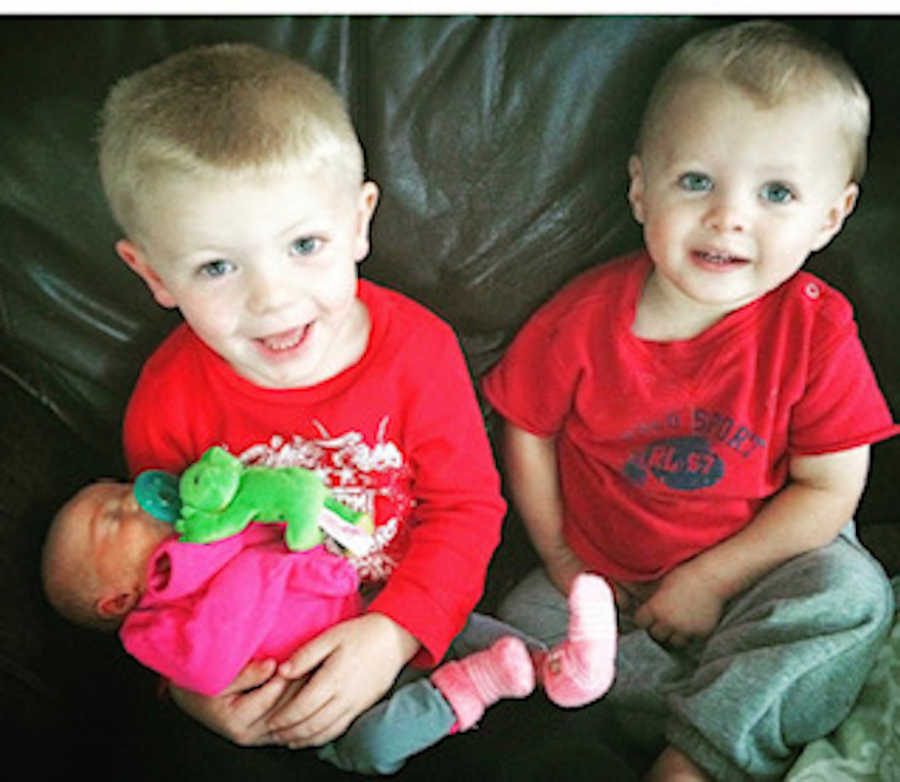
Then came our daughter, our last but far from least. Born at 35 weeks via C-section due to pre-eclampsia that stole my vision again, she proved I wasn’t just a boy mom after all. Why did I keep having kids? Because I still held the vision of a house filled with love, music, and celebration. Looking back, I don’t regret a single decision, though no one warns you about the middle of the journey—the exhaustion, the overwhelm, the feeling of being lost.
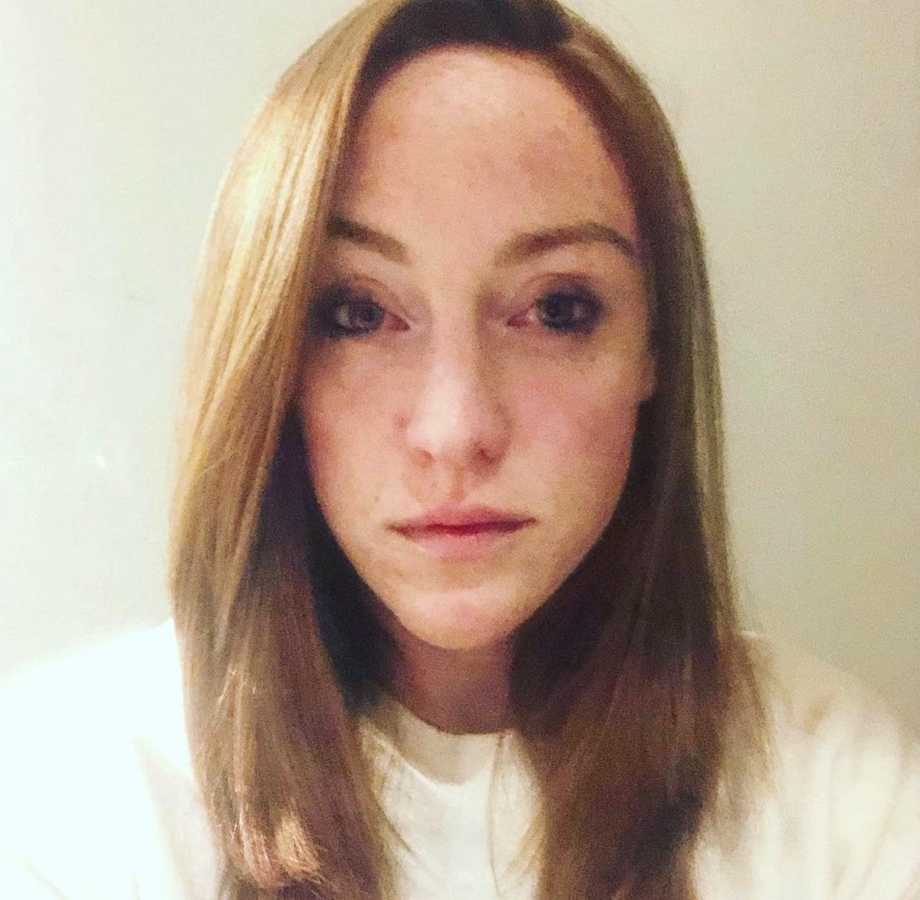
The first eight years of parenthood were brutal. Yes, eight years. People often give me incredulous looks when I say this. Raising three kids born within three years challenged every ounce of patience and strength I had. Travel, potty training, baby schedules, and well-meaning advice from those who weren’t present—it was overwhelming. Maintaining work, marriage, meals, and my own sanity felt nearly impossible. But we survived. And you will too.
If you feel overwhelmed, lost, or unlike yourself, speak up. Tell someone, anyone. Accept help when offered, if your gut says it’s safe. Say no when you need to. I wish I had said no more—no to holiday gatherings when I wasn’t okay, no to weddings that separated me from my babies. Be selfish in the early years. Put yourself first. You cannot care for others if you don’t care for yourself.
Motherhood is like a plane in crisis: mask yourself first. Breathe. Only then can you help the people next to you. Eventually, you will find control over your new life and your little humans. Then, start saying yes again—trust your instincts. It’s a hard journey, but it gets easier.
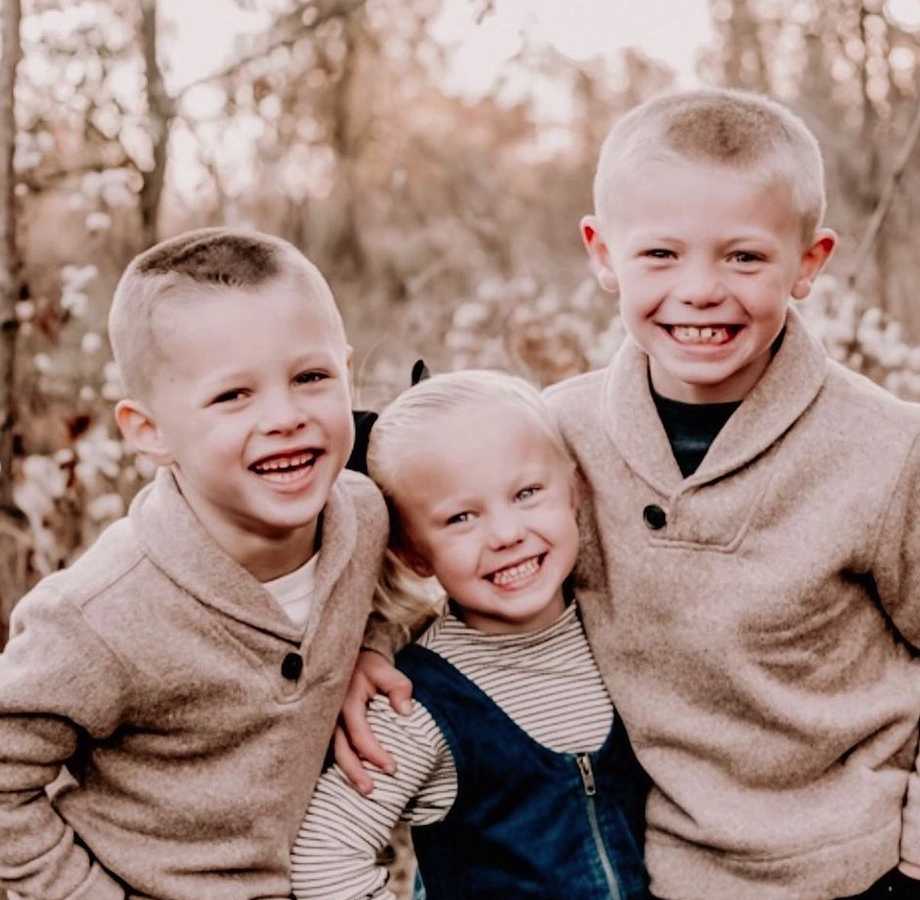
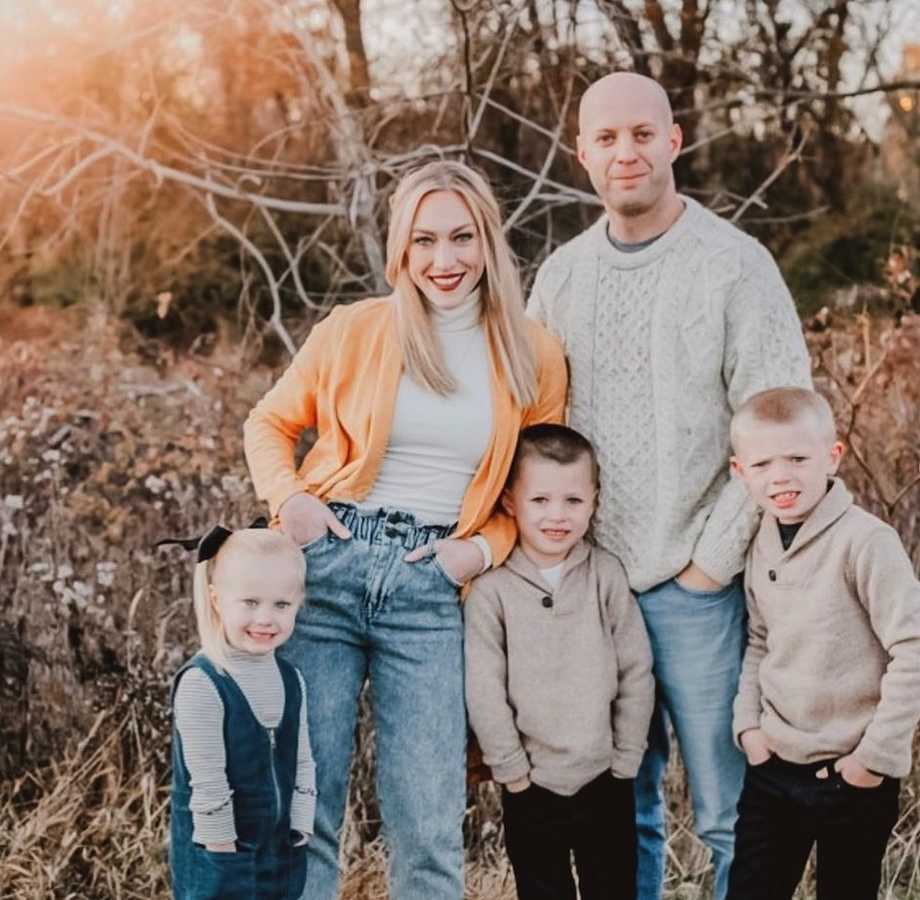
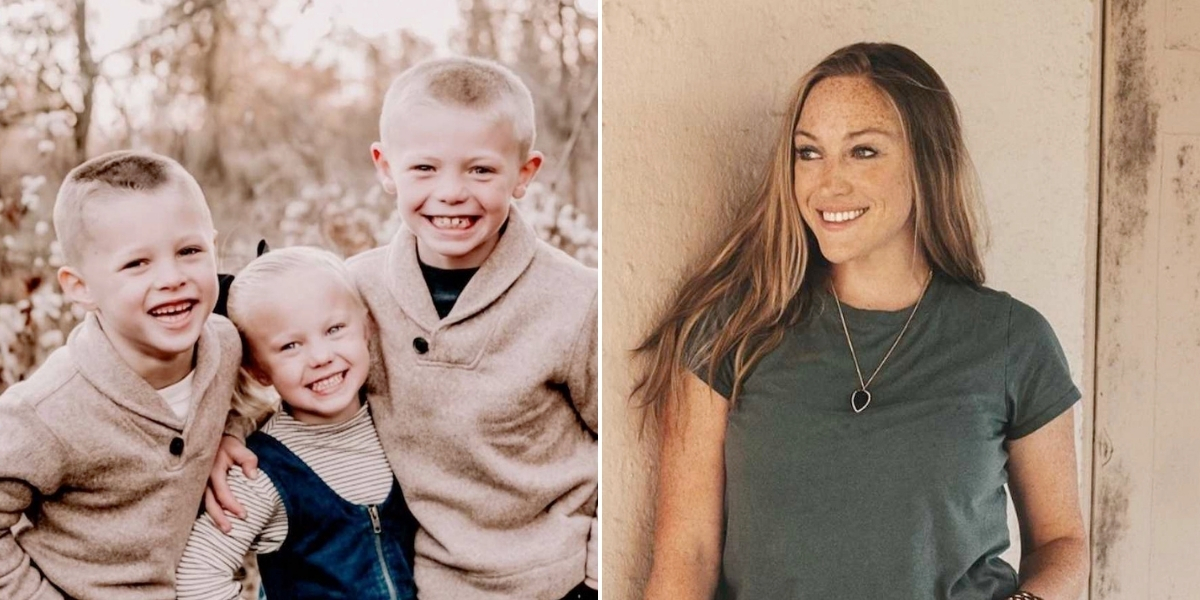
Now, as my children are 8, 6, and 5, I’ve found my rhythm. I love their laughter, their corrections, their boundless energy. I love cheering at hockey games, blowing my signature whistle, and racing them down the block. This is the stage I will miss. Motherhood isn’t perfect, and it’s not always joyful—but it is ours. The struggles make the joy sweeter.
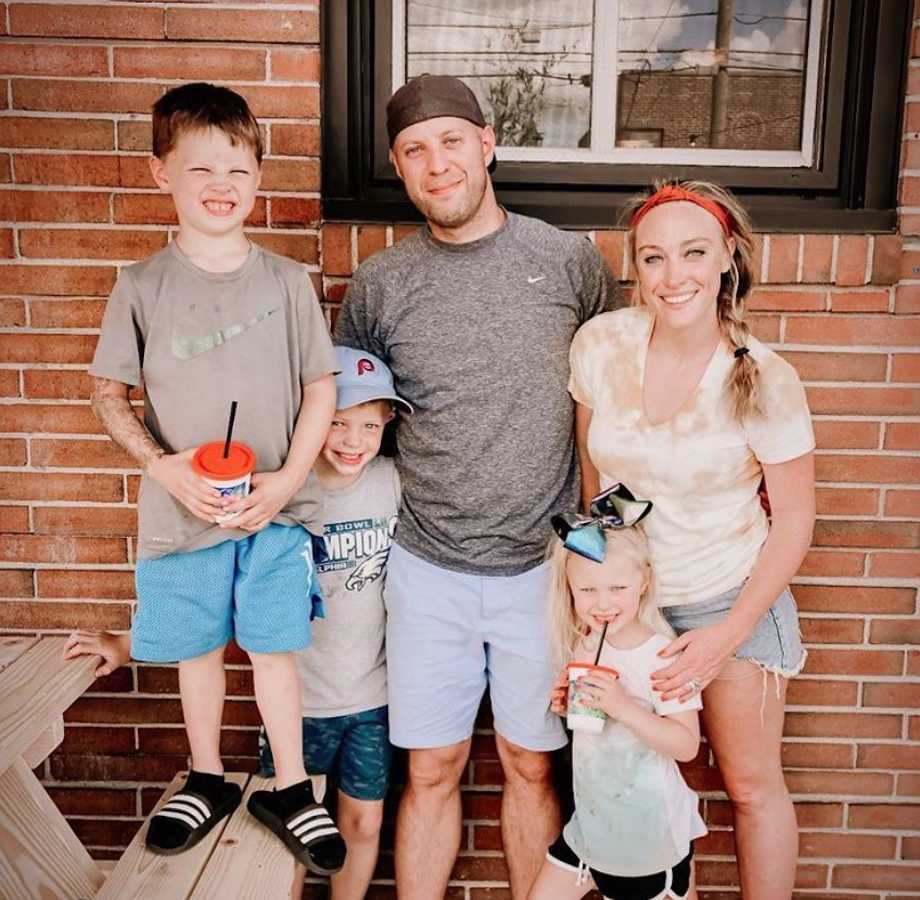
Keep your base, your essence, your passions. Go to the gym, shop, or wander alone. Motherhood is a stage, not your identity. Life is short, and the days may feel long, but the years—like these fleeting moments—are even shorter. Find your tribe, embrace the NOW, and savor it. Every moment, every laugh, every struggle—it is yours to cherish.
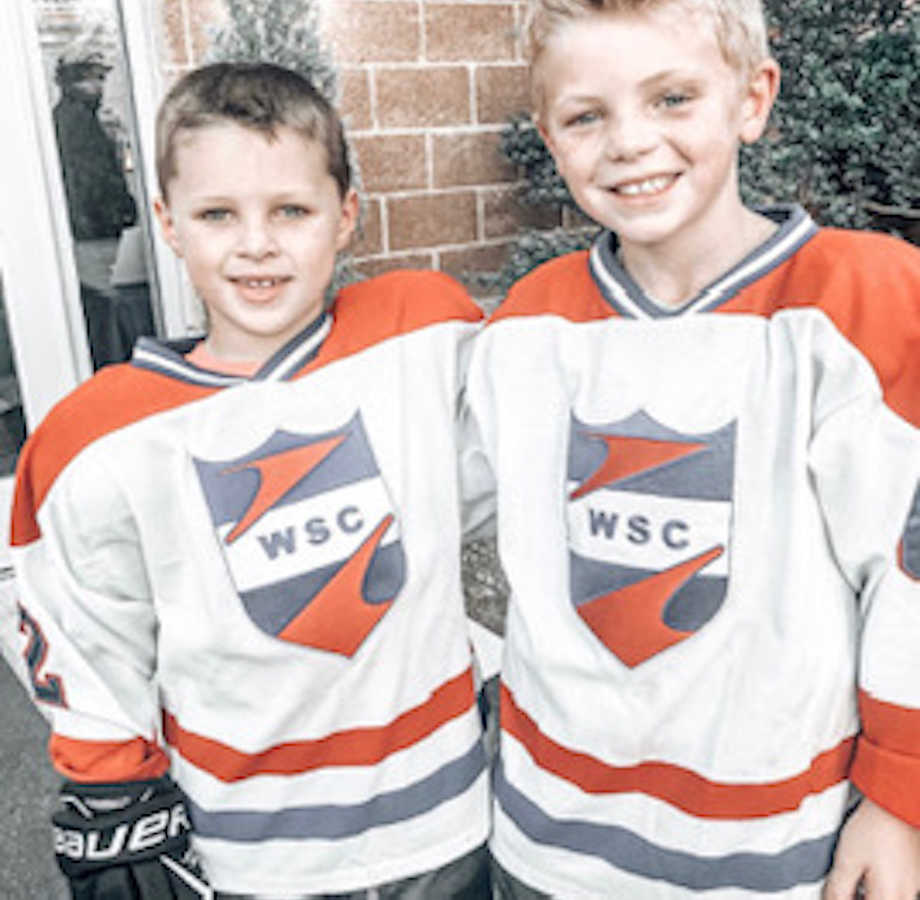
This is where I thrive. This is where I love. This is motherhood—messy, chaotic, imperfect, and beautiful. And yes, one day, I will miss this.