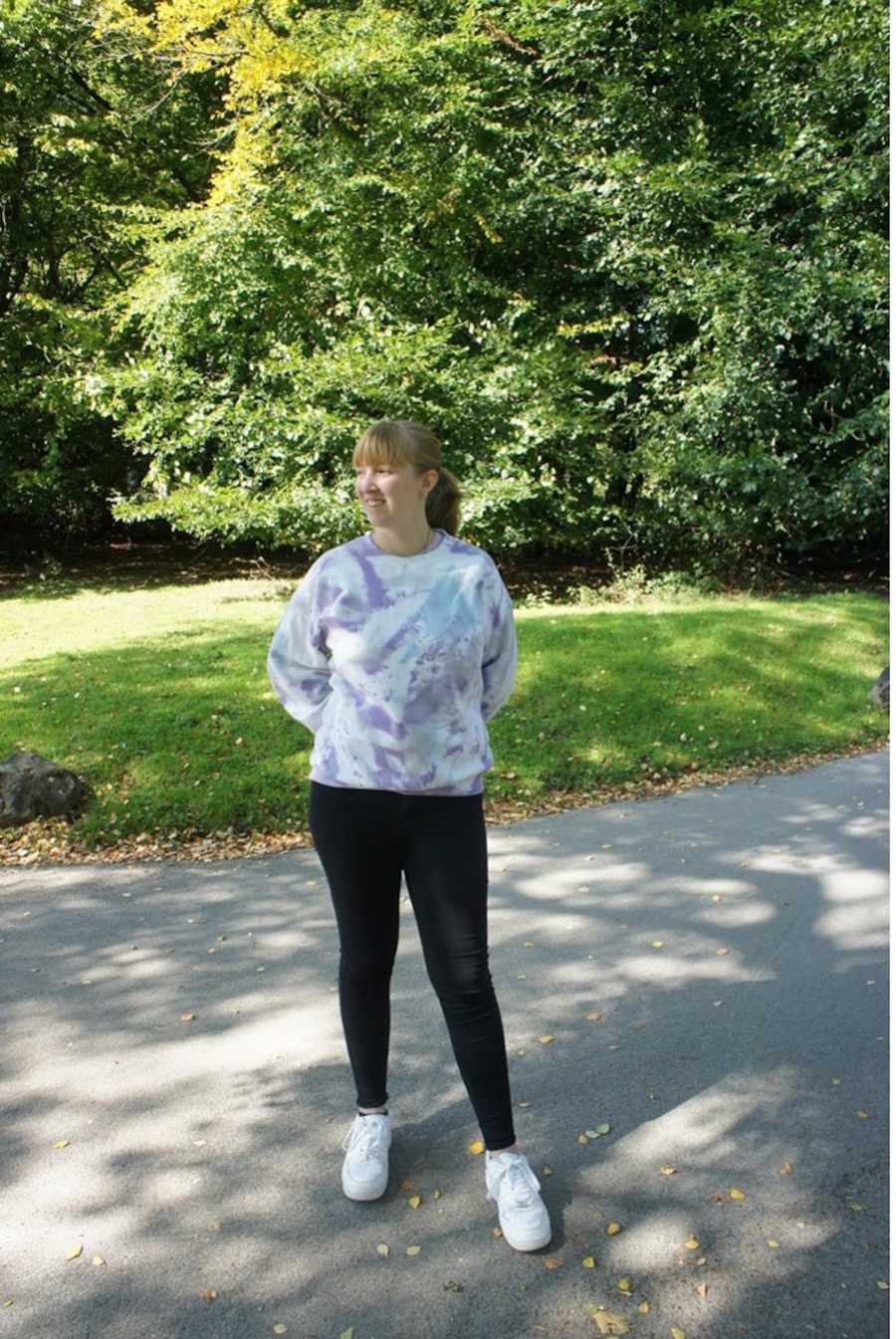
I’m Lindsey, I’m 22 years old, and I’m from North Hertfordshire, England. Most people are surprised when they learn I’m chronically ill—some even think I’m exaggerating or lying. I’ve lived with multiple invisible chronic illnesses for most of my life. My main conditions are Ehlers-Danlos Syndrome (EDS), postural orthostatic tachycardia syndrome (POTS), and aquagenic urticaria, though there are other undiagnosed conditions still being investigated.
POTS was my second diagnosis, shortly after aquagenic urticaria. This condition can be overwhelming—it causes fainting, blackouts, chest pain, palpitations, extreme fatigue, blood pooling, brain fog, and more. POTS is the condition that brings me to tears the most; it’s the one that drags me down daily. I’ve had this diagnosis for three years, and we still haven’t found the right combination of medications or management plan. I take calcium channel blockers to reduce the number of episodes when my heart rate shoots close to 200 BPM, and beta blockers to lower my resting heart rate, helping ease some of the secondary effects from constant tachycardia.
As a teenager, POTS made school life incredibly difficult. Brain fog left me feeling “stupid” because, while my classmates absorbed information easily, I struggled to keep up. I would spend hours at home studying with my parents, repeating lessons until the information finally stuck. I often felt I had to work a hundred times harder than everyone else just to earn grades barely good enough for my college course. Every lesson felt like a battle; it was as if a wall blocked the information from reaching me. Teachers would sometimes raise concerns, assuming I was daydreaming, not realizing I was battling an invisible condition. I wish I had known back then what was wrong—extra support for my cognitive impairment could have made a world of difference.

My most recent diagnosis, Ehlers-Danlos Syndrome, was confirmed in 2019. EDS is a group of rare connective tissue disorders affecting skin, bones, tendons, blood vessels, organs, and ligaments. For me, it means frequent dislocations and subluxations—sometimes up to four times a day—which can be extremely painful. I also have gastrointestinal issues, heart complications, endocrine problems, and more. EDS is suspected to be the root cause of many of my other conditions. Despite years of testing, I still don’t have a full classification of my EDS type. Looking back, signs were always there: I was prone to injuries, had frequent tendonitis, sprains, and breaks. We just assumed I was clumsy.

By the age of twelve, I had a physiotherapist for my wrists and regularly wore splints. I’ve used plaster casts, neck braces, crutches, and wheelchairs at different times due to injuries. Pain was constant. At school, visits to the first aid room often ended with a shrug—they blamed “growing pains,” though I knew it felt very different. It wasn’t until later, when blood tests revealed abnormalities, that EDS was suspected. Since then, countless tests have confirmed issues with my heart, muscles, tissues, nerves, and skin, all caused by this connective tissue disorder.
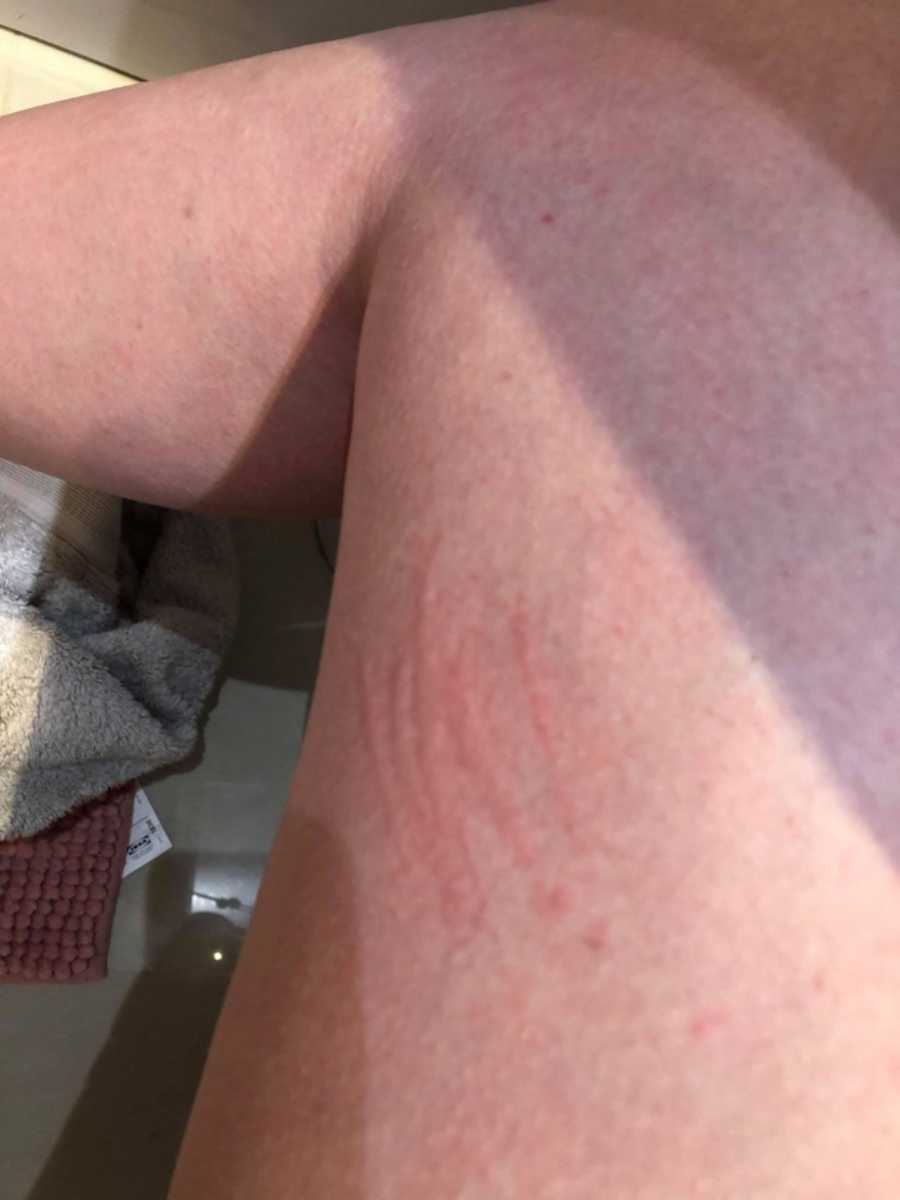
One of the hardest aspects of EDS is how fragile my body is. An itch scratched too firmly can tear my skin, leaving deep, stinging scratches. My blood vessels can burst spontaneously, leaving rashes under my skin with no injury. The more disabling symptoms have changed my life dramatically; I don’t know if I’ll ever regain the athleticism, freedom, and joy I once felt running, dancing, and being active.
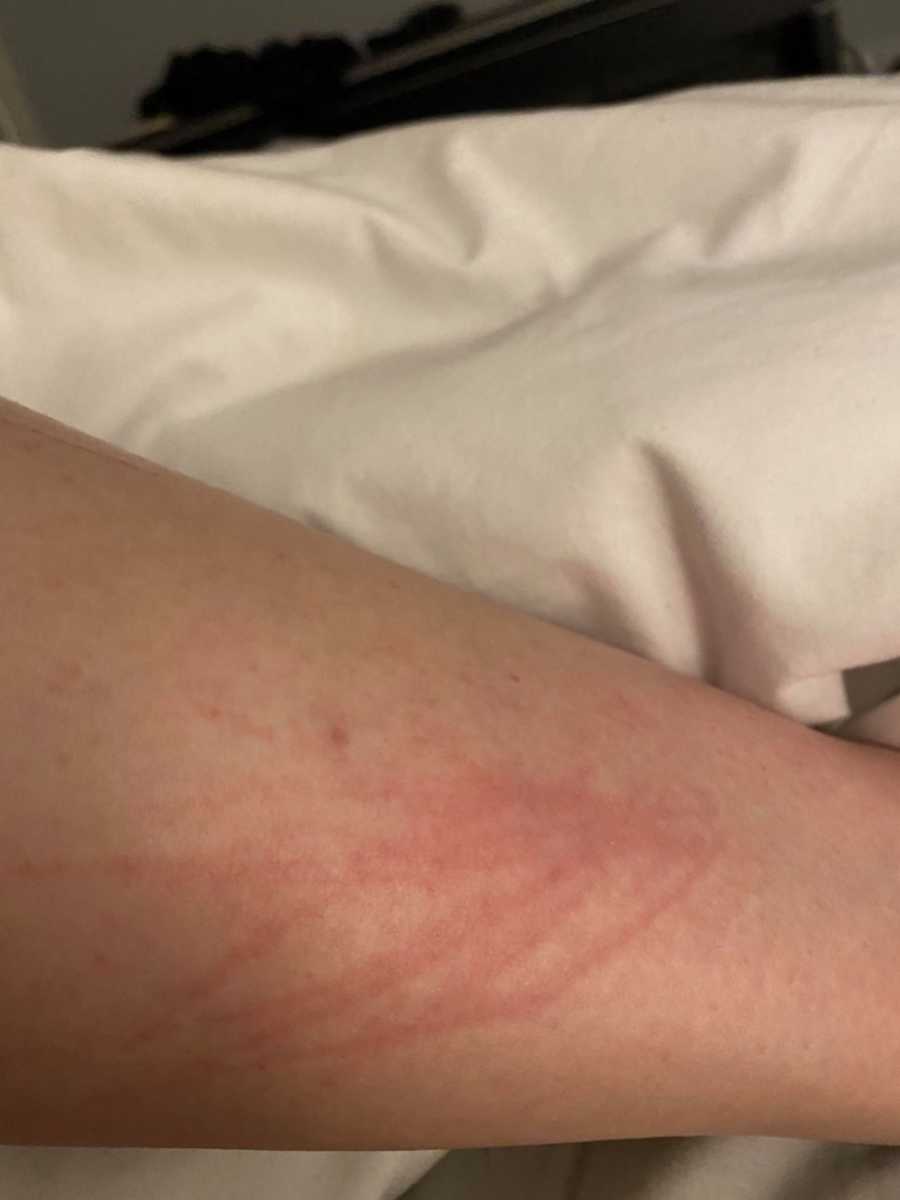
Aquagenic urticaria, my water allergy, is another condition I live with daily. Diagnosed by an NHS dermatologist in 2017, this rare condition went viral online, which brought both awareness and cruel skepticism. I react to water from showers, rain, sweat, and even tears, with symptoms ranging from hives to swelling, stomach pain, and breathlessness. Some reactions are linked to MCAS (mast cell activation syndrome), likely caused by EDS. MCAS can trigger allergic reactions at any time, from mild flushing to severe anaphylaxis, which is unpredictable and frightening.

For me, aquagenic urticaria means I must shower daily despite being allergic to water, because not washing triggers unbearable itch and irritation from hair oils. Warm showers cause full-body rashes, hives on my back, chest, and arms, and heat intolerance from POTS adds to the chaos—flushing, rashes, and even panic in hot temperatures. In the UK, my best management is antihistamines, though alternative treatments exist elsewhere.

I want to raise awareness for EDS, POTS, and aquagenic urticaria. Each affects me profoundly, and I hope for more research, especially for aquagenic urticaria, which is almost entirely overlooked. Understanding my conditions has grown over time, and I am learning new things daily. My experiences have inspired me to pursue a career in the NHS. While my disabilities mean I can’t take on the physical roles I once dreamed of, I’m exploring alternative positions, hoping one day I might return to a more active role as treatments improve.

My greatest supporters have been my family and partner, who have stood by me through every appointment, every setback, and every triumph. I am also deeply grateful for the community I’ve built online through my Instagram page, sharing photos of my symptoms and daily struggles. I’ve connected with people facing similar or overlapping conditions, forming long-distance friendships and support networks. Knowing there’s always someone, somewhere, experiencing something similar makes the journey feel less isolating.