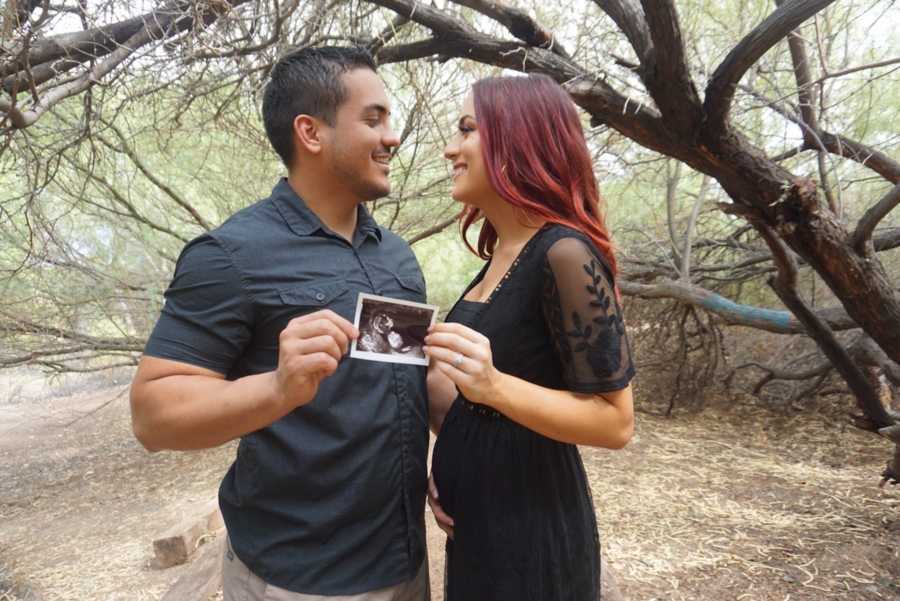
On July 4, 2017, my fiancé and I received one of the happiest pieces of news of our lives—we were going to be parents. The joy we felt was indescribable. Physically, my pregnancy was everything I could have hoped for—smooth, healthy, and uneventful—but emotionally, it tested me in ways I hadn’t anticipated. At 20 weeks, we went in for an ultrasound to learn the gender of our baby. Instead, we learned so much more. During the scan, the technician noticed that our son had clubbed feet and a hand that looked a little different. As a mom, I couldn’t help but question if I had somehow caused this, replaying every choice I had made in my mind.
Soon, my pregnancy became high-risk. With the love and support of my family and friends, I slowly learned to focus on the fact that these differences were fixable and largely cosmetic. My fiancé would remind me, gently but firmly, that it could always be worse. And yet, nothing could have prepared us for the challenges that would begin the moment our son entered the world.
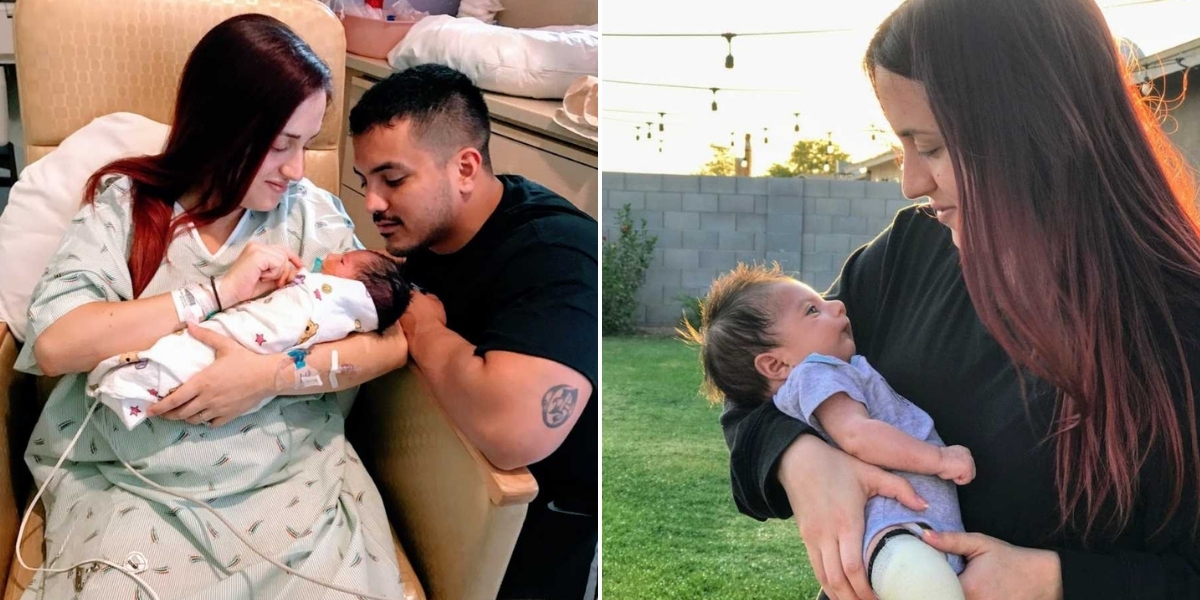
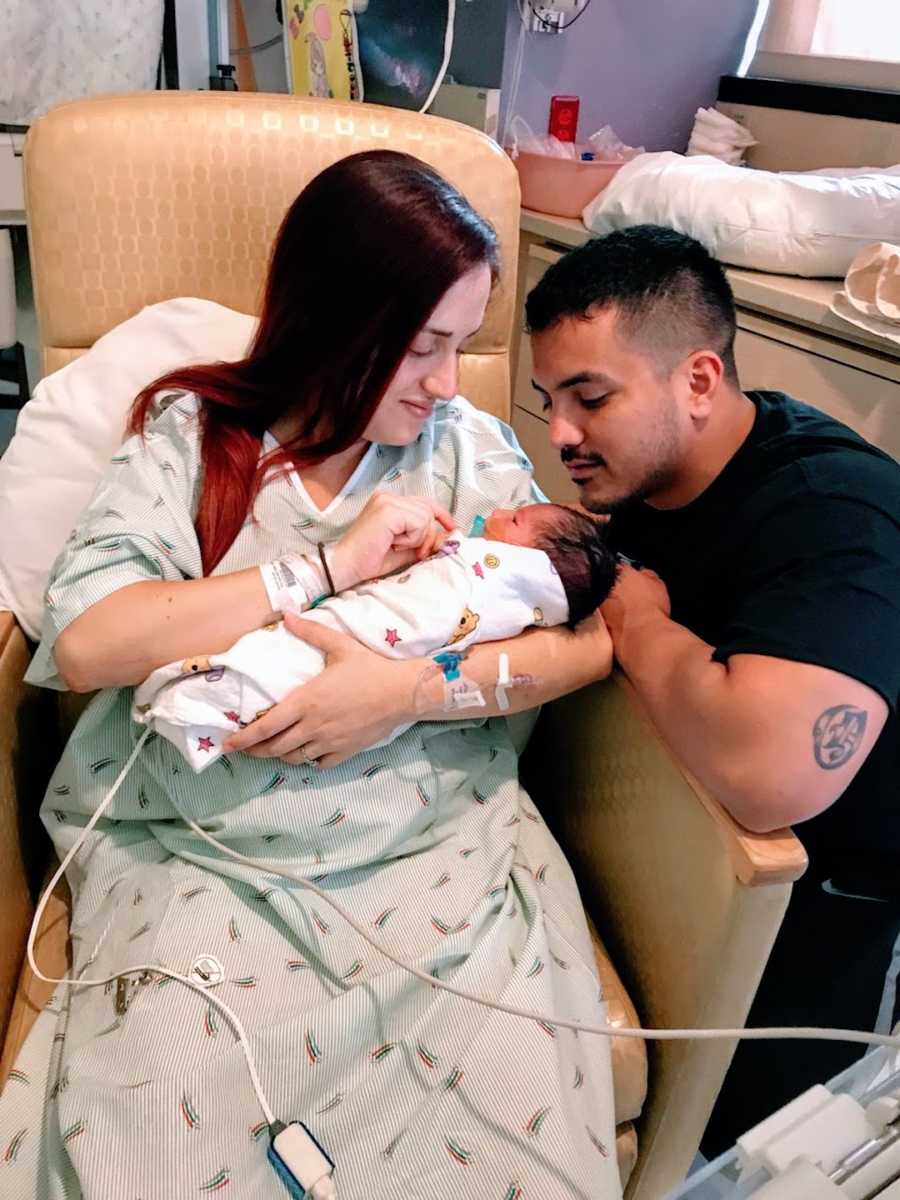
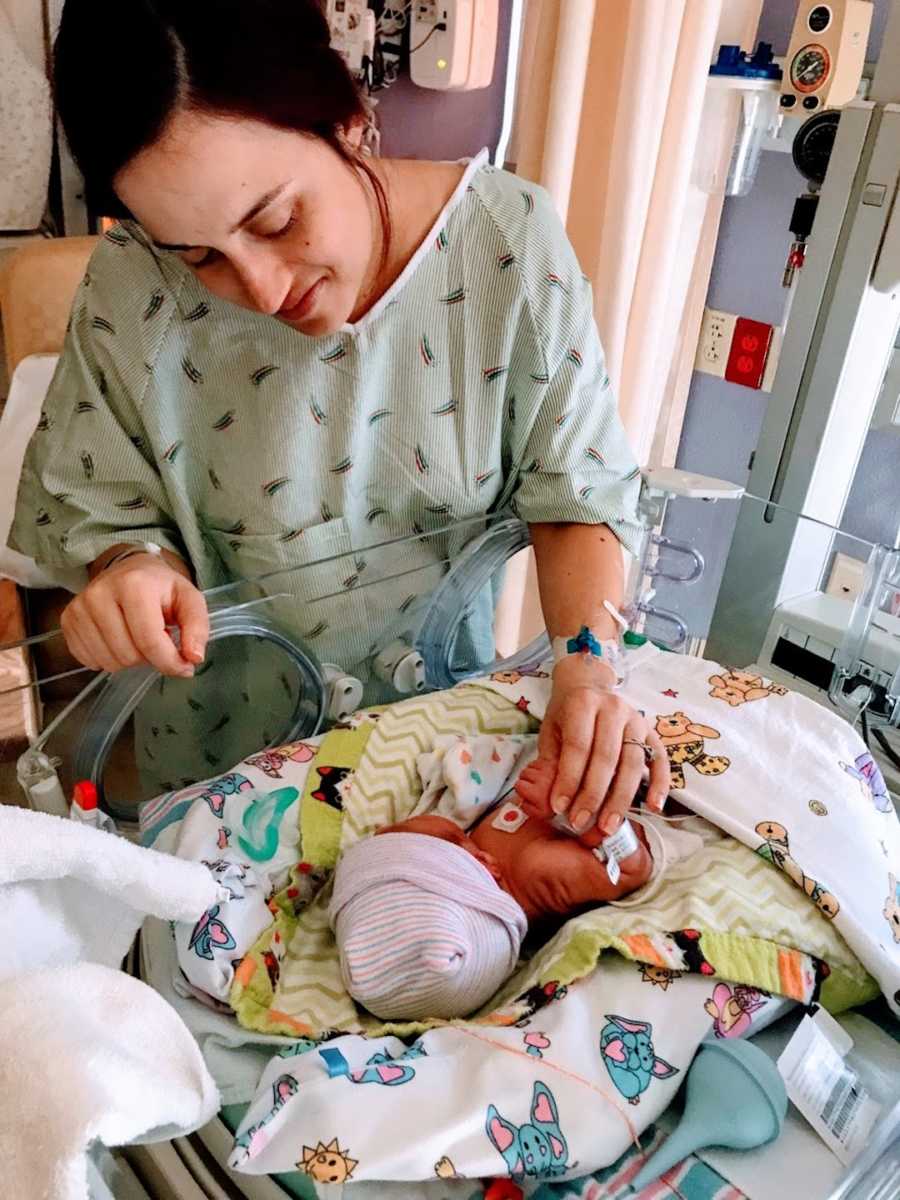
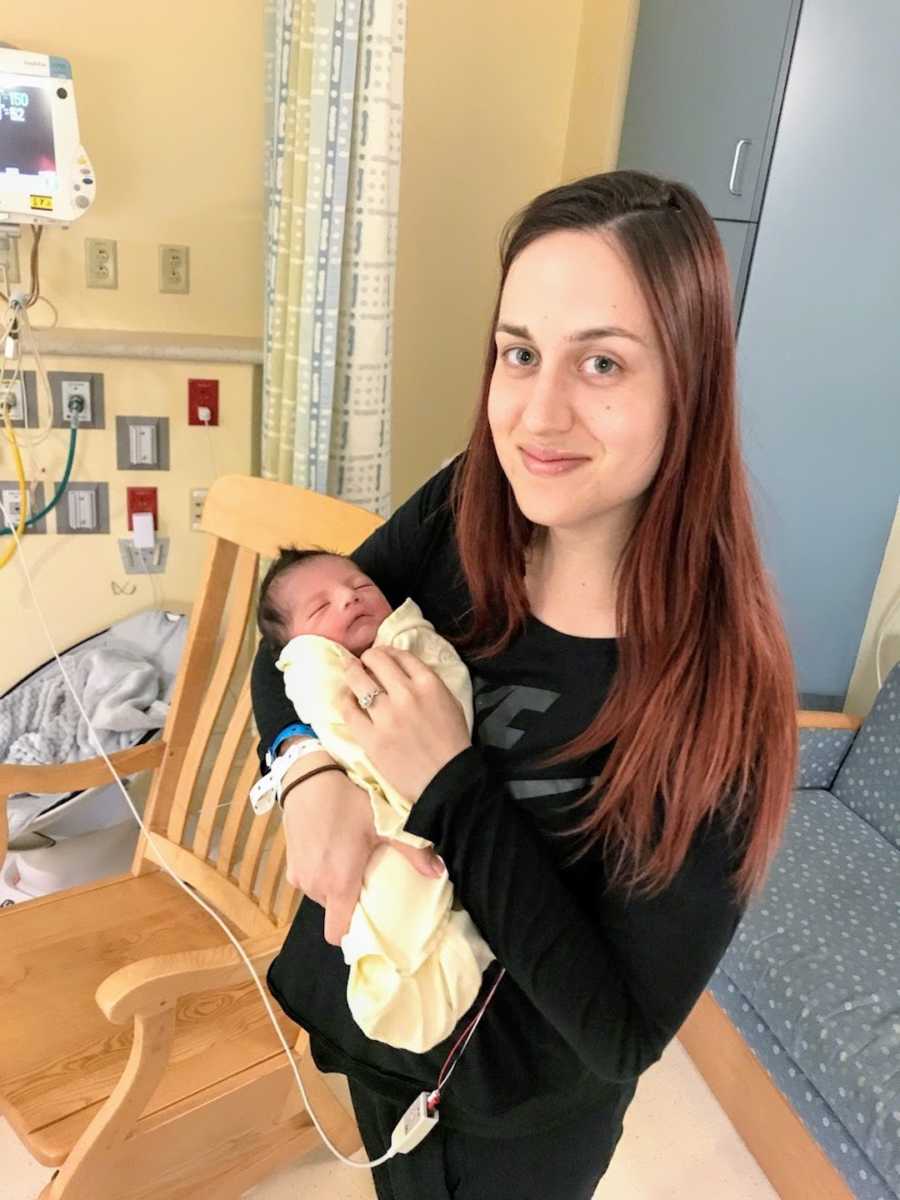
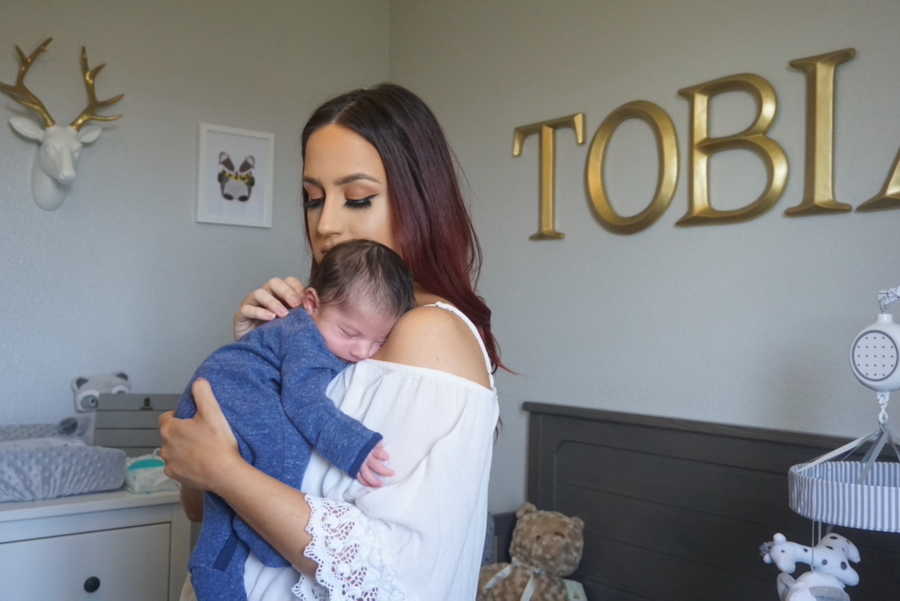
When he was born, the nurses immediately noticed that his jaw was small and recessed, making it difficult for him to feed. My heart sank as I faced yet another unexpected challenge. I reminded myself that these were just differences we could work through, but it was still overwhelming. He spent 11 days in the NICU while we adjusted to the reality of caring for him.
Once we brought Tobias home, I began to feel a bit more at ease. But at six weeks old, I noticed he wasn’t smiling yet. His pediatrician reassured me that he would soon, but every day I made silly faces, noises, and goofy expressions, trying to coax even the tiniest grin from him. At the same time, I noticed something else—he wasn’t blinking. He only closed his eyes to sleep. Everyone told me not to worry, but my maternal instincts were telling me otherwise.
At his two-month check-up with a plastic surgeon, I mentioned my concerns about his lack of facial movement. After listening carefully, the doctor’s words hit me like a thunderbolt: Tobias wasn’t going to smile. My stomach dropped. I asked, in disbelief, “So he isn’t going to smile at all?” She confirmed that it seemed unlikely. I barely heard the rest of what she said. I was frozen, trying desperately not to cry, unable to process that my sweet little boy might never smile.
We left the appointment in silence. I held my tears until we reached the car, but as soon as the doors closed, they poured out. Tobias simply stared at me, and I felt a mix of guilt and heartbreak. Later that day, we had plans with friends, so I had to compose myself, but then the doctor called. On speakerphone, she explained that after further research, she believed Tobias had Moebius Syndrome—a rare condition affecting facial expression and eye movement. She cautioned us not to Google it, but curiosity and concern got the better of me. As I scrolled, every symptom—his lack of blinking, his limb differences, his facial immobility—clicked into place.
The next few days were some of the hardest of my life. I cried alone in my kitchen, asking, “Why us?” I doubted my strength, but eventually, I forced myself to stop. I couldn’t change the diagnosis, but I could change my mindset. Over time, I accepted the reality of Tobias’s condition and began to focus on his joy, his potential, and the love surrounding him.
As the months and years passed, life gradually became lighter. Tobias turned three in March, and I can now talk about his journey without breaking down. Sharing our story online brought support from other parents, which inspired me to start a blog. Instead of worrying that he cannot smile, I focus on the laughter that fills our home. Tobias is endlessly happy, and every giggle reassures me that he is thriving. I am convinced that God gave us Tobias for a reason—and that sharing his story and raising awareness about Moebius Syndrome may be part of that purpose.
Watching him grow is a daily blessing. Tobias constantly surprises us, proving every worry I had wrong. He is funny, loving, and full of life. Without facial expressions, he communicates joy in other ways: through laughter, dance, and affection. His personality lights up every room he enters. My husband and I are determined to raise him to chase his dreams fearlessly, to try before saying “I can’t,” and to be confident in himself.
Our biggest concern isn’t that Tobias is different—it’s that the world may treat him differently. That’s why advocacy and awareness are so important to us. Many people have never met someone with a disability, so exposure can help others respond with kindness and understanding. Each year on July 24th, Moebius Syndrome Awareness Day, we wear purple and share Tobias’s story, hoping to encourage acceptance of all individuals, no matter their abilities.
Spreading knowledge helps foster inclusion, understanding, and compassion. Here’s a little about Tobias’s condition:
What is Moebius Syndrome?
Moebius Syndrome is a rare neurological condition affecting facial and eye muscles. Individuals cannot smile, frown, or raise their eyebrows, and feeding difficulties often appear in infancy. It occurs randomly in about 1 in 500,000 births, with no known cause or cure.
How Tobias is Affected
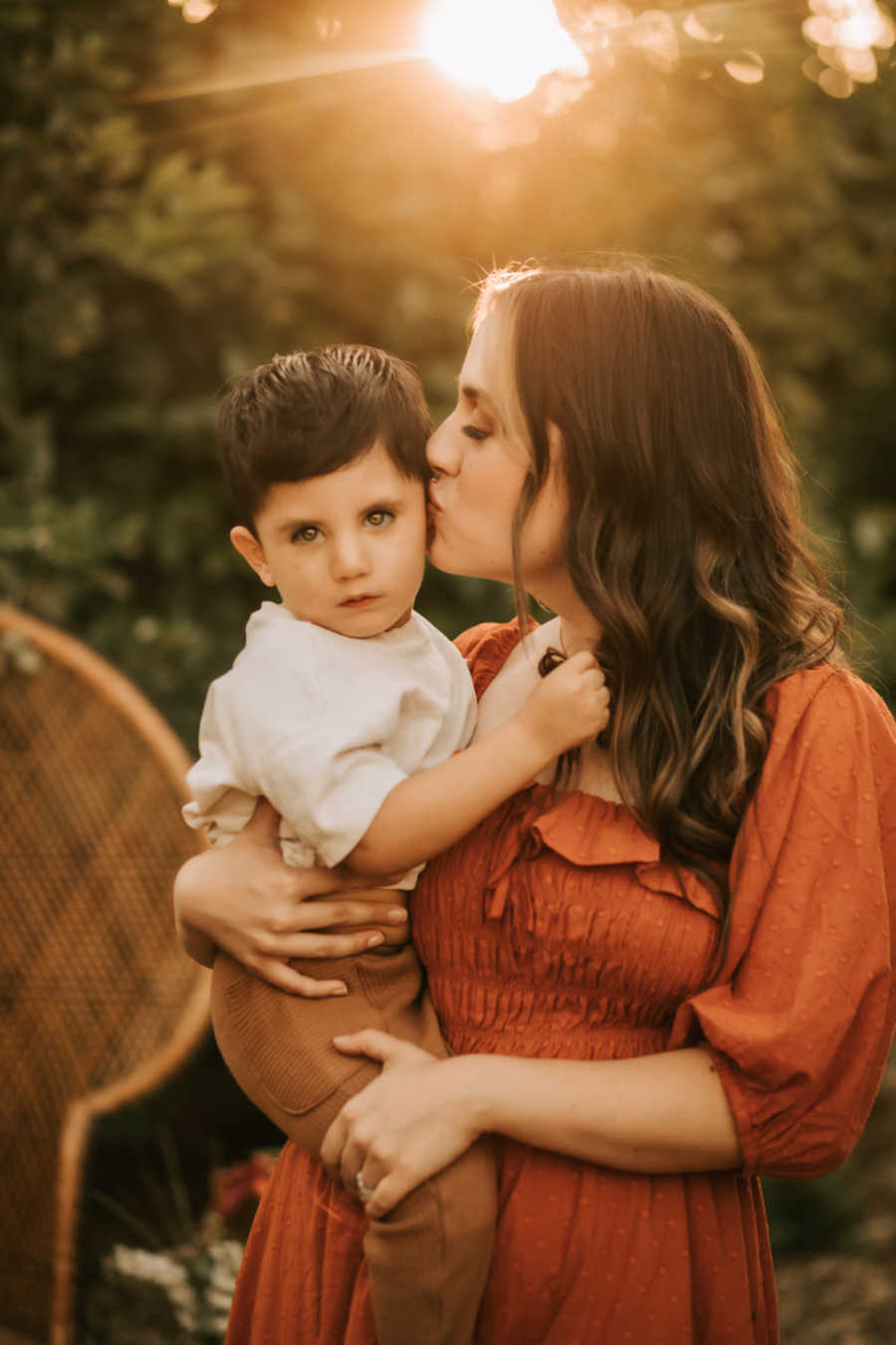
Tobias cannot move most of his face. He has a serious expression by default, limited upper jaw movement, crowded teeth, and requires weekly speech therapy. His eyes move only up and down, and he cannot blink naturally yet, though he has learned to close them. We use eye drops to keep them healthy.
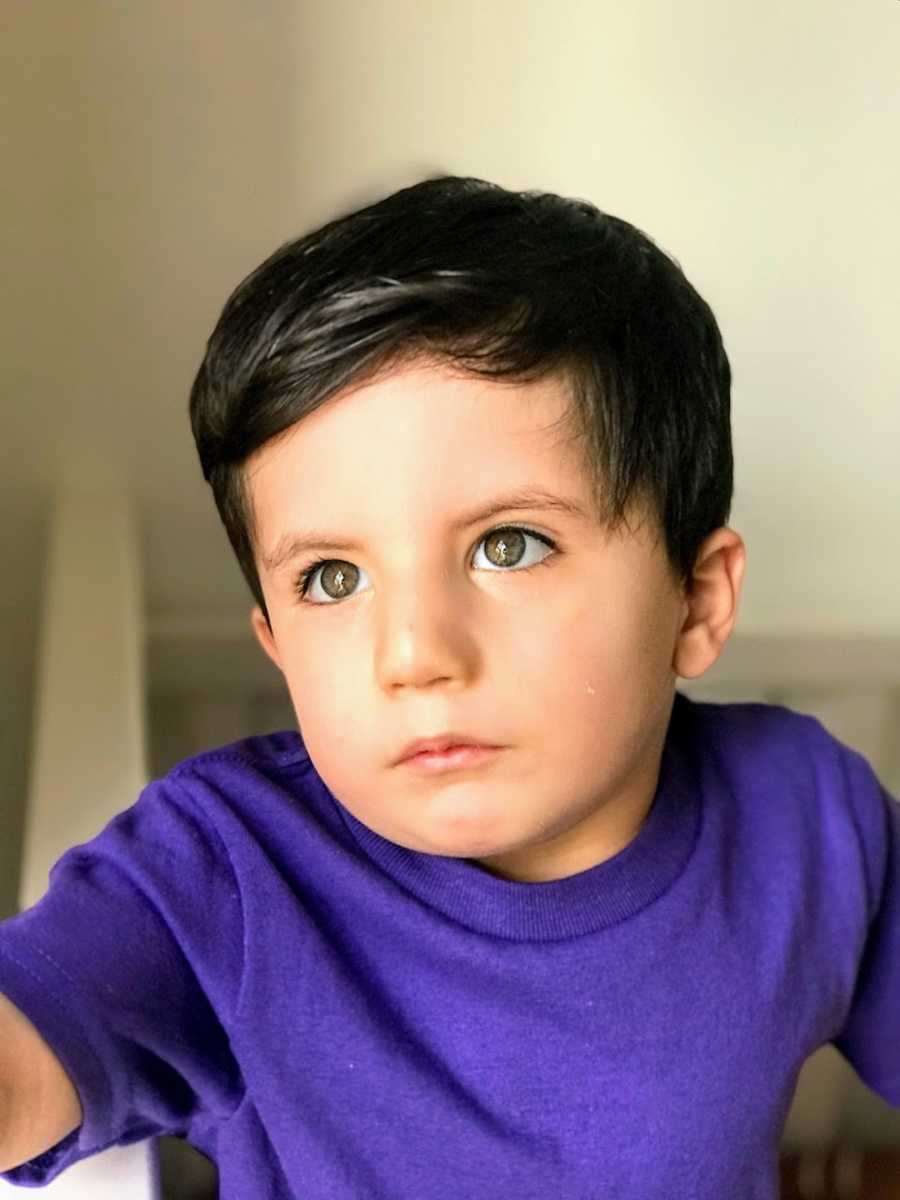
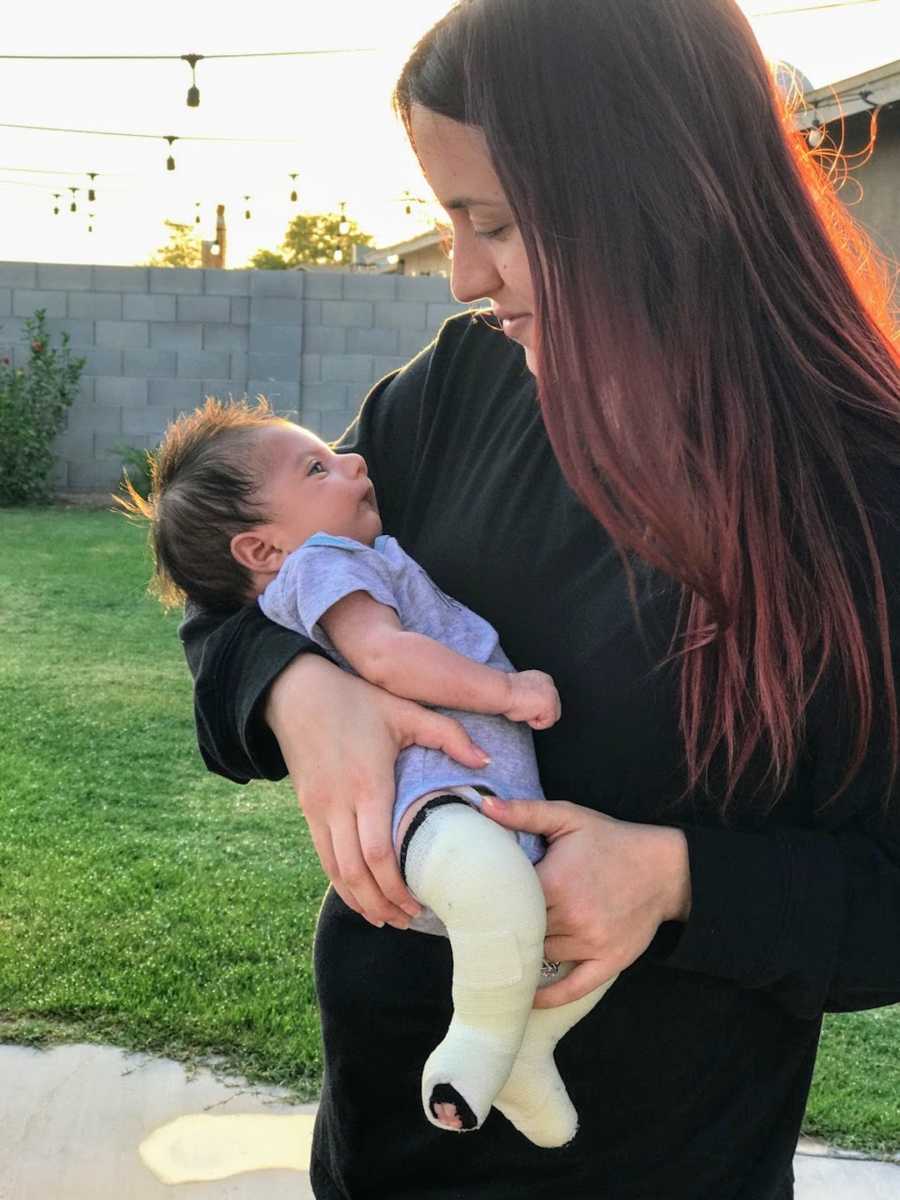
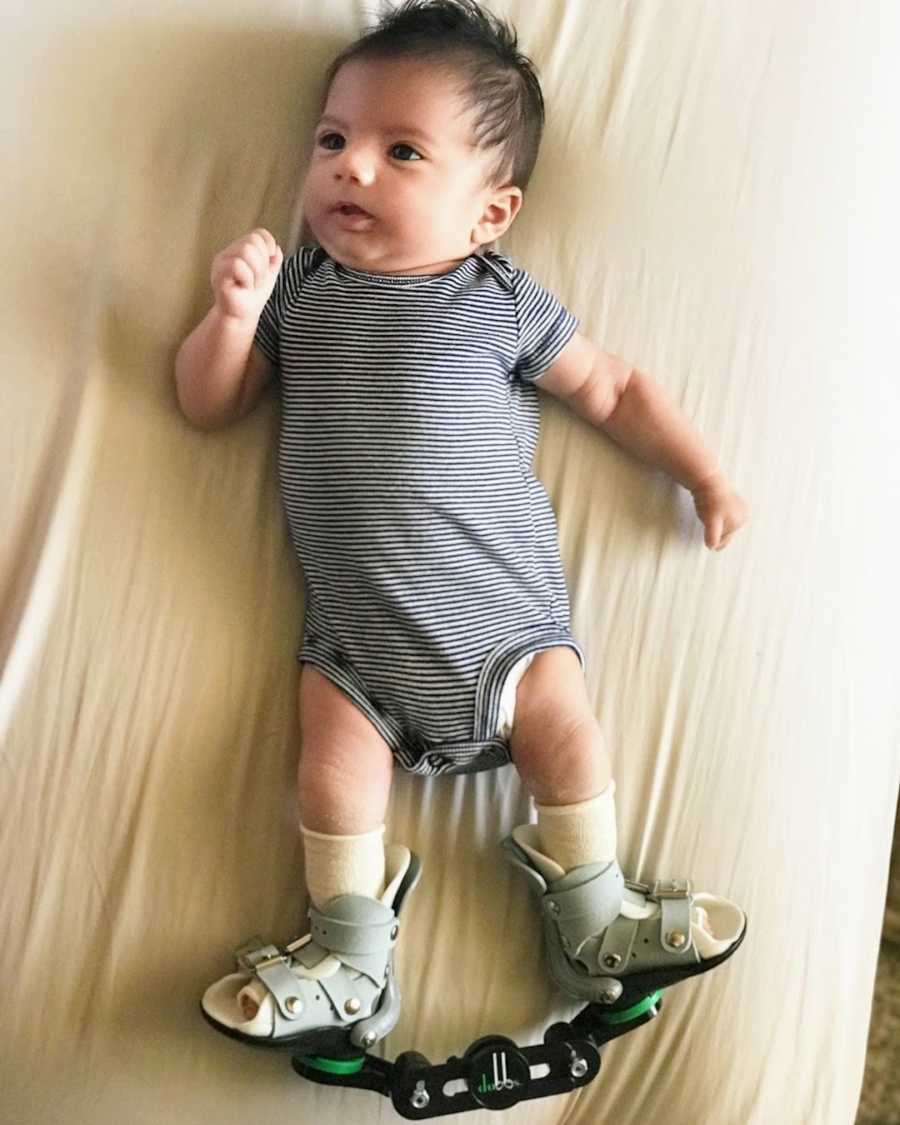
He was born with clubbed feet, which required casting for the first three months and corrective medical shoes afterward. One hand had webbed fingers, and he has undergone two surgeries, along with ongoing occupational therapy. Physical therapy helps him strengthen his core and reach developmental milestones, though he progresses at his own pace.
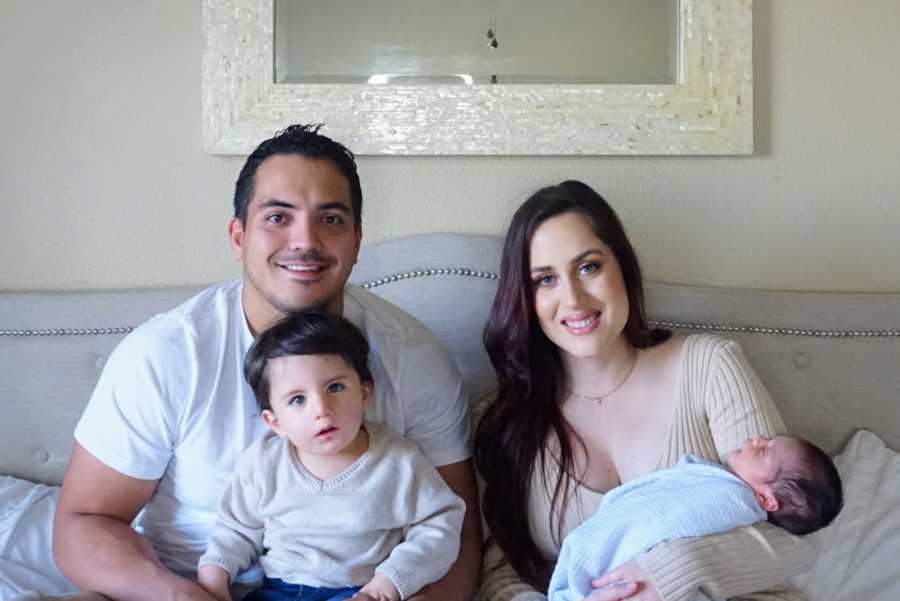
Tobias’s differences do not define him. His energy, curiosity, and joy inspire everyone around him. He proves daily that limitations exist only if we let them. We are endlessly grateful for him and committed to raising him with love, confidence, and acceptance.