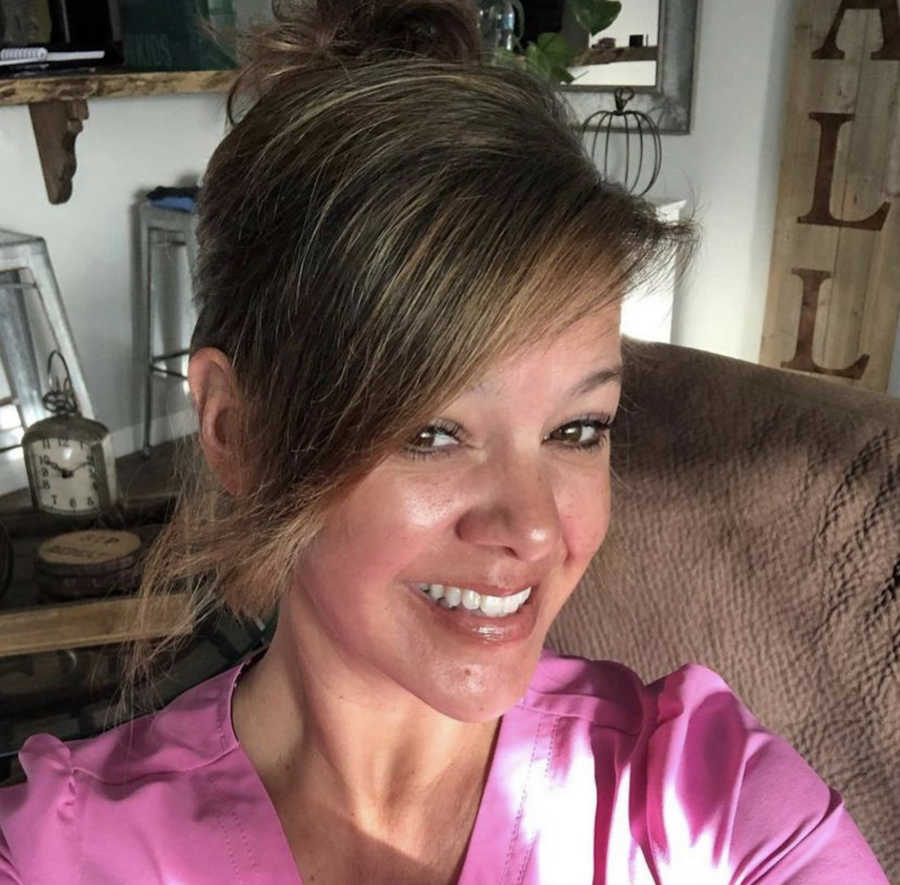
When I was growing up, my mom would always tell me, “If you are doing your best, then that is enough.” It was a simple phrase, yet one that carried so much weight. Today, she can no longer say it… she can no longer speak it at all. I still hear her voice in my mind, especially when I think back to one autumn day that changed everything.
It was October 9th, 2013, and I was wandering through Target with no real agenda, pushing my red cart down an aisle when my phone rang. “Hi Mama,” I answered, distracted by a cute top on a nearby rack. “Hi Honey,” she replied. But something in her tone froze me instantly. I knew, without even hearing the words yet, that something was terribly wrong.
A few months earlier, my mom had tripped over her dog and fallen. She had brushed off her subsequent struggles with walking as a lingering effect of that fall. But when those issues didn’t resolve, she decided to see her doctor. On that call, she said something that shattered me: “I have Parkinson’s Disease.” I don’t remember much else from that conversation. I don’t remember if I bought the top or abandoned my cart in the aisle. None of it mattered. What mattered was that my mom, my rock, my teacher, my safe place, was sick. She was only 62 years old.
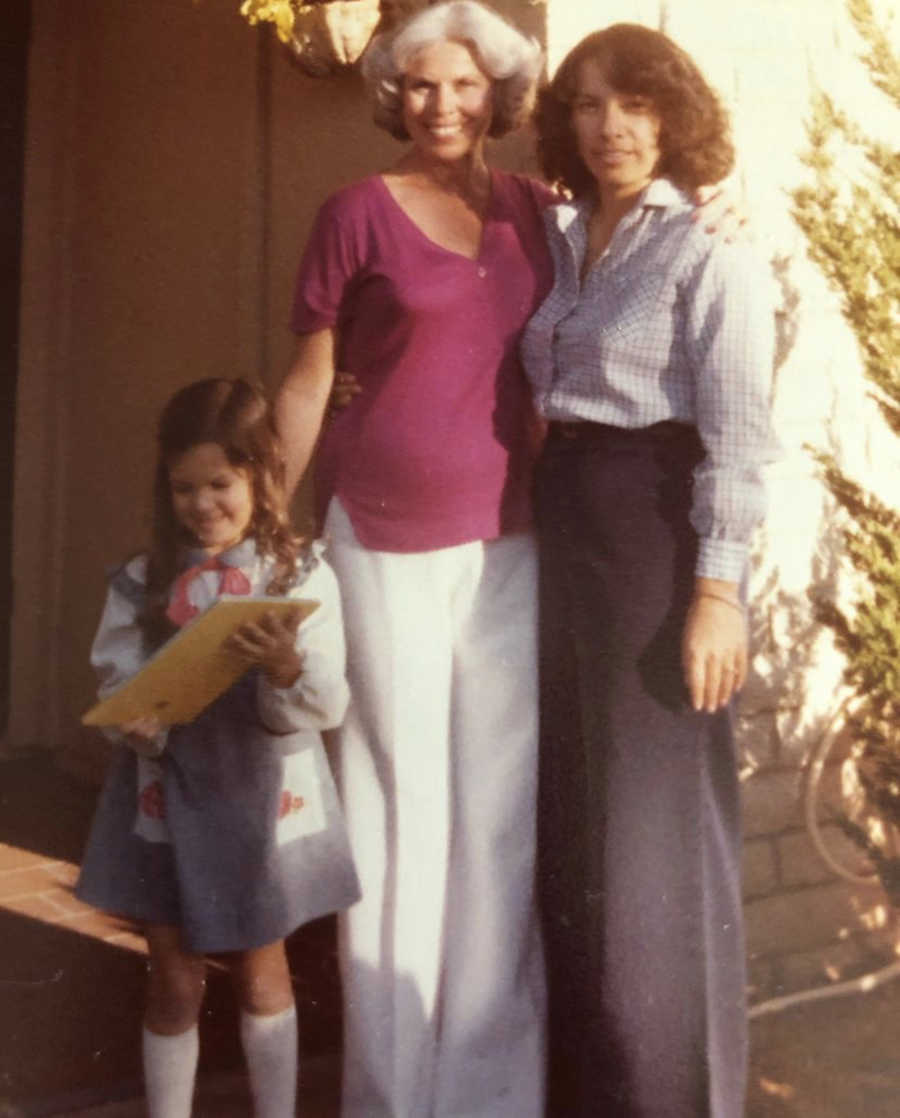
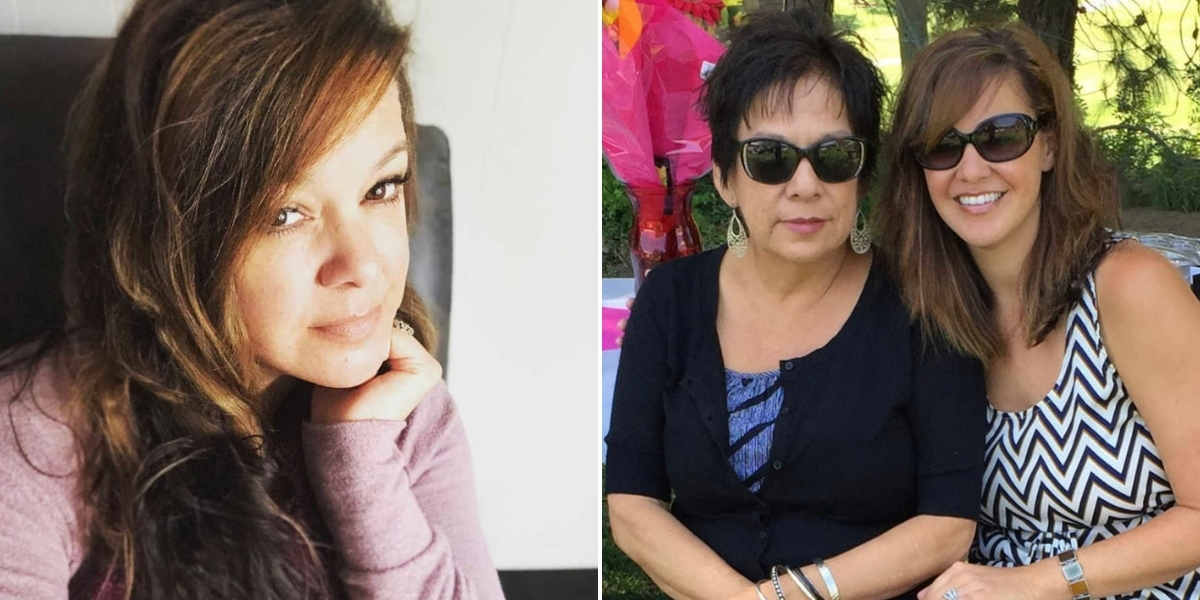
At the time, I was working full-time as a hospice nurse while balancing a family life that included a husband and three children. My son was already living on his own, while my daughters were 15 and 1. My mom, a retired teacher, had lived independently for decades after divorcing my dad when I was 11. For a while, we managed. We adjusted. But over the next few years, I began noticing bigger changes.
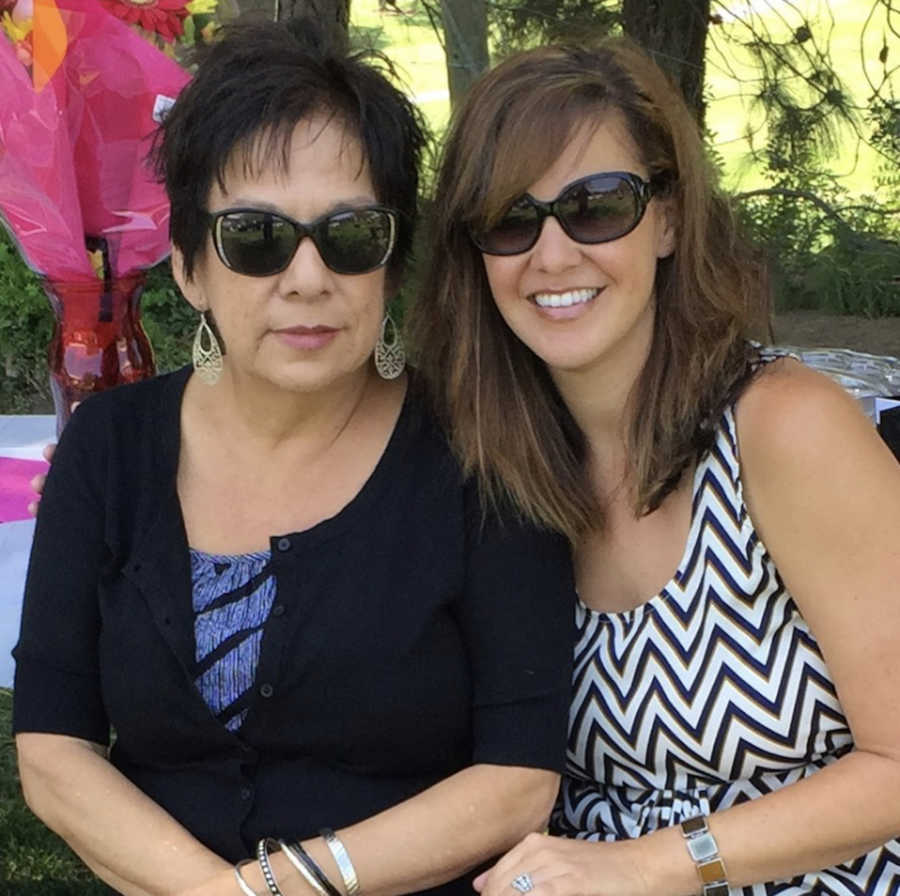
Her anxiety increased. Her behavior became unpredictable. Then, one night, I received a call that made my blood run cold. “Some men have broken into my house. There is blood all over the walls,” she whispered. My ten-minute drive to her house was a blur of fear and panic. There were no intruders. No blood. Just my mom, wild-eyed and terrified, and me, consumed with helplessness.
Shortly after, she was admitted to a Geriatric Psychiatric Unit for two weeks. Visiting her there was gut-wrenching. She looked “broken,” and all I wanted was to fix her. During that stay, we received another devastating diagnosis: Lewy Body Dementia. I didn’t need the doctor to explain it. I knew exactly what it meant, and I felt my heart break all over again.
Dementia is an umbrella term encompassing hundreds of progressive, terminal illnesses. While Alzheimer’s is the most well-known, Lewy Body Dementia (LBD) carries its own cruel path. At that point, I was still working full-time, caring for my daughters, and trying to balance family life. Now, I also had a mother with both Parkinson’s and LBD who required constant care. I had no idea how I would manage.

Caregiving is rarely chosen—it is thrust upon you. It is overwhelming, exhausting, and lonely. By July 2016, I became my mom’s primary caregiver. My grandma, her mother, lived nearby and was independent, which helped. Together, we searched for a suitable care facility. The process was painful and draining, but eventually, we found a place that felt right. Mom had her own room, conveniently located between my grandma’s house and mine.
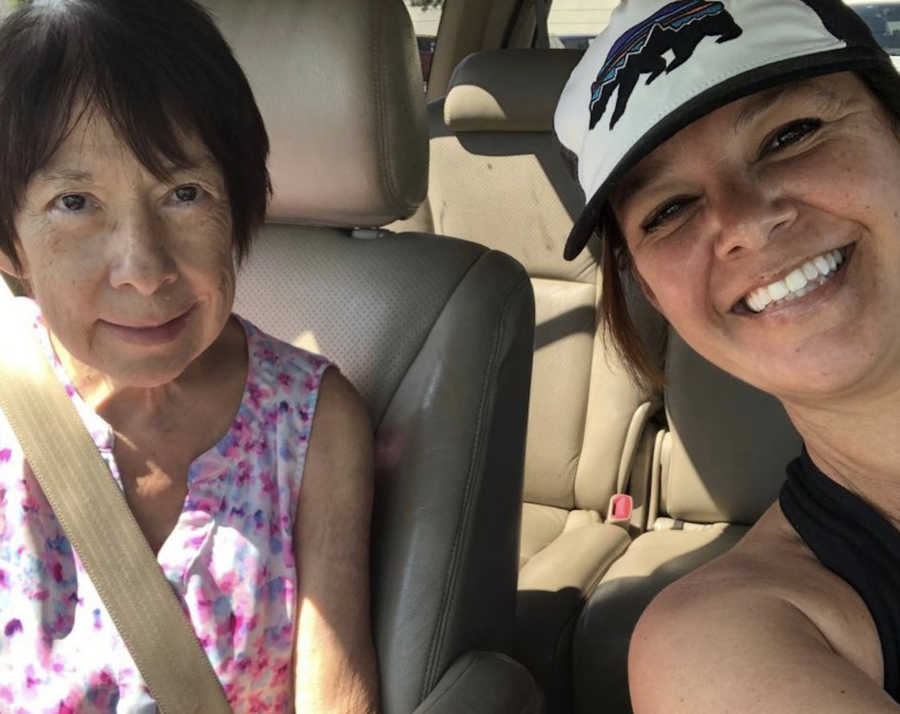
That first year of caregiving was relentless. Coordinating staff, managing medications, paying bills, renting out her house, taking in her dog, updating friends and family, ensuring she had everything she needed—it was endless. Hospital visits became routine—13 to 15 times that year—due to falls, aggression, or attempts to leave the facility. The stress was immense. And the guilt? Crushing. I constantly felt like I was failing as a wife, mother, daughter, friend, and employee. Exhausted doesn’t even begin to describe it.
Her decline was rapid. As a hospice nurse, I knew she qualified for services. Exactly one year after moving her into the facility, my husband suggested we bring her home. None of us wanted her to be alone in her final days. So, we made monumental changes. I quit my job, we sold our two-story home, and bought a four-bedroom, single-story house—four houses down from my childhood home, near my mom’s own house. I believe everything happens for a reason.
Once home, Mom began to rally. While in the facility, she had been largely wheelchair-bound, incontinent, barely eating, losing weight, her hair thinning, sleeping most of the day. At home, she walked again, used the restroom, ate well, gained weight, her hair thickened, and her alertness returned. It was miraculous—and terrifying. The temporary arrangement had become indefinite. Dementia wasn’t going anywhere, and neither was our new reality.
I threw myself into caregiving completely. I was in her room by 6:45 a.m., ensuring she was cleaned, dressed, and ready before aides arrived. I protected her dignity fiercely. I made sure she went to her local Starbucks every morning to meet her coffee group, even if it meant adjusting my own schedule. At home, I tried to maintain calm despite three dogs, an energetic child, and a husband who loved his action movies loud. Slowly, I realized I was exchanging my life for hers.
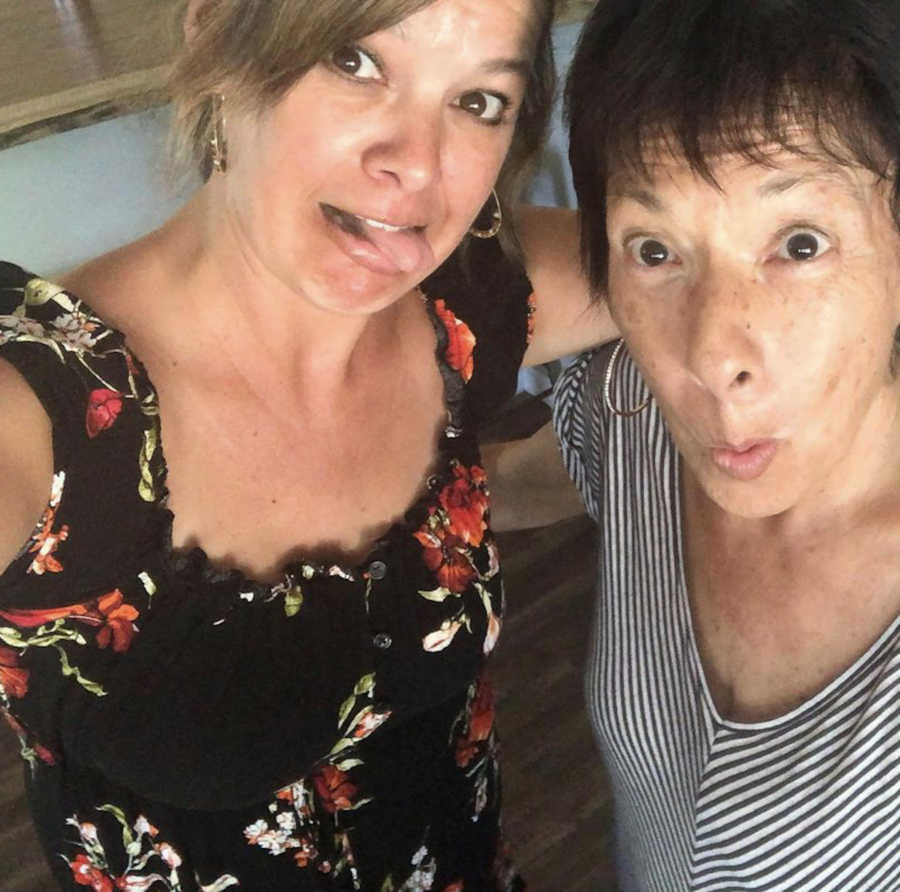

Resentment grew. I was angry, isolated, and exhausted. My brother wasn’t involved, her friends disappeared, and dementia felt like an invisible thief stealing both her life and mine. I had to adapt. I had to learn how to have a relationship with dementia. And I did, through trial and error.
Dementia is cruel. It steals your loved one twice—first physically, then mentally. Over the years, I have watched my mom decline. She is now fully wheelchair-bound, struggles to bear her own weight, and needs help with every aspect of her life. Her voice is faint; her presence is quiet. I miss the mom I knew. I miss advice, lunches, babysitting, comfort. But she isn’t that mom anymore. I am now her advocate, her voice, her protector.
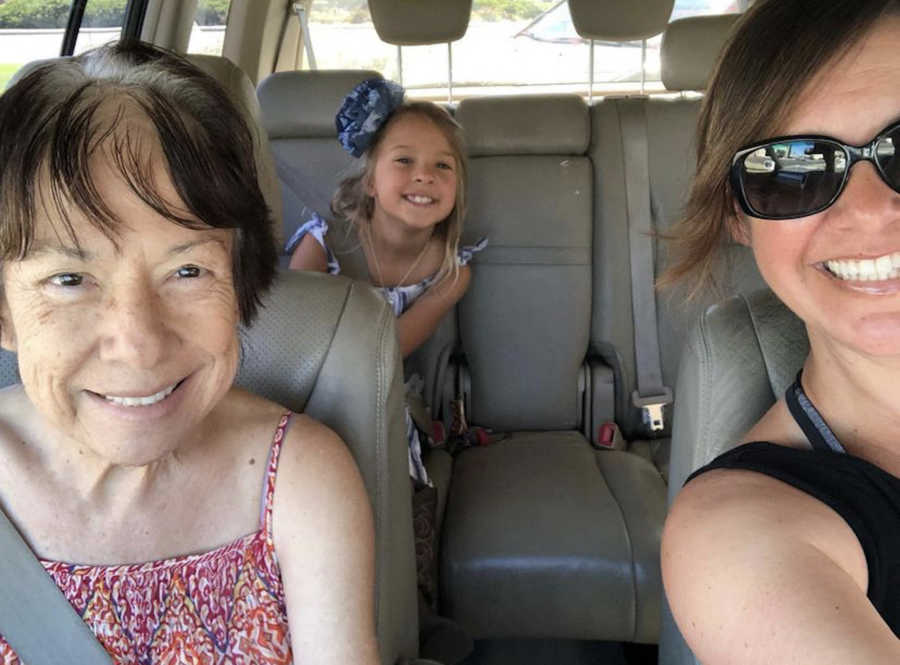
Still, I have learned to live with dementia. I embrace the emotions—good and bad. I cherish moments of joy, however fleeting. I have reclaimed pieces of my life while ensuring hers is dignified and supported. Mom lived with us full-time for a period, then part-time, and now, she lives back in her house with round-the-clock care, just down the street. Life has a way of arranging itself.
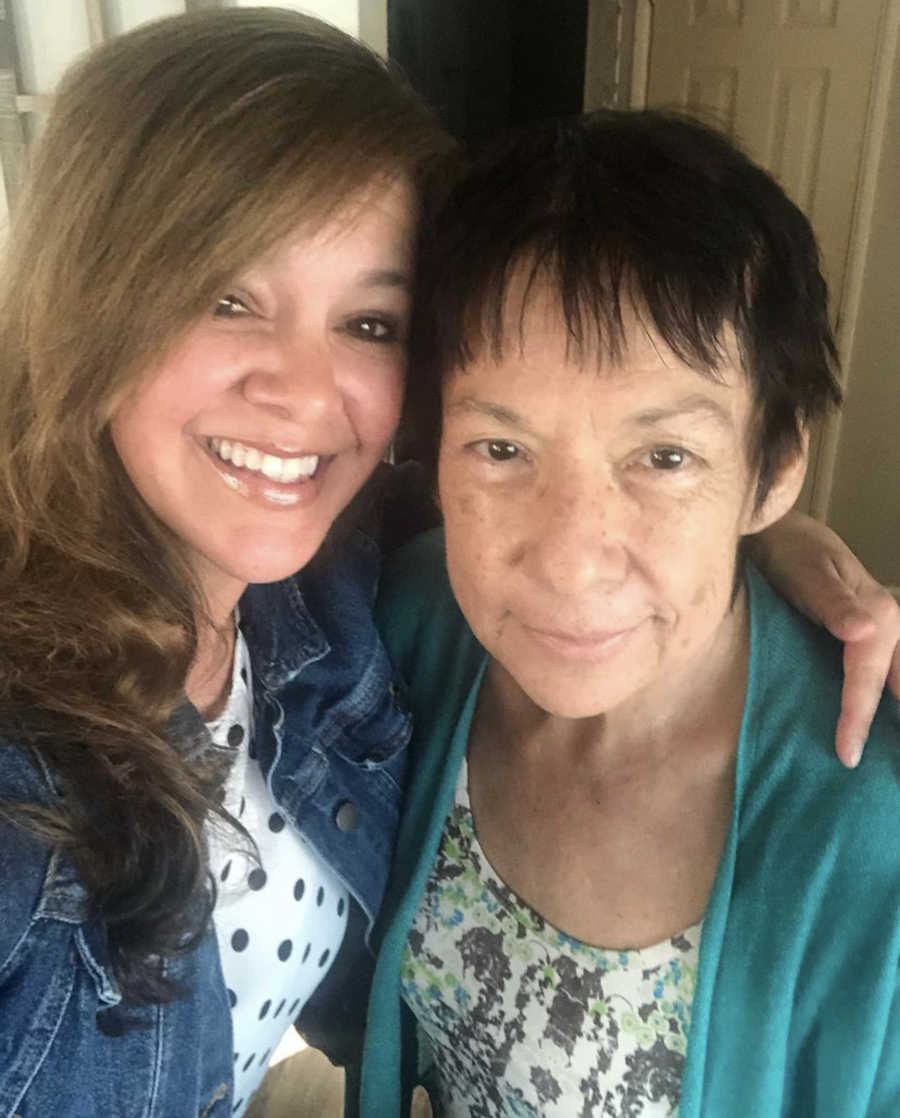
For anyone suddenly thrust into caregiving, here is my advice:
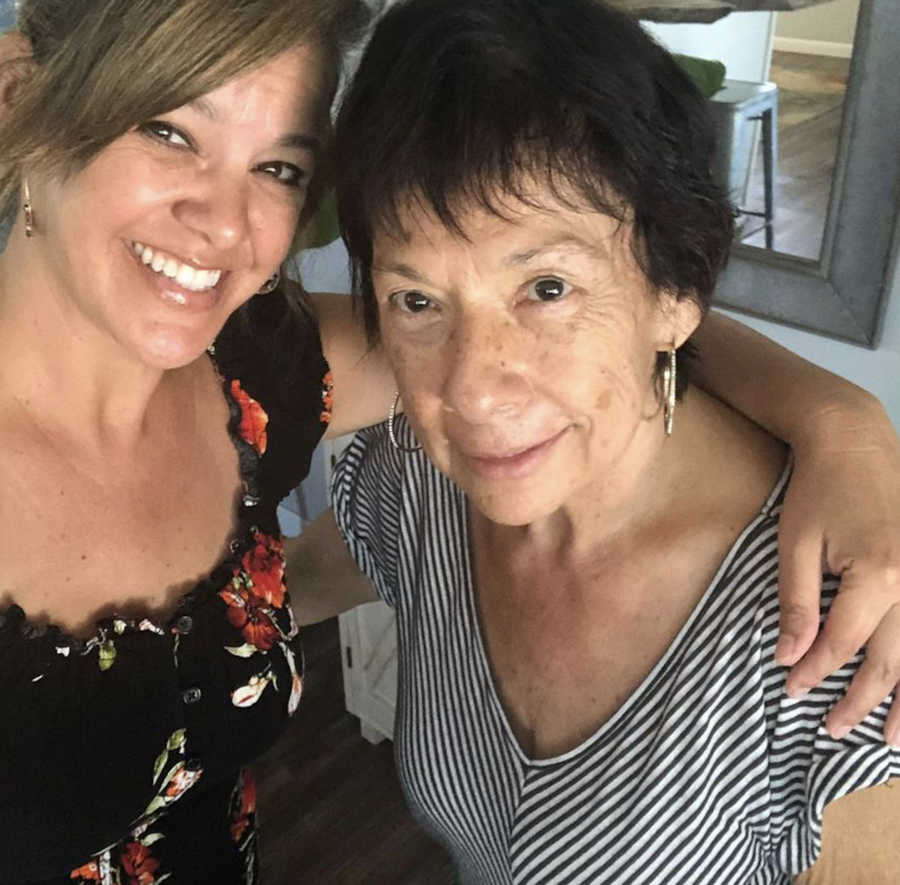
- Breathe. Deeply and often.
- Educate yourself about the disease and how to maintain a relationship with it.
- Build a support system: family, friends, therapists, online communities.
- Practice self-care. Seriously. Do not skip this.
- Have a mantra for hard days. Repeat it. Believe it.
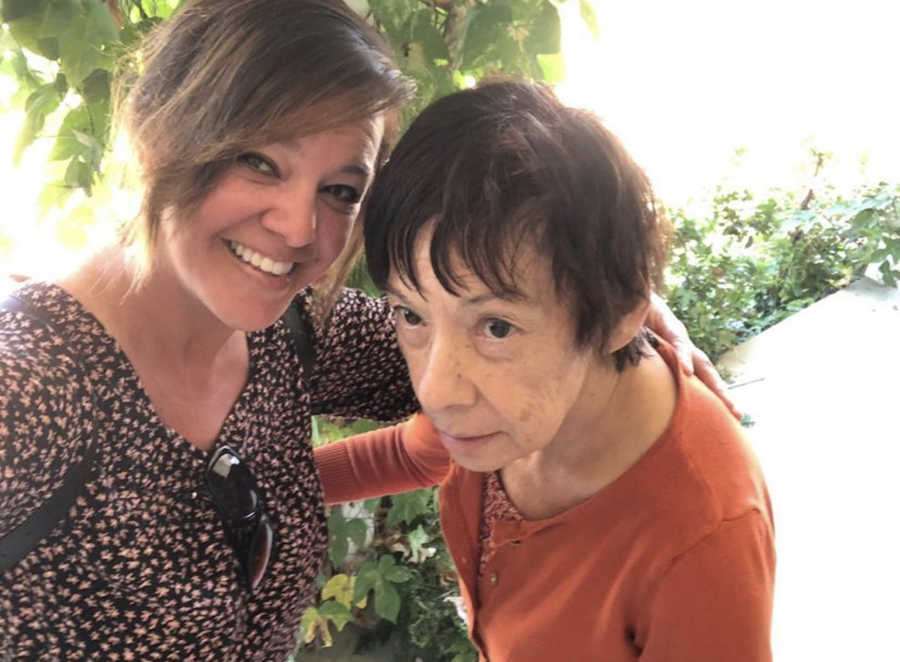
Being my mom’s caregiver has been one of the hardest things I have ever done. Dementia is painful, cruel, exhausting—but it has also taught me resilience, patience, and how to find joy amidst heartache. I remind myself daily of my mom’s words: “If you are doing your best, it is MORE than enough.” And, sometimes, that is exactly what gets you through.