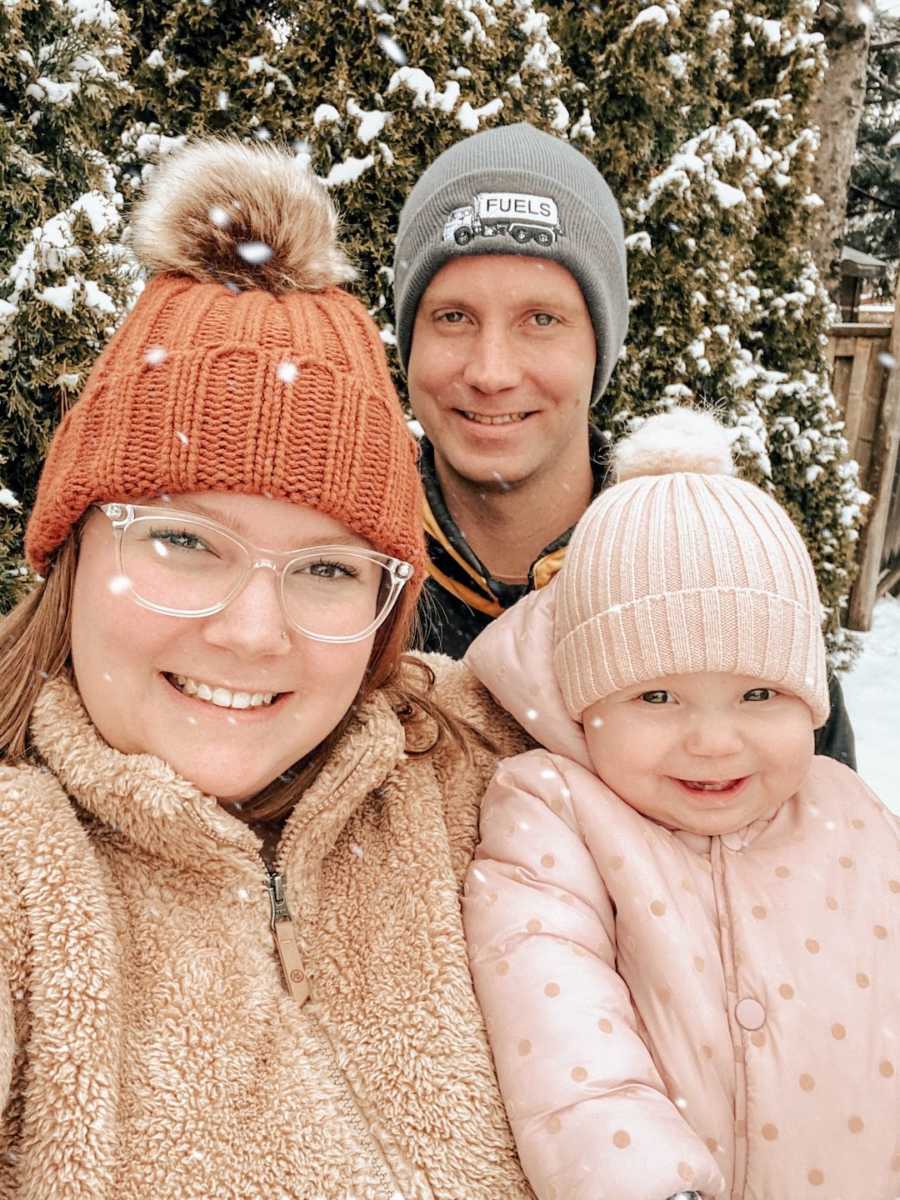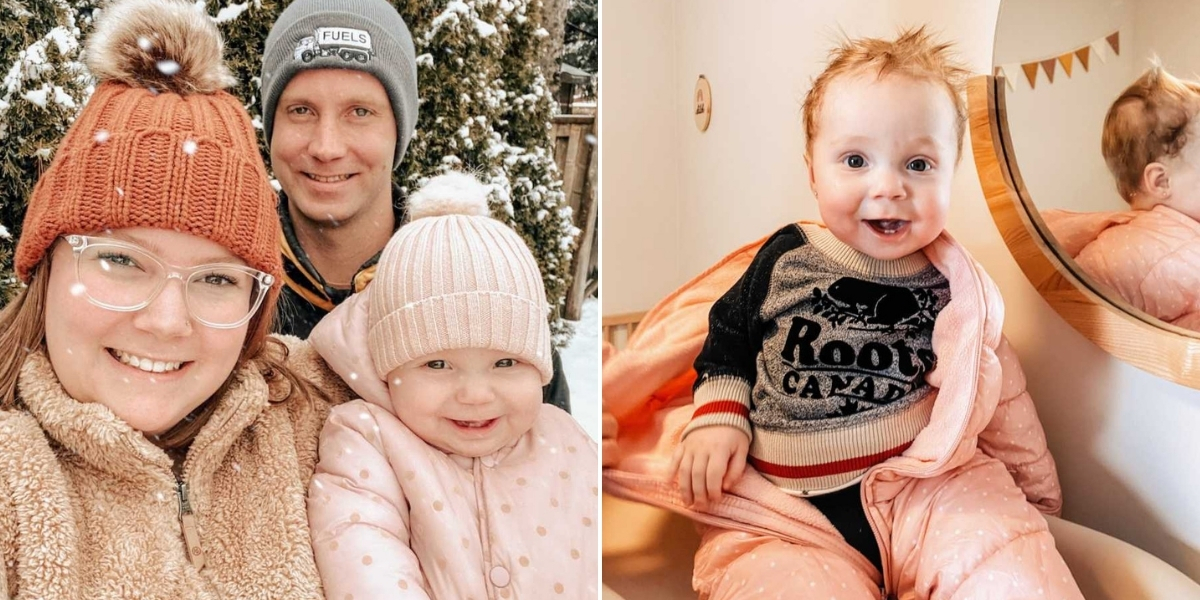
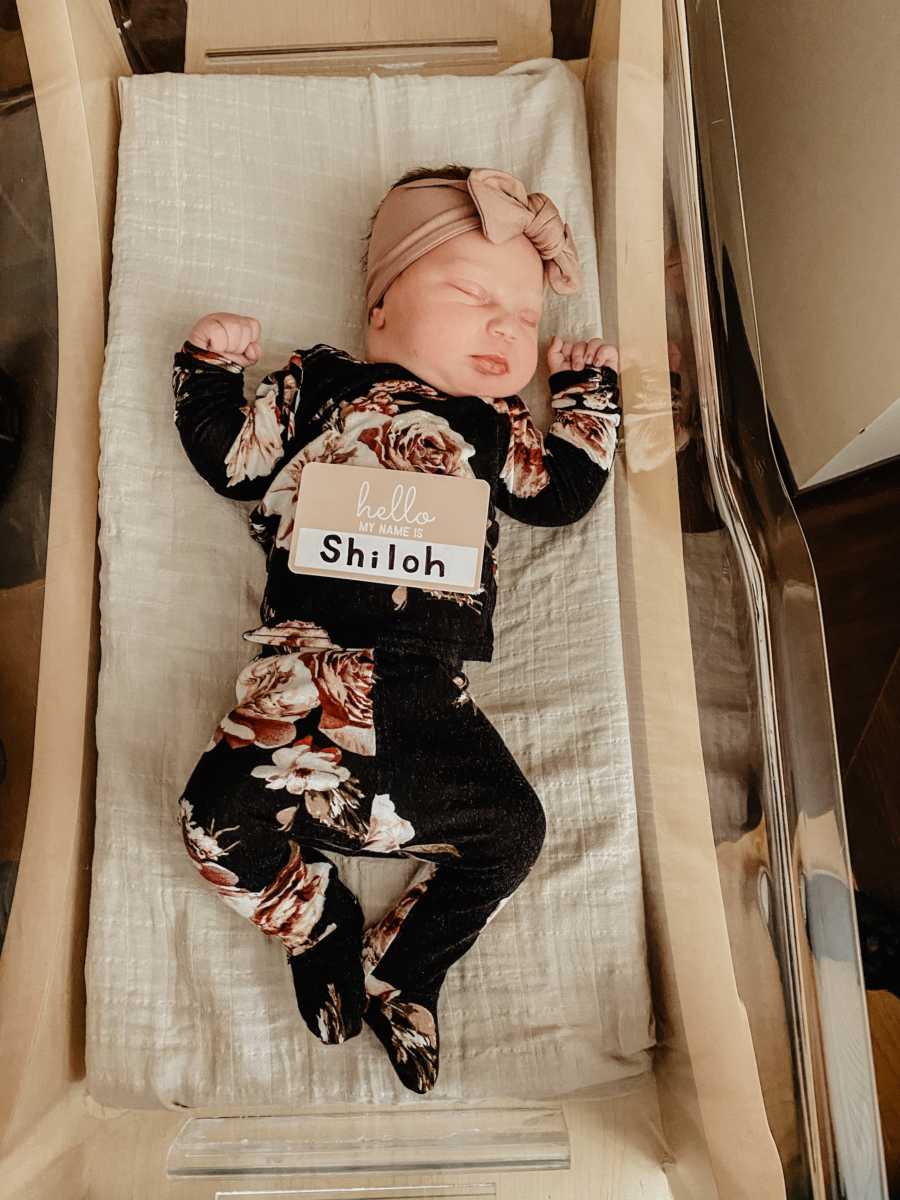
I am a first-time young mom to a 1-year-old with cystic fibrosis, and this is the story of Shiloh’s diagnosis and how it has reshaped our lives so far. It all began just two weeks after our beautiful baby girl was born. Shiloh arrived in April 2020, right at the height of the first wave of COVID-19 here in Ontario—a true pandemic baby. On one of the first days my husband returned to work, I was alone at home with our newborn when the phone rang. I saw it was my midwife calling, and I picked up.
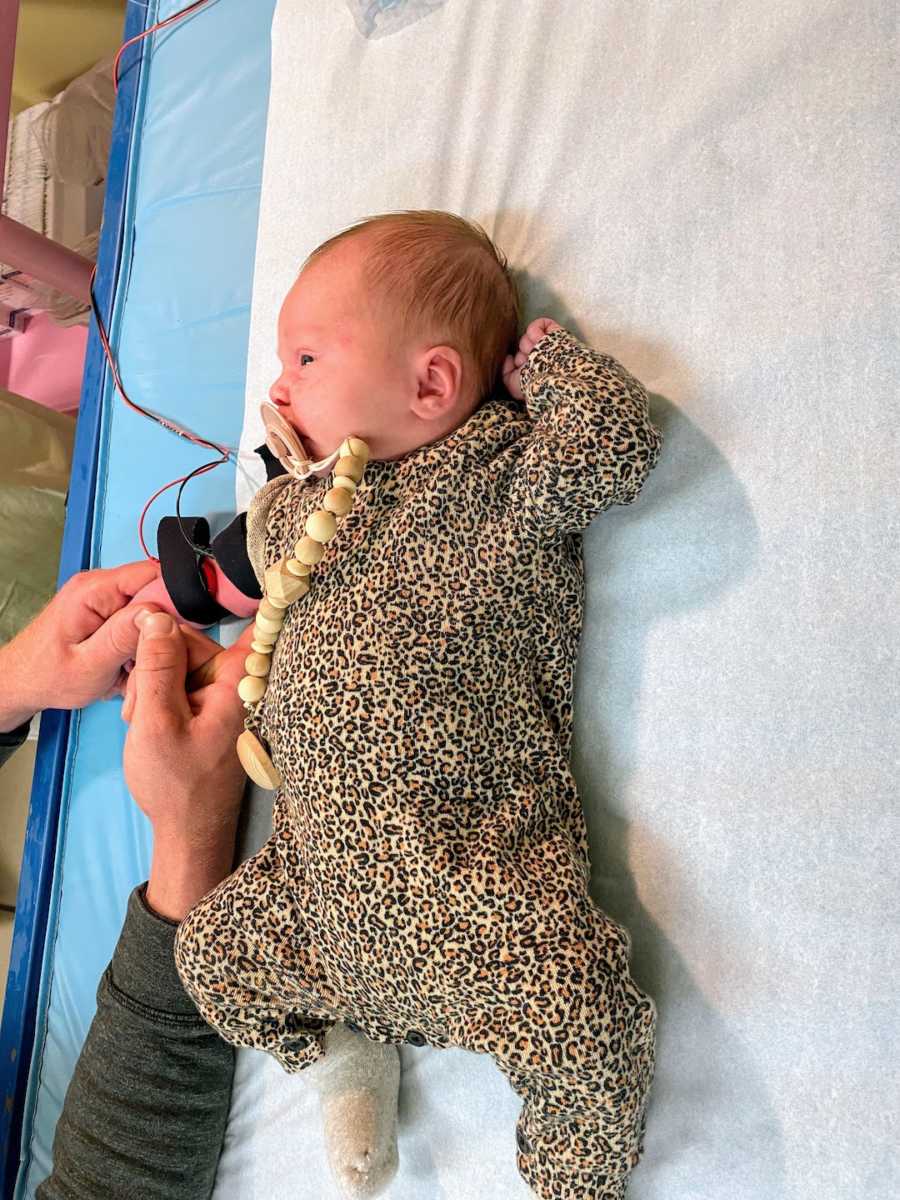
I don’t remember her exact words, but I remember the weight of them. Shiloh’s newborn screening had come back abnormal, and further DNA testing suggested it was very likely she had cystic fibrosis. At that moment, the world seemed to tilt. I hadn’t known much about CF beyond a high school science class, but I remembered enough to know it was serious, life-limiting, and overwhelming. I asked my midwife how “likely” was likely, and she explained that the DNA test had detected two mutations in the CFTR gene—making it a 99.9% probability that Shiloh had CF.
She booked a diagnostic test at our local hospital and instructed me to schedule a Zoom call with a geneticist the next day to learn more. After I hung up, I called my husband and texted a few family members, trying to see if anyone knew of CF in our families. My mind was racing. I knew I shouldn’t Google, but I couldn’t stop myself. I scoured pages online, desperate to understand, reading everything from medical summaries to personal stories. Most of what I read was terrifying—endless hospital stays, lung transplants, daily medications, infections, hours of physiotherapy, strict diets, constant sanitization, and a life overshadowed by illness. CF was chronic, aggressive, degenerative, and terminal.
And then there was the “what if.” What if our next child also had CF? The chance was one in four. The dream of a big family suddenly felt impossible. I am not a high-energy person, and the thought of raising more than one child with heavy medical needs was paralyzing. We had always lived life on our own terms, avoiding medical interventions when possible. Now, it felt like everything had shifted—we couldn’t just move, travel, or live freely anymore.
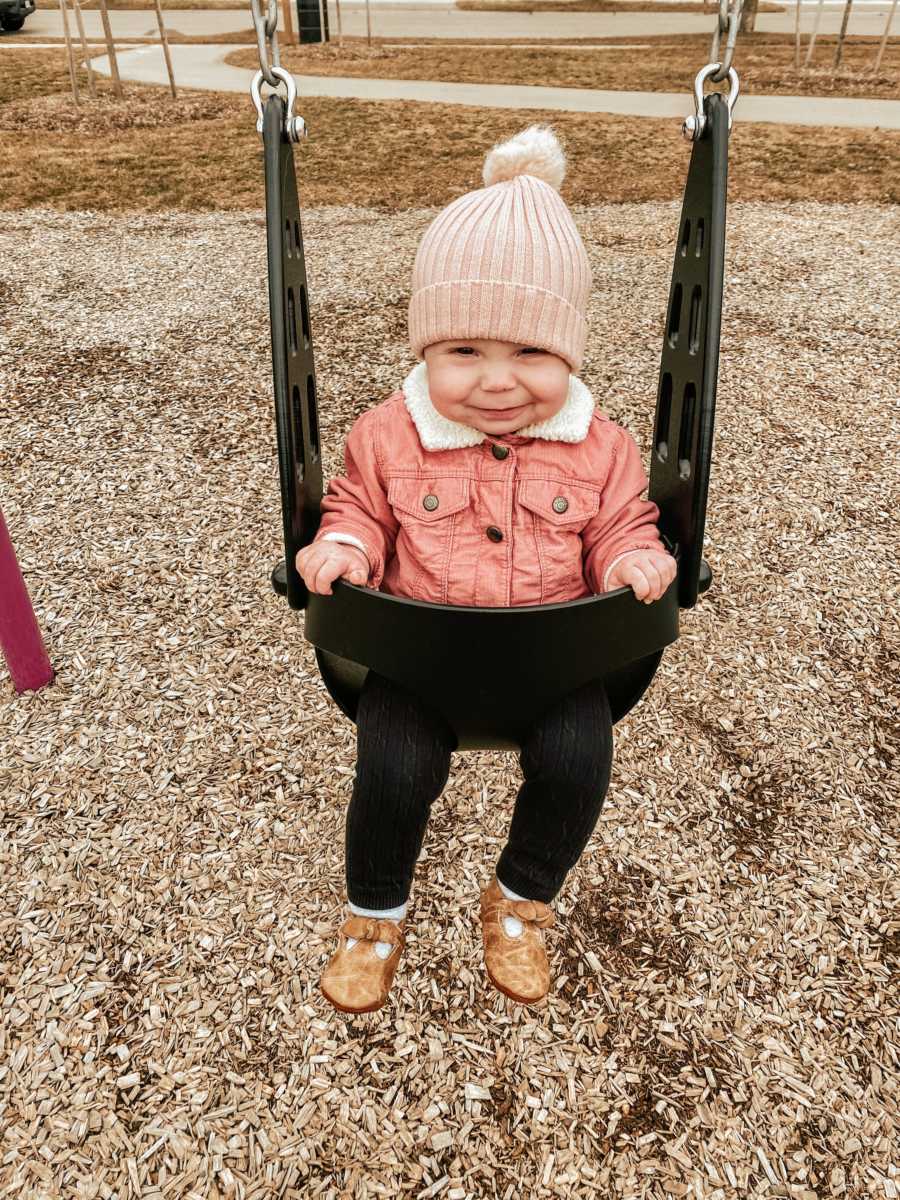
I remember calling my husband that evening, bargaining irrationally. I asked him to promise we could homeschool Shiloh if she had CF, that we would go on vacations to escape the intensity. He reminded me we needed to focus on what mattered most, like stopping the struggle with breastfeeding. He even offered that we could hire a house cleaner if things became overwhelming. Silly in some ways, but it was our way of clinging to control.
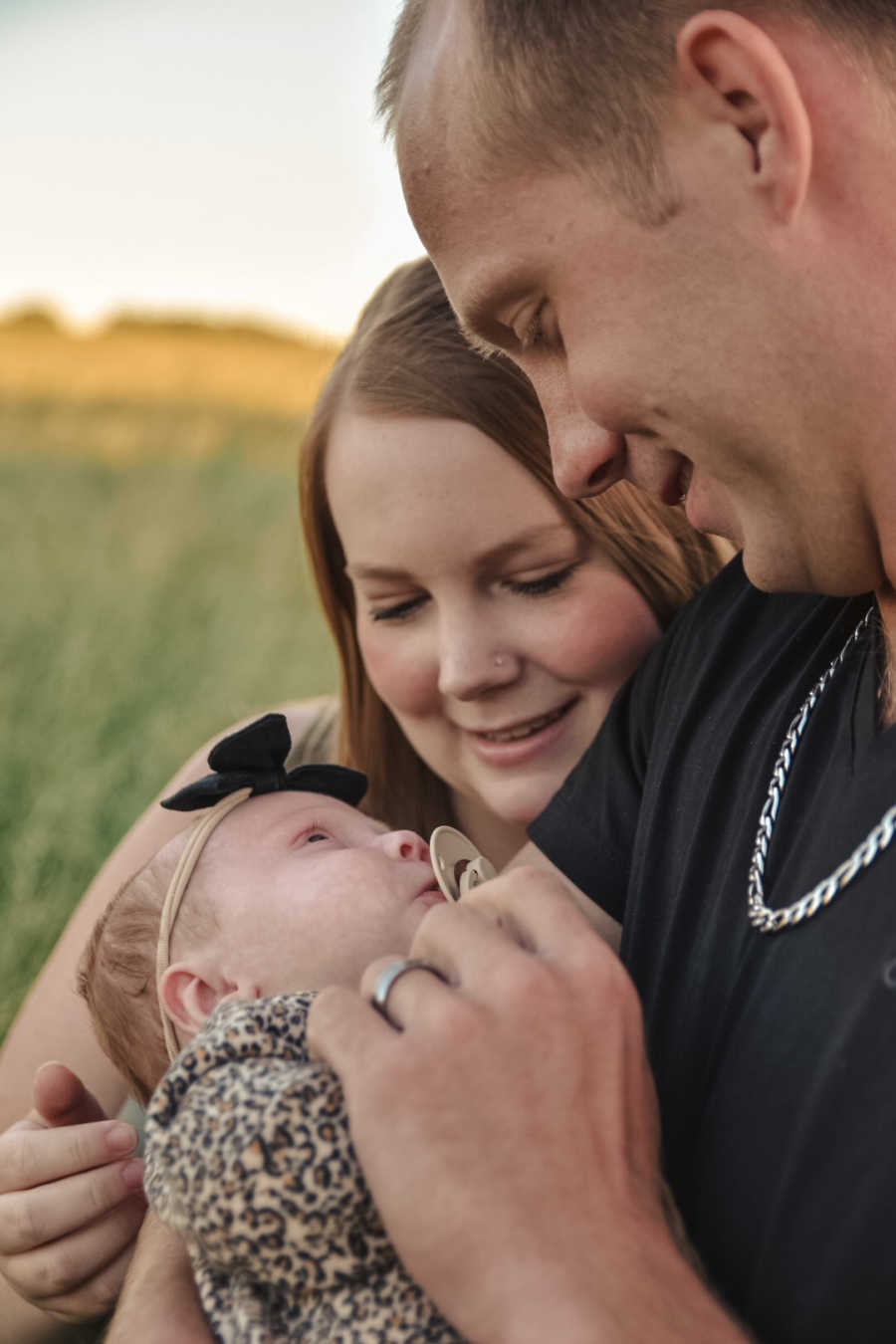
In my heart, I already knew Shiloh had CF. I even licked her skin to see if it was salty, one of the only signs at that age. I spent the day crying, staring at this tiny, perfect baby, imagining a life of struggle and an early end.
The next day, my husband stayed home, and we joined our call with the geneticist. She gave us an overview of CF, what to expect from the diagnostic test the following week, and reassured us that proactive care from birth made a huge difference. Our families clung to the 1% chance of error, but deep down, we braced for the diagnosis.

When the day of Shiloh’s sweat test arrived, we went to the children’s hospital. Sweat and blood were collected to confirm the diagnosis and trace the mutations from each parent. We had already made peace with CF in our minds. The initial shock had passed. That first day of tears had been enough. We were ready to face what came next.
Meeting Shiloh’s CF team was a turning point. Our doctor, nurse coordinator, respiratory therapist, dietician, social worker, and child-life specialist were warm, knowledgeable, and encouraging. They gushed over Shiloh’s beauty and reassured us: “Don’t believe anything you read online.” CF was not the same as it once was. Life expectancy is rising, treatments like Trikafta promise dramatic improvements, and starting care from birth gave Shiloh an advantage many children diagnosed later do not have.

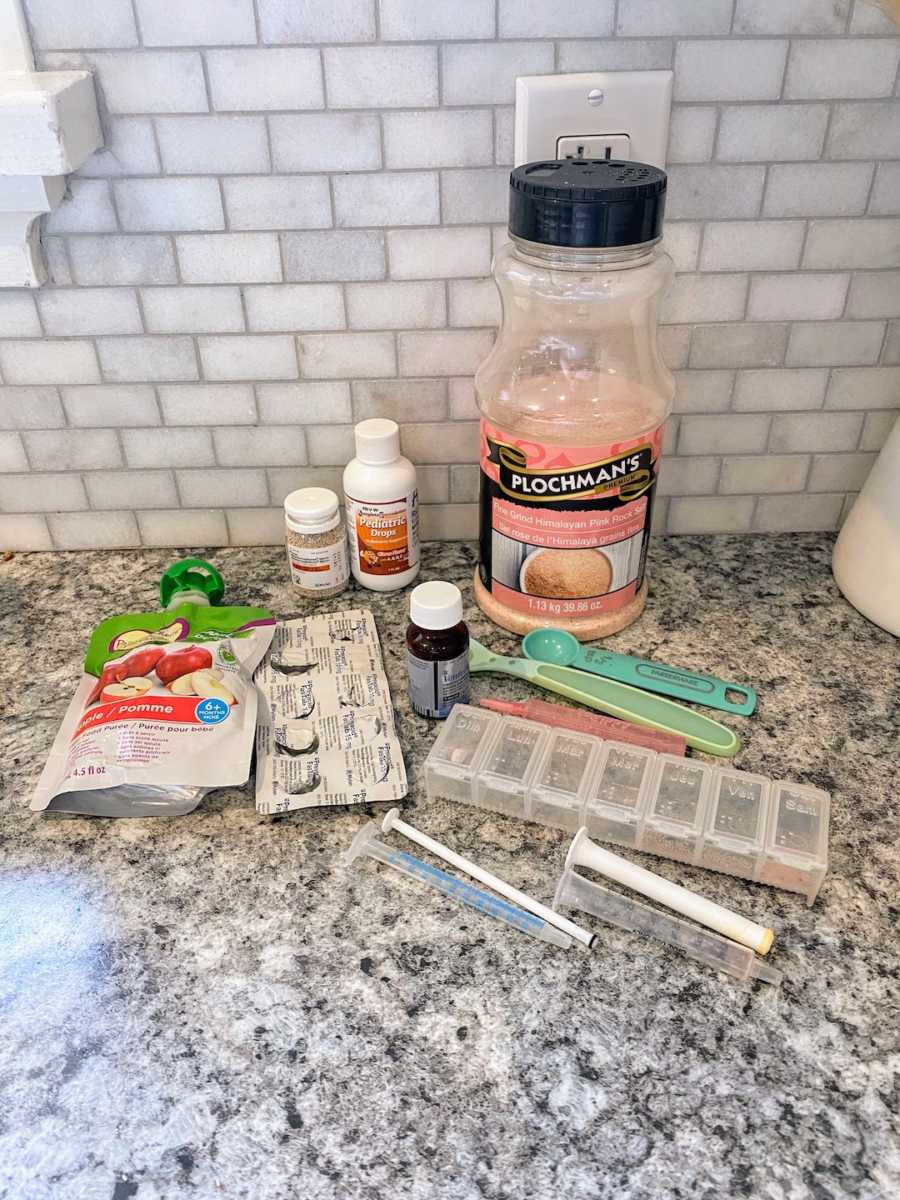
They guided us on the practical side of managing CF. Chest physiotherapy would be essential to clear sticky mucus from her lungs. Each session began with a nebulizer of saline and Ventolin, gradually building from a few minutes a day to two hours by six months old. Salt and multivitamins became a daily part of her bottles, replenishing what her body lost through sweat and ensuring proper nutrition. Enzymes were added to help her digest fats and proteins and gain weight efficiently.
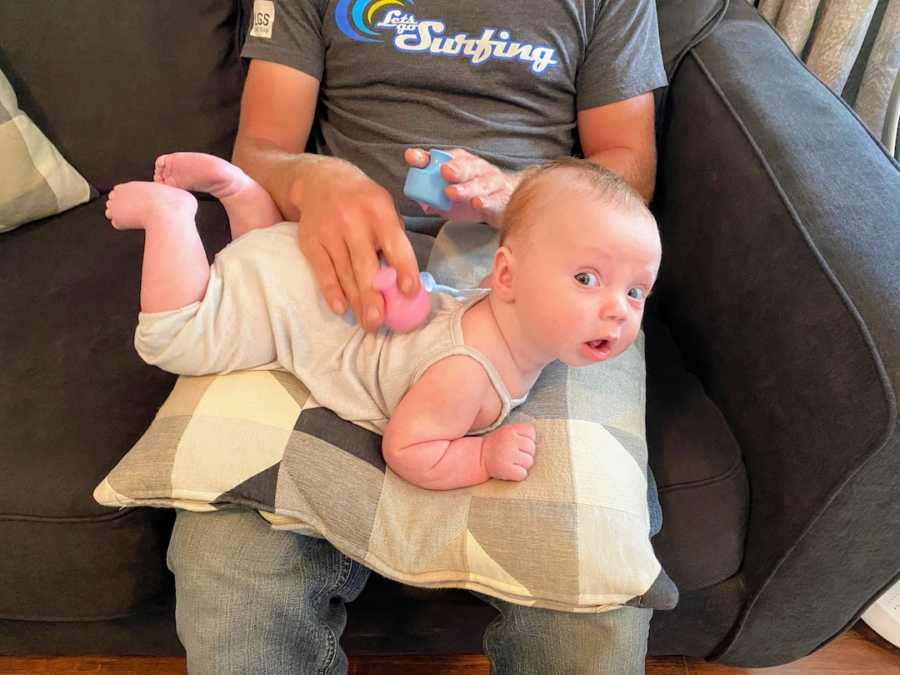
Through early struggles—feeding aversions, reflux, and careful monitoring—Shiloh thrived. Now, at one year old, she is healthy, strong, and growing well, weighing in at the 85th percentile. She hasn’t had a single lung infection, cough, or even COVID, despite exposure around her. Her first year, which can be fraught with hospitalizations for babies with CF, has been remarkably smooth.
I am in a peaceful, hopeful place. The tears I shed are now happy, emotional ones. Seeing adults thriving with CF reminds me that Shiloh’s life can be full, rich, and vibrant. We’ve adopted a family motto: control what we can, let go of what we can’t, and trust God, who never gives more than we can handle. Shiloh is made beautifully in His image, and we know she will be a blessing to everyone around her.
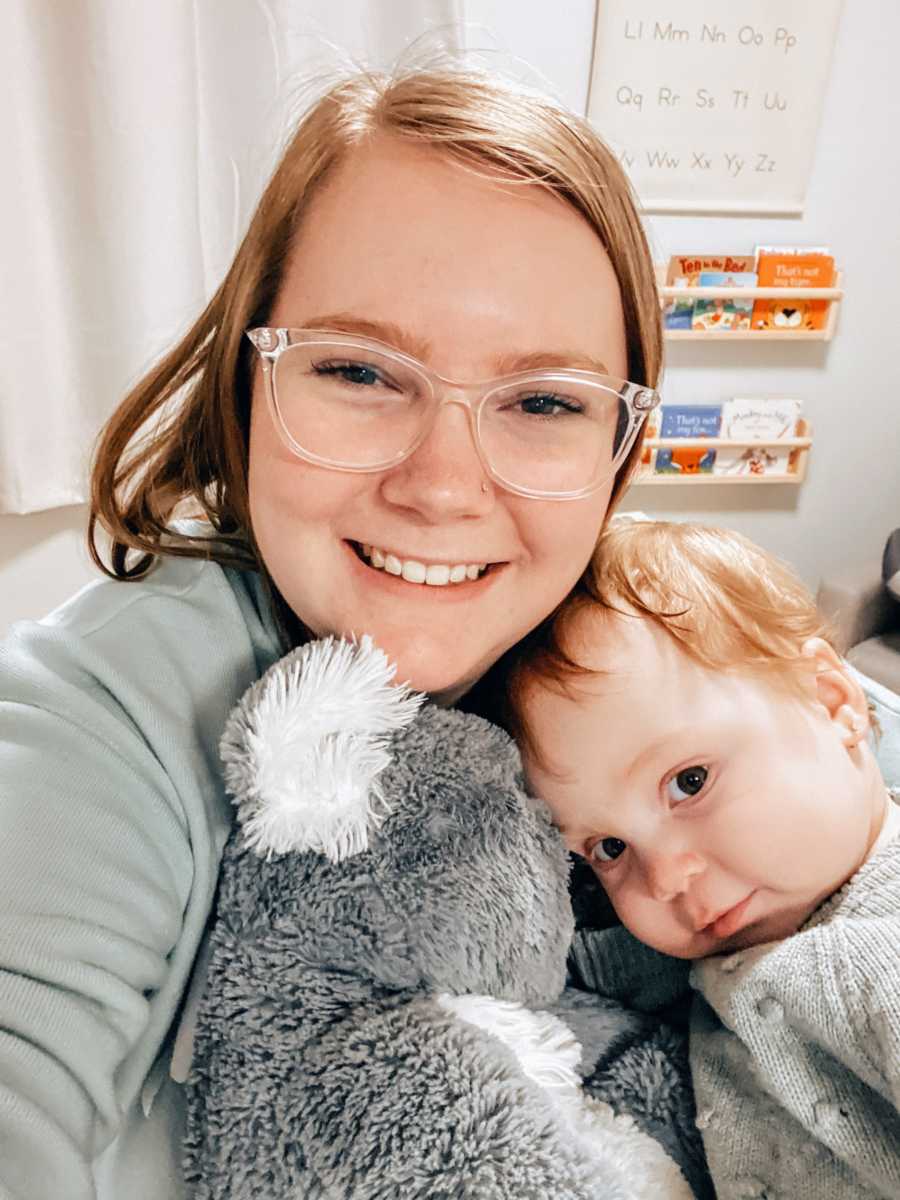
We still dream of more children. An internet friend with CF once said, “The best gift God ever gave me was a sister with CF.” Someone to share life with, to understand the journey. My husband has even joked, “We need another baby with CF for Shiloh’s sake.” While it’s not ideal, we know we would welcome it with open hearts.

Shiloh is growing resilient and strong. CF may be part of her, but it doesn’t define her. We will fight until CF means “cure found.” Her future is bright, and her life is a gift we will cherish every day.