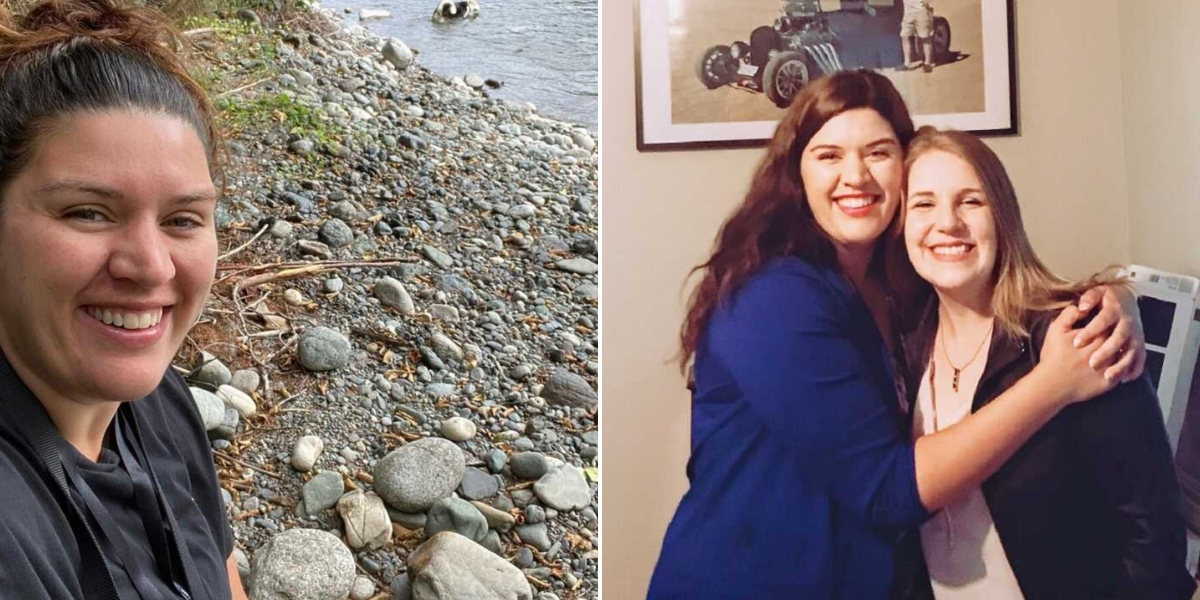
My name is Jordanna. I am a registered nurse, and I have been living with bipolar disorder since I was thirteen. Today, I want to be honest and open about my journey—the struggles, the highs and lows, and the lessons that have brought me to the happiest place I have ever been, both mentally and emotionally. I can genuinely say, from the bottom of my heart, that I am happy. Truly happy. And if sharing my story can help someone else understand or manage their mental illness, then every word is worth it.
I am incredibly fortunate to have a rare form of bipolar disorder where I experience only manic episodes, without the deep depressive episodes that many others endure. Sure, I’ve had mild lows from time to time, but I wouldn’t call them true depression. The real challenge for me has been mania—countless episodes over the years that have disrupted my life, caused heartache, and left me overwhelmed and exhausted.

Mania, for me, is like riding a roller coaster with no brakes. My thoughts race uncontrollably, anxiety creeps in, and my sense of self inflates to the point of invincibility. I can be incredibly emotional, hypersensitive, and my mood can shift in an instant. Ideas pour through my mind so rapidly that sleep becomes impossible. I’m convinced my ideas are brilliant and can’t wait to share them with the world—but at the peak of mania, my words often become incomprehensible. Then comes the crash: physical exhaustion clashes with my unrelenting mental pace, creating a state that can feel unbearable.
I am grateful, though, that mania often comes with a gradual incline of symptoms, giving me a chance to recognize it before it escalates. Over the years, I’ve developed enough insight to manage most episodes, though every so often, life’s perfect storm of stressors can push me to my limits.
In recent years, my perspective on my mental illness has shifted profoundly. I’ve come to feel almost fortunate for having bipolar disorder. Without it, I don’t believe I would have reached this level of happiness, self-awareness, and fulfillment. My illness has forced me to reflect deeply, inspiring personal growth and guiding me toward my true self. Without mania, I might have remained in a loveless marriage, stuck in the same nursing unit, without dreams of becoming a best-selling author one day.
But this clarity didn’t come easily. Everything changed after the most traumatic experience of my life. Four years ago, I experienced the highest peak of mania I had ever encountered. The perfect storm of stressors pushed me into psychosis—the most acute stage of my illness. At that time, I didn’t recognize how severe my symptoms were, and things spiraled out of control. I could no longer care for myself and required hospitalization and close monitoring.
So how did I go from that breaking point to the emotional and mental stability I enjoy today? The answer is reflection—honest, sometimes painful reflection on my weaknesses, my patterns, and my mental health. It’s about learning from mistakes and growing stronger.
After my hospitalization, I had a turning point. I realized I needed to take full responsibility for my health, instead of relying solely on doctors and my support system during episodes. That moment marked the beginning of a profound change in how I manage my mental illness.
I started using the skills I had learned as a nurse to care for myself more intentionally. Over the last four years, my insight has grown exponentially. A loving, supportive network of friends and family provided the emotional environment I needed to connect with myself, reflect deeply, and find purpose. I discovered a passion for blogging about mental health and advocating for others with bipolar disorder. Through writing, I realized I had a gift with words that could make a meaningful difference in the lives of others.
Writing my thoughts and emotions into blog posts during my most acute episodes became incredibly therapeutic. It allowed me to reflect openly while giving me purpose and hope. Encouraged by this, I expanded into podcasting, sharing my journey, advice, and personal insights. The response has been humbling—people from around the world have reached out to share how my story has helped them feel less alone in their struggles.
I often feel like my experiences have given me superpowers—a responsibility to help others. Eighteen years of navigating bipolar disorder have equipped me with knowledge, resilience, and insight that I can now share with those in need.
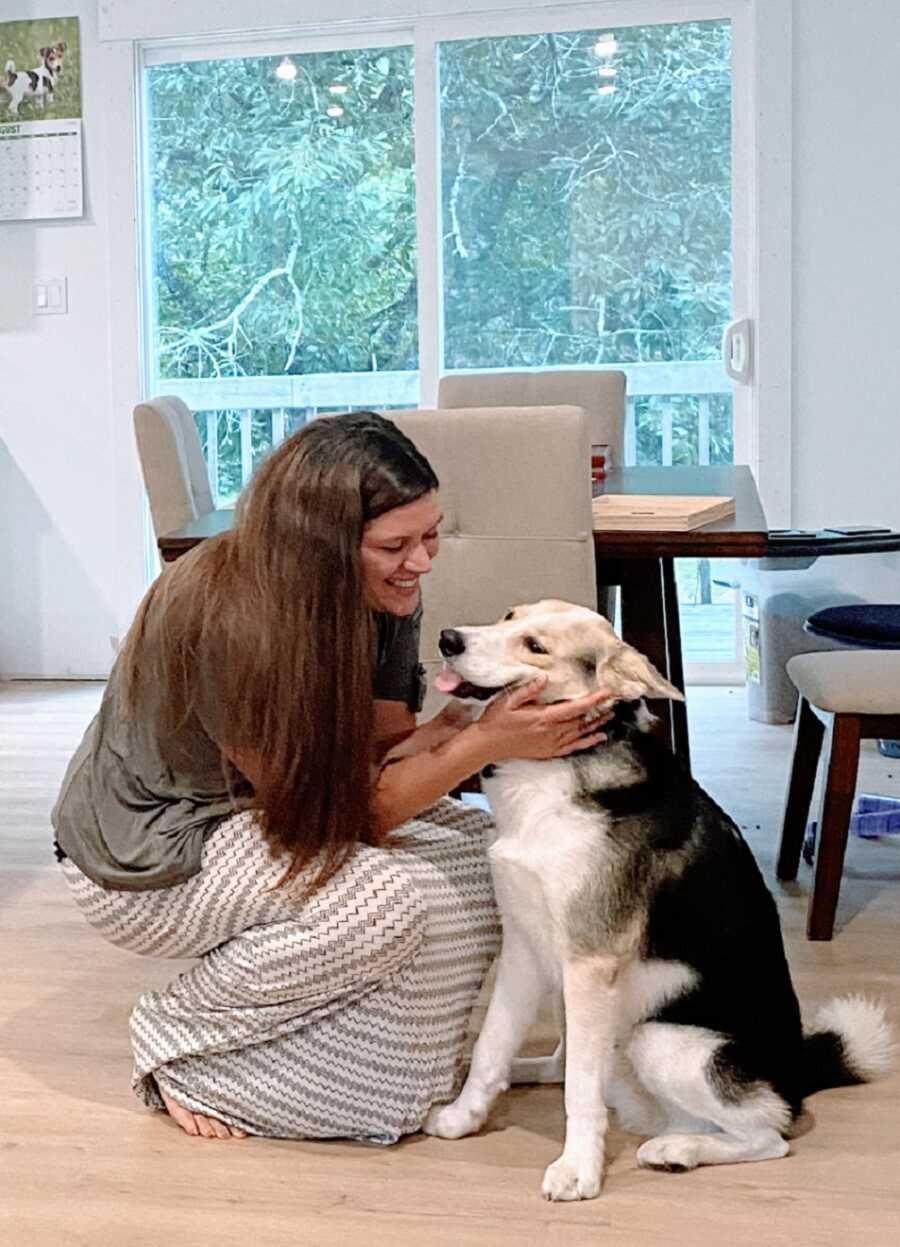
Even with mania, I’ve learned to see the positives. My episodes can spark incredible creativity and inspiration, allowing me to contribute meaningful work to my blog and podcast. While mania brings undeniable challenges, it also offers unique opportunities for growth, reflection, and expression.
Recently, a manic episode became life-changing for me. After adjusting my medication, I felt empowered and in control. For the first time, I could manage my symptoms independently, remaining calm and collected through the entire episode while still consulting my doctor for guidance. I learned to embrace mania, appreciating it for the insights and energy it brings rather than fearing it.
I could not be happier.
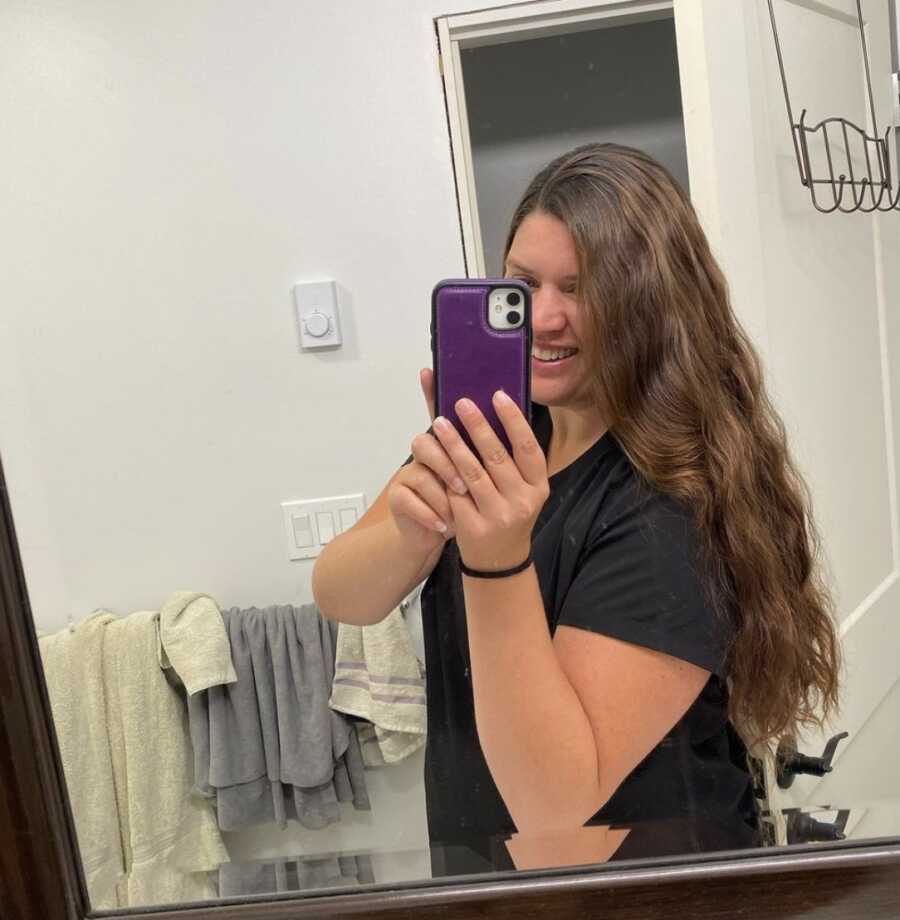
For anyone living with a mental illness—or anyone who wants to understand it—my advice is this: develop insight. Insight is the awareness of your symptoms, your patterns, and your triggers, and the ability to act before an episode becomes severe. This takes time, patience, and consistent self-reflection. Analyze your thoughts, emotions, medication, seasons, and stressors. Ask yourself, “Why did I get sick?” and reflect honestly.

Building insight is a lifelong process, but it’s possible. Over 18 years, I have reached a level of awareness that gives me confidence I may never experience psychosis again. While relapse is common, cultivating self-awareness, communication with loved ones, and trust in your doctor can dramatically improve your stability. Healing techniques like meditation, deep breathing, or yoga can also support your journey.
Finally, maintain a positive perspective. Mental illness can feel heavy and dark, but it’s vital to remember you are more than your diagnosis. Your struggles don’t define you—they can guide you toward growth, purpose, and even happiness.

Let’s end the stigma, together.