He struggled to breathe, and I froze. My mind went blank—I forgot how to use the EpiPen. My hands were shaking uncontrollably. My mother sat on the kitchen floor beside me, her voice gentle but urgent. “Let’s just try some Benadryl first,” she said. I argued with her, trying to convince her I knew what had to be done… but my memory had failed me in that terrifying moment. I pulled the EpiPen from its case. It was a new brand; we’d switched just a month before. And then, a small mercy—I heard the voice from the device guiding me, step by step. With a mix of fear and relief, I held my son down and plunged the epinephrine into his thigh. Three… two… one… and suddenly, he breathed with ease. Instant relief.
That day, my fear of using the EpiPen lessened—but my older son, hearing his brother’s cries from the next room, experienced terror multiplied tenfold. The following year, every similar emergency would find him retreating to his room, curling on the floor, plugging his ears, trying to block out the sound of my youngest’s panic as my husband and I saved him again. Food allergies are brutal. Few truly understand unless they’ve lived with life-threatening reactions or walked in the shoes of a parent fighting to keep a child alive.
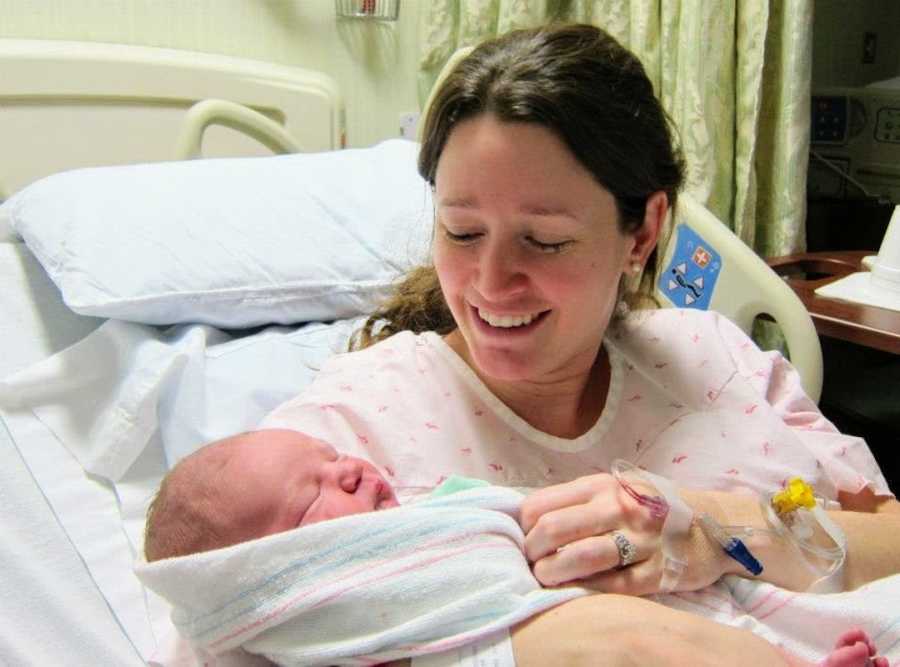
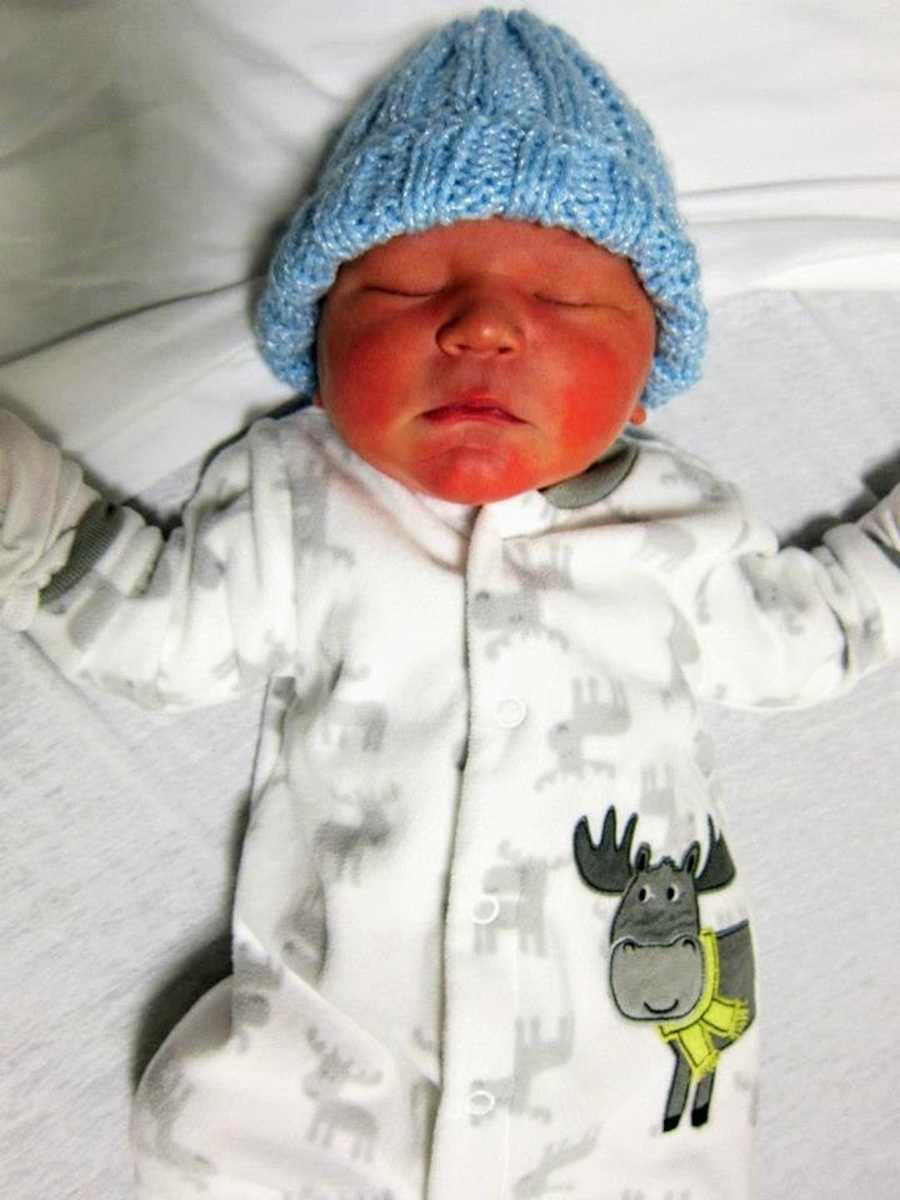
I didn’t have an easy pregnancy with Jase, and his birth was far from what I had imagined. After he was born, the hospital staff took him for four agonizing hours to monitor his low blood sugars. They pressed me to allow formula, using fear as their argument. I caved, thinking it was best. At the time, I didn’t realize that photos I would later study—the tell-tale “slapped cheeks” appearance—showed a reaction to the dairy-based formula.
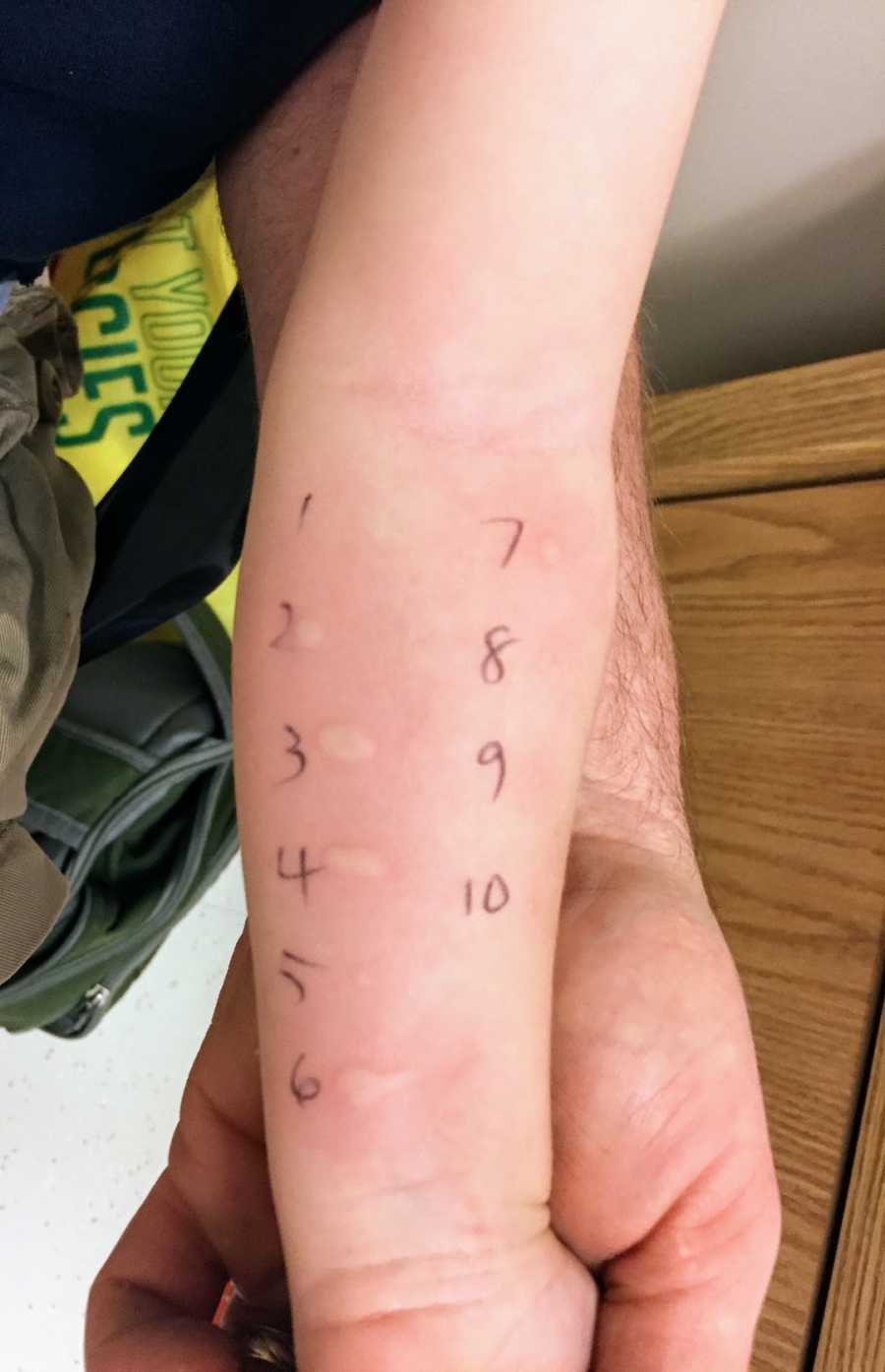
The first month of Jase’s life was hard, as is often the case with newborns, but it felt ten times harder for us. After his Hepatitis B vaccine at one month, his symptoms escalated. Blood in his stools, reflux, screaming during nursing, eczema flares across his face like he’d been slapped, and diaper rashes that looked like raw burns—this was just the beginning. What on earth was wrong with my child? We consulted every doctor possible: family physician, GI specialist, allergist, lactation consultant. He endured blood tests, skin tests, even allergy patch testing.
The advice was repetitive and disheartening: “Cut out XYZ foods… or try formula.” Each time, they handed me sample after sample, the so-called solution to this nightmare. But I wasn’t ready to give up nursing. I felt a fierce determination to find out which foods triggered his reactions through my breastmilk. I began strict food elimination, meticulously tracking every bite. I narrowed my diet down to a handful of safe foods, but each time I reintroduced a suspect item, Jase reacted. It felt impossible to win.
For eight long months, my meals were monotonous and exhausting: oatmeal with blueberries and bananas for breakfast, sausage over rice for dinner, and as many potato chips as I could manage to meet my caloric needs. Nutritionally, it wasn’t ideal, but I hoped it gave him what he needed while sacrificing my own well-being. My body bore the brunt—gagging at meals, struggling to finish bites—but it was a sacrifice I was willing to make.
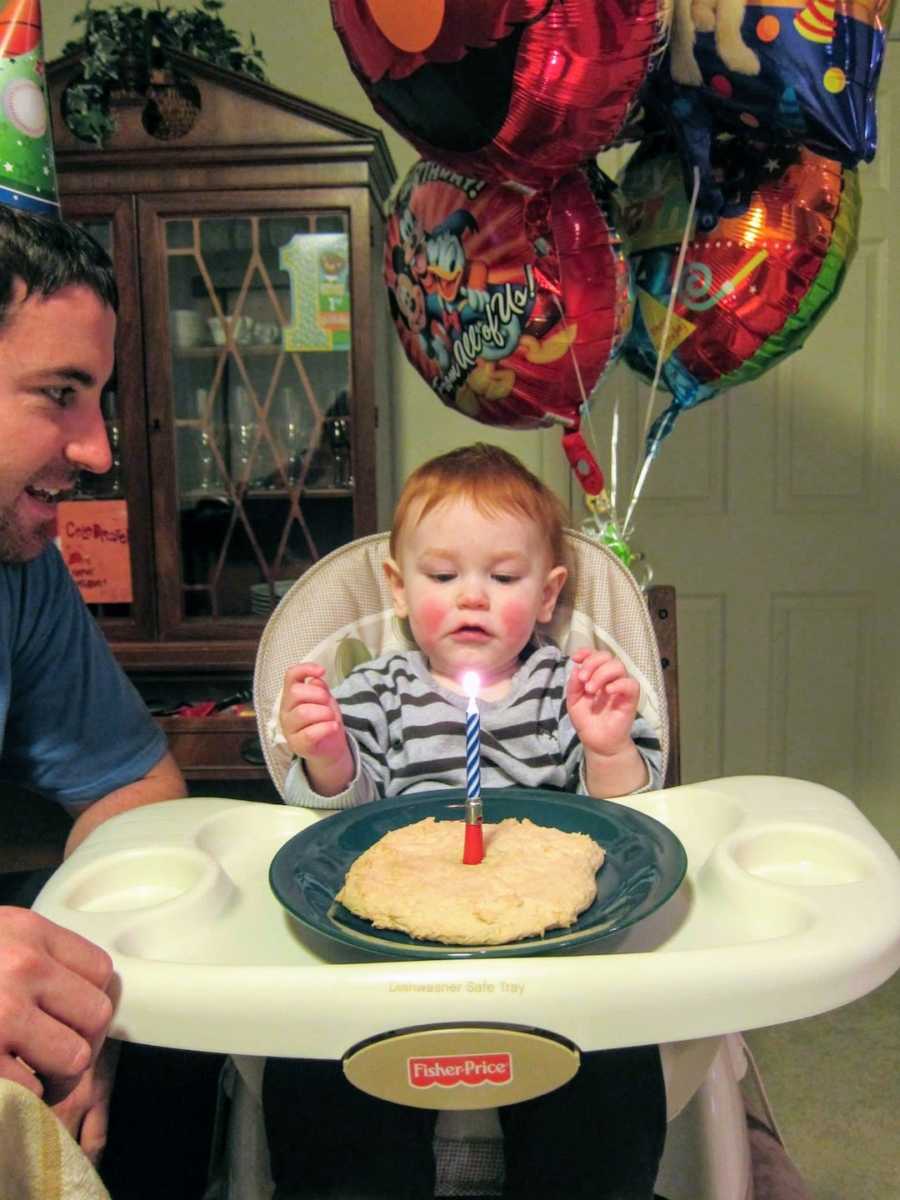
Introducing solid food brought no reprieve. Jase reacted to nearly everything. By the time he was under one year old, even the safe foods I’d been eating for months triggered reactions. My weight dropped below 100 pounds. It was time. My body couldn’t sustain nursing anymore. The painful switch to hypoallergenic formula took nearly a month. Jase rejected bottles, rejected mixed feeds, but eventually, he adapted. Formula was expensive, and we had to navigate medical assistance and grants just to keep him nourished. While waiting, we resorted to buying in bulk on eBay, praying each shipment was legitimate. Desperation fueled every choice.
Around fifteen months, a glimmer of hope arrived. Our pediatrician connected us with a family navigating a similar struggle. They introduced me to FPIES—Food Protein-Induced Enterocolitis Syndrome. The GI doctor recommended the FPIES clinic at CHOP. Perhaps here was the answer. Jase was seen by specialists, and we discovered he had chronic FPIES, a non-IgE-mediated allergy affecting nearly every food. Unlike typical acute cases, his condition persisted silently but severely.
By age two, Jase had only two safe foods: lamb and mango. Even then, he refused lamb, and mango became a monotonous daily staple. Every safe food lasted just one to three months before disappearing from his tolerance list. Watching him suffer plunged me into a deep, lonely despair. Outsiders saw a healthy, chunky baby and assumed everything was fine; no one knew the daily battles we faced.
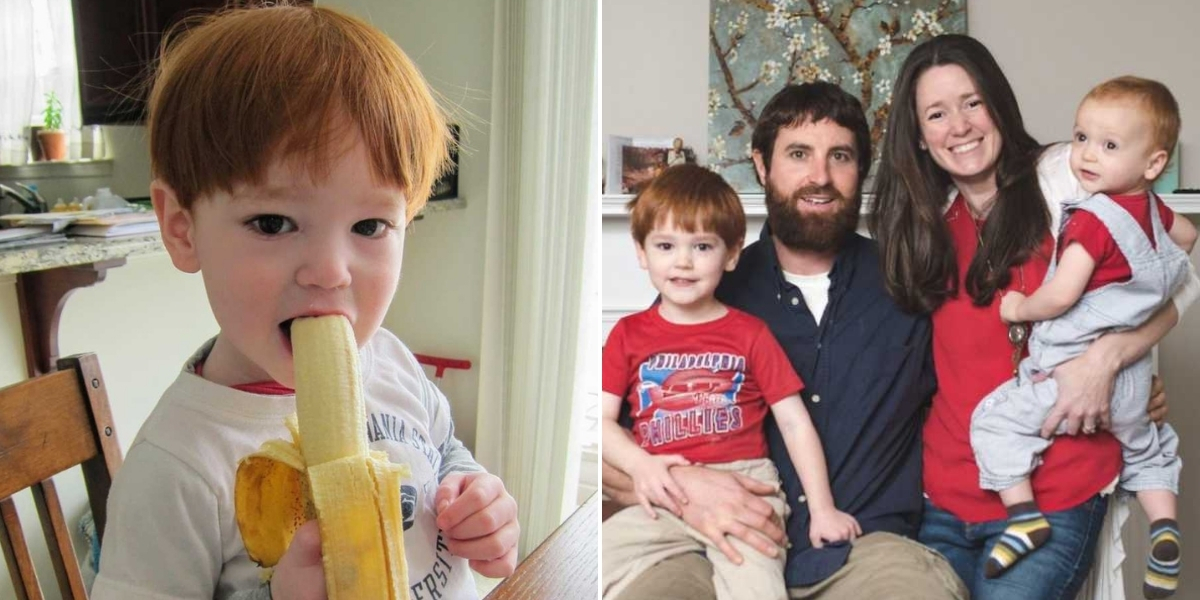
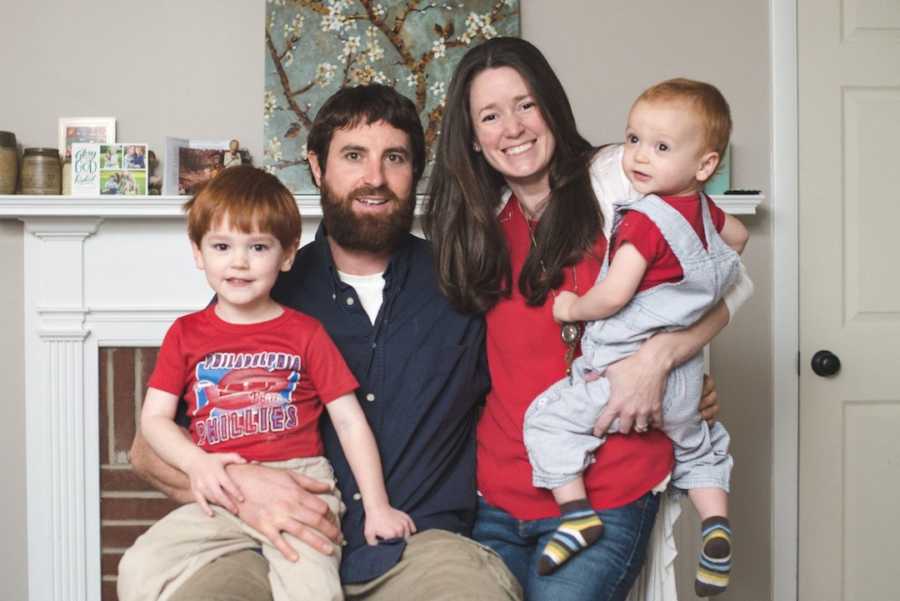
Alongside FPIES, Jase also had IgE-mediated food allergies, complicating an already complex picture. Then came Eli. Would I face this nightmare again? Yes. Eli, too, had FPIES, reacting to nearly every food. I repeated the cycle: limited diet, extreme vigilance, my body at the brink. By a year old, when I again fell below 100 pounds, formula became necessary. Yet, this time, God gave me hope—Eli began outgrowing FPIES by eighteen months, and Jase by three and a half years. Watching them eat new foods without reaction brought tears of relief and joy.

Even with progress, the boys’ IgE food allergies persisted—dairy, egg, wheat, peanut, soy, tree nuts, and later sesame. Environmental and animal allergies followed. Cooking, once a joy, became a careful balancing act. Yet each new safe food was a small victory, a step toward freedom, even within constraints.
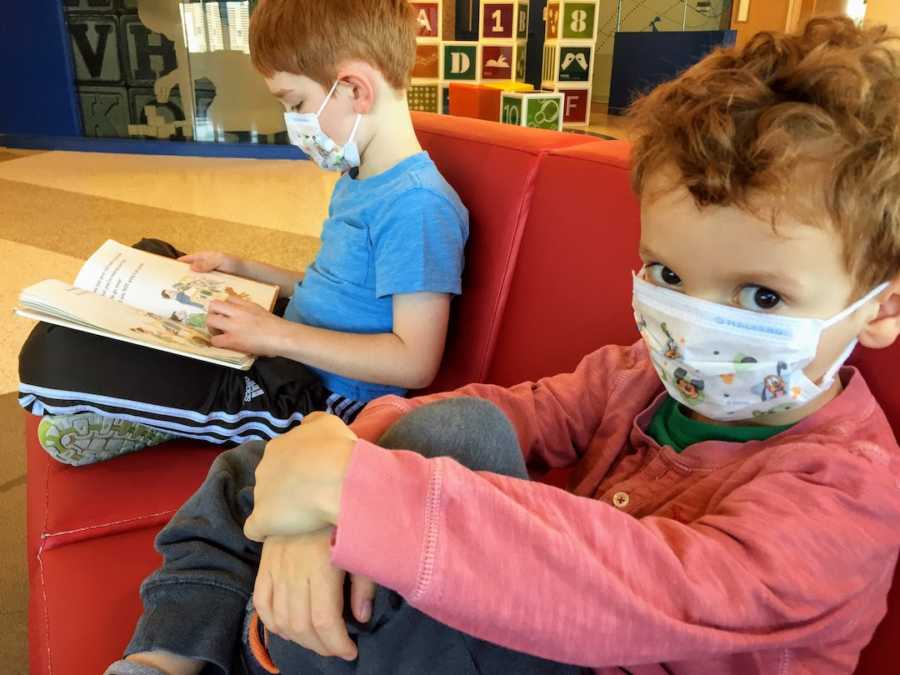
By the time Eli turned four, he experienced his first anaphylactic reaction. One year later, a second, triggered by wheat. I had fed him the wrong chicken fingers by mistake. The devastation of feeling responsible for almost losing your child is indescribable. I cried, prayed, and leaned on God for strength. I realized I could let this destroy me—or I could turn it into purpose. We fight, educate, and advocate, hoping to make the world safer for children like mine.
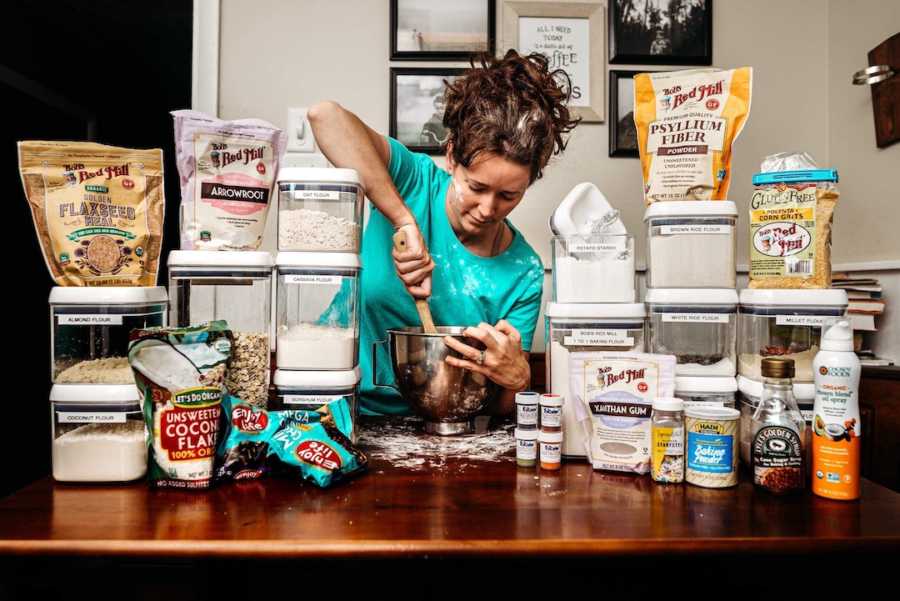
This journey has taught me invaluable lessons: how to feed and nourish my children safely, how to bake and cook in allergy-friendly ways that rival traditional flavors, and the absolute necessity of faith in God. Without Him, I would have collapsed. With Him, I have found peace, guidance, and resilience. My education in elementary teaching now intersects with this mission, empowering me to educate schools, teachers, and students about the realities of food allergies.
Food allergies are serious, but they do not define a person. Awareness and understanding save lives. Compassion matters. Mistakes will happen—but we keep moving forward, armed with knowledge, prayer, and vigilance. I still break down, still pray for healing, still deal with fear—but I am not alone, and neither are you. To parents walking this road, I send the largest virtual hug: it is hard, it is exhausting, but there is hope. Turn to God. He carries the weight we cannot bear alone, and through Him, we endure—and even thrive—despite the trials.