They say having children will test your relationship in ways you never could have imagined—but when one of your children is handed a diagnosis from hell, your bond can unravel just as quickly as that diagnosis was delivered, if you let it.
Before our first child arrived in 2019, my fiancé and I had a strong, loving relationship. We were best friends, genuinely enjoying each other’s company. Our days were filled with mountain biking adventures, road trips, and sampling craft beers—we laughed a lot, and life felt exciting and full.

Everything changed when our daughter Emma was born. Suddenly, our lives revolved around feedings, sleepless nights, and diaper changes. As first-time parents, we were learning as we went, but somehow we managed to make a good team. The first year was a mix of exhaustion and joy, and our relationship stayed relatively happy and healthy despite the upheaval.
But as Emma approached her first birthday, concerns began to surface. She wasn’t responding to her environment the way we expected, and she was falling behind on developmental milestones. At first, doctors told us not to worry—but our instincts screamed otherwise. We were quickly referred to multiple specialists for tests, hoping for answers. After countless appointments, the shocking news came: Emma was blind. With no clear explanation, genetic testing was recommended to understand why.
This is when the tension between my fiancé and me began to mount. We had moments of support, but we struggled to give each other the comfort we both needed. Processing Emma’s diagnosis differently led to frequent arguments, frustration, and a gnawing feeling of distance between us.
Months passed while we waited for the genetic test results, and slowly, we began to find our footing as a team—though minor conflicts were still frequent. Then the news we never expected arrived: Emma was diagnosed with a rare neurodegenerative genetic disorder called KAND (KIF1A Associated Neurological Disorder).
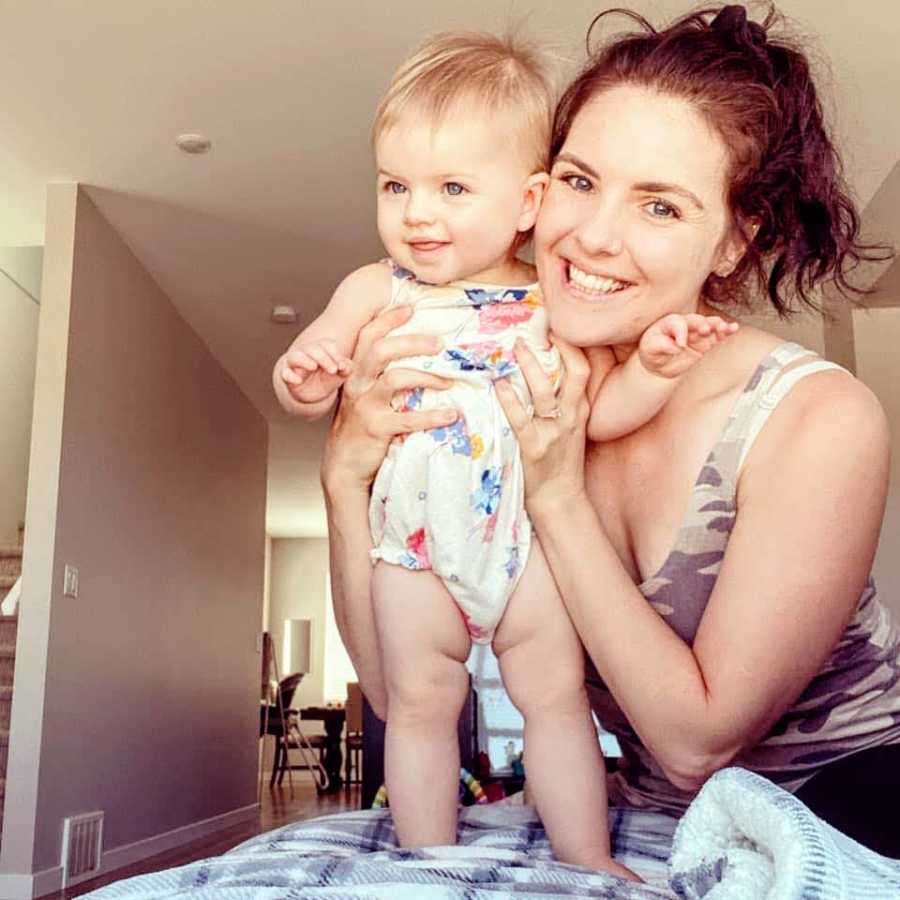
Hearing the word “neurodegenerative” was every parent’s nightmare. The diagnosis hit us like a tidal wave, leaving us back at square one—but this time, the stakes were higher than ever. We weren’t just fighting for our relationship; we were fighting for our daughter’s life and her future.
Maintaining a healthy relationship while struggling to maintain our own mental health felt impossible. We did everything in our power for Emma while battling against each other, unable to align our emotions or strategies. Over time, things have improved, but I often feel like the connection we once had has been altered forever. Resentment lingers, and sometimes it feels like we barely enjoy each other’s company anymore.
The laughter we once shared is rare, date nights are nonexistent, and even small gestures of love feel cold. I haven’t felt the warmth of being truly loved in a long time, and I know I probably haven’t made him feel loved either. Relationships are inherently difficult, but this challenge feels different. At what point do you let go when life keeps testing you in unimaginable ways?
Despite the struggles, I love my fiancé. He is an incredible father and, at one point, was an incredible partner. This diagnosis has changed us—both individually and as a couple—but I refuse to let it define our future. Emma’s disease has already taken so much from her, and I will not allow it to take our family apart. I believe that with effort, patience, and love, our life together can still be beautiful—even in the face of adversity.
There is a stigma around sharing struggles like ours. People often present the image of a perfect family, but the truth is that every family faces challenges. Special needs parents face high divorce rates, and I wish someone had warned me about this struggle—it might have eased the tension and helped us navigate the early days better. For now, I am holding on, believing in our family, and refusing to give up on hope.