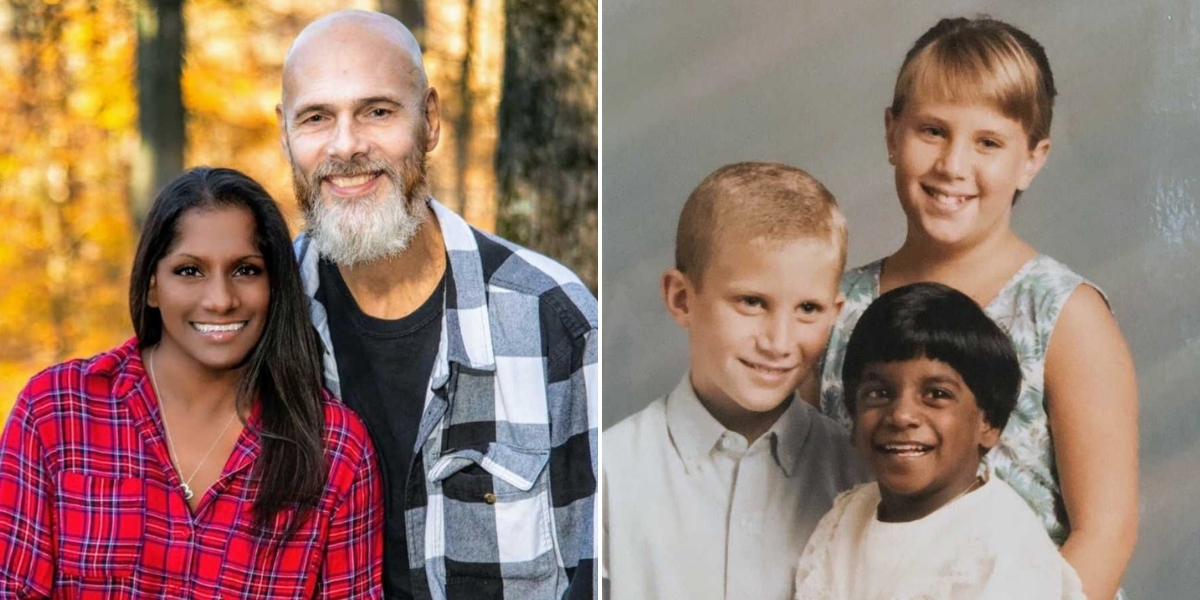
Adoption is often celebrated as a beautiful, life-changing experience for families, but it can also be incredibly complex and challenging. From the outside, it may look like a picture-perfect story of joy and love—but when you step into the shoes of an adopted child, the experience can feel very different. I want to share my journey from my perspective, which may not be what everyone expects. These are my memories, my struggles, and my triumphs. Every adoption story is unique, and this is mine.
When I was a junior in high school (2007–2008), I was working on my college admissions essay. Eventually, I went on to earn a bachelor’s degree in social work with a focus on adoption and foster care. For that paper, I was asked to describe my economic and social background as a child. I wrote only what I remembered from my early years in India, combined with the stories my adoptive family had shared with me.
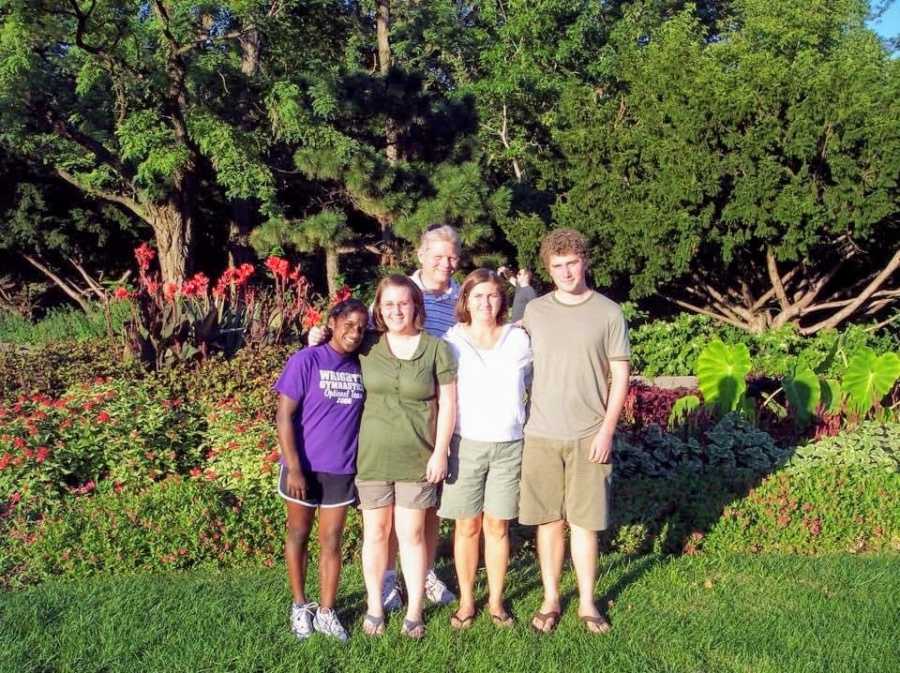
One day, after reading my essay, my mother said gently, “I have something for you. I think it’s time you saw this.” She went down into the basement and returned with a blue folder. “These are your adoption papers,” she said. I took the folder to my room and read it page by page, several times. Each time, my tears fell harder. For years, I had questions that seemed impossible to answer—about my birth parents, why I had been placed in an orphanage, their names, and so many other details. The papers gave me some answers, but not nearly enough to fill the emptiness I felt.
I was born on March 5, 1990, in a small town called Chennai, known to many as Madras, one of the poorest areas of India. The streets were alive with honking cars, the smell of curry spices from bustling markets, children begging for food, and animals wandering freely along dirt roads. I spent the first four years of my life in orphanages, moving between two locations from the age of six months to four years old.
My birth mother made the heart-wrenching decision to place me in an orphanage called the Foundling Home when I was just six months old. She wanted a better life for me, one she couldn’t provide herself, and she hoped that placing me there would help me find a loving forever family. The caregivers at the Foundling Home were wonderful, and I remember eating porridge and rice, playing in a small concrete playground, and observing the other children around me. I was extremely quiet and shy, barely speaking. Later, I learned that the doctors who reported on me to my future adoptive parents were concerned about a potential language barrier—which I eventually realized was because English was my second language.
My adoptive parents had long wanted to grow their family. When my name appeared on a radio station adoption listing, they prayed for God’s guidance, hoping that I would come to be their daughter. I became the last child adopted from southern India before the process was closed. I joined a family with an older sister, Erin, and an older brother, David. For my new parents, the adoption process had been long, grueling, and emotionally taxing—a journey filled with paperwork, interviews, and waiting.
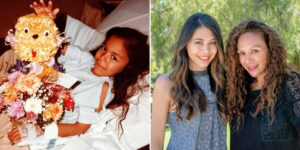
Arriving in the United States was overwhelming. I remember the morning of May 15, 1994, at Chicago O’Hare Airport, exhausted and terrified after a day-and-a-half-long flight. I was wearing a dress and bangles on my ankles. Saying goodbye to the caregiver who had escorted me from India intensified my fear. At four years old, I didn’t understand what it meant to have a forever family, or why everything around me felt so unfamiliar.
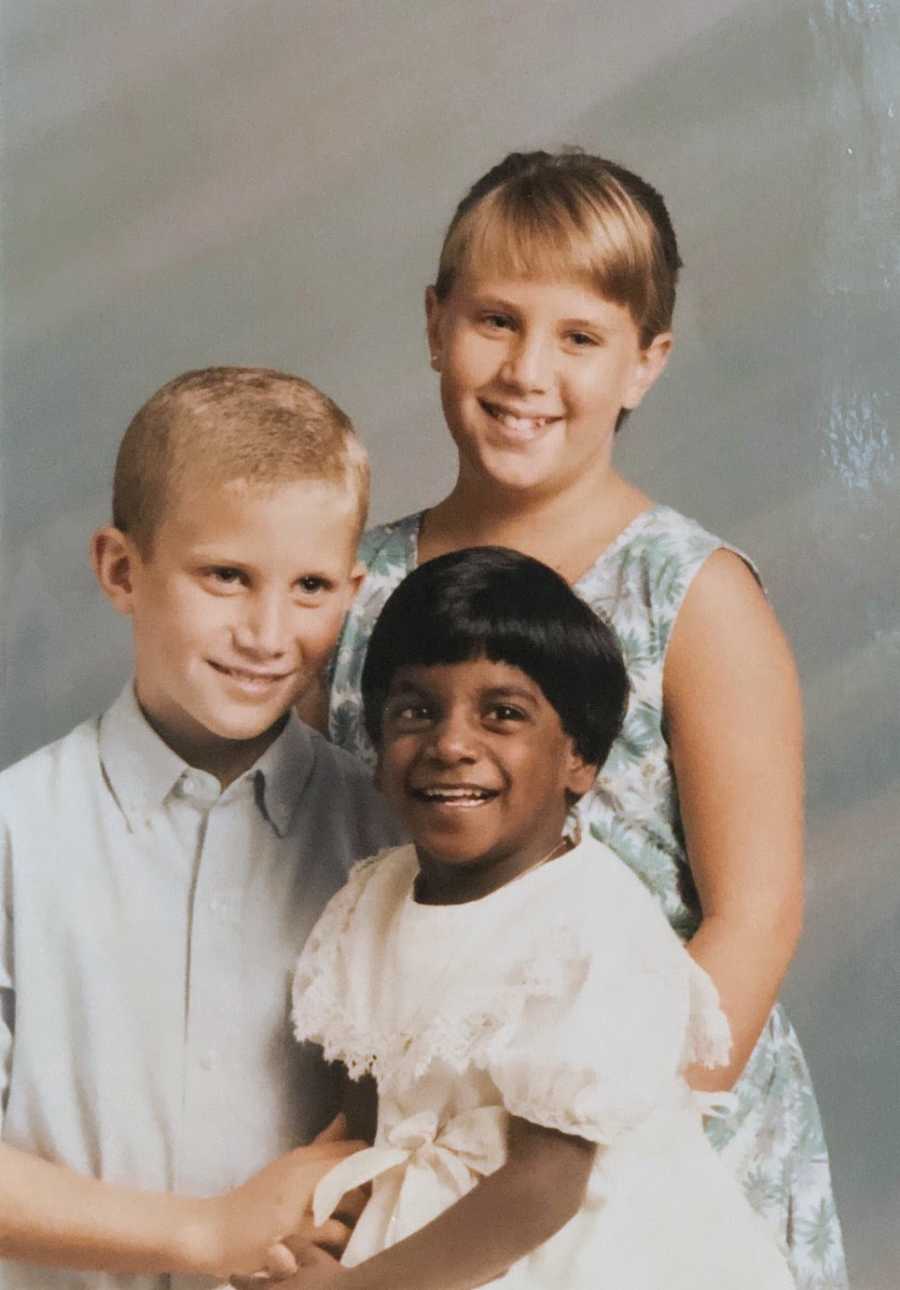
I didn’t speak English yet, so communicating with my family was initially difficult. They learned my words slowly, watching me point to things and figure out what I was trying to say. I spoke Tamil, my first language. But as we traveled to our hometown, my anxiety slowly eased. My siblings gave me a stuffed animal dog, which I still treasure today, and we played together in the backseat of the van, laughing and tossing it from front to back. Seeing my family’s smiling faces helped me realize that God truly had a plan for me.
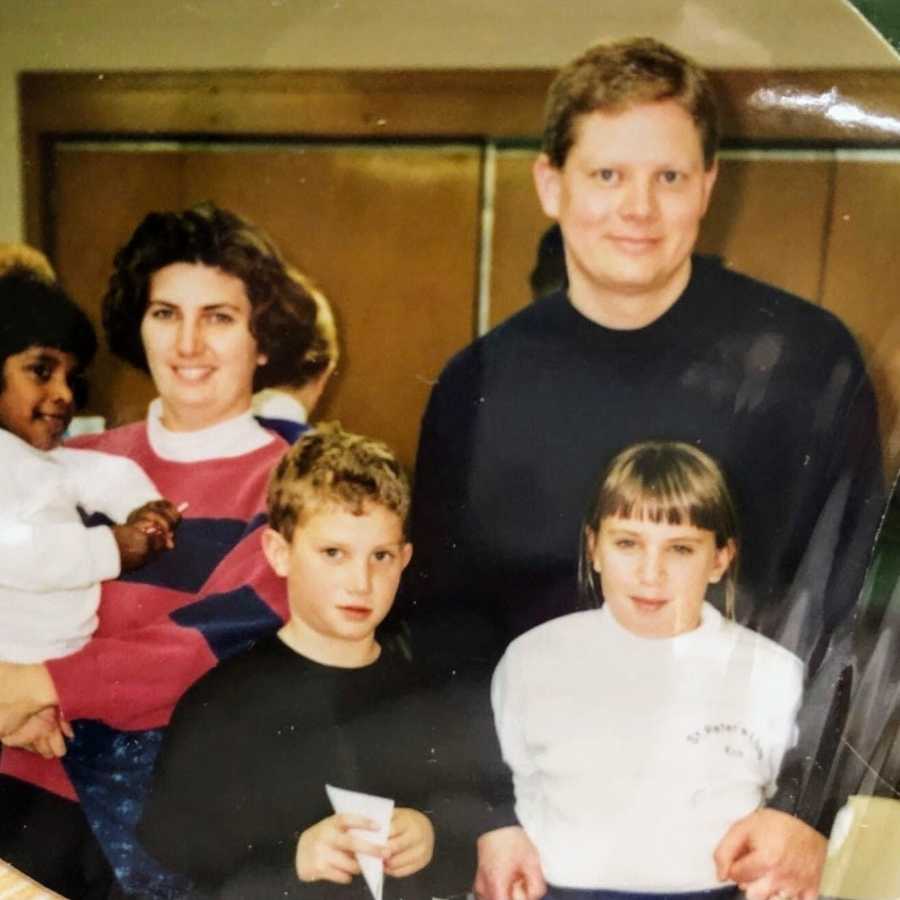
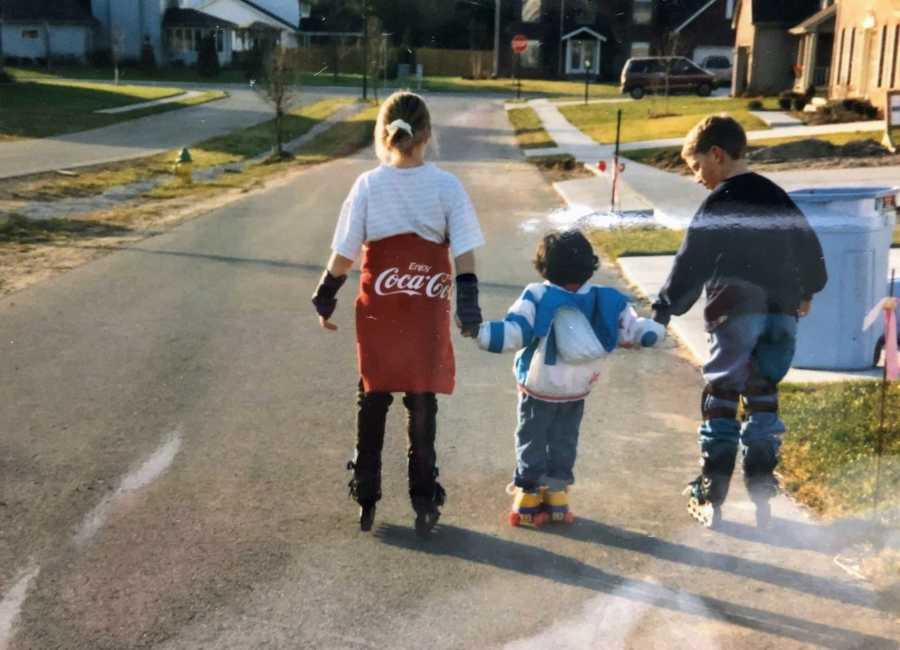
At home, my mother showed me my room and walked me through every corner of the house, helping me adjust. My dad read books with me while letting me sit in his favorite chair. Yet, even surrounded by love, I was unprepared for the challenges of growing up as an Indian girl in the United States.
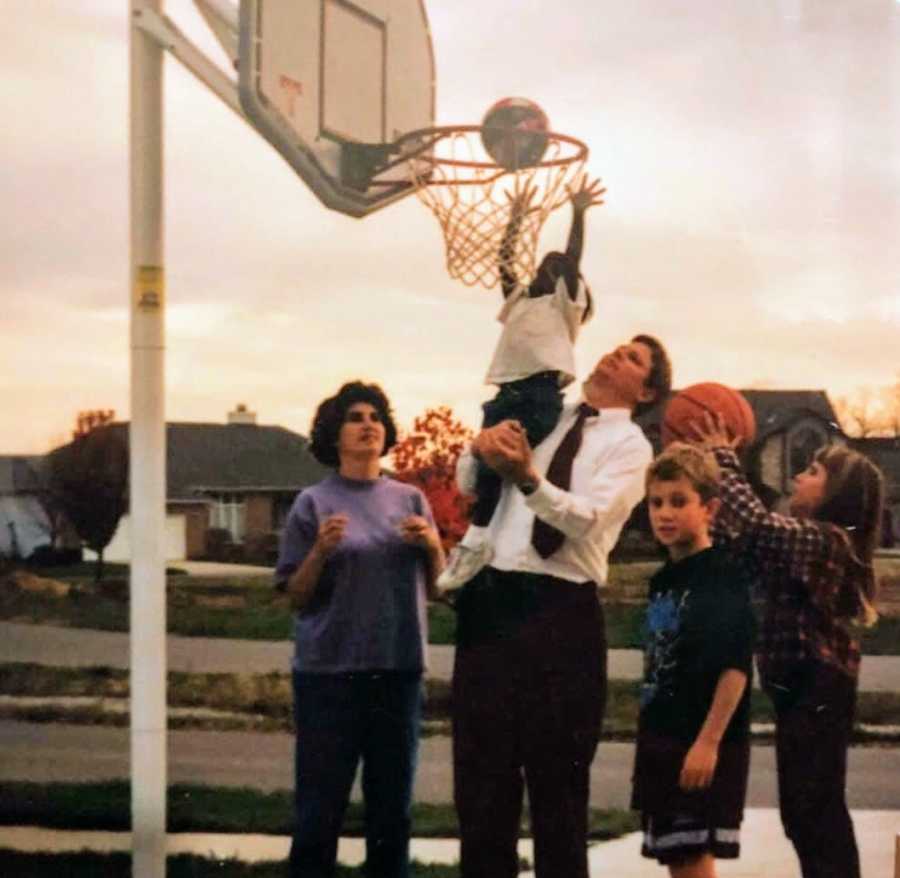
Throughout my life, I’ve faced questions and struggles that many adopted children experience. People often ask, “Do you know your birth parents?” I struggled to answer this as a child. I would explain that they wanted me to have a better life, but this answer never seemed enough. Even today, I don’t have any additional information about them beyond what my adoption papers revealed. Some people ask if I plan to search for them. My response is simple: I have a family now. I do wonder about them sometimes, and perhaps one day I may seek them out—but I am deeply content with my forever family, my parents, and siblings who have loved and nurtured me for my entire life.
Growing up, I also faced racial prejudice. In southern India, my skin was darker than many of my peers, and I was teased mercilessly. I remember someone asking me, “Were you baked too long?” I was confused and hurt, tears welling up as I struggled to understand their cruel words. Over the years, I endured being called names like “chocolate cake” and worse. Even a teacher once insulted me during ceramics class, telling me I had “clay” on my face—a racist remark I initially misunderstood literally. My mom had to confront the teacher on my behalf, showing me the importance of advocacy and standing up for myself.
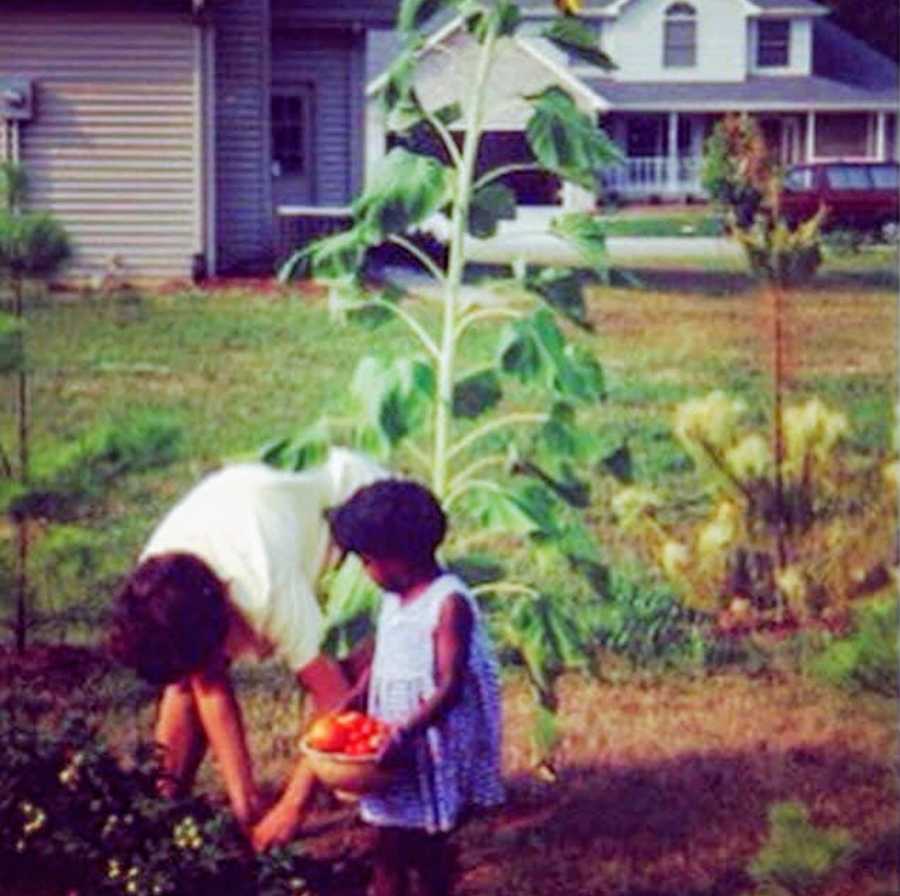
These experiences—big and small—left lasting marks. People would question whether I was truly my parents’ daughter, and strangers would ask if I was an exchange student, simply because of my appearance. My family consistently defended me, teaching me that family is not defined by color or genetics, but by love and commitment.
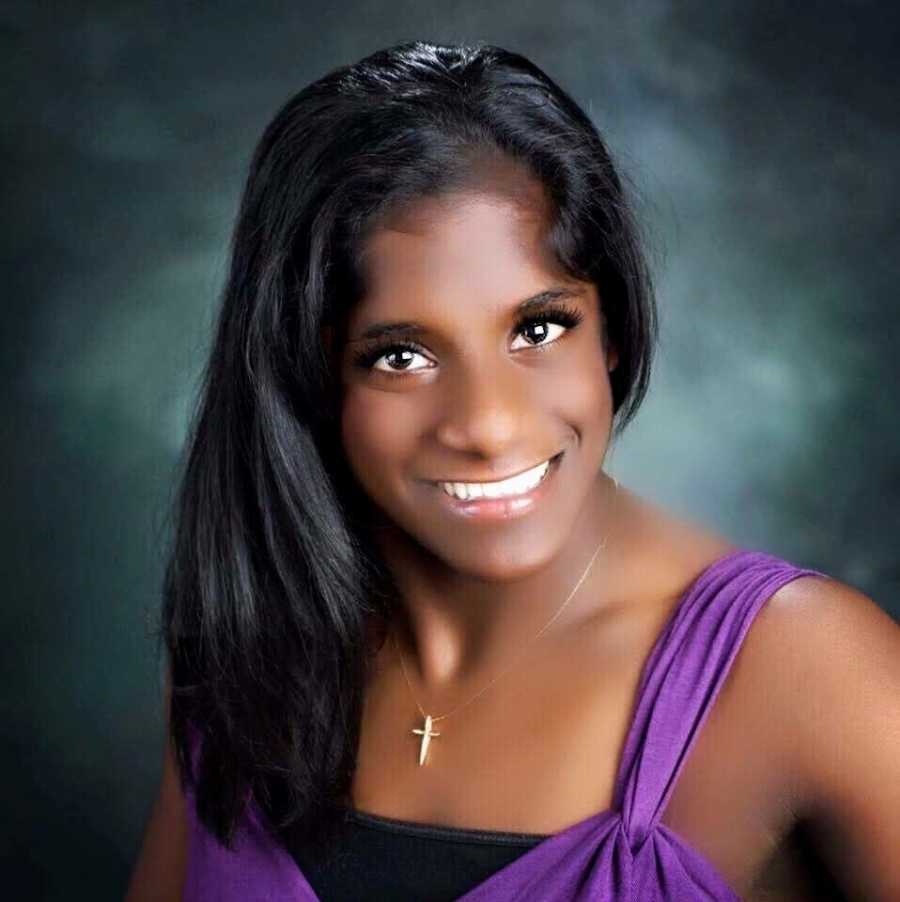
Acceptance has been another ongoing struggle. Sometimes, it’s hard to know whether people truly care about my story or are merely curious. But despite these challenges, I am endlessly grateful. My forever family embraced me fully, raising me to be strong, compassionate, and resilient. They taught me faith, perseverance, and unconditional love. Every day, I thank God for them—for the parents who have guided me, and the siblings who continue to bring joy and laughter to my life.
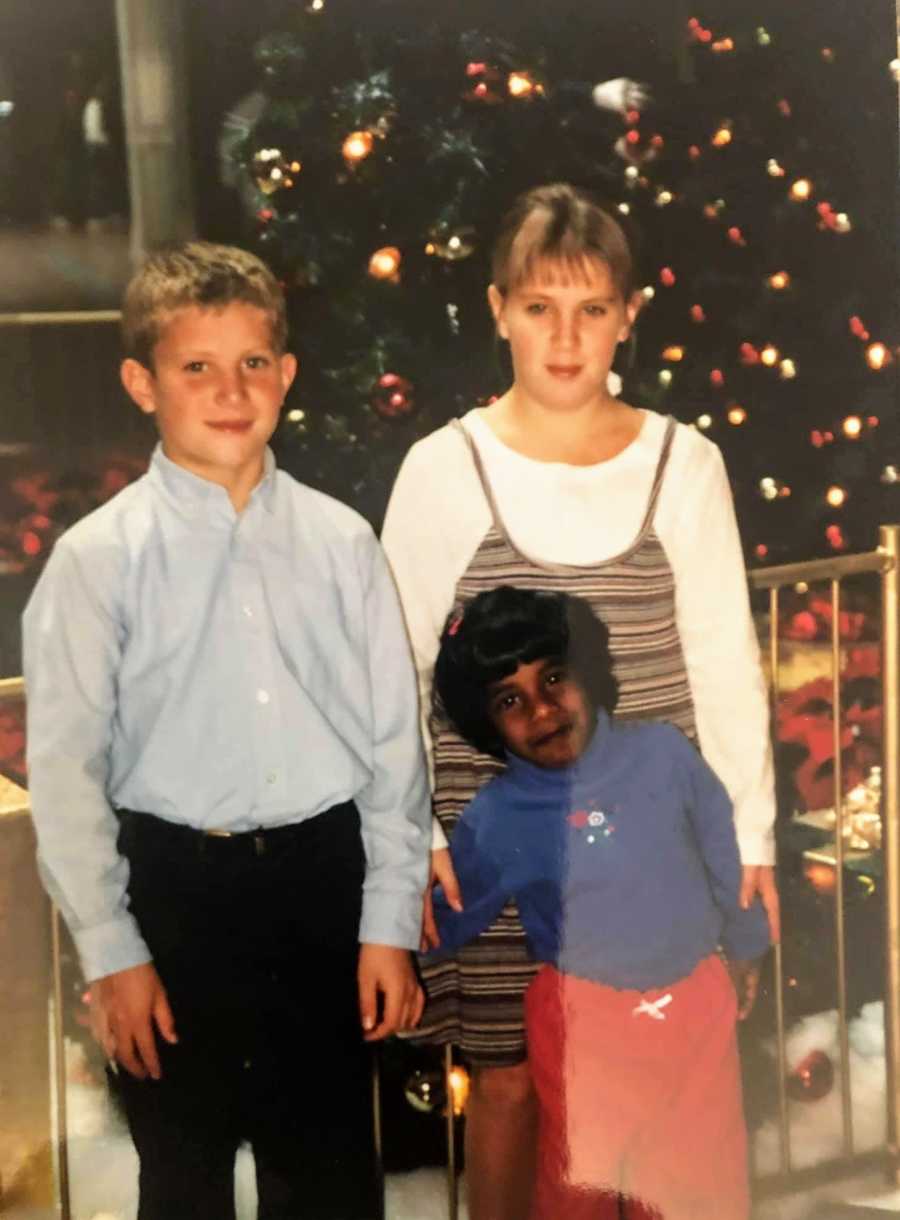
If there’s one thing I hope readers take away from my story, it’s this: adoption is filled with highs and lows, and every adopted child deserves patience, understanding, and love. Keep faith, honor their journey, and embrace the adjustment period. Adoption is an extraordinary gift, one that brings life-changing joy to both the child and the family.
Remember this: FAMILY comes in all shapes, sizes, colors, and forms. Family is love, support, and unwavering presence. Family is everything. And I am truly blessed to call mine my own, forever.