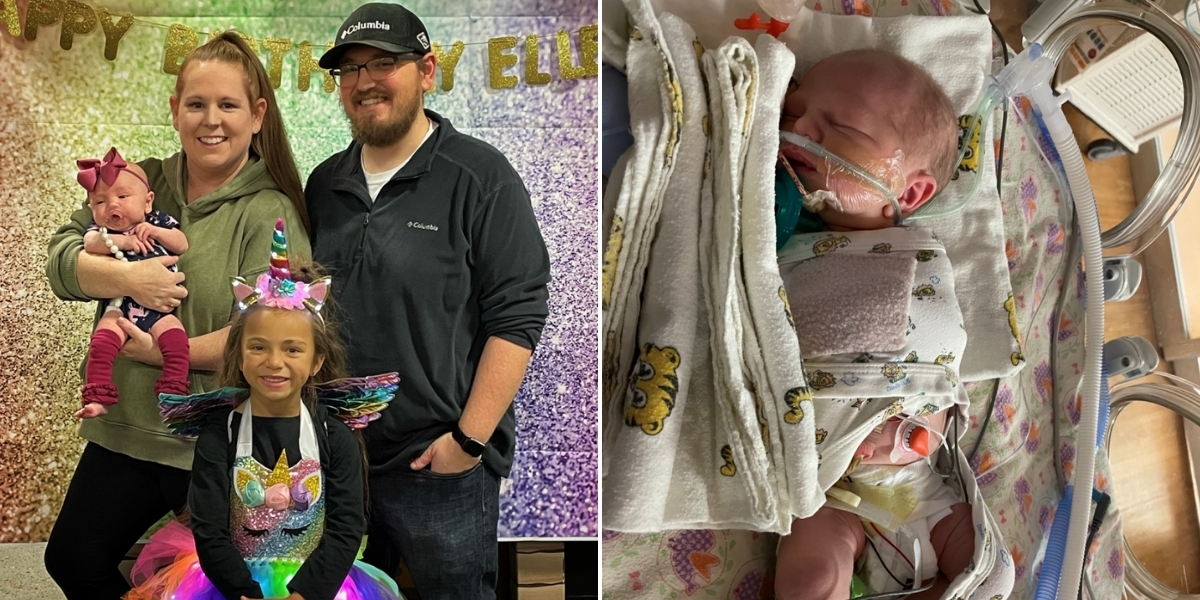
“Can I be honest with you?” my boyfriend and the father of our child whispered one night as he lay next to me. “I’m terrified of our baby.”
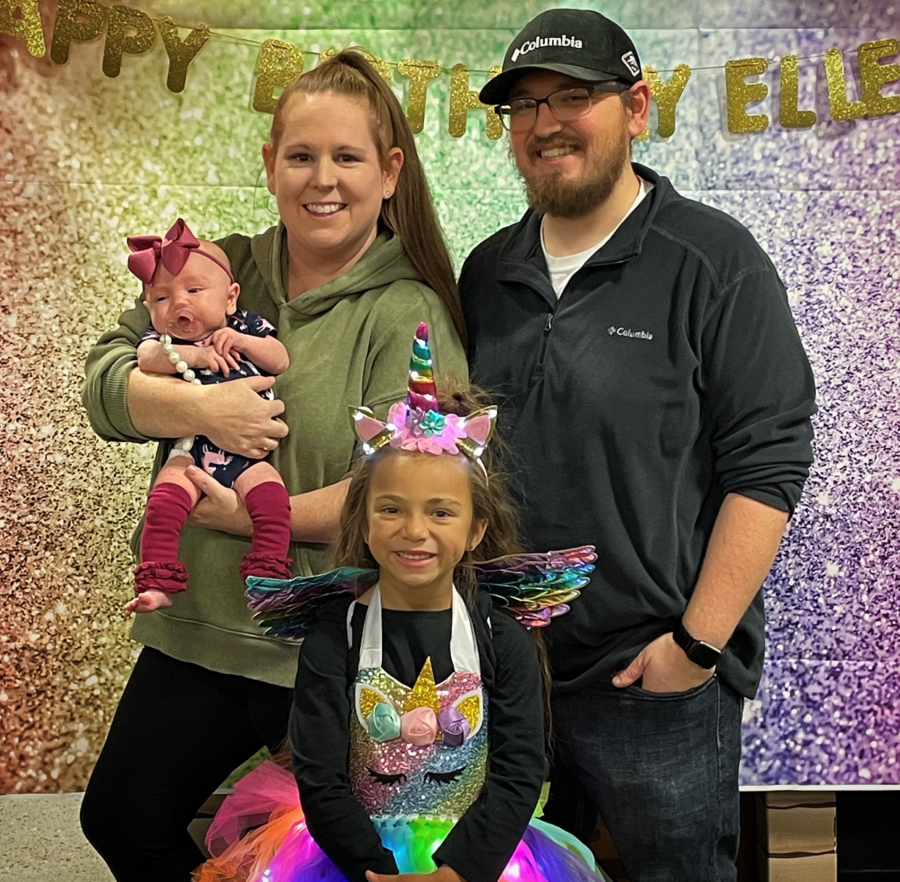
We had been home less than 48 hours, fresh from the NICU, with our tiny, fragile little girl—just over five pounds. My mom had spent the first day with us, helping care for our older daughter and making sure we settled in, but that night, we were alone. A family of four for the first time.
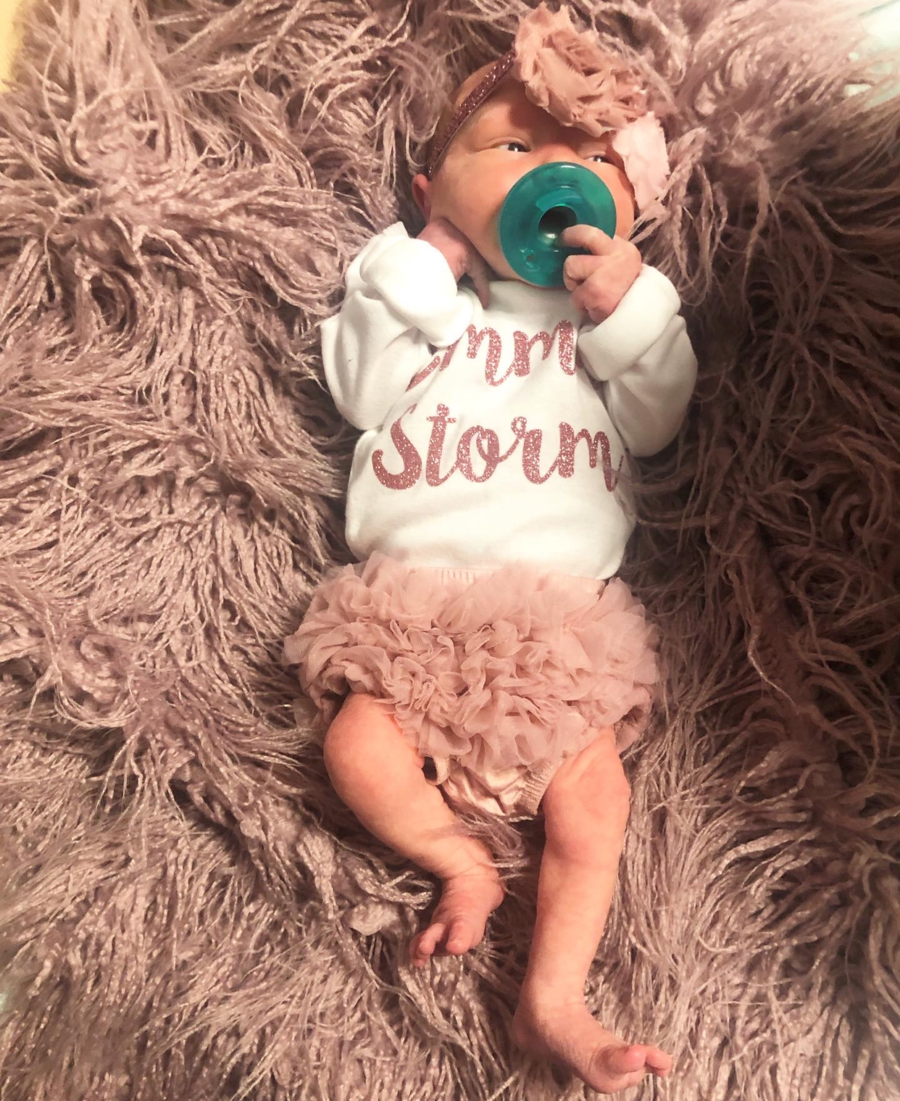
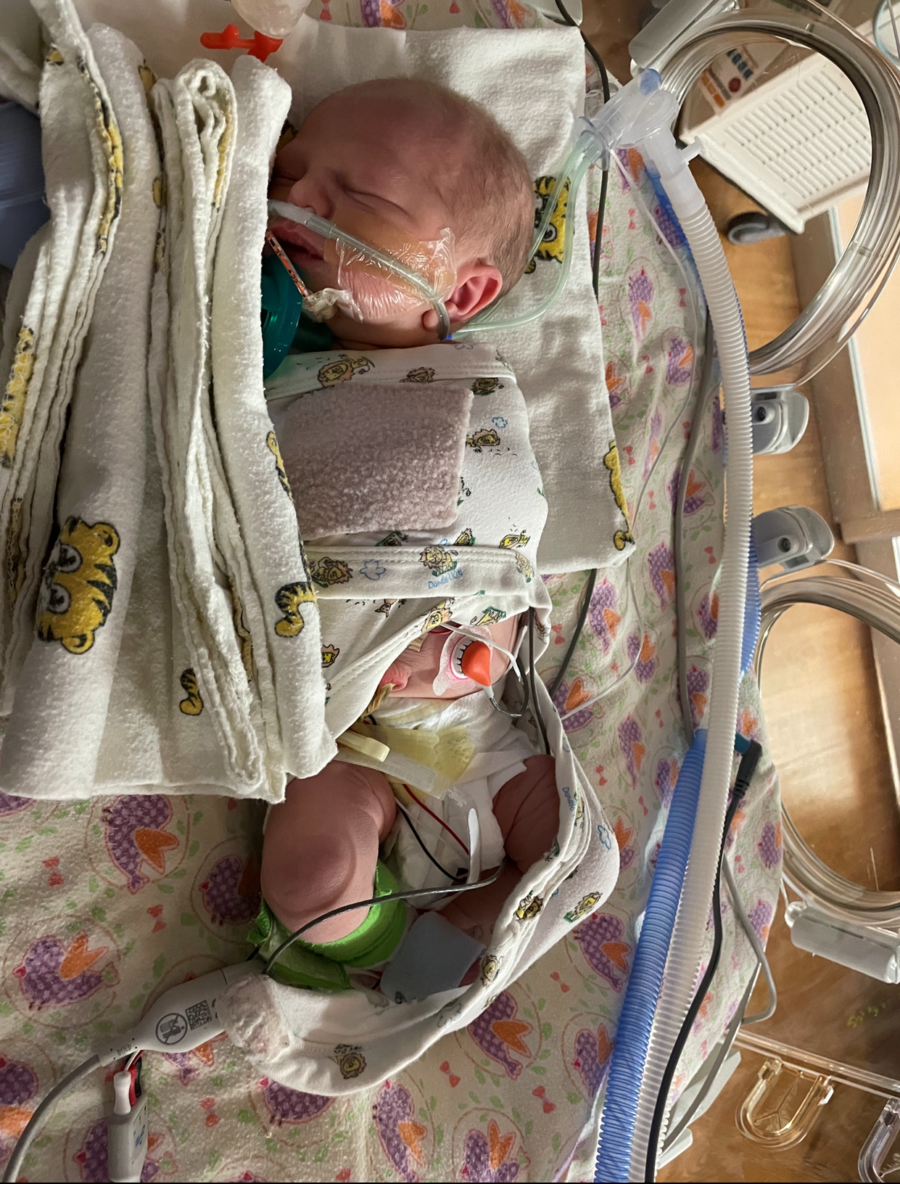
Everything felt strange, heavy, and frightening. Her tiny cries, her delicate breathing, even changing her diaper made me feel like a giant towering over someone made entirely of glass. That first night, we spent hours wide awake, watching her little oxygen monitor, her foot so small it wrapped around twice, holding our breath with every inhale of her chest.
“Can I be honest with you?” I finally whispered back. “I’m scared, too.”
Those first days of her life—and the final day of my pregnancy—were anything but easy. By day five postpartum, a wave of hormones hit me like a storm. I cried into my pillow, unable to function, completely raw and vulnerable. It was the hardest week of my life.
Two days before she was born, I woke with the most unbearable back pain. Contractions came just minutes apart. I packed our hospital bags, folded baby clothes, and prepared my five-year-old daughter for her stay with my sister. I knew something was happening—but hours later, the contractions vanished. I was, as surreal as it felt, perfectly fine.
The next day, I went to my scheduled doctor’s appointments. We measured my belly, heard her heartbeat, did an ultrasound, and a non-stress test. We joked about how much hair she might have, how big her head would be, and how she might be a little shorter than predicted. Everything seemed normal. We left laughing, exhausted from hunger and joking about how I constantly needed to eat. Life felt perfect, endless, and calm.
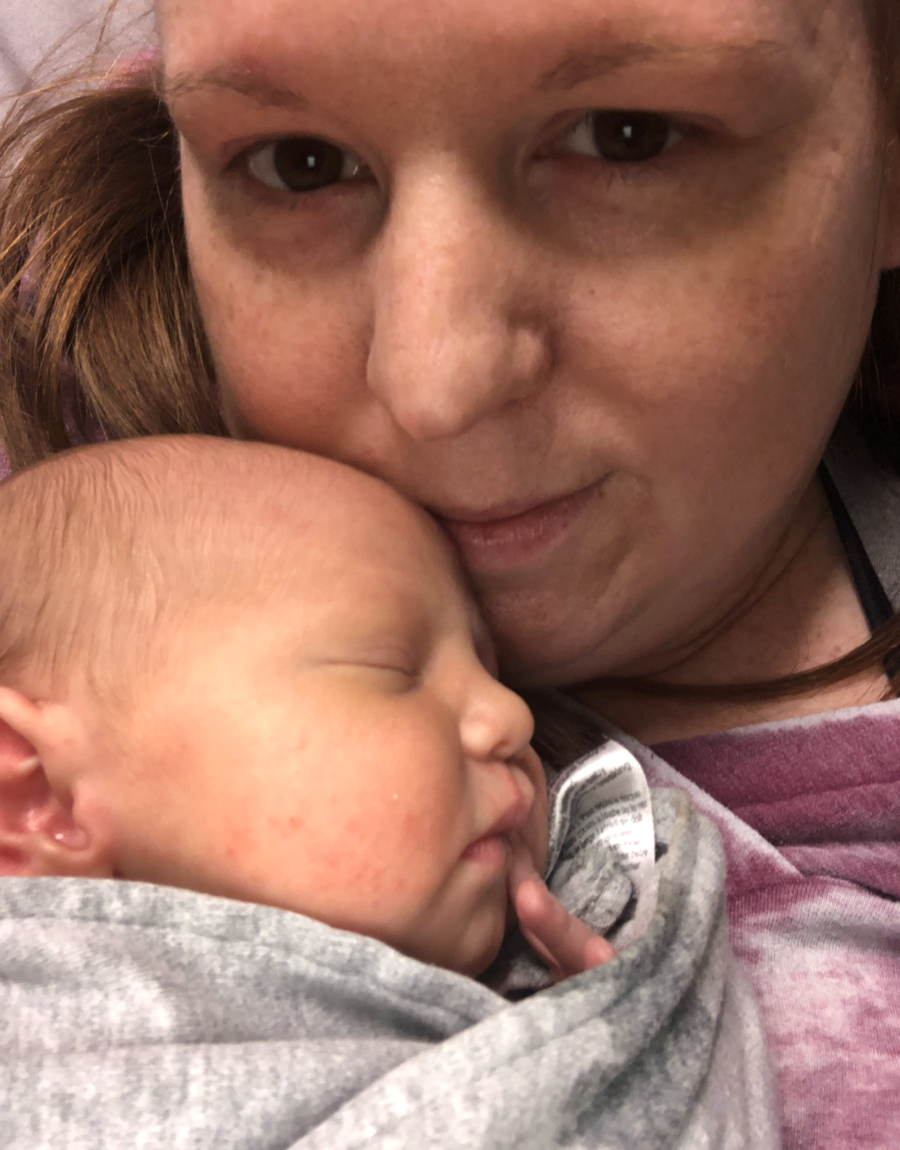
By mid-afternoon, though, my leg had swollen to twice its normal size. Panic set in. After scans at the ER, thankfully, everything was fine—but the day wasn’t over. That evening, my back pain returned with a vengeance. Sitting, standing, lying down—it didn’t matter. Nothing eased it. My boyfriend read bedtime stories to our older daughter as I soaked in the bath, praying for relief.
Finally, around 11 p.m., I drifted off to sleep. Then, suddenly, there was a gushing, a loud pop. I jumped out of bed. “My water broke!” I screamed, only to see blood everywhere. My boyfriend shouted, bewildered. “Call 911!” I held something slippery in my hands, frozen, as blood poured onto the floor. Panic consumed me. I couldn’t move, I couldn’t think—I could only shake and pray.
The ambulance arrived quickly, but I didn’t get to say goodbye to my boyfriend or our older daughter. I was in shock, in and out of consciousness, terrified for both myself and the baby. I kept feeling something pass through my hands, convinced it was my umbilical cord, only to realize I was holding enormous blood clots.
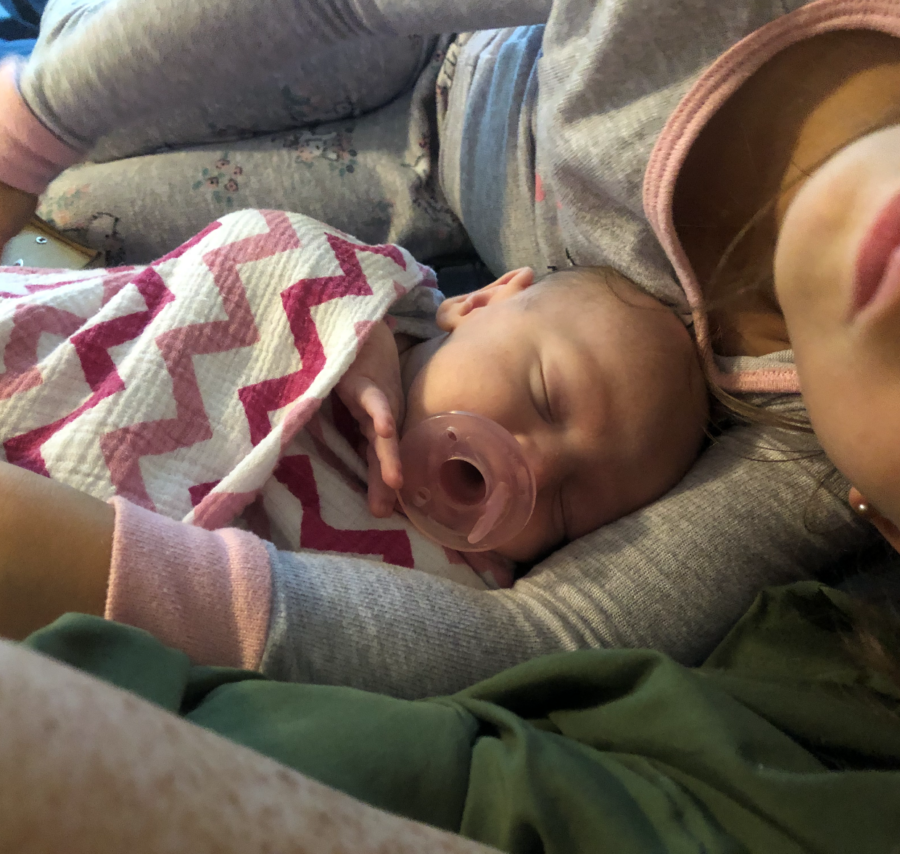
The ride to the hospital felt endless. “Stay awake! Look at me!” the medics urged. “There’s no heartbeat. We have to go now!” Fear swallowed me whole. I couldn’t see clearly, I couldn’t think—I could only pray.
At the hospital, everything moved faster than I could comprehend. Nurses and doctors worked frantically to stabilize both me and the baby. My chest tightened with fear, my heart raced, and I whispered, “Am I going to be okay? Is the baby okay?”
A nurse squeezed my hand, whispering, “Pray, honey. Just pray.” And I did. Tears streamed down my face as I called out to God with everything in me. “Please, help me! Help the baby!” I begged. And then, finally, the miracle I had been desperate for: a heartbeat. Strong, steady, perfect. Relief washed over me in a way words cannot describe.
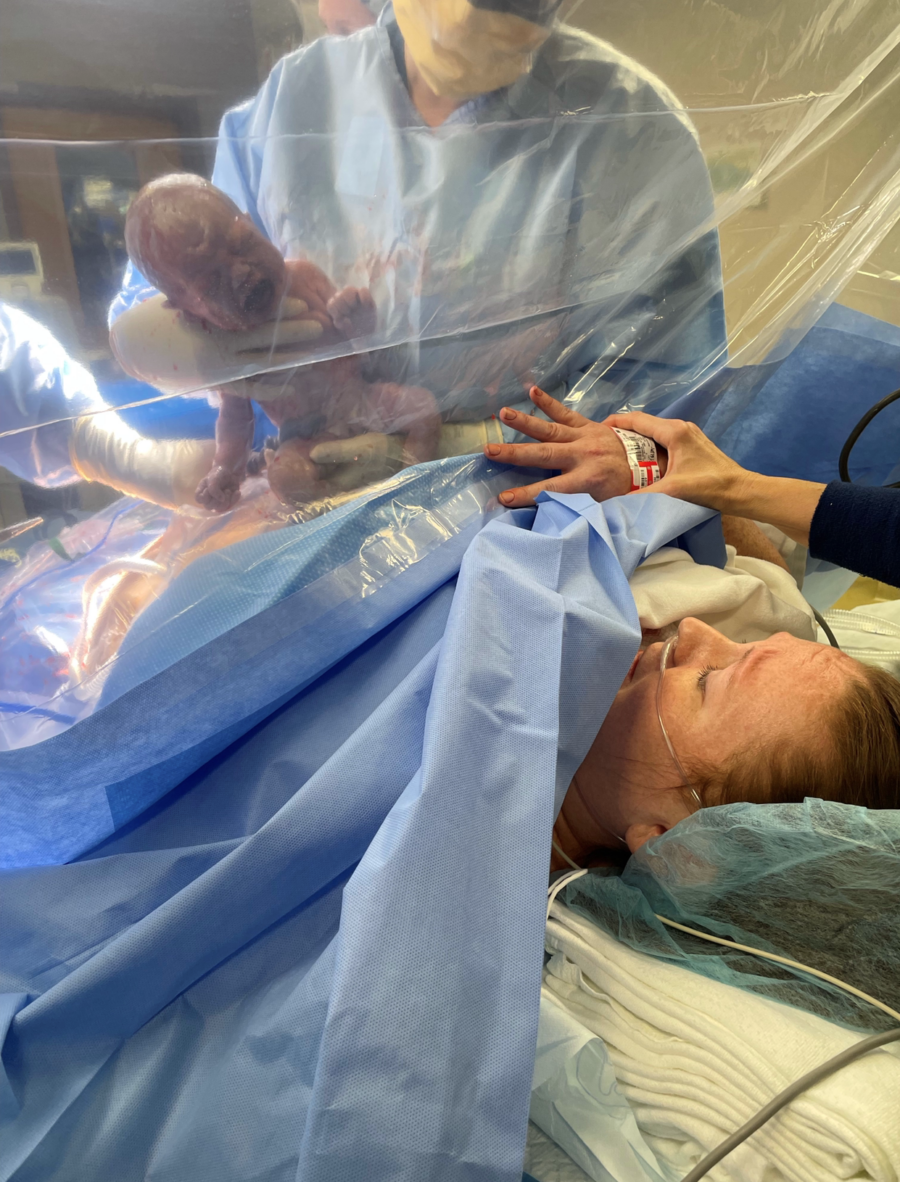
Within an hour, our daughter, Emma Storm, was delivered via emergency C-section. She was tiny, pale, and fragile, but alive. My boyfriend rushed in just in time to hold my hand and whisper, “We’re having a baby today! This is a good day!” I got to see her tiny, smushed, angry little face—alive, breathing, fighting.
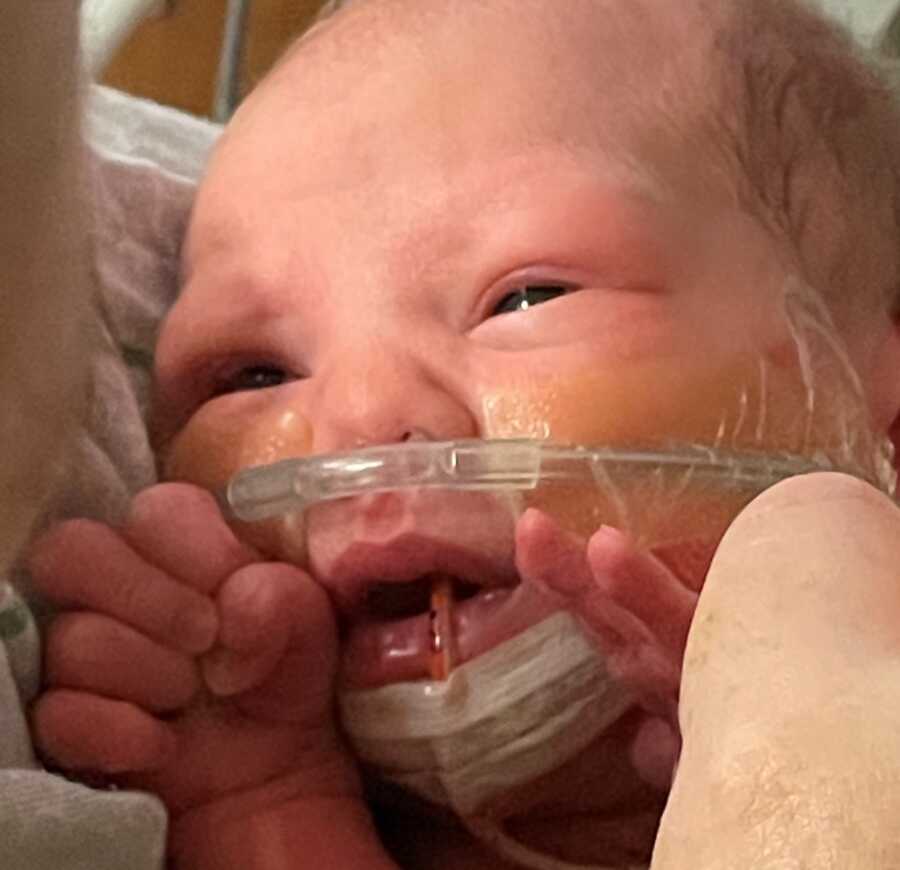
She was whisked away to the NICU immediately. I didn’t get the first moments I had imagined with her—her first outfit, first kisses, first swaddle—but I got something far more profound: life. I stayed in the OR for hours as they stopped the bleeding and repaired my body. Finally, I got to see her again, hooked up to machines and oxygen, and whispered, “I’m so sorry,” over and over. But we were alive. Emma was alive.
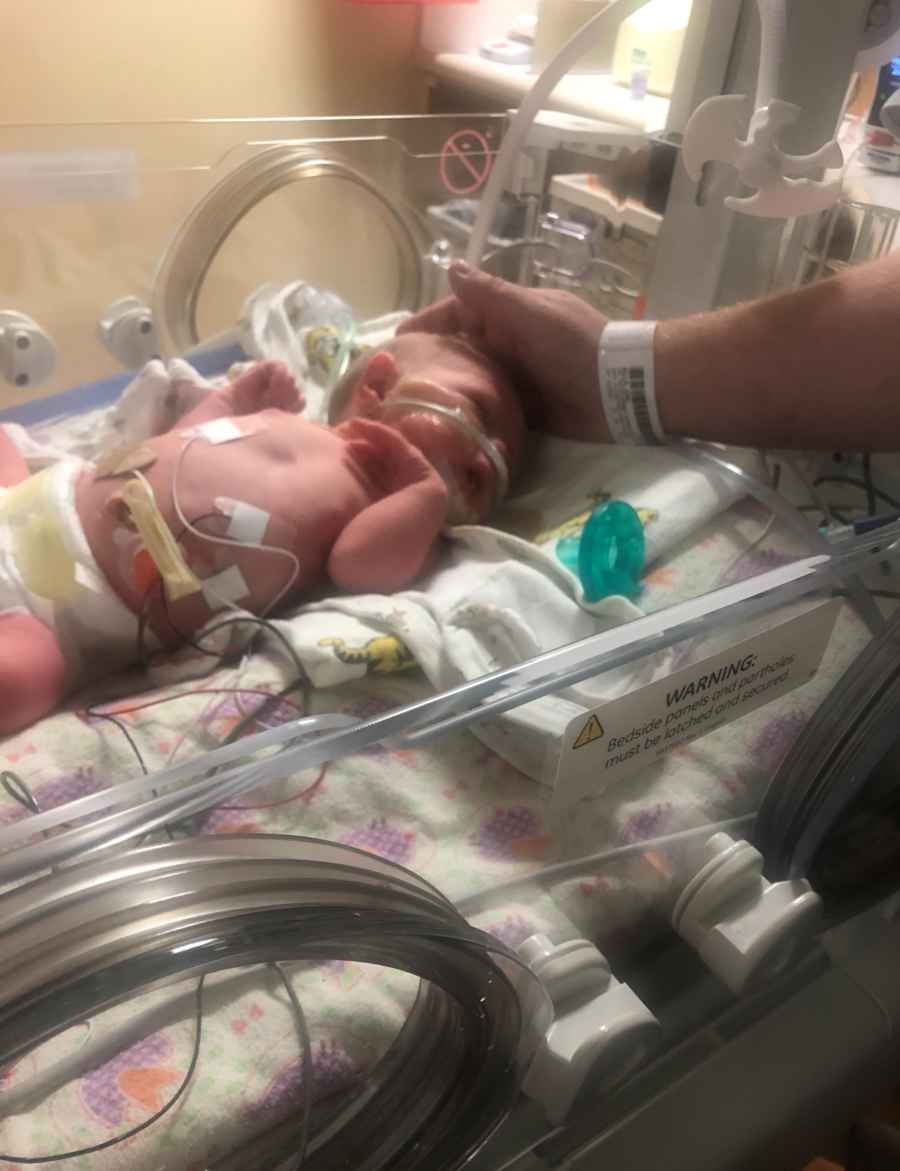
Six days later, we brought her home. I’ve spent months wrestling with anger at God, grieving the birth I had dreamed of but never had. Yet, even in that grief, I can see the moments He carried us through—the medics who kept me conscious, the nurse who reminded me to have faith, the doctors who moved tirelessly, the father of my children who never left my side.
Emma just turned three months old. I still don’t know why we went through such terror, why the bleeding came, why the danger was so real. But I know this: by the grace of God, we are here. We survived. We are alive. And tonight, we are snuggled together, thankful for the fragility and the beauty of life, for love, and for second chances.