“You are a walking, talking medical textbook—and an extremely complicated one at that.”
Those words were spoken to me by my cardiologist, and while they weren’t said with any cruelty, they stayed with me far longer than I ever expected.
I remember getting home from that appointment feeling completely deflated. The sentence replayed over and over in my mind, refusing to quiet. In just two days, I would turn 26, and I couldn’t stop wondering how I had ended up here. How had my life become an endless loop of hospital visits, tests, and specialists studying me like a puzzle with missing pieces?

Let’s rewind to the beginning. My early childhood looked fairly typical. For the first seven years of my life, I ran around carefree, waving enthusiastically at anyone who waved back. Still, there were medical concerns quietly bubbling beneath the surface. At just six weeks old, my mom noticed I seemed to look straight through her instead of at her. An optician warned my parents that I might be blind and referred us to Great Ormond Street Hospital. After countless eye and brain tests, I was diagnosed with delayed visual maturation. Then, at age two, I developed a life‑threatening nut allergy. After my parents ate peanuts and hugged me, my face swelled dramatically—anaphylaxis making itself known early on.

By three, I began choking every time I ate, and my parents noticed my speech wasn’t developing as expected. I shouted rather than spoke. A pediatric ENT diagnosed me as 75% deaf due to severe Eustachian tube dysfunction. I had grommets fitted and began speech and language therapy. Not long after, my tonsils and adenoids were removed because they were so enlarged they were blocking my airway. Despite all of this, I was a happy, energetic child who loved life, laughter, and movement.
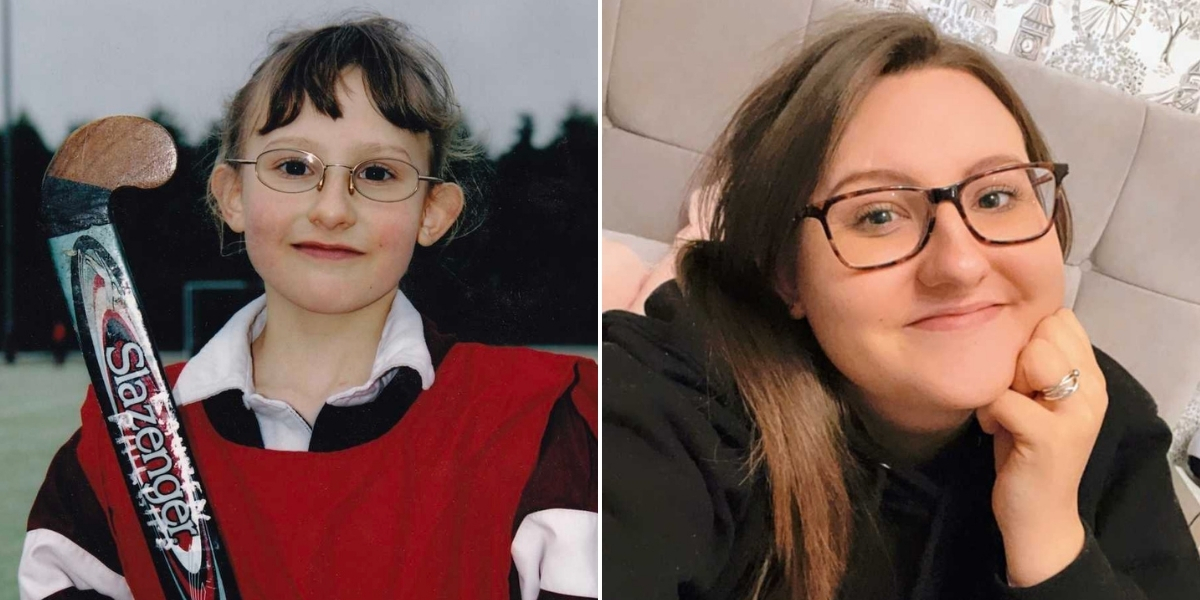
I grew up playing hockey every Saturday morning, cycling miles with my dad on weekends, and swimming whenever I had the chance. Being active was part of who I was. Then, one crisp afternoon when I was 11, everything changed. I was playing netball at school, pivoted suddenly, and felt a sharp, unfamiliar pain in my right knee. It felt like my kneecap had dislocated—though it hadn’t. Our family doctor said it was growing pains. Ice it, rest, and it would pass. But it didn’t. Soon, the same pain appeared in my left knee, and my parents took me to an orthopedic surgeon.

He explained I was experiencing subluxations—partial dislocations—and sent me to physiotherapy, advising me to avoid running. At 13, my kneecap fully dislocated for the first time. The surgeon warned that repeated dislocations would damage my ligaments and that surgery might eventually be unavoidable. I was told to stop all physical activity except swimming and to wear knee supports regularly. Still, no one suspected an underlying condition. Each issue was treated as a standalone problem.

That changed when I visited a dermatologist for a strange patch of skin that appeared on my chest. For the first time, the idea of an underlying condition was raised. I had never even heard of connective tissue disorders, yet after years of blood tests, two skin biopsies, and genetic referrals, the diagnosis came: hypermobile Ehlers‑Danlos syndrome. I truly believe that diagnosis saved my life—not because hEDS is fatal, but because years of being dismissed as a hypochondriac had nearly destroyed me mentally.
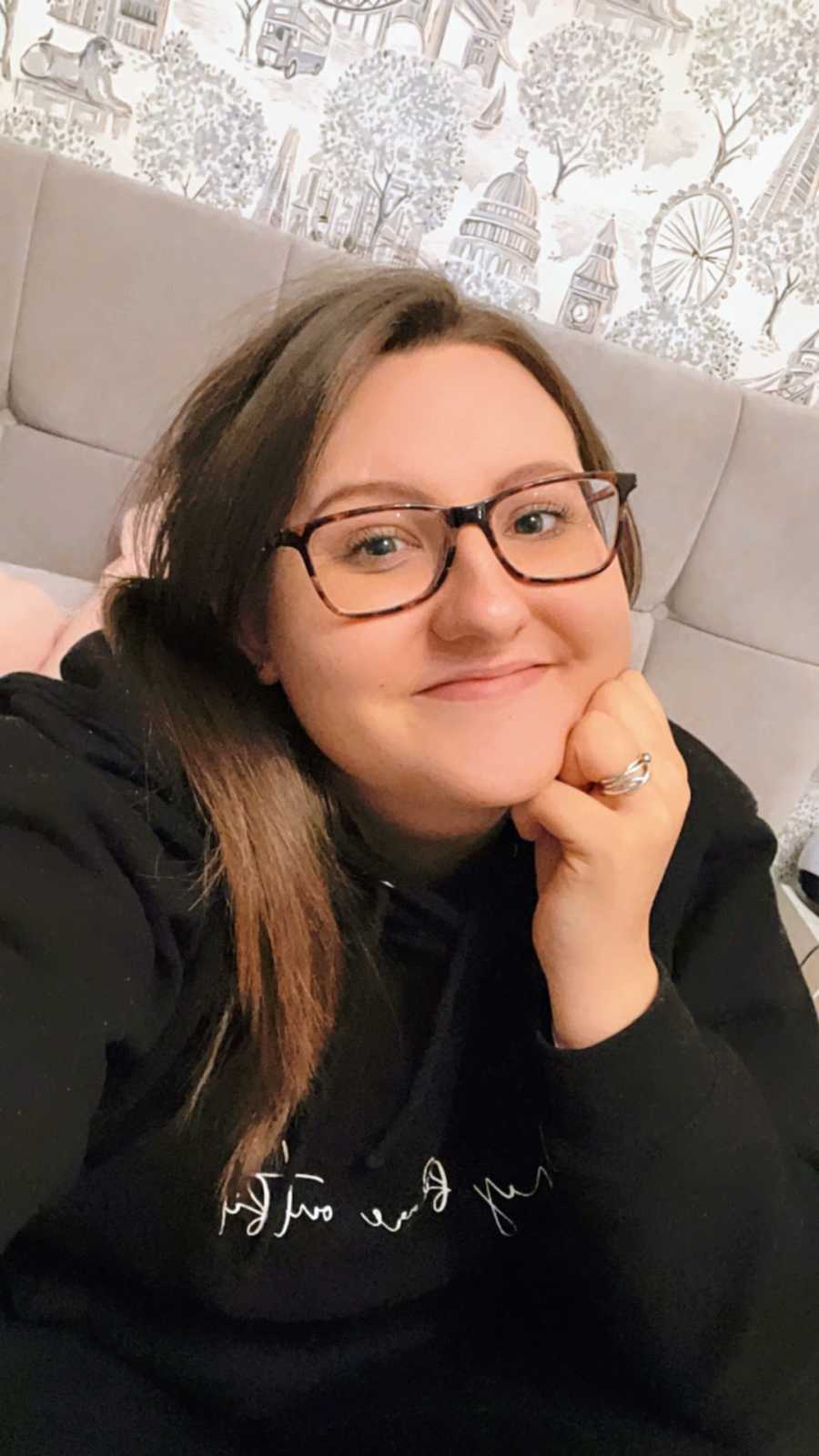
When I was diagnosed, I was told EDS wouldn’t significantly affect my future—just a “unifying diagnosis.” I was discharged with no treatment plan, no guidance, and no warning that symptoms often worsen with age. For a while, the geneticist seemed right. For four years, life felt relatively normal. Then, in my mid‑twenties, everything changed.

I woke one day with back pain that felt like a clamp tightening relentlessly around my spine. Doctors blamed EDS and prescribed naproxen. It didn’t help. The pain never left and gradually spread throughout my entire body, leaving me in constant agony. It took three years to learn the real cause—a slipped disc. Alongside the pain came dizziness, faintness, and heart palpitations whenever I stood up.
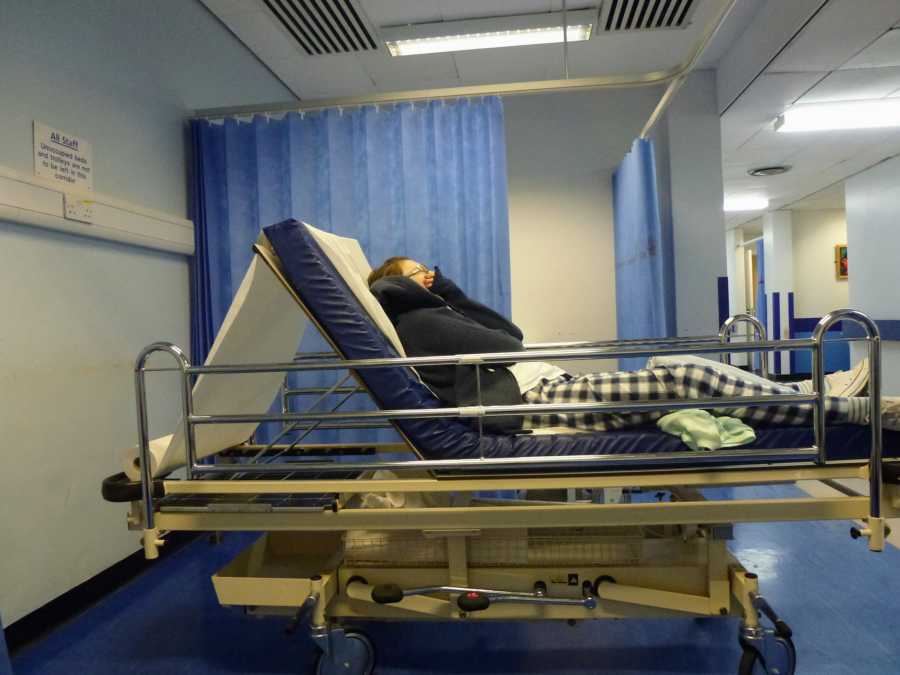
Doctors suspected a mild form of POTS but refused to officially diagnose it. I was told to drink more water and eat more salt. After four exhausting years of pushing for answers, a 24‑hour ECG finally revealed dangerously high heart rate spikes during simple activities. In August 2020, I was diagnosed with dysautonomia and started on beta‑blockers. Within days, I barely recognized myself in the mirror—in the best way. Color returned to my skin. My eyes shone again. For the first time in years, I wanted to live.
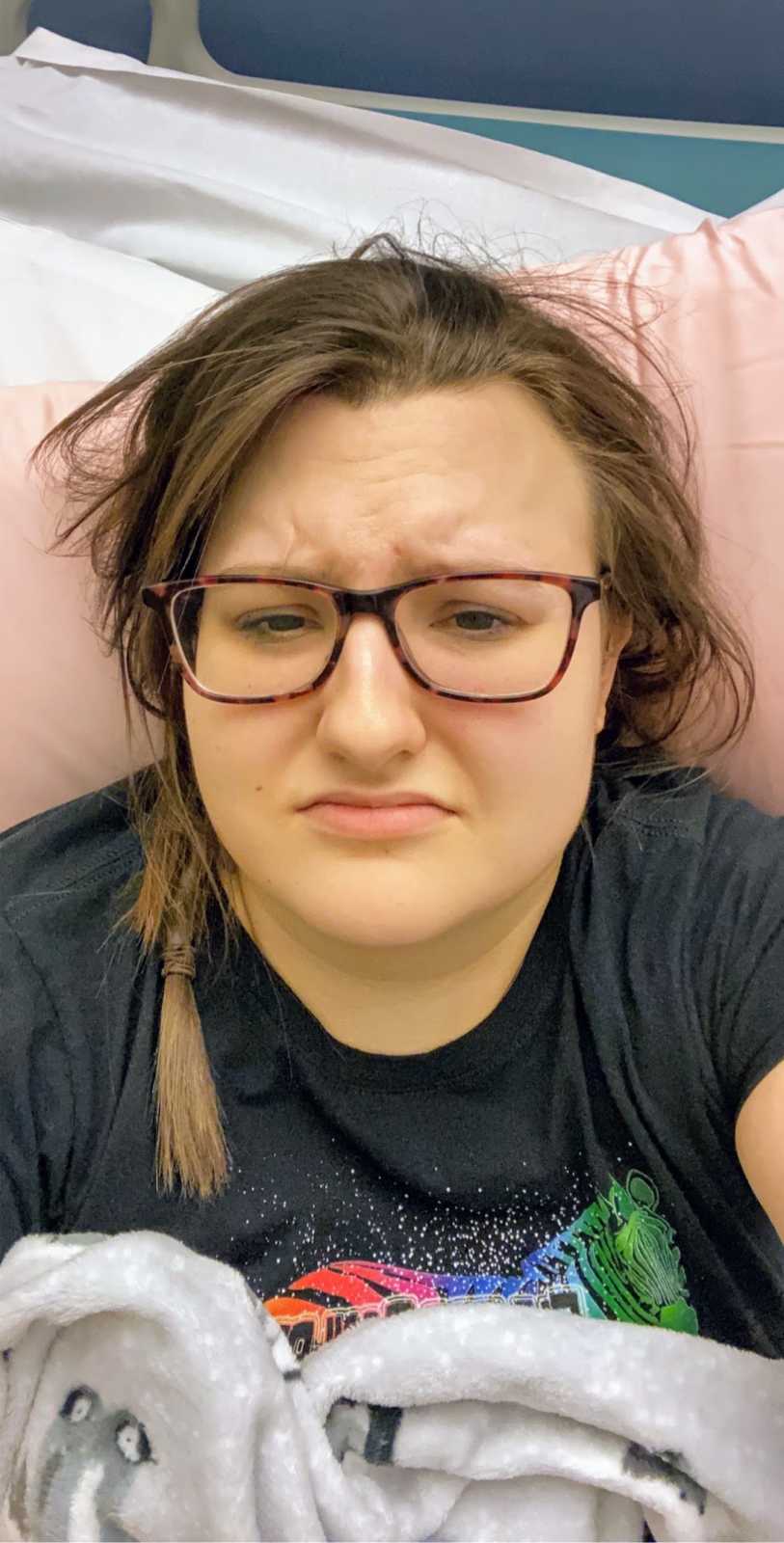
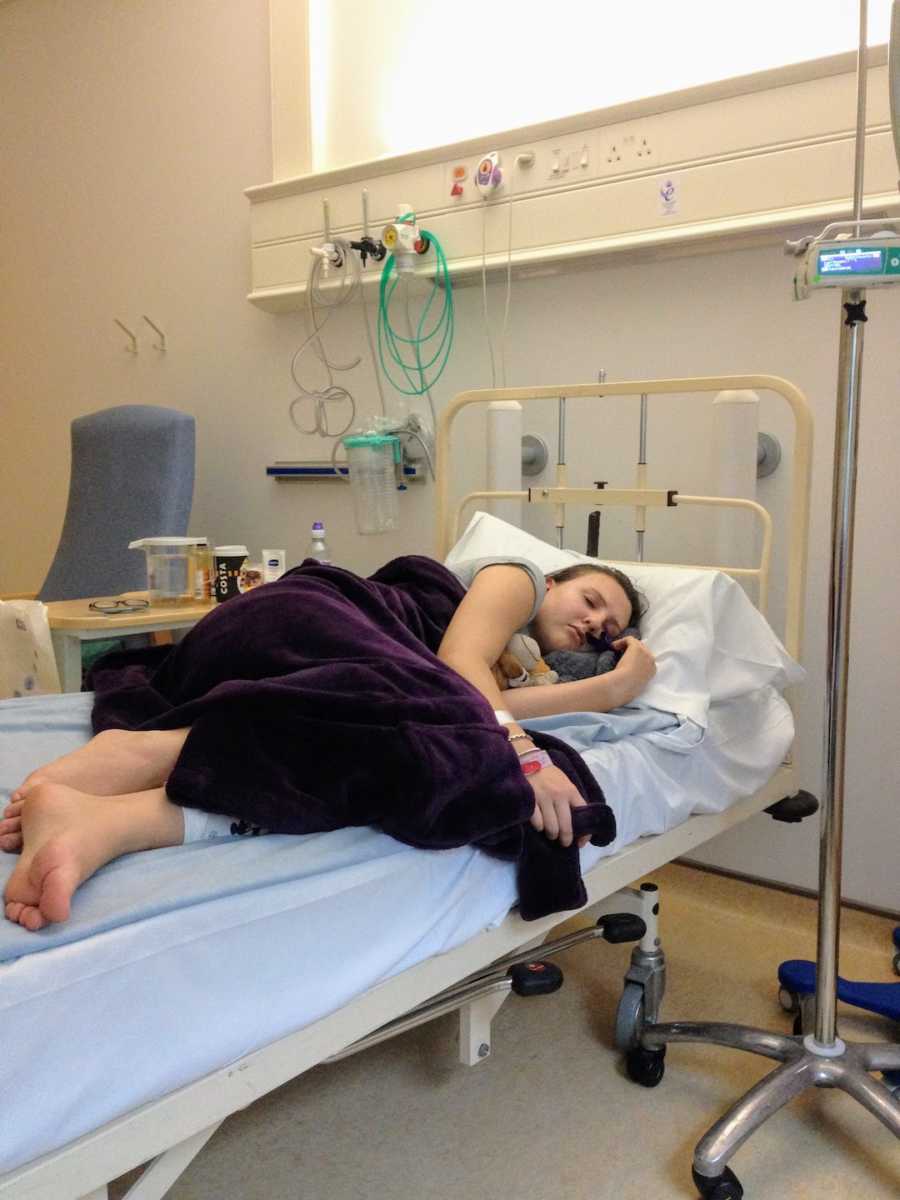
In September, I underwent major knee surgery to stabilize and reposition my kneecap. Recovery has been slow, but I remain hopeful it will restore even a small part of the mobility EDS took from me. While recovering, I met with my rheumatologist to review the results of a lengthy MRI scan of my spine. I expected to be told nothing was wrong. Instead, I was shown over 20 images revealing multiple slipped discs, degenerative disc disease, and osteoarthritis throughout my spine.
Before that appointment, I had filled out a pain map, joking with friends that I’d colored in my entire body and would probably be dismissed again. But my doctor studied it carefully and told me every marked area matched the MRI findings. He asked to keep it in my medical notes to show colleagues what chronic pain truly looks like.
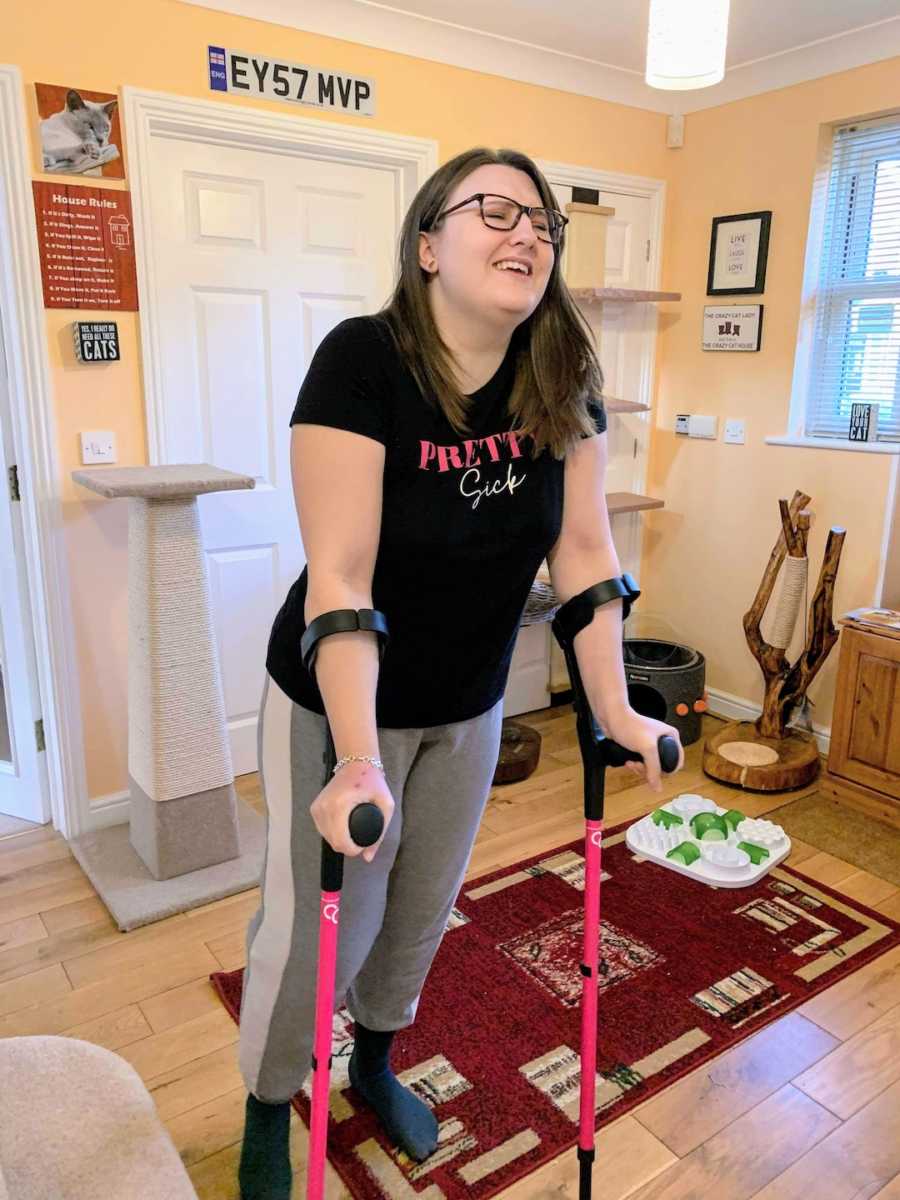
After a decade of doubt and dismissal, I was finally believed.
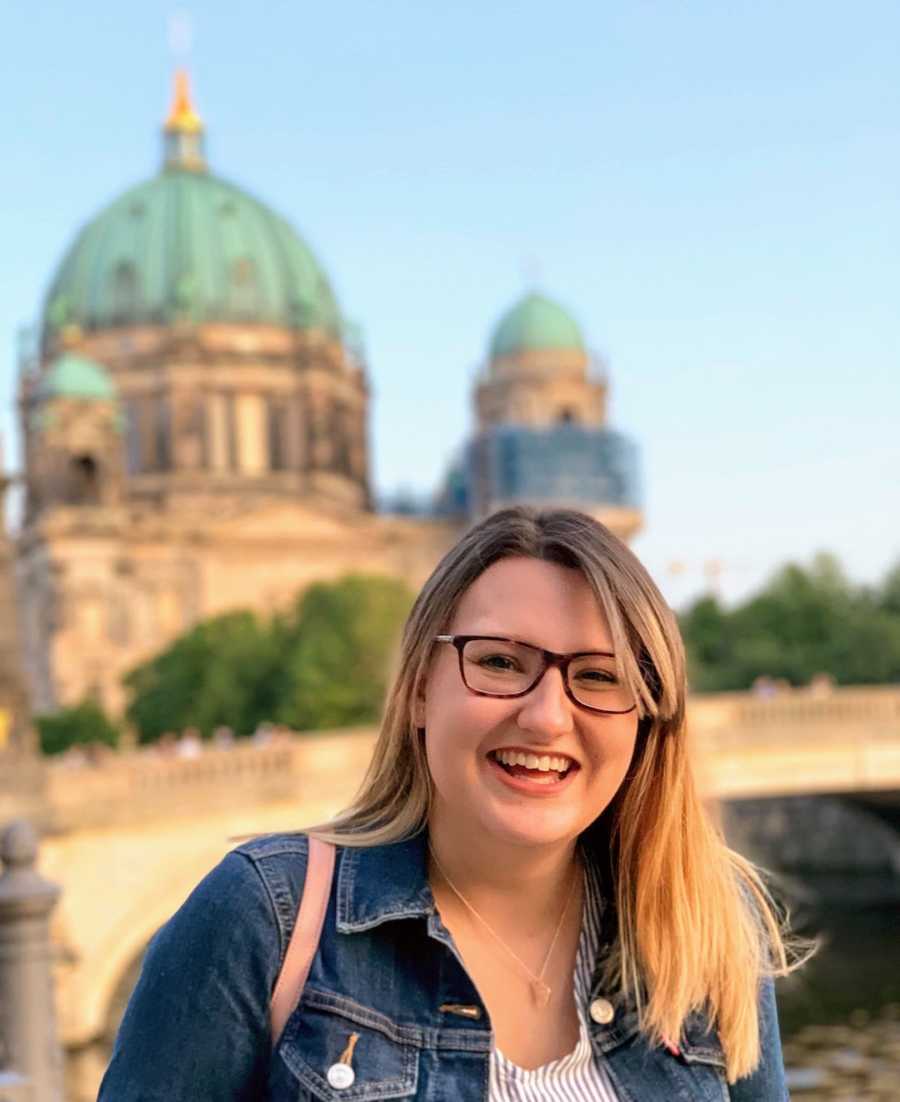
So yes, I am a walking, talking, complicated medical textbook. I rely on more than 20 daily medications and supplements just to function. I spend more on physiotherapy and pain relief than anything else, and I see doctors more often than friends. But this is my story—and it’s far from over. I’m still here, still fighting, and I will keep sharing my truth for as long as I can.