As a child, I was fascinated by hospitals. They seemed like enormous labyrinths, filled with curious instruments, twisting hallways, and doctors and nurses moving with purpose, saving lives every day. I viewed them with a kind of awe, the kind only a child could feel. But that wonder didn’t last. It disappeared the moment I watched my mother grow sick during my freshman year of high school.
For six months, I accompanied her to hospitals, medical clinics, and rehabilitation centers. I saw her struggle against autoimmune vasculitis, a disease that ultimately took her life. Watching someone you love suffer is unlike anything else, and in that moment, my perspective on hospitals shifted. They were no longer places of wonder; they became places where pain, fear, and loss lived. Doctors, despite their skill and kindness, seemed powerless against the inevitability of death.
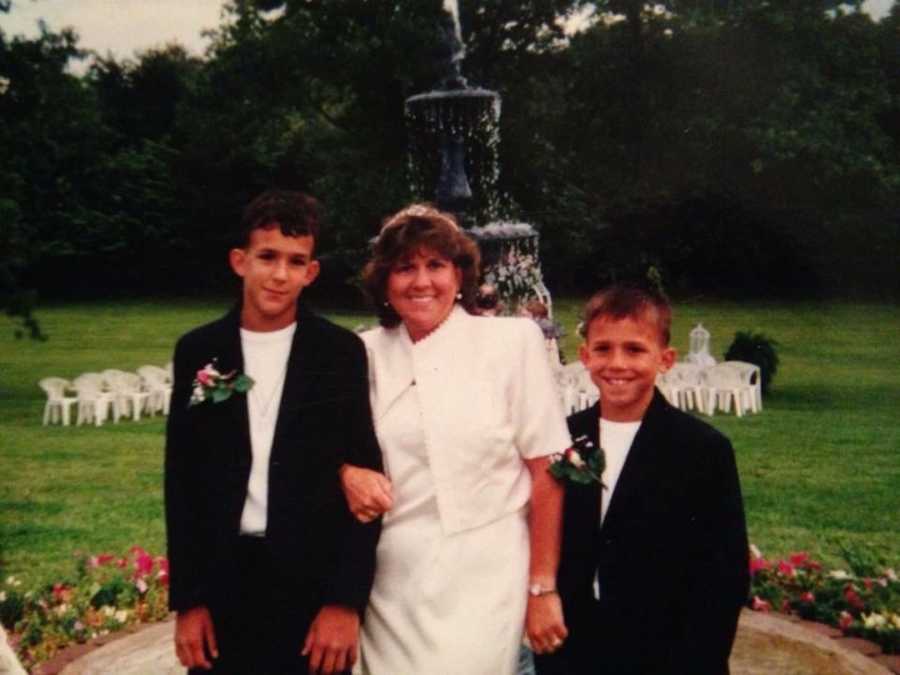
By the time I reached my sophomore year and turned sixteen, I began to notice troubling changes in my own body. I lost thirty pounds, slept more than fourteen hours a day, and experienced intense stomach pain. At school, I often skipped lunch just to find a quiet spot in the library, somewhere I could close my eyes without anyone asking, “Are you okay?” After multiple doctor visits and tests, I received the diagnosis I had been dreading: I, too, had an autoimmune disease.
At first, I couldn’t separate my condition from the one that had killed my mother. Fear gripped me—I believed I was on the same path she had been. My diagnosis was autoimmune hepatitis, which I later learned specifically targeted my bile ducts, resulting in a secondary diagnosis of primary sclerosing cholangitis (PSC). Early in my journey, doctors told me I would likely need a liver transplant one day. For a long time, I couldn’t truly accept it… until circumstances left me no choice.
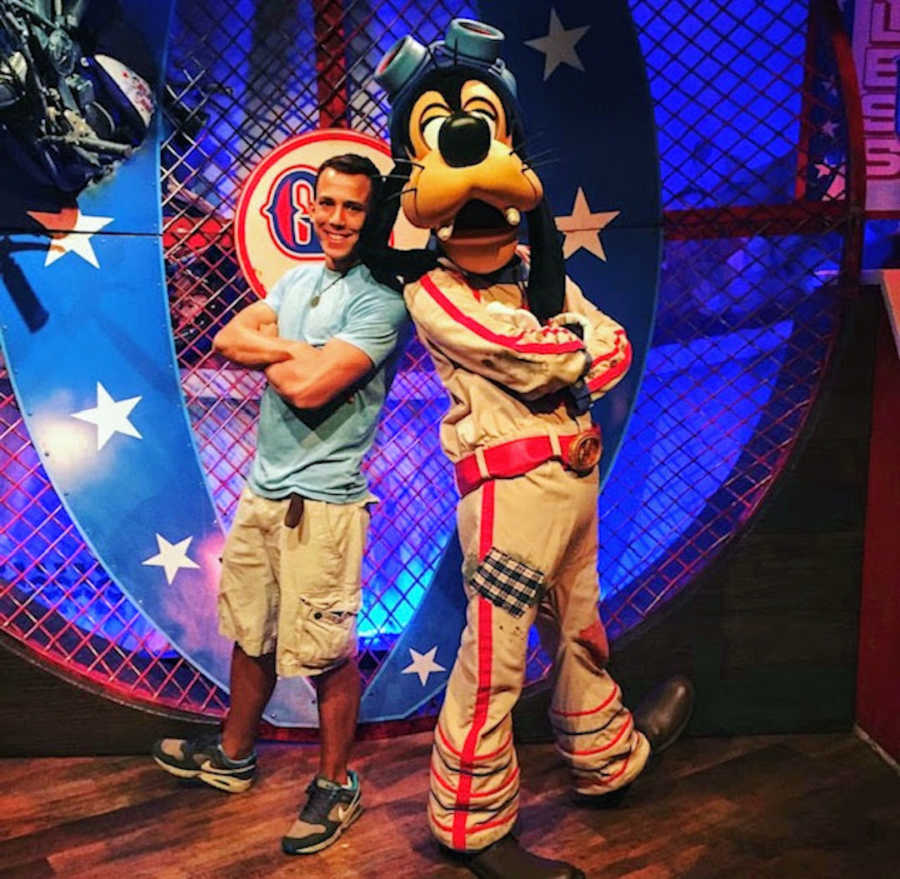
For ten years after my diagnosis, I managed to stay moderately healthy. I discovered a passion for entertainment, working as a character performer for the Walt Disney Company in Orlando. Every day, I loved going to work and immersing myself in the joy of others. But my health remained unpredictable. PSC flared periodically, causing bile duct restrictions, severe upper-right abdominal pain, infections, and hospitalizations. The joy of working at The Most Magical Place on Earth was always countered by fear-filled nights in hospital beds.
After a particularly severe episode, one of my doctors asked me, while I lay in a hospital bed, if I would accept a liver transplant if one became available. Reflexively, I said, “Not yet.” I worried that if my first transplant only lasted until my late twenties, the next one might not even last that long. The doctor patiently explained the risks of waiting, the benefits my youth afforded me, and why I should accept the next offer. I left the conversation uneasy but persuaded.
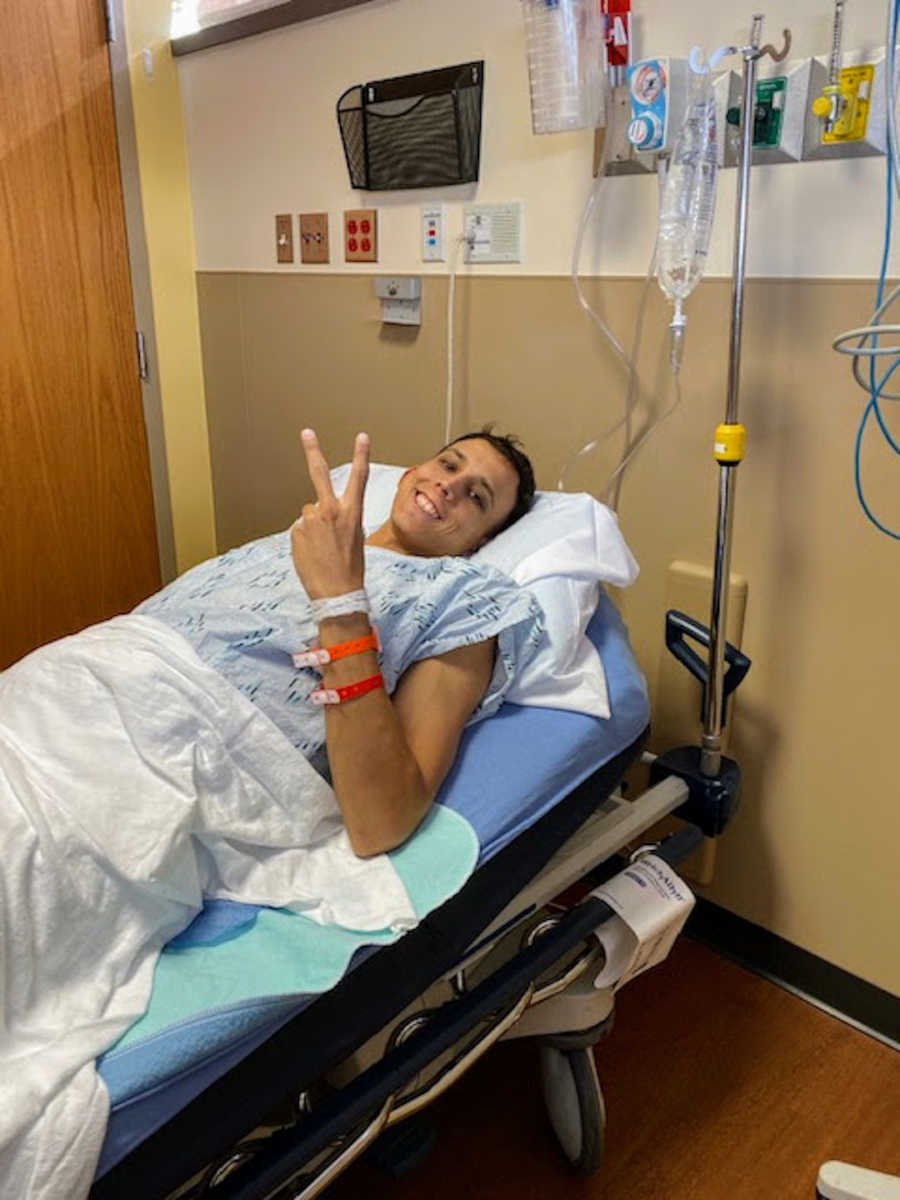
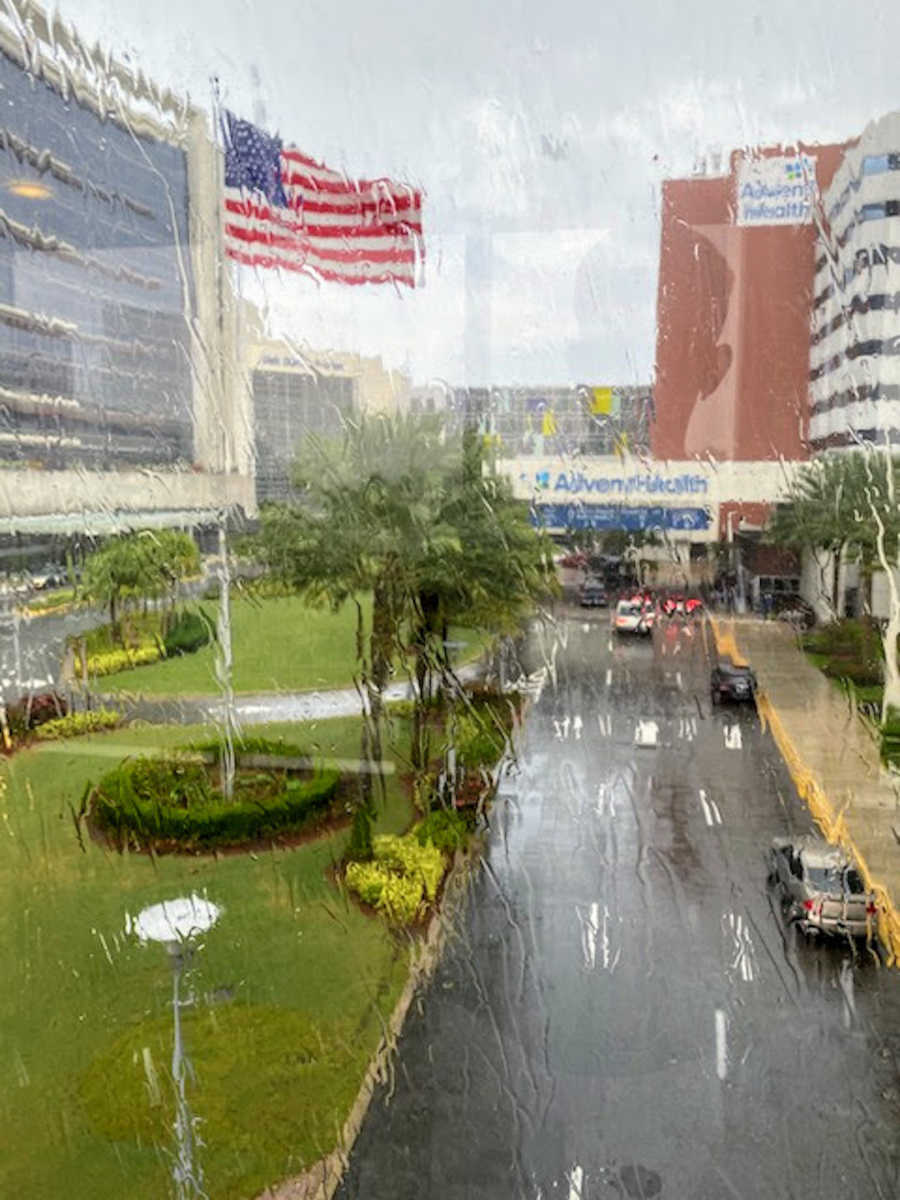
I had no idea how soon that “next offer” would come. The day I received my transplant call was surreal. Rain streaked down the hospital window as I hung up the phone, a quiet numbness washing over me. I documented the day with videos, journaling the drive to the hospital and the anxious wait, hoping to piece together the experience later.
The hours stretched on—about eight until the donor liver arrived. I tried to manage last-minute details while I still could: alerting my roommates, calling my brother and grandmother in Kentucky, notifying my work, emailing my graduate school professors, and posting on social media. Each message, each call, made me feel slightly more in control, like preparing a house before a long trip.
When my friends arrived at the hospital, they stayed by my side until I was rolled into surgery, stepping away only for brief moments of surgical prep. My oldest friend, Shelby, even drove to the airport to pick up my family, bringing them to the hospital just an hour after surgery began. I awoke surrounded by love, a comforting sight after the uncertainty of the operation.
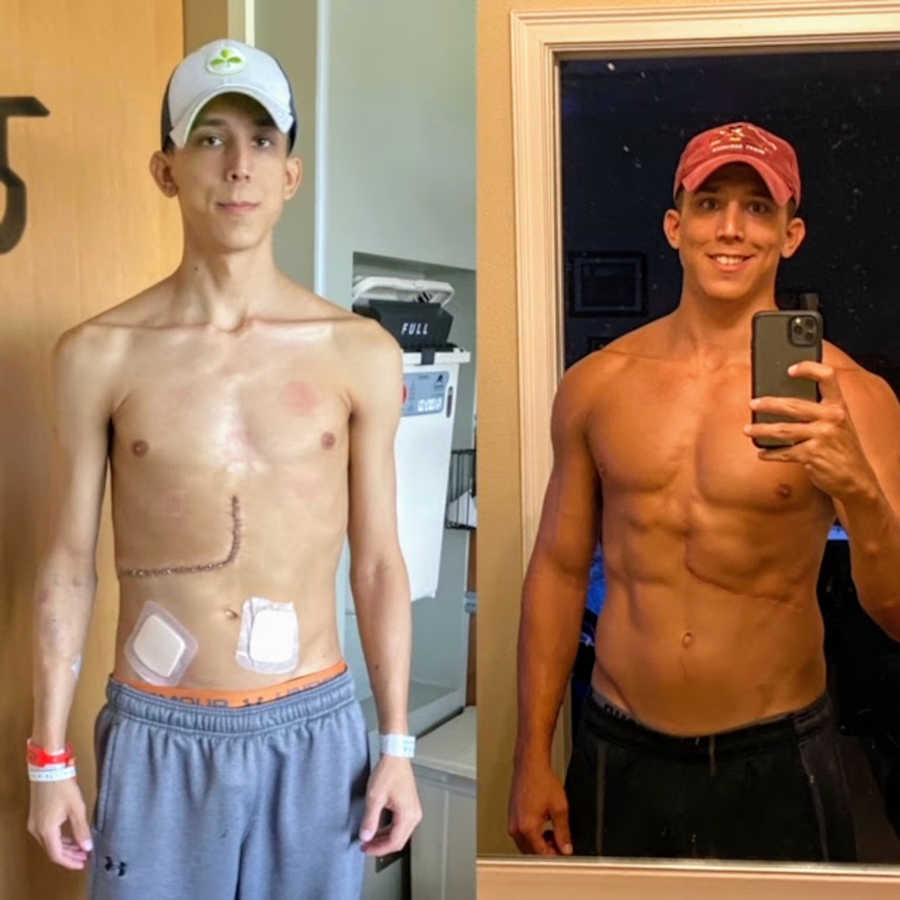
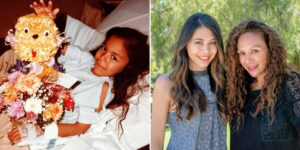
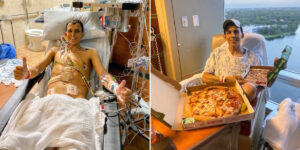
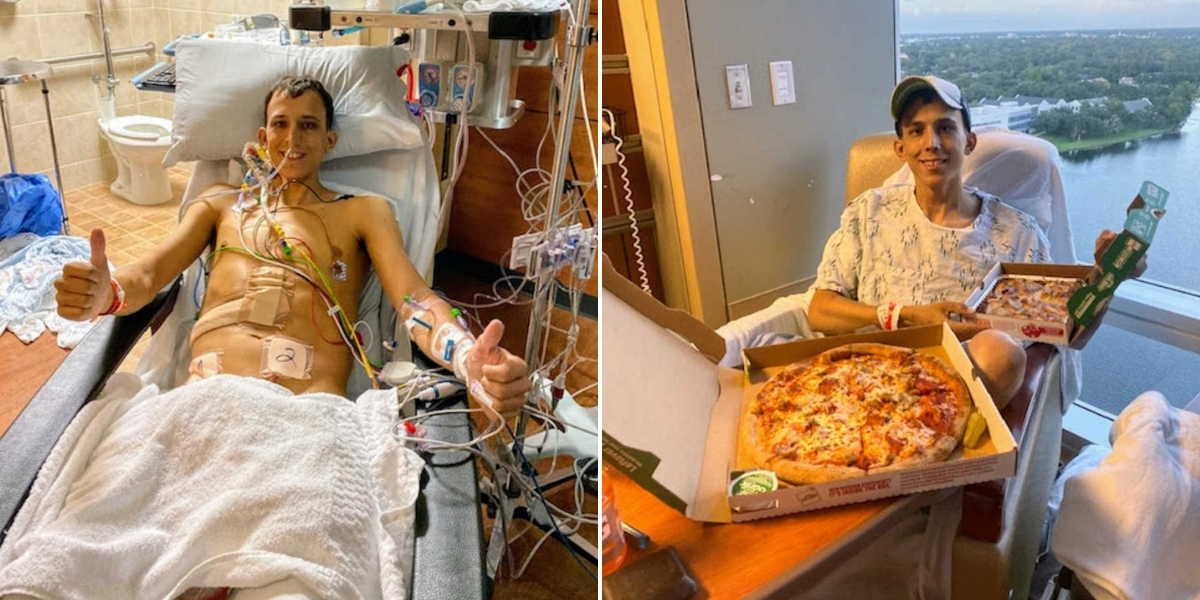
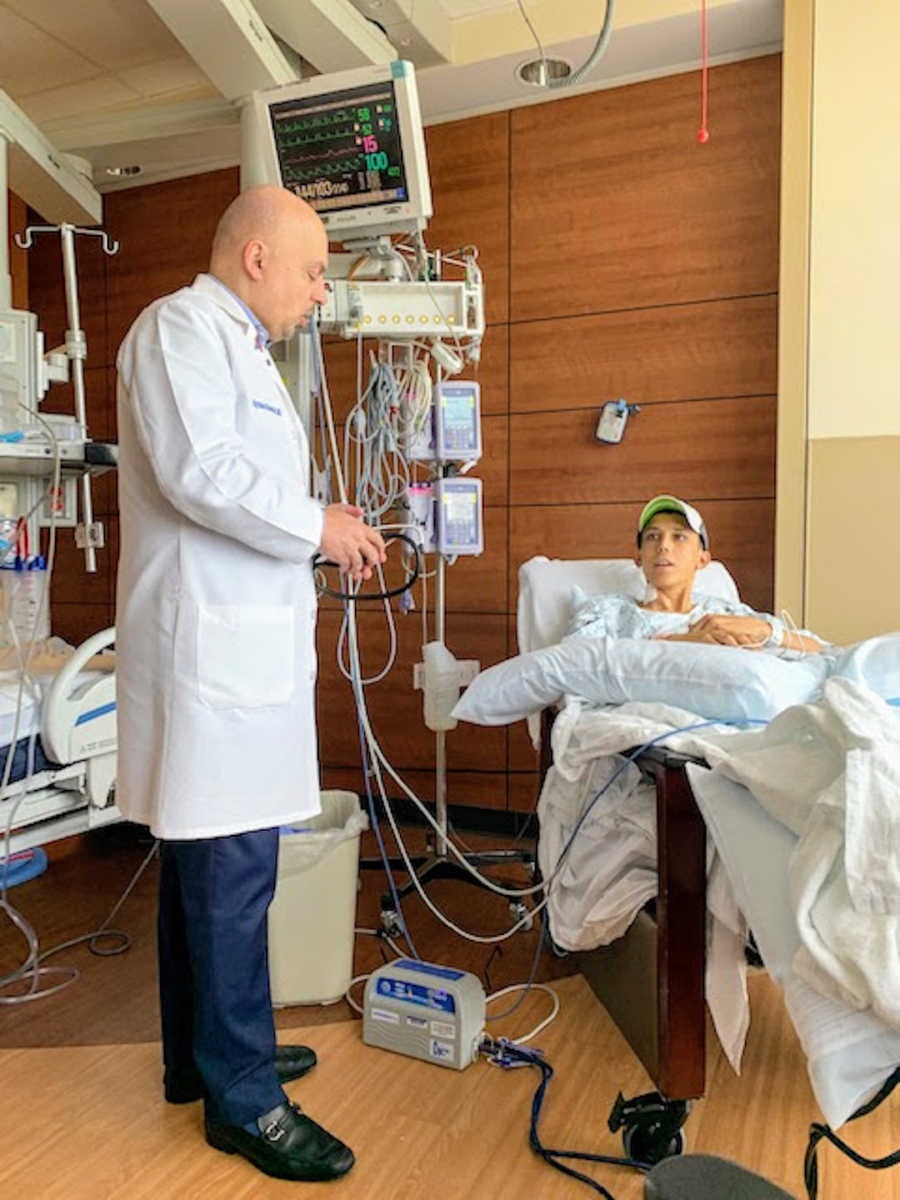
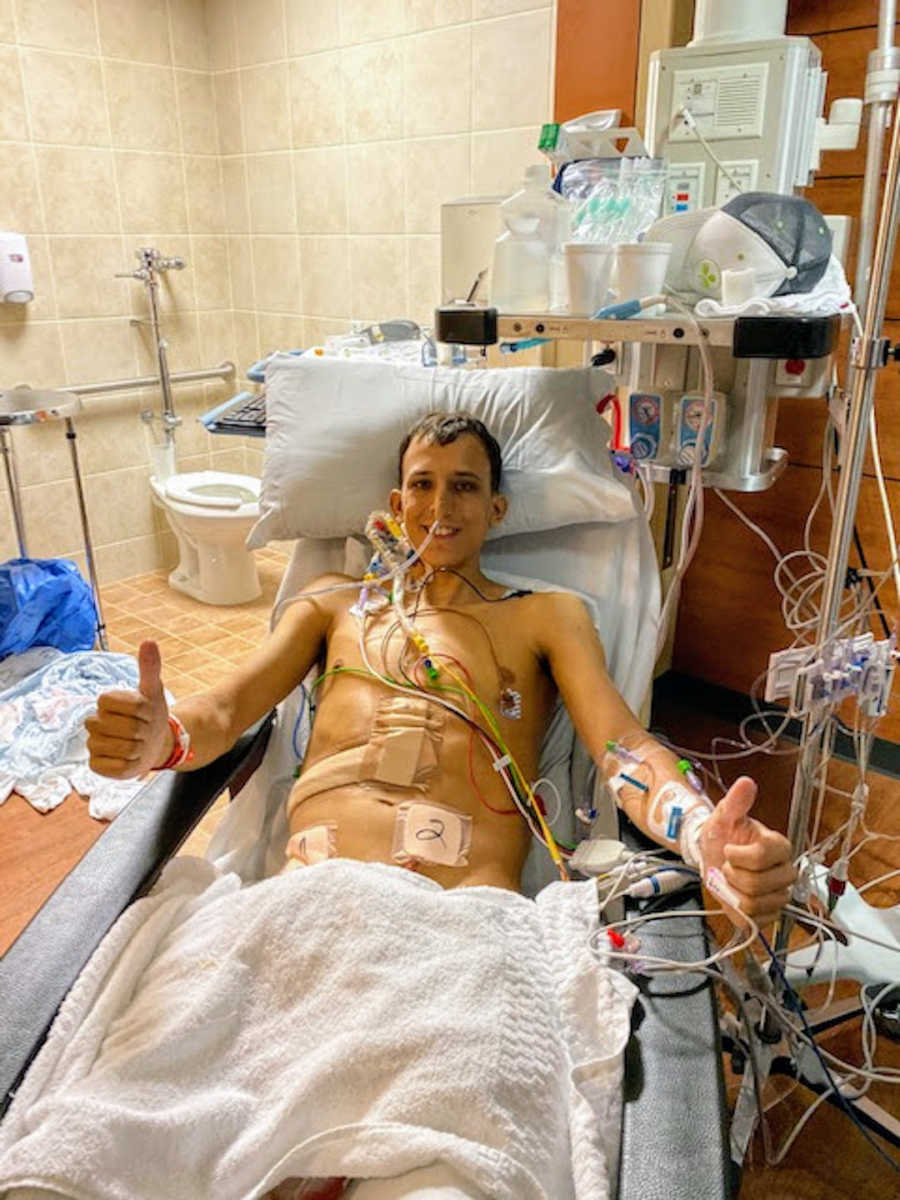
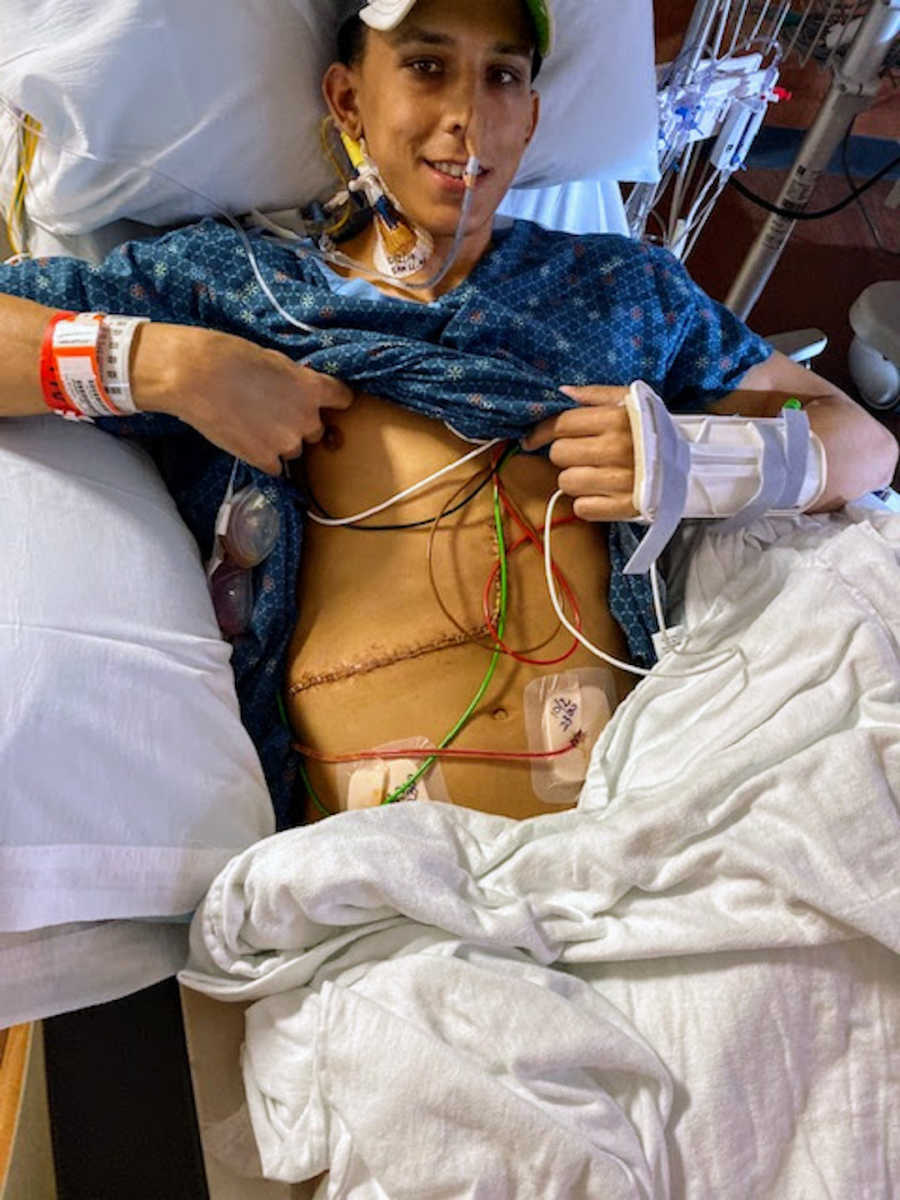
One of the last messages I sent to my brother was a request: take photos of me post-surgery, wires, IVs, and all. I wanted to document where my life was restarting, to ensure this moment meant something. The first days after surgery were filled with discomfort, anxious prayer, and the slow, patient process of recovery. Before I could eat, I had to pass gas—an ordeal that made the first four days nearly unbearable. I never realized how intense “hangry” could feel.
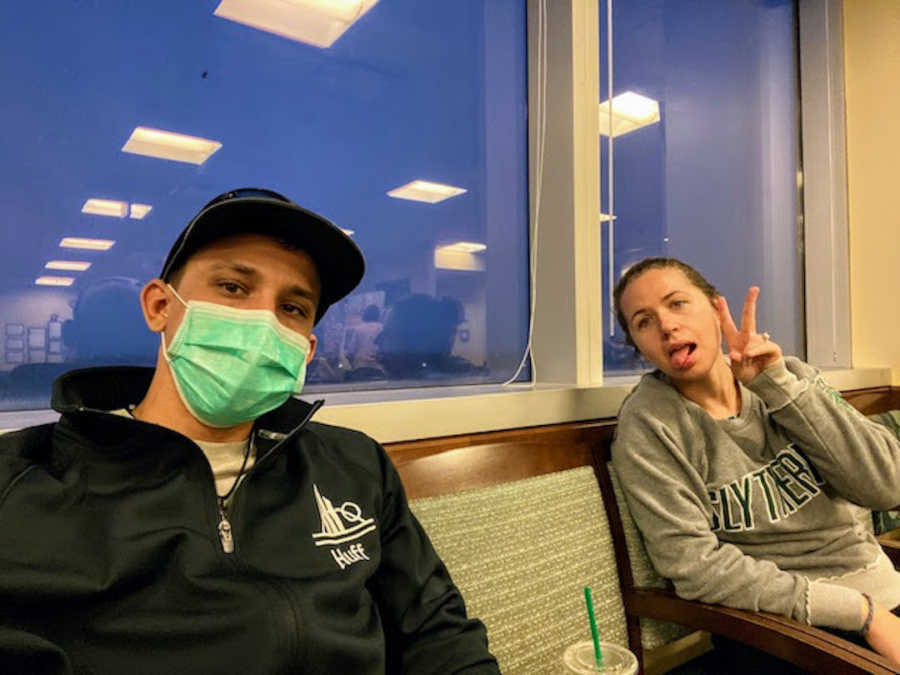
I was blessed with incredible support. My grandmother babied me, my brother motivated me to walk the transplant floor each day with gentle but firm nudges, and my friends kept me sane and optimistic. Days five through ten were particularly hard. Medication side effects played havoc with my mood, while painkillers were gradually scaled back. The hospital stay lasted fifteen days—from October 1st to October 15th, 2019—but each step brought me closer to recovery.
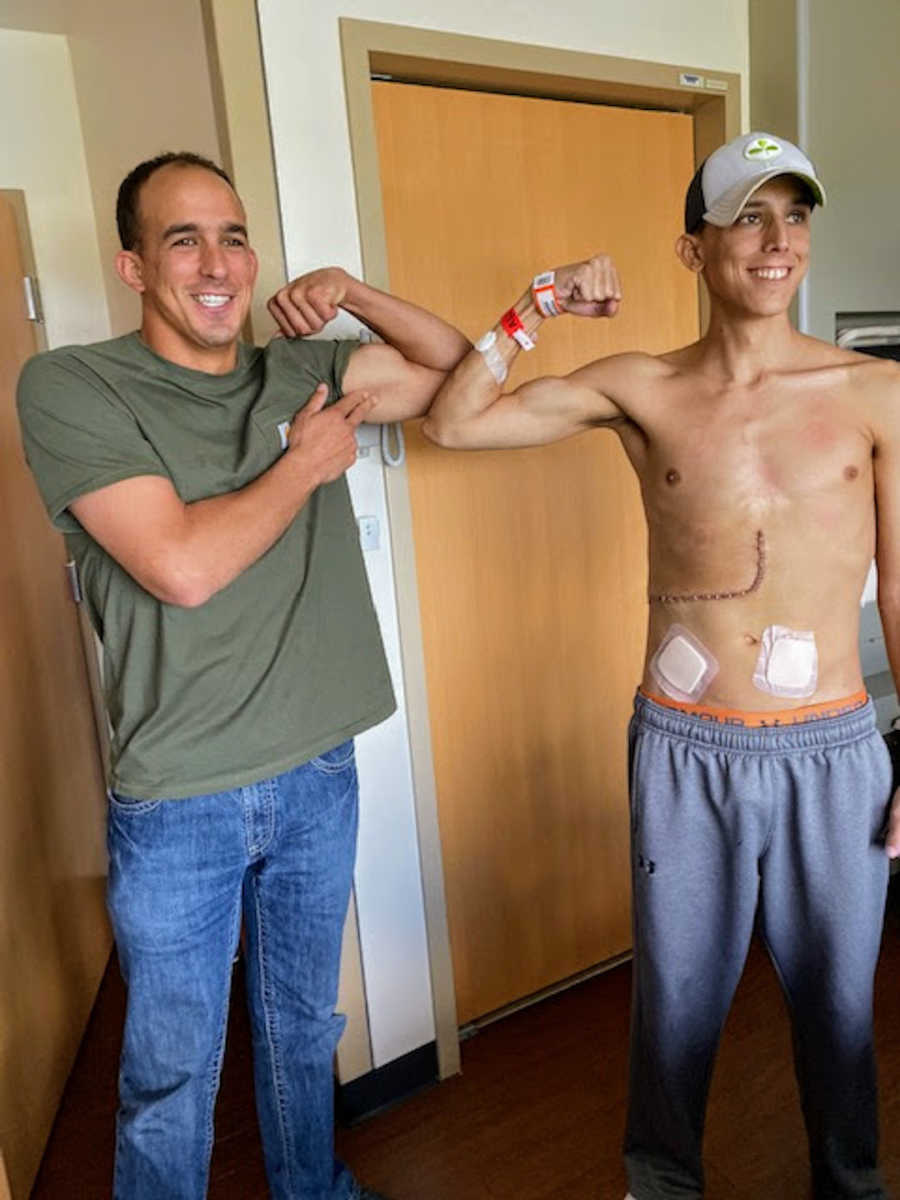
I didn’t overthink my transplant or the recovery process. I assumed, correctly, that my youth and relative health would help me heal faster than older patients. I focused instead on progress: stretching, walking, gradually rebuilding strength. Clinic visits, initially twice a week, became an opportunity to track improvements, adjust medications, and face the ups and downs of life after major surgery.
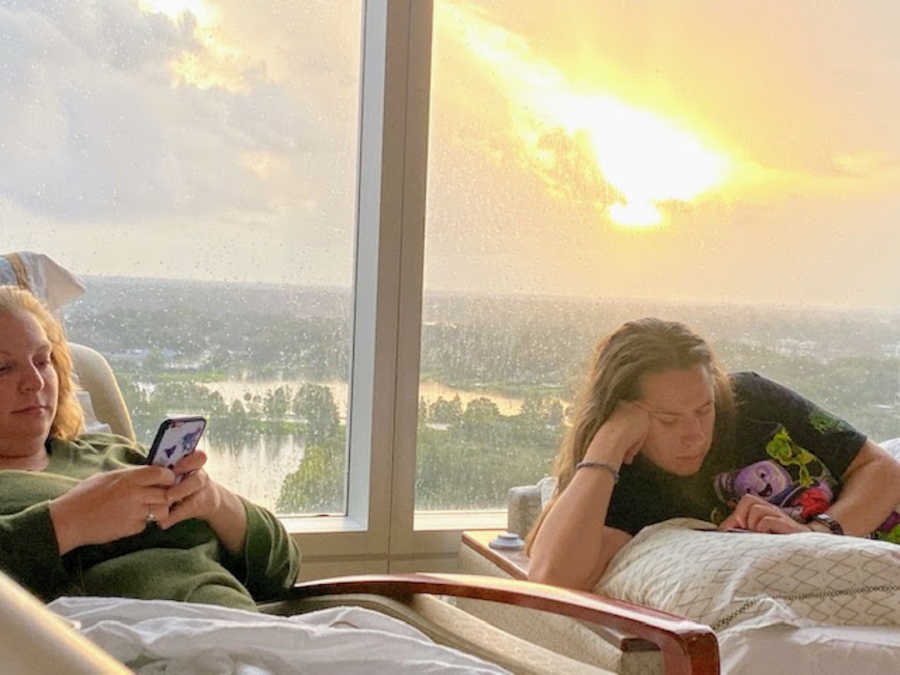
Months after the transplant, I began noticing profound changes. Fatigue that had once defined me diminished, replaced by energy and motivation I hadn’t felt in years. It felt as though a four-cylinder engine had been replaced with a V8—suddenly, I could move faster, dream bigger, and live more fully. Then COVID-19 arrived. The world shut down, but I found resilience in the discipline I had already cultivated: mask-wearing, vigilance against illness, and finding productive ways to spend furloughed months.
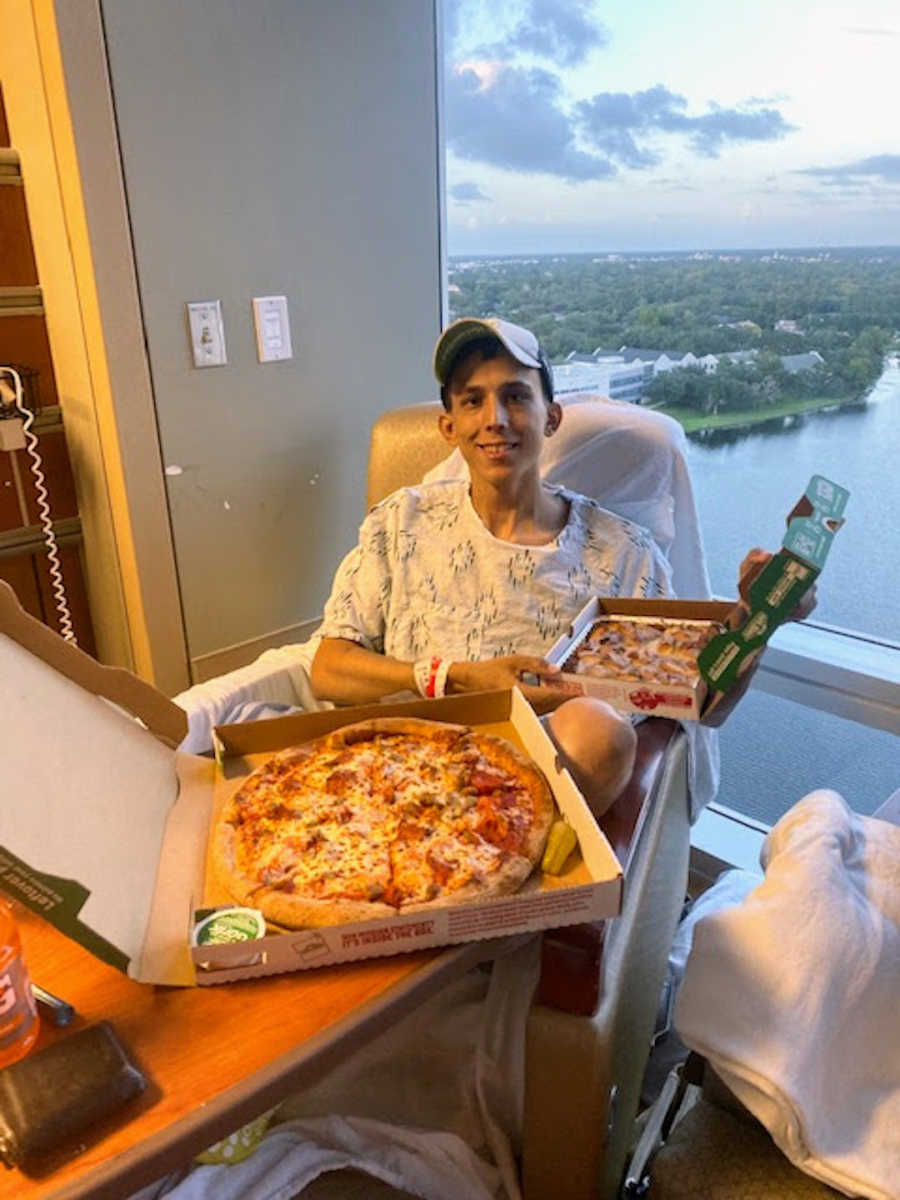
Through over forty hospital visits, countless procedures, and hundreds of interactions with doctors and nurses, I came to a new understanding: hospitals are not merely places where bad things happen. They are spaces designed to help when bad things occur. Sometimes they succeed, sometimes they don’t—but they matter. My story is proof of the successes, and the hope that comes with them.
I’ve always sought purpose in life. Losing my mother, facing my own diagnosis, and receiving a transplant—it all had to mean something. I chose to make my transplant a beginning, a second chance to live fully. My career as a Disney character allows me to enact stories of joy, courage, and hope, but in my own life, I get to live my story. Every challenge—the loss, the transplant, the pandemic—is a turning point, shaping me. When obstacles arise, I decide how they fit into my narrative: will they trip me up, or make me stronger? Most often, they do both, and I embrace every part of it.