My husband had always dreamed of being involved in both adoption and foster care. I, on the other hand, didn’t share that same passion at first. I wanted to focus solely on building our own biological family and was hesitant to open our home to children in need. But my husband gently encouraged me to attend a question-and-answer session about foster care. That meeting changed everything. The reality of the desperate need for foster parents hit me like a wave. I thought of James 1:27: “Religion that God our Father accepts as pure and faultless is this: to look after orphans and widows in their distress…”
In that moment, I realized that my faith wasn’t just about words—it was about action. If I truly called myself a Christian, I had a responsibility to care for vulnerable children. Because of his love for me, Jesus died. Because I’ve experienced love, I wanted to share it with others.
—Jessica Mahorn
After several months of training, we welcomed our first foster placement in November 2017. We had two incredible children for six months, and those months were full of laughter, learning, and love. Then, without warning, we received a phone call: “I’m so sorry. There was a surprise court date… I have to pick them up in a few hours.”
People often ask me how I cope with saying goodbye, knowing I might never see these children again. Honestly, I hate that question. No, they didn’t die—but my relationship with them did. I grieved deeply, and I still do.
Foster care is never about me. It’s never meant to be. A child’s need for love, stability, and safety is more important than my grief, my comfort, or my adult feelings. The pain is profound, but it pales in comparison to the impact we can have on a child’s life. For those brief moments, we are their safe haven, and that is what truly matters.
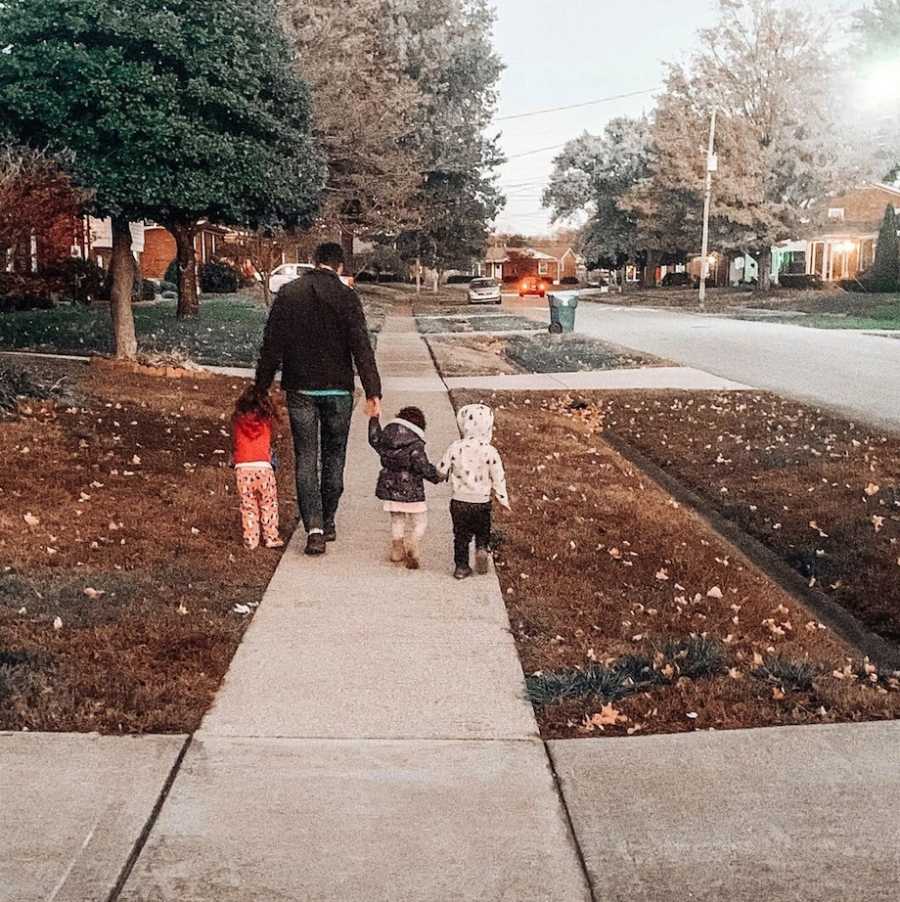
A few weeks later, we got a call about a newborn baby girl. Two weeks after arriving, she was gone. A few weeks after that, a toddler girl came into our home. Two months later, she left as well. Around the same time, I discovered I was pregnant and endured severe morning sickness. In the span of six months, I had said goodbye to four children. I was exhausted, sick of the system, and convinced that my efforts were futile. I was ready to quit—foster care had almost broken me.
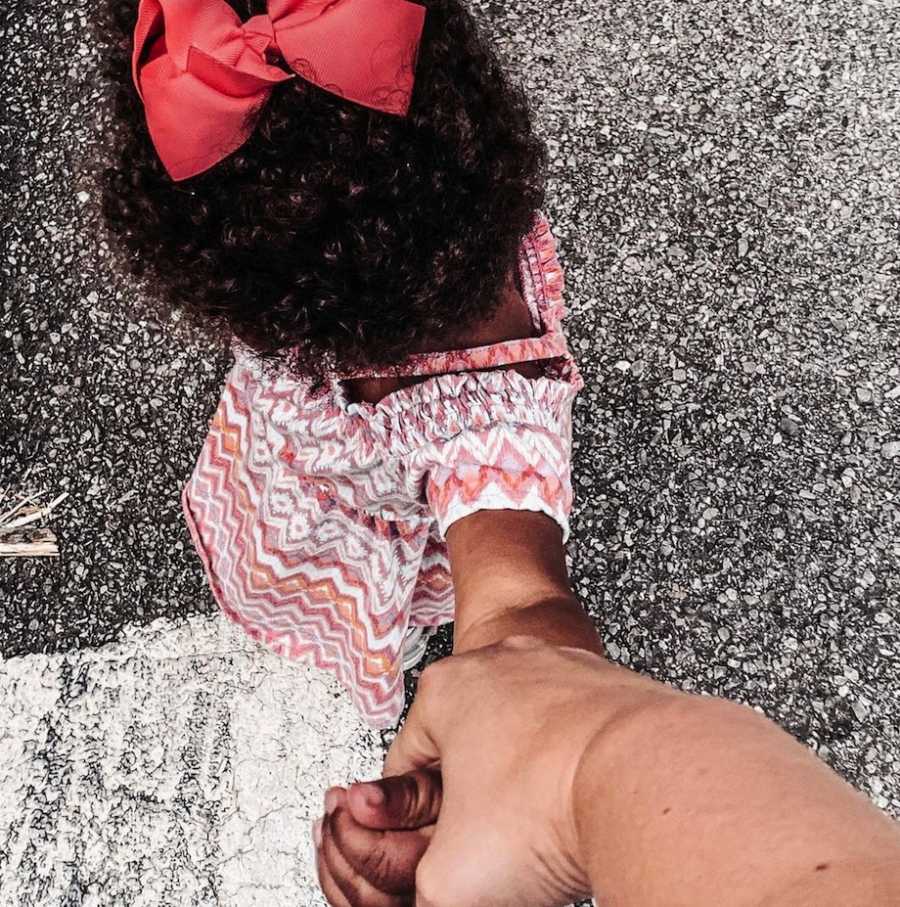
Then came the call about Elianna.
I had promised myself I would say no if another child came into our lives. Compassion fatigue, burnout, and secondary trauma had drained me. I didn’t think I had anything left to give. But in September 2018, the state called: “We have a 6-month-old little girl who is medically complex and needs a home. Can you help?”
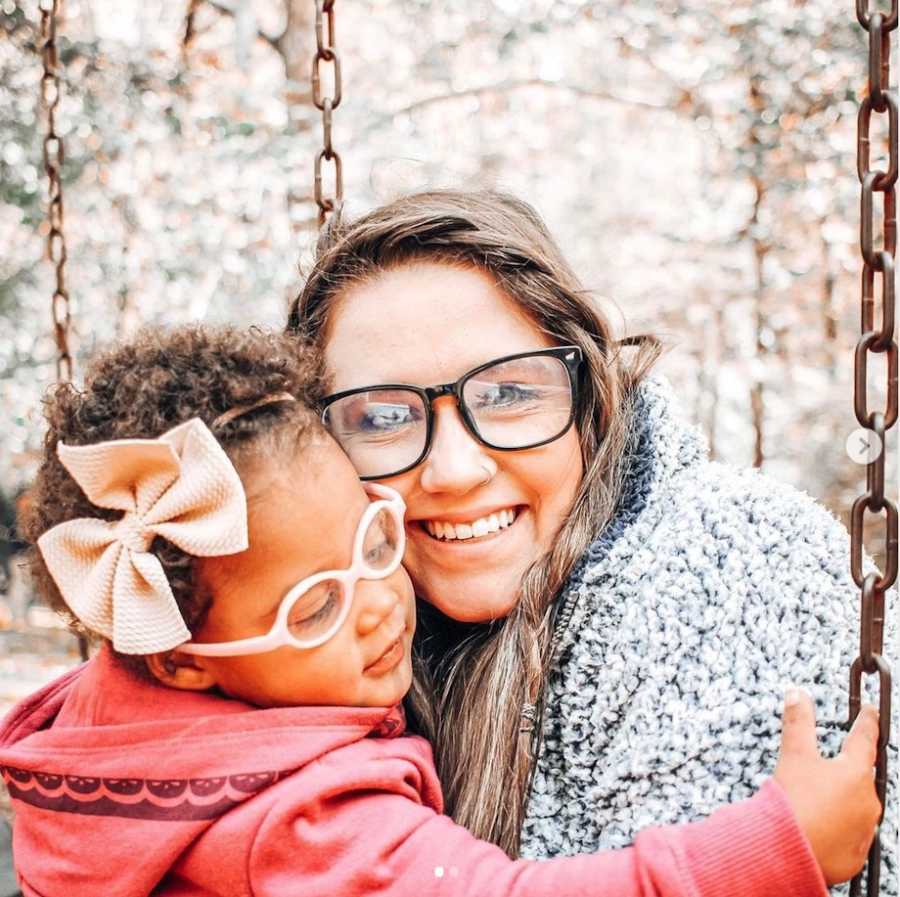
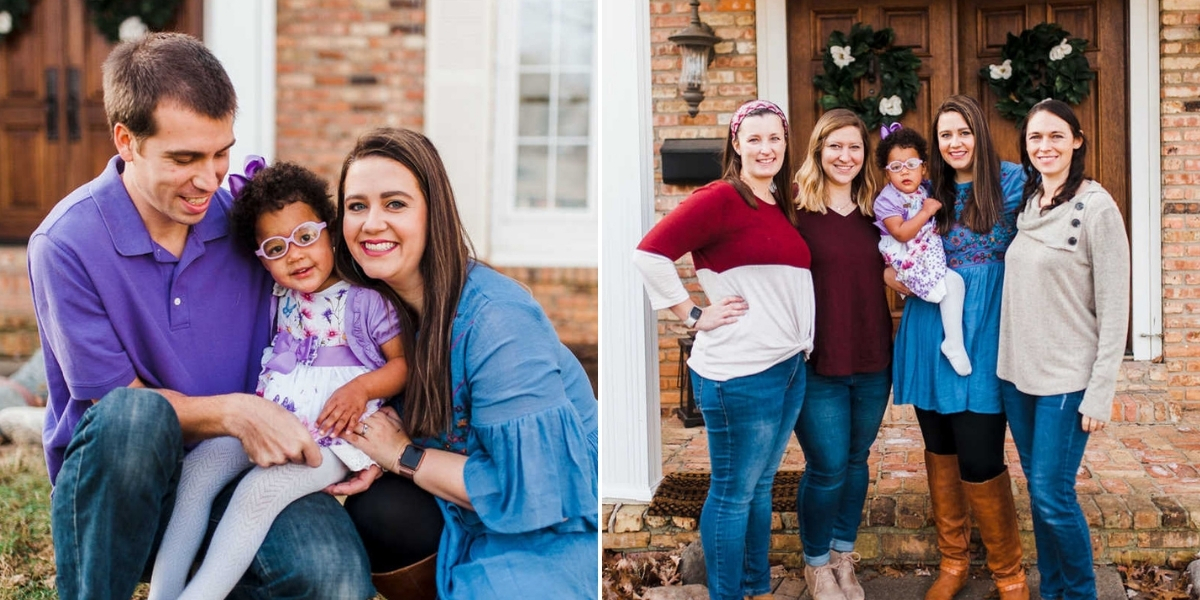
Despite my exhaustion, my voice answered without hesitation: “Of course. When can I see her?” I hadn’t planned to take a medically complex child, but something inside me knew Elianna was meant to be in our home.
The first few months were grueling. Elianna had multiple doctor and therapy appointments every week, and every day revealed new challenges or new specialists she needed. One day, a social worker called and gently said, “Natalie, you’re newly pregnant and this little girl is a lot of work. If you need us to place her somewhere else, we can.”
But I didn’t want an “easier” child. I wanted Elianna.
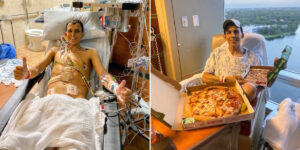
Being a special needs mom for over two years has been both exhausting and transformative. I want to encourage moms who face long hospital stays, late-night Googling, and the constant worry about their child’s future. I’ve been there. I still am. But there is hope—not in Google searches or treatments—but in the love we have for our children and the love God has for them.
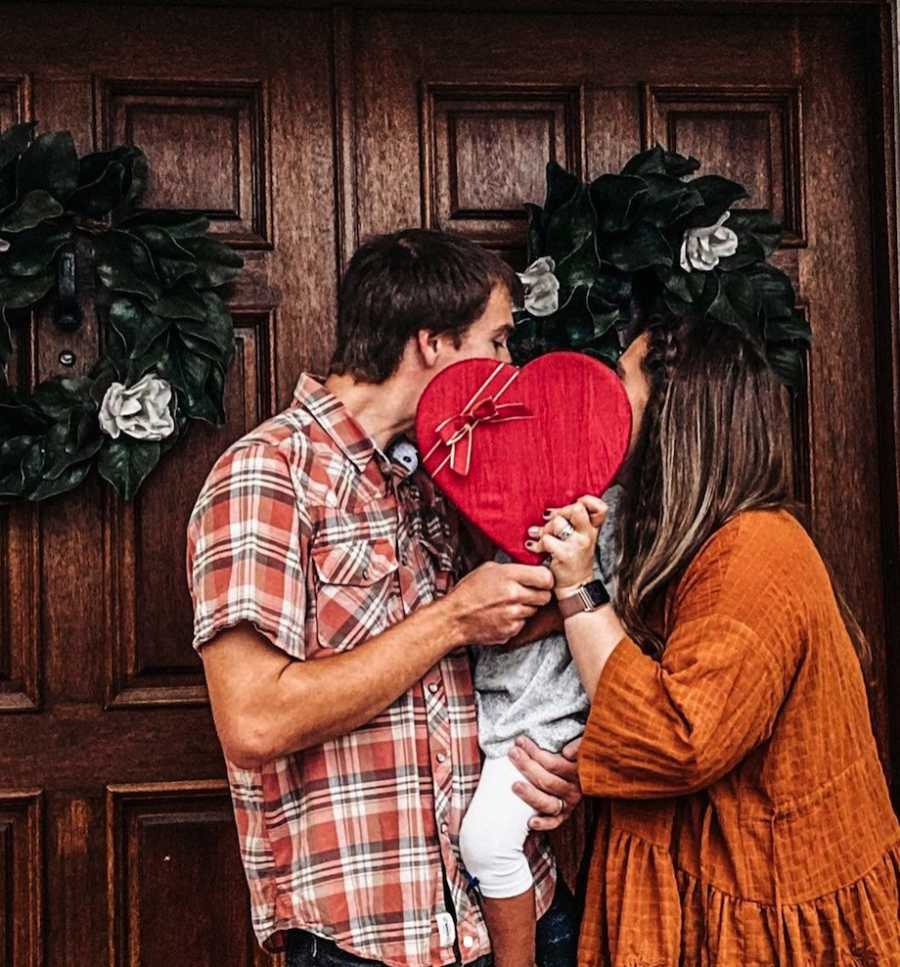
Eventually, life settled into a rhythm. We established routines for Elianna’s medical needs, though her case file remained intense. Her social worker admitted it was the largest she had ever managed, filled with layers of hurt, anger, and brokenness. Court dates, therapy sessions, and appointments became a regular part of our lives. Though the season was overwhelming and a blur, every challenge was outweighed by the joy Elianna brought into our home.
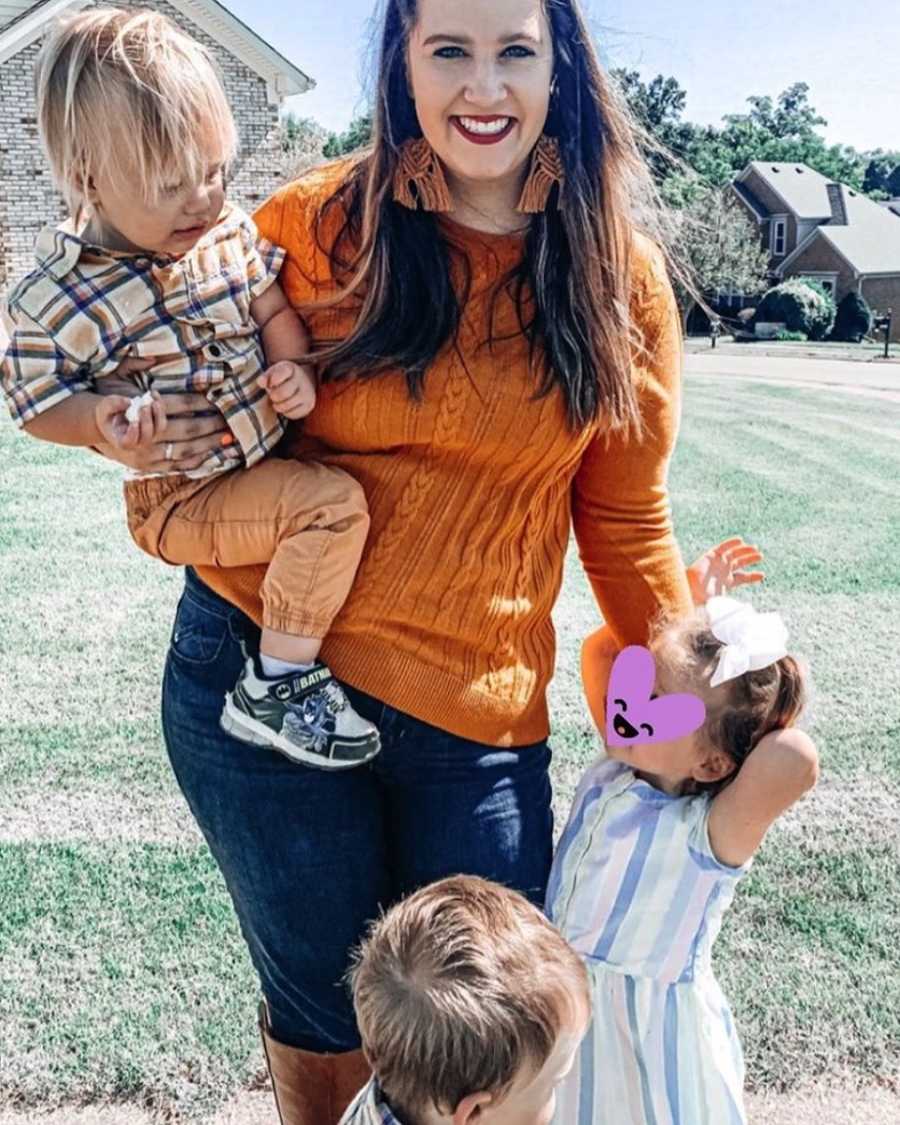
Many people hear our story and say, “I want to adopt through foster care!” I love adoption, and some families are able to adopt through foster care. But foster care isn’t about adoption—it’s about reunifying families whenever possible.
When we realized Elianna’s case would end in adoption, my emotions were complex. I had worked alongside her biological family for almost a year. This wasn’t a voluntary adoption; her mother’s rights were terminated. Families were being torn apart. I knew it was the right decision, but that right decision came with immeasurable grief. Once her rights were terminated, Elianna became a legal orphan.
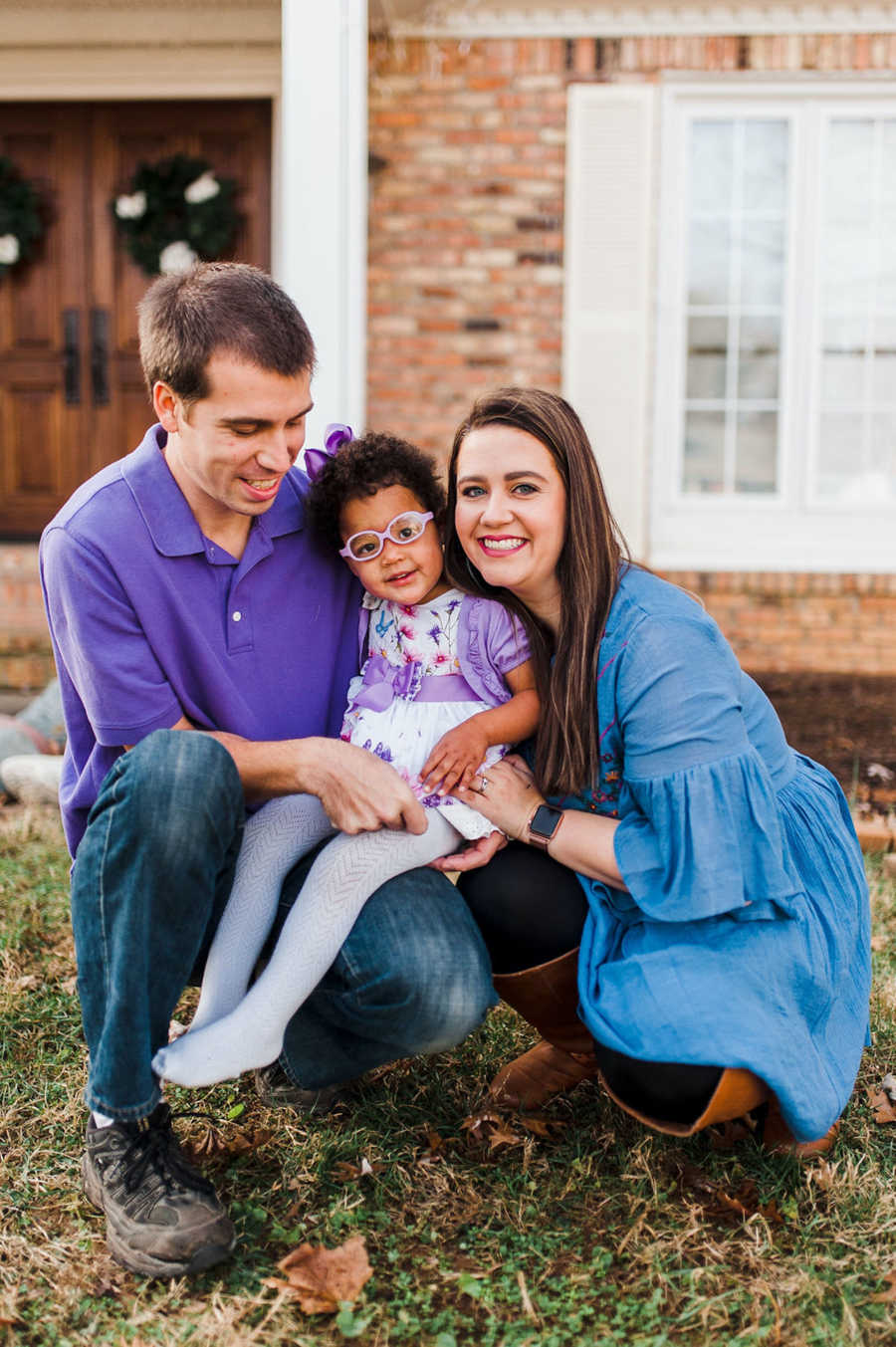
It broke my heart. There is immense joy in adoption, but to fully celebrate that joy, we must also embrace the heartbreak. On December 9, 2020, we officially adopted Elianna. The pandemic meant the ceremony was virtual, held from our home, but the love surrounding her that day was palpable. While it was one of the happiest days of my life, it was also one of the most heart-wrenching days for another mom.
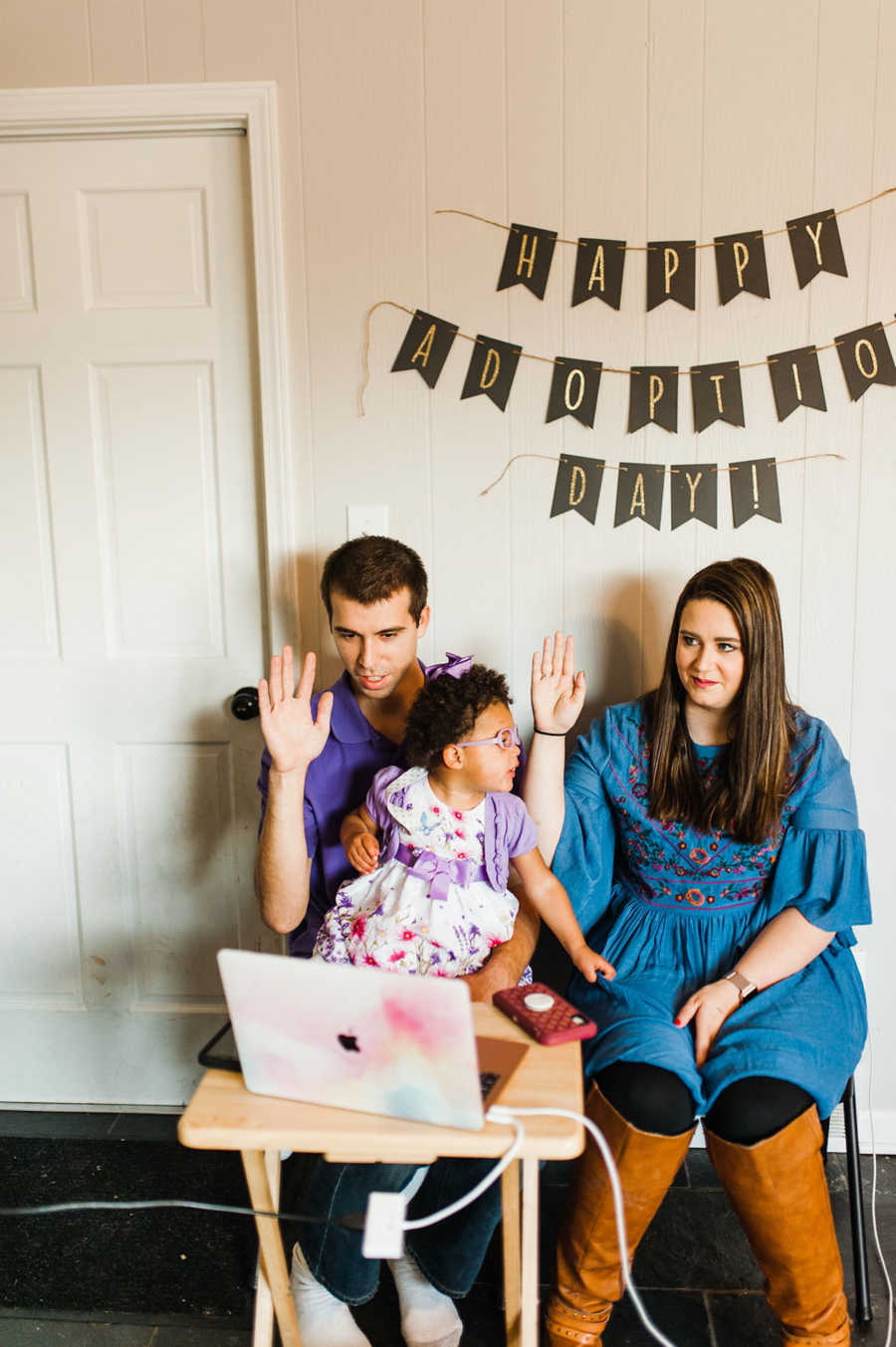
We remain deeply committed to foster care. In just three years, we’ve cared for eight children. We continue to open our home and hearts to children in need, striving to heal broken families. God prioritizes family—Genesis commands us to fill the earth, and in that, we see the sacredness of family. When a family is fractured, we are called to be part of the healing.
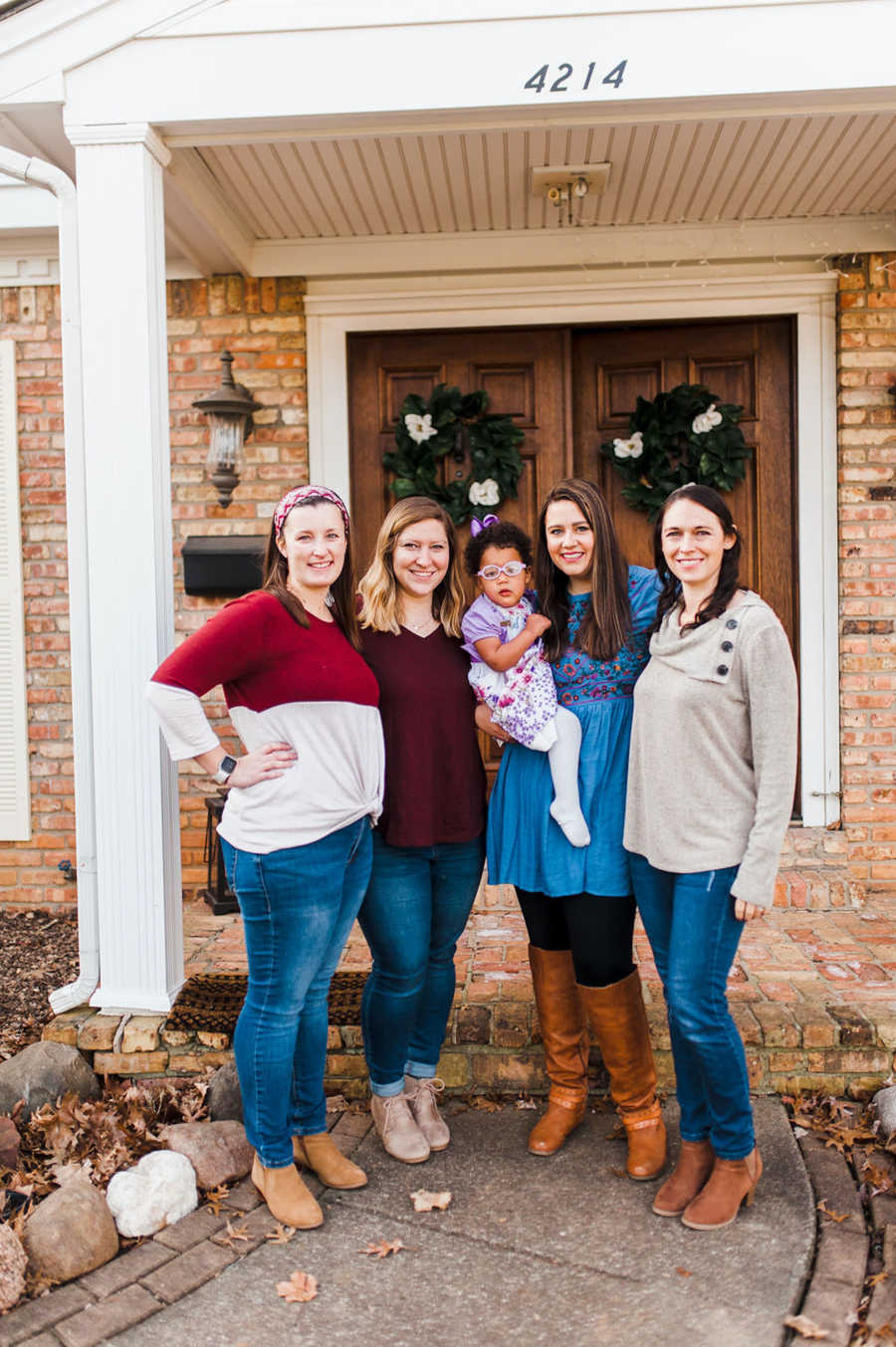
Recently, I began serving as an official foster parent mentor in Kentucky. My role is to guide new foster parents through the critical first six months, helping with paperwork, navigating the state system, supporting court proceedings, and preparing for either goodbyes or adoption. Mentoring has been one of the greatest blessings foster care has given me. I am passionate about laying a strong foundation for new foster families so they don’t nearly quit like I almost did.
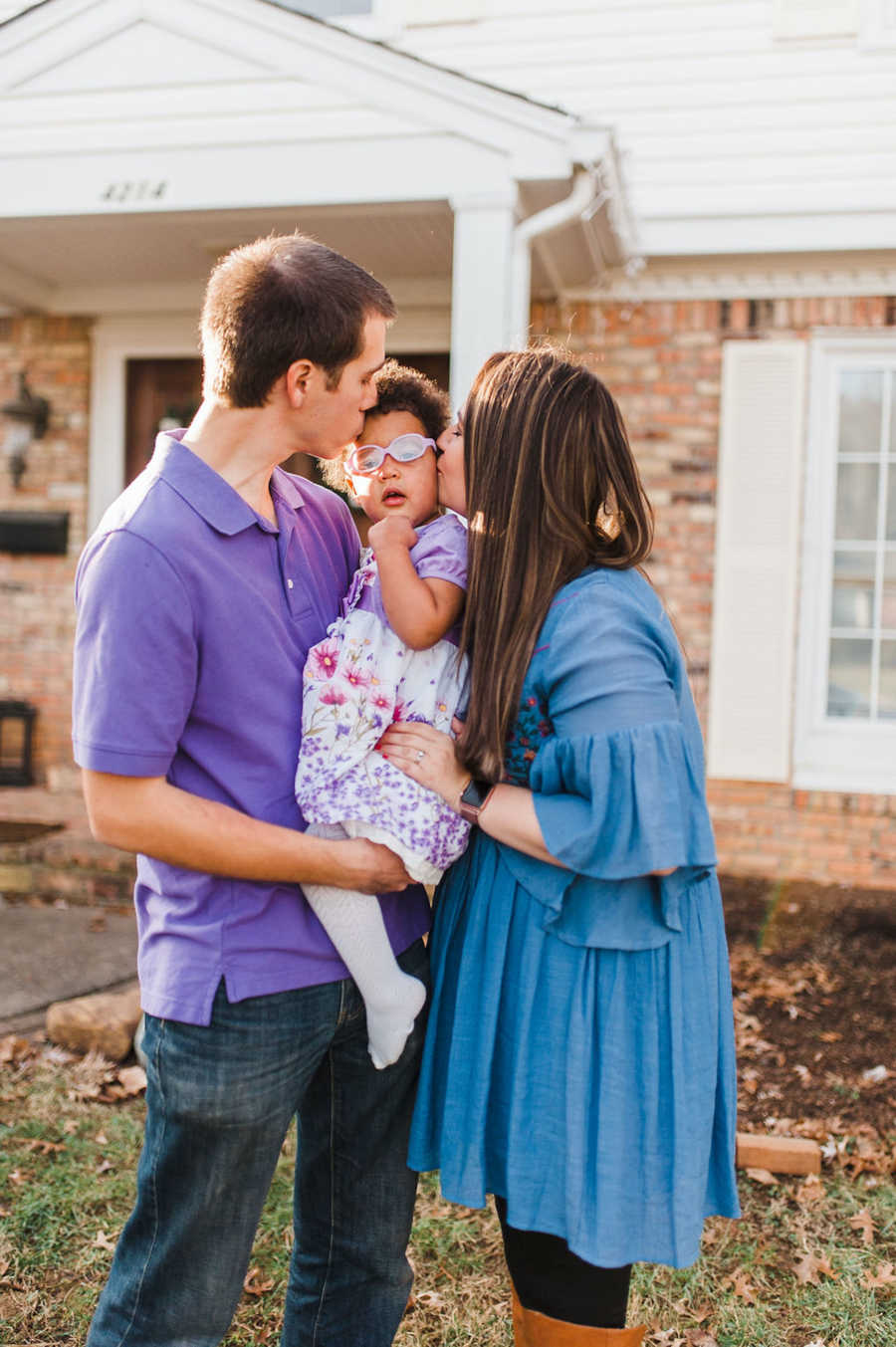
As for our future? Will we adopt again? I don’t know. My prayer is that every child who enters our home through foster care can safely reunite with their biological family. That is the heart of foster care—and the reason we do what we do.