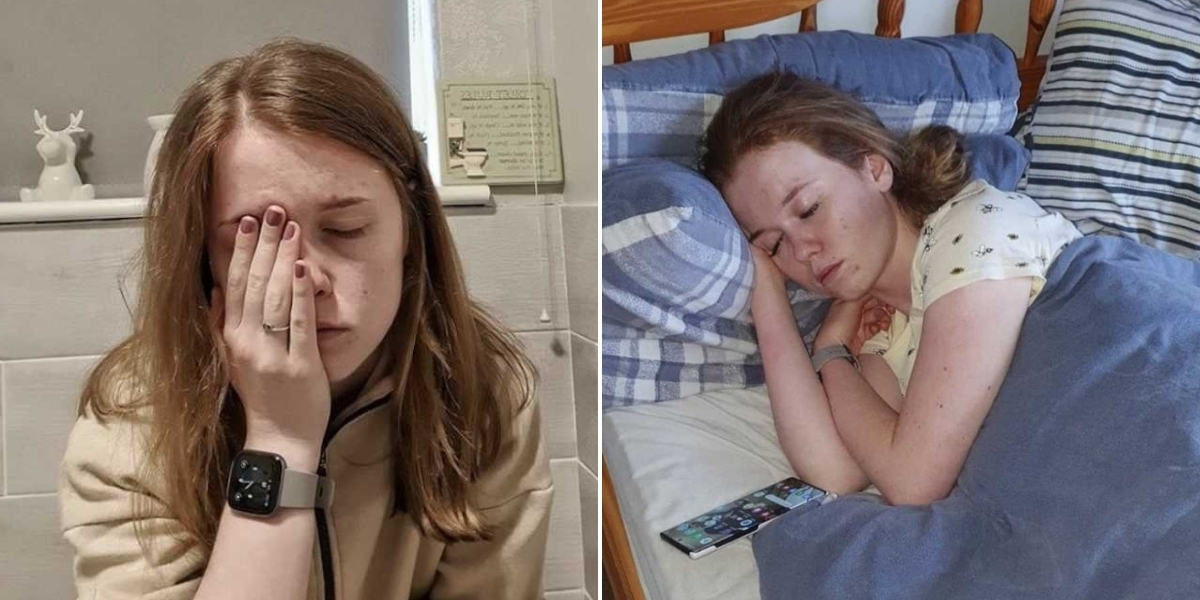
Endometriosis is a condition where tissue similar, but not identical, to the lining of your uterus is found outside the uterus—on other pelvic organs or, in some cases, anywhere in the body. This tissue still responds to the hormones that drive your menstrual cycle. When it bleeds, it causes severe inflammation, intense pain, and further growth, creating a cycle of suffering that can disrupt every aspect of life.
I remember my first period like it happened yesterday. I was only eleven, waking up to unexpected pain and confusion, unsure what was happening inside my body. My mother congratulated me, reassuring me that it was a normal part of growing up—a first step into womanhood. I was told that menstruation might be uncomfortable but manageable, that I’d need pads or tampons for about a week, and that eventually my body would settle into its natural rhythms. Little did I know, a storm was quietly brewing inside me. A battle that would span years was quietly waiting to begin.
By the time I was fourteen, I dreaded my period every single month. The pain had become unbearable. I would often vomit, even after taking painkillers that should have helped. Leaving the house felt impossible, fearing leaks and humiliation. My life felt like a constant blood bath from morning to night. One morning, a turning point arrived. I woke in excruciating pain, barely able to keep painkillers down before vomiting. Crawling to my front porch in a fetal position, I tried to breathe through the agony. That was the moment I realized this wasn’t “normal”—I needed help. My mother immediately called our local doctor, insisting, “My daughter needs help immediately. She can’t stand the pain; something is seriously wrong.”
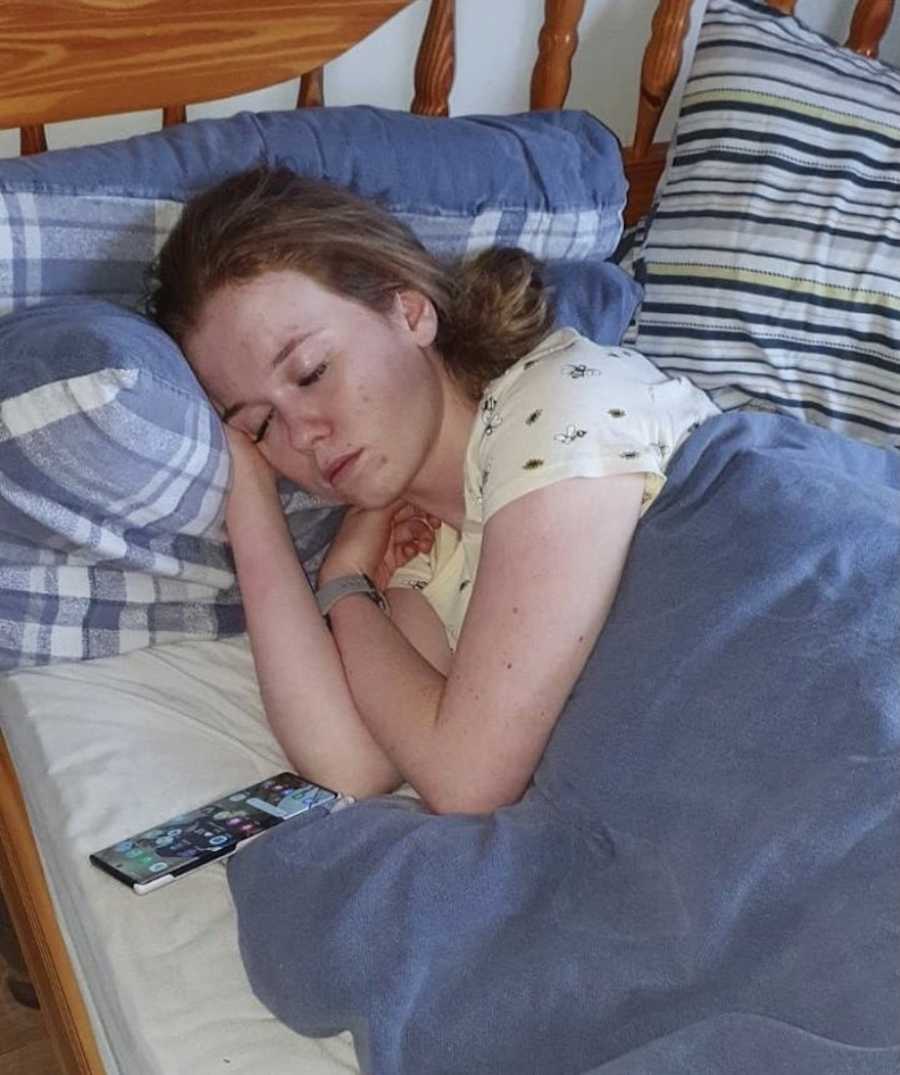
The local doctor, however, insisted I would “grow out of it,” claiming, “Painful periods are normal for teenage girls. You just need to manage and get on with your daily life.” Both my mother and I were frustrated and unconvinced. How could this extreme pain be “normal” for every girl? After months of persistence, I was finally referred to a gynecologist for tests and scans. I hoped this would be the start of answers—but it was only the beginning of a long journey.
By then, my symptoms had expanded beyond just my period. Painful ovulation, severe constipation, painful bowel movements, pelvic and back pain, nausea, and constant fatigue were now part of my everyday life. Nearly sixteen by the time I saw the gynecologist—thanks to long waiting lists—my scans and blood work were normal. My symptoms were attributed to “hormonal imbalances,” and I was prescribed the contraceptive pill.
Nine months passed. My pain didn’t improve; in fact, it worsened. Studying for my exams, I often found myself bedridden for days, unable to attend school. I felt betrayed by my own body, frustrated that all I wanted was to excel in my studies, yet I was constantly defeated by pain I couldn’t control.
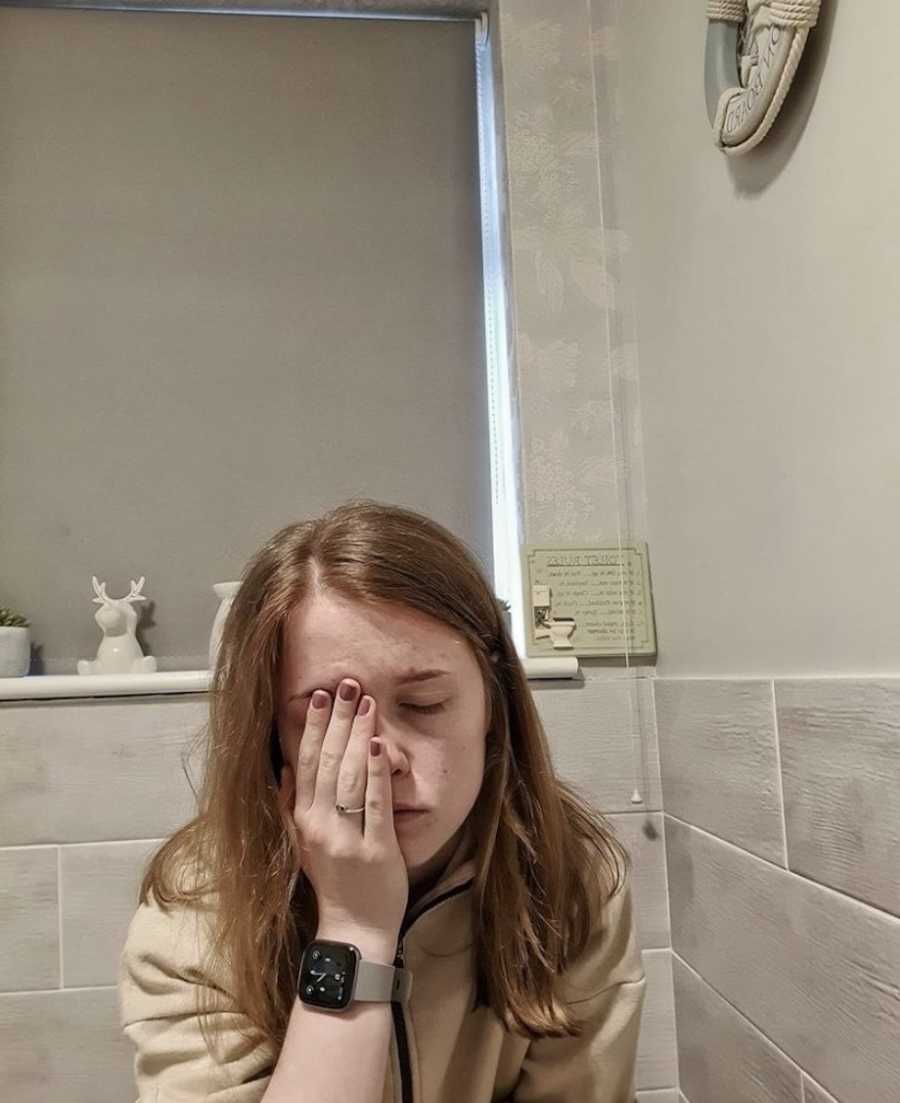
After nearly a year of switching between contraceptive pills, the gynecologist decided to take a different approach. During a procedure to insert a Mirena coil, she mentioned, almost in passing, that I “most likely had a condition called endometriosis,” but there was no further investigation or explanation. I left with a small patient leaflet and little understanding of what that meant. For the first time, I had heard the word, but I had no context or knowledge about this chronic illness.
For the next year and a half, I began to feel the benefits of the Mirena coil. My periods became lighter, pain was manageable, and my schoolwork improved. I felt like I had a second chance at life. My exams went well, I submitted my university application for midwifery, and for the first time in years, I felt hope. Yet, just as I was preparing to move away for university, the pain returned. Initially minor, it soon grew into a dull, constant ache in my pelvis, back, and thighs.
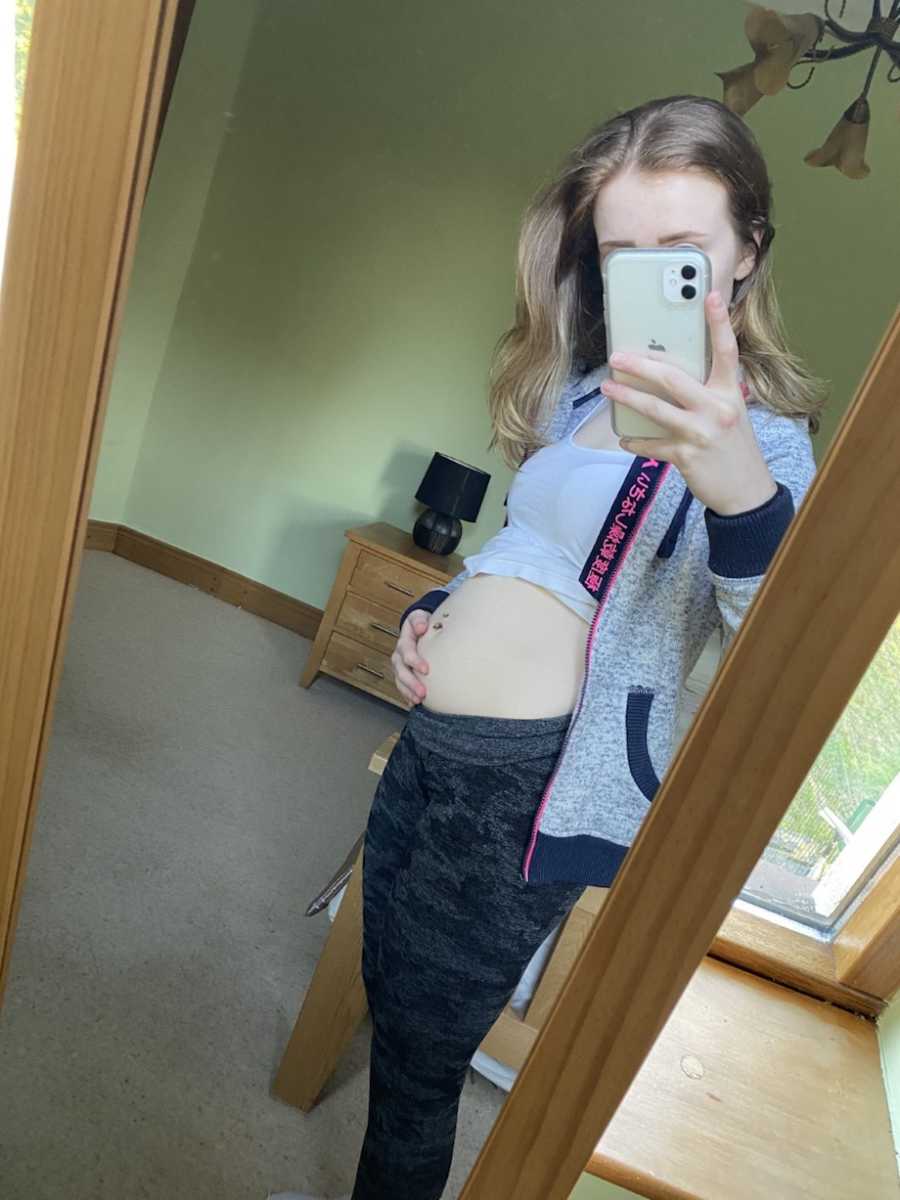
I knew something wasn’t right and returned to the gynecologist. She dismissed my concerns, suggesting the pain was psychological—essentially telling me it was all in my head. But the rest of her team saw the reality: the tears in my eyes, my grimace of pain, and my pleading. Their concern led to an explorative laparoscopy scheduled for January 24, 2020. The consultant insisted nothing would be found, that it was “for my peace of mind.”
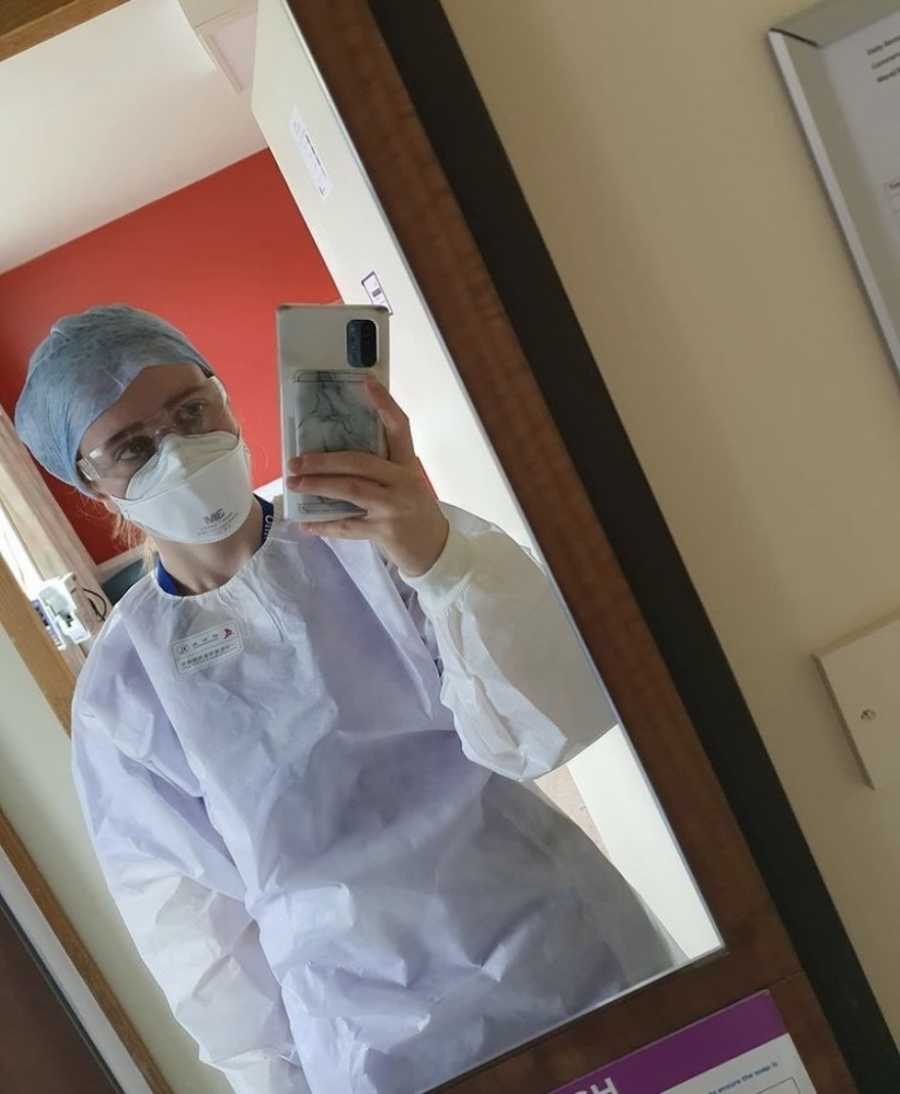
The day of the procedure was one of the most emotional of my life. Anxiety gripped me from check-in to operating theatre. Just before anesthesia, I feared waking to either a diagnosis or being labeled as imagining my pain. When I awoke, I overheard the consultant mention “endometriosis” and “left side of uterus and bowels.” My heart raced—relief and panic intertwined. Finally, a diagnosis, yet the fear of potential fertility complications loomed large.
Later that day, the consultant confirmed stage 2 endometriosis, apologizing for previously dismissing my pain. “Lauren, you have stage 2 endometriosis on the left side of your uterus, Pouch of Douglas, and possibly your large bowel. We need to refer you for specialist surgery. I’m sorry I didn’t validate your pain sooner.” Tears streamed down my face—relief, validation, and fear all at once.
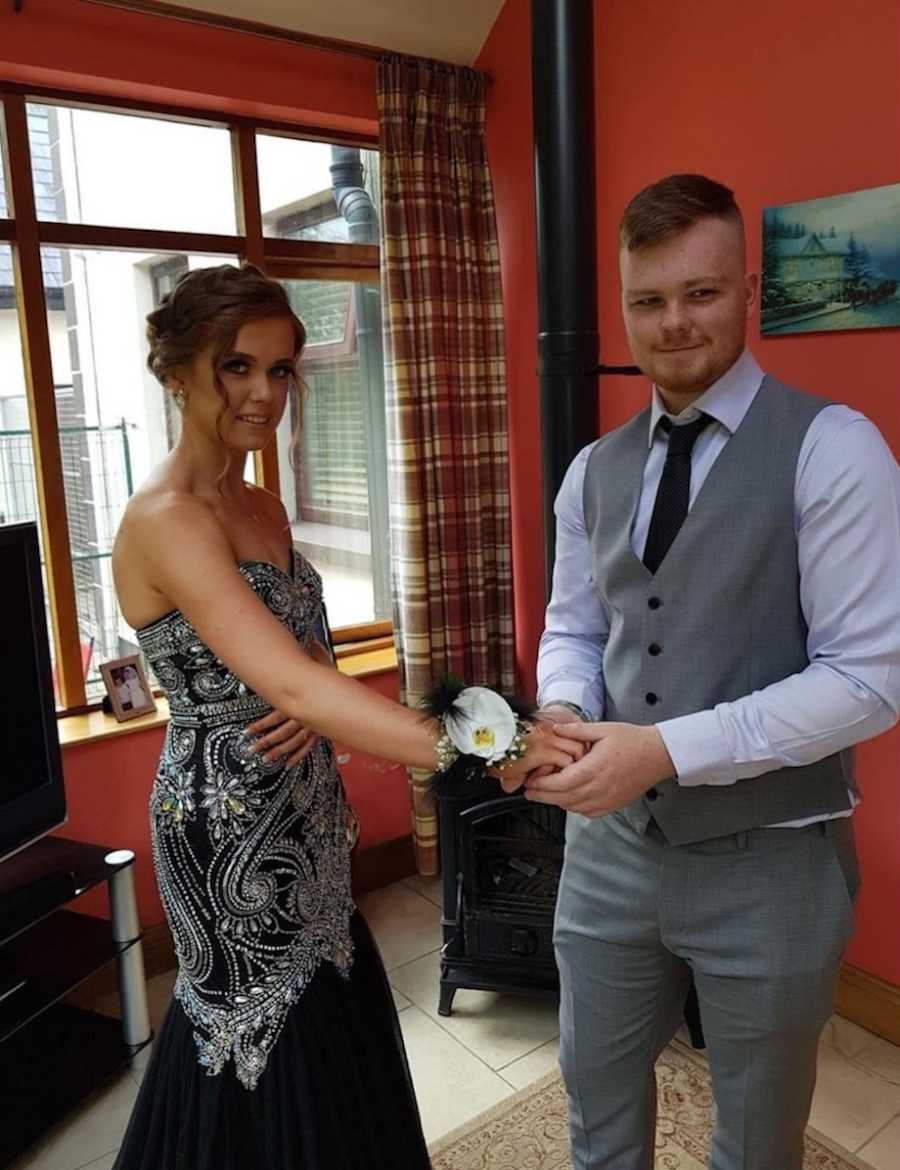
Months later, I dedicated myself to learning about endometriosis and raising awareness. I started an Instagram page sharing my journey. One in ten people worldwide suffer from endometriosis, yet it remains largely misunderstood. My battle continues as I await surgery to remove the endometriosis from my bowel and uterus. Covid-19 has delayed this, and my symptoms are worsening, with flare-ups becoming more frequent.
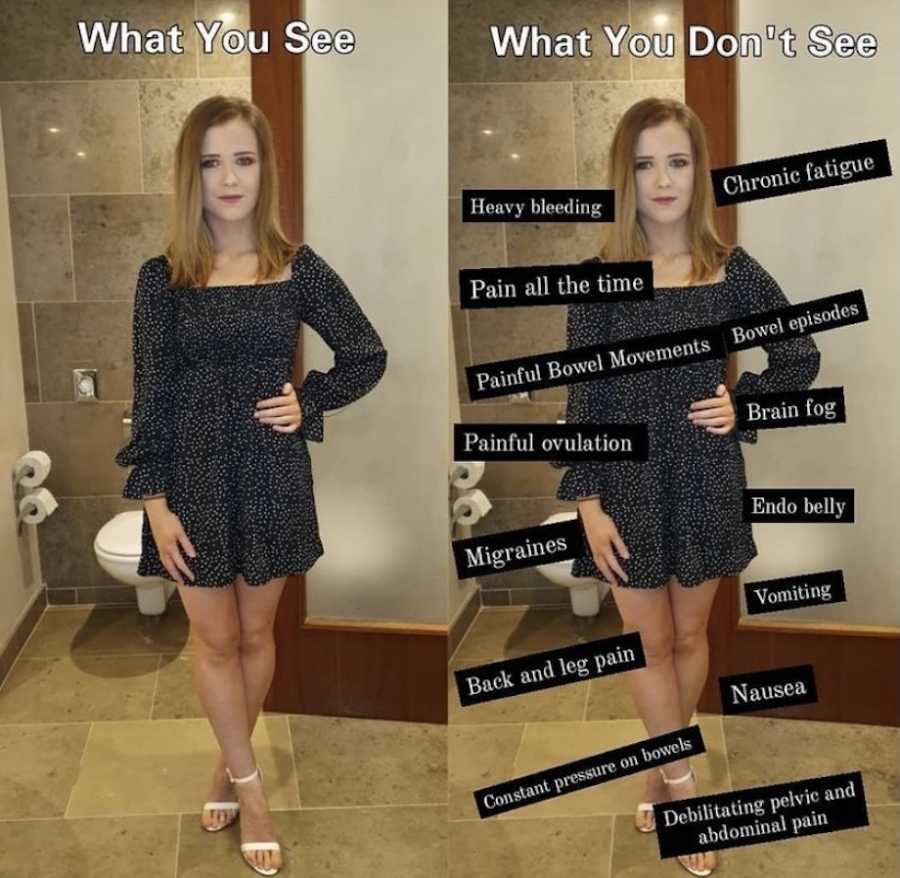
Despite this, I strive to maintain a normal life. I work part-time, attend midwifery placements, study, and try to have a social life. Each day begins with pain, but I push forward, wearing a smile and laughing with friends, refusing to let endometriosis define my path. Pain may be invisible to others, but it is ever-present within me. Living with a chronic illness teaches resilience and the ability to carry invisible burdens with grace.
My diagnosis has reshaped my life. My mission now is advocacy—raising awareness to prevent others from enduring years of misdiagnosis and suffering. Painful, heavy periods that disrupt daily life are never “normal” and deserve investigation. To anyone suspecting endometriosis: fight for your health, insist on answers, and never let medical gaslighting silence you. Your body knows the truth, and if you persist, a diagnosis will come.