There are chapters of my life I could tell you about—like the time my mom saw me kiss a girl when I was about 14. She pretended not to see it and never mentioned it again. Or the time during my senior year of high school when one of my mom’s friends outed me on Facebook. Or even more recently, when my mom discovered I was part of an LGBT group chat and threatened to kick me out. But today, I want to tell you about high school—specifically freshman year, where this whole journey truly began.
I am Haitian-American, first-generation, growing up in a small town in New Jersey. I went to a predominantly white Christian private school—the same church my family attended. My mom and I would do devotionals together before bed, praying side by side. At school, we memorized the Bible’s books and verses, learning about God and scripture. So much of what I know today comes from those early lessons, and I’m grateful for them. But at the time, it was all I knew.
Eventually, my parents divorced. It was inevitable. My father was rarely around, and when he was, I was either asleep, at school, or at church programs like Awana. During the divorce, my mom moved me from the private Christian school to public school.
Now I was in public school. I had been in it for four years, but this was different—I moved within the same town but switched school districts, landing at a brand-new high school with no friends, barely knowing anyone, and even less knowing myself. To help, we had a peer leadership program designed to ease us in. It all seemed fine—until they asked our class whether we supported gay marriage. We were told to go left if yes, right if no.
Panic hit me like a truck. Thoughts raced through my head a mile a minute. I knew I liked girls. I had noticed that. But what did it mean if I went left? What would it mean for my life, my family, my faith? It all came crashing down at once, too fast to process.
At that school, no one really talked about the LGBT+ community—except to condemn it. Being queer, they said, was sinful. God didn’t love you. You were destined for hell. At that moment, all I could think was, “What does my mom believe?” So I went right.
Weeks later, there was a girl in my class. Funny, dramatic, with a lisp that made her voice endearing. I liked her. Somehow, we became friends. But she was in love with someone else, and soon she started bullying me. Her excuse? “How can I say I don’t support gay marriage but have a thing with my friend?” She sent cruel messages to me on her friend’s phone, only to delete them before giving the phone back.
This was incredibly hard. I was on a journey of self-discovery, trying to understand myself, and here was someone tearing me down. At the start of the year, I had said I didn’t support gay marriage—but it was because I didn’t understand myself yet.
The bullying was harsh, relentless. I battled myself daily, denying my identity, thinking if I denied it, it wouldn’t be true. I hated what I saw in the mirror. How could I be gay? I had grown up in church, memorizing scripture that condemned homosexuality. And most painfully, I knew my mom would never accept me. Between religion and her beliefs, a darkness crept over me. I felt trapped, isolated, alone in the world with no one to confide in. Even if I had someone to talk to, I was terrified of what they’d say—or if they would tell my mom.
I was numb, empty. I had struggled with self-harm in middle school after my parents’ divorce, constantly feeling like a pawn in their chess game. I had been months clean, but now the old urges returned. A voice in my head kept repeating, “Cut yourself… it’ll take the pain away.” And for a moment, it did—watching the blood drip felt like escaping my own body. Fighting that urge was one of the hardest battles of my life.
Imagine facing all that while being bullied. I hated myself. I hated God. Every night I cried myself to sleep, begging Him to take it away. I didn’t want this life, this struggle. I even bargained with Him to take my life, thinking death would be better than enduring the pain.
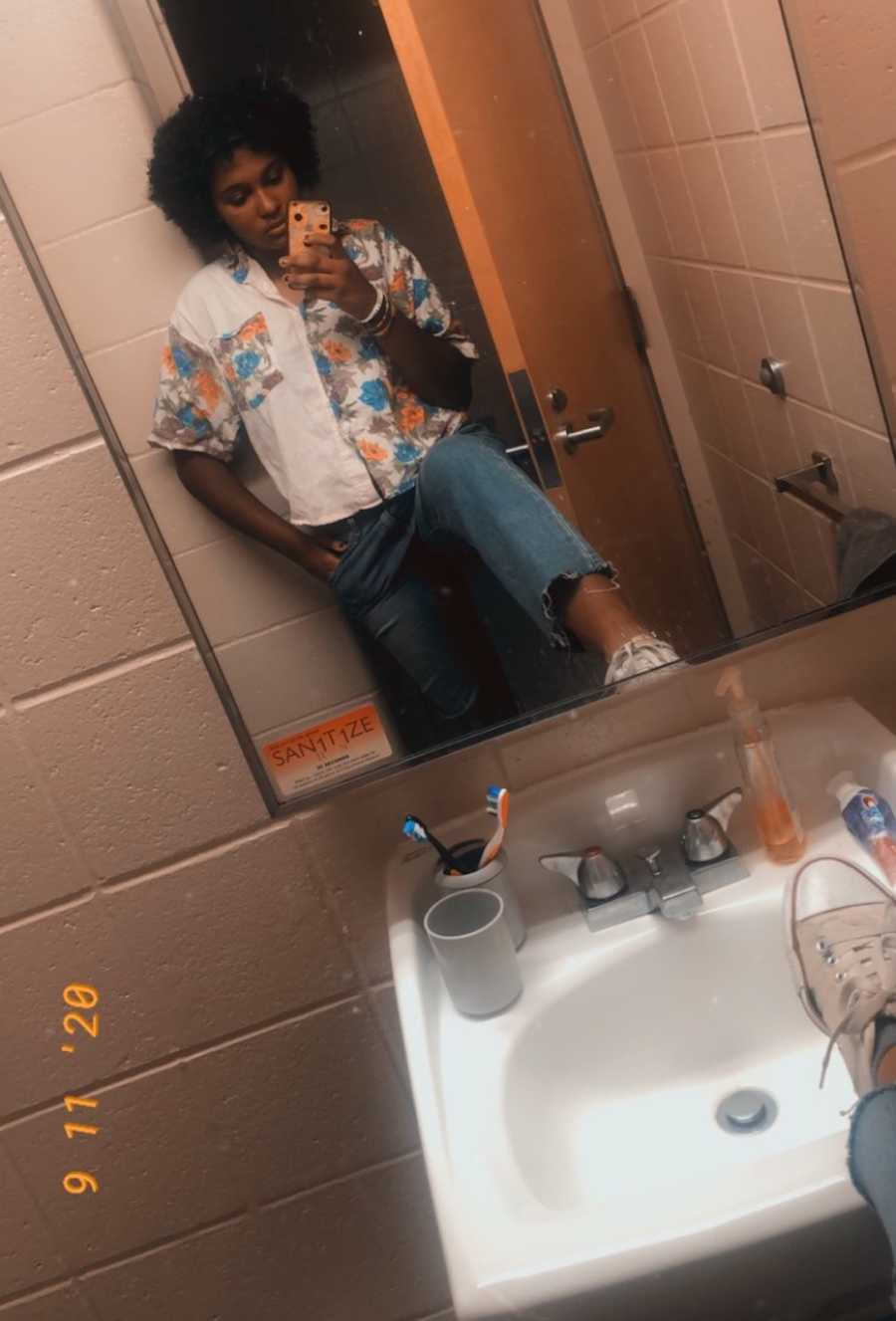
Yet the next morning, I woke up again. And again. Each day, disappointment and despair lingered. I remember thinking, “God doesn’t make mistakes. How could this be? How could He place me in a house that doesn’t accept me?” I even told Him I was the mistake He needed to fix. But I’m still here. And I’m still queer.
From that point on, I knew I was gay, but it remained a secret, locked away. Slowly, I drifted from God, believing that my sexuality and faith couldn’t coexist. I felt split in two: one self defined by what I knew, the other by what I felt.
The struggle between my sexuality and Christianity intensified. All my life I had been told being gay was a sin. Now, at seventeen, I wondered, “I’m gay—does that mean I can’t be a Christian anymore?” I still believed in God, but who I loved felt incompatible with my faith. I wrestled with my feelings, my knowledge of scripture, and the expectations of my mom and church. Anger bubbled up—at God for making me this way and not taking it away, at my mom for confining me to a box I never fit into, at the world for its narrow definitions.
I started straying from both my mom and church. Every comment she made about the LGBTQ+ community felt like a challenge, and I often went to church simply out of obligation. One door—Christianity—closed. Another—queerness—opened. In my small town, with my mother against me, I had to find support elsewhere. I discovered it in books, podcasts, shows, and research. I learned terms, history, and everything I could about queer identity. In college, I did a work-study at the Gender Equity Center, which helped me grow and understand myself even more.
True acceptance didn’t come until I was in college. I started community college at twenty, finally free to explore who I was and who I wanted to be. I began openly dating girls and living without fear. I was a caged bird in my small town, under my mother’s watchful eyes. Now, I could soar.
I learned to dress how I wanted. Feminine, masculine—it didn’t matter. I experimented, sometimes sneaking into the men’s section at stores, feeling guilt and excitement. I remember seeing a black-and-white rose button-down at H&M; I loved it, hesitated because it felt “too masculine,” then returned weeks later to buy it. I still haven’t worn it, saving it for a special occasion—but it symbolizes my freedom.
Some things came naturally. Kissing a girl, holding hands, felt normal and joyful. I no longer feared judgment or shame. I had let others—and even myself—make me feel small for too long.
There were setbacks. At summer camp, I fell in love with a girl, but fear held me back. I ended things prematurely, even setting her up with someone else just to protect myself. But away from home, I could explore. I realized that sexuality and faith could coexist peacefully.
My journey has been long and painful, but now I’m at peace. I’ve learned that being queer doesn’t diminish God’s love. I don’t label myself because my love is personal and fluid. I am constantly growing, unapologetically me, free from the constraints of gendered expectations.
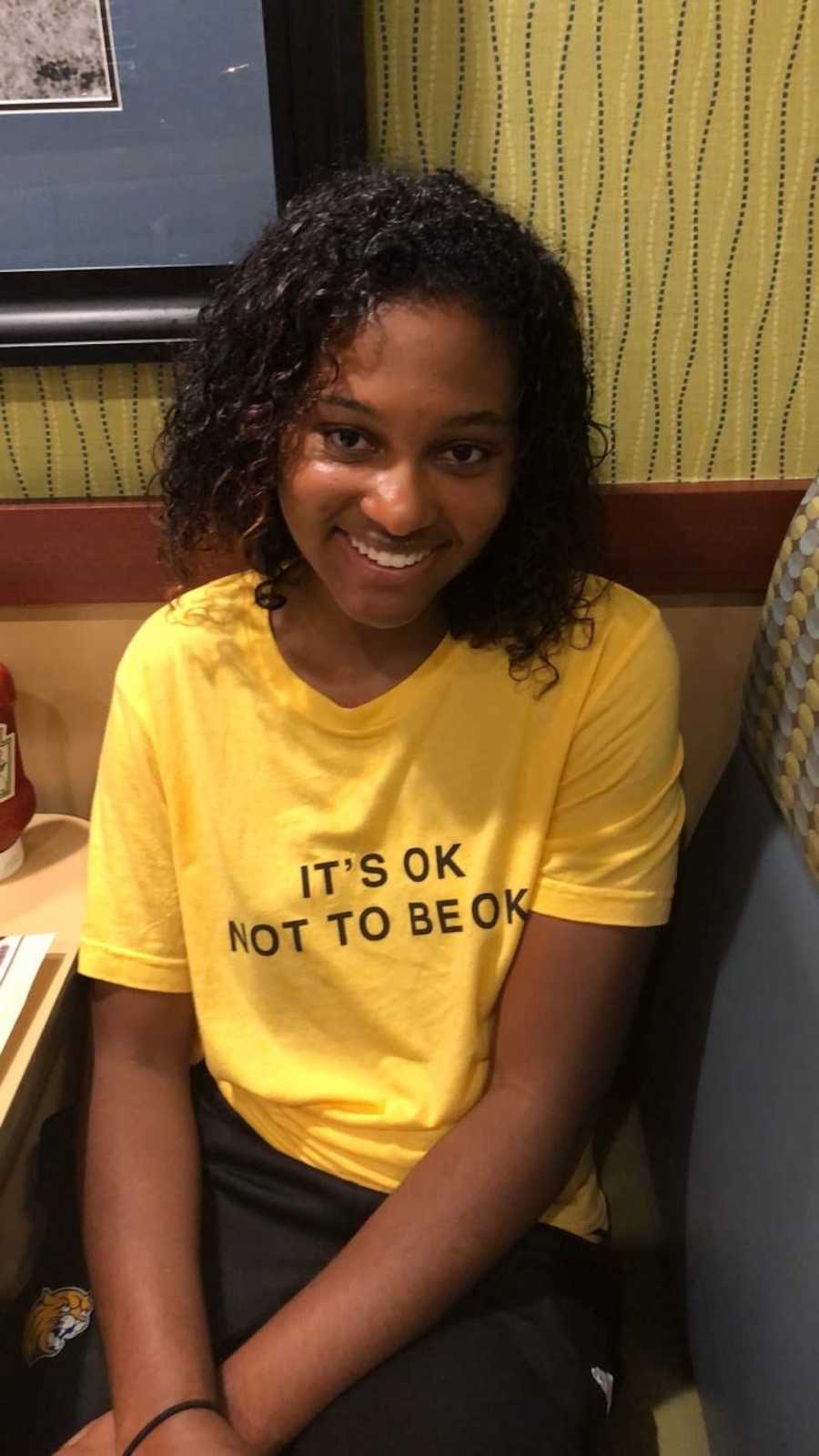
Being queer and Christian is who I am. They cannot be separated. There are countless others who have endured worse, and I hope my story helps them know they are loved, valued, and cherished. God loves you. You can get through the darkness. Diamonds are made under pressure—you are rare.