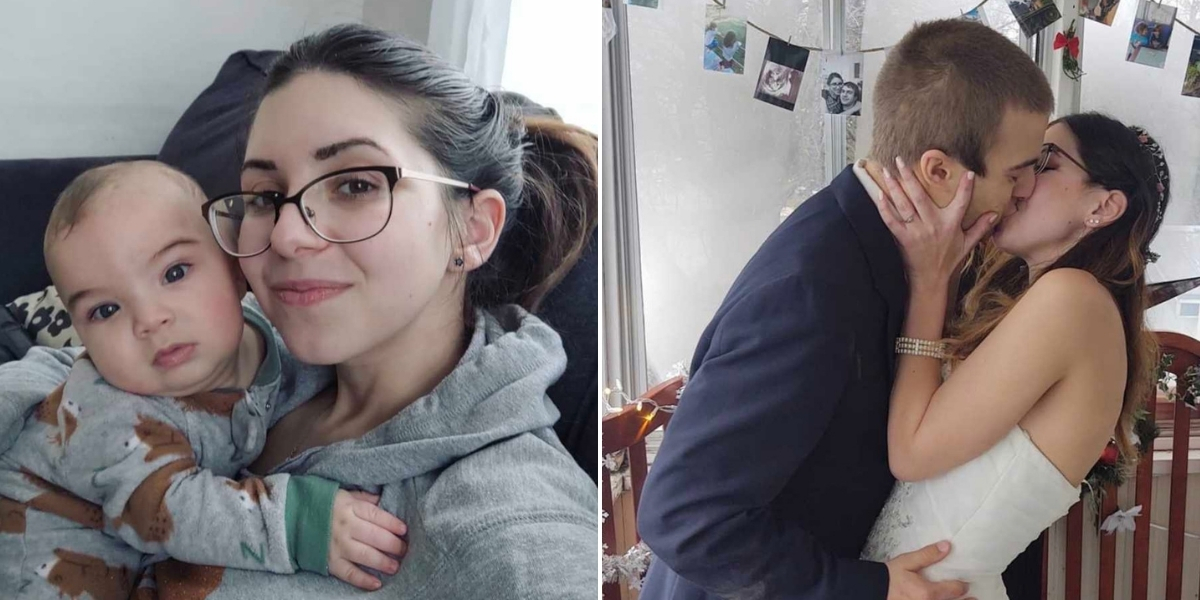
I’m currently a stay-at-home mom of three, two of whom have varying levels of needs, and I live every day managing a variety of chronic illnesses, the most prominent being Dysautonomia, or POTS. Amid all this, I also donate breastmilk—a blessing that likely wouldn’t have existed without the challenges I’ve faced.
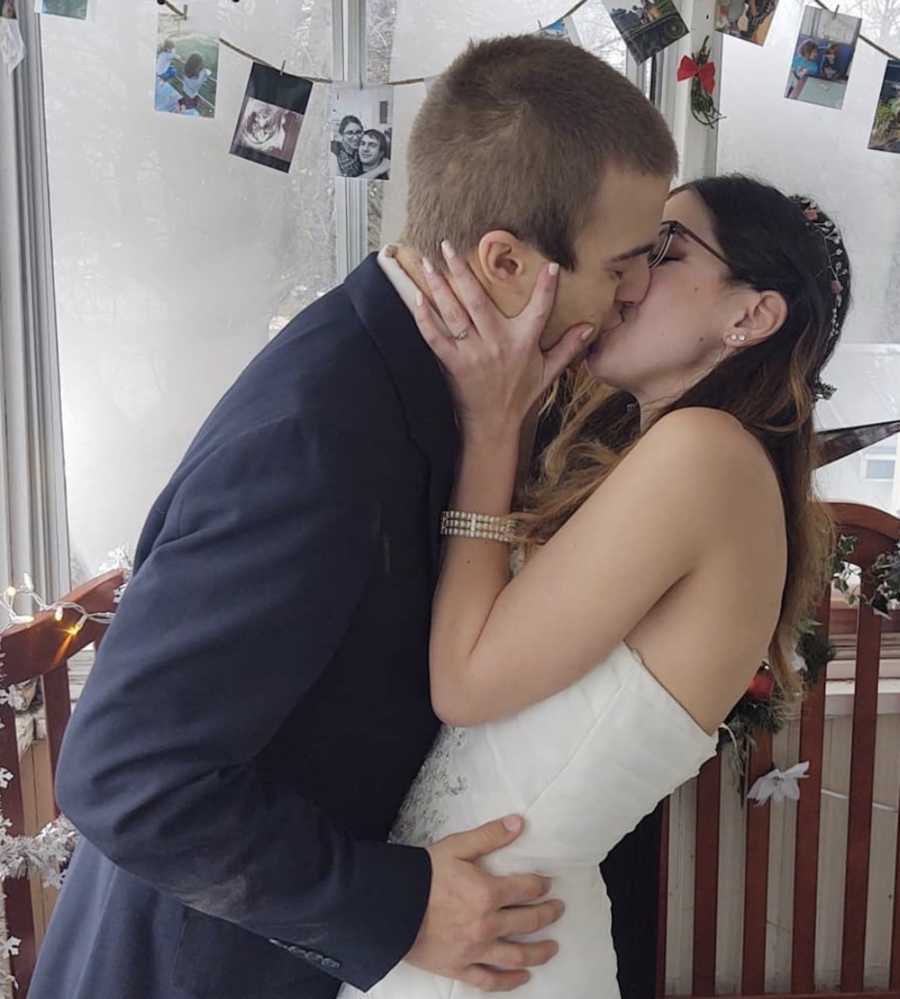
As a kid, I was adamant that I would never settle down or have children. At 18, I even begged my doctor to tie my tubes because I was so certain about the path I wanted for my life. Looking back now, I am so glad it didn’t happen that way. My firstborn son wasn’t exactly planned, but he became the catalyst for reshaping my life. Through him, I discovered strength I didn’t know I had, learned to navigate responsibility, and became an advocate for a child who would always need extra care to thrive.
When my second child came along, I thought I was ready—but the reality proved far more challenging than I ever imagined.
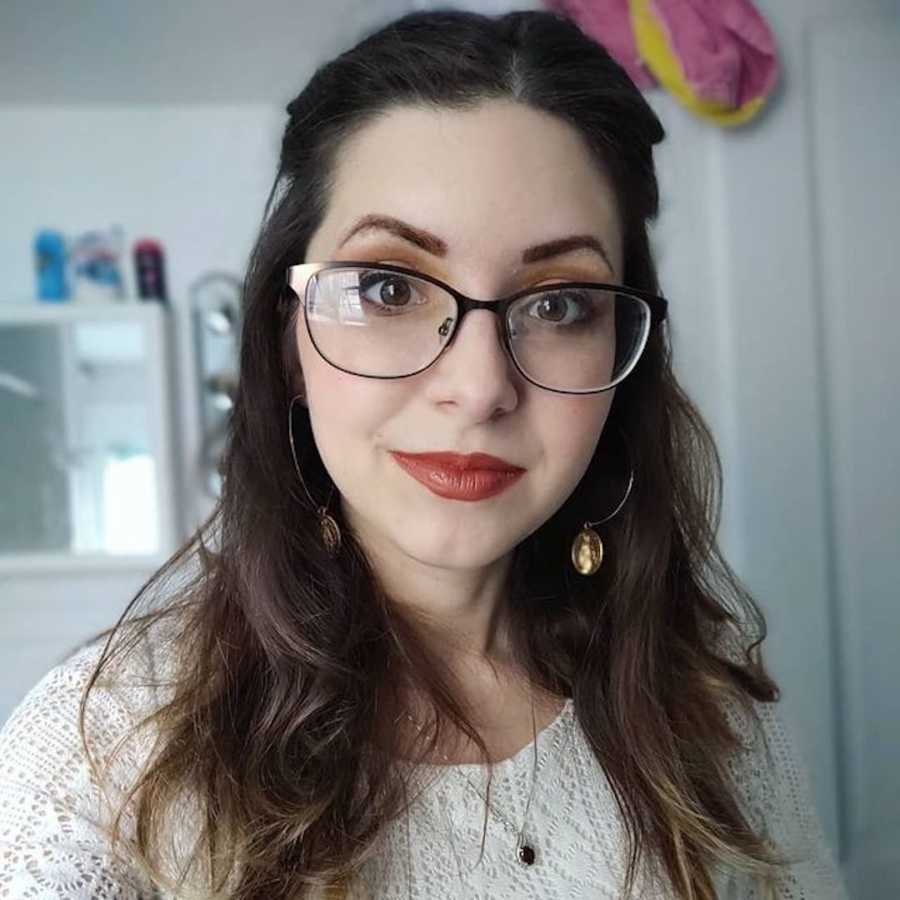
I’ve struggled with POTS since I was 16, but the condition intensified dramatically during my last pregnancy, and it continues even seven months postpartum. That pregnancy was excruciating: severe, unrelenting vomiting, constant sickness, and nearly 40 pounds lost from a starting weight of only 106 pounds. Any water weight I gained from IVs vanished almost immediately. In the earliest weeks, before my first hospital stay, I was losing six pounds every four days.
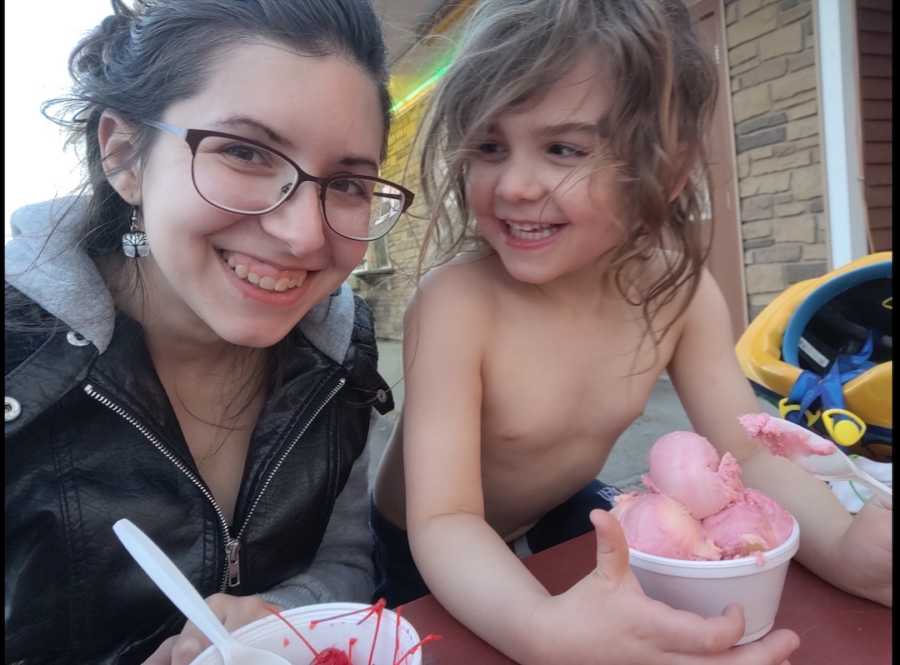
My doctors even suggested terminating the pregnancy, warning that either my baby, myself, or both might not survive the remaining 30 weeks. Simple movements became impossible—I had to be pushed in a cart or wagon just to go anywhere, and most days, I didn’t go anywhere at all. Severe vertigo made even standing a risk; black dots danced before my eyes, and I frequently passed out with the smallest movement. Initially, I attributed all of this to Hyperemesis Gravidarum, and I longed for the pregnancy to end so I could reclaim some semblance of normal life—little did I know, the battle was far from over.
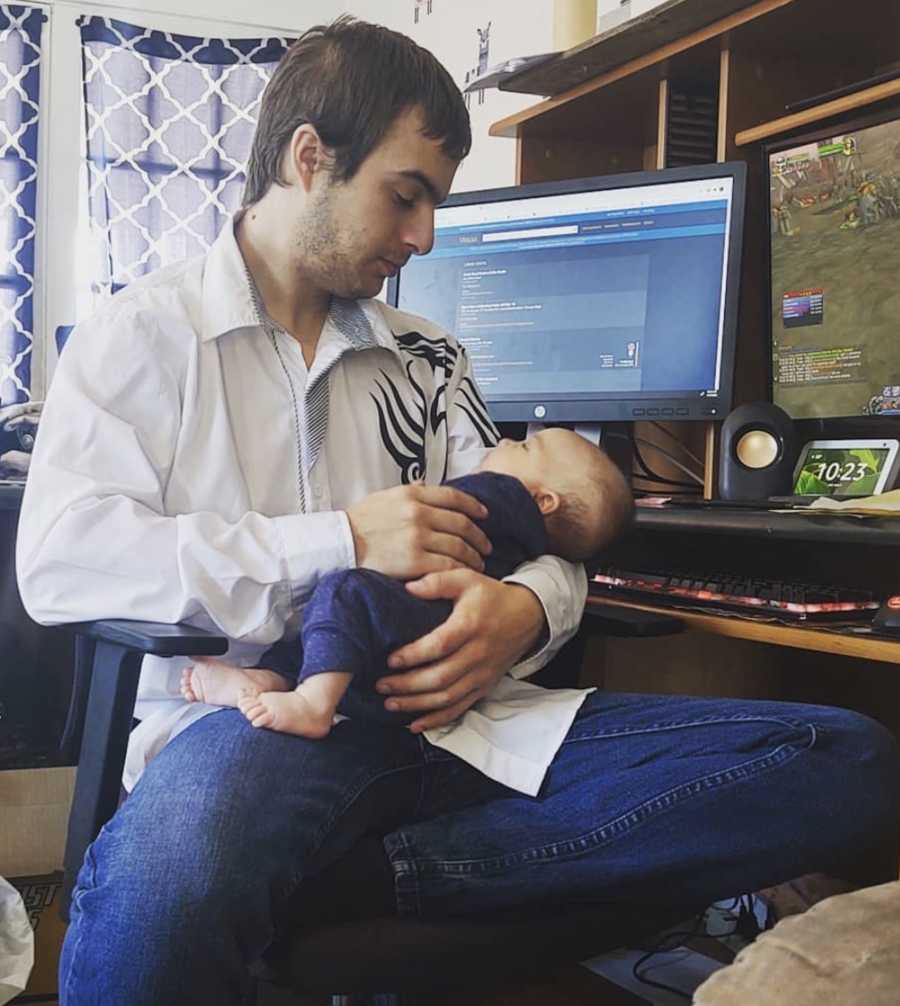
Even months after giving birth, I still struggle to sit or stand for more than a few minutes on bad days. My head feels unbearably heavy, and sudden movements make my vision flicker with black dots. Video games are impossible because my eyes and brain cannot process the movement. After self-identifying my symptoms as POTS, a specialist confirmed the diagnosis. My doctor handed me a handicapped parking tag for my van and told me, “Good luck—there are no treatment options.”
Returning to work wasn’t feasible. No employer could accommodate someone who couldn’t sit or stand for long stretches. My career in retail management or medical care—once a source of pride—was effectively closed to me. Even pursuing a college degree felt impossible; I couldn’t guarantee I could travel or endure long screen time. I felt trapped.
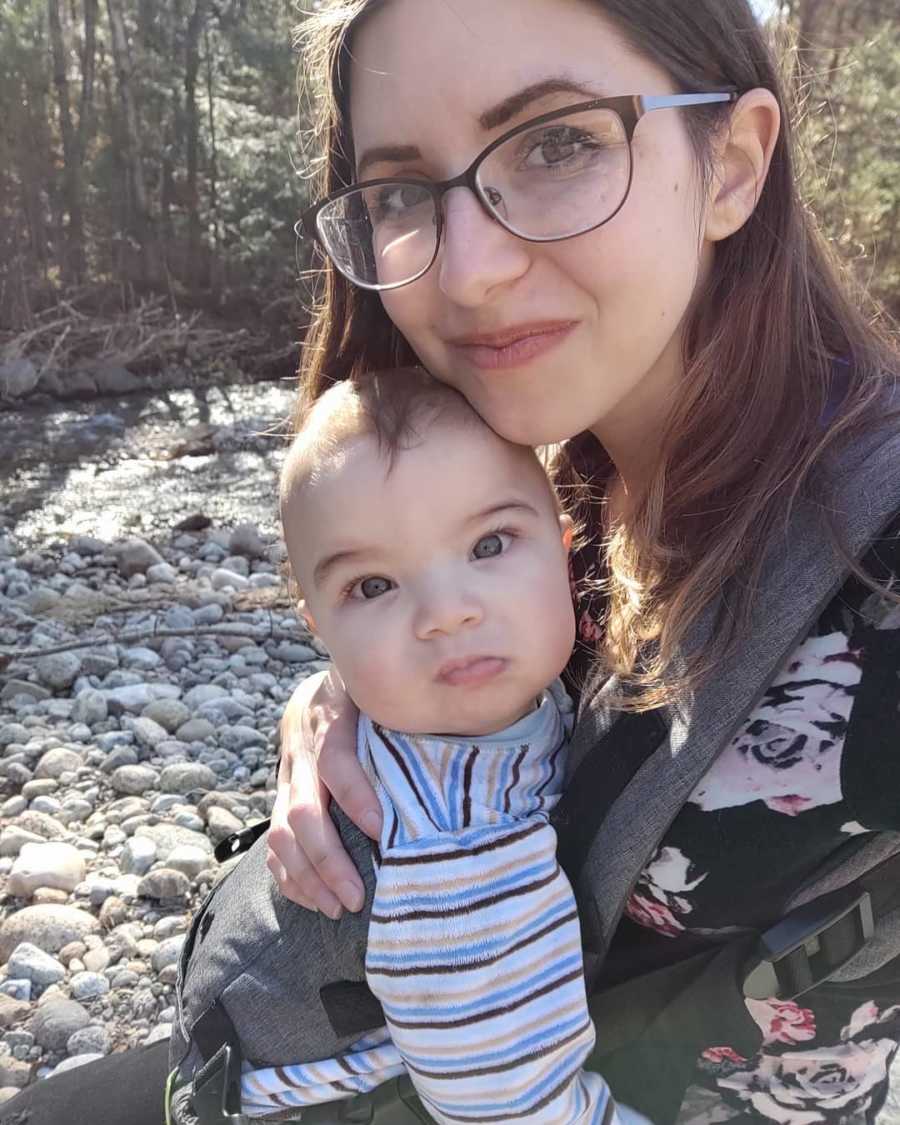
For a long while, I hated my circumstances. I poured my fears and unspoken dreams into my newborn, and through this, we forged a bond I hadn’t experienced with my firstborn. With no work obligations or custody battles to distract us, we learned our new reality together. We cuddled and cried, comforting one another through moments of confusion and pain. Breastfeeding became a shared struggle and triumph—the gentle brushing of his tiny fingers across my arm and chest during feeds became a moment of pure, unshakable connection.
Through these moments, I realized the profound strength of a mother-child bond. By fully giving myself to him, I saw that I had always been his world in ways I hadn’t recognized before. The trust, faith, and love inherent in being “Mommy” became tangible in the smallest of gestures.
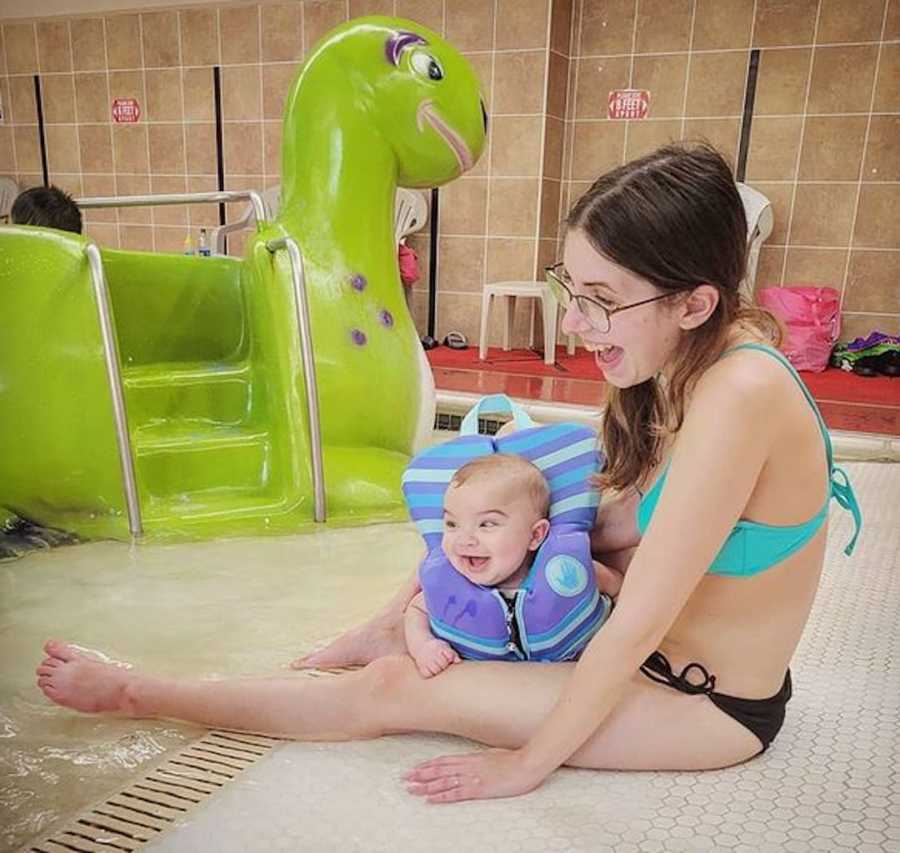
Breastfeeding was physically exhausting. I had to consume 3,000 calories a day while being completely sedentary—and yet, I still lost about a pound each week. Still, I loved knowing I could nourish my baby fully. When illness touched us, my milk changed color and composition, providing antibodies specific to whatever bug had reached us. I pumped between 8–20 ounces daily, storing extra in case my supply faltered. There was just one problem: Leo wouldn’t take a bottle.
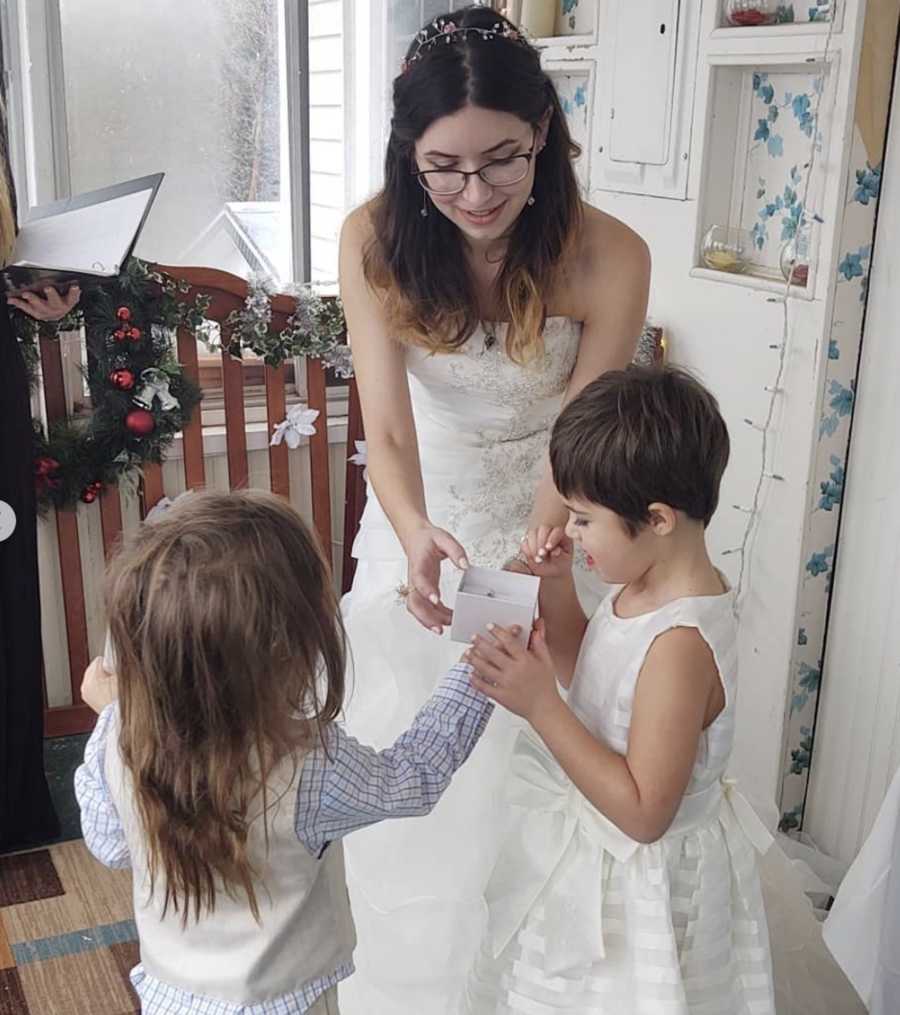
From the start, I’ve always overproduced milk. While most mothers wait days for their supply to establish, I had 80 ounces frozen within the first five days at home from the hospital. With so much milk and no immediate use for it, I briefly considered selling it, but ultimately, I turned to Facebook donor groups.
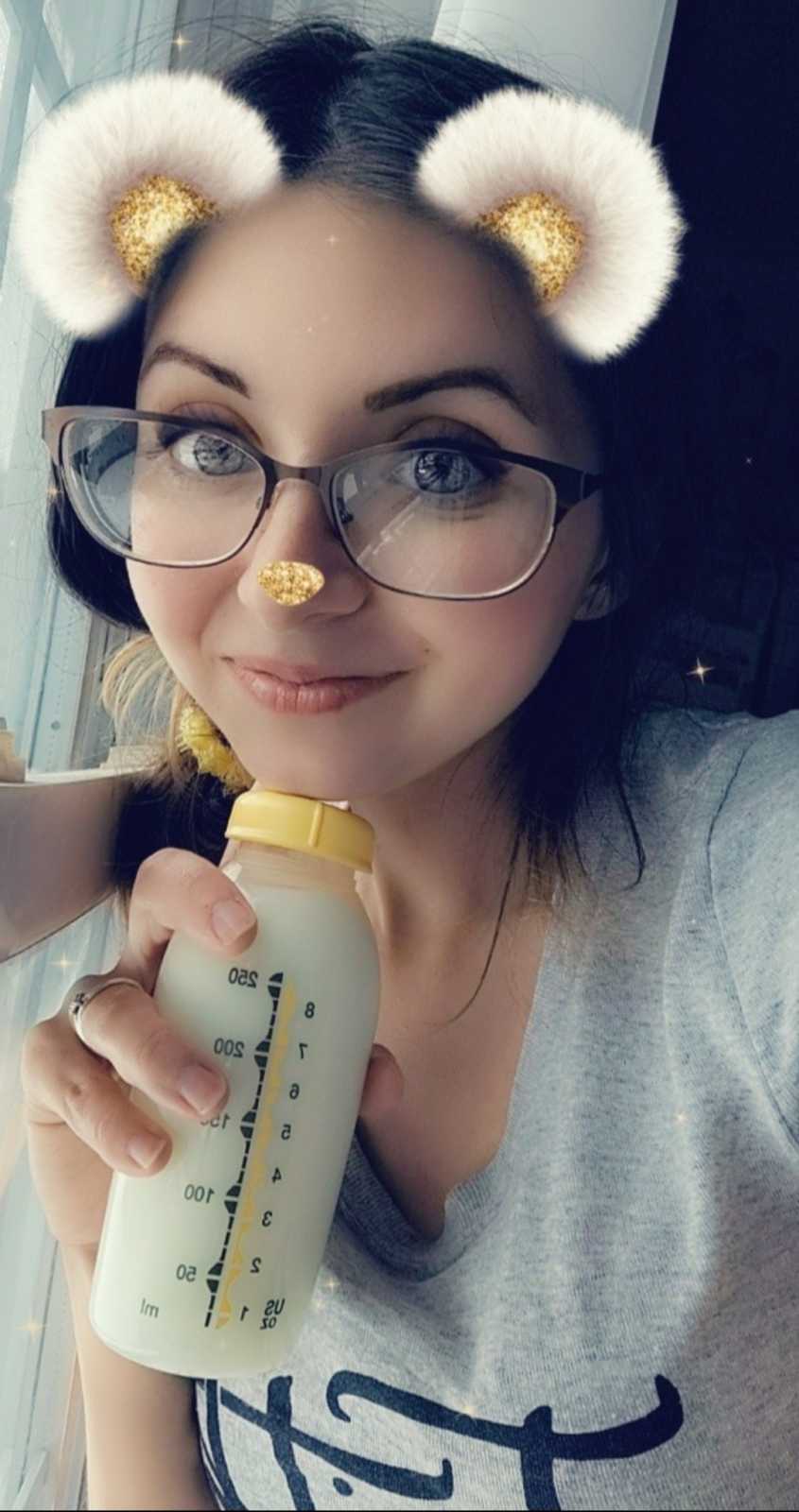
Living in a rural area, 4–6 hours from a major city, I expanded my search to a three-hour radius. I was fortunate to quickly connect with a mother of a nine-month-old, nearly 2.5 hours away, and was able to give her my entire frozen stash. Depending on need, I usually respond within about a week, adjusting my milk if dietary modifications are required, though I also value my own routine and time.
I may not do everything society expects of women, but I do what I was divinely granted the ability to do: carry and feed my beautiful children. I can also support other mothers who face hard choices—whether returning to work, struggling with supply, or simply feeling uncomfortable with breastfeeding. I never judge; every circumstance is unique.
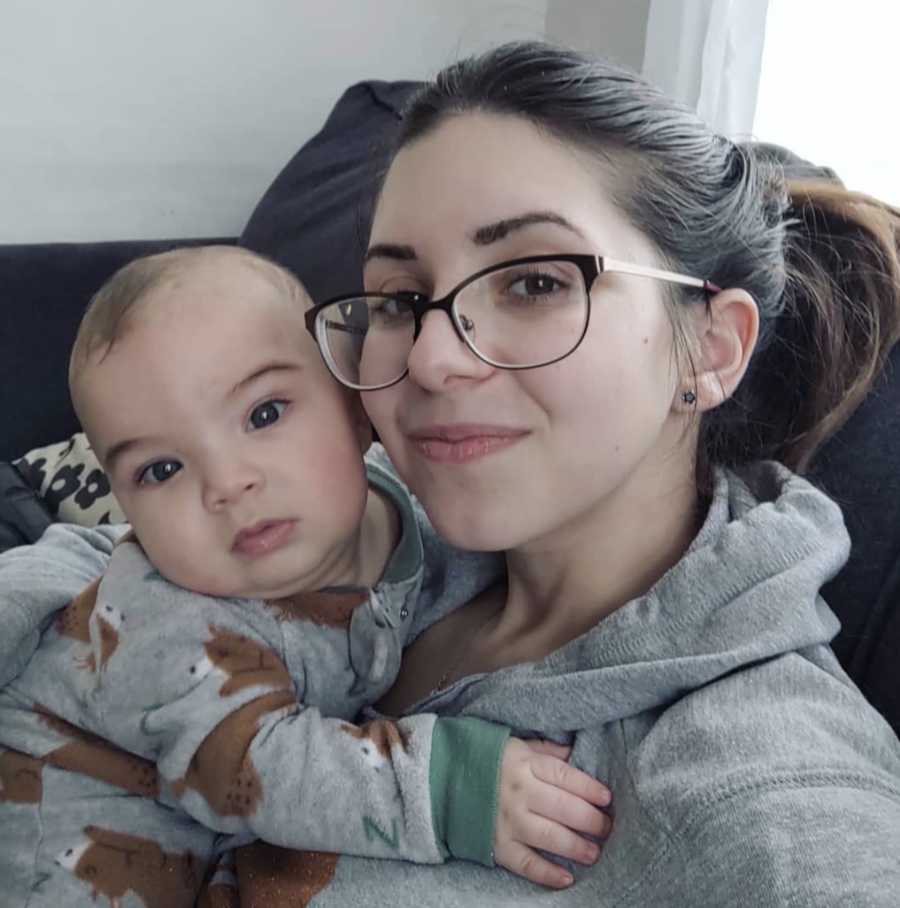
In the end, I have found purpose. I have a place in a community of women whose value society sometimes overlooks. A mother’s love, paired with the support of a village, will always be essential in raising children. I may have limitations, but through nurturing life—my own and others’—I have discovered resilience, purpose, and a profound sense of belonging.