“Anorexia is for vain girls who starve themselves and throw up because they think they’re fat.
Depression happens to people who have always struggled mentally. Some folks don’t even have anything serious to be depressed about.”
That was honestly what I believed. And I was completely, painfully wrong.
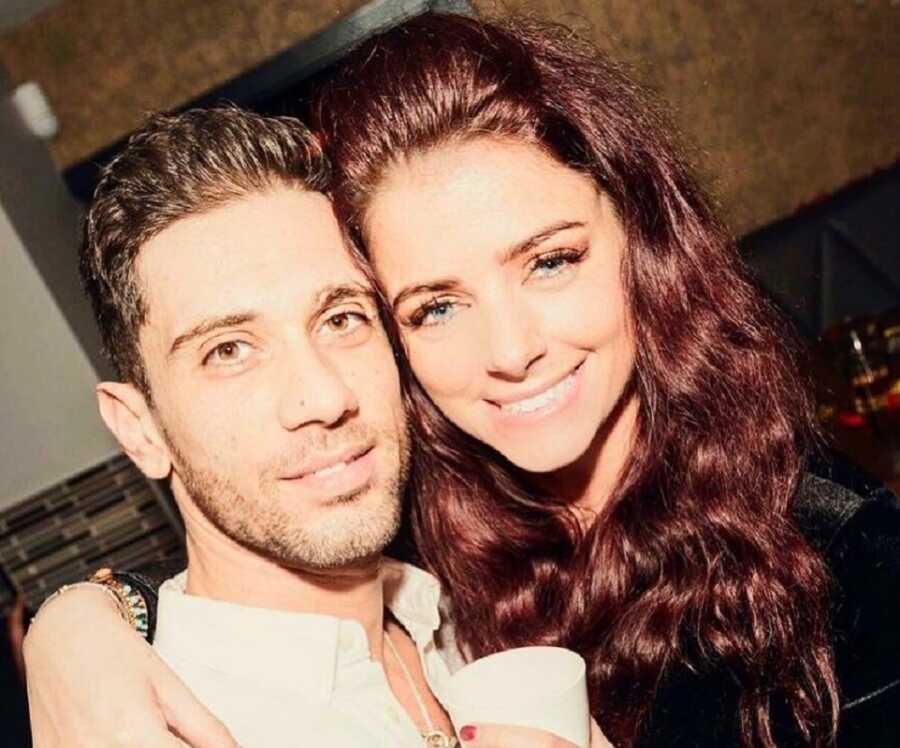
I was 27 and had never faced any major illness — physical or mental. I loved school, joined the public service at 19, bought my first apartment at 25, and met my wonderful partner at 26. We matched on Bumble and laughed when we realized we both worked for the same sector. Life felt steady and full of promise.
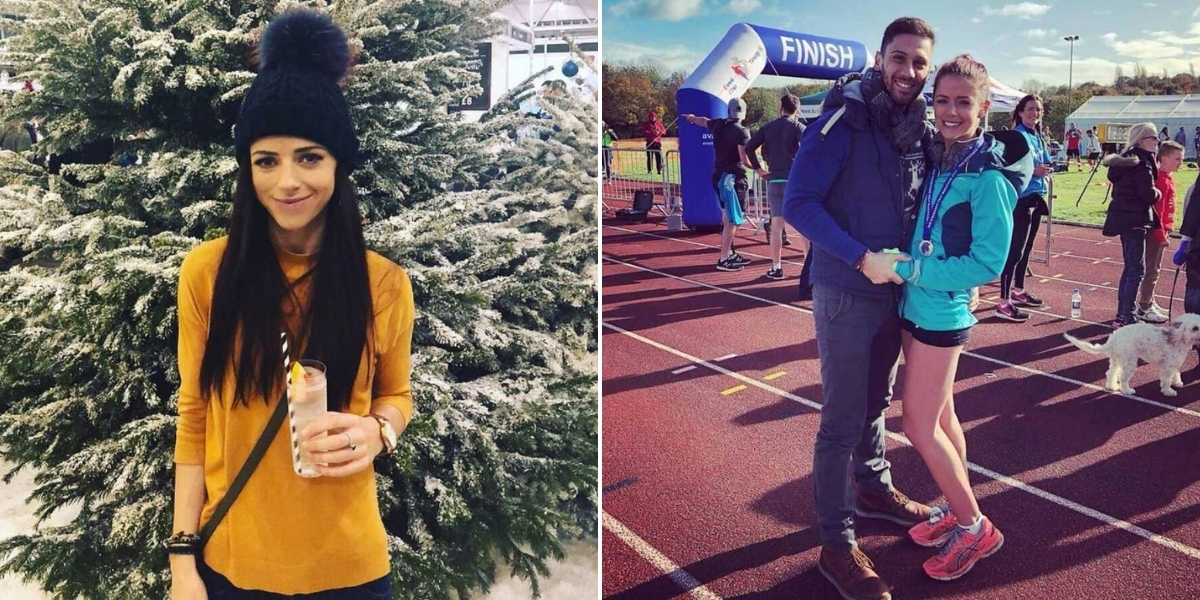
I’d always enjoyed running and staying active. I ate whatever I wanted without guilt — I didn’t own scales and had never been on a diet. On night shifts, I’d grab McDonald’s at 4 a.m., barely hungry, and not think twice. My motto was simple: I exercise so I can eat what I like. And I was genuinely happy.
So what changed?
In the summer of 2017, I woke up one morning convinced I should “tone up,” become healthier, maybe clear up my skin — and finally get that perfect body I imagined. I signed up for a half marathon, checked last year’s finishing times, and decided I had to beat them. I researched food, stumbled into “clean eating,” and became intensely focused on what I was putting into my body.
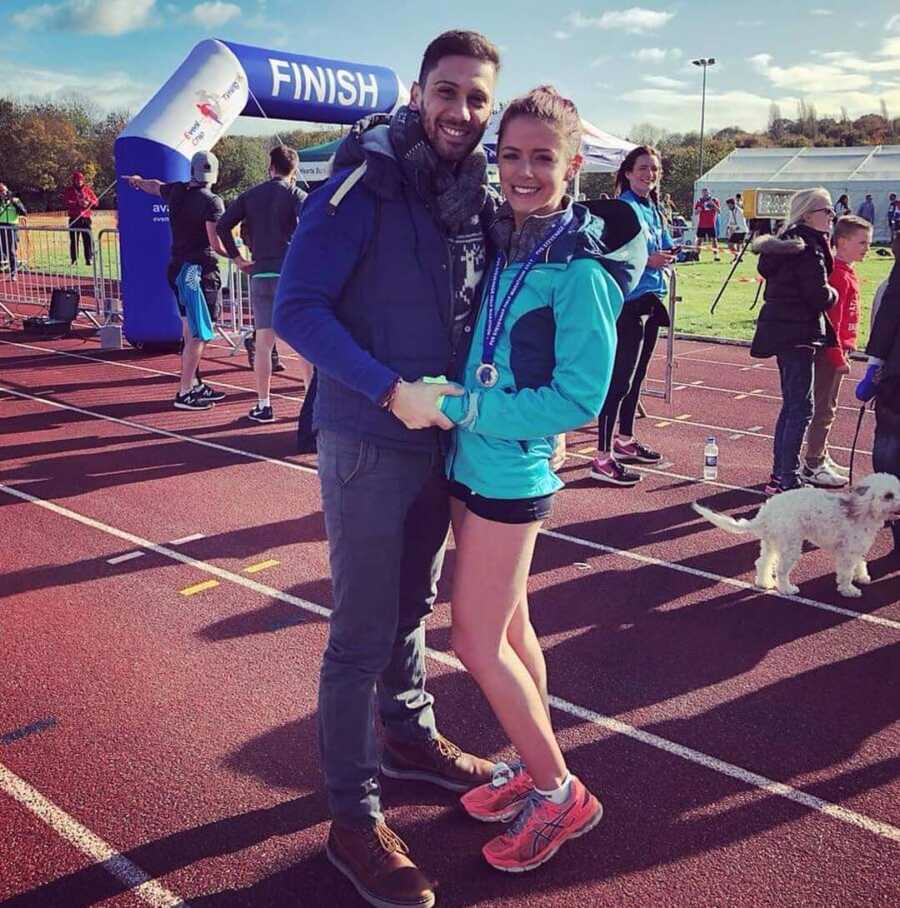
At first it seemed harmless — just less bread and sweets. Then I added a Bikini Body Guide program. Slowly, rules piled up. I cut nearly all carbs, devoured articles on keto, and pushed myself harder with each run. Thirteen miles in 1:34 still somehow wasn’t good enough. I always needed to go faster.
By October, my period disappeared. By November, people whispered that I looked “too thin.” Family members worried, but I brushed them off. I felt energized, disciplined, even proud. Deep down, I thought they were jealous of my commitment.

December arrived — and something inside dimmed. I stopped enjoying things I had always loved. Everything revolved around workouts and “healthy” food. I planned restaurant meals in advance, went to the gym four days a week, ran three, and obsessed constantly. Even Christmas didn’t excite me, and that scared everyone but me.
In January 2018, my mom finally convinced me to see a doctor. I went only to prove I was fine. The doctor looked concerned. My mom cried — and she never cries. I was prescribed Sertraline for depression and sent for bloodwork. My BMI showed I was only slightly underweight, so I convinced myself nothing serious was happening. I didn’t look like the stereotypes — not a frail teen terrified of food — so how could I have an eating disorder?
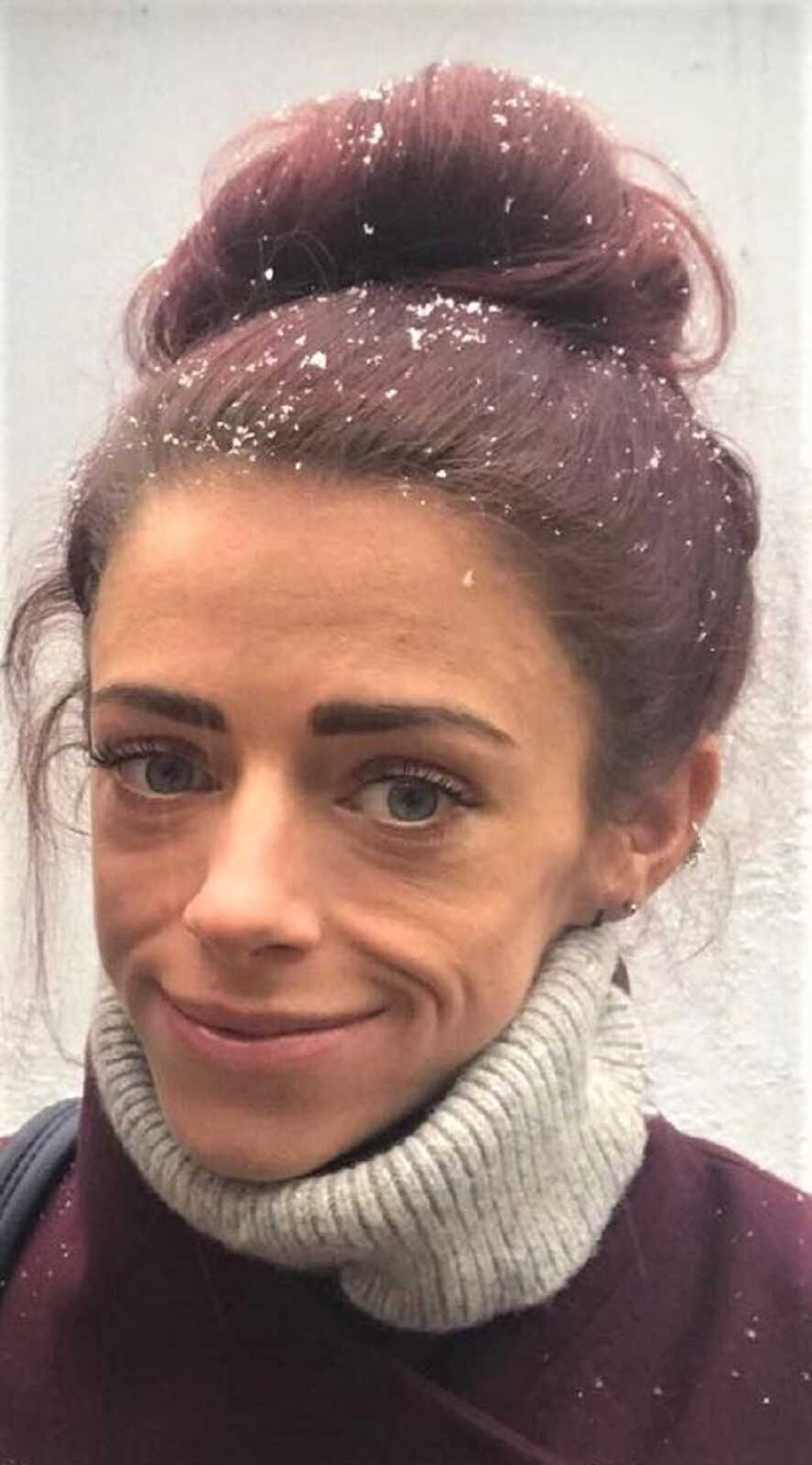
CBT was recommended through the NHS, and while waiting, I Googled my symptoms. I found the word orthorexia — obsession with health and fitness. It sounded closer to me than anorexia ever had. I swapped some cardio for weights, thinking I was “fixing” myself, but my weight kept falling anyway.
I never typed anorexia into the search bar. I ate three meals a day. I didn’t think I was fat. So surely it couldn’t be that.
The CBT therapist felt mismatched. He kept telling me simply to eat more, even Googling calorie allowances right in front of me. I didn’t trust him, and honestly, I didn’t want to hear him. Time alone became my comfort — I could control my food without judgment. My partner and I argued constantly because he begged me to stop running. But I felt nothing — not love, not joy. Only the compulsion to stay “healthy.”
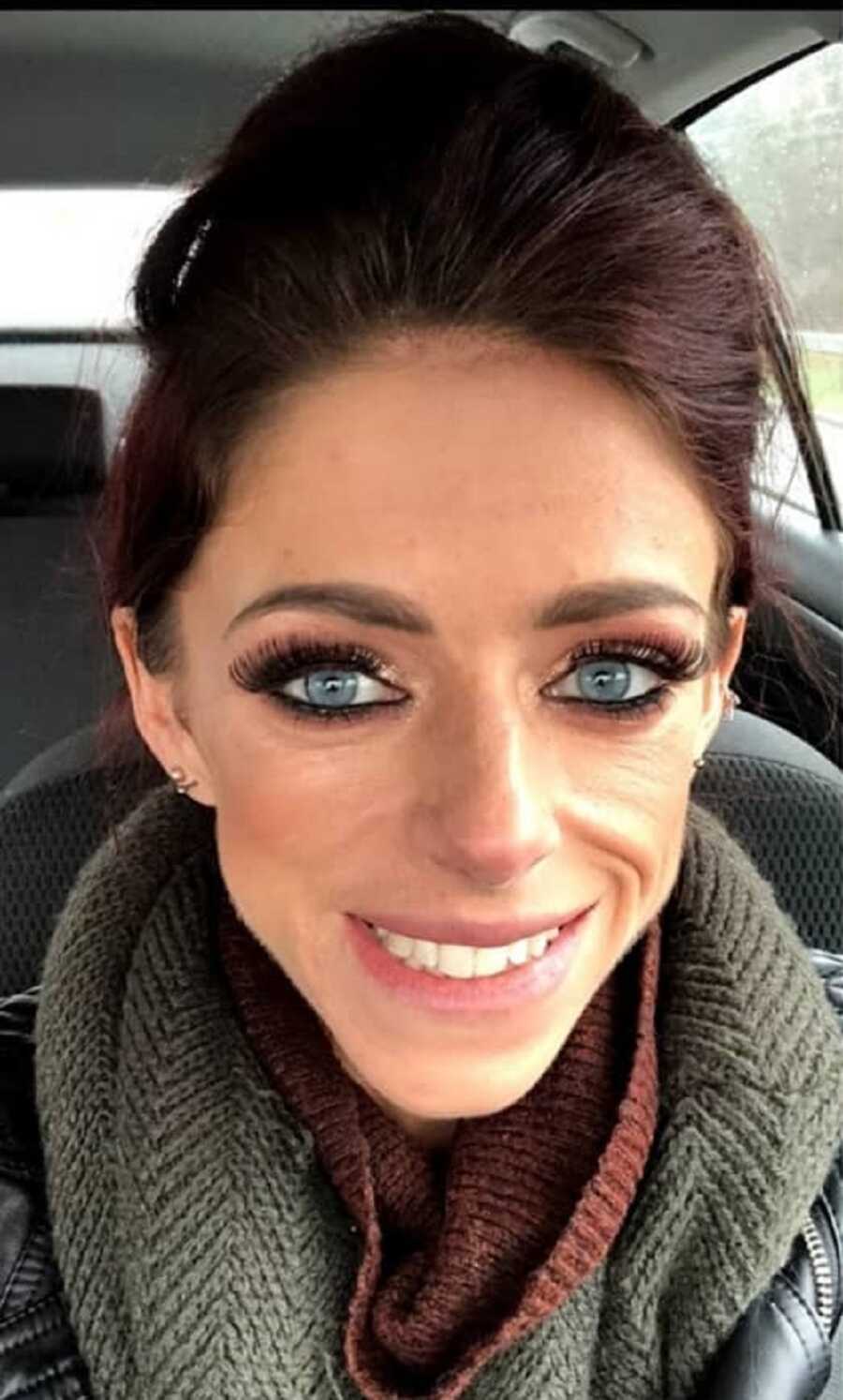
On a trip to Cornwall, I lay in bed wondering if life would always feel this gray. I snapped at people easily and refused to believe anything was wrong. When even my dog — my sweet, constant companion — stopped bringing me joy, something inside finally cracked. That was my “this isn’t normal” moment. I felt numb enough to hurt the one creature I adored.
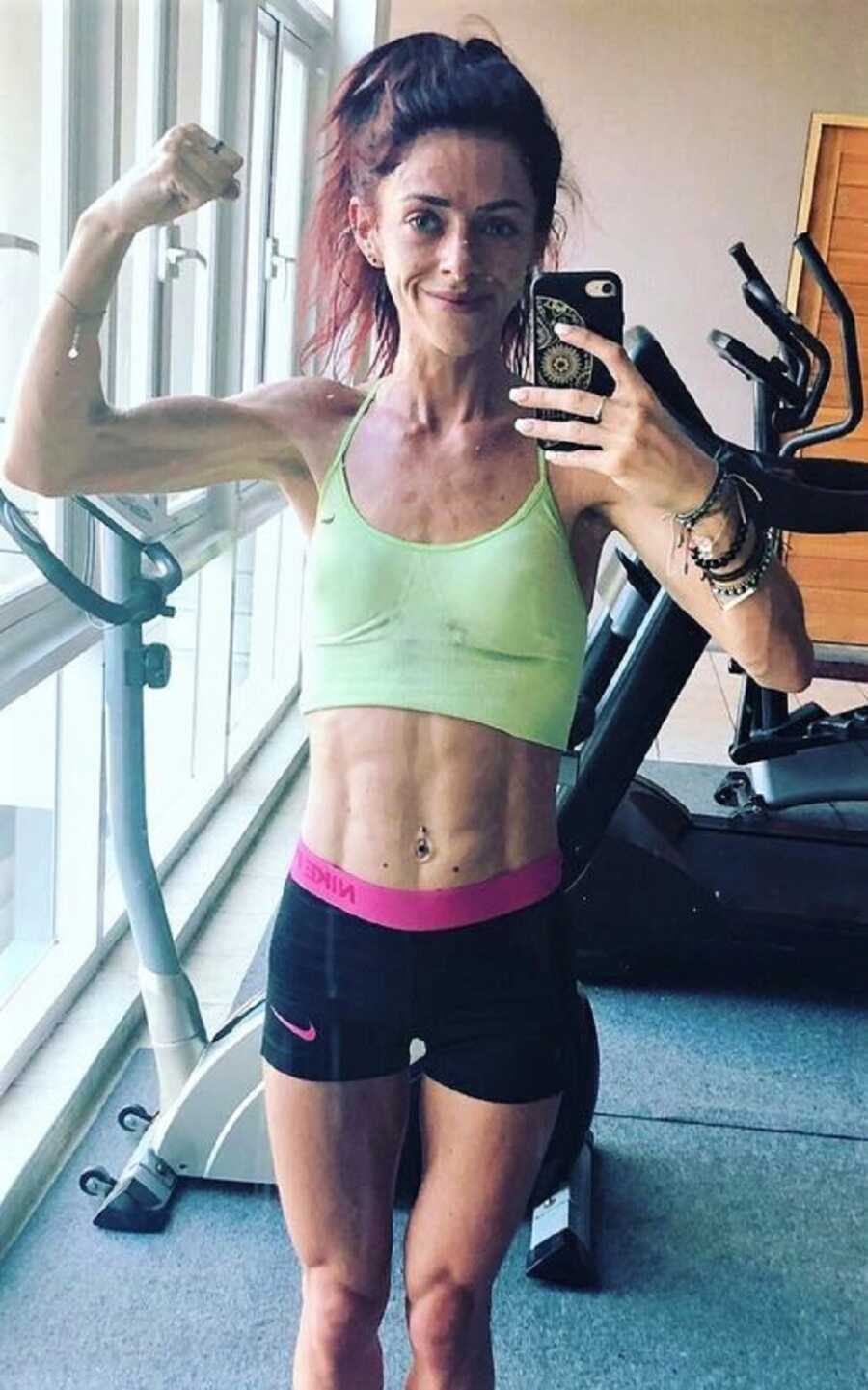
My doctor eventually referred me to the eating disorder service — but the wait was twenty weeks. I searched desperately online for support, not for advice like “just eat more,” but for someone who truly understood. My mom couldn’t stand watching the decline anymore. She took me for a private consultation at The Priory.
Looking back, I realize there were so many warning signs I ignored: my heart rate dipping to 40 bpm, constant chills, waking drenched in sweat at 3 a.m., running at midnight because I’d eaten a brownie. None of it broke through — not even losing my period entirely.
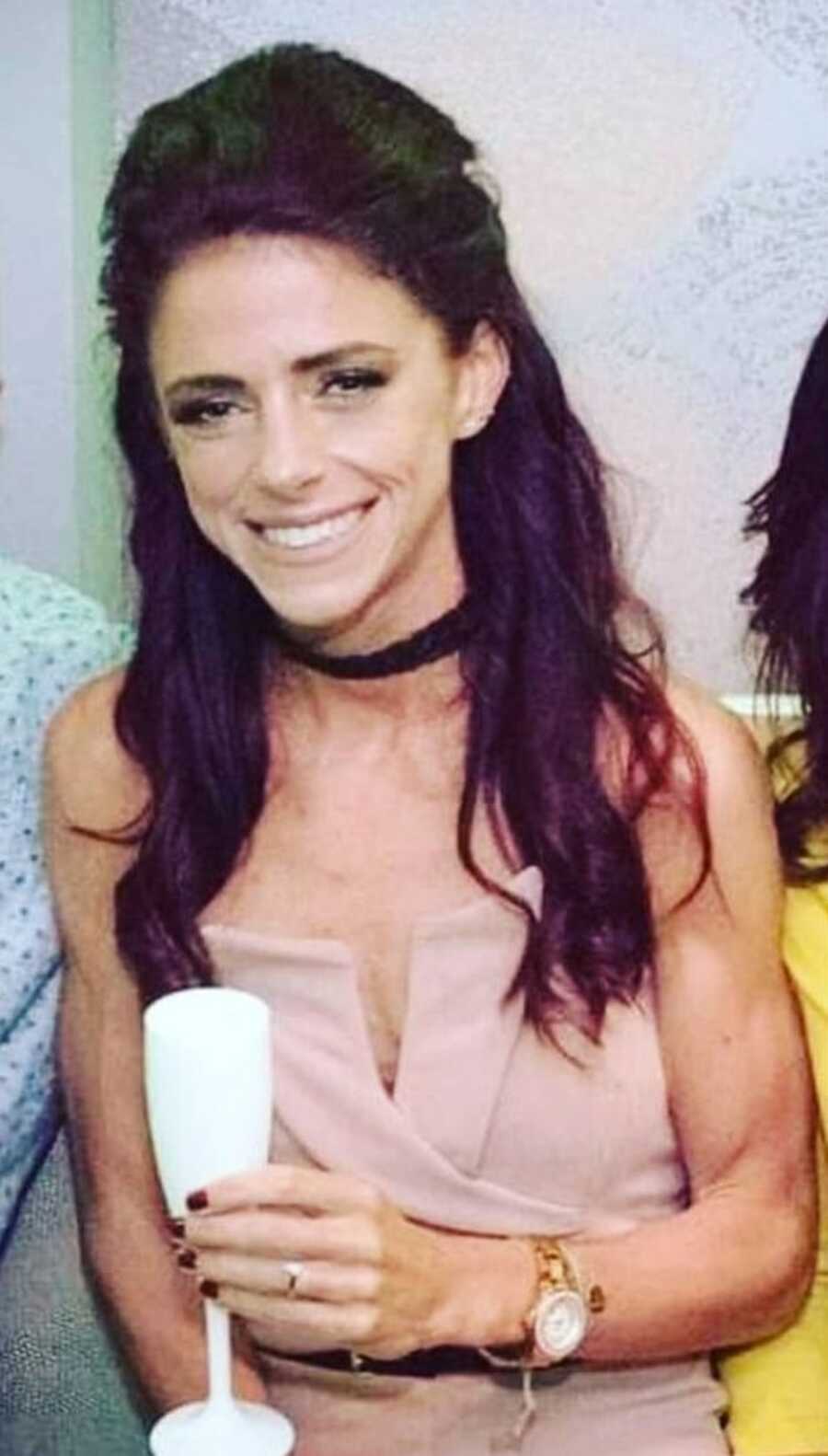
Then, during a $400 session, a specialist looked gently at me and said, “Megan, you have anorexia — and overcoming it will feel like walking through fire.” That was my fck* moment. The first moment I actually believed it.
Ironically, while I wrestled with that truth, strangers at the gym complimented my “lean” body. They saw discipline — not the isolation, hormone loss, or collapsing mental health. I smiled politely while thinking about everything I had sacrificed just to appear “fit.”
Recovery didn’t feel brave at first — it felt like losing control of the only thing I thought I was good at. The eating disorder whispered strict rules about perfection, fitness, and health. Breaking them meant I was lazy or failing. Over time, therapy helped me realize those weren’t my rules. They were part of the illness — a virus convincing me restriction meant safety.
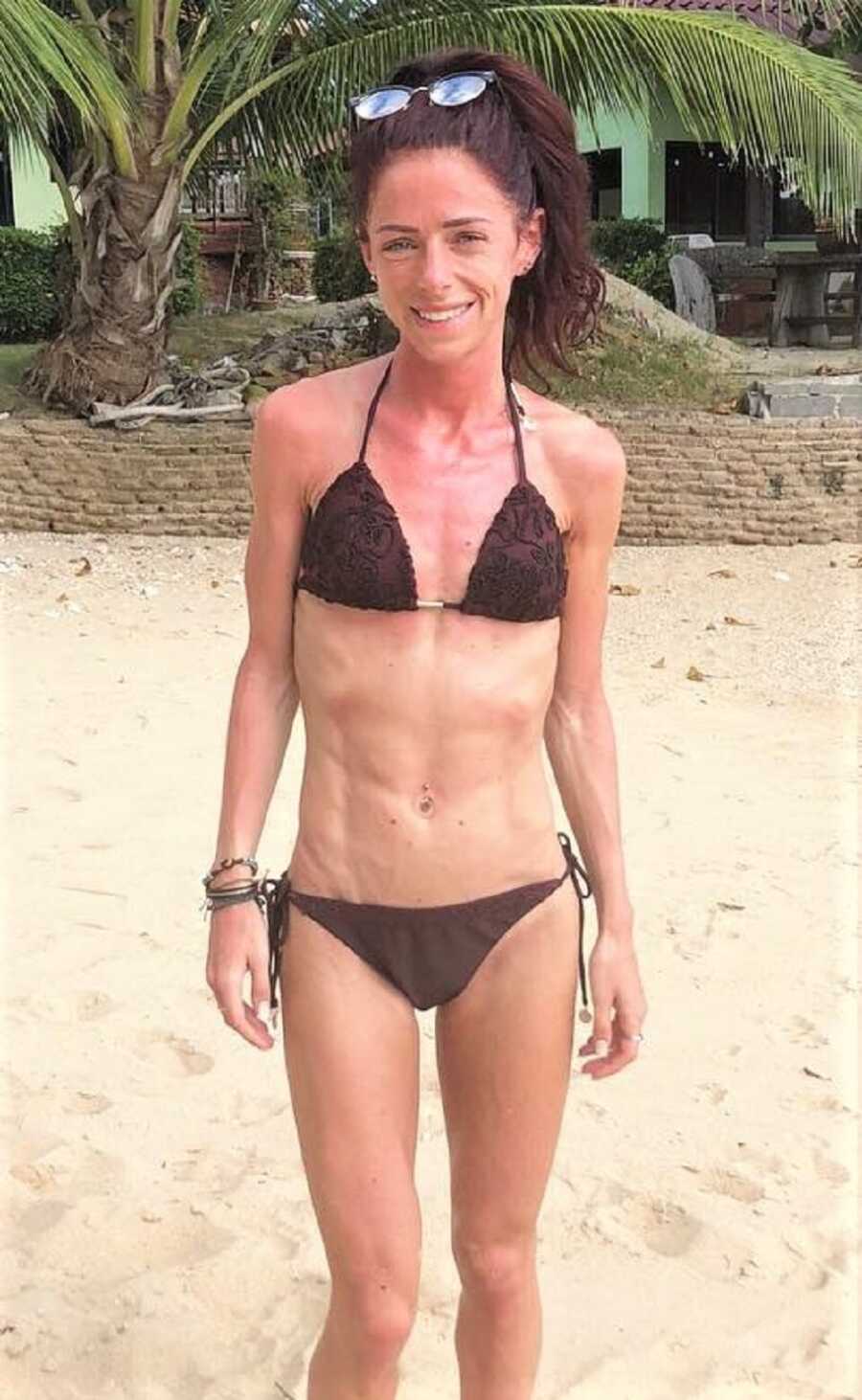
I learned anorexia isn’t really about food. It’s about control, avoidance, unspoken emotions — especially in families like mine where we “just get on with it.” Eventually, emotions need somewhere to go, and I poured mine into running further and eating less.
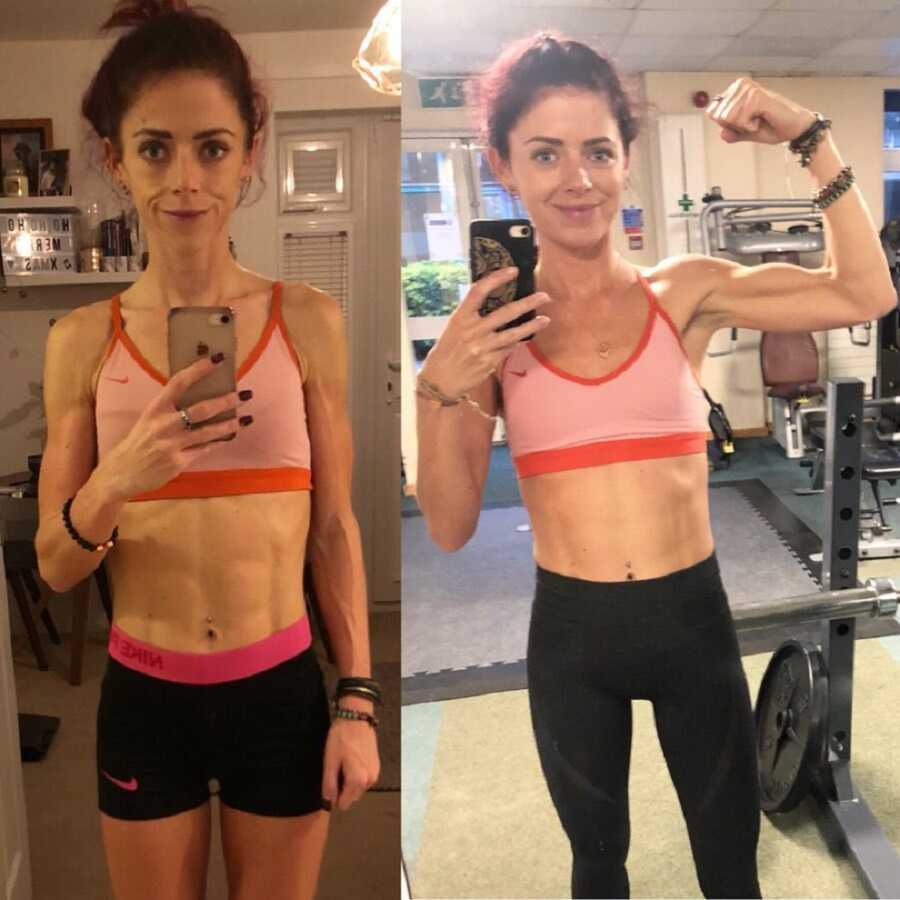
Private CBT likely saved my life. Without it, I would’ve been shrinking away on that 20-week waiting list. Even some professionals didn’t fully understand. One dietitian warned, “Just don’t go the other way,” which felt like telling an anorexic not to get fat — terrifying, unhelpful, and deeply misunderstood.
I learned hard facts along the way: anorexia carries the highest mortality rate of any mental illness; children are hundreds of times more likely to develop an eating disorder than type 2 diabetes. Those numbers haunted me.
Two years into therapy, my BMI finally looked “normal,” but my period still hadn’t returned in over three years. I appeared healthy — but inside, my body was still in survival mode. An endocrinologist diagnosed Hypothalamic Amenorrhea: my reproductive system had shut down due to over-exercise and undereating. Hearing I might not conceive without recovery shook me. I devoured No Period, Now What? and saw myself on every page.
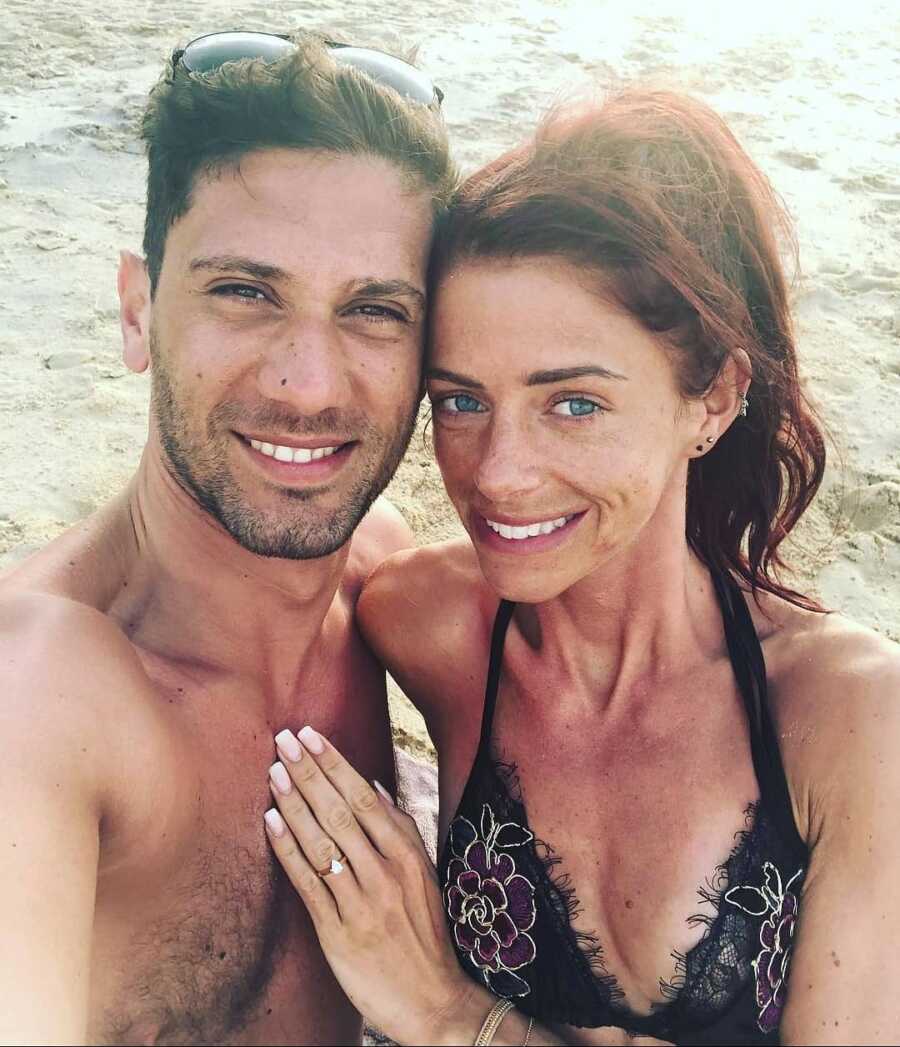
Eventually, I decided to go “all in” — stopping intense workouts and eating at least 2,500 calories a day. It was brutal. I cried, felt swollen, and battled extreme hunger and fear. But after almost four months, my period finally returned. My partner and I cried together in disbelief.
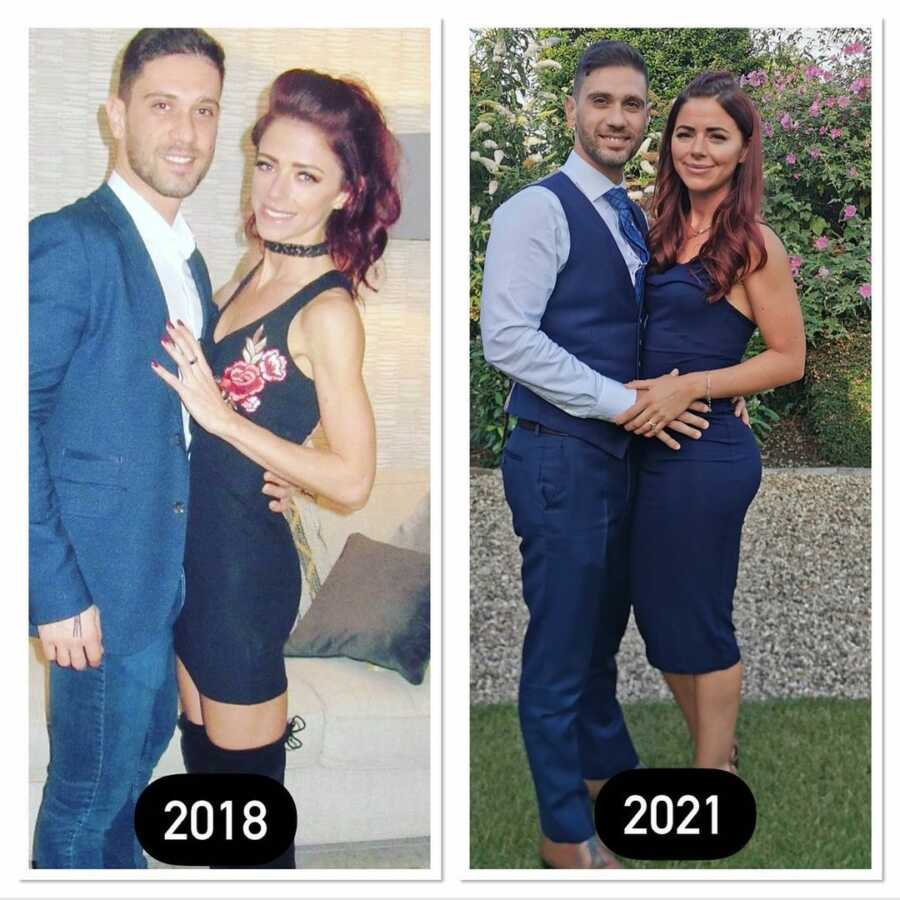
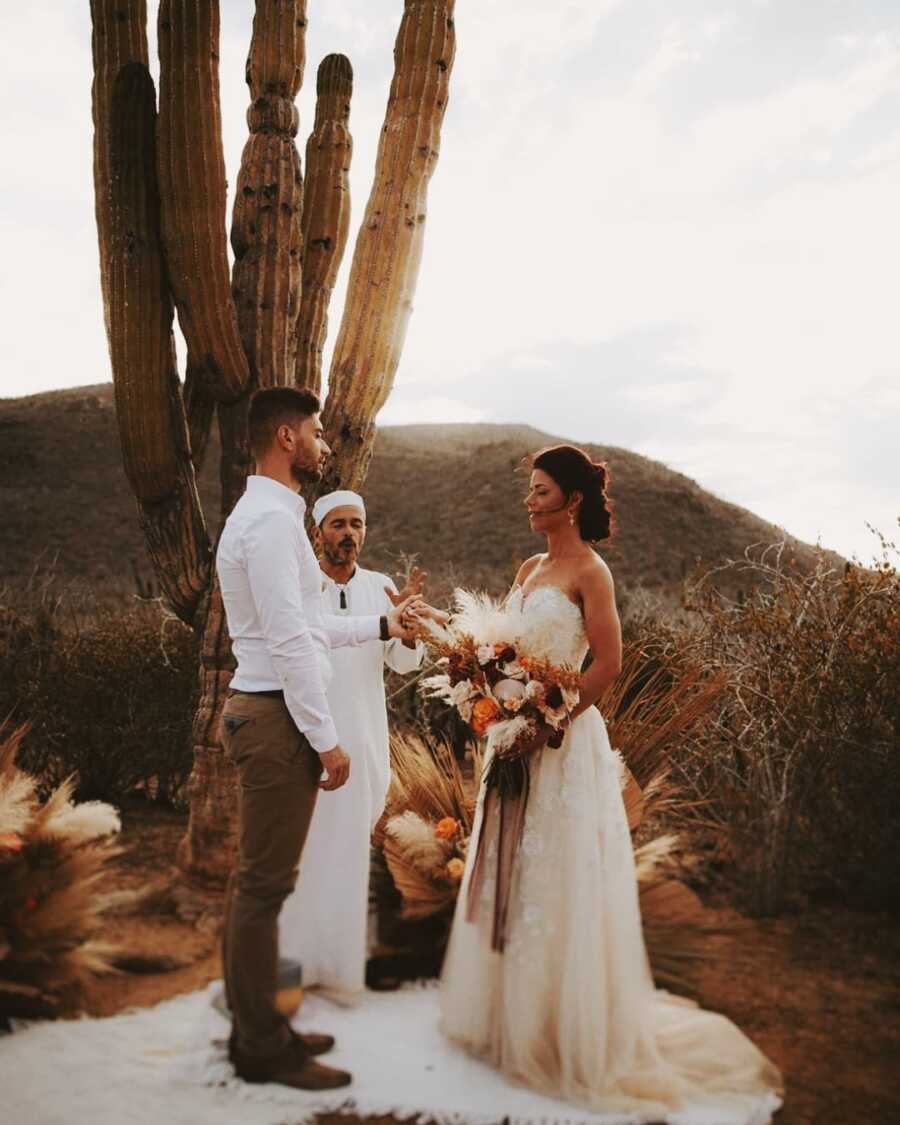
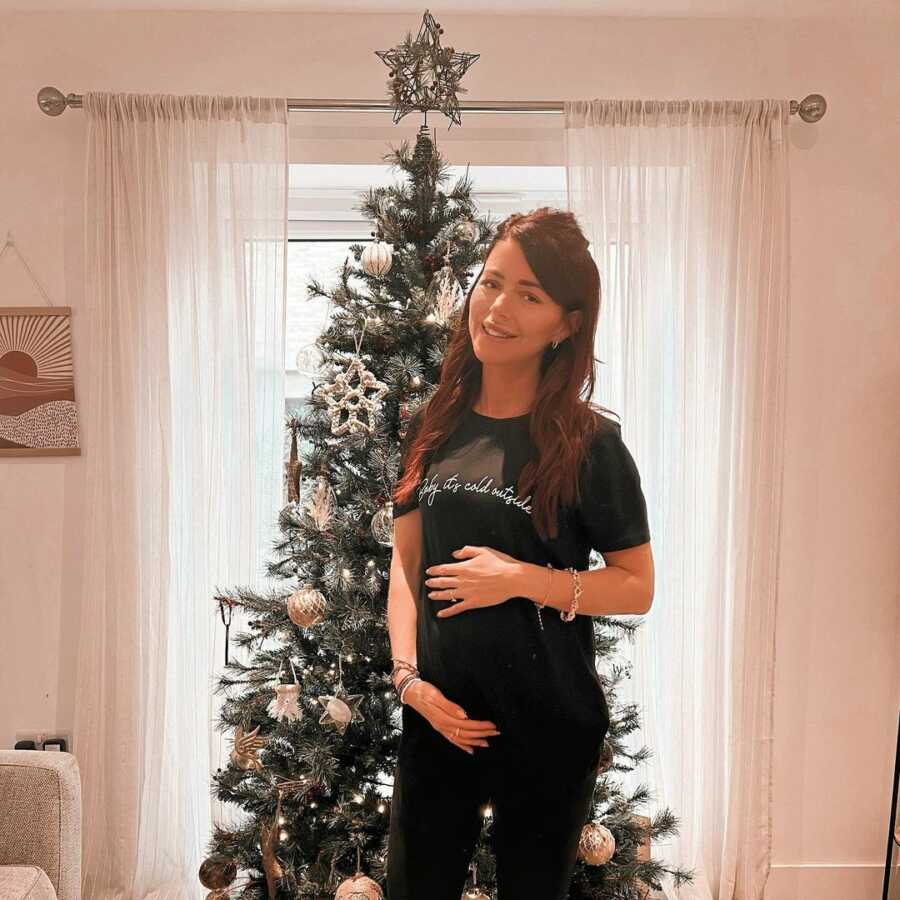
We married in Mexico in June 2021 — an intimate elopement where, for the first time in years, I felt present and alive. After months on a fertility waitlist — and endless COVID delays — I became pregnant naturally just before our appointment. By 22 weeks, I understood deeply that recovery is ongoing, not a single finish line. I can’t diet. I have to manage stress gently. Pregnancy is harder than I imagined, but choosing recovery gave me the chance to experience it at all.
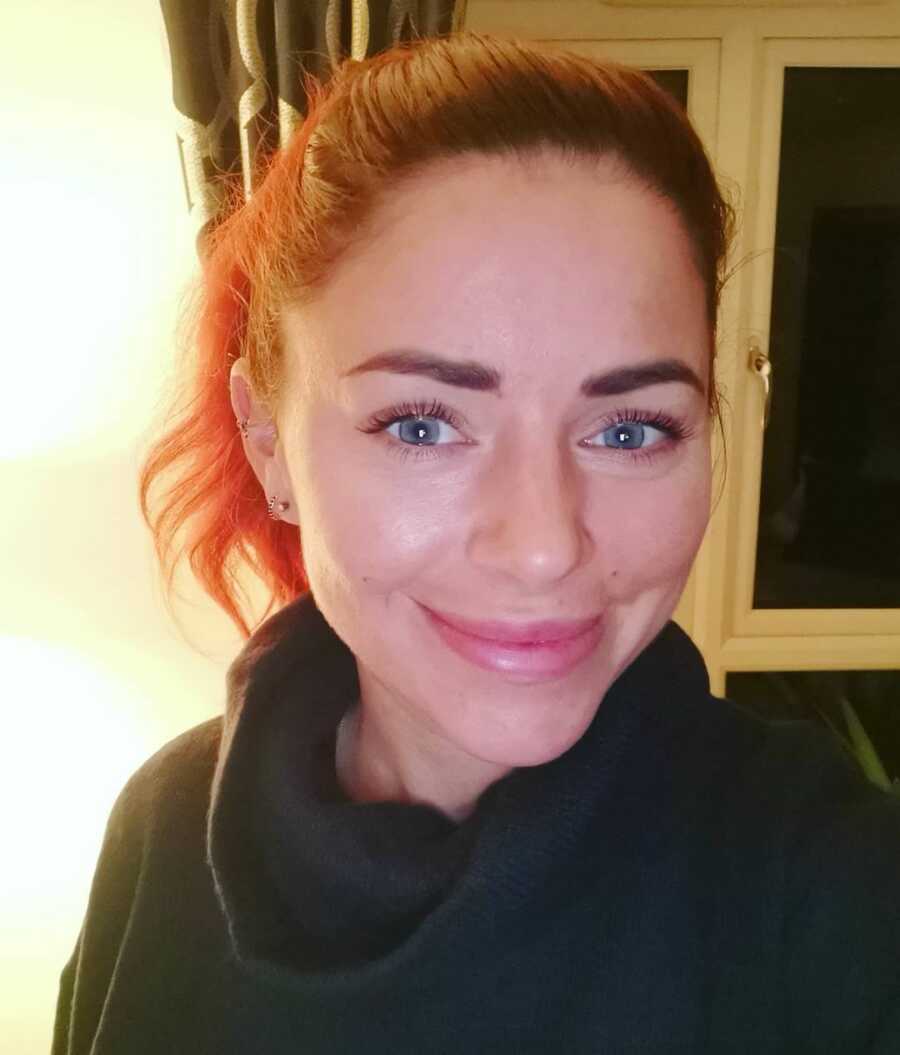
Only 40% of people fully recover from anorexia. Knowing that makes me fiercely protective of my mental health — and more compassionate toward others. For nearly three years, I lived inside a storm cloud, convinced happiness would never return. I now understand how people feel trapped enough to want to disappear. I’m lucky I had support. Many don’t.
That’s why I started my Instagram account — not for attention, but to shine a light in places I once felt alone. If sharing my story helps even one person take that first shaky step forward, it’s worth it.
If you’re struggling: listen to your family. Don’t waste money on “recovery fitness plans” or magical reverse-diet tricks. The only path out is straight through the fear. Walk through it anyway — and let people walk beside you.