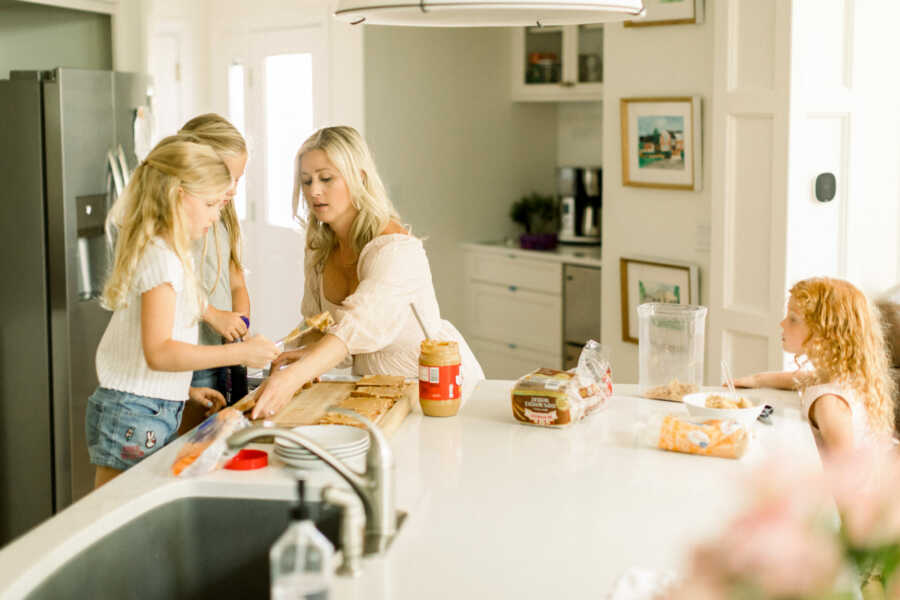
I’ve always loved cooking, but once kids came into the mix, meal prep became…well, complicated. I quickly learned that “winging it” for meals was no longer an option. Life with children is busier than you can ever imagine—and all the moms reading this are nodding their heads, right? Even a simple trip to the grocery store can feel like an adventure, with kids running around, distractions everywhere, and inevitably forgetting half the ingredients you need. By dinnertime, the stress of rushing to pull a meal together can take all the joy out of what should be a comforting, family moment.
Over the years, I’ve discovered tips, tricks, and strategies that have truly been life-saving when it comes to mealtime. I’ve learned how to transform dinner from a frantic scramble into something enjoyable, even exciting again. Enter: meal planning.
Meal planning has become my secret weapon. Each week, I try to balance a variety of foods and cuisines. I avoid repeating meals with the same main ingredient—so no doubling up on chicken or ground beef in one week—and I always include at least one “explore” meal. This is a chance to introduce my kids to new recipes, spices, or ingredients, keeping our week exciting and flavorful. Each meal usually has a protein, a vegetable, and a starch, which keeps things balanced and nourishing.

Contrary to what some might think, meal planning doesn’t have to be overwhelming. Just a few minutes of focused planning can set your entire week up for success. Here are my favorite hacks for simplifying dinnertime and feeding a busy family.
1. Decide Your Meal Planning Strategy
The first step is figuring out what works for you. For me, Sunday afternoons after church—while the kids rest—are prime meal planning time. Dustin and I communicate throughout the week about upcoming commitments, but I always double-check for last-minute changes, like a work dinner or sports practice. Knowing our week in advance helps me choose meals that fit. For example, if soccer practice starts at 6 p.m., dinner needs to be ready by 4:30. That might mean a crockpot meal or preparing dinner earlier in the day. Planning ahead removes stress and ensures the food actually gets on the table.
2. Meal Planning on a Budget
Next, I consider the food budget. Toward the end of the month, I’m usually a little tighter, so I focus on less expensive meals like casseroles, meatless dinners, or using freezer meals I’ve already prepped. A budget-conscious meal plan helps prevent random grocery shopping trips that often lead to wasted food—and money.
3. Grocery Pickup Is a Game Changer
As I plan each meal, I keep a grocery pickup tab open on my browser. Grocery pickup has been a total lifesaver—it saves time, limits impulse buys (because, let’s be honest, shopping hungry is dangerous), and lets me cross-check pantry stock while planning. I usually order fresh produce from Hy-Vee and pantry items from Walmart. Throughout the week, I add anything we run out of to my Alexa shopping list and then update my grocery order.
Once my weekly meal plan is finalized, I schedule my pickup—usually Monday morning after dropping the older kids at school. Pulling up to a car full of groceries is the perfect start to a productive week!
4. Make-Ahead Meals
Busy evenings happen, and this is where prepping meals ahead of time comes in. Crockpot meals are lifesavers for long workdays, and sometimes I’ll prepare dinner earlier in the day—like homemade mac and cheese—that can simply go in the oven closer to dinnertime. I also like to prep healthy staples like hard-boiled eggs, roasted sweet potatoes, or grilled chicken. Having ready-to-go options ensures I’m not defaulting to less nutritious choices when life gets hectic.

5. Pantry Staples
I always keep a few staple items on hand for those curveball moments—unexpected guests, last-minute errands, or sudden schedule changes. My go-to quick meals include chicken quesadillas, spaghetti, grilled chicken, or breakfast for dinner. Stocked staples include tortillas, chicken breasts, noodles, spaghetti sauce, eggs, hash browns, and bacon—most of which are freezer-friendly or have a long shelf life.
I also consider lifestyle needs: snacks for school lunches, quick meals for my husband Dustin’s workday, and grab-and-go options for myself. Having these essentials on hand keeps everyone fed and stress levels low.
6. Freezer Meals
Freezer meals are another time- and money-saver. When a meal freezes well—soups, pasta sauces, meatballs—I double the recipe and freeze half. This way, I have a ready-to-go dinner if I’m running behind or need to stick to the budget. A bonus trick from a friend: make cookie dough, freeze it in individual balls, and bake as needed. Fresh cookies on demand! Freezer meals are also perfect for blessing others, like a friend in need or a new mom.
Meal Planning in Action
Here’s what a typical week looks like for us:
Monday: Eloise has gymnastics after school, so I prep mac and cheese ahead of time and roast sweet potatoes and sauté kale during my prep session. Dinner is ready when we get home at 5:45, with kielbasa and green beans on the side. I check pantry stock and add missing ingredients to my list.
Tuesday: Our busiest day. Scarlett has running practice, Levi has soccer, so we need to eat early. A crockpot pot roast is perfect for timing, with carrots and potatoes ready.
Wednesday: A calmer day. Elliott has an early release, giving us one-on-one time prepping chicken fajitas together. This doubles as a chance to practice knife skills and teach her about cooking.
Thursday: Another busy evening. I prep Bulgogi earlier in the day to marinate, cook rice, and assemble a cucumber salad. Quick, delicious, and healthy.
Friday: Leftovers or takeout, depending on what’s left in the fridge or the budget. A chance to breathe, enjoy a family meal, and celebrate the week.
Weekends: More relaxed. Meals are flexible—leftovers, simple quesadillas, grill-outs, or homemade pancakes for breakfast. Weekends are about family time and slower mornings.

Extra Tip: Keep a Meal Planning Notebook
I always keep a notebook of past meal plans. On weeks when creativity feels low, flipping through old plans sparks ideas. Pinterest, Instagram food accounts (Half Baked Harvest and Food52 are favorites), and recipe cards are also lifesavers for inspiration.
Meal planning doesn’t just save time or money—it transforms mealtime into something manageable, stress-free, and even joyful. With a little planning, prep, and strategy, feeding your family can be one of life’s most rewarding routines.